Pasta is a versatile dish that can transform any meal from ordinary to extraordinary. From creamy fettuccine to zesty penne, pasta recipes offer endless possibilities for weeknight dinners, special occasions, and everything in between.
With the right combination of ingredients, you can create restaurant-quality pasta dishes right in your own kitchen.
Finding the perfect pasta recipe can elevate your cooking skills and impress your family and friends. Whether you’re looking for quick comfort food or an elegant meal for guests, pasta provides a satisfying base for countless flavors and textures.
You don’t need to be a professional chef to make delicious pasta dishes—many impressive recipes require just a few simple ingredients and basic techniques.

1. Spaghetti alla Carbonara
Spaghetti alla Carbonara is a classic Italian pasta dish known for its rich, creamy sauce made from eggs, cheese, pork, and black pepper. The beauty of this dish lies in its simplicity, using just a handful of ingredients.
The traditional recipe calls for guanciale (cured pork jowl), but bacon works well as a substitute. Pecorino Romano is the authentic cheese choice, adding a sharp, salty flavor to the sauce.
The secret to perfect carbonara is mixing the hot pasta with the egg and cheese mixture off the heat. This creates a silky sauce that coats each strand without scrambling the eggs.
It makes an impressive dinner for guests but is quick enough for weeknights, ready in about 30 minutes with just 4-5 ingredients.

2. Pappardelle with Lamb and Rosemary
Pappardelle with lamb and rosemary is a hearty and flavorful dish perfect for a cozy dinner. The wide pasta ribbons hold the rich lamb sauce beautifully.
Ground lamb is seasoned with coriander, cumin, rosemary, and thyme for a fragrant mixture. These spices work together to enhance the natural flavor of the meat without overpowering it.
The key to this dish is slow cooking the lamb until it’s tender and the flavors meld together. You can serve this with a glass of red wine for a complete meal.
This recipe works well for special occasions but is simple enough for a weekend family dinner.

3. Lobster Ravioli
Lobster ravioli is a luxurious pasta dish that brings a taste of fine dining to your home kitchen. This delicate pasta combines sweet lobster meat with rich, creamy fillings.
The most popular sauces for lobster ravioli include butter-based options with garlic, lemon, and white wine. A tomato cream sauce also works beautifully, adding a bright contrast to the seafood.
For a special touch, try brown butter lobster ravioli. The nutty flavor of browned butter complements the lobster perfectly.
You can make the pasta from scratch or use wonton wrappers as a time-saving alternative. Pair your lobster ravioli with simple sides like garlic biscuits, asparagus, or a light Italian salad.

4. Creamy Pesto Shrimp
Creamy Pesto Shrimp pasta brings restaurant quality to your dinner table in under 30 minutes. This luxurious dish combines linguine with tender shrimp in a rich sauce made with butter, cream, and Parmesan cheese.
You can use store-bought pesto to save time or make your own for a fresh flavor. The creamy texture perfectly coats each strand of pasta while the shrimp adds a delicate seafood taste.
This dish works for both weeknight meals and special occasions. Cook the pasta until al dente, then toss with the creamy pesto sauce and shrimp for a meal that feels fancy but requires minimal effort.

5. Baked Ziti with Sausage
Baked ziti with sausage combines pasta, cheese, and savory meat into one bubbling dish of comfort food. This recipe uses both sweet and hot Italian sausage for balanced flavor.
The dish starts with ziti pasta cooked until al dente, then mixed with rich tomato sauce and browned sausage. Layers of mozzarella, ricotta, and Parmesan cheese create the gooey, melty texture everyone loves.
It’s perfect for feeding a crowd and can be prepared ahead of time. You can even freeze portions for later.
This versatile pasta dish works for weeknight dinners but is special enough for gatherings and potlucks.

6. Spicy Rigatoni Vodka
Spicy Rigatoni Vodka is often called one of the best pasta recipes ever created. This creamy pink sauce combined with tube-shaped rigatoni creates a dish that’s both comforting and impressive.
The sauce starts with sautéed garlic and shallots in olive oil and butter. Red pepper flakes add the signature heat that makes this dish special.
You can adjust the spice level to your preference by using more or less red pepper flakes. A half teaspoon provides a moderate kick that most people enjoy.
This dish comes together in about 30 minutes, making it perfect for weeknight dinners or casual entertaining. The vodka in the sauce helps release flavors that would otherwise remain dormant.

7. Three-Cheese Stuffed Shells
These jumbo pasta shells are a crowd-pleasing comfort food that looks impressive but is surprisingly easy to make. The shells are filled with a rich mixture of ricotta, mozzarella, and Parmesan cheeses.
You can enhance the filling with fresh herbs for extra flavor. The stuffed shells are then covered in marinara sauce and baked until bubbly.
For an extra touch, top with breadcrumbs before baking to create a delightful textured crust. Some variations include adding spinach to the cheese mixture for a nutritional boost.
This dish makes a satisfying main course that pairs perfectly with a simple side salad and garlic bread.
8. Linguine with Clams
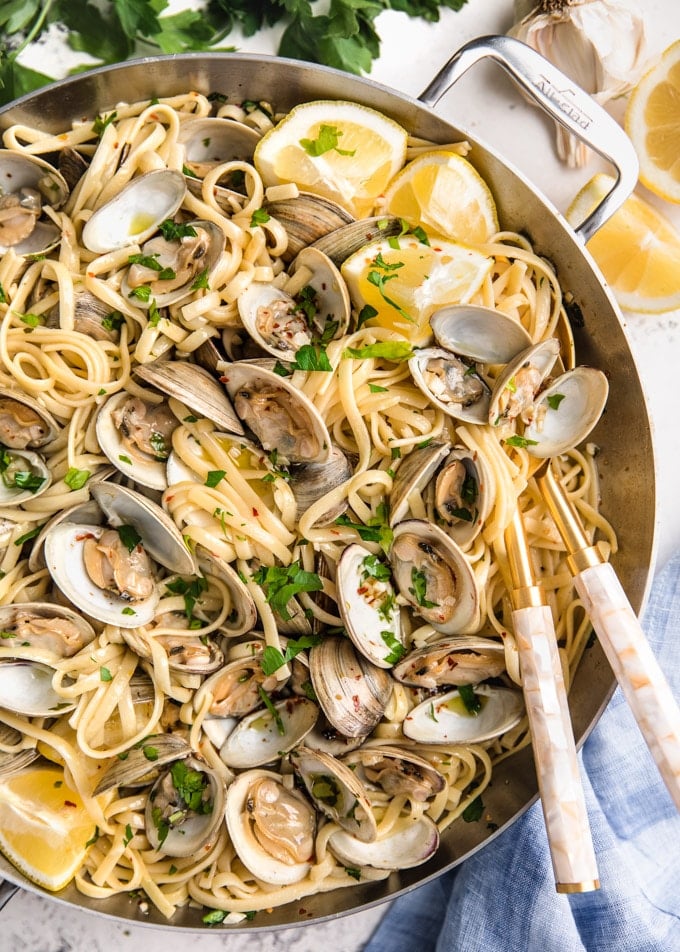
Linguine with clams is a classic pasta dish that combines tender pasta with fresh clams in a light, flavorful sauce. This elegant yet simple recipe takes only about 20 minutes to prepare, making it perfect for both weeknight dinners and special occasions.
The sauce typically features garlic, olive oil, white wine, and sometimes red pepper flakes. You can use either fresh clams or canned clams depending on availability and your preference.
For the best results, cook the linguine until it’s al dente and then finish it in the sauce to absorb all the delicious flavors. This allows the pasta to take on the briny essence of the clams.

9. Classic Lasagna
Lasagna is a beloved Italian dish that combines layers of pasta, cheese, sauce, and meat. The classic version typically includes both ground beef and Italian sausage for a rich flavor profile.
To make the best lasagna, start with quality ingredients. Use a mixture of ricotta, mozzarella, and Parmesan cheeses for the perfect creamy texture.
The sauce is key – simmer your tomato sauce with herbs like basil and oregano for depth. Many home cooks find that making lasagna with a friend makes the process more enjoyable.
Layer everything carefully, starting and ending with sauce. This prevents the noodles from drying out during baking.

10. Cheesy Baked Macaroni
Baked macaroni and cheese is comfort food at its finest. You can create this classic dish with just a few simple ingredients.
Start by cooking your pasta until it’s slightly underdone. This helps it absorb the cheese sauce without becoming mushy in the oven.
For the creamiest results, use a mix of cheeses like sharp cheddar, gruyère, or fontina. Adding a crunchy topping such as breadcrumbs or crushed crackers gives a delightful textural contrast.
Bake until bubbly and golden on top. You can customize your mac and cheese with additions like poblano peppers or prosciutto for extra flavor.

11. Squid Ink Pasta with Seafood
Squid ink pasta offers a dramatic black color and mild briny flavor that pairs perfectly with seafood. This elegant dish looks fancy but is surprisingly simple to prepare in under 30 minutes.
The most popular seafood combinations include shrimp, mussels, and other shellfish. You can create a creamy version with an alfredo-inspired sauce or keep it light with cherry tomatoes and garlic.
For special occasions, this pasta makes a stunning impression on your guests. The contrast between the black pasta and colorful seafood creates a visually striking meal that tastes as good as it looks.
Try garnishing with fresh parsley and a sprinkle of Parmesan cheese for the finishing touch.

12. Puttanesca with Anchovies
Puttanesca sauce is a bold Italian pasta dish made with pantry staples. The key ingredients include tomatoes, olives, capers, garlic and anchovies.
This dish comes together quickly, making it perfect for weeknight dinners. You’ll start by cooking down the anchovies with garlic and red pepper flakes to create a flavorful base.
While many recipes include anchovies, some versions omit them. However, they add a rich umami flavor that elevates the sauce without making it taste fishy.
Serve your puttanesca with spaghetti or your favorite pasta shape. This dish balances savory, briny and slightly spicy flavors for a truly satisfying meal.

13. Pasta Primavera
Pasta Primavera is a perfect spring dish that combines pasta with fresh vegetables. This colorful meal gets its name from “primavera,” which means springtime in Italian.
You can make this versatile dish with almost any vegetables you have on hand. Common ingredients include broccoli, bell peppers, carrots, and peas.
For the sauce, you can go with a light option using olive oil and garlic or choose a creamy version. Adding lemon zest brings a bright flavor that complements the vegetables nicely.
This dish works well with many pasta shapes, though penne and fettuccine are popular choices. Sprinkle with fresh herbs like basil and parsley before serving for extra flavor.

14. Fettuccine Alfredo
Fettuccine Alfredo is a rich and creamy pasta dish that’s both simple to make and impressive to serve. You only need a few ingredients to create this decadent meal.
The classic recipe combines butter, heavy cream, and Parmesan cheese for a silky sauce that coats the pasta perfectly. Some versions add Pecorino Romano cheese and a hint of nutmeg for extra flavor.
You can make this dish in about 30 minutes, making it perfect for weeknight dinners or special occasions. For a variation, try adding breadcrumbs on top for a delightful crunch.
Though simple, Fettuccine Alfredo is incredibly satisfying and sure to become a favorite in your pasta recipe collection.

15. Cacio e Pepe
Cacio e Pepe is a perfect example of how simplicity can create amazing flavor. This traditional Italian pasta dish uses just three main ingredients: pasta, black pepper, and Pecorino Romano cheese.
The name literally means “cheese and pepper” in Italian. It’s like a more sophisticated cousin of mac and cheese that comes together in minutes.
For the authentic version, you’ll need spaghetti, freshly ground black pepper, and good quality Pecorino Romano. The starchy pasta water is what helps create the creamy sauce without adding cream.
Some variations add arugula, lemon zest, or basil for freshness. These additions cut through the rich, cheesy flavors with bright acidity.

16. Orecchiette with Broccoli Rabe
Orecchiette with broccoli rabe is a classic Italian pasta dish that brings bold flavors to your table in less than 30 minutes. The small, ear-shaped pasta perfectly captures the sauce and ingredients.
Many recipes pair the slightly bitter broccoli rabe with savory Italian sausage, which creates a delicious balance of flavors. You can substitute with chicken sausage for a lighter version.
Garlic plays a crucial role in this dish, adding a punchy aroma that complements the greens. Some variations include caramelized onions and sun-dried tomatoes for extra depth.
This hearty pasta is especially comforting on cold nights and represents authentic cuisine from the Puglia region of Italy.

17. Sundried Tomato Pesto Penne
Sundried tomato pesto penne is a quick and flavorful pasta dish that brings bold flavors to your table. The rich, tangy taste of sundried tomatoes creates a pesto that’s different from traditional basil versions.
This dish comes together in minutes, making it perfect for busy weeknights. You can keep it vegetarian or add crispy Parmesan chicken for extra protein.
To make it creamier, try adding a splash of heavy cream and chicken broth to the sauce. Some recipes also include fire-roasted tomatoes and a touch of balsamic vinegar for depth.
This one-pot meal needs minimal cleanup, and the vibrant flavors will satisfy everyone at your table.

18. Ravioli in Sage Butter Sauce
Ravioli in sage butter sauce is one of the simplest yet most elegant pasta dishes you can make. The combination creates a perfect balance of flavors that feels luxurious despite taking just minutes to prepare.
The dish features plump ravioli (store-bought works perfectly) coated in a nutty brown butter sauce infused with crispy sage leaves. Some recipes add a touch of garlic for depth and either toasted pecans or walnuts for texture.
You can use any ravioli filling you prefer – butternut squash and ricotta are particularly popular options. The entire meal comes together in about 25 minutes, making it ideal for both weeknight dinners and special occasions.

19. Tortellini in Brodo
Tortellini in brodo is a classic Italian dish that features small, bite-sized tortellini pasta served in a rich broth. This simple yet flavorful meal is especially popular during Christmas in Bologna.
The tiny tortellini are designed to be eaten in a single bite, swimming in a clear, savory broth. You can think of it as an upgraded version of chicken soup – hearty, filling, and incredibly comforting.
You can serve this dish year-round, but it’s particularly warming during cold months. The combination of delicate pasta and flavorful broth makes tortellini in brodo a perfect starter or light main course.

20. Mushroom Risotto Pasta
Mushroom risotto pasta combines the creamy texture of risotto with the convenience of pasta. This dish captures the rich umami flavors of mushrooms in a comforting meal.
You can use any mushroom variety—portobello, cremini, or even dried porcini for deeper flavor. The key is cooking the mushrooms until golden to develop their flavor fully.
Add garlic, rosemary, and a splash of white wine to enhance the earthy mushroom taste. Finish with butter and Parmesan cheese for that signature risotto creaminess.
This dish works perfectly for date nights or special occasions. Serve it with a sprinkle of fresh herbs for added brightness.

21. Spinach and Ricotta Cannelloni
Spinach and ricotta cannelloni is a crowd-pleasing Italian pasta dish that’s perfect for family dinners. You’ll love the creamy spinach and ricotta filling stuffed inside pasta tubes.
The dish is typically baked in a flavorful tomato sauce and topped with melted mozzarella cheese. The combination of the creamy filling and savory sauce creates a perfect balance of flavors.
You can serve this dish for special occasions or weekend family meals. It’s hearty enough to be a main course when paired with a simple salad.
Making cannelloni at home allows you to control the ingredients and customize the flavors to your liking. You can add herbs like basil or nutmeg to enhance the filling.
Perfecting Pasta Cooking Techniques
Cooking pasta correctly makes the difference between an average meal and a remarkable one. The right techniques help you achieve the perfect texture and flavor in every dish.
Achieving Al Dente
Al dente pasta has a slight firmness when bitten into – not too soft or mushy. To achieve this ideal texture, always follow the cooking time on the package as a starting point, but begin testing about 2 minutes before the suggested time.
Use a large pot with plenty of water – about 4-6 quarts for every pound of pasta. This gives the pasta room to move freely and cook evenly.
Never add oil to your pasta water. This common mistake prevents sauce from sticking to your pasta later.
When testing for doneness, pull out a piece and bite through it. Look for a tiny white dot in the center – this means it’s perfectly al dente.
Properly Salting Pasta Water
Salt is crucial for flavorful pasta. Add 1-2 tablespoons of salt per pound of pasta when the water comes to a full boil, before adding pasta.
The water should taste like the sea – noticeably salty but not unpleasant. This seasons the pasta from within as it cooks.
Table salt works fine, but many chefs prefer kosher or sea salt for better flavor.
Don’t add salt too early, as it can pit stainless steel pots if it sits at the bottom while the water heats up.
Remember that different pasta shapes and sizes might need slightly different amounts of salt. Thicker pastas benefit from more heavily salted water.
Sauce Pairing Tips
Match your pasta shape to the right sauce for the best results. Thin, delicate sauces work best with long, thin pasta like spaghetti or linguine.
Chunky sauces need pasta with nooks and crannies to trap the ingredients. Try penne, farfalle, or orecchiette with vegetable-heavy sauces.
Reserve pasta water before draining! This starchy liquid helps sauces cling to pasta and can fix too-thick sauces.
Always finish cooking your pasta in the sauce for the last minute or two. This helps the pasta absorb flavors and creates a cohesive dish.
For oil-based sauces, toss the pasta immediately after draining to prevent sticking. For cream or tomato sauces, a brief drain is fine before adding to the sauce.
Exploring Regional Pasta Varieties
Pasta traditions vary widely across different regions, with each area developing distinctive shapes and preparations based on local ingredients and cultural influences. The diversity ranges from Italy’s rich regional specialties to Asia’s unique noodle varieties.
Italian Pasta Styles
Northern Italian regions favor egg-based pasta like tagliatelle and pappardelle. These hearty ribbons pair perfectly with rich meat sauces like Bolognese. In contrast, Southern Italy specializes in dried pasta made from semolina and water.
Sicily and Sardinia offer unique pasta shapes including busiate (twisted pasta) and malloreddus (small ridged gnocchi). These regional specialties hold sauces differently and showcase local flavors.
Central Italian regions like Tuscany and Umbria are known for pici, a hand-rolled thick spaghetti. Fresh stuffed pastas like tortellini from Emilia-Romagna and orecchiette (“little ears”) from Puglia demonstrate how regional traditions influence pasta shapes.
Asian Noodle Variations
Chinese cuisine features diverse noodle styles including hand-pulled lamian and chewy knife-cut noodles. These variations differ in texture and cooking applications, from stir-fries to soups.
Japanese ramen, udon, and soba represent distinct noodle traditions. Ramen features wheat noodles in rich broths, while udon offers thick, chewy textures. Soba’s buckwheat composition provides a nutty flavor and nutritional benefits.
Rice noodles dominate Southeast Asian cuisines. Vietnamese phở features thin rice noodles in aromatic broth, while Thailand’s pad thai showcases wider rice noodles in stir-fries. Korean japchae uses sweet potato starch noodles for a uniquely springy texture.
Health Benefits And Nutritional Insights
Pasta dishes can be part of a balanced diet when prepared thoughtfully. The right pasta choices and combinations can provide essential nutrients while satisfying your cravings.
Whole Grain Options
Whole grain pasta contains more fiber, protein, and nutrients than regular pasta. A single serving provides about 6 grams of fiber, helping you feel full longer and supporting digestive health.
Whole wheat, spelt, and brown rice pasta options deliver B vitamins and minerals like magnesium and iron. These nutrients support energy production and overall health.
When shopping, look for “100% whole grain” on the label. Some products may be partially whole grain but still contain refined flour.
Try mixing whole grain and regular pasta (50/50) if you’re adjusting to the stronger flavor and texture. This approach helps you transition while still gaining nutritional benefits.
Gluten-Free Alternatives
Gluten-free pastas offer options for those with celiac disease, gluten sensitivity, or dietary preferences. These alternatives are made from rice, corn, quinoa, chickpeas, or lentils.
Legume-based pastas (chickpea, lentil) provide more protein and fiber than wheat pasta. A typical serving offers 15+ grams of protein and 5+ grams of fiber.
Bean-based pastas have a lower glycemic index, helping to prevent blood sugar spikes after meals. This makes them suitable for people managing diabetes.
Rice and corn pastas have milder flavors that work well with lighter sauces. They tend to have textures closest to traditional pasta.
Always follow package cooking instructions carefully, as gluten-free pastas often have specific cooking times to achieve the best texture.