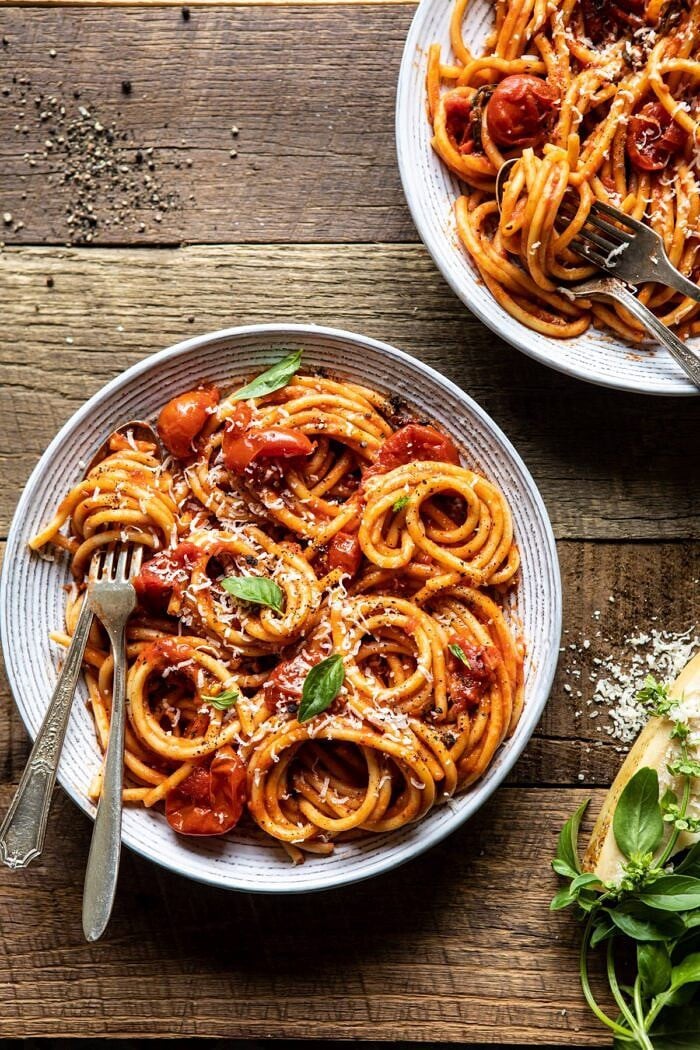
Italian pasta comes in many shapes and sizes, each designed to pair with specific sauces and ingredients.
From the tube-shaped rigatoni to delicate angel hair, these pasta varieties offer unique textures and eating experiences.
Learning about different pasta types can help you create more authentic Italian meals and expand your cooking repertoire.
Whether you’re craving a hearty baked pasta dish or a simple spaghetti with tomato sauce, Italian cuisine offers countless delicious options.
Many traditional pasta recipes have been passed down through generations, preserving authentic flavors that bring the essence of Italy to your table.
These recipes often use simple, quality ingredients that come together to create memorable meals.

1. Spaghetti Carbonara
Spaghetti Carbonara is one of Italy’s most beloved pasta dishes. It features a silky sauce made from eggs, hard cheese, cured pork, and black pepper.
What makes carbonara special is its simple yet rich flavor profile. The sauce isn’t cream-based but rather a thin egg and cheese custard that coats each strand of spaghetti perfectly.
Traditional Roman carbonara uses cured pork like pancetta or guanciale. When making this dish, you’ll toss hot pasta with the egg mixture, allowing the residual heat to cook the eggs.
You can find variations that include peas or other additions, but purists prefer the classic recipe with just the core ingredients.

2. Pappardelle with Meat Ragu
Pappardelle is a wide, flat pasta that’s perfect for catching hearty sauces. These broad ribbons pair beautifully with rich meat ragus.
The most popular version is beef ragu, where meat is slow-cooked until it becomes tender enough to shred. The sauce develops deep flavors over several hours of simmering.
You can make this dish with various meats including beef short ribs or a combination of meats for more complex flavors. Some recipes use three different meats for added richness.
The wide surface of pappardelle holds the thick, velvety sauce perfectly. Each bite gives you the ideal balance of tender pasta and savory meat.

3. Cacio e Pepe
Cacio e Pepe is one of Rome’s most beloved pasta dishes. Its name literally means “cheese and pepper” in Italian, highlighting its simple ingredients.
This dish is made with just three components: pasta (typically spaghetti or tonnarelli), Pecorino Romano cheese, and freshly ground black pepper.
The simplicity of Cacio e Pepe makes it the foundation for many other Roman pasta dishes.
When you add guanciale (cured pork jowl) to Cacio e Pepe, you get Pasta alla Gricia. Add eggs to that combination and you have Carbonara. If you include guanciale and tomatoes instead, you create Amatriciana.
The key to perfect Cacio e Pepe is using starchy pasta water to create a creamy sauce that coats each strand of pasta.

4. Lasagna Bolognese
Lasagna Bolognese is a classic Italian dish that combines layers of pasta, rich meat sauce, and creamy béchamel. Unlike American versions that use ricotta, authentic Bolognese style uses a white sauce.
The key to great lasagna is making two distinct sauces. The ragù Bolognese typically contains four types of meat for depth of flavor, while the béchamel adds creaminess.
You can use oven-ready pasta sheets to save time, though some chefs prefer homemade pasta for the best texture. Layer everything carefully, allowing the pasta to absorb the sauces while baking.
This hearty dish is perfect for family gatherings or special occasions. It’s filling and satisfying any time of year.

5. Tagliatelle alla Bolognese
Tagliatelle alla Bolognese is one of Italy’s most iconic pasta dishes. This classic pairs flat, ribbon-like tagliatelle pasta with a rich, slowly simmered meat sauce.
Traditional Bolognese sauce combines ground beef, pork, and pancetta with soffritto (a mix of sautéed onions, carrots, and celery). The sauce cooks for hours, developing deep flavors.
In Italy, particularly Bologna where the dish originates, tagliatelle is the authentic pasta choice for Bolognese sauce. The wide, flat noodles hold the hearty meat sauce perfectly.
You can try other pasta shapes like fettuccine, but Italians consider tagliatelle the proper pairing for this famous ragù.

6. Penne all’Arrabbiata
Penne all’Arrabbiata is a fiery Italian pasta dish from Rome that takes just 20 minutes to prepare. The name “arrabbiata” means “angry” in Italian, referring to the spicy kick from chili peppers in the sauce.
This dish combines penne pasta with a simple sauce of tomatoes, garlic, red chili peppers, and olive oil. Fresh herbs like basil and parsley are often added for brightness.
You can keep it vegetarian or customize it with protein. Some variations include adding chicken or plant-based sausage for extra flavor and nutrition.
Serve your penne all’arrabbiata with a sprinkle of fresh parmesan cheese and torn basil leaves for an authentic touch.

7. Tortellini en Brodo
Tortellini en Brodo is a classic Italian dish featuring small, filled pasta parcels served in a flavorful broth. This comforting meal is enjoyed year-round in Italy but holds special importance during Christmas celebrations.
The dish combines delicate handmade tortellini filled with savory meat or cheese with a clear, homemade broth. Traditional versions from Bologna use a meat filling made with local ingredients.
You can make this dish at home using either homemade or store-bought tortellini. The key is using a good quality broth – chicken broth works well.
Simply cook the tortellini in the hot broth and serve with a sprinkle of cheese for a simple yet satisfying Italian classic.

8. Orecchiette with Broccoli Rabe
Orecchiette, meaning “little ears” in Italian, pairs perfectly with broccoli rabe in this classic Pugliese dish. The ear-shaped pasta catches the slightly bitter greens and other ingredients in its cup-like form.
Traditional recipes combine the pasta with broccoli rabe, olive oil, garlic, and often Italian sausage for added flavor. The bitter notes of the broccoli rabe balance beautifully with the richness of the other ingredients.
You can make a vegetarian version using plant-based sausage. Some variations also include tomatoes for a touch of acidity and sweetness.
This dish represents Italian cooking at its finest—simple ingredients coming together to create something truly delicious.

9. Fettuccine Alfredo
Fettuccine Alfredo is a simple yet decadent pasta dish that combines flat, ribbon-like pasta with a creamy sauce. The classic recipe uses just three ingredients: fettuccine pasta, butter, and Parmesan cheese.
Modern versions often add heavy cream and garlic for extra richness.
You can prepare this dish in about 30 minutes, making it perfect for weeknight dinners or special occasions.
The sauce clings beautifully to the wide fettuccine noodles. For the creamiest result, use freshly grated Parmesan cheese rather than pre-packaged varieties.
Some recipes include a hint of nutmeg or mix in Pecorino Romano cheese for a more complex flavor.

10. Rigatoni alla Norma
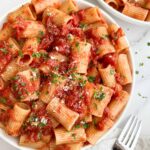
Rigatoni alla Norma is a classic Sicilian pasta dish named after Bellini’s opera. This delicious recipe combines tube-shaped rigatoni pasta with a flavorful sauce made from eggplants and tomatoes.
The dish features tender roasted or fried eggplant mixed with a sweet tomato sauce. Traditional versions top the pasta with salty grated ricotta salata cheese, giving it a perfect flavor balance.
You can easily make this at home by roasting eggplant instead of frying it for a lighter version. The ridges of rigatoni pasta work perfectly to hold the chunky sauce components.
This vegetarian main dish offers a meaty texture from the eggplant, making it satisfying even without meat.

11. Bucatini Amatriciana
Bucatini Amatriciana is a classic Italian pasta dish that originates from the town of Amatrice in central Italy. This delicious recipe features bucatini, a thick spaghetti-like pasta with a hole running through the center.
The sauce combines tomatoes with guanciale (cured pork jowl), though pancetta can be used as a substitute. Black pepper, red pepper flakes, and white wine bring depth to the dish.
Pecorino Romano cheese adds a sharp, salty finish that balances the rich sauce.
You’ll find this sauce clings perfectly to bucatini’s unique shape, filling both the outside and inside of each strand.
This dish takes just about 20 minutes to prepare, making it a quick yet authentic Italian meal for any night of the week.

12. Gnocchi with Sage Butter
Gnocchi with sage butter is a classic Italian dish that showcases how simple ingredients can create amazing flavors. These small potato dumplings are light and pillowy when cooked properly.
The sauce couldn’t be simpler – just butter cooked until golden, fresh sage leaves, and a sprinkle of Parmesan cheese. When the butter browns slightly, it develops a nutty flavor that pairs perfectly with the earthy sage.
To make this dish, you’ll cook gnocchi in salted water until they float to the surface. Then toss them in the sage butter sauce with some grated Parmesan.
You can use store-bought gnocchi for convenience or make your own for a truly authentic experience.

13. Linguine alle Vongole
Linguine alle Vongole is a classic Italian pasta dish featuring clams in a garlic white wine sauce. This seafood pasta combines al dente linguine with briny clams for a taste of the sea.
The dish typically uses fresh clams, garlic, white wine, olive oil, and parsley. Some versions include a splash of Prosecco for extra flavor.
You can prepare this dish in under 30 minutes, making it perfect for weeknight dinners or special occasions.
The sauce is light yet flavorful, allowing the natural taste of the clams to shine through.
The combination of pasta with the clam broth creates a simple yet elegant meal that transports you to coastal Italy with every bite.

14. Farfalle with Marinara Sauce
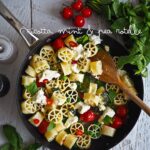
Farfalle, often called bow tie pasta for its butterfly-like shape, pairs beautifully with marinara sauce. The wide surface and pinched middle catch the sauce perfectly.
Marinara sauce is a classic red sauce made from tomatoes, onions, garlic, and herbs. It’s simple yet flavorful, making it an ideal match for farfalle’s unique shape.
For a quick dinner, cook your farfalle until al dente. While it cooks, warm up marinara sauce with some fresh basil. You can make homemade sauce or use a quality store-bought version.
For extra flavor, add Italian sausage or rotisserie chicken to your farfalle with marinara. A sprinkle of Parmesan cheese on top completes this delicious pasta dish.

15. Ravioli with Spinach and Ricotta
Spinach and ricotta ravioli is a classic Italian stuffed pasta that balances creamy cheese with earthy greens. These small pillows of pasta are filled with a mixture of ricotta cheese, spinach, Parmigiano Reggiano, and a touch of nutmeg for depth.
You can serve these delicate ravioli with various sauces. A simple butter sauce with lemon zest and black pepper highlights the filling’s flavors. A light tomato sauce with fresh basil makes another excellent pairing.
Making ravioli from scratch takes time but rewards you with tender pasta and a rich filling. The combination of spinach and ricotta creates a light yet satisfying dish that pairs well with Sauvignon Blanc.

16. Pasta Puttanesca
Pasta Puttanesca is a bold Italian dish made with pantry staples. The sauce combines tomatoes, olives, capers, anchovies, and garlic to create a flavor-packed meal.
This recipe comes together quickly, making it perfect for busy weeknights. You can use canned tomatoes and tomato paste as the base for the sauce.
The name has colorful origins, reportedly associated with Italian ladies of the night who needed to prepare quick meals between clients. Regardless of its history, the dish delivers big flavor with minimal effort.
For the best results, serve your Puttanesca sauce over spaghetti with a sprinkle of Parmesan cheese on top.

17. Ziti al Forno
Ziti al Forno is a classic Italian baked pasta dish. “Al forno” simply means “baked in the oven” in Italian.
This hearty dish combines ziti pasta tubes with tomato sauce, cheese, and often ground beef or Italian sausage. The pasta is first partially cooked, then mixed with the sauce and toppings before being baked.
You can customize Ziti al Forno with different meats or keep it vegetarian. Many recipes include ricotta, mozzarella, and Parmesan cheeses for a rich, melty texture.
The dish is similar to baked rigatoni, with the main difference being the pasta shape used. It’s perfect for family gatherings or when you want a comforting meal.

18. Aglio e Olio
Spaghetti Aglio e Olio is one of the simplest yet most delicious Italian pasta dishes you can make. The name means “garlic and oil” in Italian, which perfectly describes its main ingredients.
You only need four basic ingredients: pasta (typically spaghetti), fresh garlic, good quality olive oil, and red pepper flakes. Some versions add grated Parmesan cheese as a finishing touch.
This dish takes just about 20 minutes to prepare. While the pasta cooks, you’ll sauté thinly sliced garlic in olive oil until fragrant, then add red pepper flakes for a touch of heat.
The beauty of Aglio e Olio lies in its simplicity. It’s perfect when you need a quick, satisfying meal with items you likely already have in your pantry.

19. Fusilli with Pesto Genovese
Fusilli pasta’s spiral shape makes it perfect for holding thick sauces like pesto Genovese. The twists and grooves trap the rich basil sauce in every bite.
Traditional pesto Genovese combines fresh basil, pine nuts, garlic, Parmesan cheese, and olive oil. When mixed with fusilli, it creates a simple yet satisfying meal that celebrates Italian flavors.
You can enhance your fusilli pesto by adding sautéed zucchini or pancetta for extra flavor. Some recipes include chicken for a heartier dish.
For best results, cook the fusilli until al dente and toss with room-temperature pesto. Serve with crusty bread for a complete meal.

20. Tonnarelli with Pepper and Cheese
Tonnarelli with pepper and cheese, known as “Cacio e Pepe” in Italian, is a simple yet delicious Roman pasta dish. This recipe uses only three main ingredients: tonnarelli pasta, Pecorino Romano cheese, and black pepper.
Tonnarelli is a square-cut pasta similar to spaghetti but thicker. When making this dish, you’ll toast black pepper to release its flavors before mixing it with the pasta.
The magic happens when you add a bit of pasta water to the grated Pecorino Romano, creating a creamy sauce that coats the pasta perfectly. No butter or oil needed!
You can also find variations that include chive pesto or serve this classic dish with spaghetti squash for a lower-carb option.

21. Maccheroni with Tomato and Basil
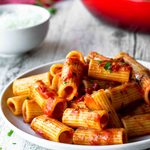
Maccheroni with tomato and basil is a classic Italian dish that combines simplicity with incredible flavor. This pasta variety works perfectly with the tangy-sweet tomato sauce.
When making this dish, choose ripe plum tomatoes when they’re in season for the best flavor. Fresh basil leaves add a bright, aromatic quality that dried herbs simply can’t match.
The ridged surface of maccheroni helps the sauce cling to each piece. You’ll want to cook the pasta until it’s al dente – firm to the bite but not hard.
For an authentic touch, finish your dish with a sprinkle of high-quality Parmesan cheese and a drizzle of olive oil.
History of Italian Pasta
Italian pasta has transformed from simple beginnings to a cornerstone of global cuisine. Its journey spans centuries of innovation and cultural exchange, creating the diverse pasta landscape we enjoy today.
Origins and Evolution
Pasta’s earliest forms appeared in ancient civilizations. While many believe Marco Polo introduced pasta to Italy from China in the 13th century, evidence shows Italians were already enjoying pasta before his famous travels. Etruscan tombs dating to 400 BCE contain images of tools used for pasta-making.
The Arab influence during their rule of Sicily in the 8th century significantly advanced pasta-making techniques. They introduced dried pasta, which allowed for storage and transportation, revolutionizing how people consumed this staple food.
By the 14th century, pasta had become mainstream in Italian cuisine. The first industrial production began in Naples during the 1600s, making pasta more accessible. Mechanical pasta-making machines appeared in the 19th century, leading to new shapes like rigatoni.
Regional Variations
Italy’s diverse regions each developed unique pasta traditions based on local ingredients and cultural preferences. Northern regions, with their butter-rich dairy farms, created egg-based fresh pastas like tagliatelle and tortellini in Emilia-Romagna.
Southern Italy, particularly Naples, became famous for dried pasta varieties due to its ideal climate for pasta drying. Sicily developed pasta con le sarde (with sardines) reflecting its Mediterranean influences.
Rome created iconic dishes like carbonara, which resourcefully used available ingredients during tough economic times. This dish originated in Testaccio, where workers were sometimes paid in guanciale (pork jowl).
Each region’s pasta reflects local history, economy, and geography. These regional specialties have preserved Italian culinary heritage while continuing to evolve with modern influences.
Pairing Pasta with Sauces
Matching the right pasta with the right sauce creates a balanced Italian meal where flavors and textures complement each other perfectly. The shape and texture of pasta determines how well it holds different types of sauces.
Matching Sauce Textures
Wide, flat pasta like pappardelle and fettuccine work best with rich, hearty sauces. These broader surfaces provide more area for thick, meaty ragùs and creamy sauces to cling to. Fettuccine is particularly ideal for dairy-based sauces like classic alfredo.
Thin, round pasta shapes such as spaghetti and capellini pair well with lighter, tomato-based sauces that can coat each strand evenly. The thin profile allows the sauce to distribute nicely around each piece.
Tubular pastas like penne and rigatoni excel with chunky sauces. Their hollow centers trap meat, vegetables, and sauce, delivering more flavor in each bite. The ridges on shapes like rigatoni provide additional surface area for sauce to cling to.
Small shapes such as orzo and ditalini work best in soups and light sauces, while twisted shapes like fusilli catch light, oil-based sauces in their spirals.
Regional Sauce Specialties
Different Italian regions have traditional pasta and sauce pairings that reflect local ingredients and cooking styles.
In northern Italy, more butter and cream-based sauces are paired with egg pasta varieties.
Central Italy, particularly Rome, is known for simple yet flavorful combinations like cacio e pepe with tonnarelli or carbonara with spaghetti. These dishes highlight just a few high-quality ingredients.
Southern Italian cuisine features tomato-based sauces with dried pasta. Naples is famous for its simple marinara sauce with spaghetti, while Sicily often pairs busiate (twisted pasta) with pesto alla trapanese (almond and tomato pesto).
Coastal regions throughout Italy traditionally pair small pasta shapes with seafood sauces. These light, delicate combinations like linguine with clam sauce allow the fresh seafood flavors to shine through.