A German breakfast table looks nothing like a quick bowl of cereal. It’s a spread of crusty rolls, good cheese, cured meats, soft eggs, and at least one jam jar with the lid left off. Germans call this meal Frühstück, and on weekends it can stretch for an hour or more, with coffee refilled twice and nobody rushing to clear the plates.
The best German breakfast foods balance bread, protein, and something sweet so every bite has contrast. A proper German breakfast spread centers on fresh Brötchen rolls, cold cuts, cheese, soft-boiled eggs, and fruit preserves, with a sweet pastry on the side for balance. That formula works whether you’re feeding two people or setting up a brunch for twelve.
This list covers the breads, meats, cheeses, eggs, and pastries that show up again and again in German kitchens, plus a few regional specialties worth trying at least once. Some need a trip to a German bakery or butcher counter; others you can make from scratch this weekend.
Quick picks:
- Best everyday staple: Brötchen rolls with butter and jam
- Best protein boost: soft-boiled eggs with Black Forest ham
- Best weekend project: Franzbrötchen or Hefezopf, baked fresh
- Best savory specialty: Mettbrötchen for the adventurous eater

1. German Bread Rolls (Brötchen)
Brötchen are the backbone of German breakfast, small crusty rolls with a chewy interior and a shiny, crackly crust. Bakeries sell dozens of varieties, from plain wheat rolls to ones studded with poppy seeds or sunflower seeds. Split one open while it’s still warm, add a pat of butter, and watch it melt into every crevice.
If you can’t find them locally, a basic crusty roll recipe baked with steam in the oven gets close. Pair the idea with a browse through our best sourdough recipes for a tangier homemade version.
2. Whole-Grain Bread (Vollkornbrot)
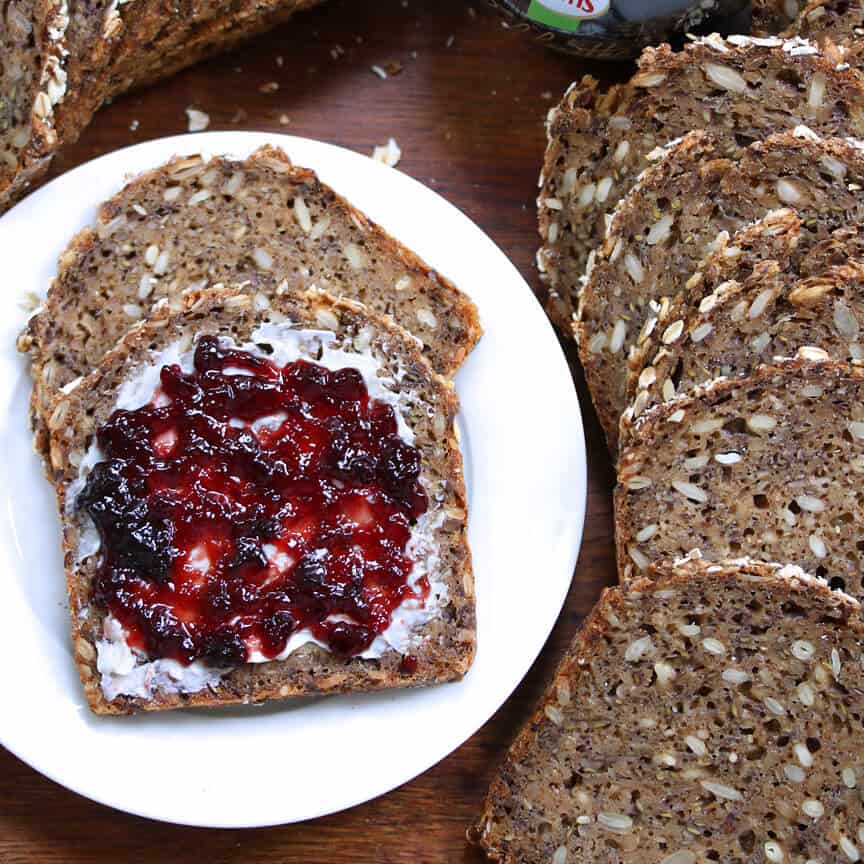
Vollkornbrot is dense, dark, and packed with whole rye and wheat kernels, giving it a nutty flavor and a satisfying chew. Germans slice it thin because a little goes a long way. It holds up well under heavy toppings like liverwurst or aged cheese without turning soggy.
This bread keeps for days wrapped in a towel, which makes it a smart bake-ahead choice. Check our best baking recipes for home bakers if you want to try a loaf from scratch.
3. Soft-Boiled Eggs (Frühstückseier)
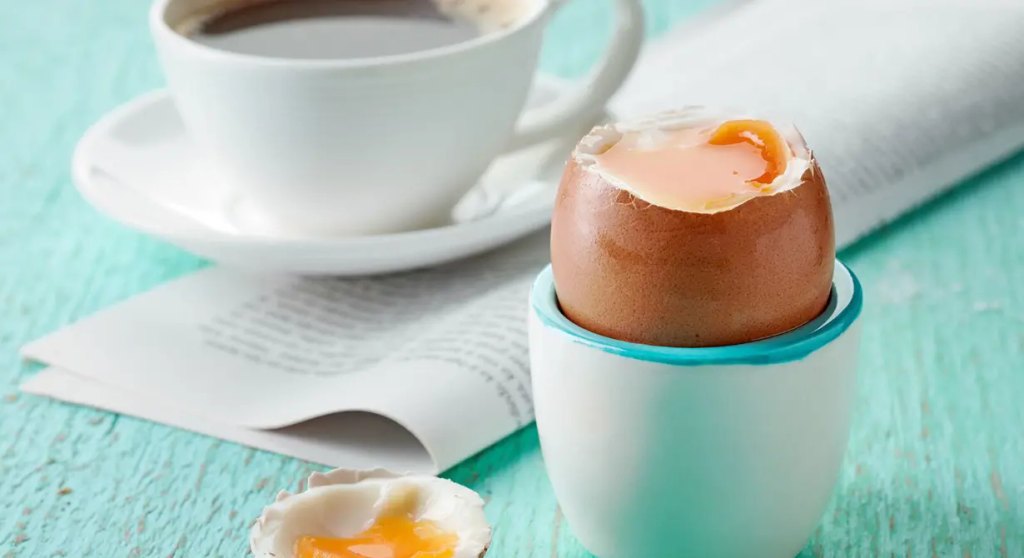
Soft-boiled eggs are a near-universal fixture at German breakfast tables, served standing up in a small egg cup with the top sliced off. The white sets firm while the yolk stays runny and golden, perfect for dipping strips of buttered bread.
Timing matters here: six minutes in simmering water gives a jammy yolk, seven minutes firms it slightly more. Serve with a tiny spoon for scooping the last bit from the shell. For more ways to cook eggs for breakfast, our best egg recipes has plenty of ideas.
4. Butterkäse Cheese
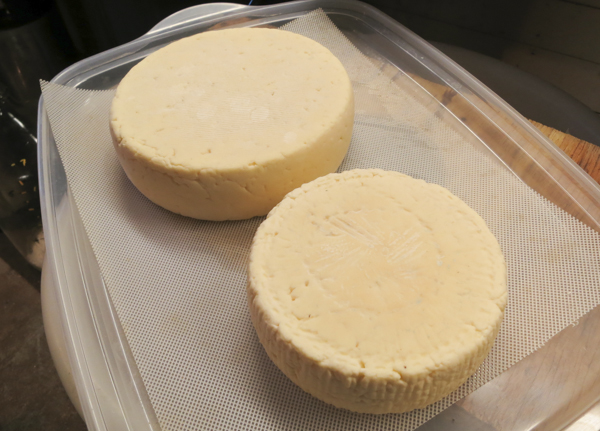
Butterkäse lives up to its name, a semi-soft cow’s milk cheese with a mild, buttery flavor and a smooth, almost waxy texture. It melts beautifully but tastes just as good cold, sliced thick on a fresh roll.
Look for it at a German deli counter or specialty cheese shop; it’s milder than Gouda and less sharp than cheddar, so it won’t overpower other breakfast flavors. Kids tend to love it because it’s gentle and a little sweet.
5. Black Forest Ham
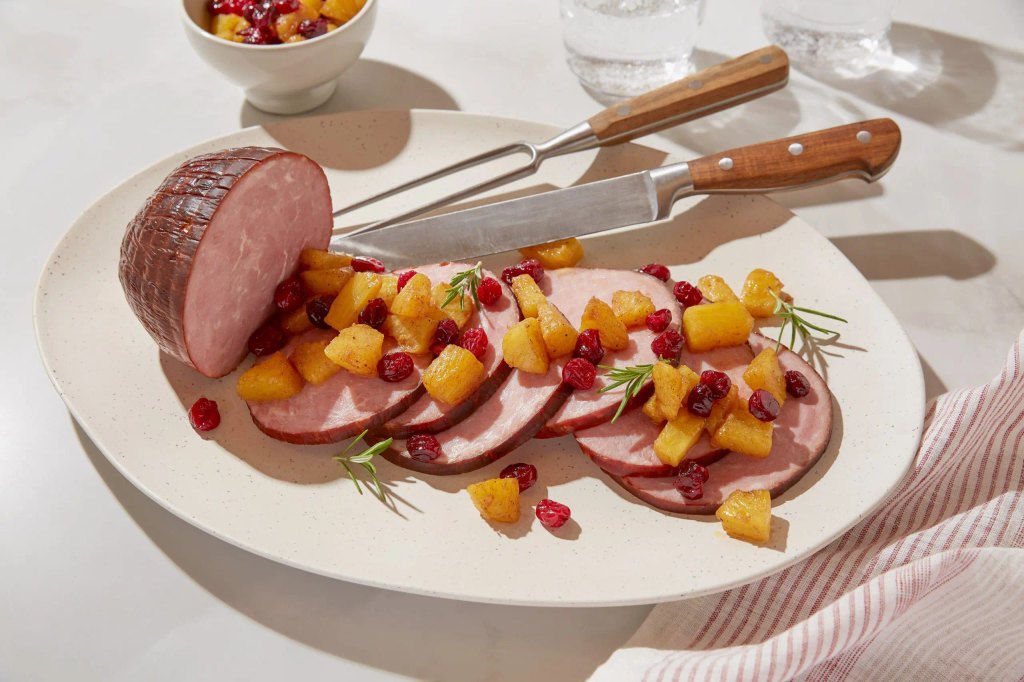
Black Forest ham (Schwarzwälder Schinken) is dry-cured, smoked over fir wood, and sliced paper-thin so it practically melts on the tongue. The smoky, slightly sweet flavor pairs naturally with a crusty roll and a smear of mustard or butter.
A little goes far, since the smoke flavor is concentrated. Roll a few slices around a breadstick for a simple appetizer, or fold them onto buttered Brötchen. Leftover ham scraps work well in our best delicious leftover ham recipes.
6. Strawberry Jam (Erdbeermarmelade)
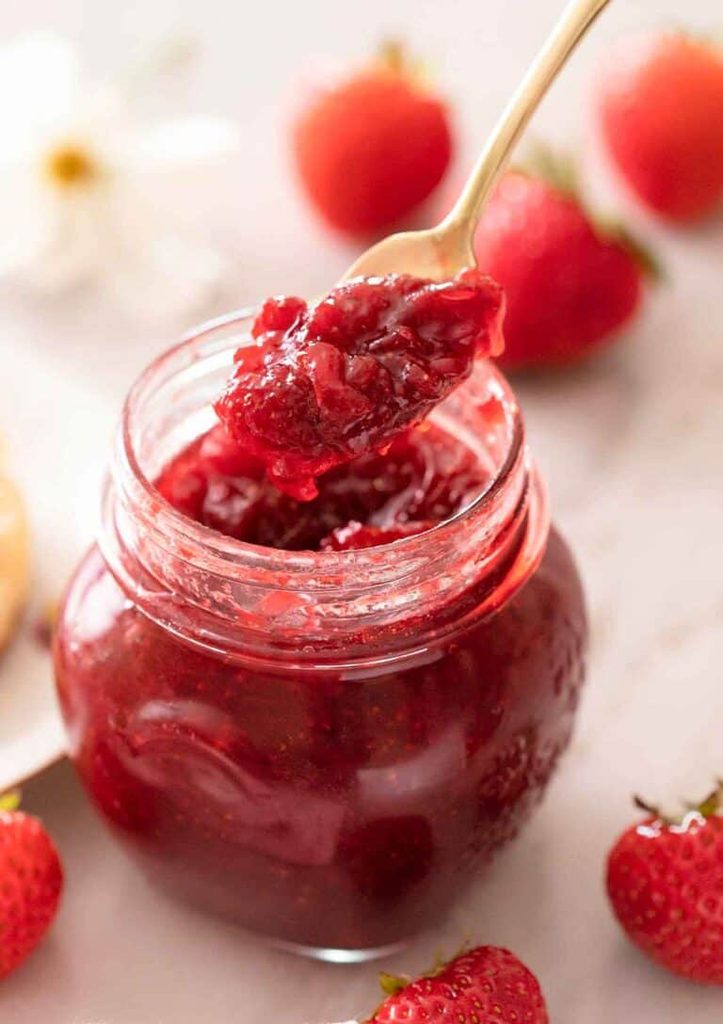
Strawberry jam is the jam you’ll find on nearly every German breakfast table, sweet and fruity with just enough tang to balance rich butter and bread. Good versions have visible fruit chunks instead of a smooth, syrupy texture.
Homemade jam beats store-bought by a wide margin here, since fresh strawberries hold their shape and flavor better than cooked-down concentrate. Browse 25 strawberry desserts for inspiration on using extra berries from the same batch.
7. Muesli with Yogurt
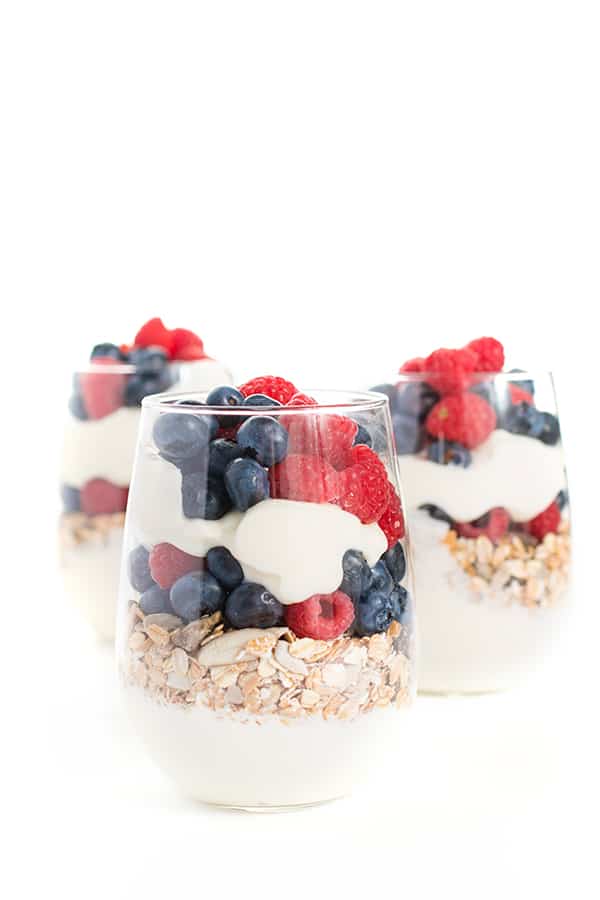
Muesli with yogurt brings a cool, tangy contrast to the bread-heavy German spread, mixing rolled oats, nuts, dried fruit, and fresh berries into creamy yogurt. It’s the one dish on the table that feels light.
Swiss-born but fully adopted into German breakfast habits, muesli works best made the night before so the oats soften slightly. Pair this idea with our best overnight oats recipes for make-ahead versions.
8. Quark with Berries
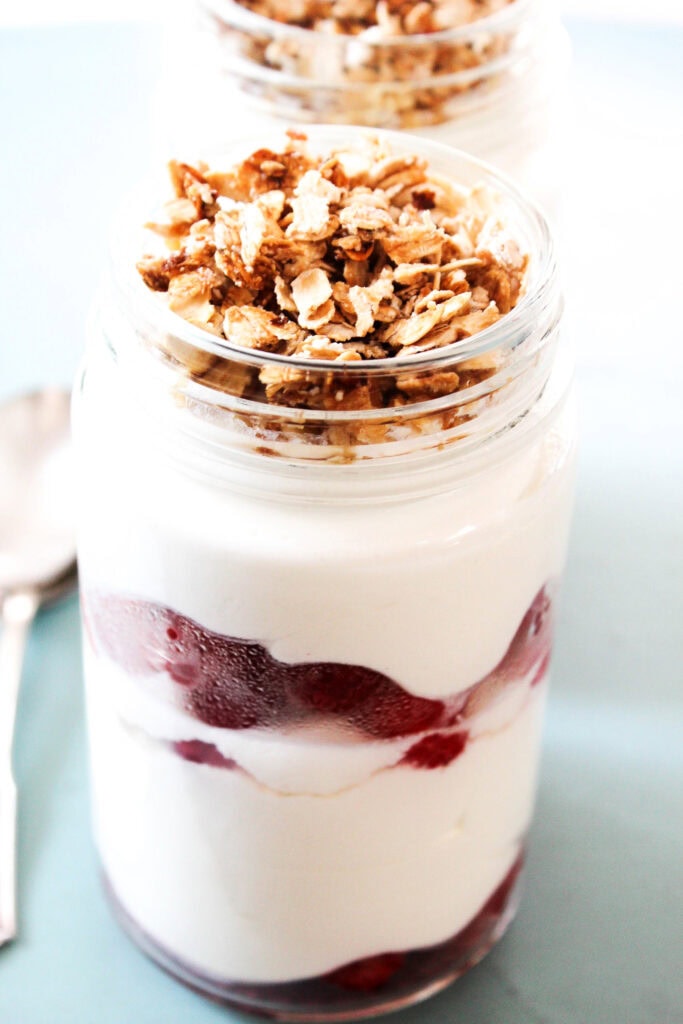
Quark is a soft, spreadable fresh cheese with a tangy flavor somewhere between yogurt and cream cheese, and it’s a breakfast staple across Germany. Stirred with a spoonful of honey and fresh berries, it turns into something close to a healthy dessert.
Quark isn’t always easy to find in American grocery stores, but full-fat cottage cheese blended smooth makes a reasonable stand-in. For more ways to use that substitute, see our best cottage cheese desserts.
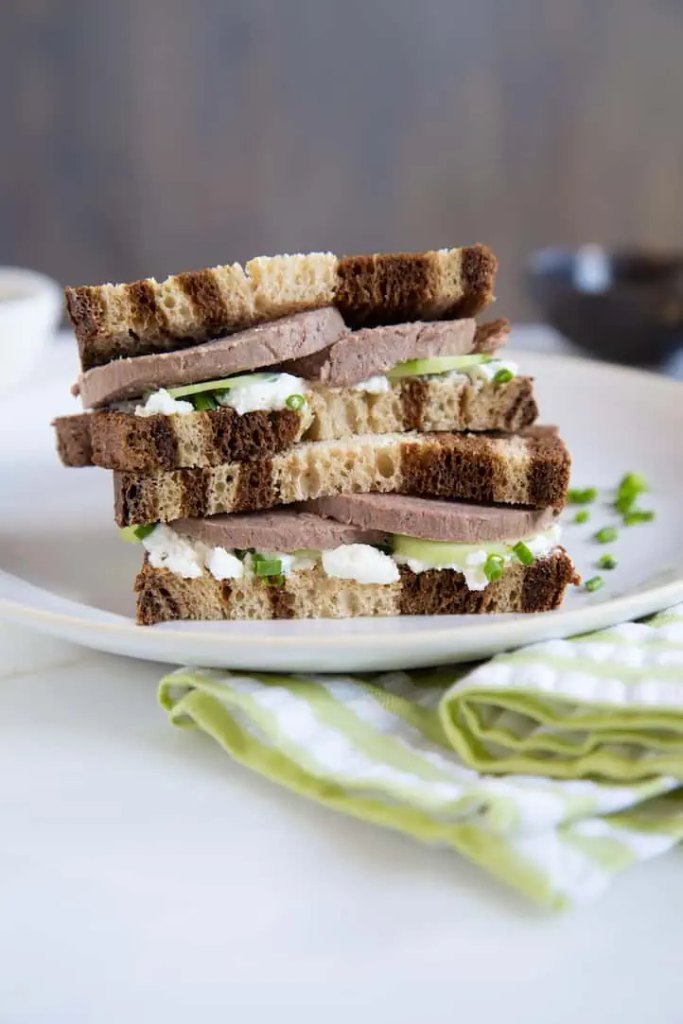
9. Liverwurst on Rye Bread
Liverwurst is a smooth, spreadable sausage made from pork liver, and spread thick on dark rye bread it’s one of the most traditional German breakfast combinations. The flavor is rich and savory, with a mild mineral edge from the liver.
A thin layer of mustard or a few pickle slices on top cuts through the richness nicely. This isn’t a dish for everyone at first bite, but longtime fans of German food usually count it among their favorites.
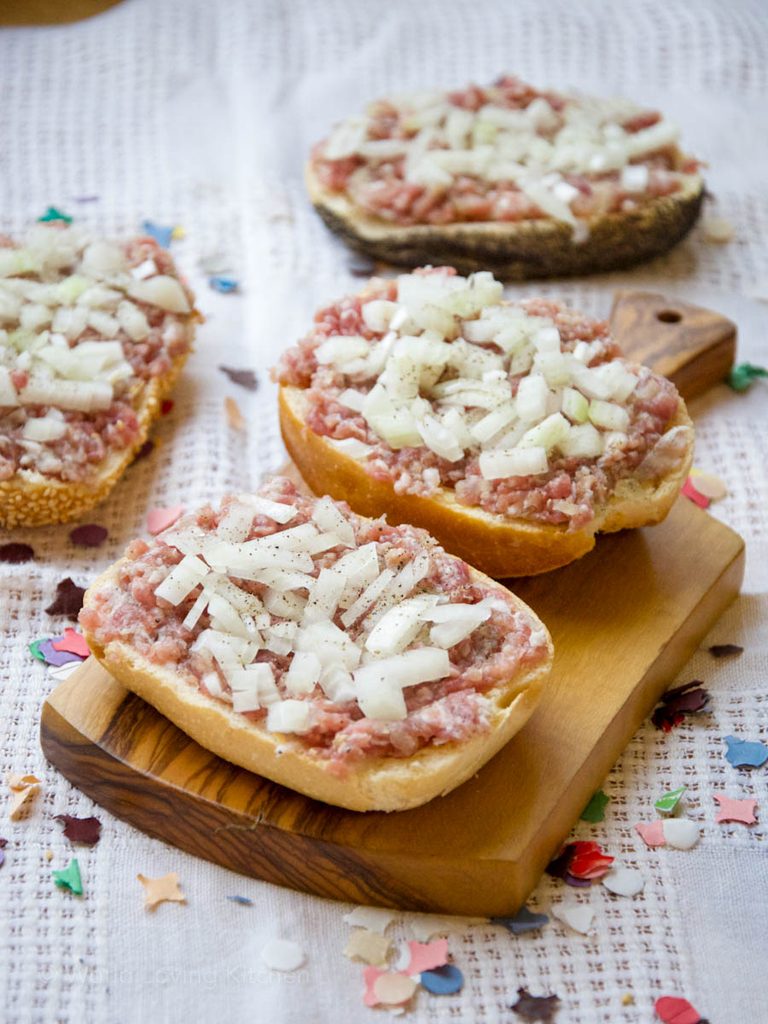
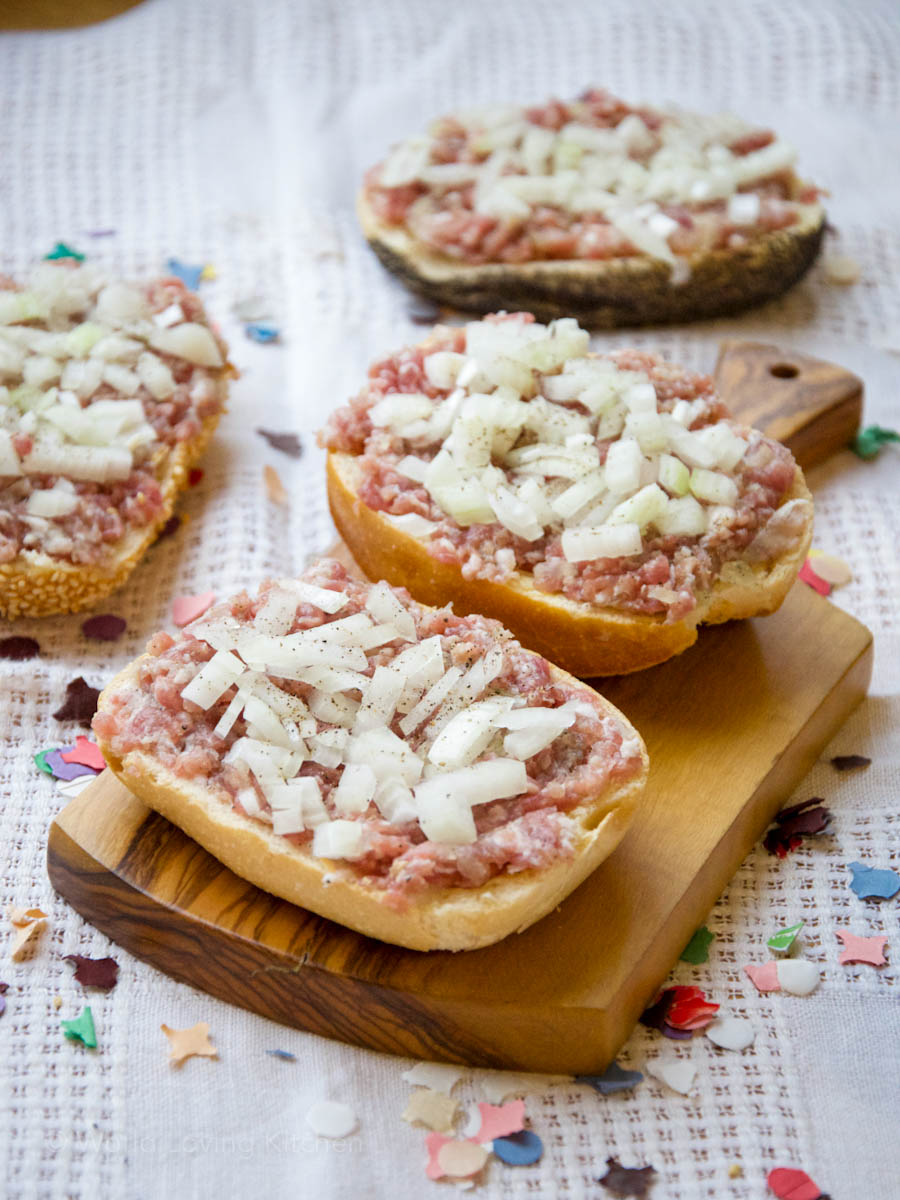
10. Raw Pork Rolls (Mettbrötchen)
Mettbrötchen are rolls topped with raw, seasoned ground pork called Mett, usually finished with raw onion rings and a crack of black pepper. It’s a bold dish that surprises most first-time visitors to Germany.
This one requires very fresh, high-quality meat from a trusted butcher, since it’s served uncooked. If raw pork feels risky to serve at home, a seared version with the same seasoning blend captures the flavor safely.

11. Soft Pretzels (Laugenbrezeln)
Soft pretzels bring a shiny, dark-brown crust and a chewy, slightly salty interior, thanks to a quick dip in a lye or baking soda bath before baking. Bavaria claims them as a specialty, though they show up on breakfast tables nationwide.
Split one and spread it with butter, or pair it with Butterkäse for a simple open-faced sandwich. Coarse pretzel salt on top gives every bite a little crunch and brine.
Pretzel dough (makes 8 pretzels):
- 4 cups (500g) all-purpose flour
- 1 packet (2¼ tsp) active dry yeast
- 1½ cups warm water
- 2 tbsp melted butter
- 1 tbsp sugar
- 1½ tsp salt
- ⅔ cup baking soda (for the water bath)
- 8 cups water (for the bath)
- 1 egg, beaten (for brushing)
- Coarse pretzel salt
Prep time: 1 hour 30 minutes (includes rising). Bake time: 15 minutes at 450°F.
- Dissolve yeast in warm water with sugar; let sit 5 minutes until foamy.
- Mix in flour, melted butter, and salt. Knead 8 minutes until smooth.
- Let dough rise 1 hour, until doubled.
- Divide into 8 pieces, roll each into a rope, and twist into a pretzel shape.
- Bring 8 cups water and baking soda to a boil. Dip each pretzel for 20 seconds.
- Place on a parchment-lined baking sheet, brush with beaten egg, and sprinkle with salt.
- Bake at 450°F for 12 to 15 minutes, until deep golden brown.
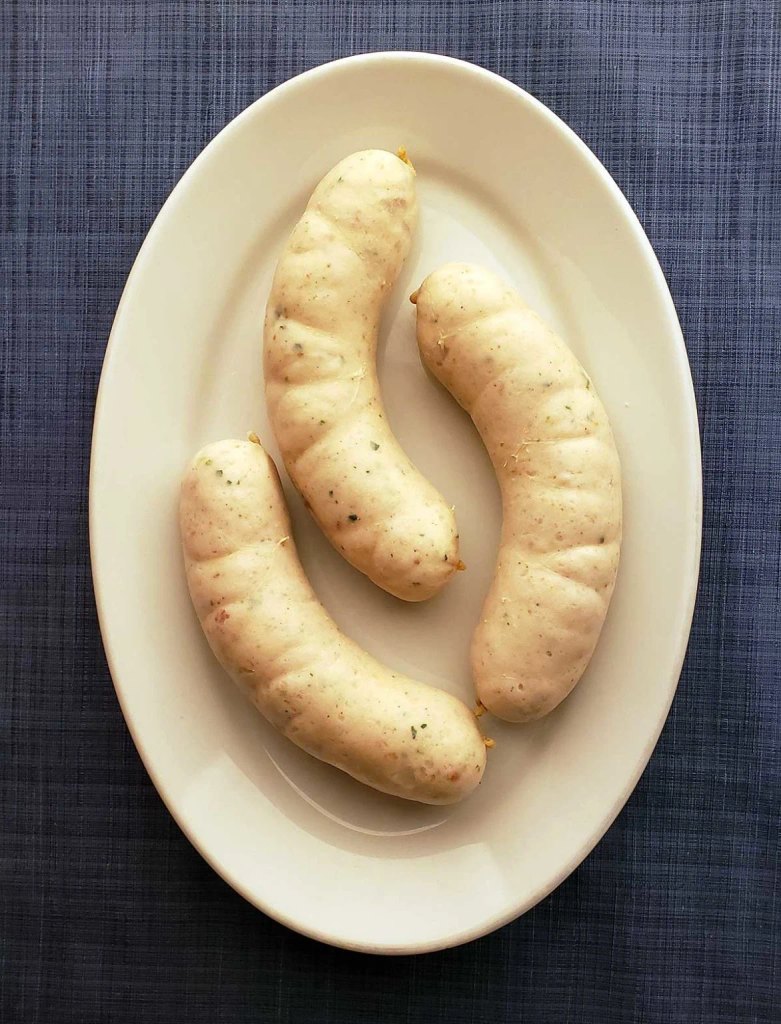
12. Bavarian White Sausage (Weißwurst)
Weißwurst is a pale, delicate sausage made from veal and pork back fat, traditionally eaten before noon with sweet mustard and a soft pretzel. Bavarians have a saying that Weißwurst shouldn’t hear the noon church bells, meaning it’s strictly a morning food.
The texture is soft and almost mousse-like, flavored with parsley, lemon zest, and a touch of cardamom. It’s simmered gently, never boiled hard, then peeled from its casing before eating.

13. Potato Pancakes with Applesauce
Potato pancakes bring a crisp, golden edge and a soft, savory center, and the classic pairing with cool, slightly tart applesauce is what makes this dish sing. Shredded potato, egg, onion, and a little flour hold everything together.
Serves 4 (makes about 8 pancakes). Prep: 15 minutes. Cook: 20 minutes.
- 4 large russet potatoes, peeled and grated
- 1 small onion, grated
- 2 eggs
- ¼ cup all-purpose flour
- 1 tsp salt
- ½ tsp black pepper
- Vegetable oil for frying
- 1 cup applesauce, for serving
- Squeeze grated potatoes and onion in a clean towel to remove excess liquid.
- Mix with eggs, flour, salt, and pepper.
- Heat ¼ inch oil in a skillet over medium-high heat.
- Drop ¼-cup portions into the skillet, flatten slightly, and fry 3 to 4 minutes per side until golden.
- Drain on paper towels and serve warm with applesauce.
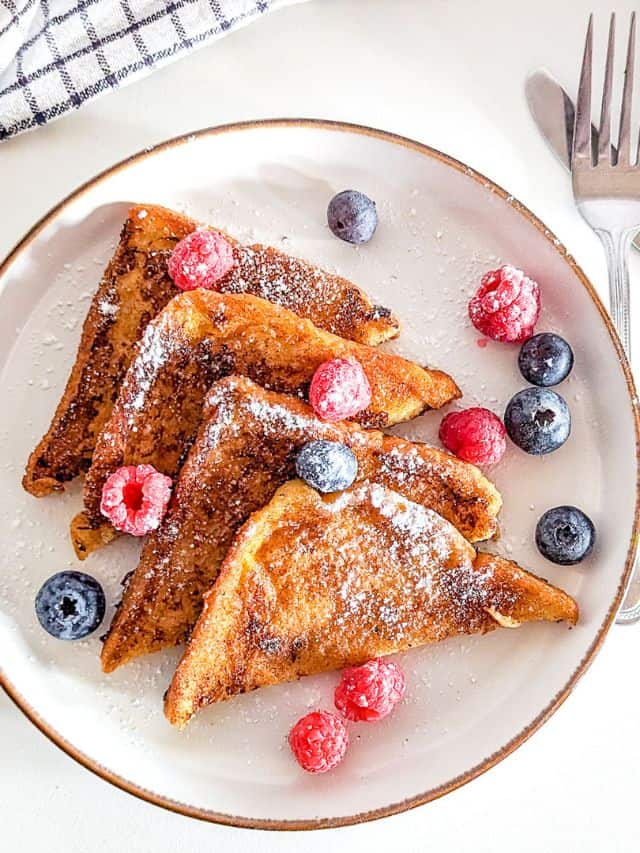
14. German French Toast (Arme Ritter)
Arme Ritter, literally “poor knights,” turns stale bread into a custardy, golden breakfast treat soaked in egg and milk before frying. It’s Germany’s answer to French toast, often made with leftover Brötchen or white bread.
Serves 2. Prep: 5 minutes. Cook: 10 minutes.
- 4 slices stale white bread or Brötchen, halved
- 2 eggs
- ½ cup milk
- 1 tbsp sugar
- ½ tsp cinnamon
- 2 tbsp butter, for frying
- Powdered sugar and jam, for serving
- Whisk eggs, milk, sugar, and cinnamon in a shallow dish.
- Soak bread slices 30 seconds per side.
- Melt butter in a skillet over medium heat.
- Fry slices 2 to 3 minutes per side until golden brown.
- Dust with powdered sugar and serve with jam.
This is a smart way to use up day-old loaves; see 16 stale bread recipes for more ideas.

15. German Pancakes (Pfannkuchen)
German pancakes are thin, crepe-like, and larger than American pancakes, often rolled up with jam or sugar inside instead of stacked and drenched in syrup. The batter is thinner too, giving a delicate, slightly chewy edge.
Serves 4. Prep: 10 minutes. Cook: 15 minutes.
- 1 cup all-purpose flour
- 2 eggs
- 1¼ cups milk
- ¼ tsp salt
- 2 tbsp melted butter, plus more for the pan
- Whisk flour, eggs, milk, and salt until smooth.
- Stir in melted butter.
- Heat a lightly buttered skillet over medium heat.
- Pour in ⅓ cup batter, swirling to coat the pan thinly.
- Cook 1 to 2 minutes per side until lightly golden.
- Fill with jam, Nutella, or sugar and roll up.

16. Cinnamon Pastries (Franzbrötchen)
Franzbrötchen are a Hamburg specialty, a flattened, swirled pastry packed with cinnamon sugar and butter, with crisp caramelized edges. Think of it as Germany’s answer to a cinnamon roll, but flatter and chewier in the center.
Good bakeries sell them fresh every morning, and the smell alone is worth the trip. Making a batch at home takes patience with laminated dough, but the payoff is a pastry with real crunch where the sugar caramelizes against the pan.
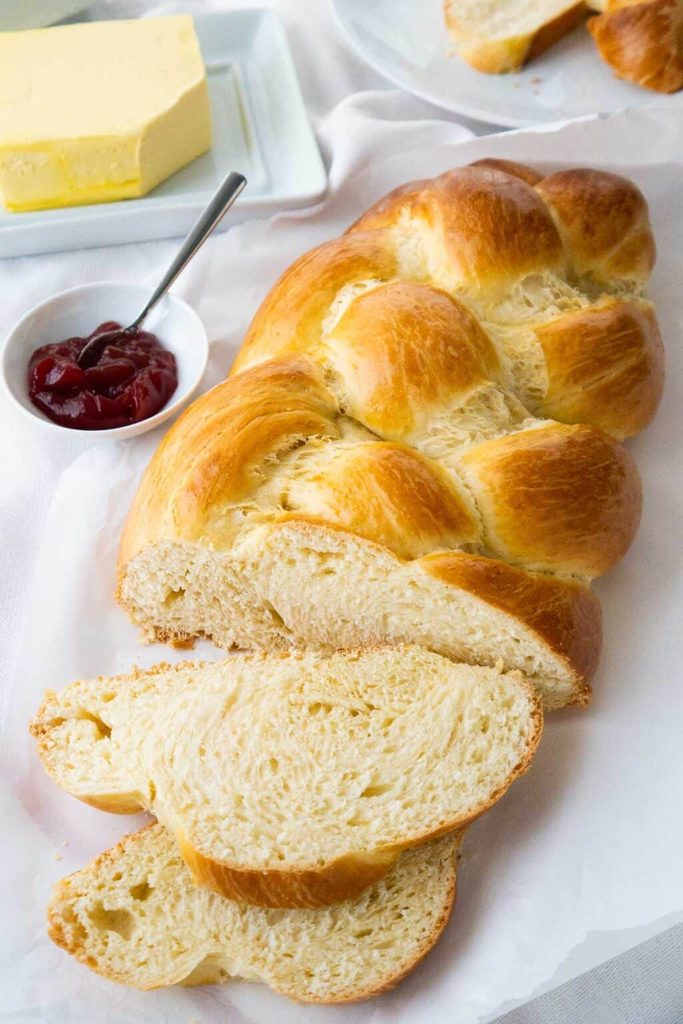
17. Braided Sweet Bread (Hefezopf)
Hefezopf is a braided yeast bread, slightly sweet and rich with butter and eggs, often shaped into a loaf that looks almost like challah. Germans serve it on Sunday mornings and holidays, sliced thick and spread with butter or jam.
The crumb is soft and a little fluffy, with a golden, shiny crust from an egg wash before baking. Raisins are a common addition for extra sweetness in each slice.
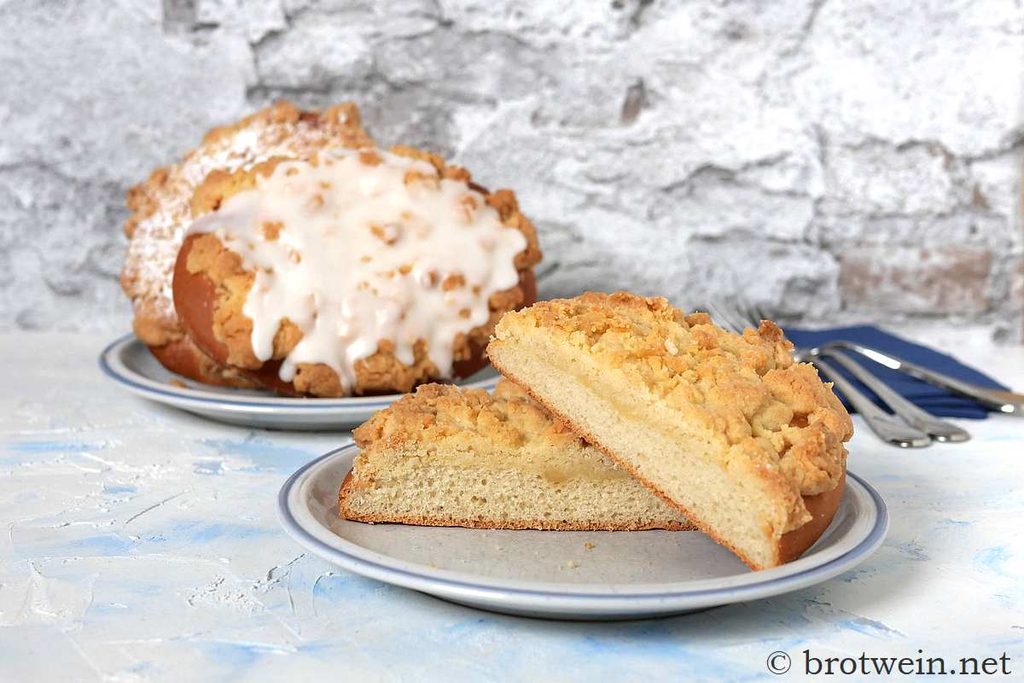
18. Streusel Pastries (Streuselschnecken)
Streuselschnecken are soft, swirled yeast pastries topped with a thick layer of buttery streusel crumble, giving every bite a contrast of soft dough and crunchy topping. The name translates to “streusel snails,” a nod to their coiled shape.
They’re sweeter than Franzbrötchen and less spiced, letting the buttery crumb topping take center stage. Bakeries often glaze them lightly once cooled, adding a touch of shine and extra sweetness.
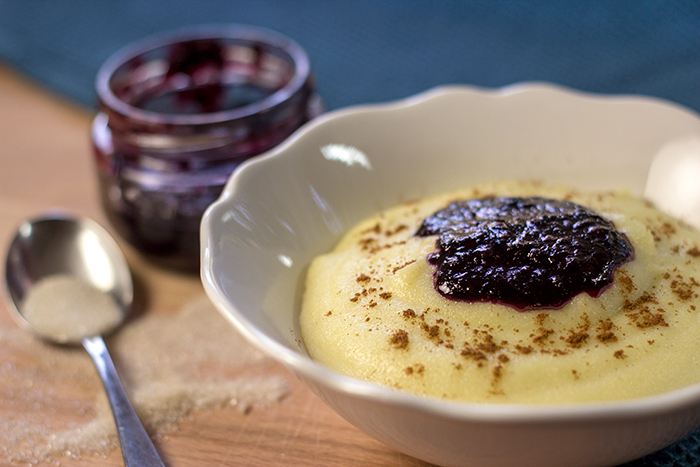
19. Semolina Porridge (Grießbrei)
Grießbrei is a warm, creamy porridge made from semolina cooked in milk, often finished with cinnamon, sugar, or a spoonful of fruit compote. It’s a comfort food many Germans grew up eating on cold mornings.
Serves 2. Prep: 2 minutes. Cook: 8 minutes.
- 2 cups whole milk
- ¼ cup semolina (farina)
- 2 tbsp sugar
- Pinch of salt
- Cinnamon and fruit compote, for serving
- Bring milk to a gentle simmer in a saucepan.
- Whisk in semolina slowly to avoid lumps.
- Cook 5 to 6 minutes, stirring often, until thickened.
- Stir in sugar and salt.
- Serve warm topped with cinnamon or fruit compote.
How to Build a German Breakfast Spread
A good German breakfast spread needs bread, protein, cheese, and something sweet, arranged so everyone can build their own plate. Start with a basket of warm Brötchen or sliced Vollkornbrot at the center of the table.
Add a cutting board with Black Forest ham and Butterkäse, then set out soft-boiled eggs in cups alongside small bowls of jam and quark. A pastry like Hefezopf or Franzbrötchen rounds things out for anyone craving something sweet.
| Item | Prep Effort | Sweet or Savory | Best Paired With |
|---|---|---|---|
| Brötchen | Low (buy or bake) | Neutral | Butter, jam, cheese |
| Vollkornbrot | Low | Savory | Liverwurst, cheese |
| Soft-Boiled Eggs | Low | Savory | Bread, salt |
| Butterkäse | None | Savory | Rolls, ham |
| Black Forest Ham | None | Savory | Rolls, mustard |
| Strawberry Jam | Low (if homemade) | Sweet | Butter, bread |
| Muesli with Yogurt | Low | Sweet | Berries, honey |
| Quark with Berries | Low | Sweet | Honey, fruit |
| Liverwurst | None | Savory | Rye bread, mustard |
| Mettbrötchen | Low | Savory | Raw onion, pepper |
| Laugenbrezeln | High | Neutral | Butter, cheese |
| Weißwurst | Medium | Savory | Sweet mustard, pretzel |
| Potato Pancakes | Medium | Savory | Applesauce |
| Arme Ritter | Low | Sweet | Jam, powdered sugar |
| Pfannkuchen | Low | Sweet | Jam, Nutella |
| Franzbrötchen | High | Sweet | Coffee |
| Hefezopf | High | Sweet | Butter, jam |
| Streuselschnecken | High | Sweet | Coffee |
| Grießbrei | Low | Sweet | Cinnamon, fruit |
Coffee is the standard drink alongside all of this, though a pot of black tea works too. Keep portions small per item since the variety, not quantity, is what makes the spread feel generous.
For more full menus built around a theme, our best german breakfast foods and 15 german breakfast foods offer additional combinations worth trying.
Regional Traditions and Safe Serving Tips
Breakfast habits shift noticeably across German regions, with Bavaria leaning into Weißwurst and pretzels while northern cities like Hamburg favor Franzbrötchen and heartier dark breads. Berlin tables often mix both traditions, since the city draws residents from everywhere.
Food safety matters most with Mettbrötchen, since the pork is served raw. Buy Mett only from a butcher who prepares it fresh that day, keep it cold until serving, and eat it within hours of purchase. Pregnant women and young children should skip raw pork dishes entirely.
Soft-boiled eggs carry a small risk too if the eggs aren’t fresh. Use eggs within a week of their pack date and store the carton in the fridge until just before cooking.
Dairy items like Quark and Butterkäse spoil faster once opened, so set them out only when you’re ready to eat and return leftovers to the fridge within two hours. A German breakfast spread rewards a little planning, but none of it requires special equipment beyond a good bread knife and an egg cup.
If this breakfast style has you curious about German cooking more broadly, our best german recipes and 25 german recipes cover dishes for later in the day.