German cuisine offers more than just sausages and sauerkraut. These traditional recipes have been passed down through generations, offering hearty comfort foods that warm both body and soul.
From potato pancakes and dumplings to savory pot roasts and delicious desserts like Apfelkuchen, German cooking brings rich flavors to your table.
When you explore German recipes, you’ll find dishes perfect for family dinners or special occasions. Many German foods feature simple ingredients transformed through careful preparation techniques.
These authentic recipes connect you to Germany’s cultural heritage while providing satisfying meals that have stood the test of time.
1. Sauerbraten
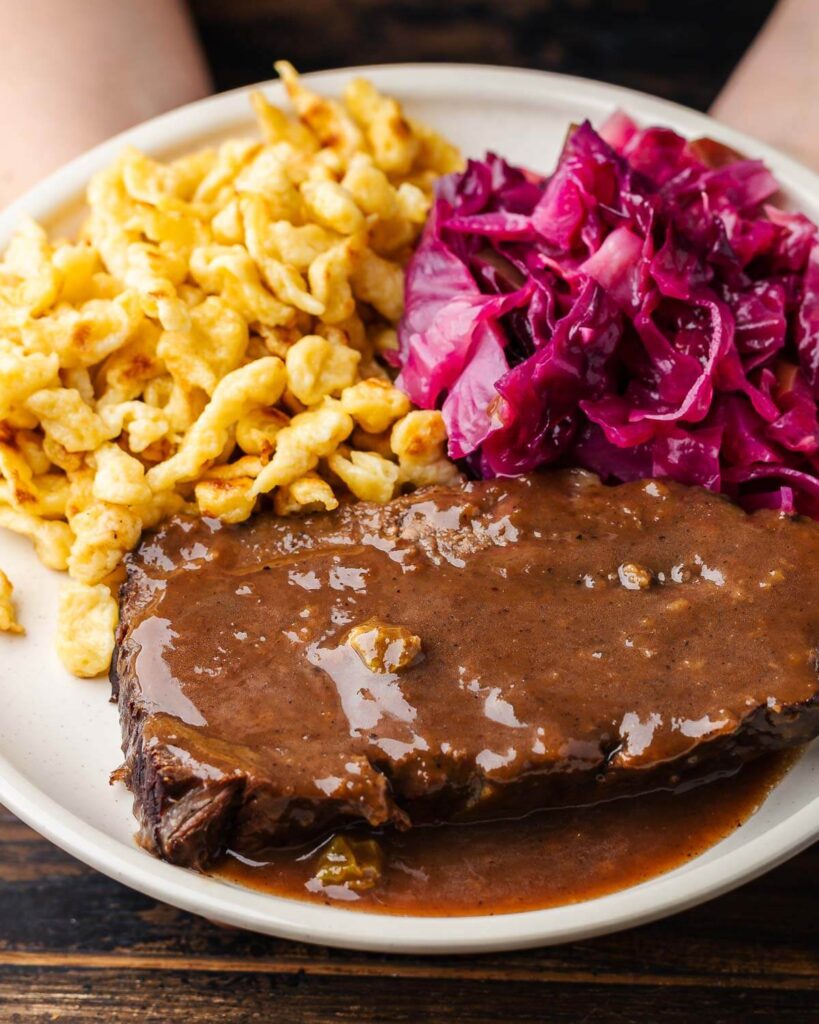
Sauerbraten is a traditional German pot roast known for its tender texture and tangy flavor. The dish gets its distinctive taste from marinating beef in a mixture of wine, vinegar, and spices for at least 24 hours before cooking.
When you make Sauerbraten at home, the long marination process helps break down tough cuts of meat. Many recipes use red wine, apple cider vinegar, and aromatic spices like juniper berries.
Serve the slow-roasted meat with a rich gravy made from the strained marinade. Crushed gingersnap cookies often add sweetness and help thicken the sauce.
Traditional side dishes include potato dumplings or noodles to soak up the flavorful gravy.

2. Wiener Schnitzel
Wiener Schnitzel is a classic German dish made from thinly pounded veal cutlets. Dredge the meat in flour, dip it in beaten eggs, and coat it with bread crumbs before frying.
You’ll need veal, flour, eggs, bread crumbs, and oil for frying. Season your flour with salt and pepper for extra flavor.
Some recipes also add paprika and garlic powder to enhance the taste. For an authentic experience, serve your schnitzel with a slice of lemon and traditional sides like potato salad or spätzle.
While veal is traditional, you can also use pork tenderloin for a more affordable option.

3. Bratwurst
Bratwurst is a popular German sausage that makes for a delicious meal. Sear bratwurst in butter and pierce it a few times with a fork to prevent splitting.
Serve bratwurst with sauerkraut and mashed potatoes for a classic German meal. Many people also enjoy bratwurst on hot dog buns with various toppings.
You can use bratwurst in soups, nachos, or pizza. Some recipes call for braising the sausages in a vinegar and caper sauce for extra flavor.
Beer and bratwurst make an excellent combination, especially during Oktoberfest celebrations.
4. Rouladen
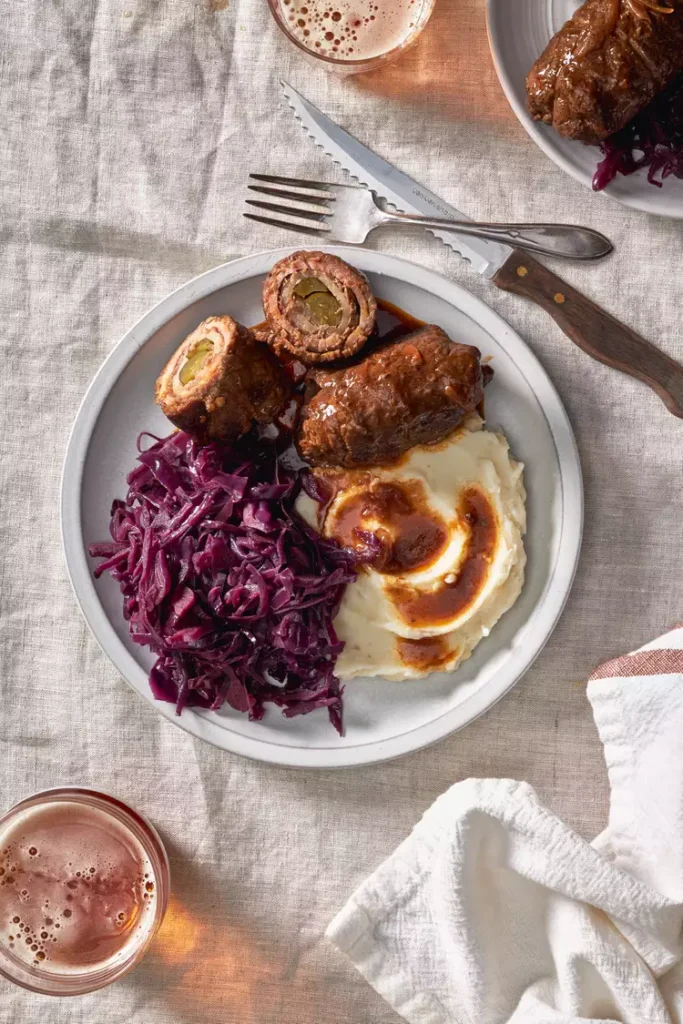
Rouladen is a classic German dish made from thin beef slices rolled with fillings. You’ll find mustard, bacon, onions, and pickles inside these savory rolls.
Spread mustard on thin beef slices, then add your fillings before rolling. Some people also add cheese or artichoke hearts for extra flavor.
After rolling and securing with toothpicks or cooking twine, brown the rolls in a pan. Simmer them in beef broth until tender.
Serve rouladen with traditional German sides like mashed potatoes, spaetzle, or red cabbage. The rich sour cream gravy is perfect for spooning over these sides.
5. Spaetzle
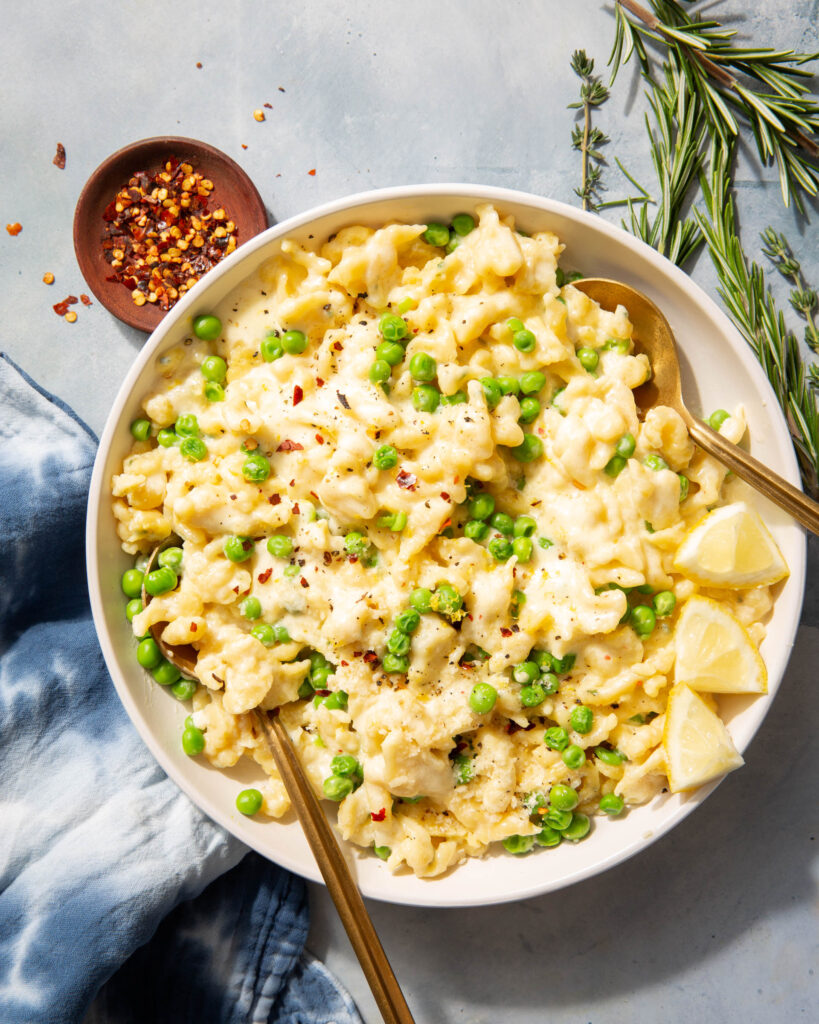
Spaetzle are small German dumplings made from a simple dough of flour, eggs, and milk. They’re popular in southern Germany, especially in the Swabia region.
You can make these dumplings in about 15 minutes with only four basic ingredients. They have a soft, chewy texture that soaks up sauces wonderfully.
Serve spaetzle as a side dish for many German meals. You can enjoy them plain, with butter, or topped with a rich mushroom gravy (known as Jägerspätzle).
Another popular way to enjoy them is as cheese spaetzle, similar to mac and cheese but with these special dumplings instead of pasta.
6. Kartoffelsalat (German Potato Salad)
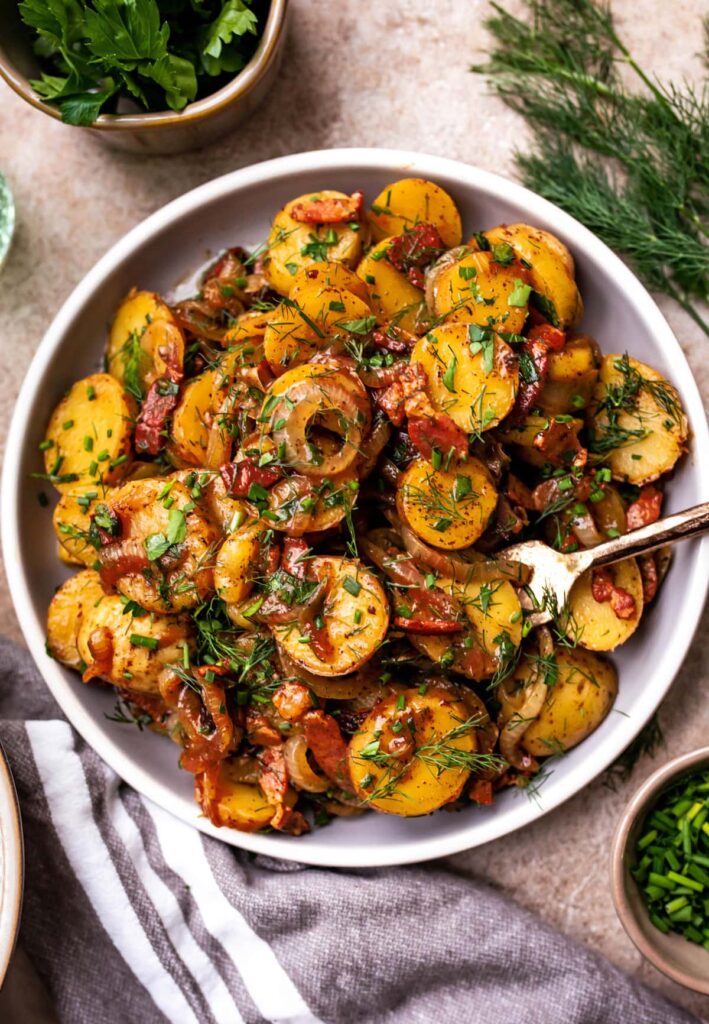
Kartoffelsalat is a traditional German potato salad that differs from American versions. Authentic German potato salad is typically dressed with vinegar, oil, and broth instead of mayonnaise.
The Swabian style (Schwäbischer Kartoffelsalat) is especially popular in southern Germany. You’ll need boiled potatoes, diced onions, vegetable or meat broth, vinegar, oil, mustard, salt, and pepper.
Boil potatoes until tender, then peel and slice them while still warm. Mix the potatoes with onions and pour hot broth over them.
Add vinegar, oil, and seasonings, then let the salad marinate. Some variations include bacon for a heartier dish, especially in the hot German potato salad version.
7. Rotkohl (Braised Red Cabbage)
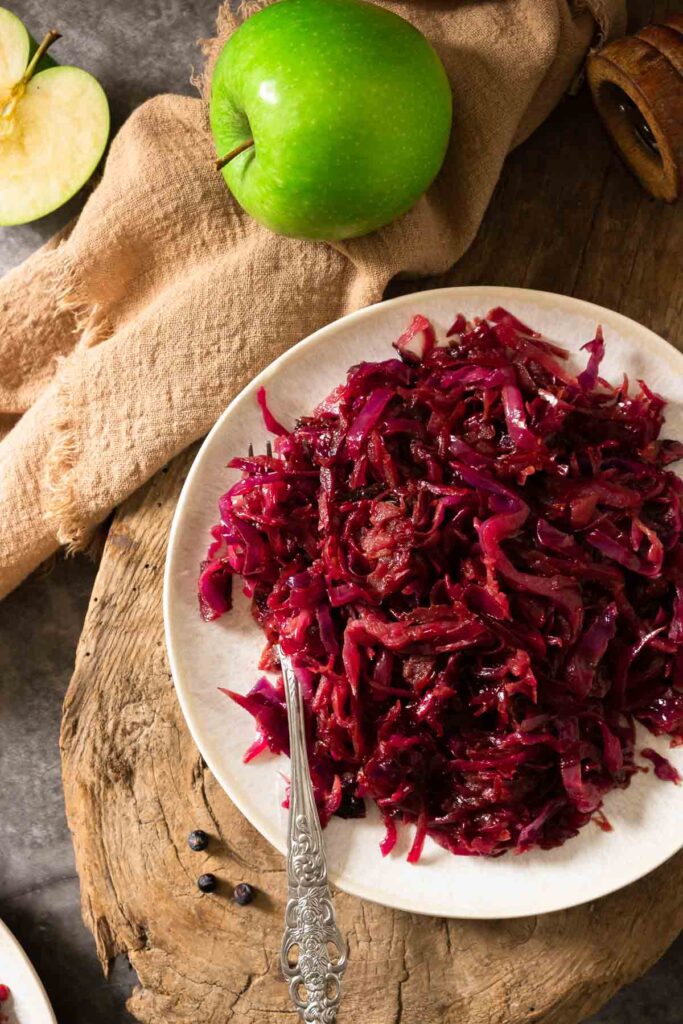
Rotkohl is a classic German side dish made from braised red cabbage. This vibrant dish offers a perfect balance of sweet and sour flavors that complement many German main courses.
You’ll need red cabbage, onions, apples, vinegar, and sugar to make Rotkohl. These ingredients create the distinctive sweet-sour taste that makes this dish so popular.
Slowly braise the cabbage until tender, allowing the flavors to blend perfectly. Many recipes include cloves for extra flavor, and some versions incorporate bacon for a savory touch.
Rotkohl tastes even better when reheated the next day, making it an excellent make-ahead option for your German feast.

8. Pretzels (Brezn)
Pretzels, or Brezn as they’re called in Germany, are iconic twisted bread treats with a distinctive knot shape and deep brown, glossy exterior. Use food-grade lye for that signature crust, though baking soda works as a substitute.
The dough is simple—just flour, water, salt, sugar, and yeast. Fresh homemade pretzels taste just like those from a German bakery.
They’re soft on the inside with a chewy crust and large salt crystals on top. Pretzels are especially popular during Oktoberfest celebrations but are enjoyed year-round in Germany.
9. Apfelstrudel
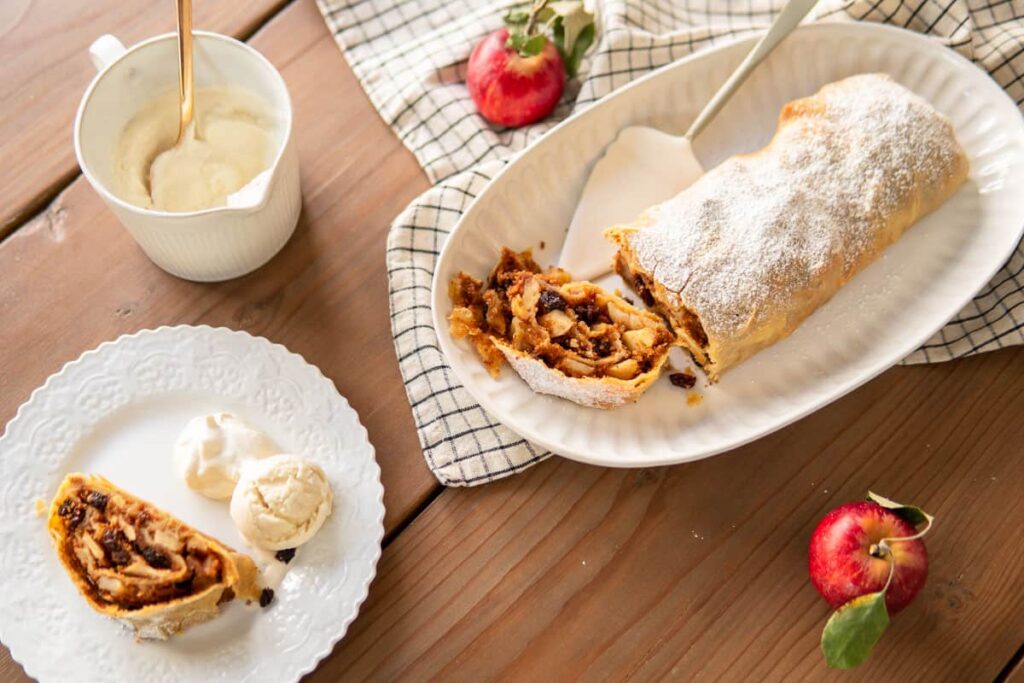
Apfelstrudel is a beloved German and Austrian dessert with a rich tradition. This apple-filled pastry features thinly sliced apples mixed with sugar, cinnamon, and sometimes raisins or nuts.
Traditional Apfelstrudel uses a special dough stretched until paper-thin, though many home bakers use puff pastry for convenience. Fill, roll, and bake the dough until golden brown.
Serve this dessert warm with a scoop of vanilla ice cream or a drizzle of vanilla sauce. It’s perfect for special occasions or as a sweet treat with afternoon coffee.
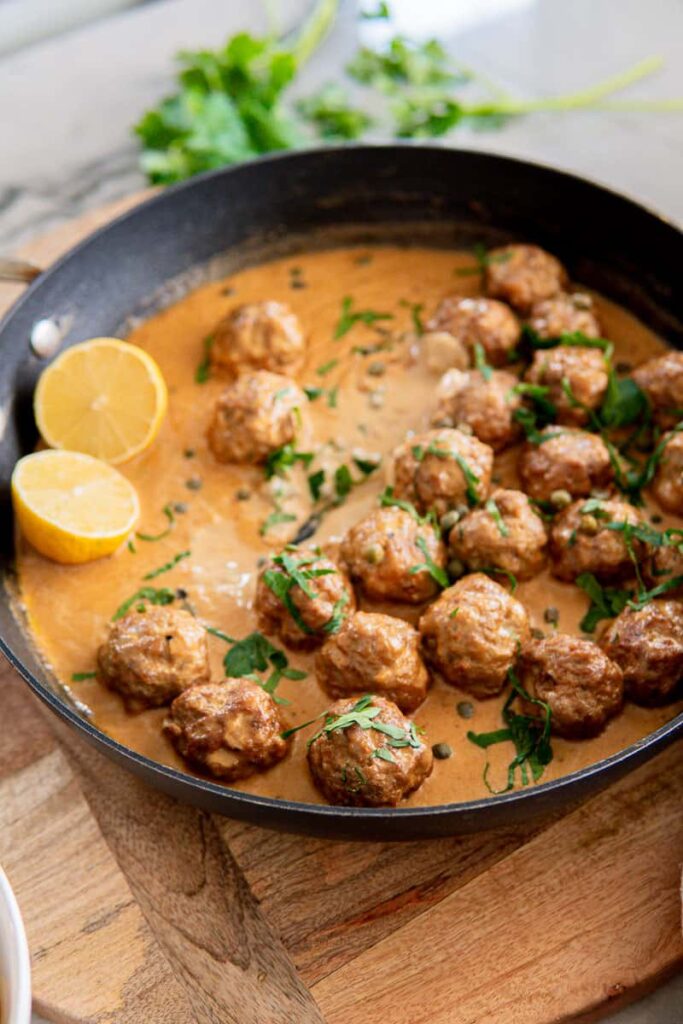
10. Königsberger Klopse
Königsberger Klopse are classic German meatballs served in a creamy white sauce with capers. Combine ground beef and pork to shape tender meatballs.
Cook the meatballs in broth before serving them with their signature sauce. Make the creamy sauce with butter, flour, capers, lemon juice, and cream for a tangy, rich flavor.
The capers add a distinctive salty pop to each bite. Serve these meatballs with boiled potatoes or rice to soak up the delicious sauce.

11. German Potato Pancakes (Reibekuchen)
Reibekuchen, also known as Kartoffelpuffer, are delicious crispy potato pancakes. Grate potatoes and combine them with onion, eggs, and a bit of cornstarch.
Fry these pancakes until golden brown for a crispy exterior and soft interior. Serve them as a main dish or side.
Traditionally, enjoy Reibekuchen with either sweet or savory toppings. Applesauce is a popular sweet option, while many Germans pair them with Bratwurst for a hearty meal.
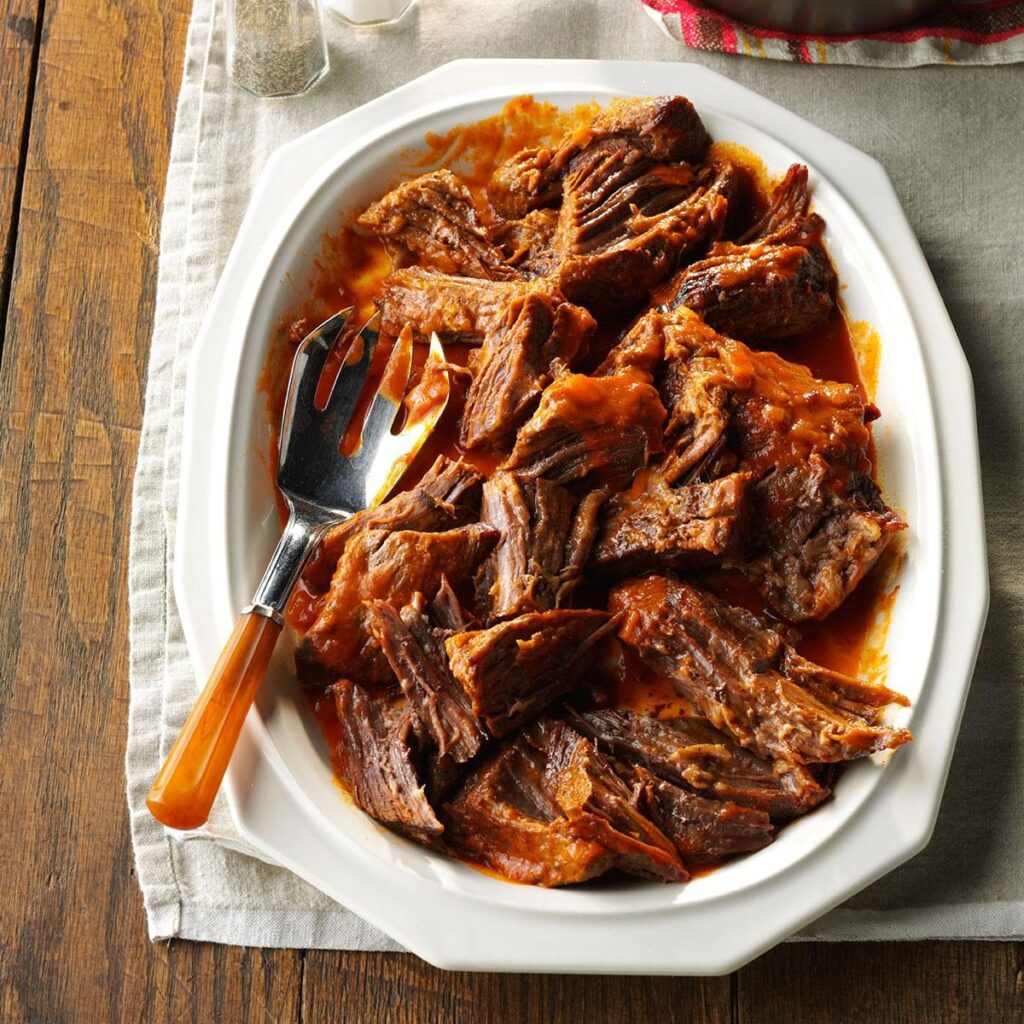
12. Bavarian Pot Roast
Bavarian Pot Roast is a hearty German dish that brings rich flavor to your dinner table. Marinate tender beef in a mixture of vinegar, beer, and spices for a unique taste.
Brown the beef on all sides before slow-cooking it with tomato sauce, onions, and traditional spices like bay leaves and cinnamon. Some recipes include mustard and cloves for extra flavor.
Cook Bavarian Pot Roast in a Dutch oven for about four hours or use a slow cooker for 5-8 hours on low heat. The meat becomes incredibly tender and flavorful during this process.
Serve it over egg noodles for a complete and satisfying meal.
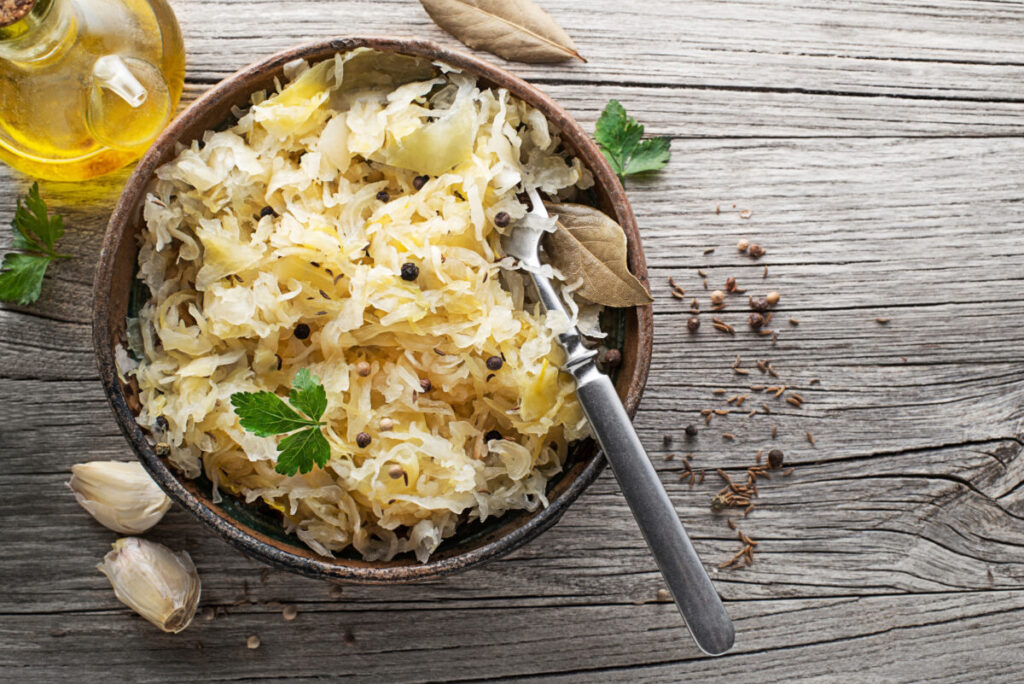
13. Sauerkraut
Sauerkraut is a classic German fermented cabbage dish that adds tangy flavor to many traditional meals. Make authentic German sauerkraut at home with just cabbage and salt through a simple fermentation process.
This versatile side dish pairs perfectly with sausages, pork dishes, and hearty casseroles. Many German families have their own special sauerkraut recipes passed down through generations.
If store-bought sauerkraut tastes too sour, try homemade versions for a milder, more complex flavor. Add caraway seeds, juniper berries, or apples for sweetness.
Try sauerkraut with kielbasa, in a Reuben sandwich, or as part of a traditional German feast.
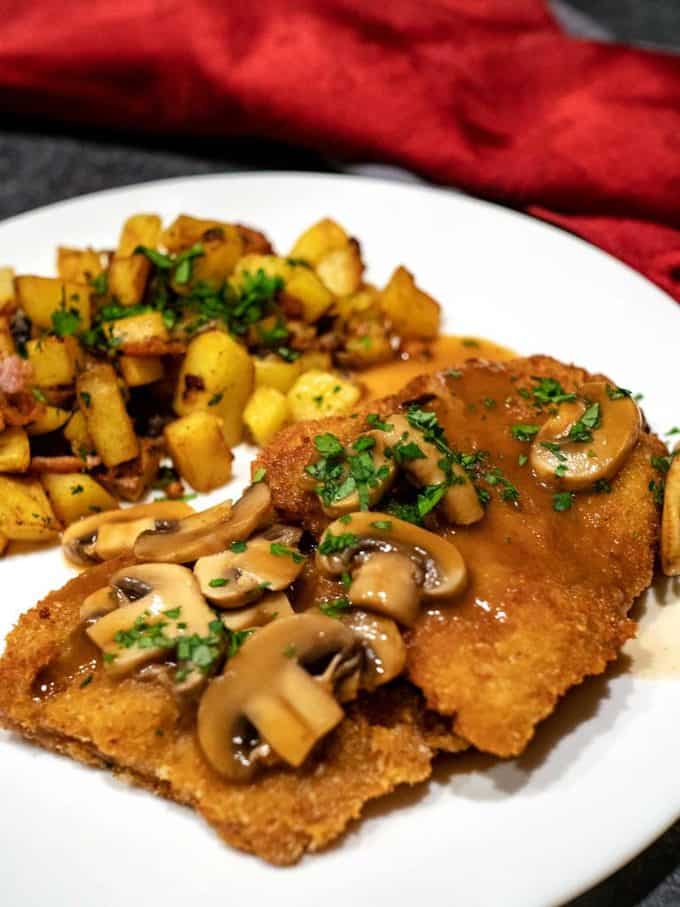
14. Jaeger Schnitzel
Jaeger Schnitzel is a classic German dish featuring thinly pounded meat cutlets topped with a rich mushroom gravy. “Jäger” means “hunter” in German, referring to the forest mushrooms traditionally used in the sauce.
Bread and fry pork cutlets, or use veal or chicken if you prefer. The crispy schnitzel creates a perfect base for the savory mushroom sauce.
Simmer mushrooms, onions, and herbs in a flavorful broth to make the gravy. Some recipes add a touch of sour cream for richness and depth.
Serve Jaeger Schnitzel with spätzle, potato salad, or mashed potatoes to soak up the delicious gravy.
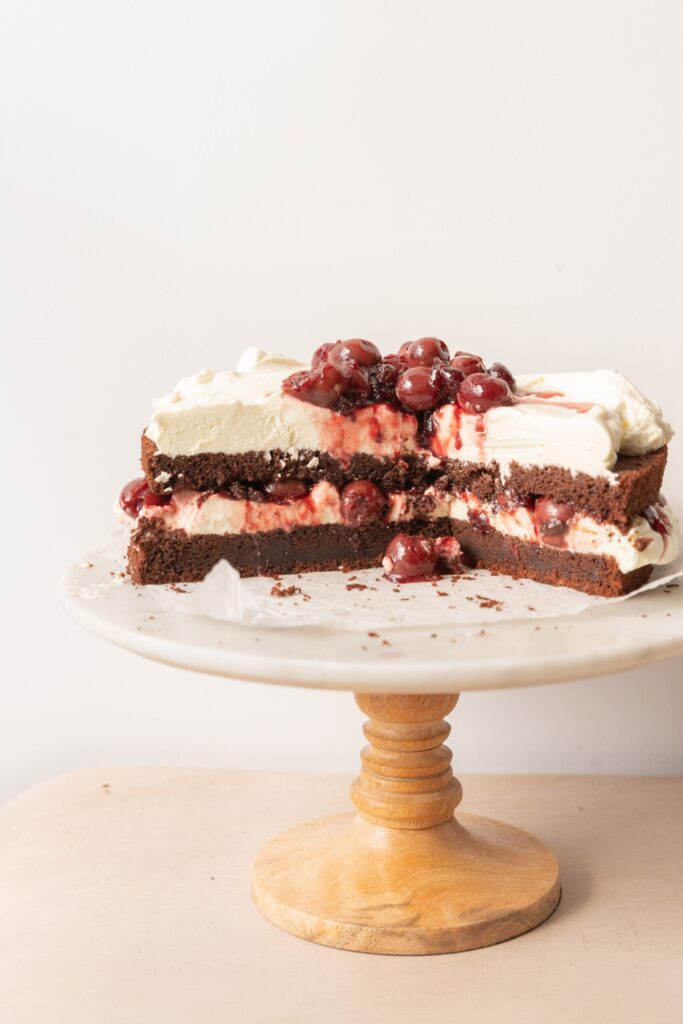
15. Black Forest Cake (Schwarzwälder Kirschtorte)
Black Forest Cake is a classic German dessert with three layers of chocolate cake. Soak the layers with Kirschwasser, a cherry schnapps that gives this cake its distinctive flavor.
Between the layers, add whipped cream and cherries. Frost the cake with more whipped cream and decorate with chocolate shavings and cherries on top.
This authentic German treat requires chocolate cake, cherries, whipped cream, and Kirschwasser. The combination creates a perfect balance of rich chocolate, tart cherries, and light cream.
You can recognize a traditional Schwarzwälder Kirschtorte by its elegant layers and striking appearance.
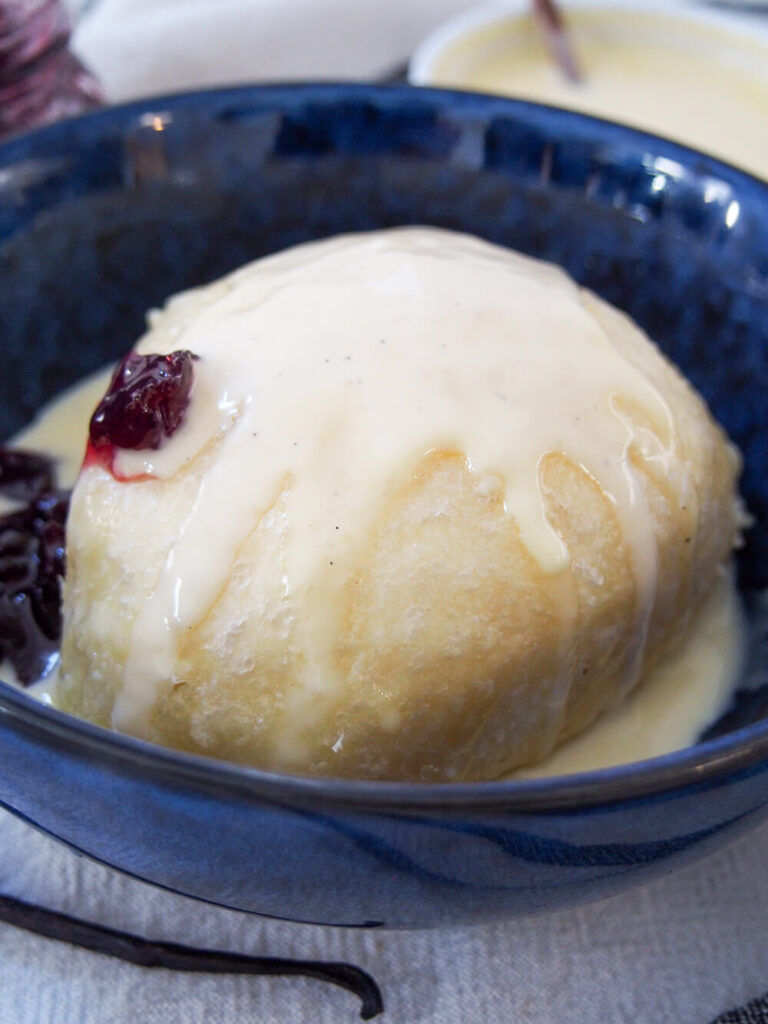
16. Dampfnudel (Sweet German Dumplings)
Dampfnudel are fluffy steamed dumplings popular in German cuisine. These sweet treats steam in a mixture of butter, sugar, and milk, which creates a caramelized bottom and soft, bread-like texture.
You’ll find Dampfnudel especially comforting during cold weather. They’re often served with a homemade vanilla sauce that adds the perfect sweet complement to the warm dumplings.
Some variations include serving them with fruit compote on the side. The combination of the warm dumpling, sweet vanilla sauce, and fruit creates a balanced dessert.
Dampfnudel makes a delightful dessert. You can also enjoy them as a special breakfast or afternoon treat.
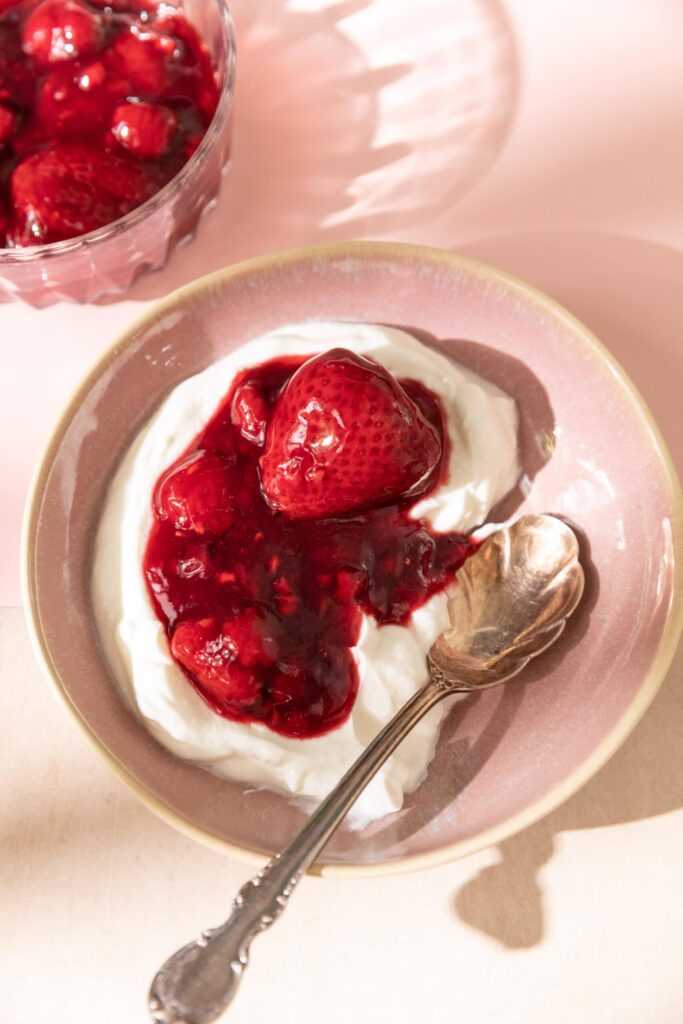
17. Rote Grütze (Red Berry Compote)
Rote Grütze is one of Germany’s most beloved desserts, especially during summer. This refreshing treat features a variety of red berries cooked into a thick compote.
You can use fresh or frozen berries like strawberries, raspberries, currants, and cherries. Sweeten and thicken the mixture with cornstarch to create a smooth texture.
The dessert comes together in about 10 minutes. Germans typically serve Rote Grütze with vanilla custard, ice cream, whipped cream, or vanilla pudding.
This cold berry compote provides a perfect balance of sweet and tart flavors. You can enjoy it as a light dessert after a heavy meal.

18. Almond-Filled Lebkuchen
Lebkuchen is one of Germany’s most beloved Christmas treats. These soft, chewy cookies are packed with festive spices and have a rich history dating back centuries.
The almond-filled version adds an extra layer of flavor and texture to traditional Lebkuchen. Ground almonds blend into the dough, creating a moist, tender cookie with a nutty taste.
What makes these cookies special is the blend of spices like cinnamon, cloves, and nutmeg. You can top them with a simple sugar glaze or dip them in chocolate for an extra treat.
Lebkuchen stores well. They are perfect for holiday gift-giving or enjoying throughout the winter season.
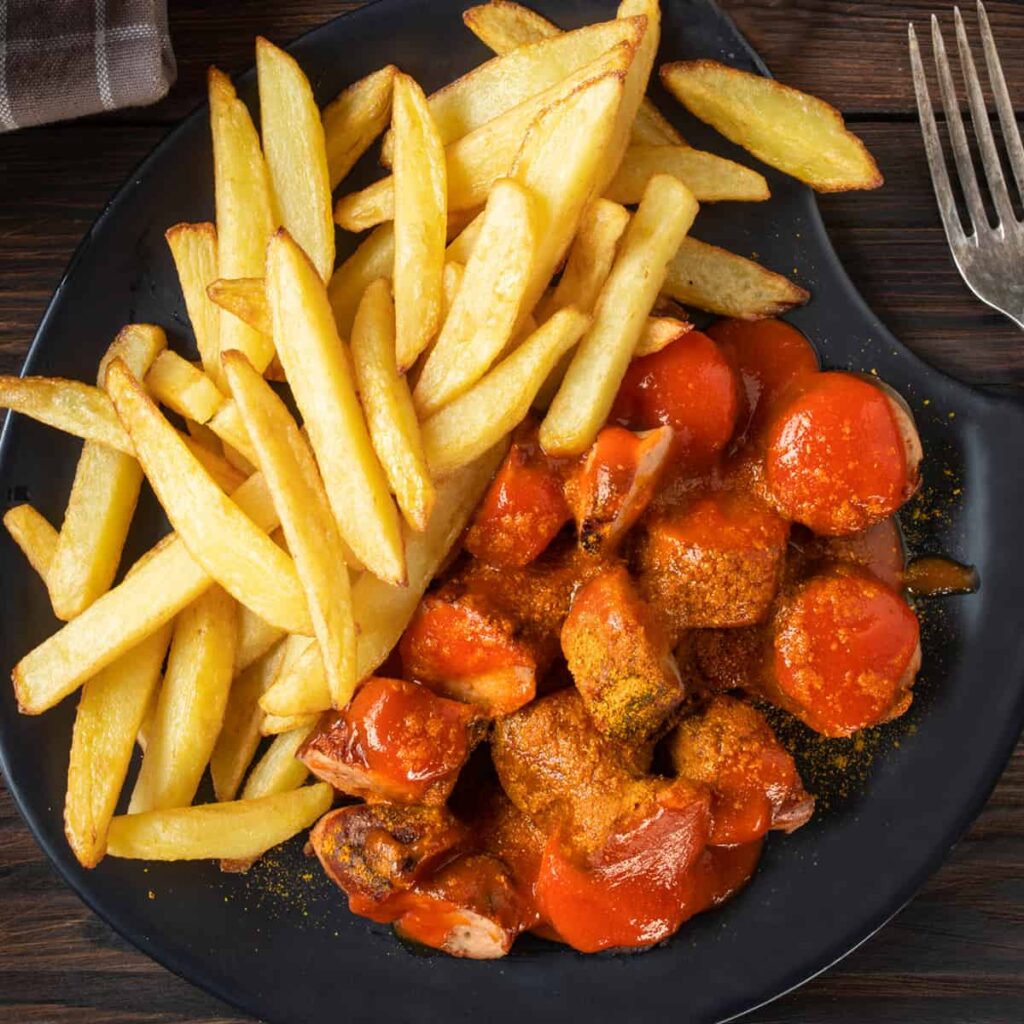
19. Currywurst
Currywurst is a popular German street food that combines sliced sausage with a special curry ketchup sauce. People often serve it with French fries (called “pommes” in German).
The dish is surprisingly simple to make at home. You’ll need ketchup, curry powder, chili powder, and onion powder for the sauce.
Some recipes add a touch of sugar to balance the flavors. For authentic Currywurst, use kielbasa or German bratwurst.
Cook the sausage until browned, then slice it into bite-sized pieces. Pour the curry ketchup over the sliced sausage and sprinkle with additional curry powder.
You can customize the spice level to match your preference.
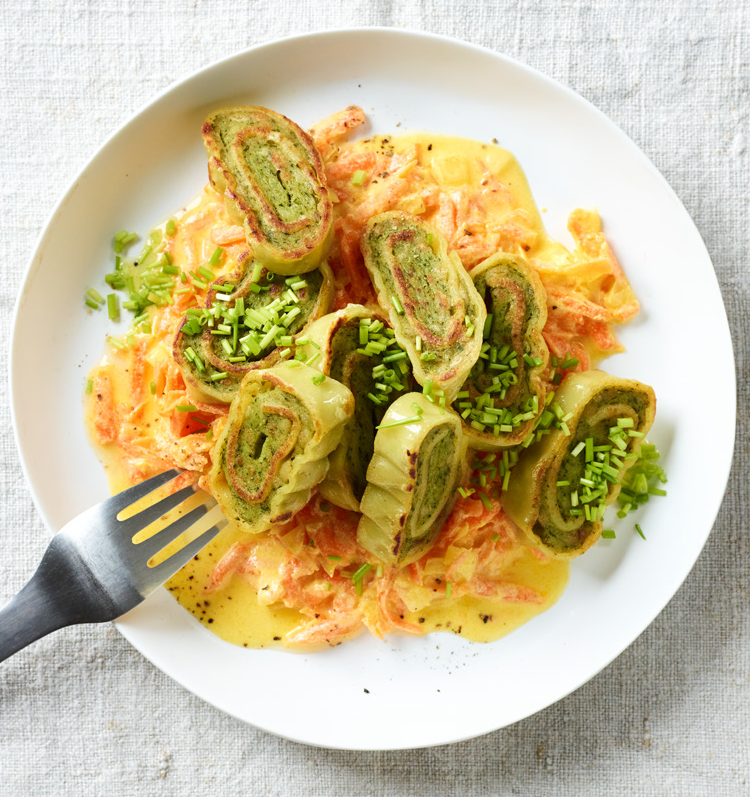
20. Maultaschen (Swabian Dumplings)
Maultaschen are delicious German dumplings from the Swabian region of southwest Germany. These pasta pockets are filled with a savory mixture of meat and spinach, similar to Italian ravioli.
You can serve Maultaschen in several ways. The traditional method is to slice and serve them in a clear broth as a soup.
Another popular option is to fry leftover Maultaschen with butter, onions, and eggs. Making homemade Maultaschen takes time, but you can also find pre-made versions in stores.
The filling typically includes ground pork, spinach, bread crumbs, and seasonings. This comfort food is perfect for a hearty meal.
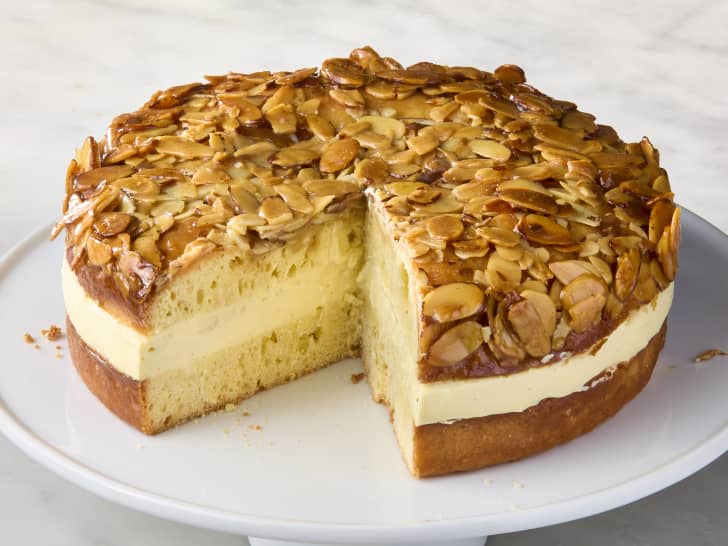
21. Bienenstich (Bee Sting Cake)
Bienenstich, or Bee Sting Cake, is a beloved German dessert that will impress your guests. This traditional treat features two layers of yeast cake with a creamy vanilla filling.
What makes this cake special is its crunchy, caramelized honey-almond topping. The sweet, golden topping gave the cake its name—it’s as sweet as a bee sting!
The cake has a wonderful texture contrast between the soft bread-like base, smooth vanilla cream center, and the crunchy almond top. You can make simpler versions without yeast, but the classic recipe uses a yeasted dough.
Enjoy this as an afternoon treat with coffee. It also makes a great delightful dessert after dinner.
Essential Ingredients in German Cuisine
Traditional German cooking relies on a set of key ingredients that give the cuisine its distinctive flavors. These ingredients vary from hearty staples to subtle flavorings that transform simple dishes into beloved comfort foods.
Common Herbs and Spices
German cooking uses specific herbs and spices to create its characteristic flavors. Caraway seeds add a distinctive taste to breads, cabbage dishes, and pork recipes.
You’ll often find juniper berries in game and meat dishes, especially in sauerbraten marinades. Mustard is essential in German cuisine, appearing in dressings, sauces, and as a condiment for sausages.
The city of Düsseldorf is famous for its spicy mustard variety. Dill and parsley are the most common fresh herbs, used in potato dishes and soups.
Marjoram flavors many sausages and meat preparations. Other important seasonings include:
- Bay leaves for soups and stews
- Paprika for goulash and meat dishes
- Nutmeg for spinach and potato preparations
Regional Ingredients and Their Roles
German cuisine varies greatly by region, with each area highlighting local products. In Bavaria, you’ll find hearty ingredients like potatoes, cabbage, and pork featured in dishes like potato pancakes and roasts.
Rye flour is a northern German staple used in the region’s famous dark breads, including pumpernickel and roggenbrot. These dense, flavorful breads form the foundation of many meals.
Along the coast, fish and seafood take center stage. Herring appears in countless ways, from pickled to smoked varieties.
Other regional specialties include:
- Quark: a fresh dairy product similar to cottage cheese, used in desserts and spreads
- Sauerkraut: fermented cabbage common throughout Germany
- Spätzle: egg noodles from the Swabian region that accompany many meat dishes
These ingredients reflect Germany’s agricultural history. They showcase the country’s diverse culinary traditions.
Traditional Cooking Techniques
German cooking relies on time-tested techniques passed down through generations. These methods create the distinctive flavors and textures that make German cuisine so hearty and satisfying.
Classic Methods for Preparing Meats
Slow braising is essential for many German meat dishes. You’ll find this technique used in sauerbraten, where cooks marinate tough cuts for days before cooking them low and slow in gravy until fork-tender.
Smoking meats is another cornerstone of German cooking. Traditional German sausages gain their distinctive flavor profiles through careful smoking over different woods like beech or oak.
Pounding meat thin for schnitzel requires precision. You should flatten cuts like pork or veal between wax paper until they’re about ¼-inch thick before breading and frying them to golden perfection.
Grinding and stuffing meats for sausages remains a cherished tradition. Many German families still use hand-cranked grinders and natural casings for authentic texture and flavor.
Baking Traditions and Bread-Making
Sourdough techniques form the foundation of German bread-making. You need to maintain a starter (Sauerteig) that contains wild yeasts and bacteria that develop complex flavors and chewy textures.
German bakers often use stone ovens for even heat distribution. They add steam during baking to create crusty exteriors.
They incorporate whole grains for heartiness and nutrition.
Layering techniques are crucial for pastries like Black Forest cake. You must carefully stack thin cake layers with fillings like cherries and cream to achieve the proper balance.
Proofing bread dough twice allows for better texture and flavor development. German bakers traditionally proof dough in special wicker baskets called Brotformen that create distinctive patterns on the loaves.