Italian desserts earn their reputation one spoonful at a time. Creamy, coffee-soaked, citrus-scented, or crackling with caramelized sugar, these sweets turn the end of a meal into the best part of it. You don’t need a trip to Rome or Naples to taste them, either. Most of these classics come together in a home kitchen with ingredients you can find at any grocery store.
Tiramisu remains the most beloved Italian dessert for home cooks, thanks to its no-bake method and layers of espresso, mascarpone, and cocoa. But Italy’s sweet tradition runs far deeper than one coffee-soaked favorite. From crisp Sicilian cannoli to delicate Roman maritozzi, this list covers the full range of textures and flavors that make Italian desserts worth making again and again.
Quick picks:
- Best for beginners: Panna Cotta, since it needs just a handful of ingredients and no oven
- Best make-ahead: Tiramisu, because it tastes better after a night in the fridge
- Best for a crowd: Cannoli, perfect for filling fresh at a party
- Best cooling treat: Granita Siciliana, a icy, refreshing finish on a hot day
1. Tiramisu
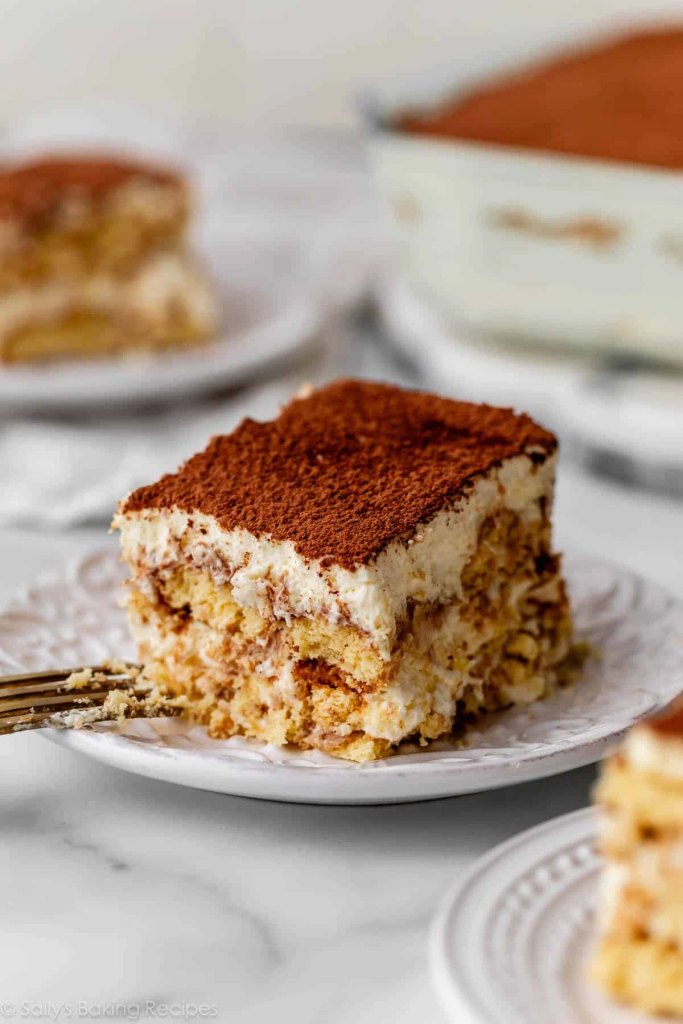
Tiramisu is the classic Italian no-bake dessert built from layers of espresso-dipped ladyfingers and sweetened mascarpone cream. A dusting of cocoa powder on top gives it that signature bittersweet finish. The trick to a good one is not oversoaking the ladyfingers; a quick dip keeps them from turning mushy. Make it the night before so the flavors have time to settle. Serve it chilled, straight from the fridge, in a glass dish so you can see those neat layers.

2. Cannoli
Cannoli are crisp fried pastry tubes filled with sweetened ricotta, often studded with mini chocolate chips or candied citrus. The shell should shatter slightly when you bite in, giving way to a creamy, lightly sweet filling. Fill them just before serving so the shells stay crunchy instead of going soft. Dip the ends in chopped pistachios for extra crunch and color. Fresh ricotta, well-drained, makes all the difference in the texture of the filling.
3. Gelato
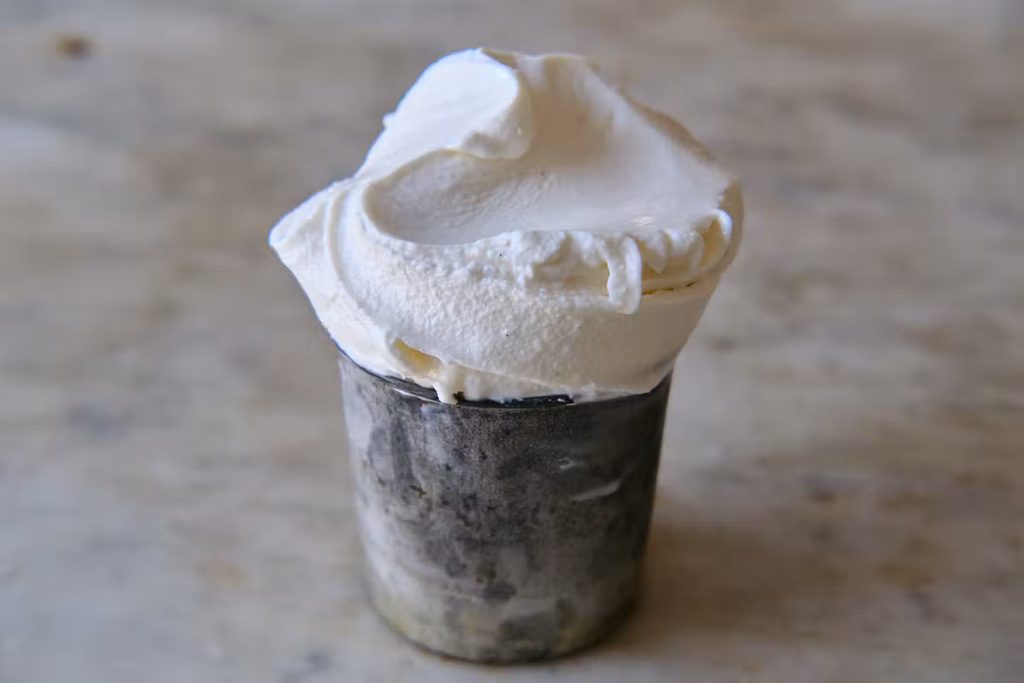
Gelato is Italy’s answer to ice cream, denser and silkier thanks to less air and a lower fat content. Hazelnut, or nocciola, ranks among the most popular flavors, especially when made with rich Piedmont hazelnuts. Gelato is served slightly warmer than American ice cream, which lets the flavors come through more intensely. A small batch at home takes patience and a good ice cream maker, but the payoff is a scoop that tastes brighter and less heavy.
4. Panna Cotta
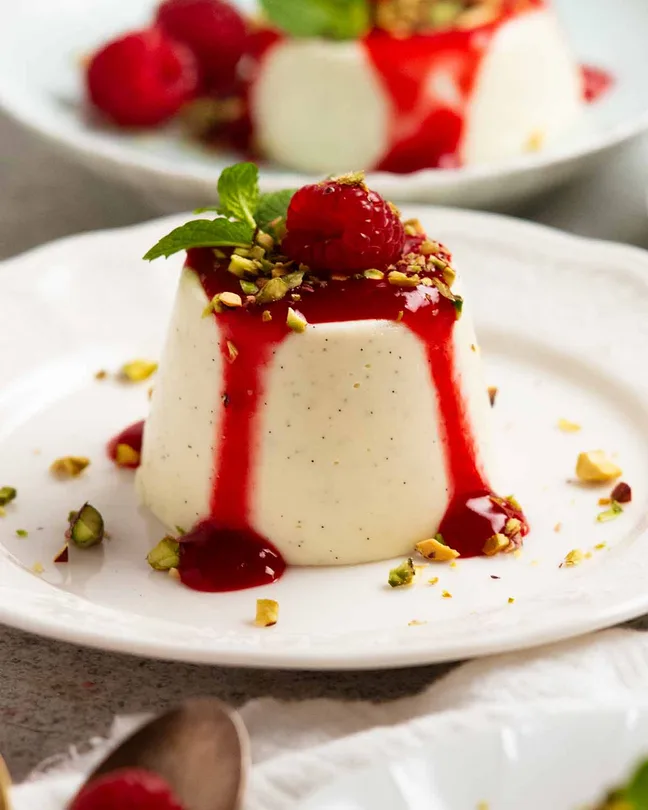
Panna cotta is a silky, barely-set cream dessert that translates to “cooked cream.” It needs only cream, sugar, vanilla, and gelatin, making it one of the simplest Italian desserts to pull off. The texture should wobble like custard but hold its shape when unmolded. Top it with fresh berries, a drizzle of caramel, or a spoonful of berry compote. Chill it for at least four hours, though overnight gives the best set.
5. Sfogliatelle
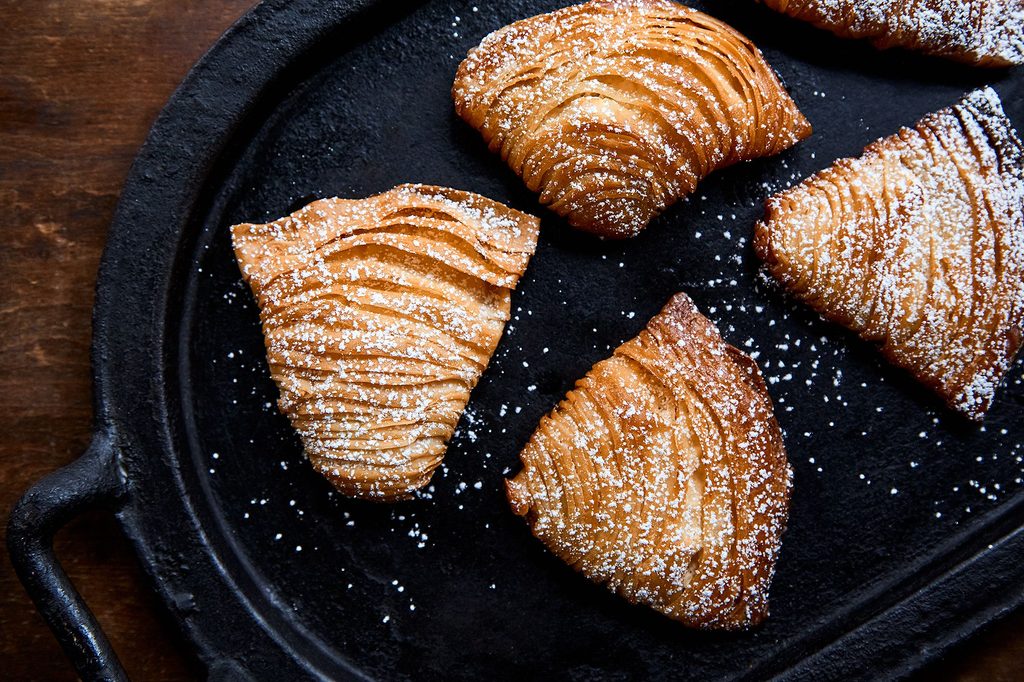
Sfogliatelle are flaky, shell-shaped pastries from Naples with dozens of thin, crisp layers. Inside sits a filling of semolina, ricotta, and candied orange peel. The shape alone makes them a showstopper, resembling a lobster tail once baked golden. They take real effort to shape by hand, so most home cooks start with store-bought dough sheets. Eat them warm, the day they’re baked, since the layers soften quickly after that.
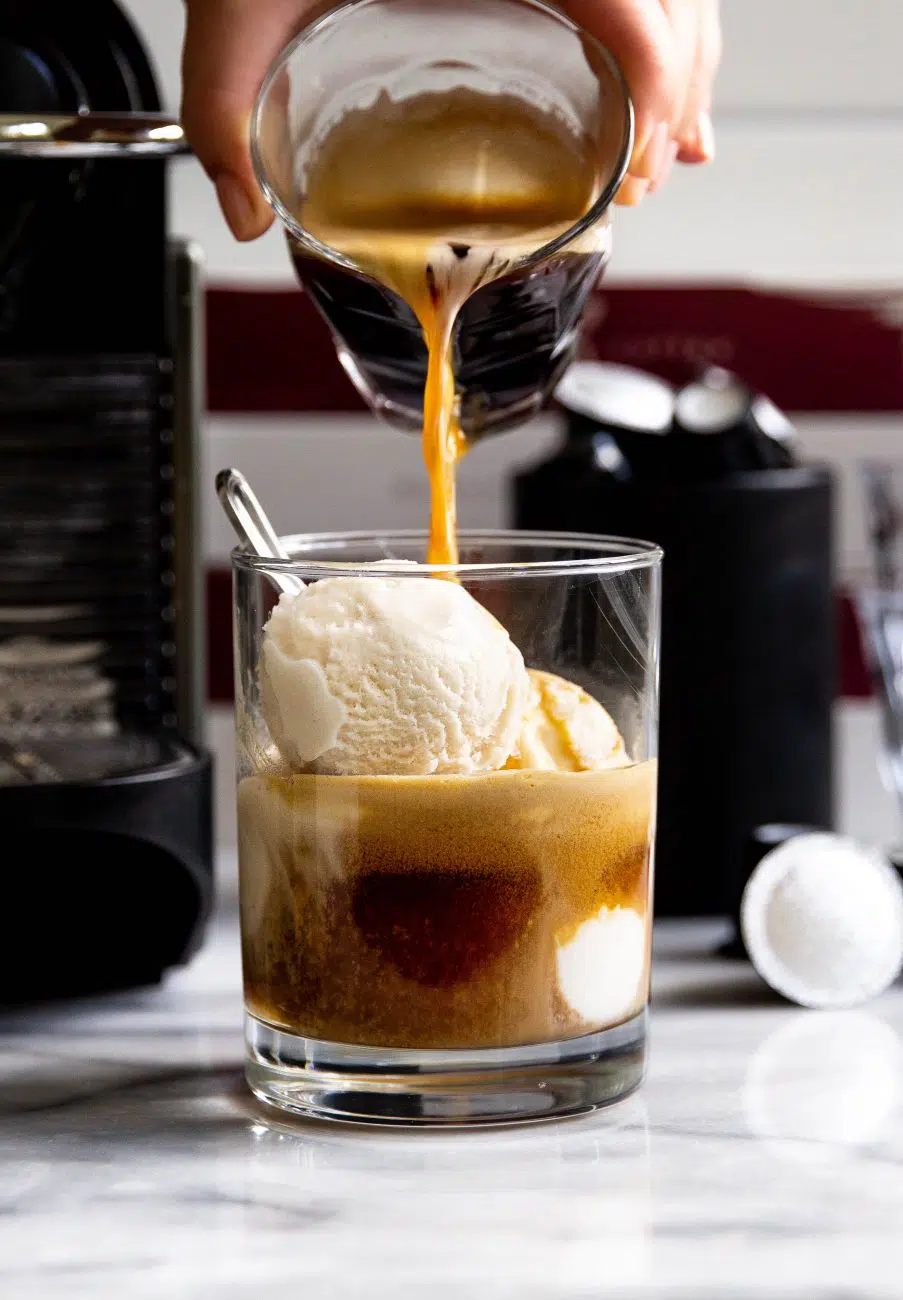
6. Affogato
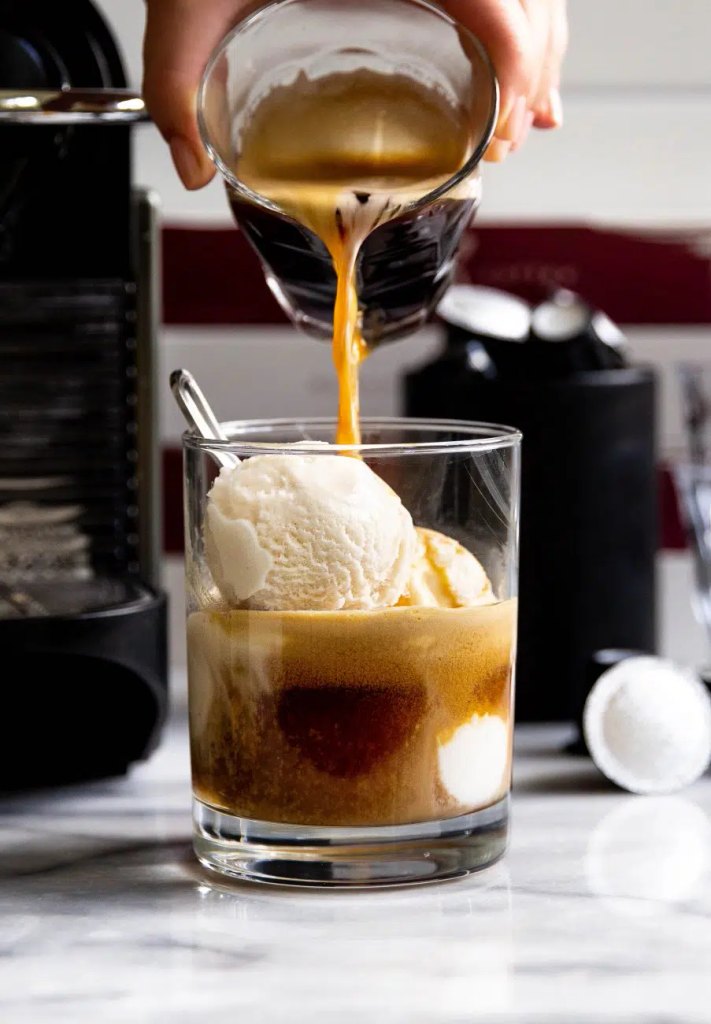
Affogato is the easiest Italian dessert to throw together: a scoop of vanilla gelato “drowned” in a hot shot of espresso. The contrast between hot and cold is the whole point, with the espresso melting the edges of the gelato into a rich, coffee-laced pool. It takes two minutes and two ingredients. Serve it immediately in a small glass so guests see the espresso poured over the top.
7. Cantucci
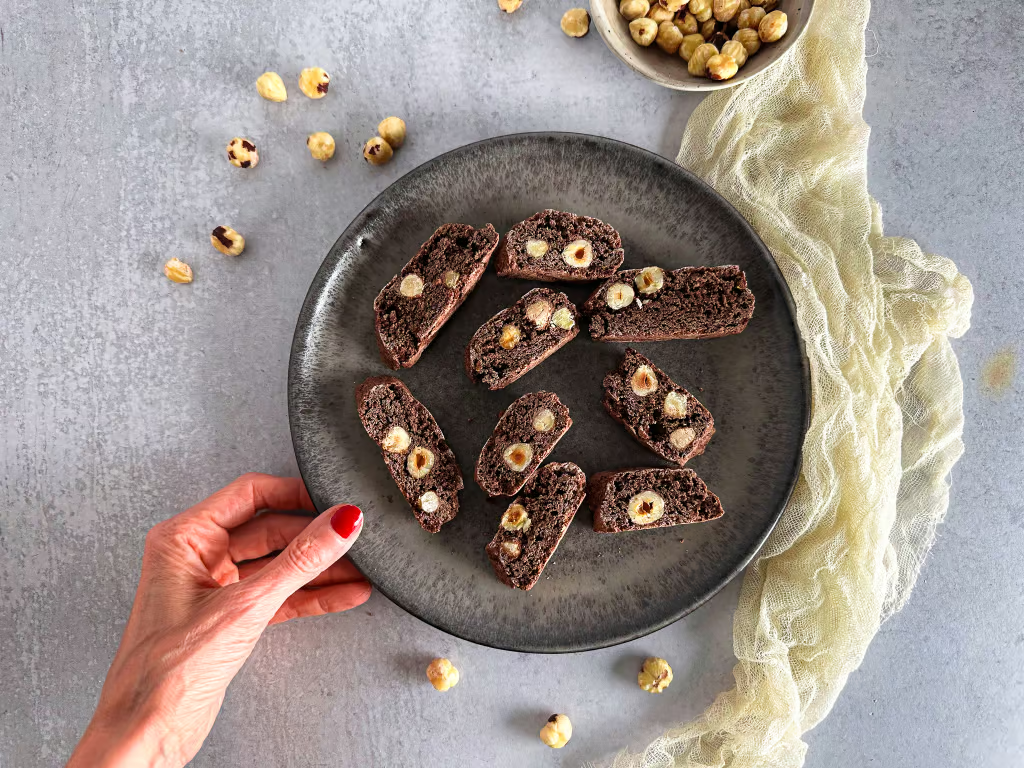
Cantucci are twice-baked almond cookies from Tuscany, known in the U.S. as biscotti. Their dry, crunchy texture makes them perfect for dunking in a glass of Vin Santo or a cup of coffee. The dough bakes once as a log, then gets sliced and baked again to dry out. Whole almonds give every bite a satisfying crunch. They keep well in a sealed tin for weeks, making them a good make-ahead treat.
8. Semifreddo
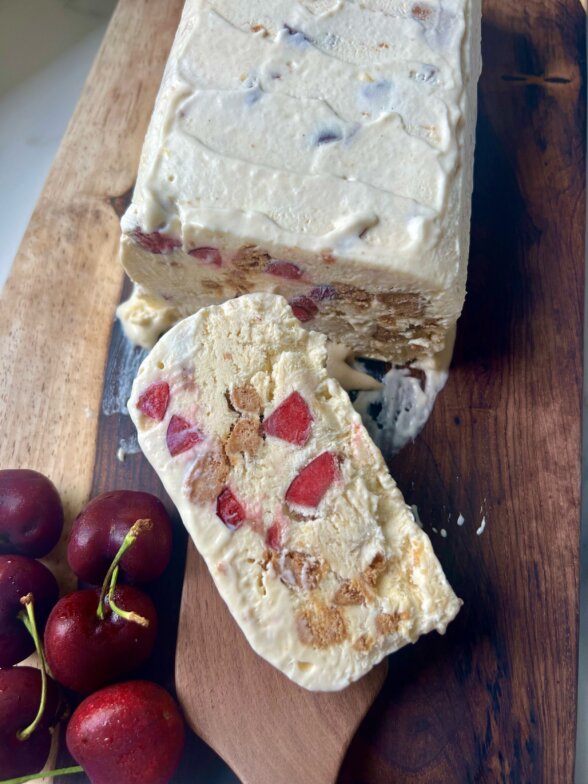
Semifreddo means “half-frozen,” and that’s exactly the texture you get: softer than ice cream, denser than mousse. It’s made by folding whipped cream and egg into a flavor base, then freezing it without churning. Hazelnut and coffee are classic flavor choices. Slice it like a cake once firm, straight from the freezer. It holds its shape at the table longer than regular ice cream, which makes it easy to serve for a dinner party.
9. Cassata Siciliana
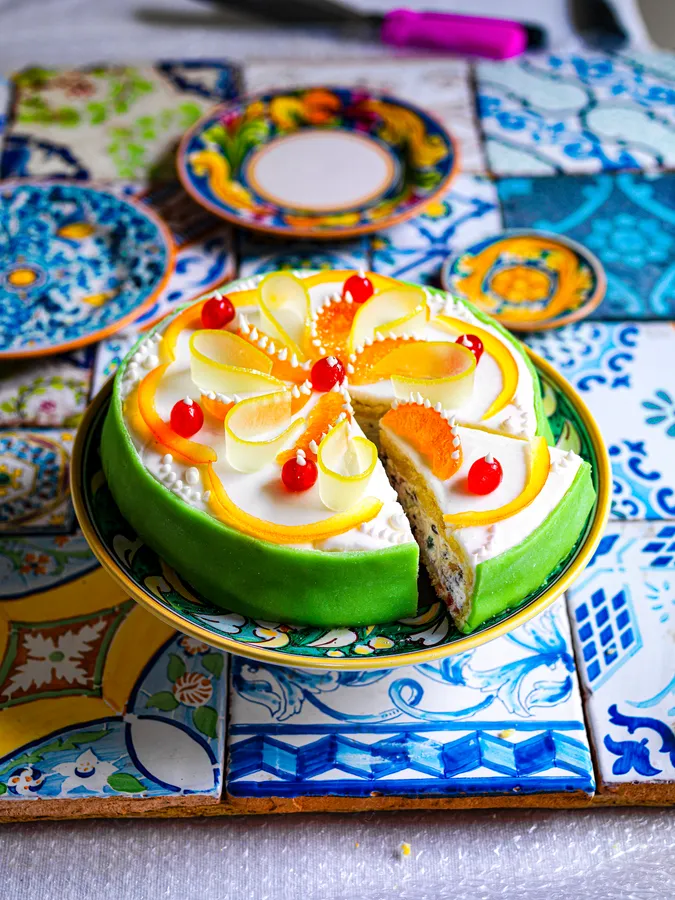
Cassata Siciliana is a showy sponge cake layered with sweetened ricotta, candied fruit, and a shell of marzipan or fondant. Bright green marzipan and colorful candied fruit on top make it look festive, almost like a piece of edible art. It’s traditionally served at Easter and special celebrations across Sicily. The ricotta filling should be smooth and not too wet, so draining it well beforehand matters. Slice it thin since it’s rich.
10. Granita Siciliana
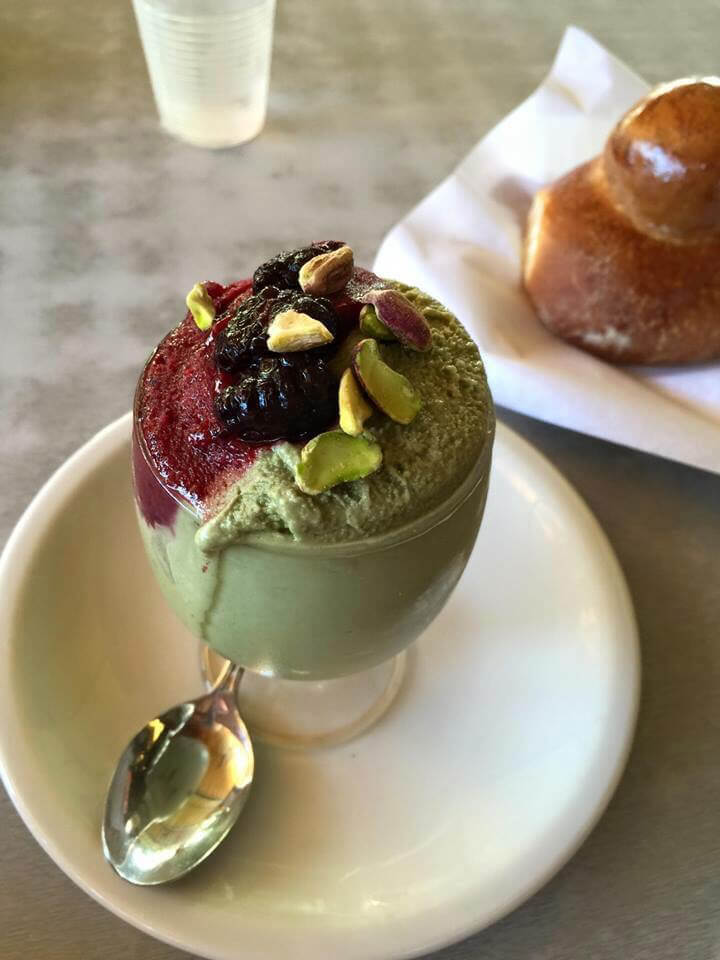
Granita Siciliana is an icy, slushy dessert made by freezing sweetened fruit juice or coffee and scraping it into crystals as it sets. Lemon and coffee are the most traditional flavors in Sicily, often served alongside a soft brioche bun for breakfast. The texture should be coarse and flaky, not smooth like sorbet. Stir the mixture every 30 minutes while it freezes to break up ice crystals. It’s a refreshing treat on a hot afternoon.
11. Zabaglione
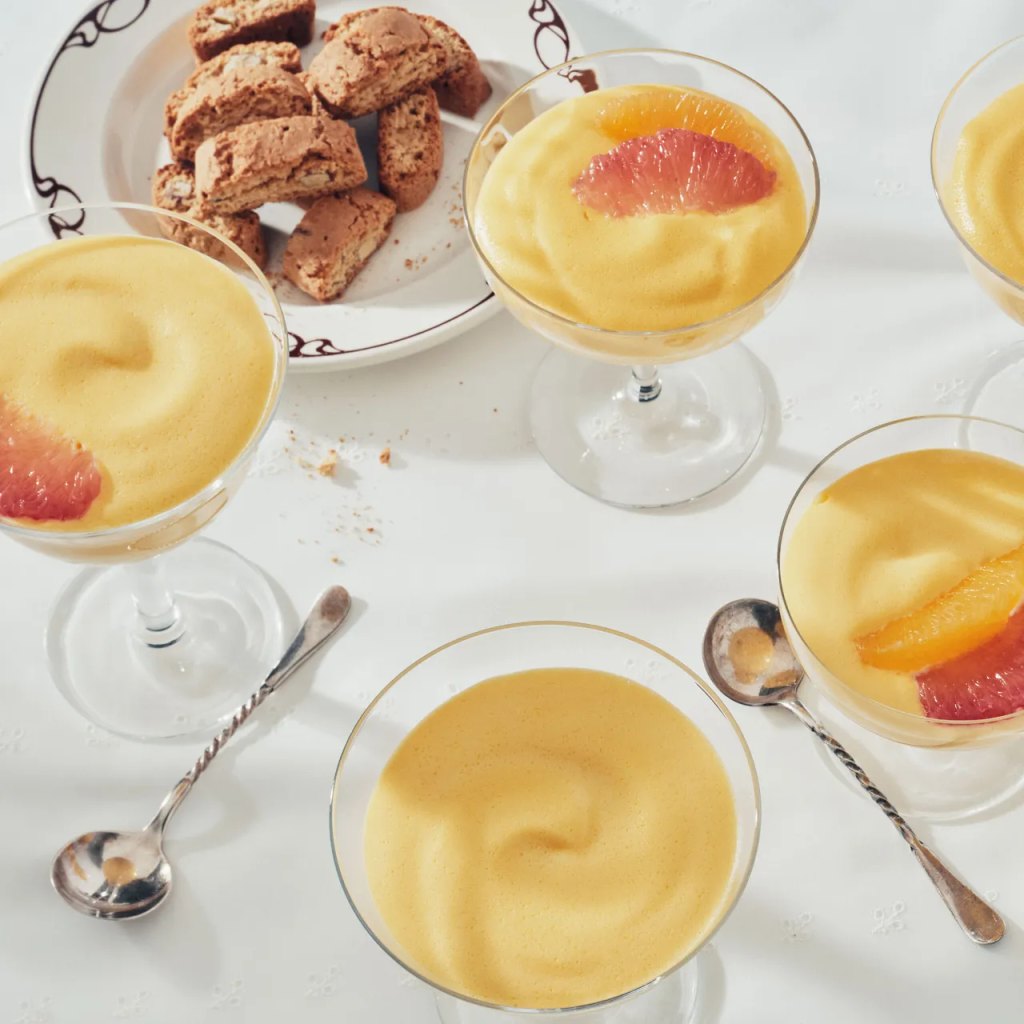
Zabaglione is a warm, frothy custard made by whisking egg yolks, sugar, and Marsala wine over gentle heat. The texture should end up light and airy, almost like a loose mousse. Serve it warm in small glasses, spooned over fresh berries or alongside crisp cookies for dipping. It comes together in about ten minutes but needs constant whisking so the eggs don’t scramble. This one is best made right before serving.
12. Panettone
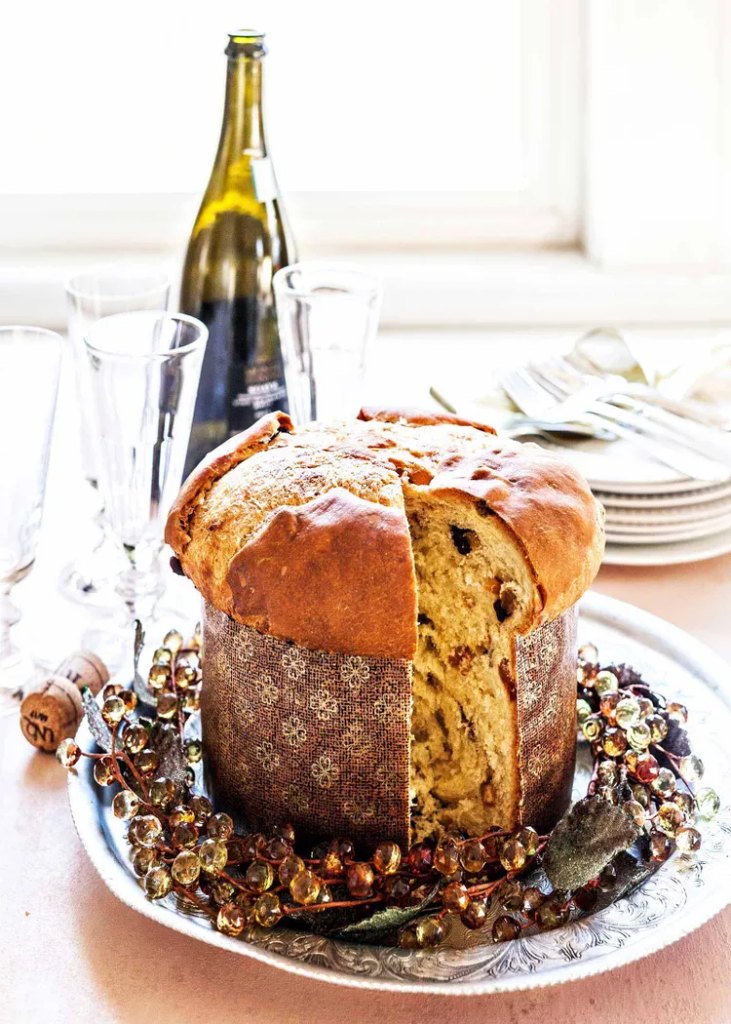
Panettone is a tall, dome-shaped sweet bread studded with candied fruit and raisins, traditionally served at Christmas across Italy. The dough gets a long, slow rise, which gives the crumb its signature light, airy texture. A good panettone pulls apart in soft strands rather than crumbling. Toast leftover slices and serve with butter or mascarpone. Making the dough from scratch takes a couple of days, so many home cooks buy it ready-made during the holidays.
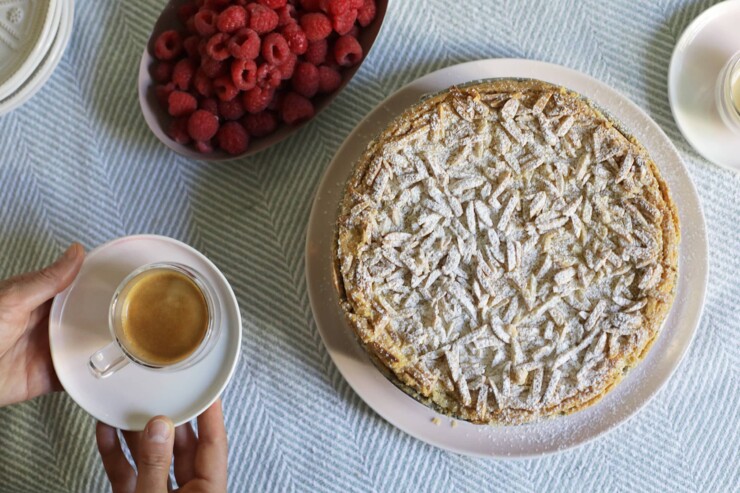
13. Torta della Nonna
Torta della Nonna, or “grandmother’s cake,” is a buttery shortcrust tart filled with smooth vanilla custard and topped with pine nuts. The crust should be tender and slightly crumbly, almost like a sugar cookie. Pine nuts toast on top as the tart bakes, adding crunch and a faint nutty flavor. A dusting of powdered sugar finishes it off. Bake it at 350°F until the crust turns pale gold, about 35 to 40 minutes.
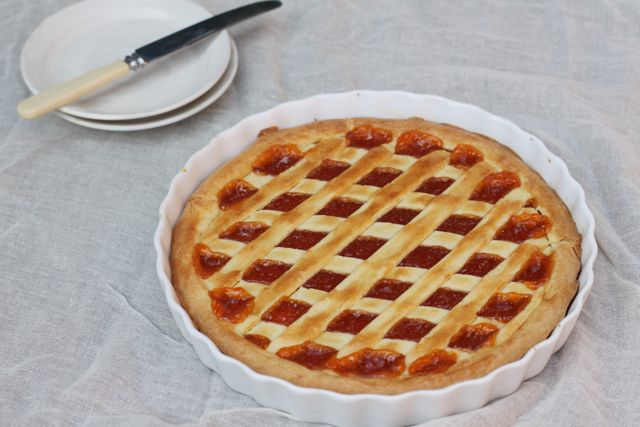
14. Crostata di Marmellata
Crostata di Marmellata is a rustic jam tart with a lattice crust, usually filled with apricot or berry preserves. The dough is a simple shortcrust, pressed into the pan rather than rolled thin and fussy. Use a good quality jam since it’s the star of the filling. The lattice top lets the fruit bubble through as it bakes, giving the tart a homemade, farmhouse look. Serve it at room temperature with coffee.
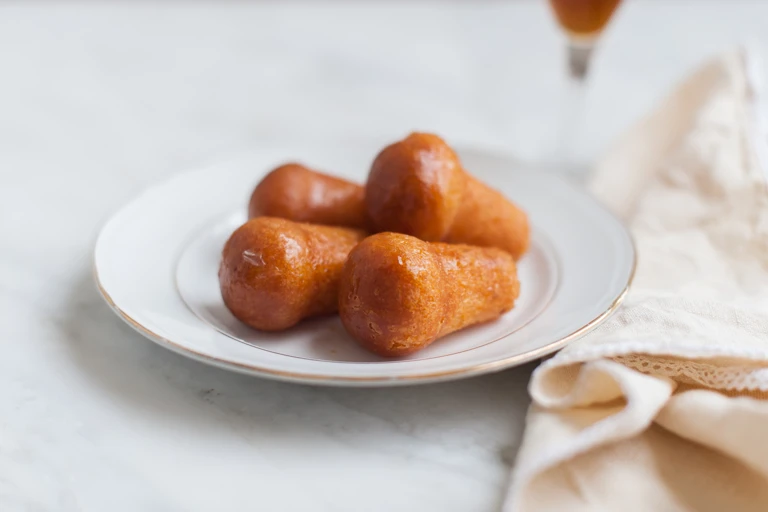
15. Babà al Rum
Babà al Rum is a small, spongy yeast cake soaked in rum syrup until it’s moist all the way through. The cake itself is light and slightly chewy, almost like a sweet bread, which lets it soak up the syrup without falling apart. Some versions get filled with pastry cream or topped with whipped cream. Let the baba sit in the syrup for several minutes so it absorbs fully. Serve it chilled or at room temperature.
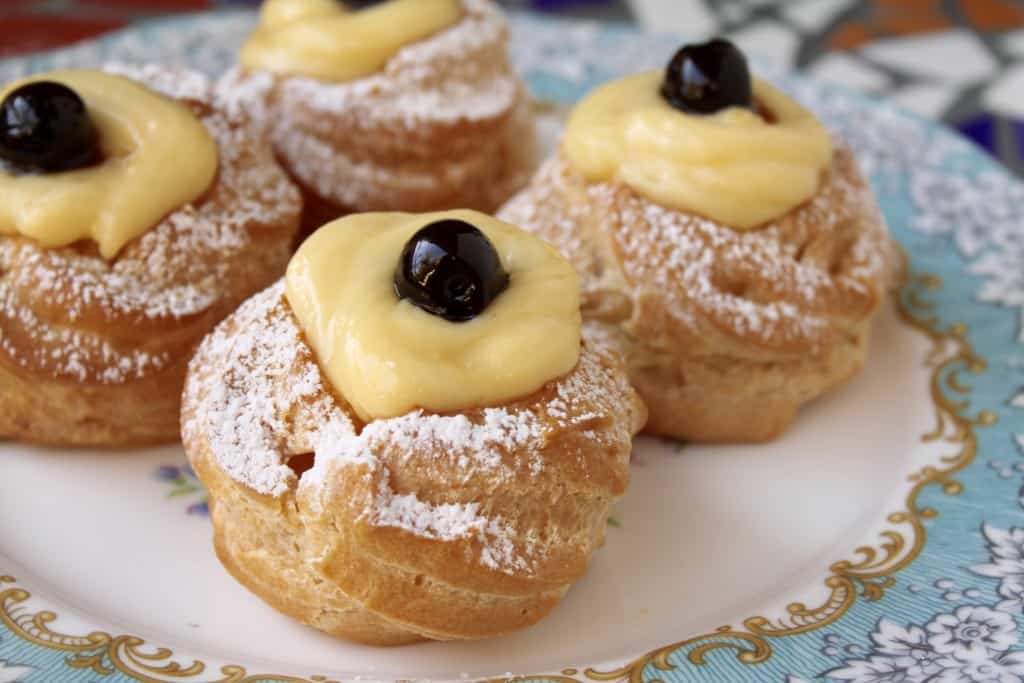
16. Zeppole di San Giuseppe
Zeppole di San Giuseppe are cream-filled pastry puffs traditionally made for Saint Joseph’s Day in Italy. The base is a choux pastry, piped into rings and either baked or fried until puffed and golden. A spoonful of vanilla pastry cream sits in the center, often topped with a cherry or a dusting of powdered sugar. Fried versions have a crisper shell than baked ones. Fill them close to serving time so the pastry stays crisp.
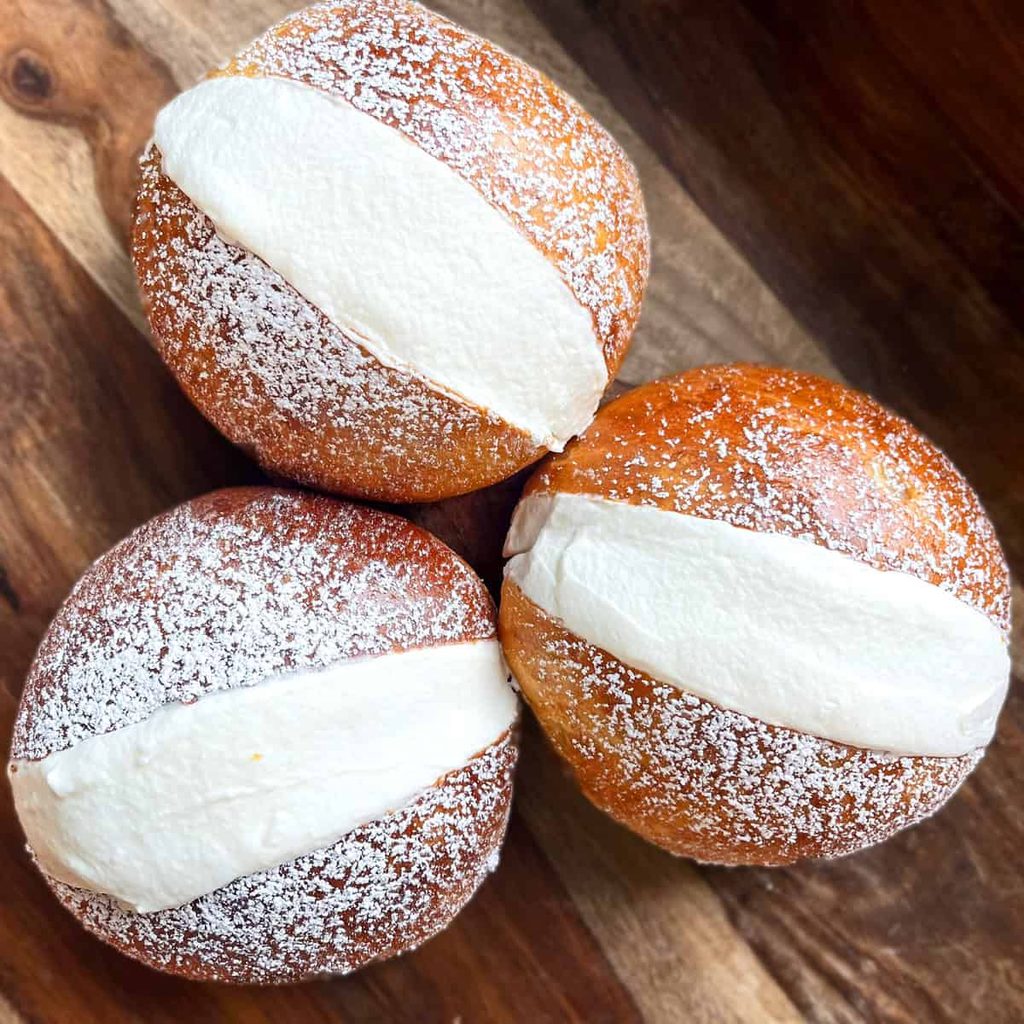
17. Maritozzi
Maritozzi are soft, pillowy Roman buns split down the middle and stuffed generously with whipped cream. Traditionally eaten for breakfast in Rome, they pair well with a strong espresso to cut the sweetness. The bun itself is lightly sweetened and sometimes studded with raisins or pine nuts. Whip the cream just until it holds soft peaks so it doesn’t turn grainy inside the bun. Serve them the same day for the freshest texture.
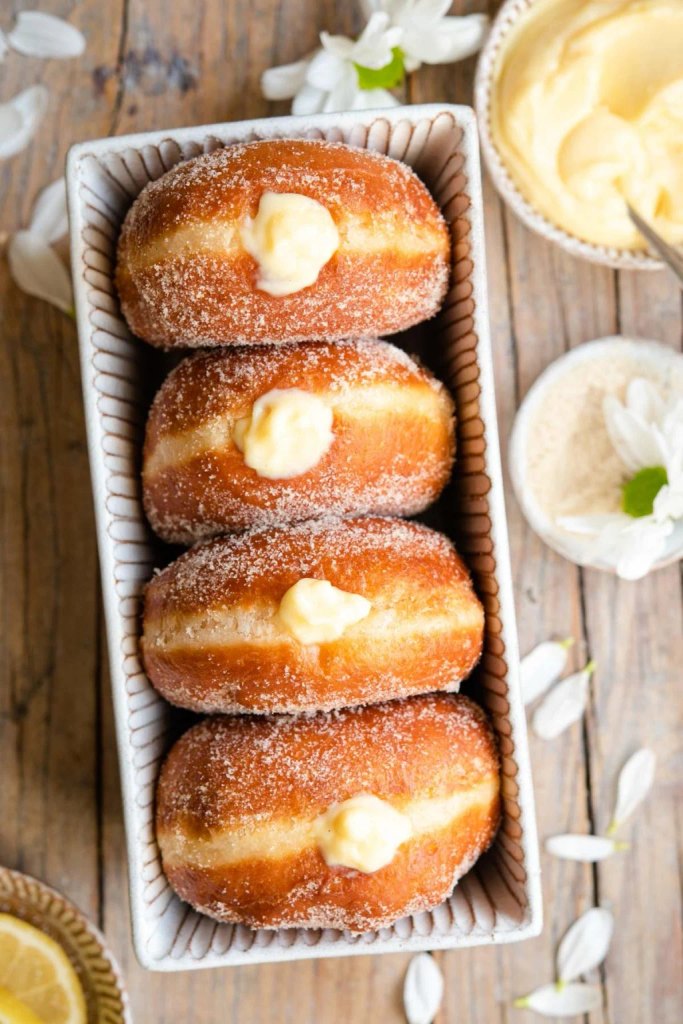
18. Bomboloni
Bomboloni are Italian doughnuts, fried until golden and rolled in sugar while still warm. Some are filled with pastry cream, chocolate, or jam, injected after frying. The dough is enriched with eggs and butter, giving it a soft, slightly chewy crumb. Fry them in oil at 350°F until deeply golden, about two minutes per side. Eat them fresh, the day they’re made, since the texture firms up quickly after that.
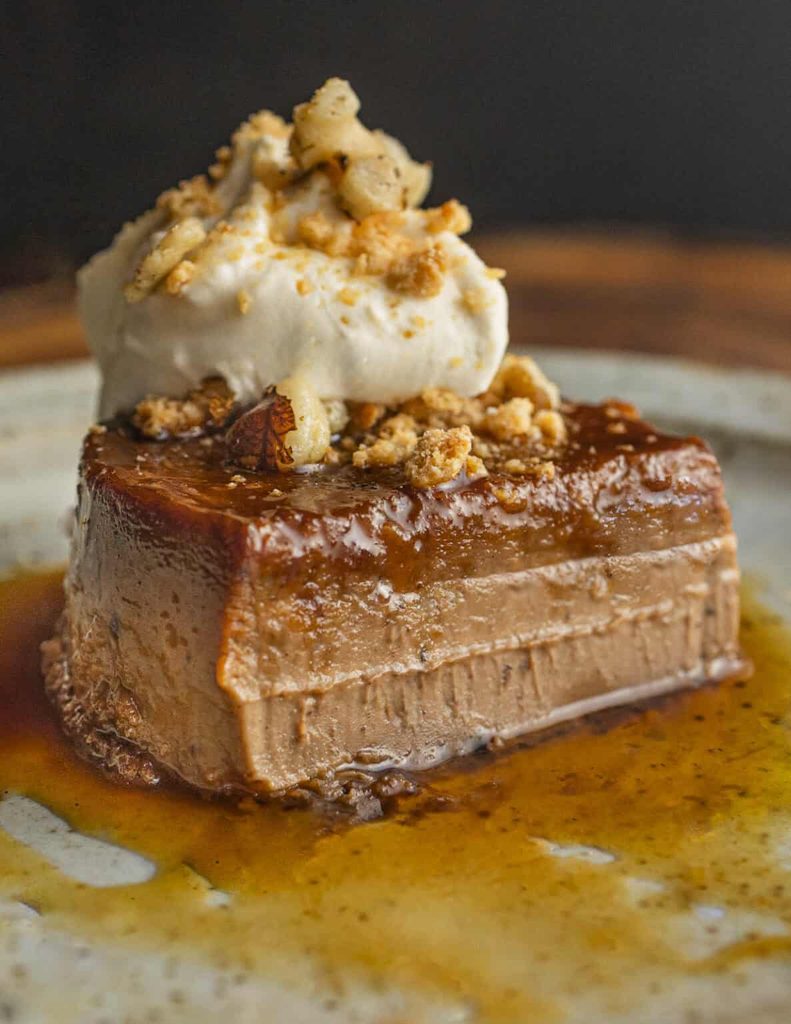
19. Bonet
Bonet is a Piedmontese chocolate custard made with cocoa, amaretti cookies, and a layer of caramel on the bottom. Once set and flipped out, the caramel runs down the sides like a chocolate flan. The crushed amaretti give it a faint almond flavor and a bit of texture against the smooth custard. Bake it in a water bath at 325°F for about 45 minutes. Chill it fully before unmolding for a clean release.
How to Choose an Italian Dessert
Pick your dessert based on how much time you have and how many people you’re feeding. A quick affogato works for an impromptu weeknight treat, while a layered cassata needs planning and a few hours of chilling time.
Think about texture contrast, too. A meal that ends with something crisp, like cannoli, feels different than one that ends with something cold and creamy, like panna cotta or gelato.
| Dessert | Prep Effort | Make-Ahead Friendly | Best Occasion |
|---|---|---|---|
| Tiramisu | Low | Yes | Dinner party |
| Cannoli | Medium | No | Gathering |
| Gelato | Medium | Yes | Hot day |
| Panna Cotta | Low | Yes | Weeknight |
| Sfogliatelle | High | No | Special occasion |
| Affogato | Low | No | Quick treat |
| Cantucci | Medium | Yes | Coffee pairing |
| Semifreddo | Medium | Yes | Dinner party |
| Cassata Siciliana | High | Yes | Holiday/Easter |
| Granita Siciliana | Low | Yes | Hot day |
| Zabaglione | Low | No | Elegant dinner |
| Panettone | High | Yes | Christmas |
| Torta della Nonna | Medium | Yes | Family gathering |
| Crostata di Marmellata | Medium | Yes | Afternoon coffee |
| Babà al Rum | Medium | Yes | Special occasion |
| Zeppole di San Giuseppe | High | No | Saint Joseph’s Day |
| Maritozzi | Medium | No | Breakfast |
| Bomboloni | Medium | No | Brunch |
| Bonet | Medium | Yes | Dinner party |
If you’re cooking for a crowd that loves bold flavors beyond Italy’s borders, our 25 spanish desserts and our best greek desserts round out a broader dessert spread nicely. For more classics straight from Italian kitchens, check out our best italian desserts.
Serving and Storage Tips
Most Italian desserts taste best slightly chilled or at room temperature, not fresh from the freezer. Pull panna cotta, tiramisu, and semifreddo out of the fridge about ten minutes before serving so the flavors open up.
Store cream-filled pastries like cannoli and zeppole unfilled, then assemble just before eating. The shells turn soggy fast once filled.
Keep cookies like cantucci in an airtight tin at room temperature, where they’ll stay crisp for two to three weeks. Cakes with fresh cream, like maritozzi or cassata, need refrigeration and are best eaten within two to three days.
For dishes with gelatin or raw egg, like panna cotta or zabaglione, keep them cold until serving and avoid leaving them out longer than an hour at room temperature. If you’re curious about more sweets from around the world to round out your dessert rotation, browse 24 asian desserts or 15 russian desserts for a change of pace.