Korean desserts have a way of surprising you. Some are icy and piled high with fruit, some are chewy rice cakes dusted in nutty powder, and some are crisp little fried snacks still warm from the pan. If you ask a hundred people in Seoul what to try first, you’ll get a hundred different answers, but a few names keep coming up no matter who you ask.
For a first taste of Korean sweets, start with bingsu, the shaved ice dessert piled with fruit, red beans, and condensed milk that defines summer in Korea. It’s cold, creamy, and shareable, which makes it an easy entry point before branching into chewier rice cakes or fried street snacks.
From there, the world opens up fast. Some desserts lean traditional, tied to holidays and tea ceremonies. Others are modern mashups you’ll spot at trendy cafes in Koreatown or on Instagram feeds out of Seoul.
Quick picks:
- Best overall: Bingsu, the shaved ice classic everyone should try once
- Best for beginners: Hotteok, a sweet fried pancake sold on nearly every street corner
- Best for tea time: Yakgwa, a honey cookie with deep, nutty sweetness
- Best modern fusion: Croffle, the croissant-waffle hybrid taking over Korean cafes
1. Bingsu
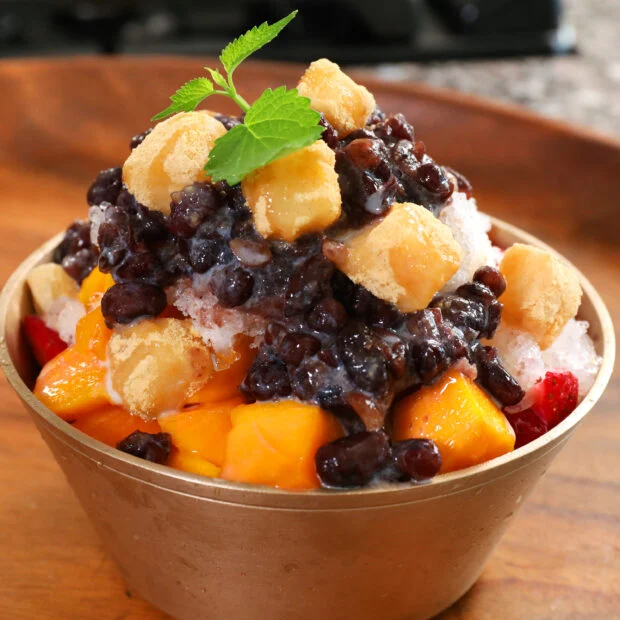
Bingsu is Korea’s answer to a hot day. Fine shaved ice gets topped with sweetened red beans, chewy rice cake pieces, fruit, and a drizzle of condensed milk. Patbingsu, the red bean version, is the classic, but you’ll also find mango, injeolmi, and even cheesecake bingsu at Korean cafes. The texture matters as much as the flavor; good bingsu has ice so fine it feels like snow, not crunchy shavings. Order one to share. A full bowl is bigger than it looks.
2. Hotteok
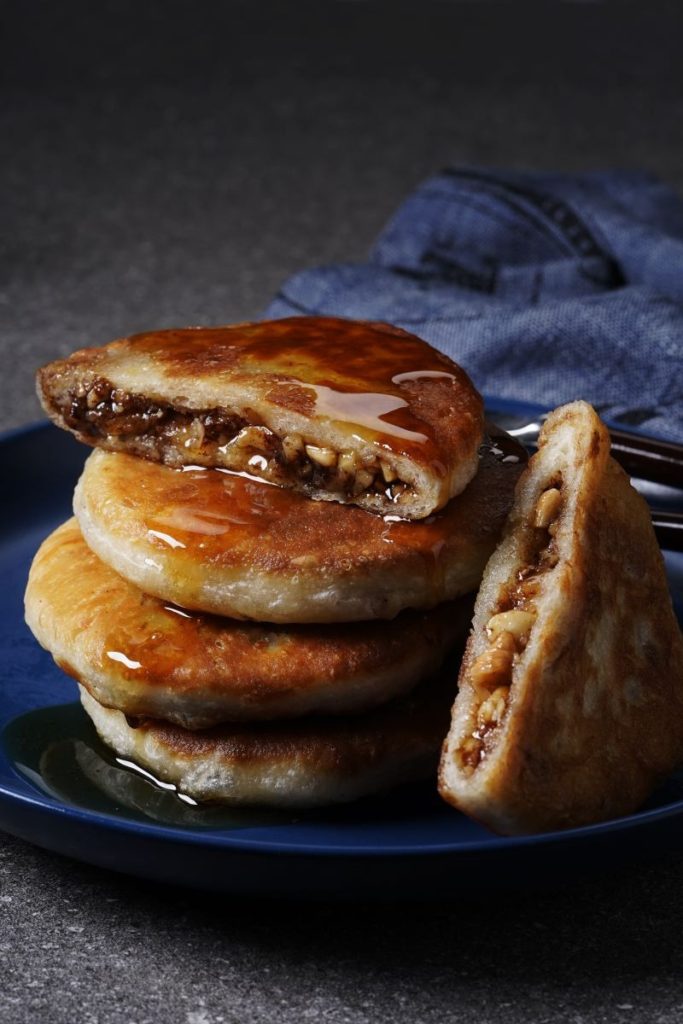
Hotteok is a fried pancake stuffed with brown sugar, cinnamon, and chopped nuts that melts into a gooey filling once cooked. Street vendors press the dough flat on a griddle until the outside turns crisp and golden. The first bite can burn your tongue if you’re not careful, since the sugar filling stays molten hot. Winter markets in Korea are lined with hotteok stalls, and the smell alone pulls people in off the sidewalk.
3. Yakgwa
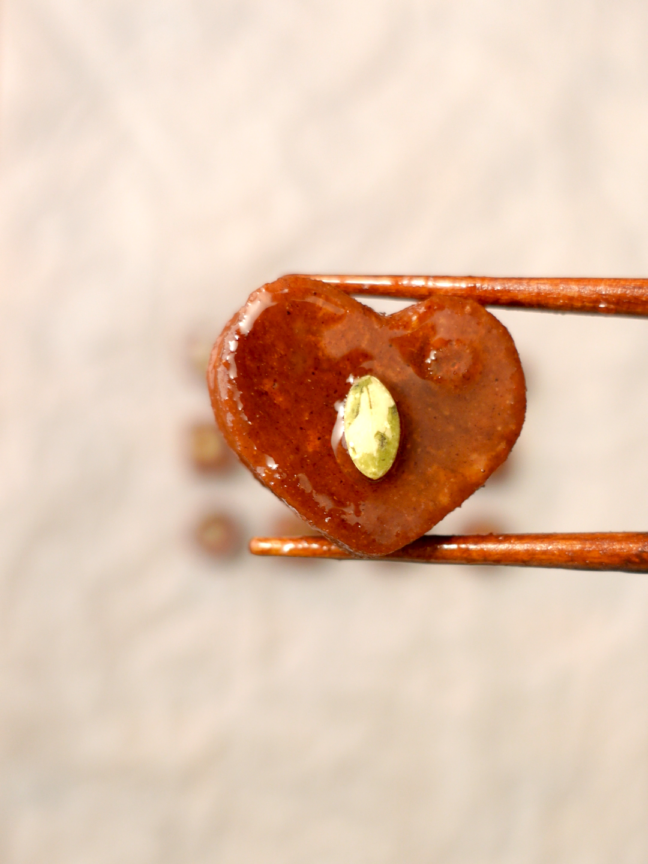
Yakgwa is a deep-fried honey cookie made from wheat flour, sesame oil, and rice wine, then soaked in a honey-ginger syrup. The texture sits somewhere between a cookie and a soft donut, with a flaky bite that gives way to syrupy sweetness. It’s a traditional treat served at holidays and ancestral ceremonies. The flavor is rich and a little floral from the honey, so a small piece goes a long way.
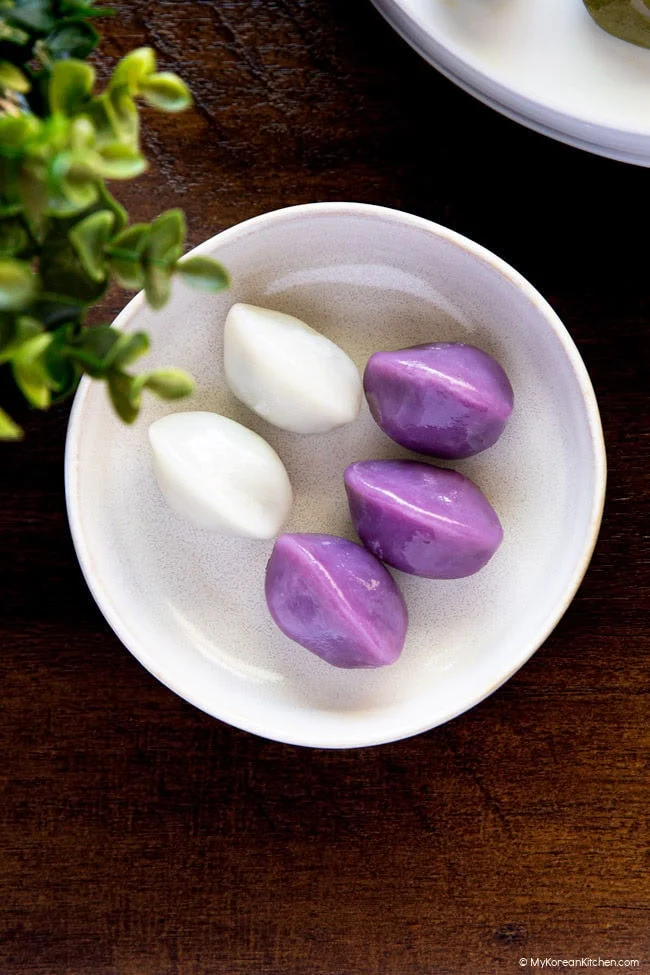
4. Songpyeon
Songpyeon is a half-moon shaped rice cake stuffed with sweet fillings like sesame seeds, chestnuts, or sweetened beans, then steamed over pine needles. The pine needles give the rice cake a faint, earthy fragrance that’s part of what makes it special. Families traditionally make songpyeon together during Chuseok, Korea’s harvest festival. The chewy outer layer and soft, nutty filling make it a favorite even outside the holiday season.
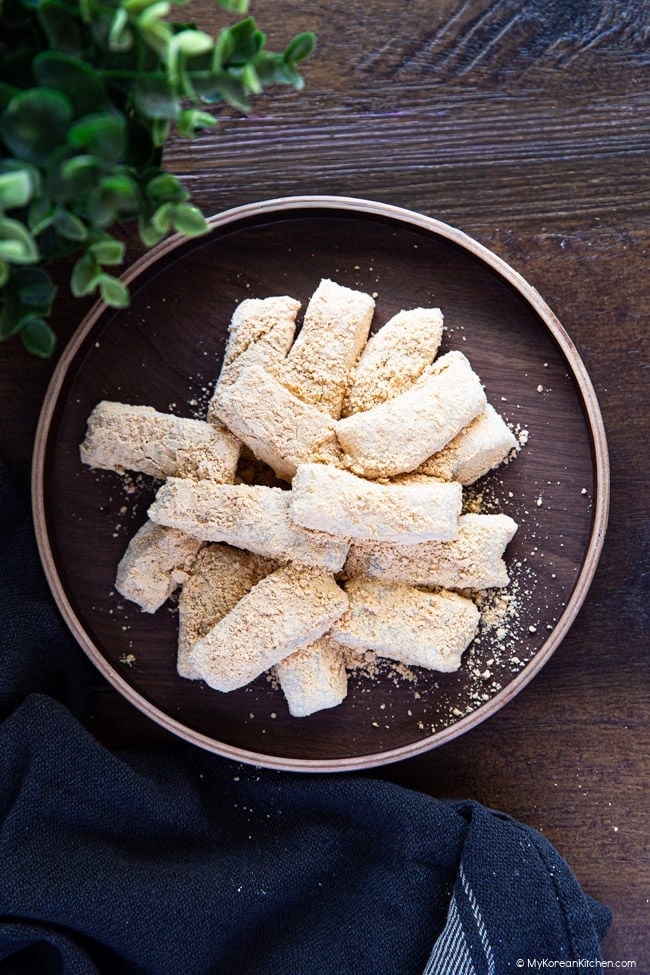
5. Injeolmi
Injeolmi is a soft rice cake rolled in roasted soybean powder, giving it a nutty, toasty flavor with a sticky, chewy bite. It’s made by pounding steamed glutinous rice until smooth, then cutting it into small pieces. The soybean coating keeps the pieces from sticking together and adds a light crunch against the soft rice cake. You’ll see injeolmi flavoring show up in bingsu and ice cream too, since the taste has become a favorite on its own.
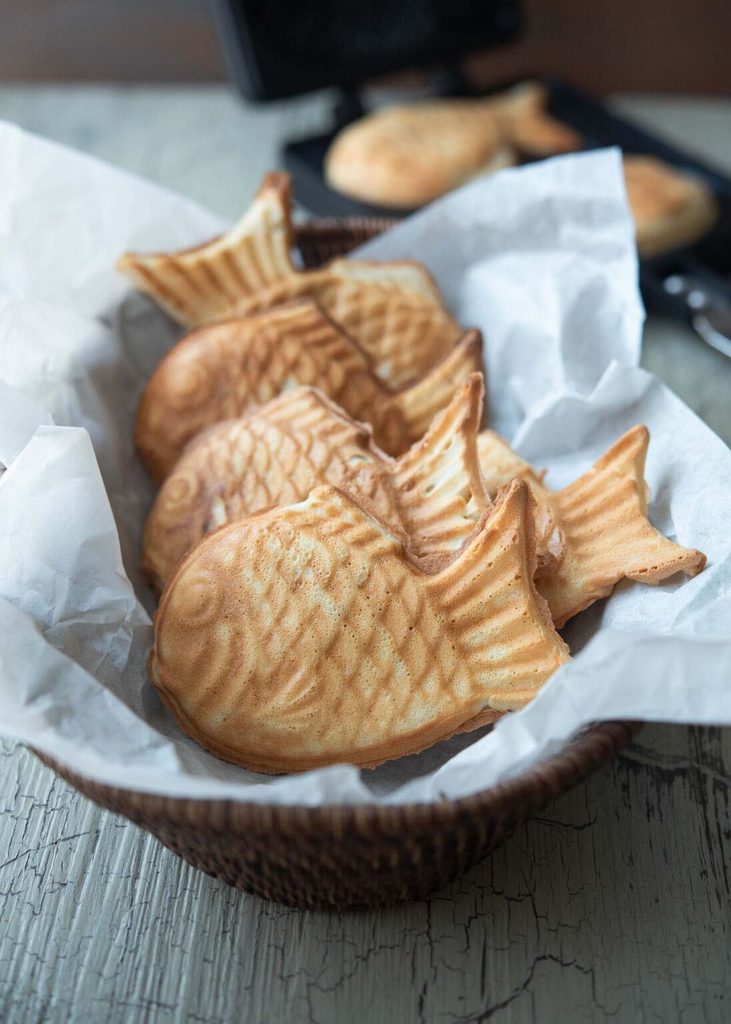
6. Bungeoppang
Bungeoppang is a fish-shaped pastry filled with sweet red bean paste, cooked in a special mold until the outside turns crisp and golden brown. Despite the fish shape, there’s no seafood involved; it’s purely a dessert, named for its shape alone. Street vendors sell it hot in winter, and the crackly outer shell gives way to a warm, not-too-sweet filling. Some versions now swap in custard or chocolate instead of red bean.
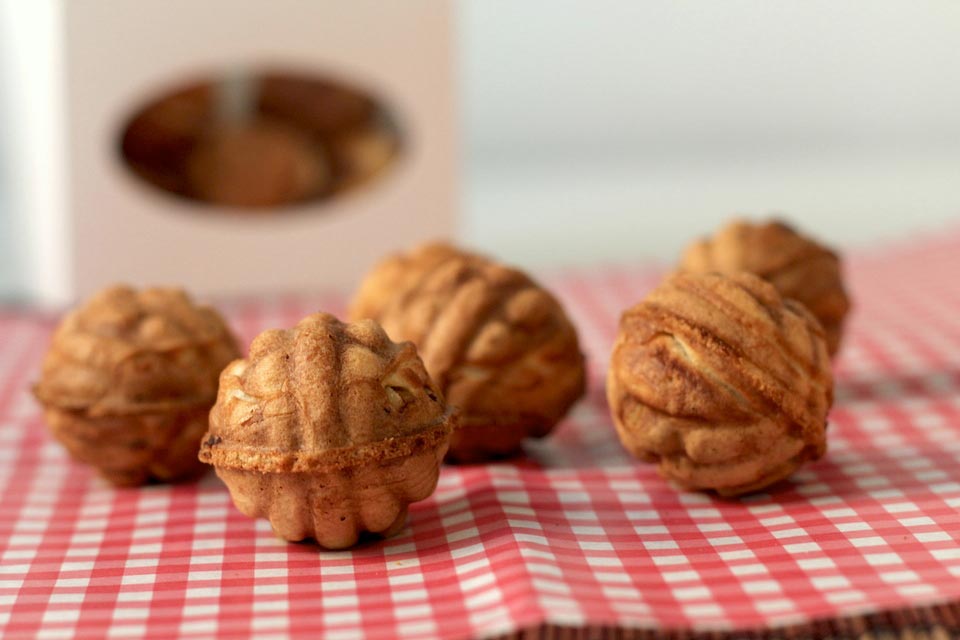
7. Hodugwaja
Hodugwaja are walnut-shaped cakes filled with sweet red bean paste and a whole walnut piece baked right into the batter. They’re a specialty of Cheonan, a city known for its walnut farms, and the cakes are sold hot from small molds at train stations and markets. The outside has a soft, slightly spongy texture, while the walnut adds a buttery crunch. They’re small, so it’s easy to eat three or four in one sitting.
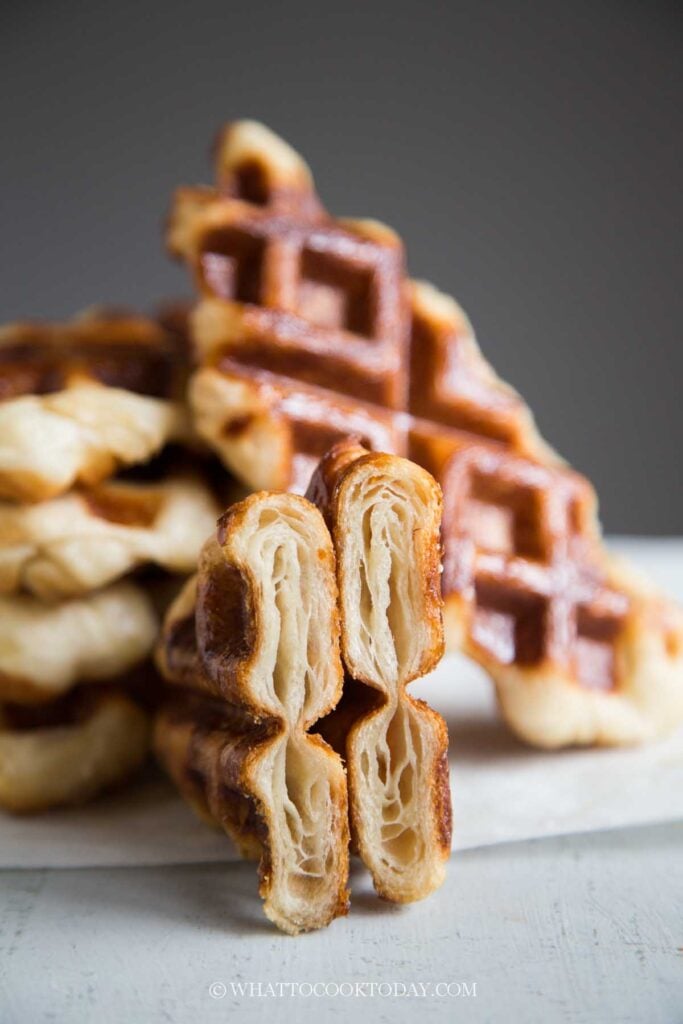
8. Croffle
Croffle is a croissant pressed and cooked in a waffle iron, giving it crisp, flaky edges with the signature waffle grid pattern. Korean cafes turned this into a dessert trend, topping croffles with soft-serve ice cream, Nutella, or fruit. The contrast between the crunchy outside and the buttery, layered inside is what makes it stand out from a regular waffle. It’s become one of the most photographed desserts on Korean cafe menus.
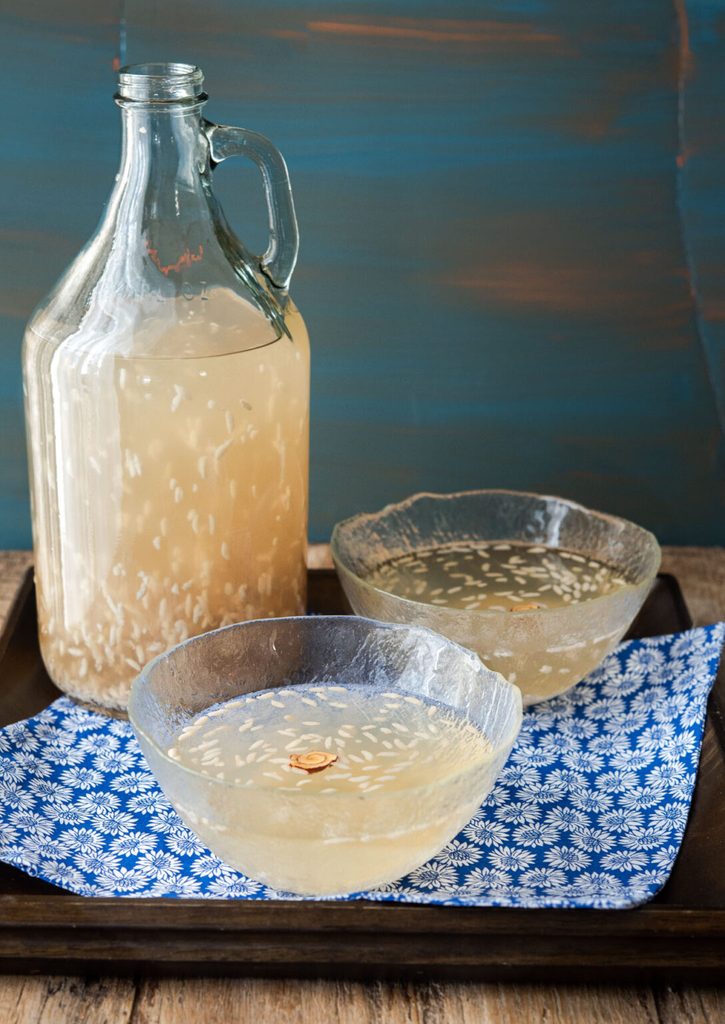
9. Sikhye
Sikhye is a sweet rice drink made by fermenting cooked rice with malted barley water, served cold with a few soft rice grains floating on top. The flavor is mild and sweet, closer to a light rice tea than a soda. It’s traditionally served after a heavy meal to help with digestion. You’ll find canned versions in Korean grocery stores, but homemade sikhye has a fresher, less syrupy sweetness.
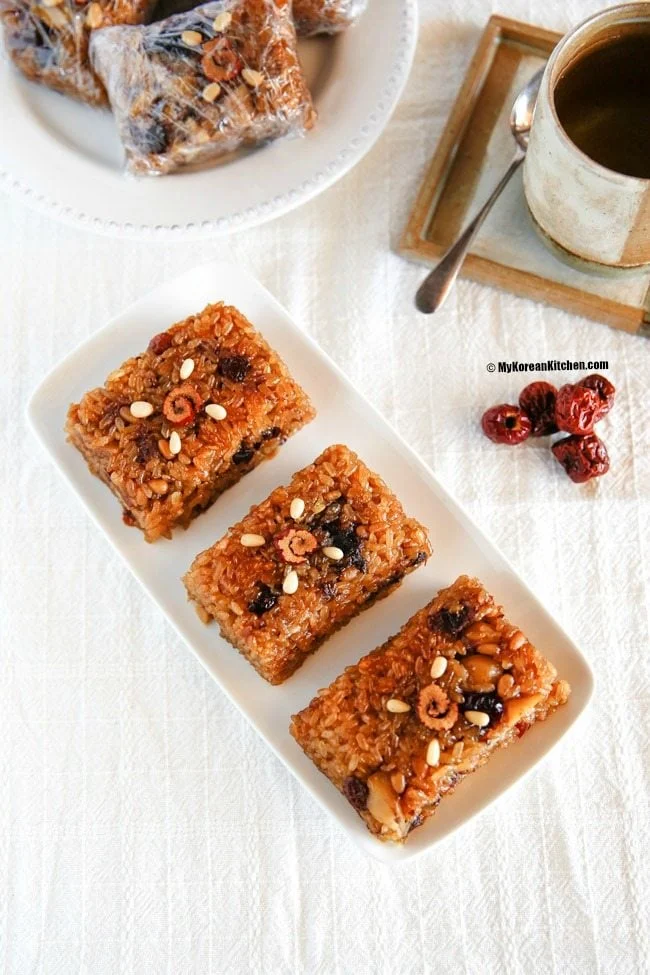
10. Yaksik
Yaksik is a sweet rice dish made with glutinous rice, chestnuts, jujubes, and pine nuts, all bound together with honey, soy sauce, and sesame oil. The mix of savory and sweet is what sets it apart from most rice cakes. It’s steamed until sticky and dark brown, with a rich, caramel-like flavor from the soy sauce and brown sugar. Yaksik started as a royal court dish and is still served at celebrations like birthdays.
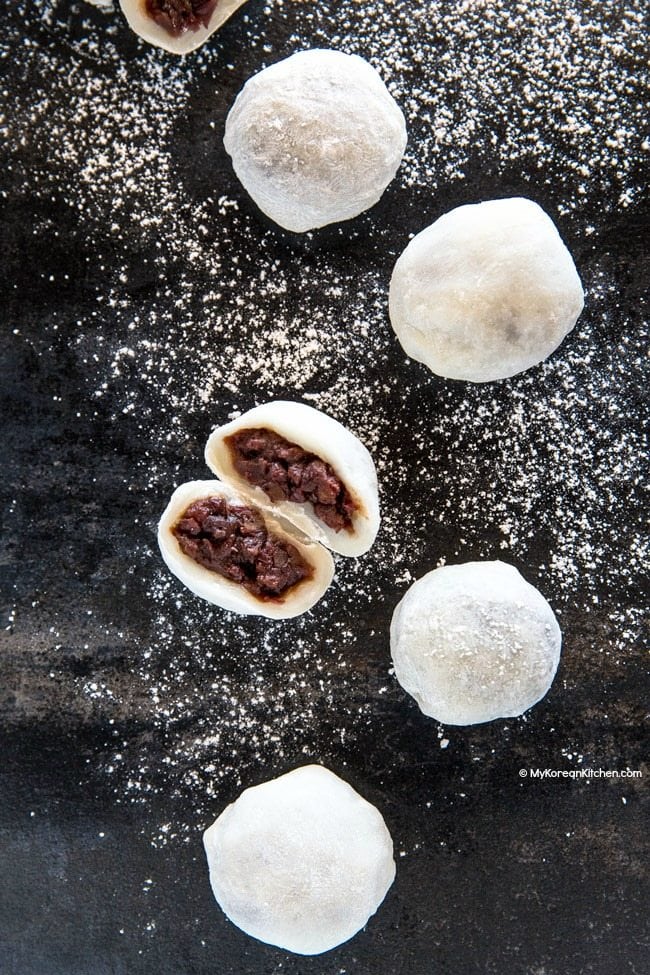
11. Chapssaltteok
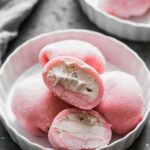
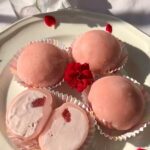
Chapssaltteok is a chewy rice cake stuffed with sweetened red bean paste and dusted lightly in starch to keep it from sticking. The outer layer is soft and stretchy, almost like mochi, while the filling stays smooth and not overly sweet. It’s a popular grab-and-go dessert sold at convenience stores and bakeries across Korea. Keep a napkin handy, since the sticky rice cake clings to fingers fast.
12. Kkwabaegi
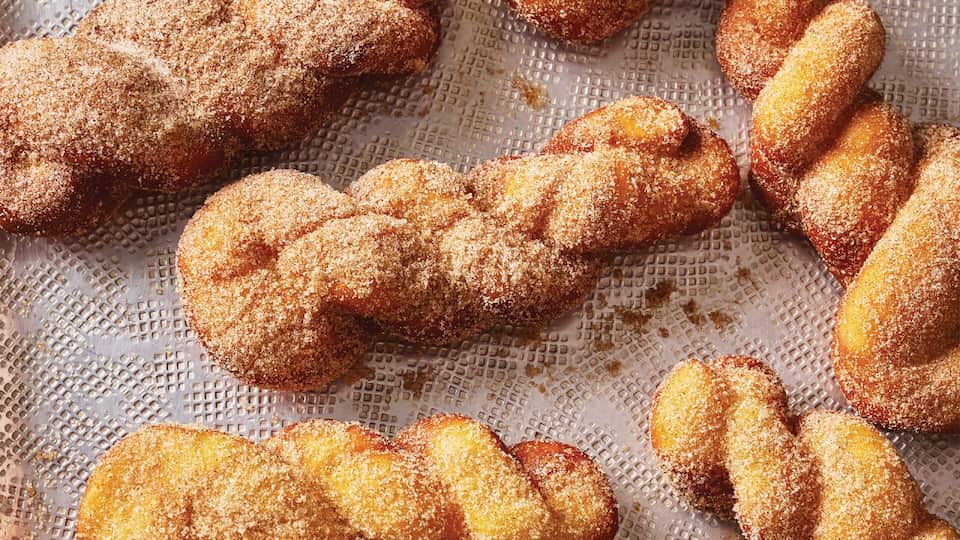
Kkwabaegi is a twisted Korean donut, deep-fried until crisp outside and soft inside, then rolled in cinnamon sugar. The dough gets twisted into a braid shape before frying, which gives it more surface area for that crunchy coating. It’s less sweet than a typical Western donut, with a chewier texture thanks to the twisted dough. Street stalls near Korean markets often sell kkwabaegi fresh and warm, best eaten within minutes of frying.
13. Gangjeong
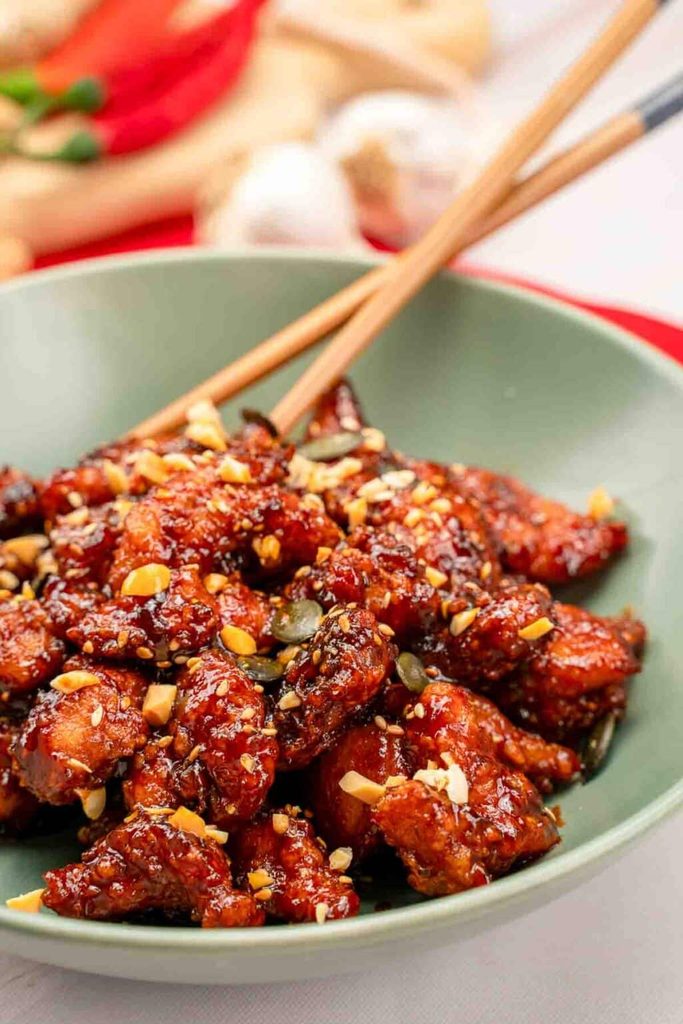
Gangjeong is a crunchy rice puff candy, coated in syrup and pressed with sesame seeds, nuts, or puffed grains on top. The base is made from glutinous rice that’s dried and fried until it puffs up light and airy. It’s a traditional snack for Lunar New Year and other celebrations, often cut into small bars or rounds. The crunch is satisfying, and the sweetness stays light instead of cloying.
14. Dasik
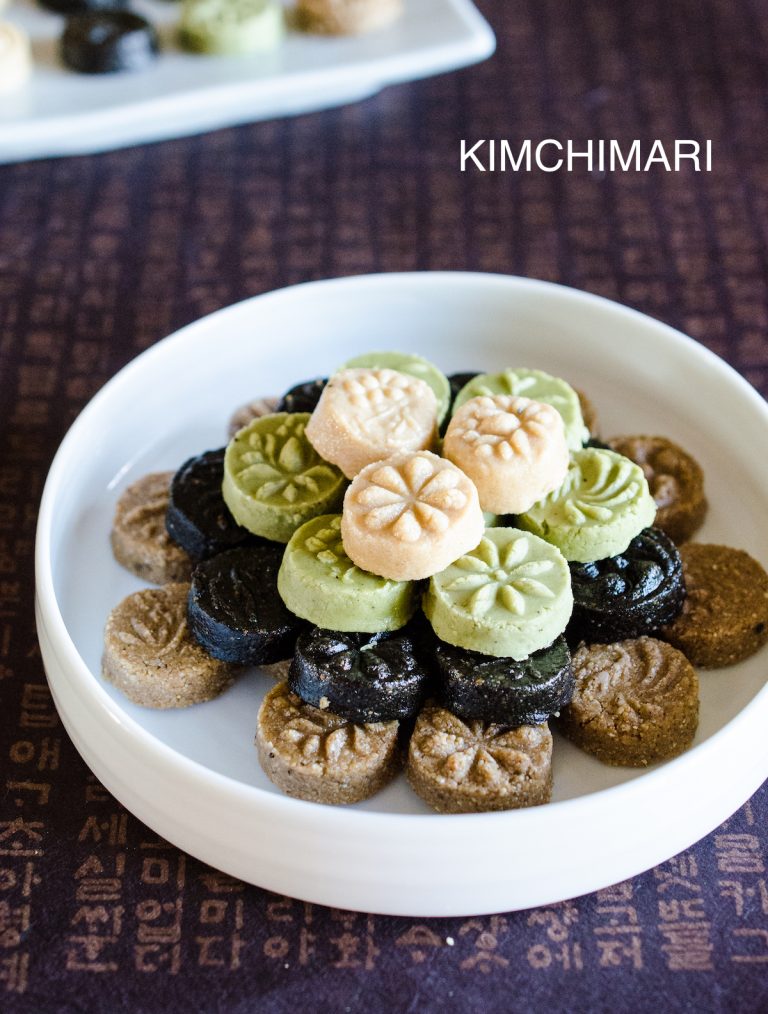
Dasik are small pressed cookies made from rice flour, honey, and natural ingredients like pine pollen or sesame, shaped using carved wooden molds. They’re linked to traditional Korean tea ceremonies, where their mild sweetness pairs well with bitter green tea. The molds press intricate flower and geometric patterns into each piece, making dasik as much a visual treat as a sweet one. They’re delicate, crumbly, and not too sugary.
15. Gyeranppang
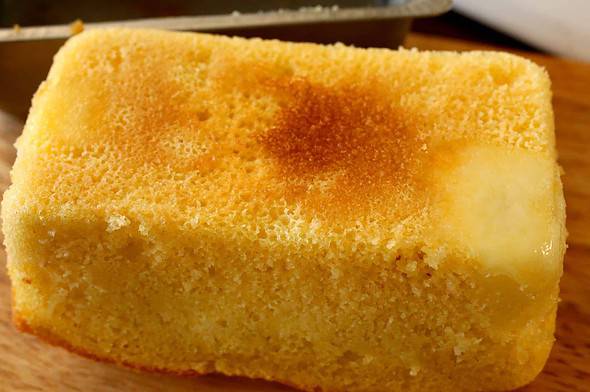
Gyeranppang is a warm egg bread, baked in a small mold with a whole egg cracked right on top of the batter before cooking. The result is a fluffy, slightly sweet bread with a soft-cooked egg baked into the center. It’s a popular Korean street food, especially in winter, sold hot out of trays at markets. The combination of sweet bread and savory egg makes it an easy snack any time of day.
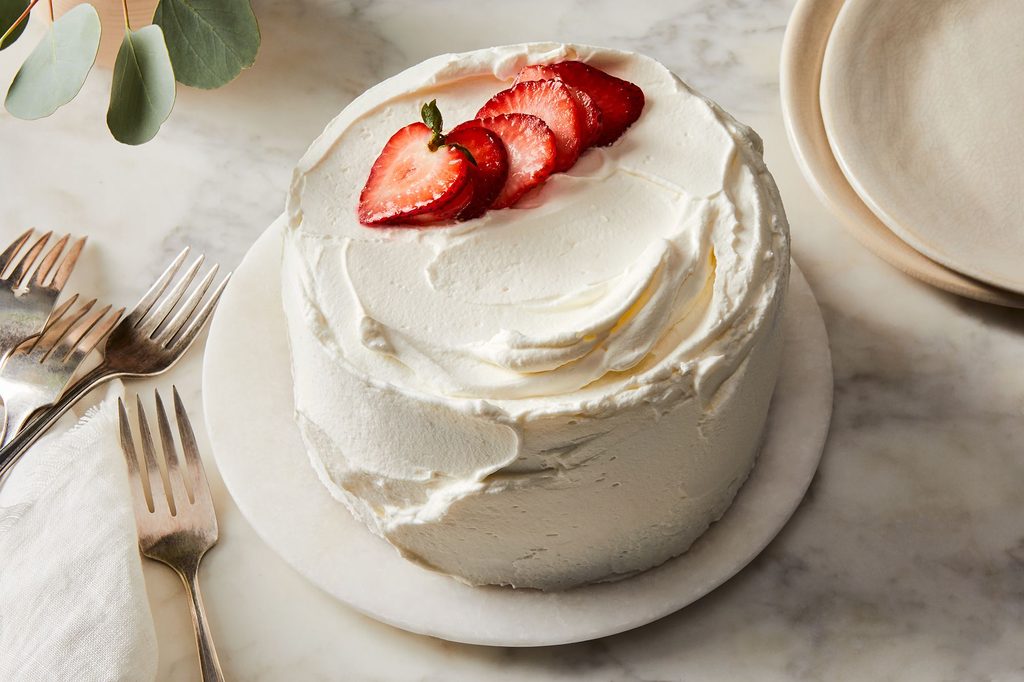
16. Korean Fresh Cream Cake
Korean fresh cream cake is a light sponge cake frosted with whipped cream instead of heavy buttercream, often topped with fresh fruit like strawberries. The frosting is barely sweet, which lets the fruit and soft cake shine instead of getting buried in sugar. Bakeries across Korea sell these cakes for birthdays and small celebrations, cut into neat, delicate slices. The texture is airy, almost cloud-like, compared to denser Western cakes.
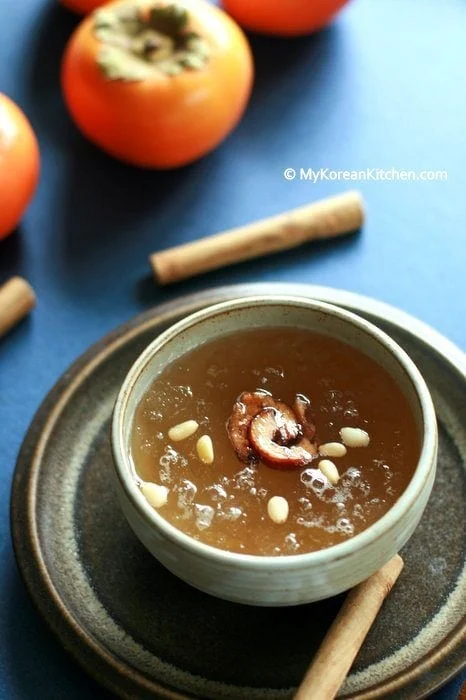
17. Sujeonggwa
Sujeonggwa is a chilled cinnamon-ginger punch sweetened with brown sugar and topped with dried persimmons and pine nuts. The spices give it a warm, almost mulled-wine aroma, even though it’s served cold. It’s a traditional drink served after meals or during holidays, valued for its clean, spiced sweetness. The persimmons soften slightly in the punch, adding a chewy bite between sips.
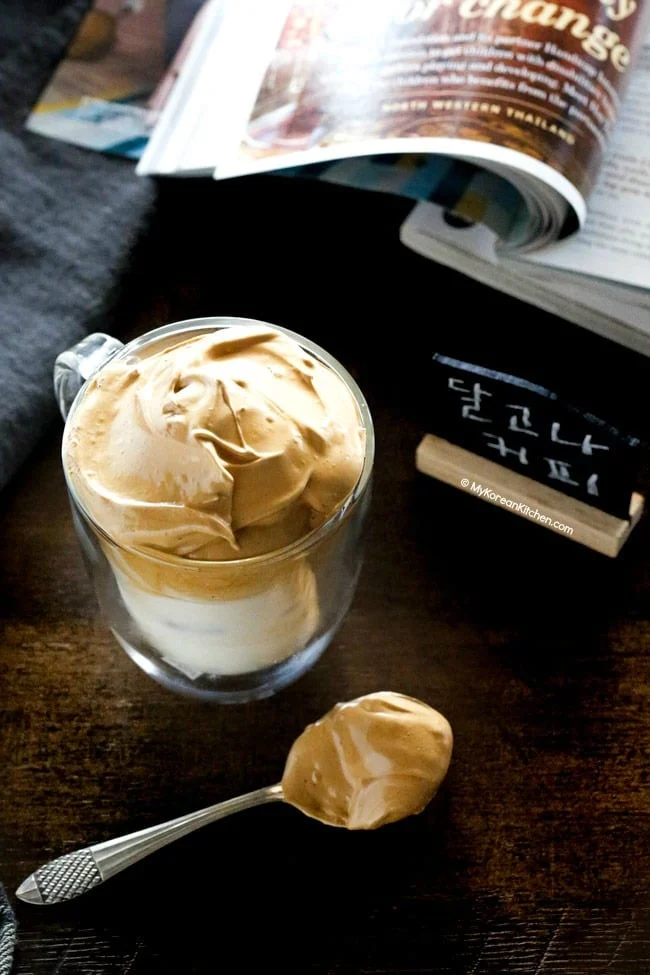
18. Dalgona
Dalgona is a simple sugar candy made by melting sugar with a touch of baking soda, which makes it puff up into a light, brittle disc. Street vendors press a stamped shape into the warm candy, and kids try to carve out the shape without breaking it. The flavor is straightforward caramelized sugar, slightly bitter at the edges and sweet in the center. It gained global attention through a popular Korean survival show, but it’s been a street snack in Korea for decades.
How to Choose a Korean Dessert
Picking a Korean dessert comes down to what kind of sweetness and texture you’re craving. Icy and fruity points toward bingsu. Warm and gooey points toward hotteok or bungeoppang. Chewy and nutty points toward injeolmi or chapssaltteok.
Traditional versus modern is another split worth thinking about. Yakgwa, songpyeon, dasik, and sujeonggwa connect to centuries-old customs and holidays. Croffles and fresh cream cakes reflect Korea’s current cafe culture.
| Dessert | Texture | Served | Sweetness Level |
|---|---|---|---|
| Bingsu | Icy, fluffy | Cold | Medium |
| Hotteok | Crisp outside, gooey inside | Hot | Medium-high |
| Yakgwa | Flaky, syrupy | Room temp | High |
| Songpyeon | Chewy | Room temp | Low-medium |
| Injeolmi | Soft, sticky | Room temp | Low |
| Bungeoppang | Crisp, soft filling | Hot | Medium |
| Hodugwaja | Soft, crunchy walnut | Hot | Medium |
| Croffle | Flaky, crisp | Warm | Medium-high |
| Sikhye | Light liquid | Cold | Low-medium |
| Yaksik | Sticky, rich | Room temp | Medium |
| Chapssaltteok | Chewy | Room temp | Low-medium |
| Kkwabaegi | Crisp outside, chewy inside | Warm | Medium |
| Gangjeong | Crunchy | Room temp | Medium |
| Dasik | Crumbly | Room temp | Low |
| Gyeranppang | Fluffy, soft egg | Hot | Low-medium |
| Fresh Cream Cake | Airy, soft | Cold/room temp | Low-medium |
| Sujeonggwa | Light liquid, chewy fruit | Cold | Medium |
| Dalgona | Brittle, crisp | Room temp | High |
If you want to branch out further, the world of Asian desserts has plenty of overlap worth exploring, from Japanese sweets to Chinese desserts and Vietnamese desserts. Pair any of these sweets with a few Korean side dishes for a fuller meal, or check out a broader list of Korean desserts for more ideas.