Ethiopian food brings a world of unique tastes to your kitchen with its rich flavors and traditions.
From spicy stews to tangy breads, these dishes offer a delicious way to explore one of Africa’s most distinctive cuisines. Ethiopian cooking uses simple ingredients transformed by special spice blends like berbere to create meals that are both nutritious and flavorful.
When you try Ethiopian recipes at home, you’ll discover meals that are not just about eating but about sharing an experience.
The cuisine centers around injera, a sourdough flatbread that serves as both plate and utensil for scooping up colorful stews and vegetable dishes.
Many Ethiopian recipes are naturally plant-based, making them perfect for vegetarian and vegan diets while still satisfying meat-eaters with their bold tastes.

1. Injera Flatbread
Injera is a sour fermented flatbread that serves as the foundation of Ethiopian cuisine. This slightly spongy bread has a tangy flavor from its sourdough fermentation process.
Traditional injera is made with teff flour, a tiny grain native to Ethiopia. The flour is mixed with water and allowed to ferment, creating its distinctive sour taste.
You can serve injera with various Ethiopian dishes. It functions as both your plate and utensil – tear off pieces to scoop up stews and vegetables.
The bread’s slightly sour taste perfectly complements the bold flavors of Ethiopian cuisine. For those with dietary restrictions, injera is naturally gluten-free when made with 100% teff flour.

2. Doro Wat
Doro Wat is one of Ethiopia’s most famous dishes, a spicy chicken stew that offers rich flavors and comfort in every bite. This dish features chicken slowly simmered in a sauce made with berbere, a distinctive Ethiopian spice blend that combines sweet and piquant flavors.
The stew typically includes onions cooked down until caramelized, creating a flavorful base. Berbere spice gives the dish its characteristic deep red color and complex taste profile.
A traditional serving of Doro Wat includes hard-boiled eggs added to the stew near the end of cooking. You’ll typically enjoy this hearty dish with injera, a spongy sourdough flatbread that serves as both your utensil and side dish.

3. Misir Wot
Misir Wot is a popular Ethiopian red lentil stew that’s both nutritious and flavorful. It’s made with simple ingredients like split red lentils, onions, and garlic.
The dish gets its distinctive taste from berbere, a traditional Ethiopian spice blend that adds warmth and depth. Many families serve this protein-packed vegetarian dish over injera, a sourdough flatbread.
You can easily prepare this one-pot meal for busy weeknights. The humble ingredients transform into something spectacular when simmered together.
What makes Misir Wot special is how it showcases lentils in a unique way, unlike other lentil dishes you might have tried before.

4. Kitfo
Kitfo is a traditional Ethiopian dish made from raw minced beef. The beef is mixed with spiced clarified butter called niter kibbeh and mitmita, a spicy chili powder blend.
This dish is often served at special celebrations like weddings or to break fasts. The Gurage people of Ethiopia are credited with creating this delicacy.
You can enjoy kitfo in two ways: either completely raw (kitfo leb leb) or slightly cooked (kitfo leb). It’s typically served with injera bread and sometimes accompanied by collard greens and a soft cheese called ayib.
When preparing kitfo at home, make sure to use the freshest beef possible, preferably from a trusted butcher.

5. Shiro Wat
Shiro Wat is a delicious Ethiopian chickpea stew that’s perfect for beginners exploring Ethiopian cuisine. This protein-packed dish uses chickpea flour as its base ingredient.
The stew gets its distinctive flavor from berbere spice, a traditional Ethiopian spice blend that adds warmth and depth. Many recipes also include niter kibbeh (spiced clarified butter) for richness, though you can use regular ghee or oil for a vegan version.
You can prepare Shiro Wat in about 45 minutes, making it a practical weeknight meal. The texture is silky and smooth, and it pairs perfectly with injera, the spongy Ethiopian flatbread used for scooping up the stew.

6. Tibs
Tibs is a popular Ethiopian dish that combines elements of both stir-fry and stew. It features bite-sized pieces of meat (often beef) cooked with vegetables and aromatic spices.
The meat is typically sautéed with onions, peppers, and a blend of Ethiopian spices. Awaze, a spicy paste made from berbere spice mix, is often used to give tibs its distinctive flavor.
You can serve tibs with injera, a fermented flatbread that acts as both plate and eating utensil. Tear off pieces of injera to scoop up the flavorful meat and vegetables.
Tibs is versatile—you can adjust the spice level to your preference or try different variations like derek tibs (dry style) for a different texture.

7. Genfo
Genfo is a traditional Ethiopian porridge often enjoyed as a breakfast dish. You can make it with whole wheat flour, oats, or a multi-grain mixture.
To prepare genfo, you mix flour with water and cook it until it forms a thick porridge. After cooking, you create a well in the center of the porridge.
The center is filled with a flavorful mixture of kibe (clarified butter) and berbere (Ethiopian spice blend). Sometimes mitmita, another spicy seasoning, is added for extra flavor.
The unique aspect of genfo is its special dipping area created within the porridge itself. This makes each bite a perfect blend of mild porridge and spicy butter sauce.

8. Fitfit
Fitfit is a popular Ethiopian dish made from broken pieces of injera flatbread mixed with various ingredients. This versatile dish can be prepared with meat (siga fitfit) or vegetables (timatim fitfit).
To make fitfit, you’ll need to tear injera into small pieces and mix it with spices, butter or oil, and your choice of protein or vegetables. Ethiopian butter adds authentic flavor, but olive oil works as a substitute.
Meat versions often include beef cooked with onions and spices. Vegetarian options might use tomatoes, chili, and other fresh vegetables.
Fitfit is sometimes served for breakfast with eggs and avocado. It’s a delicious way to use leftover injera and experience traditional Ethiopian flavors.

9. Kik Alicha
Kik Alicha is a comforting Ethiopian yellow split pea stew that’s both healthy and satisfying. This dish stands out for being mild compared to other Ethiopian foods, making it perfect if you prefer less spicy options.
To make Kik Alicha, start by cooking onions until soft, then add oil and continue cooking. The dish uses simple ingredients – yellow split peas, onions, garlic, turmeric, and traditional spices.
The result is a creamy, hearty puree with a gentle flavor profile. You can serve this warming dish with injera (Ethiopian flatbread), regular flatbread, or rice for a complete meal.
Kik Alicha is naturally vegetarian and provides a good source of plant-based protein.

10. Gomen
Gomen is a delicious Ethiopian dish made with stewed collard greens or kale. It’s a nutritious and flavorful side that transforms simple greens into something special.
The dish typically combines greens with onions, garlic, and a mix of spices that give it a unique depth. Some versions include potatoes, adding heartiness to the meal.
Gomen is perfect for meal prep and pairs wonderfully with injera, Ethiopia’s famous sourdough flatbread. You can adjust the spice level to your taste.
This dish provides a great way to enjoy your leafy greens with Ethiopian flair. It’s often served alongside more robust meat dishes to balance the meal.

11. Yetsom Beyaynetu
Yetsom Beyaynetu is a traditional Ethiopian vegetarian combination platter. It’s typically eaten on Wednesdays and Fridays as part of Eastern Orthodox fasting practices.
This colorful feast features a variety of vegan dishes served on injera, a spongy sourdough flatbread. You’ll find lentil stews, braised collard greens, sautéed vegetables, and spiced salads all arranged beautifully on one platter.
To prepare Yetsom Beyaynetu, you’ll need to make several dishes. Start by sautéing onions and garlic, then add vegetables like beets, potatoes, and carrots until softened.
The platter offers wonderful variety in one meal, with different flavors and textures that complement each other perfectly.
12. Azefa
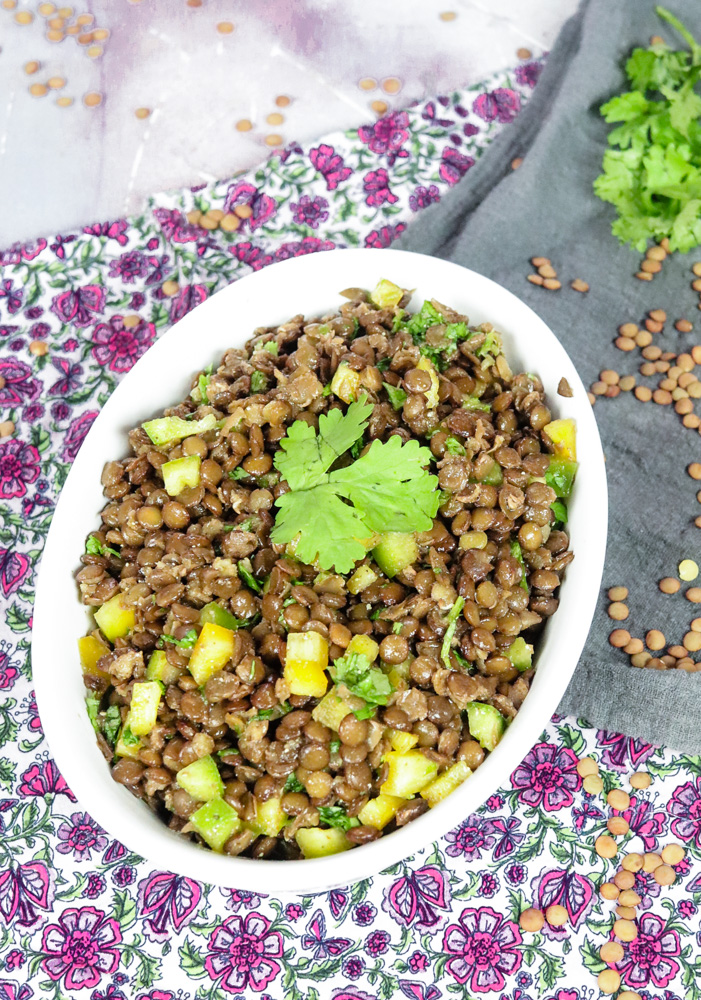
Azefa, also known as Azifa, is a refreshing Ethiopian green lentil salad served cold. It’s often made for large family gatherings and potluck-style meals.
The basic ingredients include green lentils, red onion, green chili peppers, tomatoes, and mustard seeds or prepared mustard. This combination creates a flavorful, protein-rich dish.
To make Azefa, you’ll first cook the lentils until tender but not mushy. Then mix them with finely chopped vegetables and seasonings.
This vegan-friendly salad is both healthy and satisfying. You can prepare it in just a few minutes once you have all your ingredients ready.

13. Dabo Kolo
Dabo Kolo is a popular Ethiopian snack that’s crunchy, flavorful, and perfect for munching between meals. These small, bite-sized treats are commonly found at street vendors and small shops throughout Ethiopia.
You can make these tasty snacks at home with simple ingredients like flour, butter, and spices. Many recipes include berbere, a traditional Ethiopian spice blend that adds a distinctive flavor to the snack.
Dabo Kolo is typically served with coffee or drinks as a casual snack. It’s a versatile treat that can be either sweet or spicy depending on the preparation.
When made traditionally, these little fried dough pieces have a satisfying crunch that makes them hard to resist.

14. Awaze
Awaze is a spicy Ethiopian chili paste or dip that adds bold flavor to many dishes. It serves as both a condiment and a marinade in Ethiopian cuisine.
You can use awaze in popular dishes like Awaze Tibs, a spicy beef stir-fry that’s packed with flavor. The paste is traditionally made for special occasions such as weddings.
Many Ethiopians serve awaze alongside raw meat dishes like gored gored (cubed raw meat). The rich, ethnic flavor of awaze can transform any meal with just a small amount.
You can make awaze at home by combining berbere spice mix with other ingredients like garlic and Ethiopian mitmita spice. It adds the perfect heat to complete your Ethiopian feast.

15. Berbere Spice Blend
Berbere is the heart of Ethiopian cooking, a complex spice blend that adds warmth and depth to many dishes. This reddish-brown mixture combines chili peppers with aromatic spices like cumin, coriander, cardamom, and fenugreek.
You can make berbere at home by toasting and grinding these spices together. The heat level varies depending on how many chilies you add, so you can adjust it to your preference.
This versatile spice blend works wonderfully in stews like misir wat (lentils) and doro wat (chicken). You can also use it to season vegetables, particularly collard greens, or as a dry rub for meats before roasting.

16. Niter Kibbeh
Niter kibbeh is a spiced clarified butter that forms the foundation of Ethiopian cooking. It’s similar to ghee but infused with aromatic herbs and spices that give Ethiopian dishes their distinctive flavor.
To make niter kibbeh, you’ll need butter, garlic, onion, and Ethiopian spices like korerima (Ethiopian cardamom). The butter is slowly simmered with these ingredients until the milk solids separate.
The clear golden liquid is then strained, removing all solids. This creates a richly flavored cooking fat that keeps well at room temperature.
You can use niter kibbeh as a cooking base for stews like doro wat or simply spread it on bread. There’s also a vegan version made with oil instead of butter.

17. Silsi
Silsi is a vibrant tomato-based sauce that’s a staple in both Ethiopian and Eritrean cuisine. It gets its distinctive flavor from berbere, a complex spice blend that adds warmth and heat.
To make silsi, you’ll need tomatoes, onions, and carrots as the base vegetables. These are cooked down with berbere spice, garlic, and sometimes jalapeño for extra heat.
This versatile sauce pairs perfectly with injera (traditional sourdough flatbread) or kicha (another type of flatbread). You can also serve it with pasta for a fusion dish.
Silsi is naturally vegan, making it suitable for those following plant-based diets or observing fasting periods in Ethiopian Orthodox tradition.

18. Sambusa
Sambusa is a popular Ethiopian and Somalian appetizer similar to the Indian samosa. These crispy, triangular pastries are often filled with seasoned ground beef, onion, and spices.
You can make sambusas with spring roll wrappers or thin pastry dough. The filling typically includes beef or lamb, though vegetarian versions with lentils are also common.
Sambusas are especially popular during Ramadan but make a tasty snack year-round. While traditionally fried, you can also bake them for a healthier option.
The meat filling is flavored with onions, ginger, and Ethiopian spices, giving sambusas their distinctive taste.

19. Ethiopian Coffee
Ethiopian coffee is a rich, flavorful beverage deeply rooted in cultural tradition. Ethiopia is widely recognized as the birthplace of coffee, where the coffee plant was first discovered.
The traditional Ethiopian coffee ceremony is a special ritual that can take several hours. First, green beans are roasted over hot coals, then ground and brewed in a special pot called a jebena.
The coffee is typically served in small cups without handles. You’ll often find it served with a bit of sugar but no milk. When visiting Ethiopia, participating in a coffee ceremony is considered an honor and a way to experience authentic culture.

20. Tej
Tej is a traditional Ethiopian honey wine that adds a sweet kick to any meal. It’s often served chilled and pairs wonderfully with spicy dishes.
You can try making tej at home with honey, water, and gesho (a hop-like herb). The natural fermentation process creates a unique flavor that’s both sweet and slightly tangy.
If you’re enjoying Ethiopian food, try tej alongside spicy dishes like doro wat or tibs. It also works well with non-Ethiopian spicy cuisines like Thai or Indian food.
Serving tej in traditional berele glasses enhances the experience, but any wine glass will do in a pinch.

21. Tihlo
Tihlo is a traditional dish from Tigray in northern Ethiopia. It’s made with roasted barley flour shaped into small balls.
These balls are then dipped into a spicy sauce called silsi. The silsi is made with fresh tomatoes, garlic, and Ethiopian spices.
Tihlo is typically served as a lunch or dinner meal. It’s a hearty dish that reflects the unique culinary traditions of northern Ethiopia.
You can make tihlo at home by preparing the barley flour dough and shaping it into small balls. Then create a flavorful tomato sauce with garlic for dipping.
Cultural Significance of Ethiopian Cuisine
Ethiopian cuisine reflects the country’s diverse history and traditions. Food in Ethiopia goes beyond simple nourishment to become a centerpiece of social bonds and cultural identity.
Role of Food in Ethiopian Traditions
In Ethiopian culture, food serves as a powerful social connector. Meals are typically shared from a single large platter, with diners using pieces of injera to scoop up stews and vegetables. This communal eating style symbolizes unity and strengthens bonds among family and friends.
Special dishes mark important celebrations and religious events. During holidays like Timkat (Epiphany) and Easter, families prepare elaborate feasts featuring doro wat (spiced chicken stew) and special injera.
The coffee ceremony (jebena buna) stands as perhaps the most important food ritual in Ethiopia. This ceremony can last hours and includes roasting, grinding, and brewing coffee beans while socializing with guests. It represents Ethiopian hospitality at its finest.
Influence of Regional Ingredients
Ethiopia’s diverse geography – from highlands to lowlands – creates distinct regional cooking styles across the country. The central highlands rely heavily on teff for injera production, while southern regions might incorporate more maize or sorghum.
The berbere spice blend forms the backbone of northern Ethiopian cuisine. This complex mix includes chili peppers, fenugreek, ginger, and other spices that give many dishes their distinctive flavor profile.
Vegetarian dishes play a crucial role in Ethiopian cuisine due to Orthodox Christian fasting traditions. During fasting periods (which can total over 200 days yearly), many Ethiopians avoid animal products entirely, leading to a rich tradition of plant-based dishes like misir wat (spiced lentil stew) and gomen (collard greens).
Native ingredients like teff – a nutritious ancient grain found almost exclusively in Ethiopia – highlight the country’s unique agricultural heritage.
Essential Ethiopian Cooking Techniques
Ethiopian cuisine relies on special techniques that develop deep flavors and unique textures. Mastering these methods will help you create authentic dishes in your home kitchen.
Making Injera
Injera is the foundation of Ethiopian dining – a spongy sourdough flatbread that serves as both plate and utensil. To make proper injera, you’ll need teff flour, which gives it a distinctive tangy flavor.
Start by mixing teff flour with water and allowing it to ferment for 2-3 days in a warm place. The fermentation creates bubbles and that signature sour taste. When ready, the batter should be thin and pourable.
Heat a large non-stick pan or traditional mitad (clay plate) until hot. Pour the batter in a spiral pattern from the outside in. Don’t flip it! Cover and cook until the edges curl and the top is dry with many tiny holes, called “eyes.”
Let it cool slightly before removing. Traditional injera uses 100% teff, but you can mix in wheat flour when first learning this technique.
Balancing Spices in Dishes
Ethiopian cuisine is known for its complex spice blends, with berbere being the most famous. This red spice mixture contains chili peppers, fenugreek, ginger, cardamom, and many other spices that create a warm, aromatic heat.
When cooking Ethiopian dishes, you’ll need to bloom the spices by gently heating them in oil or butter (niter kibbeh) before adding other ingredients. This releases their essential oils and deepens the flavor.
Start with less berbere than recipes suggest if you’re sensitive to heat. You can always add more later. Ethiopian cooking is about layering flavors – add spices gradually and taste as you go.
For dishes like doro wat, the longer the berbere simmers, the more mellow and complex the flavor becomes. This slow-cooking technique transforms harsh spice notes into a harmonious blend.