A real Italian breakfast looks nothing like the eggs-and-bacon spread most of us grew up with. Walk into any bar in Rome or Milan and you’ll see locals standing at the counter, sipping a small cappuccino and eating a warm, flaky pastry in under ten minutes flat. That’s the whole meal.
The best Italian breakfast foods lean sweet, small, and simple, built around good coffee, fresh bread, and a little something sugary to dip in it. This list covers the classics you’d actually find on an Italian table or bar counter, plus a few homemade cakes and savory options for when you want something more substantial on a weekend morning.
Some of these you can recreate exactly at home with a short ingredient list. Others are best understood as what to order next time you’re near an Italian bakery. Either way, you’ll walk away knowing what belongs on a proper Italian breakfast spread.
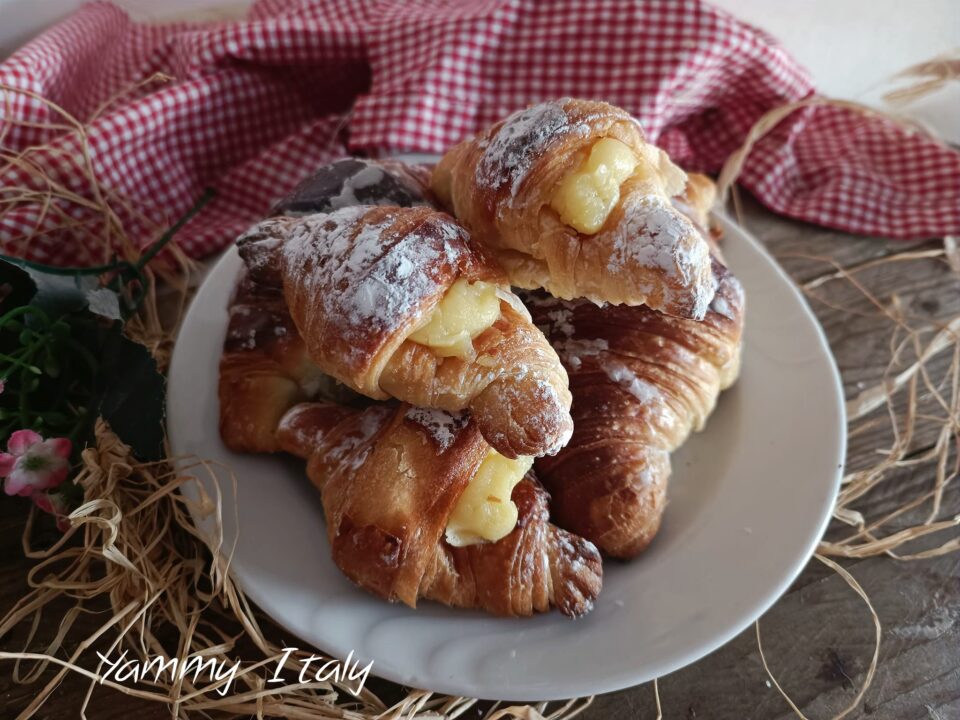
1. Cornetto alla Crema
A cornetto alla crema is Italy’s answer to the croissant, but sweeter and softer, filled with thick pastry cream instead of left plain. The dough gets a touch of sugar baked right in, so it tastes like a pastry even before the filling. Bakeries pipe the crema in after baking, leaving a golden dollop peeking out from both ends. Pair it with a cappuccino and you’ve got the most common breakfast order in Italy. Homemade versions work with store-bought croissant dough and a quick stovetop pastry cream if you don’t want to laminate dough from scratch.
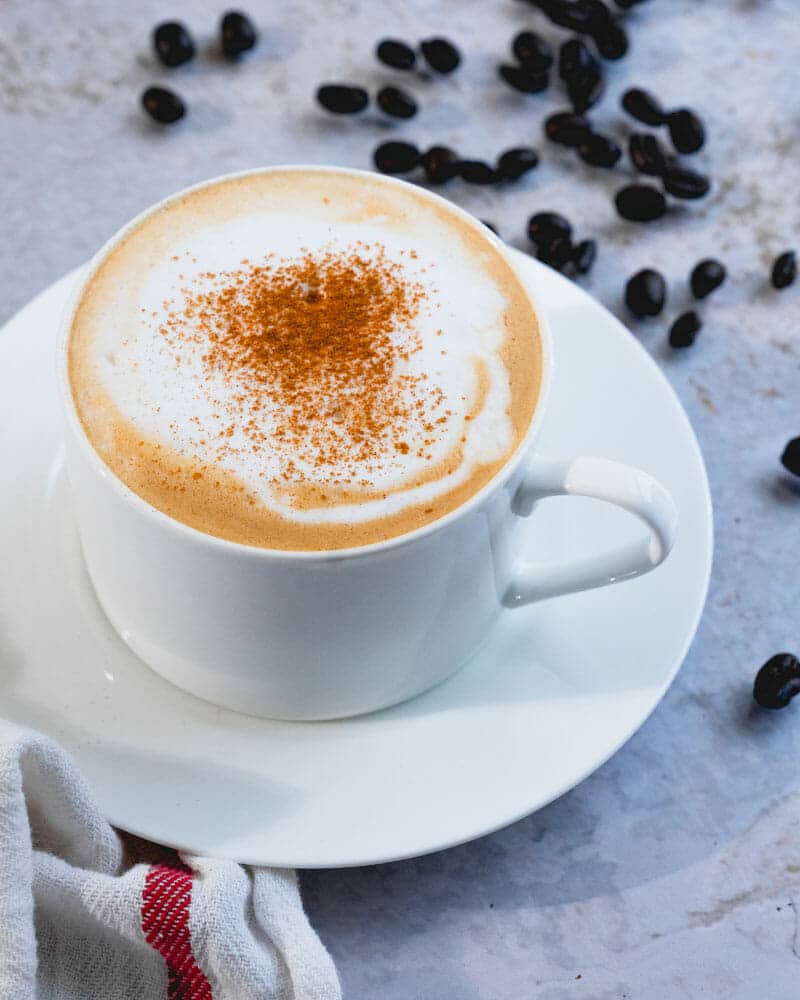
2. Cappuccino
Cappuccino is the coffee Italians drink in the morning, and ordering one after 11 a.m. marks you as a tourist. It’s built from equal parts espresso, steamed milk, and foam, giving it a lighter texture than a latte. The foam holds its shape well enough to dust with cocoa powder, which is why so many cafes finish it that way. At home, a stovetop moka pot and a handheld milk frother get you most of the way there. If you want more coffee drink ideas, there’s a whole world of coffee drinks recipes worth trying beyond this one.
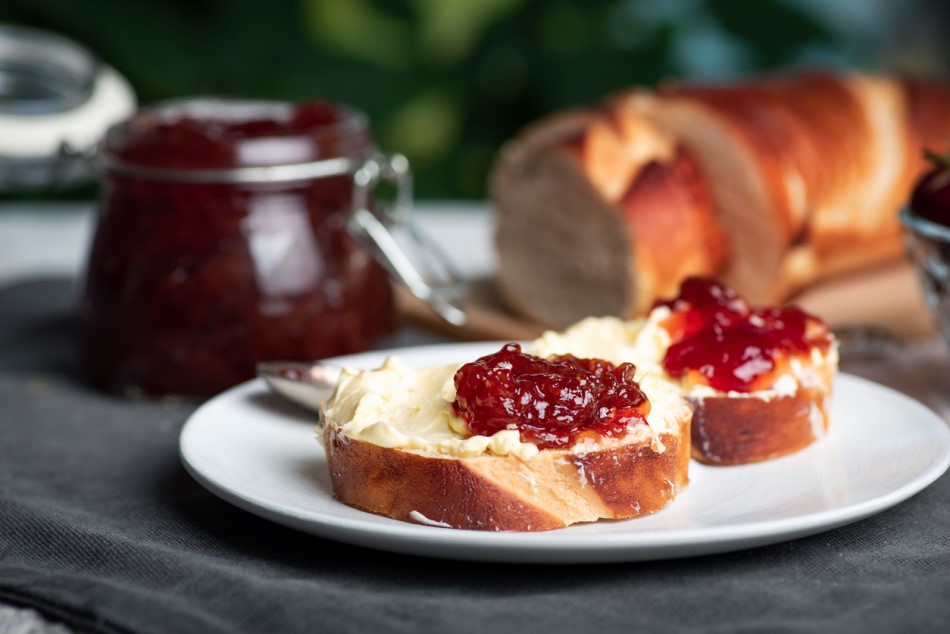
3. Pane, Burro e Marmellata
This is the simplest Italian breakfast you’ll find: toasted bread spread with butter and a fruit jam. Apricot and fig are common jar flavors in Italian kitchens, though any good marmellata works. The bread is usually a plain rustic loaf, sliced thick and toasted just until the edges crisp. It’s the kind of breakfast an Italian grandmother would serve without a second thought. Make it at home with a quality crusty bread, softened butter, and a jam you actually like the flavor of.
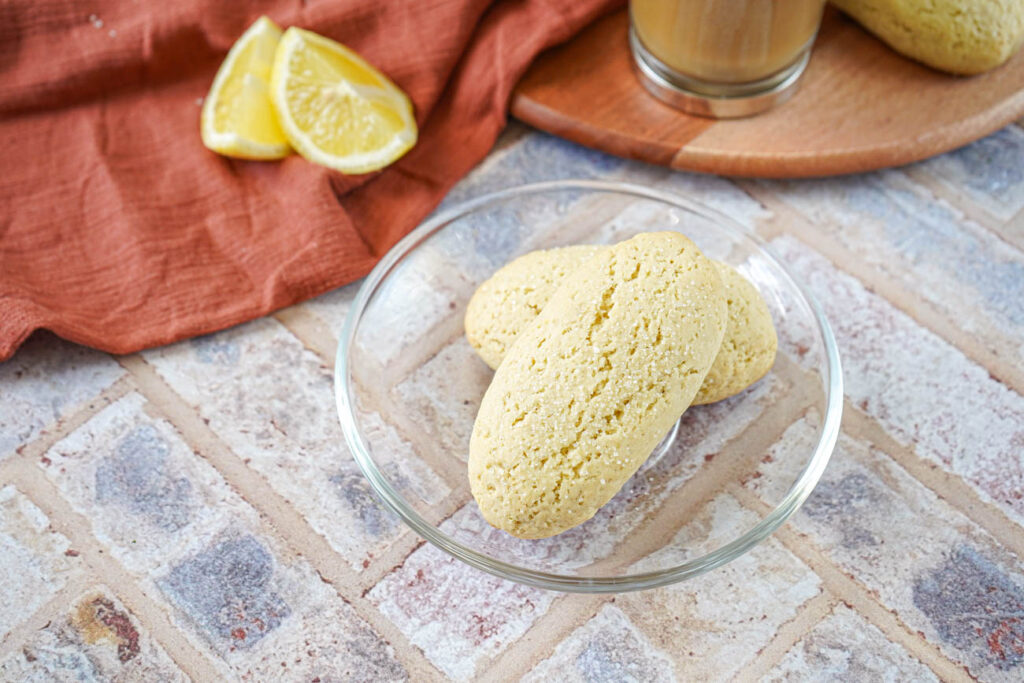
4. Biscotti da Inzuppo
Biscotti da inzuppo are the plain, slightly sweet cookies made specifically for dunking into coffee or milk. Unlike the hard, twice-baked biscotti sold in American coffee shops, these are softer and built to soak up liquid without turning to mush too fast. Italian brands like Mulino Bianco sell entire cookie lines just for this purpose. A few dunked cookies alongside a cappuccino is a completely normal Tuesday breakfast in Italy. Any plain butter cookie or shortbread at home gets you close enough to the real thing.
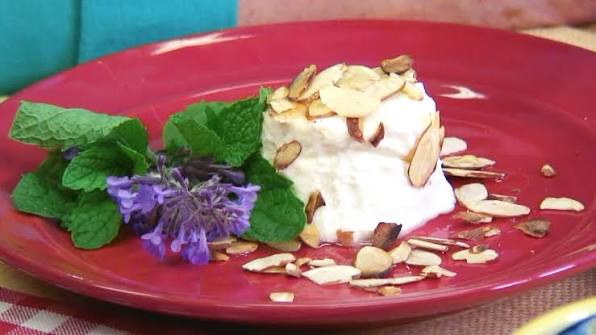
5. Fette Biscottate con Ricotta e Miele
Fette biscottate are dry, crisp toast slices, and topping them with ricotta and honey turns a plain cracker into something creamy and a little indulgent. The ricotta should be fresh and slightly sweet on its own, then drizzled with honey for extra richness. This combination shows up often in Italian households looking for something lighter than pastry but still a bit special. Spread a tablespoon of ricotta on each slice, then finish with a thin honey drizzle right before eating so the toast stays crisp.
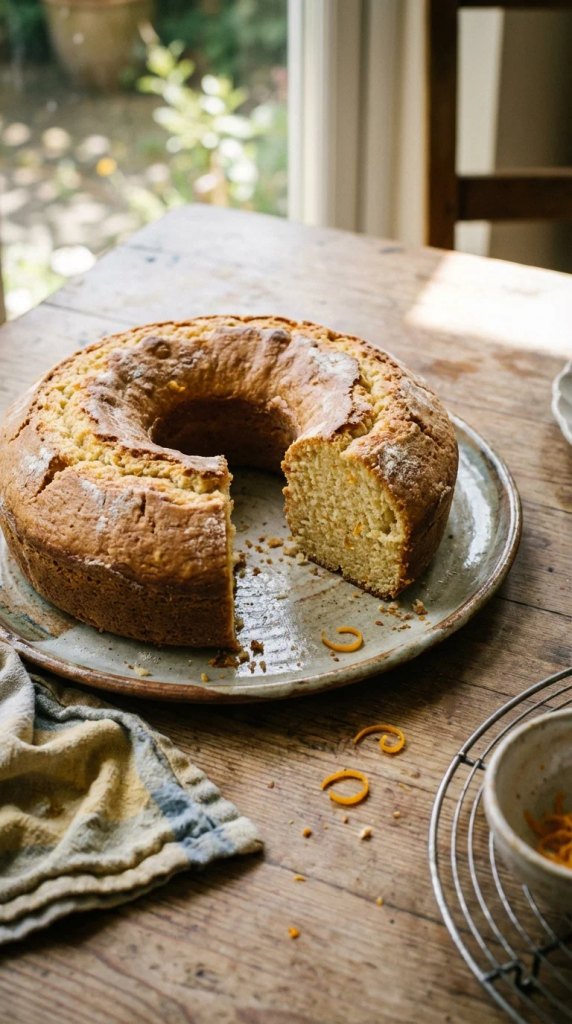
6. Ciambellone
Ciambellone is a ring-shaped sponge cake, soft and lightly sweet, that Italian families bake at home more than they buy at a bakery. It’s not overly sugary, which makes it easy to eat a slice for breakfast without feeling like dessert. The batter typically includes oil instead of butter, keeping the crumb moist for days.
Ciambellone (serves 10, prep 15 min, bake 40 min, 350°F)
- 3 large eggs
- 1 cup (200g) sugar
- 1/2 cup (120ml) vegetable oil
- 1 cup (240ml) milk
- 2 1/2 cups (300g) all-purpose flour
- 1 tbsp baking powder
- Zest of 1 lemon
- Preheat oven to 350°F and grease a bundt pan.
- Beat eggs and sugar until pale and fluffy.
- Mix in oil, milk, and lemon zest.
- Fold in flour and baking powder until smooth.
- Pour into pan and bake 40 minutes until a toothpick comes out clean.
- Cool 10 minutes before unmolding.
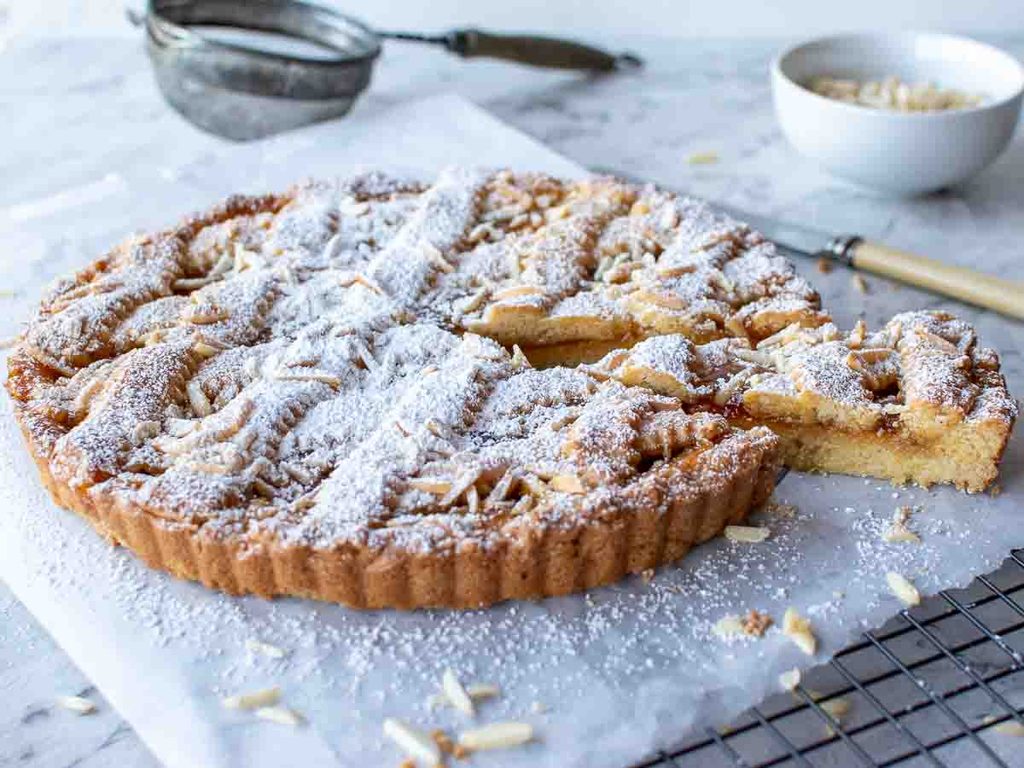
7. Crostata di Marmellata
Crostata di marmellata is a jam-filled tart with a lattice top, baked until the crust turns golden and the jam bubbles slightly at the edges. Italian home bakers almost always have one sitting under a glass dome on the counter, cut into wedges for breakfast throughout the week. The pastry, called pasta frolla, is sturdier and more buttery than American pie crust.
Crostata di Marmellata (serves 8, prep 20 min + chill, bake 30 min, 350°F)
- 2 cups (250g) all-purpose flour
- 3/4 cup (170g) cold butter, cubed
- 2/3 cup (130g) sugar
- 2 egg yolks
- 1 tsp vanilla extract
- 1 1/2 cups (450g) fruit jam
- Mix flour, sugar, and butter until crumbly.
- Add yolks and vanilla; form a dough and chill 30 minutes.
- Press two-thirds of the dough into a tart pan.
- Spread jam evenly over the base.
- Roll remaining dough into strips and lay in a lattice pattern.
- Bake at 350°F for 30 minutes until golden.

8. Granita con Brioche Siciliana
This is a Sicilian summer breakfast tradition: icy granita served alongside a soft brioche bun, often eaten by dunking the bread right into the slushy ice. Almond and lemon are the classic granita flavors, each with a sharp, refreshing bite that wakes you up faster than coffee. The brioche has a distinctive teardrop-shaped topknot called a “tuppo.” Locals in Catania and Palermo eat this standing at outdoor bars before the morning heat sets in. It’s less practical to recreate at home, but worth seeking out if you’re ever in Sicily.
9. Maritozzo con Panna
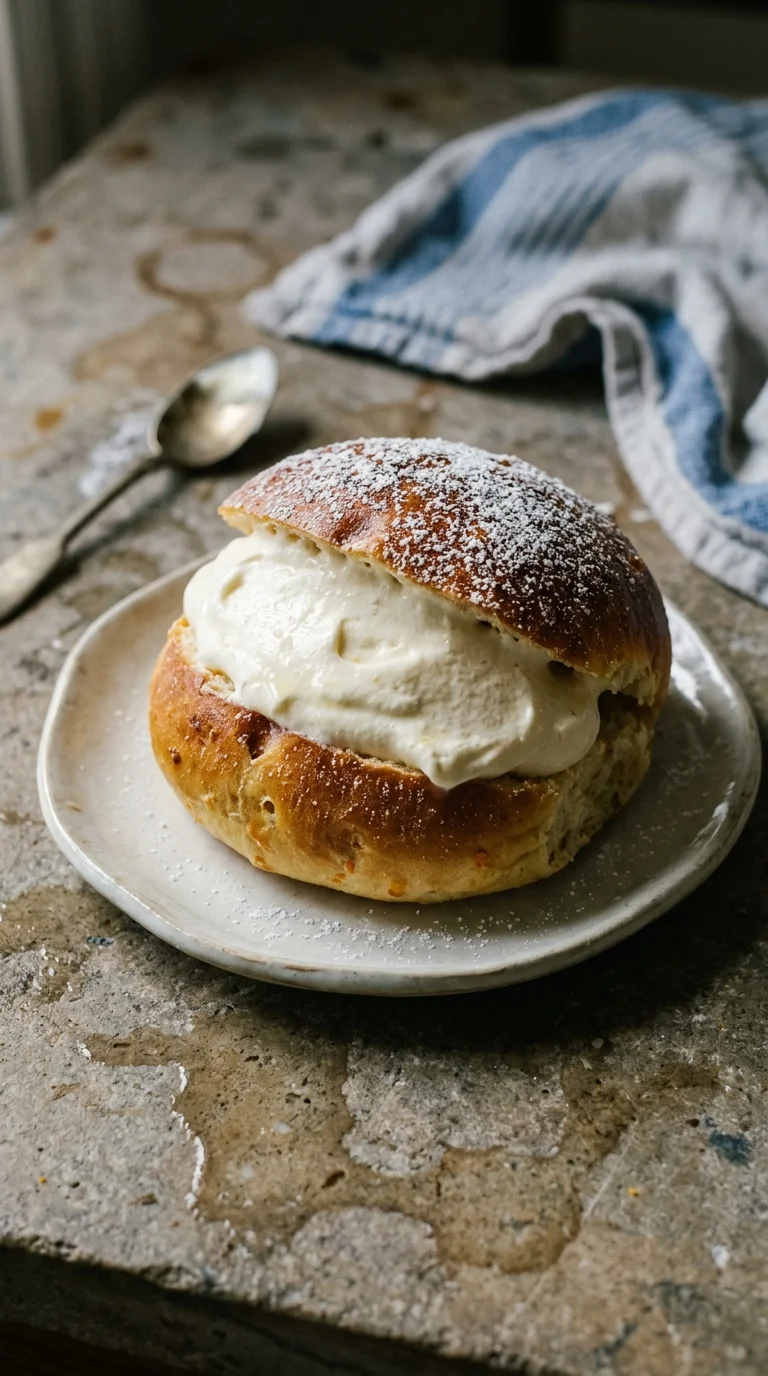
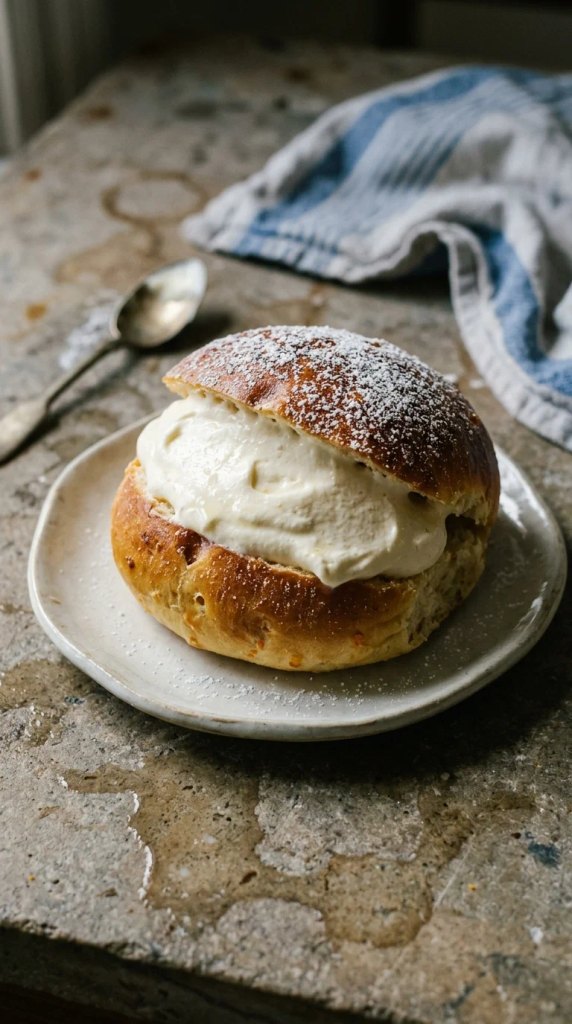
Maritozzo con panna is a soft, oval sweet bun split open and stuffed generously with whipped cream. Originally from Rome, it’s seen a huge resurgence in Italian bakeries over the past several years, showing up piled high with cream in bakery windows all over the city. The bun itself carries a light sweetness and sometimes a few raisins or candied orange peel baked in. Bite into one and the cream spills out the sides, which is half the fun of eating it. Make it at home with a soft brioche roll and freshly whipped cream, slightly sweetened.

10. Sfogliatella Riccia
Sfogliatella riccia is a Neapolitan pastry with dozens of crisp, shell-like layers wrapped around a filling of sweetened ricotta, semolina, and candied citrus. The shape resembles a lobster tail, and the shell shatters into flaky shards with the first bite. Making the paper-thin dough at home takes real patience, since bakers stretch it by hand into a long sheet before rolling it into a log. Most home cooks buy these fresh from a Neapolitan bakery rather than attempting the dough themselves. The contrast between the crunchy shell and creamy filling is what makes it worth the trip.
11. Bombolone alla Crema
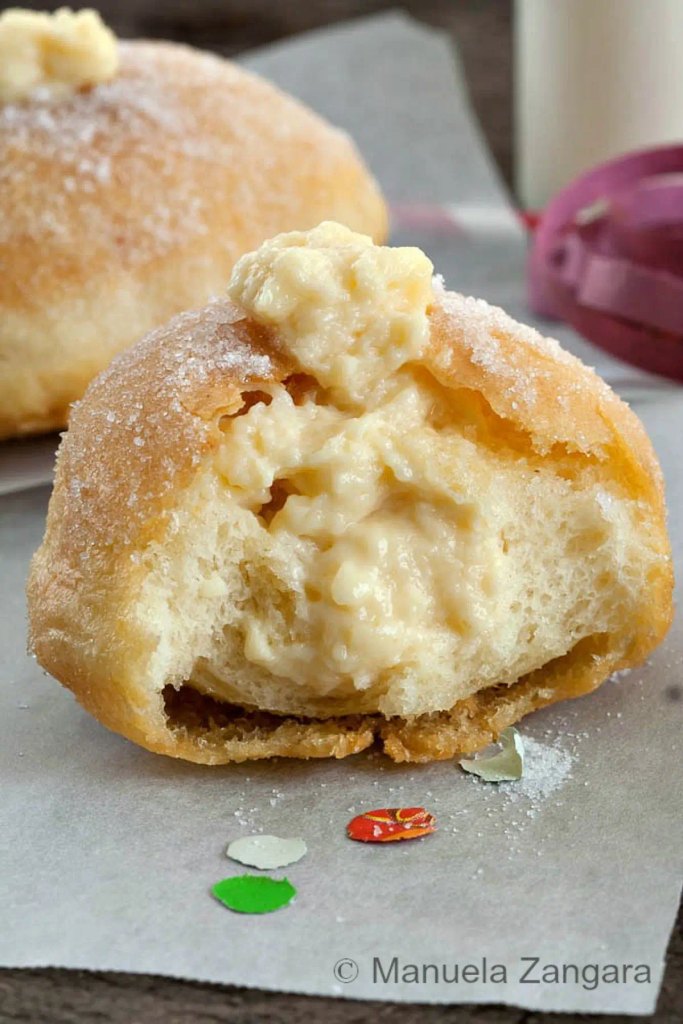
Bomboloni are Italian filled doughnuts, round and fried until golden, then dusted with sugar and injected with pastry cream. They’re softer and less sweet than American doughnuts, letting the custard filling take center stage. Bar counters in Tuscany and Emilia-Romagna often stock a tray of these alongside cornetti each morning.
Bomboloni alla Crema (makes 12, prep 20 min + rise, fry 3 min each, oil at 350°F)
- 3 1/2 cups (420g) flour
- 1/4 cup (50g) sugar
- 2 1/4 tsp instant yeast
- 2 eggs
- 1/2 cup (120ml) warm milk
- 1/4 cup (55g) softened butter
- Oil for frying
- 1 1/2 cups pastry cream for filling
- Mix flour, sugar, yeast, eggs, and milk into a dough.
- Knead in butter until smooth and elastic.
- Let rise 1 hour until doubled.
- Cut into rounds and let rise another 30 minutes.
- Fry at 350°F for about 1.5 minutes per side.
- Cool, then fill with pastry cream using a piping tip.
12. Torta di Mele
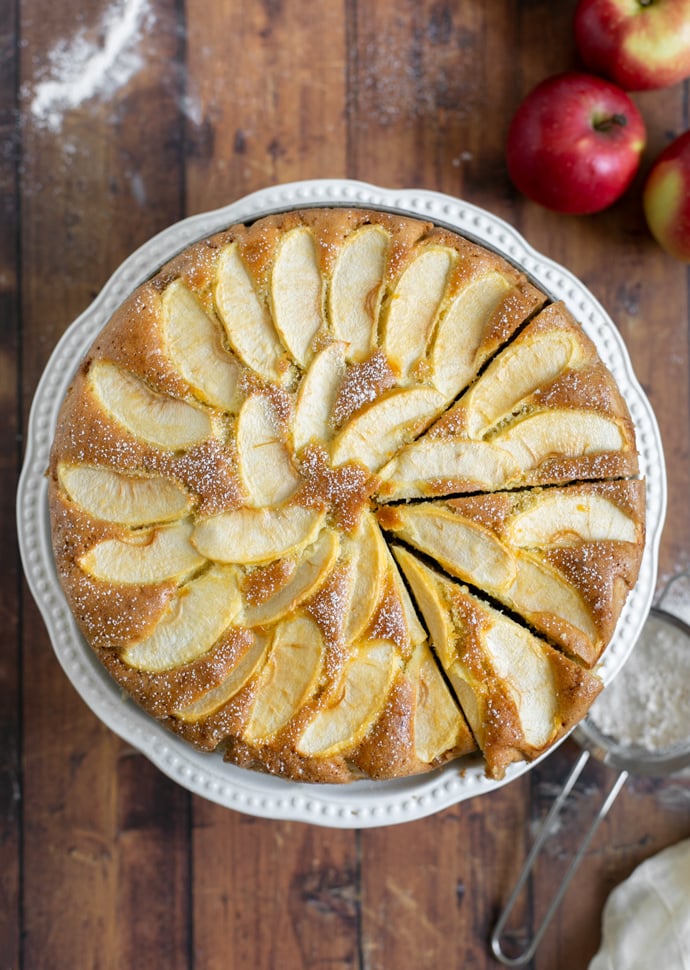
Torta di mele is Italy’s version of apple cake, dense with thin apple slices folded into a lightly sweet batter. It’s a staple in home kitchens, often made a day ahead since it tastes better after the flavors settle overnight.
Torta di Mele (serves 8, prep 15 min, bake 45 min, 350°F)
- 3 apples, peeled and thinly sliced
- 2 cups (250g) flour
- 1 cup (200g) sugar
- 3 eggs
- 1/2 cup (120ml) milk
- 1/2 cup (120ml) vegetable oil
- 1 tbsp baking powder
- 1 tsp cinnamon
- Preheat oven to 350°F and grease a round cake pan.
- Whisk eggs and sugar, then add milk and oil.
- Fold in flour, baking powder, and cinnamon.
- Stir in most of the apple slices, saving some for the top.
- Pour into pan and arrange remaining apples on top.
- Bake 45 minutes until golden and set.
13. Plumcake allo Yogurt
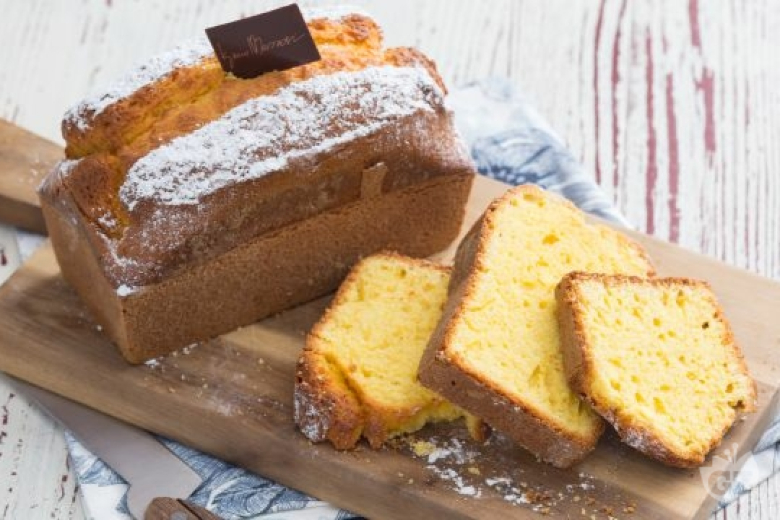
Plumcake allo yogurt is a soft, lightly sweet loaf cake made with yogurt instead of extra butter, giving it a moist, tender crumb. Italian households often slice it for breakfast through the week, since it stays fresh longer than most pastries.
Plumcake allo Yogurt (serves 10, prep 10 min, bake 40 min, 350°F)
- 3 eggs
- 1 cup (200g) sugar
- 1 cup (240g) plain yogurt
- 1/2 cup (120ml) vegetable oil
- 2 cups (250g) flour
- 1 tbsp baking powder
- Zest of 1 lemon
- Preheat oven to 350°F and grease a loaf pan.
- Beat eggs and sugar until pale.
- Mix in yogurt, oil, and lemon zest.
- Fold in flour and baking powder.
- Pour into pan and bake 40 minutes until a toothpick comes out clean.
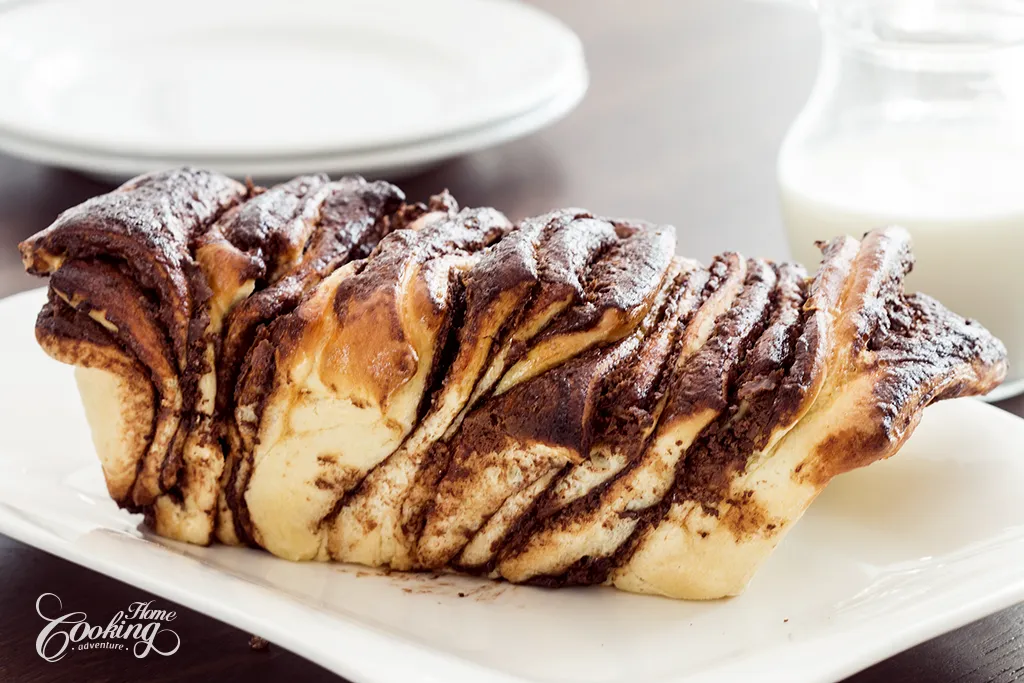
14. Pane e Nutella
Pane e Nutella is as simple as it sounds: crusty bread spread thick with chocolate hazelnut spread. Italian kids grow up eating this before school, and plenty of adults never stop. The bread should have enough chew to hold up against a generous smear, so a baguette or ciabatta heel works better than soft sandwich bread. For a sweeter spin on breakfast staples, the 30 sweet breakfast recipes roundup has more ideas built around the same comforting, spoon-it-on simplicity.
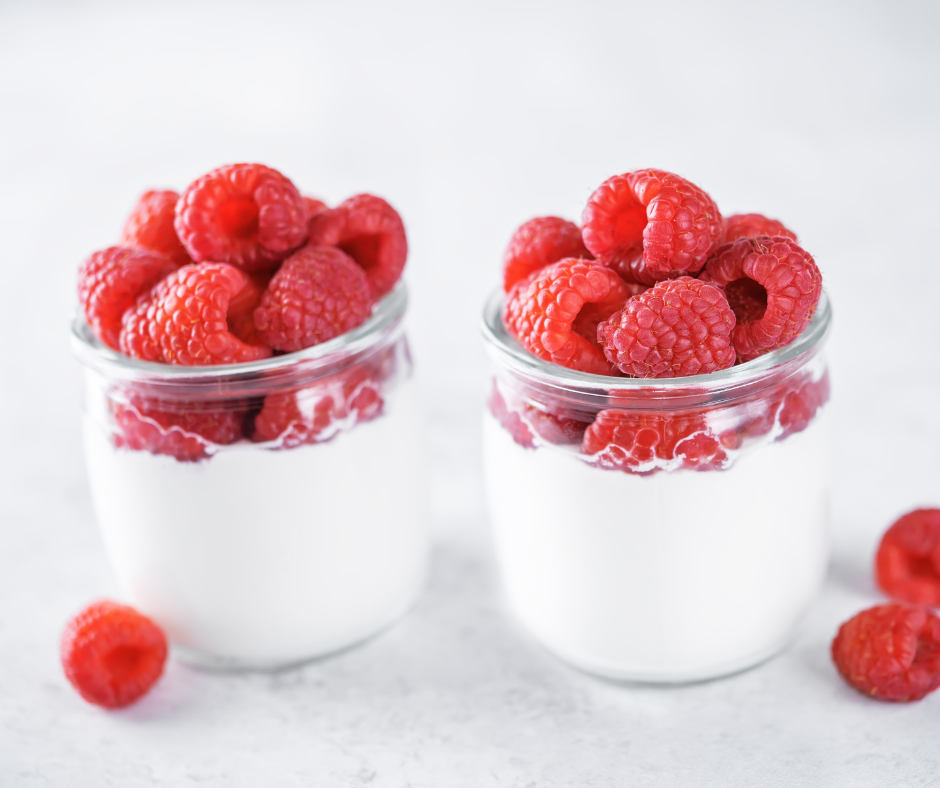
15. Yogurt Bianco con Frutta Fresca
Plain white yogurt topped with fresh fruit is the lightest option on an Italian breakfast table, usually reserved for mornings when something heavier doesn’t sound appealing. Berries, sliced peaches, or chopped kiwi are common toppings depending on the season. Italian yogurt tends to be thicker and tangier than standard American brands, closer in texture to a mild Greek yogurt. A drizzle of honey on top rounds out the tartness. If you want more ideas built around produce and protein, the 25 vegetarian breakfast recipes collection covers similar fresh, simple combinations.
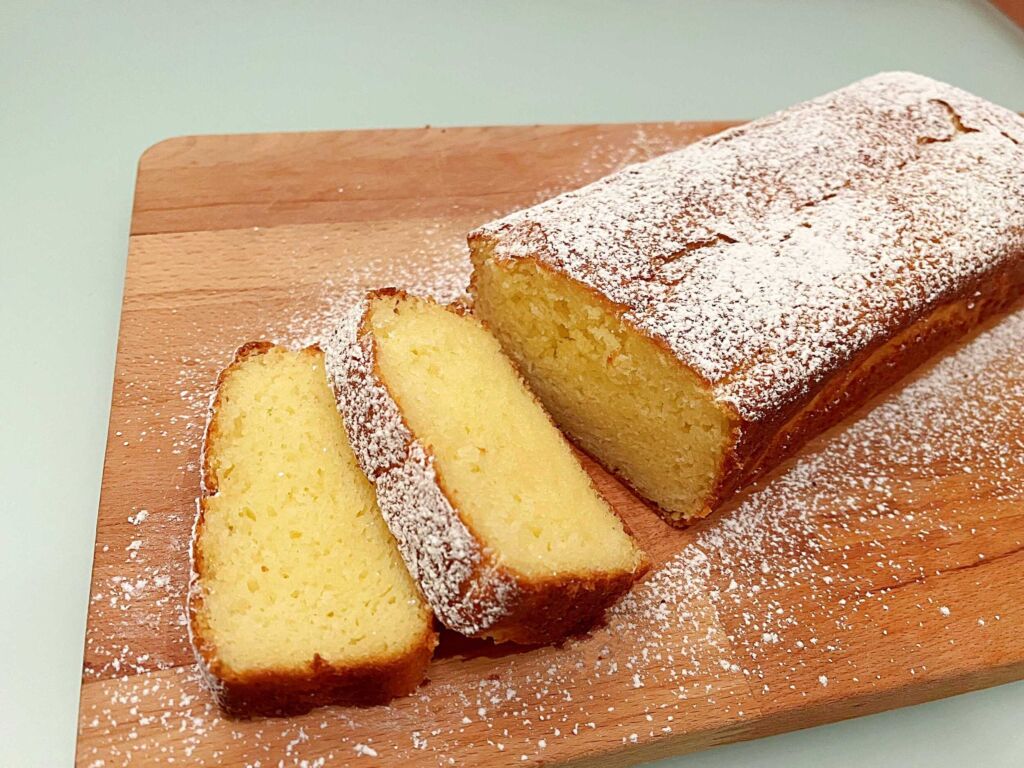
16. Torta di Ricotta e Limone
Torta di ricotta e limone is a dense, custardy cake made with fresh ricotta and bright lemon zest, closer in texture to a cheesecake than a sponge cake. It’s less sweet than American cheesecake, letting the lemon and ricotta flavors come through clearly.
Torta di Ricotta e Limone (serves 8, prep 15 min, bake 50 min, 325°F)
- 2 cups (450g) fresh ricotta
- 3/4 cup (150g) sugar
- 3 eggs
- Zest and juice of 1 lemon
- 1/3 cup (40g) flour
- Preheat oven to 325°F and grease a springform pan.
- Beat ricotta and sugar until smooth.
- Add eggs one at a time, then lemon zest and juice.
- Fold in flour gently.
- Pour into pan and bake 50 minutes until set with a slight jiggle in the center.
- Cool completely before slicing.
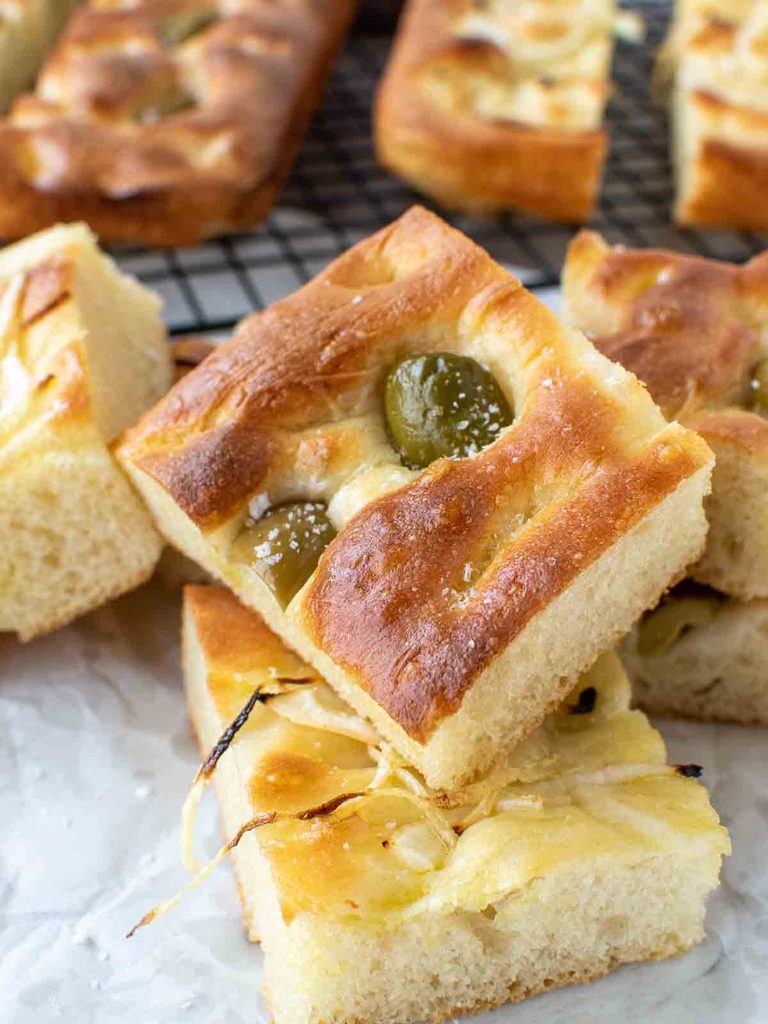
17. Focaccia Genovese
Focaccia Genovese is a savory, olive oil-soaked flatbread dimpled across the top and sprinkled with flaky salt. In Liguria, it’s common to eat a slice for breakfast, sometimes dipped straight into a cappuccino, which sounds strange until you try the salty-sweet combination yourself.
Focaccia Genovese (serves 8, prep 20 min + rise, bake 20 min, 425°F)
- 4 cups (500g) bread flour
- 1 1/2 tsp salt
- 2 1/4 tsp instant yeast
- 1 1/2 cups (350ml) warm water
- 1/3 cup (80ml) olive oil, plus more for pan
- Flaky salt for topping
- Mix flour, salt, yeast, and water into a sticky dough.
- Add olive oil and knead until smooth.
- Let rise 1 hour until doubled.
- Press into an oiled sheet pan, dimpling with fingers.
- Let rise 30 minutes, then drizzle with more oil and flaky salt.
- Bake at 425°F for 20 minutes until golden.
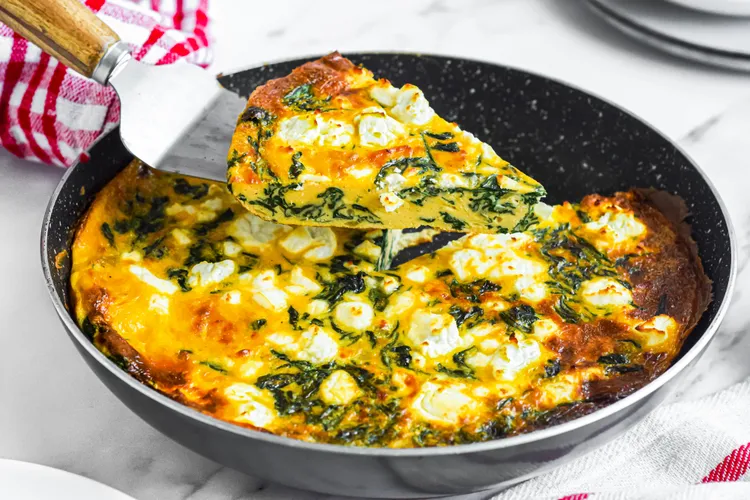
18. Frittata di Spinaci e Parmigiano
Frittata di spinaci e parmigiano is a savory egg dish studded with wilted spinach and sharp Parmigiano-Reggiano, closer to a weekend brunch item than a quick weekday breakfast. It’s served warm or at room temperature, sliced into wedges like a pie.
Frittata di Spinaci e Parmigiano (serves 4, prep 10 min, cook 15 min, stovetop + broil)
- 6 large eggs
- 2 cups (60g) fresh spinach, chopped
- 1/2 cup (50g) grated Parmigiano-Reggiano
- 2 tbsp olive oil
- Salt and pepper to taste
- Whisk eggs with cheese, salt, and pepper.
- Heat oil in an oven-safe skillet over medium heat.
- Add spinach and cook until wilted, about 2 minutes.
- Pour in egg mixture and cook 5 minutes until edges set.
- Broil 3 minutes until the top is golden and fully set.
Pair this one with a simple fresh caprese salad with balsamic glaze for a heartier weekend brunch spread.
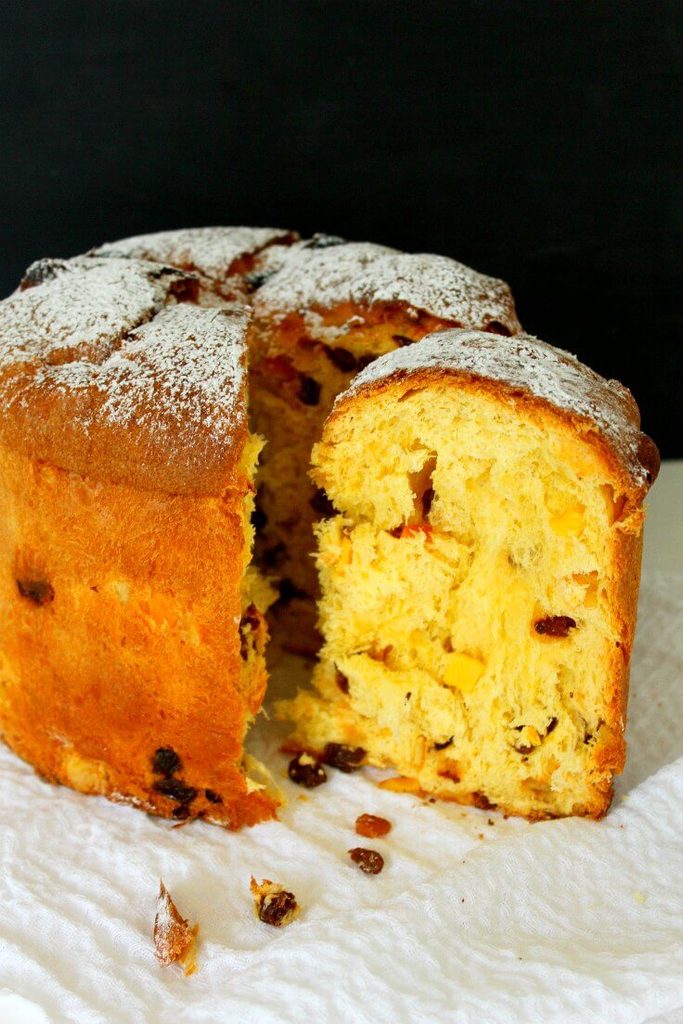
19. Panettone
Panettone is the tall, domed sweet bread studded with candied fruit and raisins that Italians eat throughout the Christmas season, often starting the morning with a slice alongside coffee. The texture is airy and slightly stretchy, closer to a sweet brioche than a dense fruitcake. Good panettone takes days to make properly, with multiple rises using a natural starter, which is why most Italian households buy one from a trusted bakery or brand rather than baking it from scratch. Slice it thick and toast it lightly if it’s gone a bit stale.
What Italians Typically Eat for Breakfast
Italians keep breakfast small, sweet, and fast, usually eaten standing at a bar counter in under ten minutes. A cappuccino and a cornetto cover the most common order in the entire country.
Home breakfasts lean just as simple: a slice of homemade cake, bread with jam, or biscotti dunked in milk. Savory, protein-heavy breakfasts are rare on weekdays and saved mostly for weekend brunches or special occasions.
Coffee anchors every version of this meal, whether it’s a cappuccino, espresso, or caffè latte. For more coffee-forward ideas beyond the Italian classics, the coffee drinks recipes collection covers a wider range of styles worth trying at home.
Tips for Making Italian Breakfast at Home
Start with good coffee. A moka pot delivers the strong, concentrated base that Italian coffee drinks depend on, and it costs far less than a machine.
Keep portions small. Italian pastries are sized to be eaten in a few bites alongside coffee, not as a full plate of food.
Bake ahead when you can. Cakes like ciambellone and torta di mele actually taste better the next day, once the crumb settles and the flavors deepen.
Buy quality jam. A simple pane, burro e marmellata only works if the jam itself tastes bright and fruity, so skip anything overly processed.
Save heavier dishes for weekends. Frittatas and focaccia fit a relaxed Sunday morning better than a rushed weekday breakfast. If you want to build out a full Italian-inspired spread, the 35 classic Italian recipes collection has more dishes worth adding to the table.