Haitian food is bold, garlicky, and built on layers of slow-cooked flavor. If you’ve ever had griot from a Haitian restaurant and wondered how they get the pork so crisp outside and tender inside, the answer is simpler than you think: a citrus marinade, a long braise, and a hot fry at the end. That same pattern, marinate, simmer, finish, shows up across most of this cuisine, which makes it surprisingly approachable for a home kitchen.
The best way to start cooking Haitian food at home is with griot, Soup Joumou, and diri djon djon, since these three dishes teach you the core techniques (marinating with epis, long braising, and seasoned rice) that carry through nearly every other recipe here. Once you’ve got those down, dishes like pikliz, legim, and bannann peze come together fast because you’re reusing the same building blocks.
This collection covers the dishes that show up at Haitian tables again and again, from New Year’s Day soup traditions to Sunday rice and beans. Expect crispy fried meats, deeply seasoned stews, tangy pickled vegetables, and a few sweet finishes to round things out.
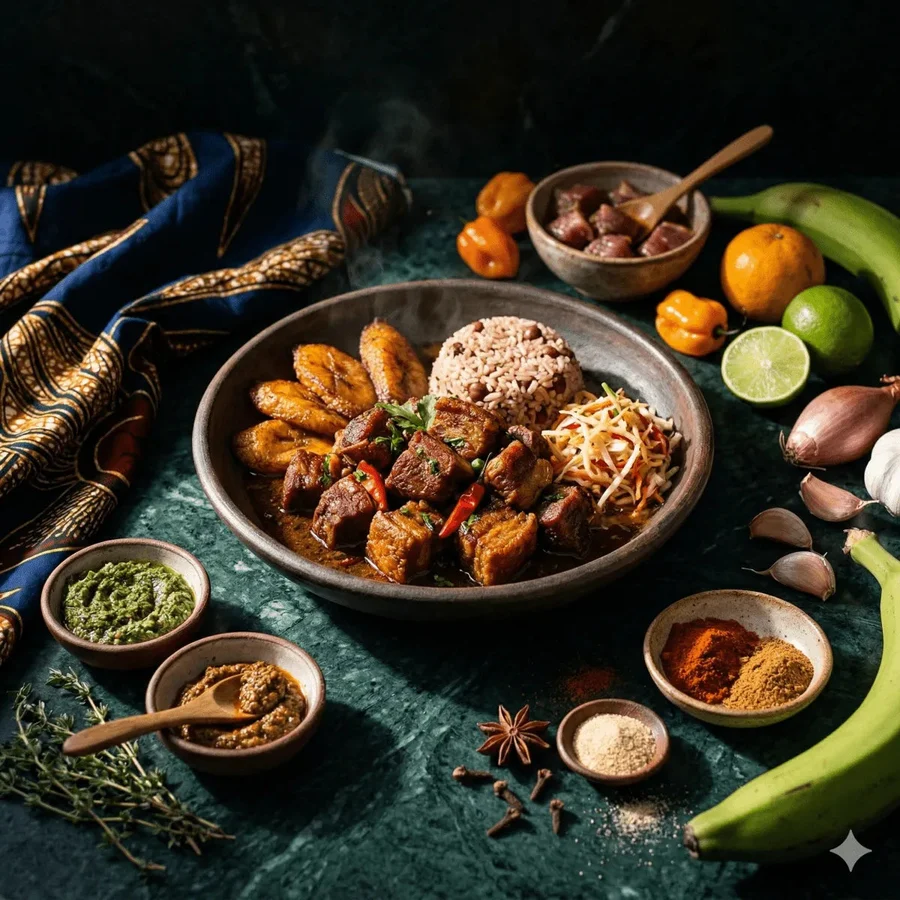
1. Griot (Crispy Fried Pork)
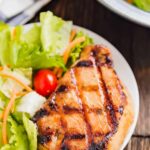
Griot is cubed pork shoulder marinated in sour orange and epis, then braised until tender and fried until the outside turns deep golden and crackly. The contrast is what makes it: juicy inside, crunchy outside, with a tang from the citrus marinade that cuts through the richness.
Yield: 4 servings | Prep: 20 minutes (plus 1 hour marinating) | Cook: 1 hour 30 minutes
- 2 lbs pork shoulder, cut into 1.5-inch cubes
- 1/4 cup sour orange juice (or lime juice)
- 3 tbsp epis (recipe below)
- 1 tsp salt
- 1/2 tsp black pepper
- 1 onion, sliced
- 2 cups water
- Oil for frying
- Marinate pork with juice, epis, salt, and pepper for 1 hour.
- Place pork and onion in a pot with water; simmer covered 1 hour until tender.
- Drain pork, reserving onions. Heat oil to 350°F and fry pork 5-7 minutes until crisp.
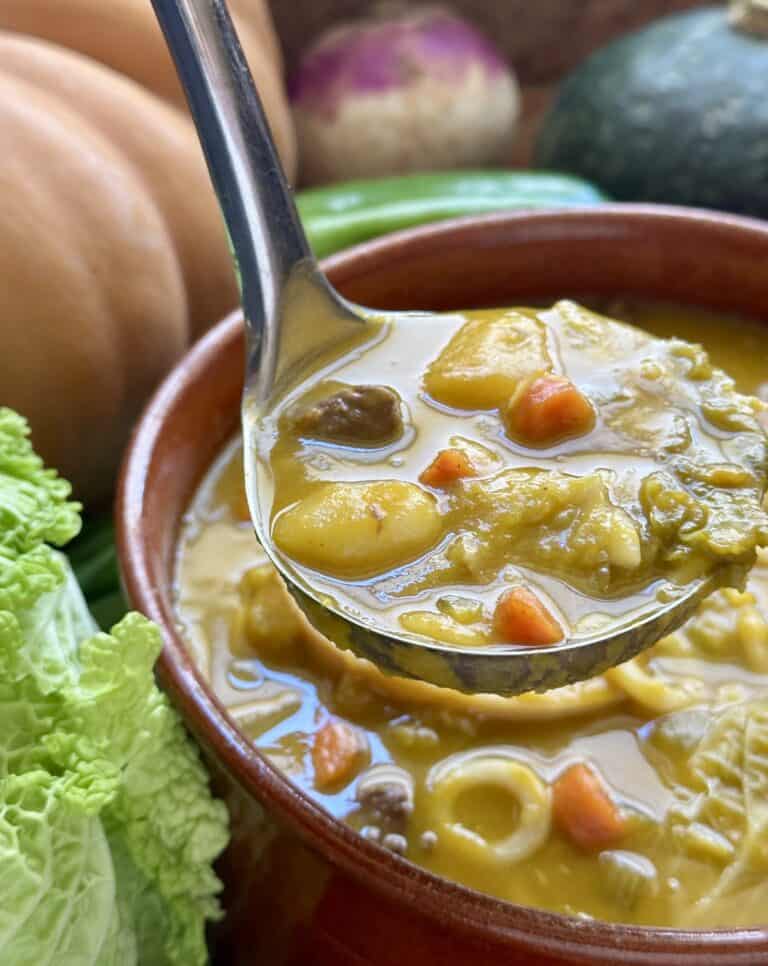
2. Soup Joumou (Haitian Squash Soup)
Soup Joumou is a rich squash and beef soup traditionally eaten on New Year’s Day to mark Haiti’s independence. It’s warming and deeply savory, built on pureed calabaza squash and loaded with vegetables and pasta.
Yield: 6 servings | Prep: 25 minutes | Cook: 1 hour 45 minutes
- 2 lbs beef chuck, cubed
- 2 lbs calabaza squash, peeled and cubed
- 3 tbsp epis
- 8 cups beef broth
- 2 carrots, sliced
- 2 potatoes, cubed
- 1 cup cabbage, shredded
- 1 cup small pasta
- Salt and pepper to taste
- Marinate beef in epis 30 minutes, then brown in a large pot.
- Add squash and broth; simmer 1 hour until squash is soft. Puree part of the soup for body.
- Add carrots, potatoes, cabbage, and pasta; simmer 20 minutes until tender.
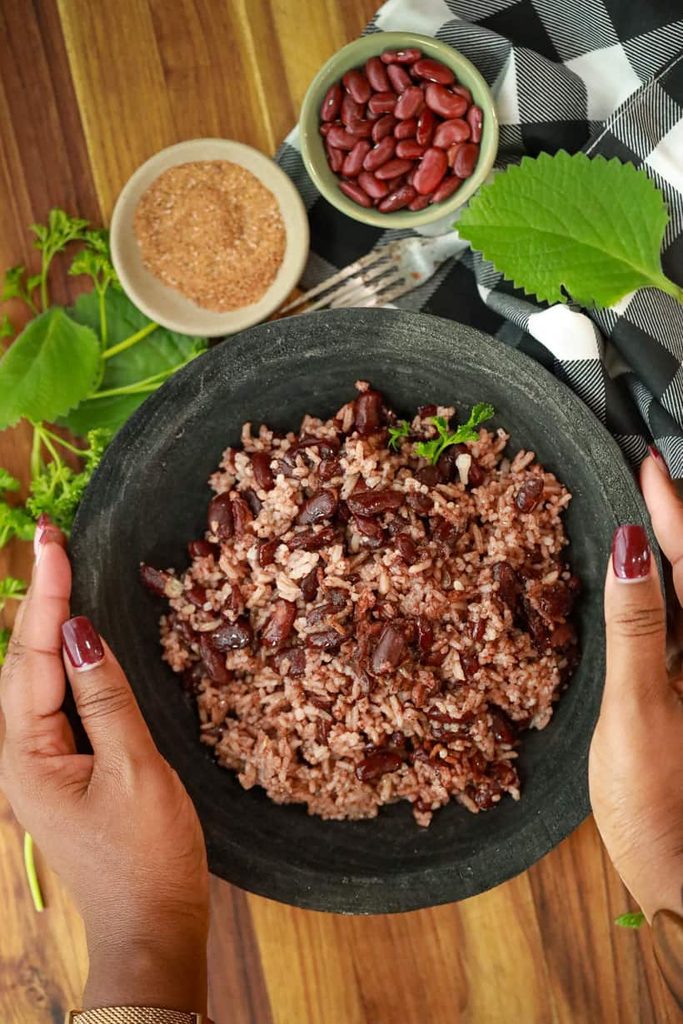
3. Diri Kole ak Pwa (Rice and Beans)
Diri Kole ak Pwa is the everyday rice dish that anchors most Haitian meals, with beans and rice cooked together in their own savory broth. It’s simple, filling, and endlessly adaptable depending on what beans you have on hand. For more rice-based inspiration, check out these rice side dishes.
Yield: 6 servings | Prep: 10 minutes (plus soaking) | Cook: 45 minutes
- 1 cup dried red or black beans, soaked overnight
- 4 cups water
- 2 cups white rice
- 3 tbsp oil
- 2 tbsp epis
- 1 tsp salt
- Simmer beans in water until tender, about 30 minutes. Reserve bean liquid.
- Heat oil, stir in epis, then add beans and 3 cups bean liquid.
- Add rice and salt; cover and cook on low 20 minutes until rice is tender.
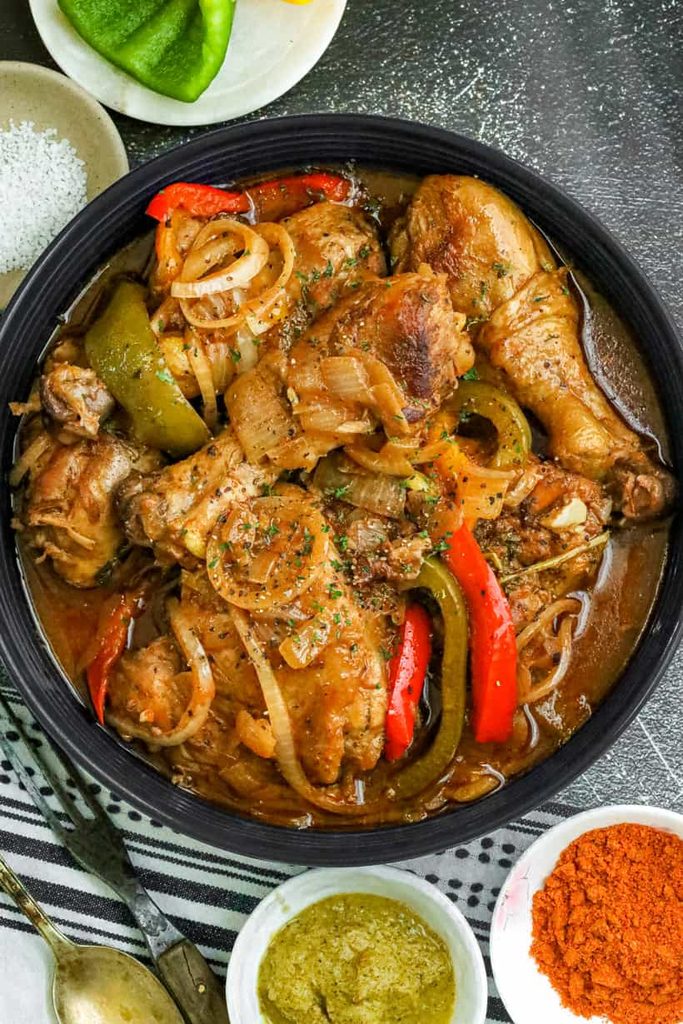
4. Poul an Sos (Haitian Stewed Chicken)
Poul an Sos is chicken simmered in a thick, tomato-based sauce bursting with garlic, thyme, and scotch bonnet heat. The sauce clings to the chicken and is meant for spooning over rice.
Yield: 4 servings | Prep: 20 minutes (plus 1 hour marinating) | Cook: 45 minutes
- 3 lbs chicken thighs and legs
- 1/4 cup lime juice
- 3 tbsp epis
- 2 tbsp tomato paste
- 1 onion, sliced
- 1 bell pepper, sliced
- 1 scotch bonnet pepper, whole
- 1 cup chicken broth
- Salt to taste
- Marinate chicken in lime juice and epis 1 hour.
- Sear chicken in oil until browned, then remove.
- Sauté onion and pepper, stir in tomato paste and broth, return chicken, and simmer 30 minutes with the scotch bonnet.
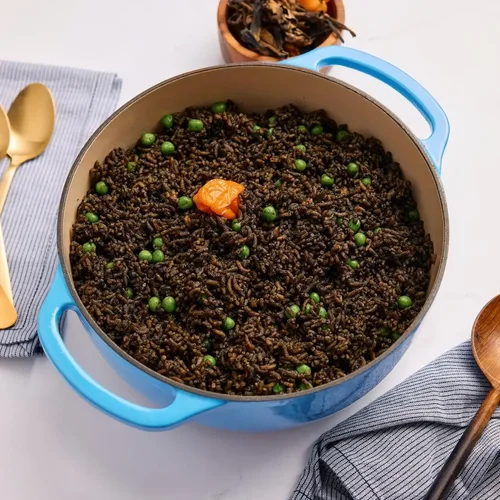
5. Diri Djon Djon (Black Mushroom Rice)
Diri Djon Djon gets its deep, earthy flavor and almost black color from simmering dried Haitian mushrooms into the cooking liquid. It’s an elegant side dish often served at celebrations. If mushrooms are your thing, browse more ideas among these mushroom recipes.
Yield: 6 servings | Prep: 15 minutes | Cook: 40 minutes
- 1/2 oz dried djon djon mushrooms
- 3 cups water
- 2 cups white rice
- 2 tbsp butter
- 1 tsp salt
- 1/2 cup small shrimp (optional)
- Simmer mushrooms in water 20 minutes, then strain liquid, discarding mushroom pieces.
- Melt butter, add mushroom liquid and salt, bring to a boil.
- Stir in rice, cover, and cook on low 20 minutes until liquid absorbs.
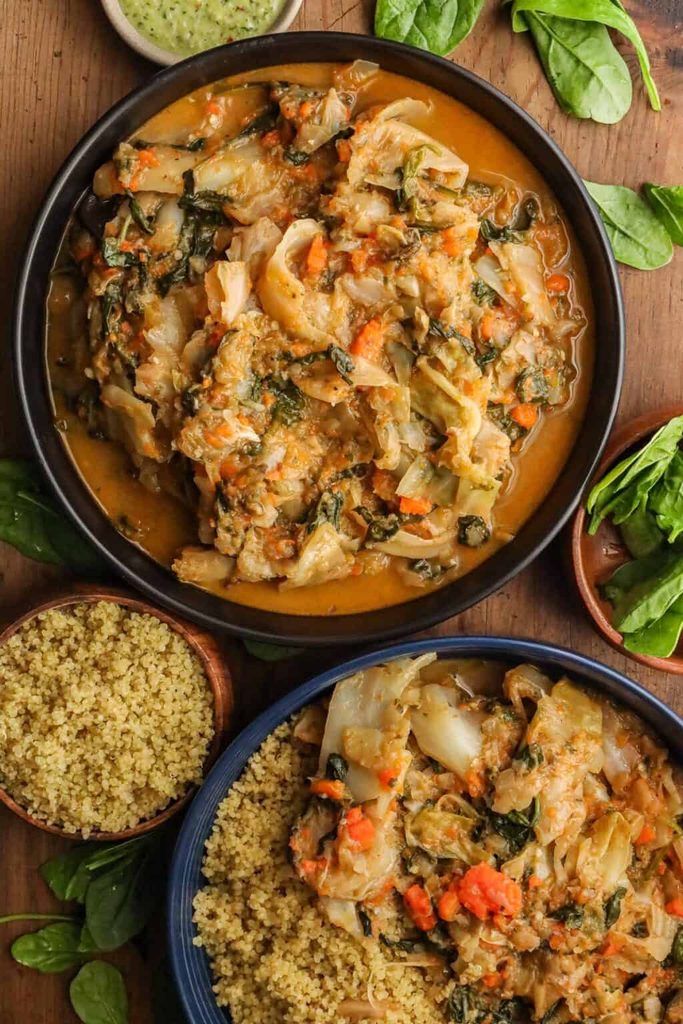
6. Legim (Haitian Vegetable Stew)
Legim is a hearty vegetable stew, usually with beef or crab, where everything cooks down into a soft, almost chunky-puree texture. Eggplant, cabbage, and watercress give it body and a slightly sweet, earthy flavor. It pairs naturally with the rice and beans above.
Yield: 6 servings | Prep: 25 minutes | Cook: 1 hour
- 1 lb beef chuck, cubed
- 3 tbsp epis
- 1 eggplant, chopped
- 2 cups cabbage, chopped
- 1 cup watercress, chopped
- 2 carrots, sliced
- 1 chayote, chopped
- 2 cups beef broth
- Salt to taste
- Marinate and brown beef in epis.
- Add broth and simmer 30 minutes until beef softens.
- Add vegetables, cover, and cook 25 minutes, mashing slightly as it cooks down.
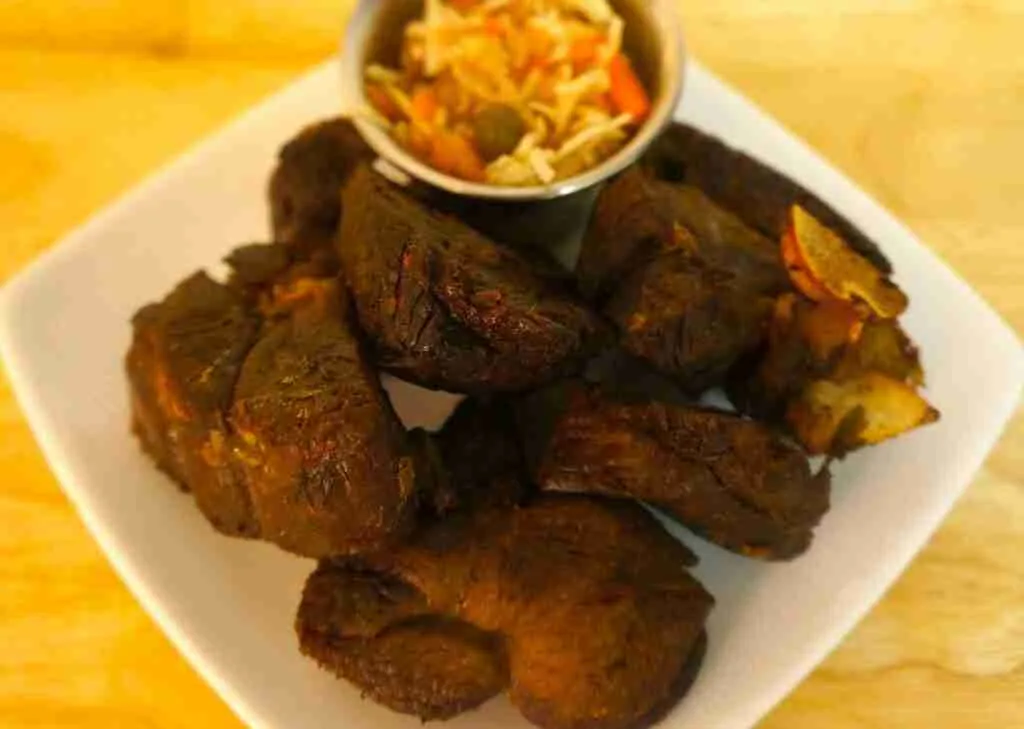
7. Tassot Kabrit (Fried Goat)
Tassot Kabrit takes the same marinate-braise-fry method as griot but swaps in goat meat for a richer, gamier bite. The fried edges turn deeply savory and slightly chewy in the best way.
Yield: 4 servings | Prep: 20 minutes (plus 1 hour marinating) | Cook: 1 hour 30 minutes
- 2 lbs goat meat, cubed
- 1/4 cup sour orange juice
- 3 tbsp epis
- 1 tsp salt
- 2 cups water
- Oil for frying
- Marinate goat in juice and epis 1 hour.
- Simmer in water, covered, 1 hour until tender.
- Drain and fry in 350°F oil 6-8 minutes until crisp and browned.
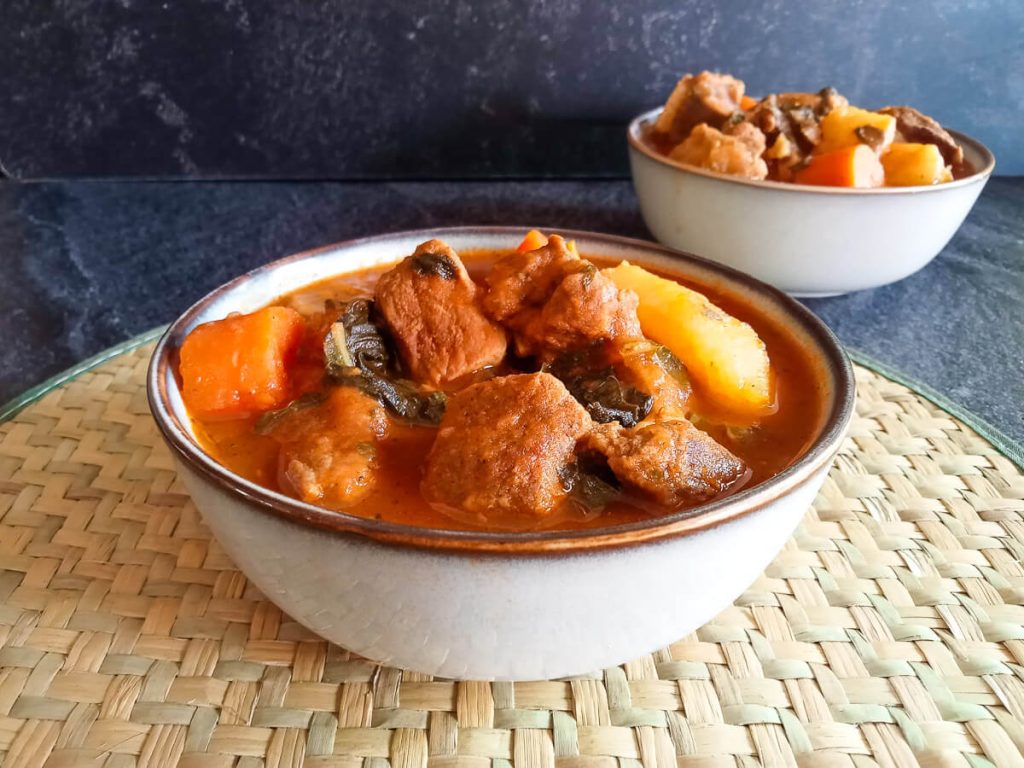
8. Bouyon (Haitian Hearty Soup)
Bouyon is a thick, filling soup packed with beef, root vegetables, and dumplings, closer to a stew than a broth-based soup. It’s the kind of dish Haitian families make on a cold or rainy day. Fans of comforting soups should also look at these homemade soup recipes.
Yield: 6 servings | Prep: 30 minutes | Cook: 1 hour 30 minutes
- 2 lbs beef short ribs
- 3 tbsp epis
- 8 cups water or beef broth
- 2 cups yam, cubed
- 1 cup malanga, cubed
- 1 cup plantain, sliced
- 1 cup cabbage, chopped
- 1 cup small dumplings (flour and water dough)
- Brown beef with epis, then add water and simmer 1 hour.
- Add root vegetables and simmer 20 minutes.
- Add cabbage and dumplings; cook 15 more minutes until everything is tender.
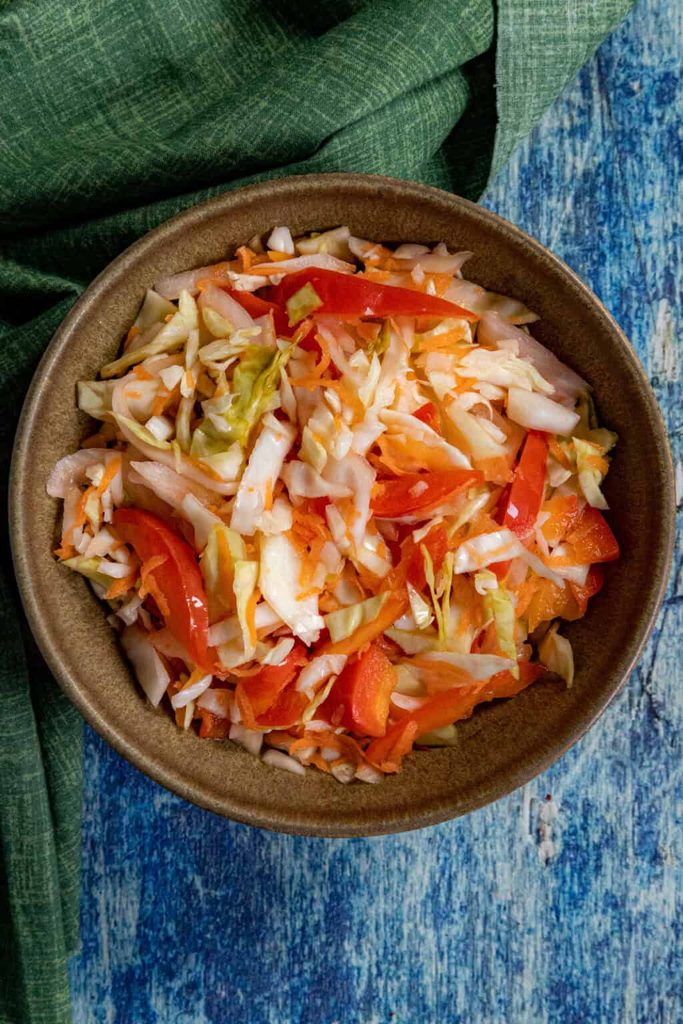
9. Pikliz (Spicy Pickled Vegetables)
Pikliz is the tangy, spicy pickled cabbage and carrot relish that sits on nearly every Haitian table. It takes minutes to make and gets better after a day or two in the fridge.
Yield: About 4 cups | Prep: 15 minutes (plus 24 hours resting) | Cook: None
- 3 cups cabbage, shredded
- 1 cup carrots, shredded
- 1 onion, sliced
- 2-3 scotch bonnet peppers, sliced
- 1 cup white vinegar
- 1 tsp salt
- 5 whole cloves
- Pack vegetables and peppers into a clean jar.
- Pour vinegar over the top until fully covered, add salt and cloves.
- Seal and refrigerate at least 24 hours before serving.
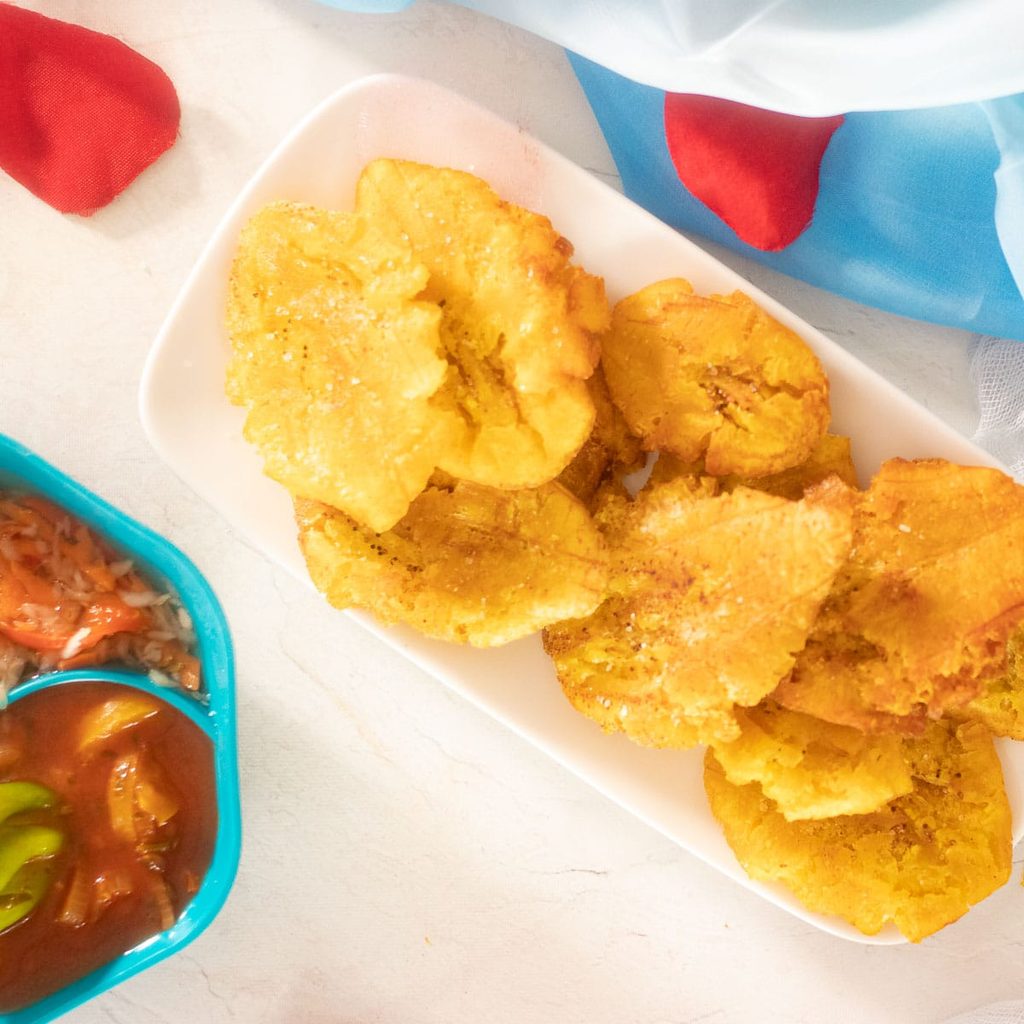
10. Bannann Peze (Twice-Fried Plantains)
Bannann Peze are green plantains sliced, fried, flattened, then fried again until golden and crisp on the outside with a soft center. They’re the classic side for griot and tassot.
Yield: 4 servings | Prep: 10 minutes | Cook: 15 minutes
- 2 green plantains, peeled and sliced into 1-inch rounds
- Oil for frying
- Salt to taste
- Fry plantain slices in 325°F oil 3 minutes per side until slightly soft.
- Remove and flatten each piece with a plate or tostonera.
- Fry again at 350°F for 2-3 minutes per side until golden and crisp. Salt immediately.
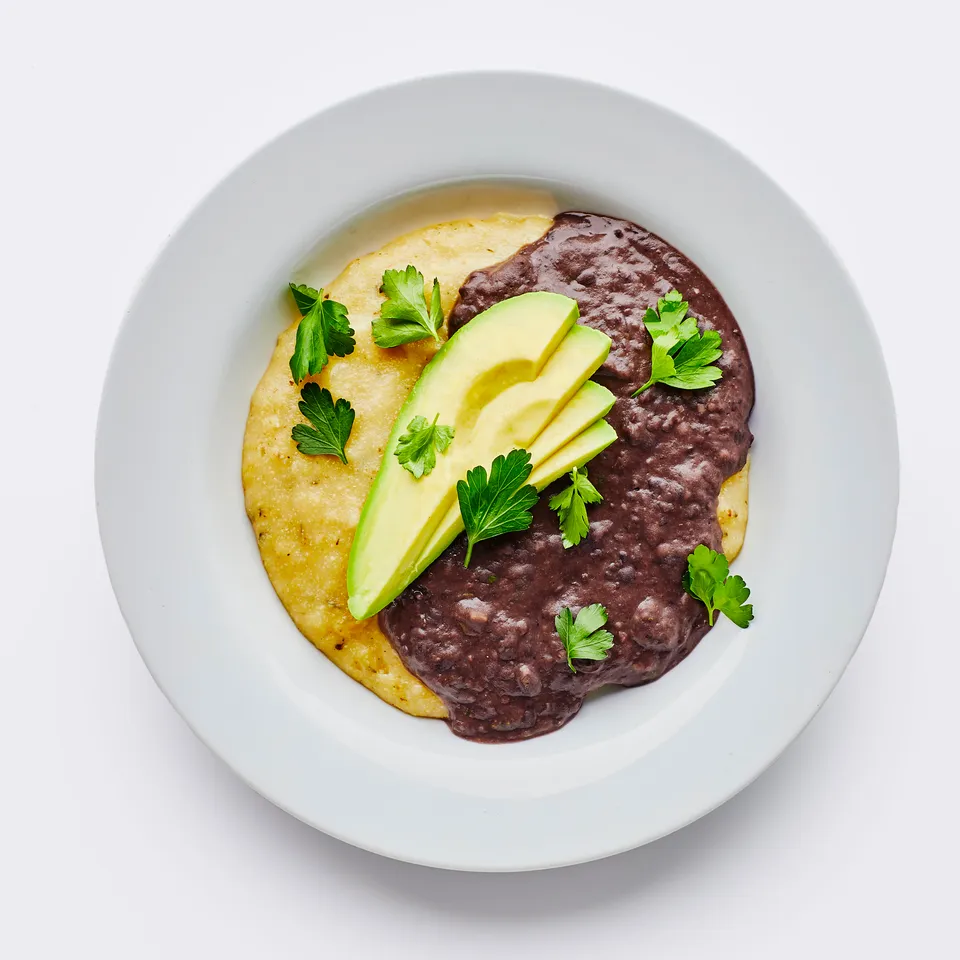
11. Sos Pwa Nwa (Black Bean Sauce)
Sos Pwa Nwa is a smooth, savory black bean sauce poured over rice instead of mixed in like diri kole. It’s silkier and richer, built with epis and a touch of coconut milk in some households.
Yield: 4 servings | Prep: 10 minutes (plus soaking) | Cook: 45 minutes
- 1 cup dried black beans, soaked overnight
- 4 cups water
- 2 tbsp epis
- 1 tbsp oil
- 1/2 cup coconut milk (optional)
- Salt to taste
- Simmer beans in water until very soft, about 35 minutes.
- Blend beans with their cooking liquid until smooth.
- Heat oil, stir in epis, add bean puree and coconut milk, and simmer 10 minutes.
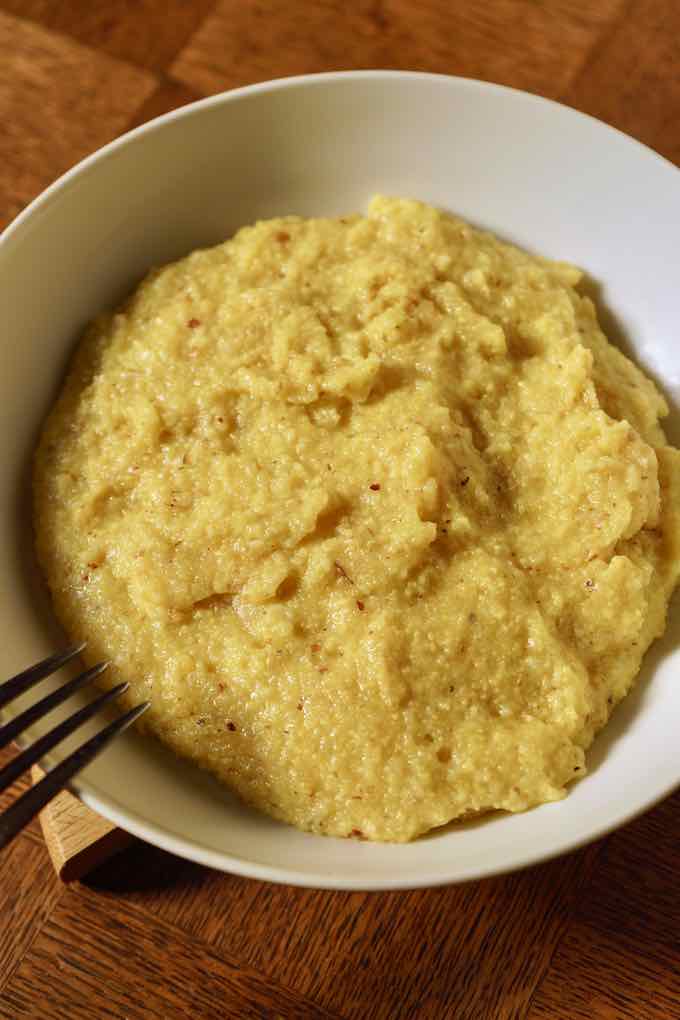
12. Mayi Moulen (Haitian Cornmeal)
Mayi Moulen is a creamy, polenta-like cornmeal dish cooked with butter and sometimes mushroom broth for extra depth. It’s soft, slightly sweet, and made for soaking up sauce from a stew.
Yield: 4 servings | Prep: 5 minutes | Cook: 25 minutes
- 1 cup yellow cornmeal
- 3 cups water
- 2 tbsp butter
- 1 tsp salt
- 1/2 cup coconut milk (optional)
- Bring water to a boil and whisk in cornmeal slowly to avoid lumps.
- Reduce heat and stir frequently for 15 minutes until thickened.
- Stir in butter, salt, and coconut milk; cook 5 more minutes until creamy.
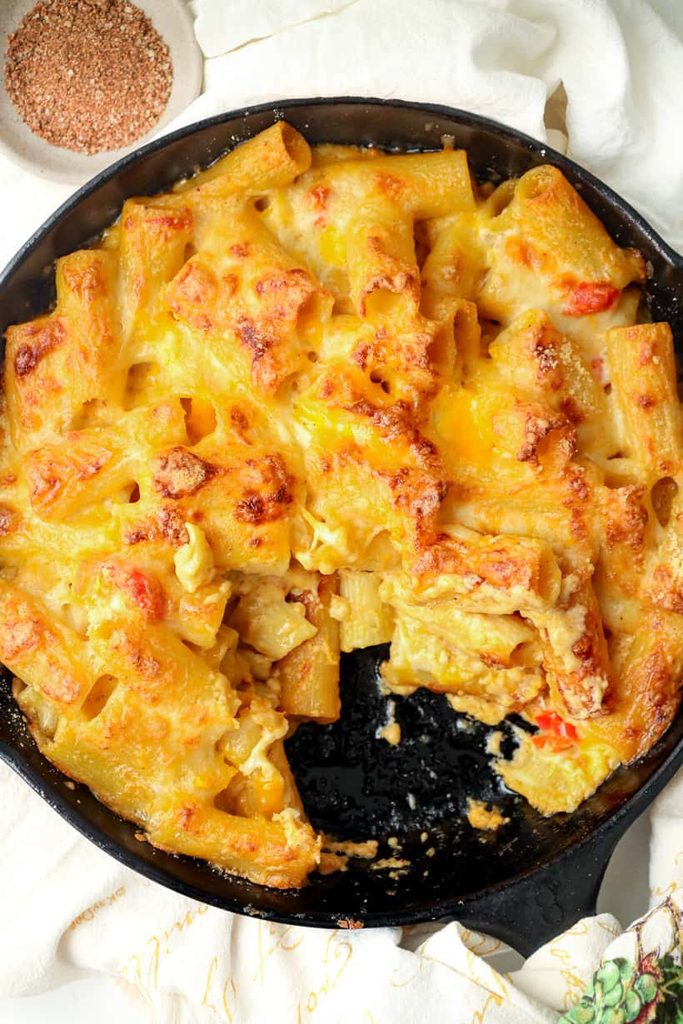
13. Makawoni au Graten (Haitian Baked Macaroni)
Makawoni au Graten is Haiti’s take on baked mac and cheese, with evaporated milk, ham, and a crisp browned top. It’s richer and more seasoned than the American version, often showing up at holiday spreads.
Yield: 6 servings | Prep: 15 minutes | Cook: 45 minutes at 375°F
- 1 lb elbow macaroni
- 2 cups shredded cheddar cheese
- 1 cup evaporated milk
- 1/2 cup diced ham
- 2 eggs, beaten
- 1 tsp epis
- Salt to taste
- Boil macaroni until just tender, then drain.
- Mix pasta with cheese, milk, ham, eggs, and epis in a baking dish.
- Bake at 375°F for 30-35 minutes until the top is golden and bubbling.
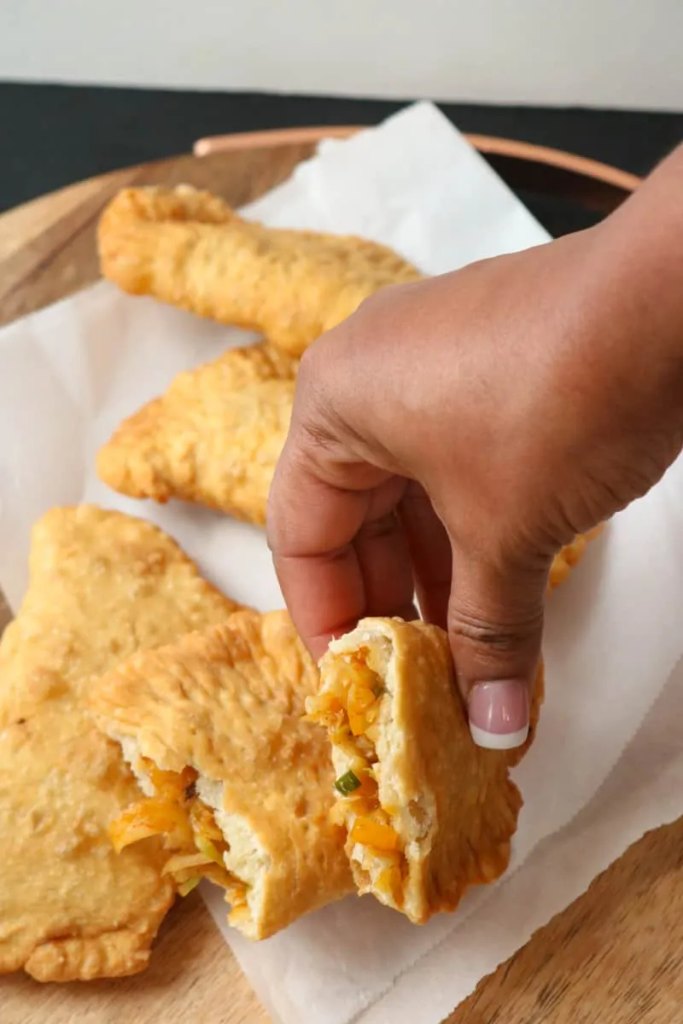
14. Pate Kode (Haitian Fried Patties)
Pate Kode are flaky, deep-fried turnovers stuffed with spiced beef, chicken, or herring. The dough turns blistered and golden, giving way to a well-seasoned filling inside.
Yield: 8 patties | Prep: 30 minutes | Cook: 20 minutes
- 2 cups flour
- 1/2 cup cold butter, cubed
- 1/2 cup cold water
- 1 lb ground beef
- 2 tbsp epis
- 1 tbsp tomato paste
- Oil for frying
- Cut butter into flour, add water, and knead into a dough. Chill 20 minutes.
- Cook beef with epis and tomato paste until browned; cool slightly.
- Roll dough, fill with beef, fold and seal, then fry at 350°F until golden, about 4 minutes per side.

15. Akra (Malanga Fritters)
Akra are crispy, savory fritters made from grated malanga root, similar in spirit to a latke but with a distinctly Caribbean seasoning punch. They’re a popular street food snack in Haiti.
Yield: 12 fritters | Prep: 20 minutes | Cook: 15 minutes
- 2 cups grated malanga root
- 2 tbsp epis
- 1 egg
- 2 tbsp flour
- Salt to taste
- Oil for frying
- Mix malanga, epis, egg, flour, and salt into a thick batter.
- Heat oil to 350°F.
- Drop spoonfuls into oil and fry 3-4 minutes per side until deeply golden.
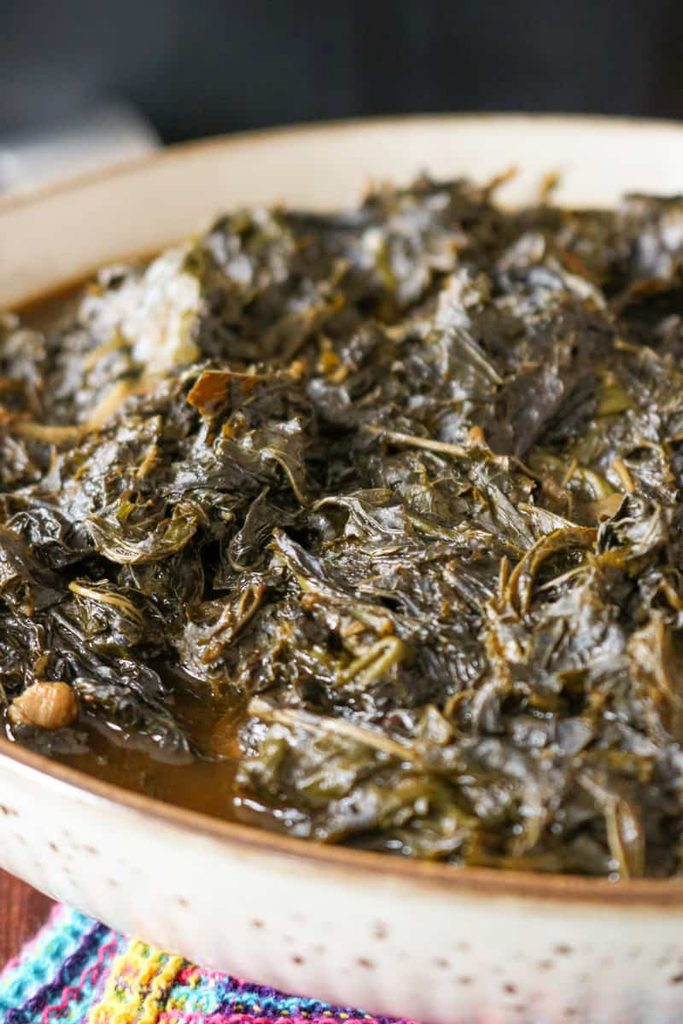
16. Lalo (Jute Leaf Stew)
Lalo is a dark, savory stew made from jute leaves, often cooked with beef, crab, or pork for a deeply layered flavor. The texture is silky, closer to okra than leafy greens.
Yield: 4 servings | Prep: 20 minutes | Cook: 1 hour
- 2 cups chopped jute leaves (fresh or frozen)
- 1 lb beef or pork, cubed
- 3 tbsp epis
- 2 cups beef broth
- 1 onion, chopped
- Salt to taste
- Brown meat with epis and onion.
- Add broth and simmer 40 minutes until meat is tender.
- Stir in jute leaves and cook 15 more minutes until the stew thickens.
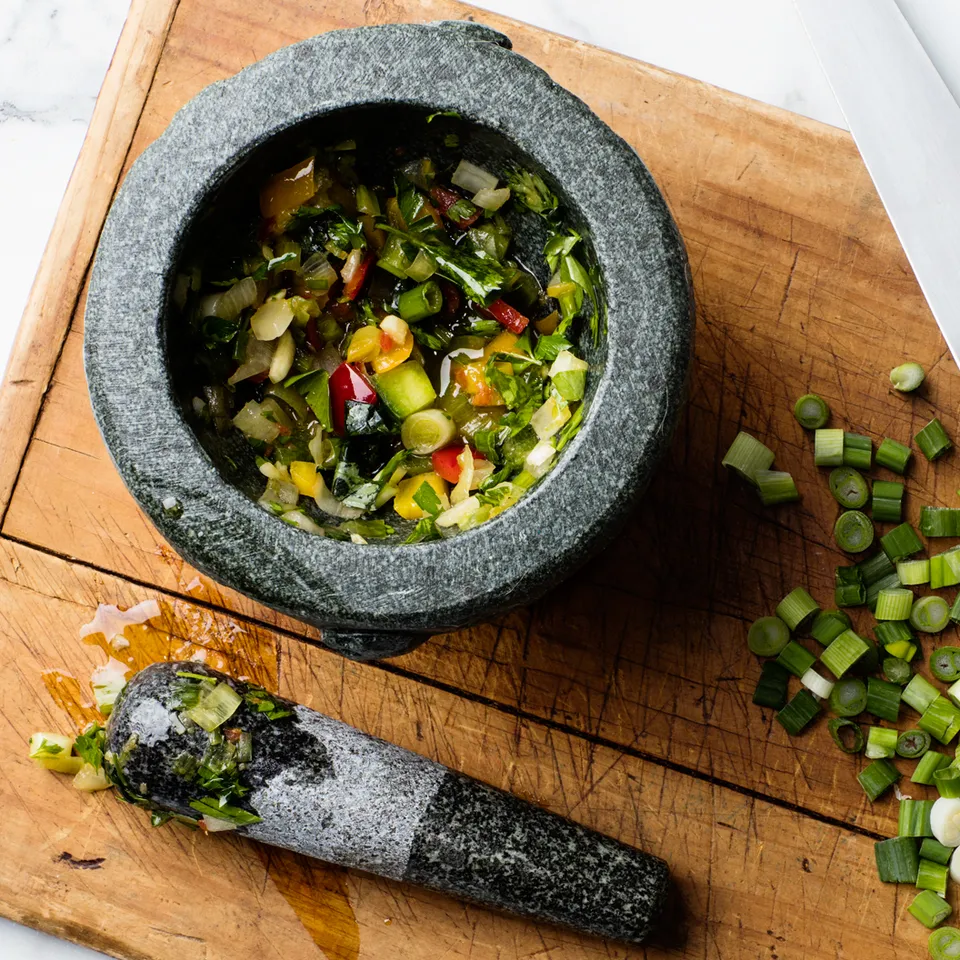
17. Epis (Haitian Seasoning Base)
Epis is the green seasoning paste that forms the backbone of nearly every savory Haitian dish, blending peppers, garlic, and herbs into one concentrated base. Keep a jar in the fridge and every recipe above comes together faster.
Yield: About 2 cups | Prep: 10 minutes | Cook: None
- 1 green bell pepper, chopped
- 1 onion, chopped
- 6 cloves garlic
- 1 bunch parsley
- 1 bunch cilantro
- 2 tbsp fresh thyme
- 2 tbsp vinegar
- 1 scotch bonnet pepper (optional)
- 1/4 cup oil
- Combine all ingredients in a food processor.
- Blend until a coarse, wet paste forms.
- Store in a sealed jar in the fridge for up to 2 weeks.
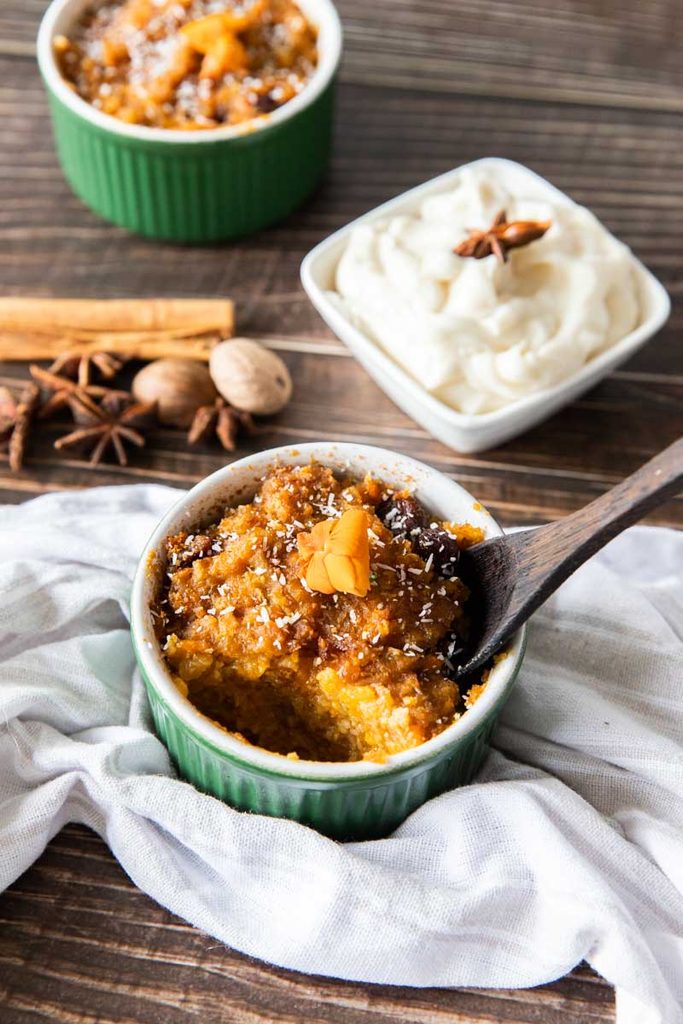
18. Pen Patat (Sweet Potato Pudding)
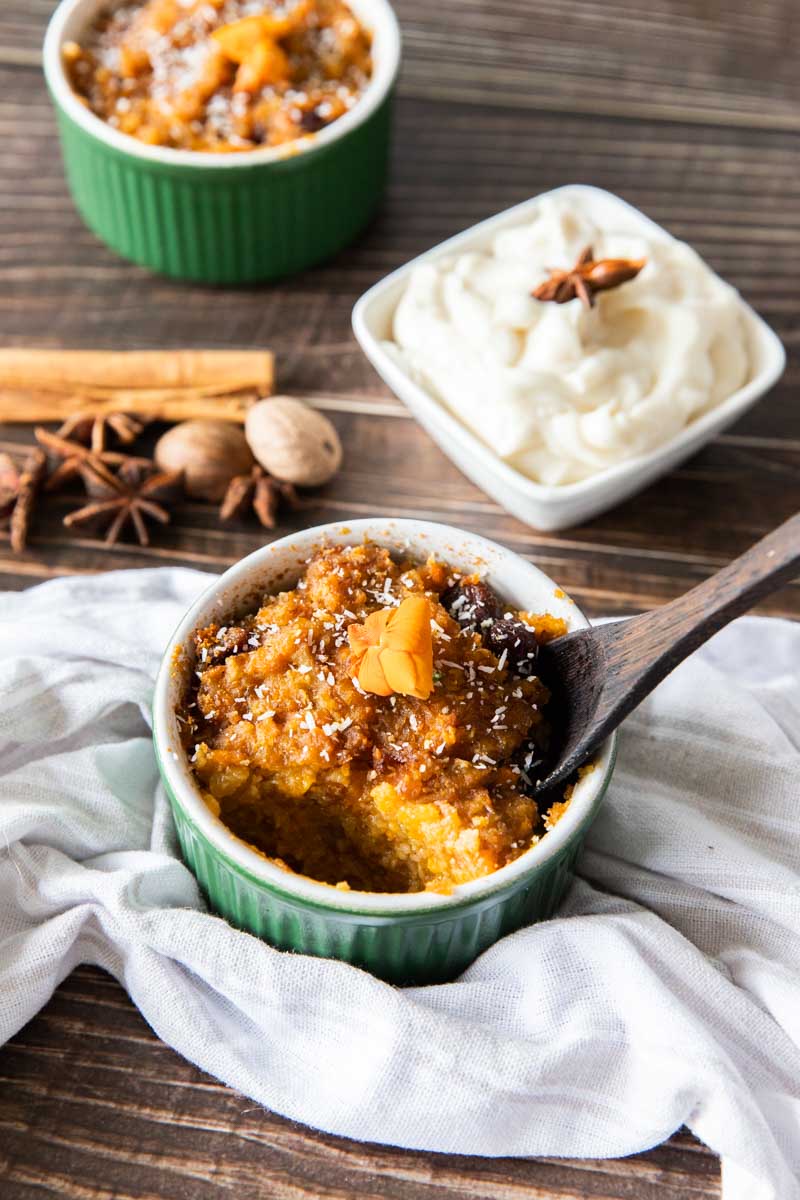
Pen Patat is a dense, moist sweet potato pudding spiced with cinnamon and nutmeg, closer to a pound cake than a casserole. It’s a comforting dessert that smells like a holiday kitchen.
Yield: 8 servings | Prep: 20 minutes | Cook: 1 hour 15 minutes at 350°F
- 3 cups grated sweet potato
- 1 cup coconut milk
- 1 cup evaporated milk
- 3/4 cup sugar
- 1 tsp cinnamon
- 1/2 tsp nutmeg
- 1/2 cup raisins
- 2 tbsp butter, melted
- Preheat oven to 350°F and grease a baking dish.
- Mix all ingredients until well combined.
- Pour into the dish and bake 1 hour to 1 hour 15 minutes until set and golden on top.
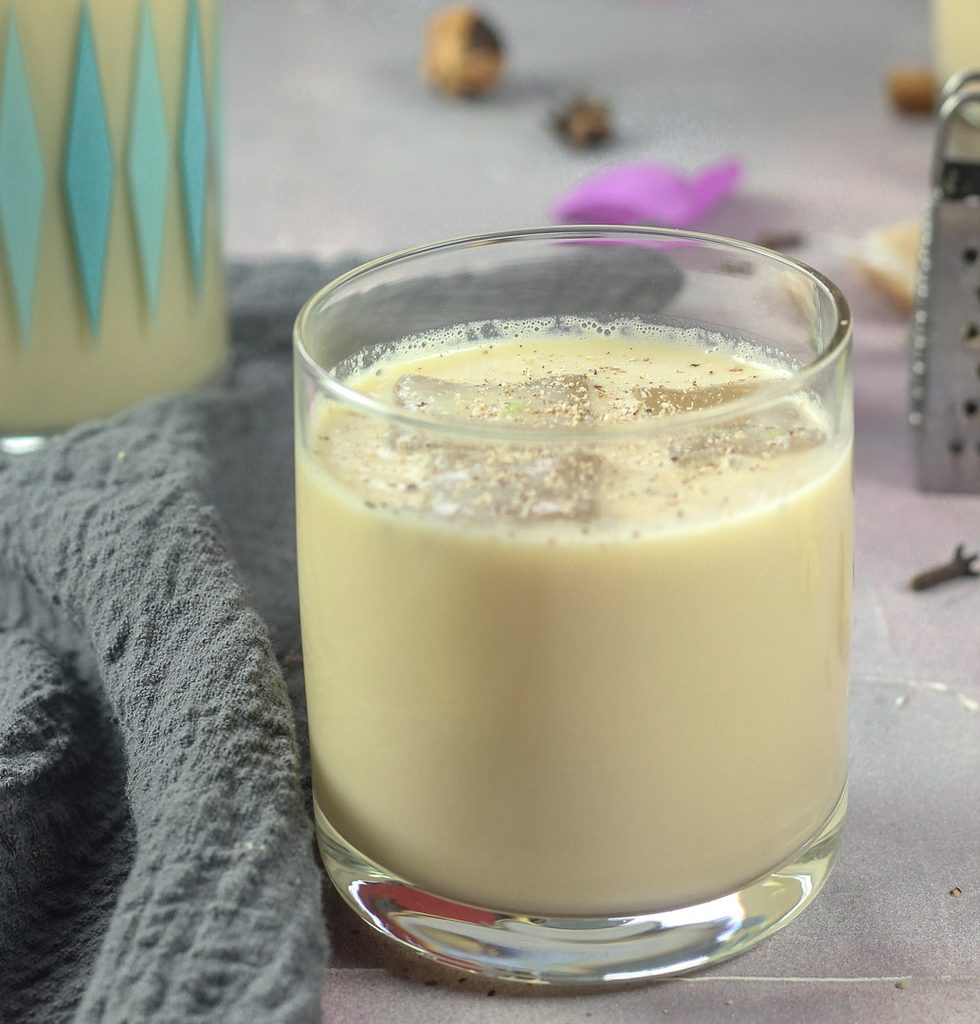
19. Kremas (Haitian Spiced Cream Drink)
Kremas is a sweet, spiced coconut cream drink similar to eggnog, usually spiked with rum and served at celebrations. It’s thick, rich, and best served ice cold in small glasses.
Yield: 6 servings | Prep: 10 minutes (plus chilling) | Cook: None
- 1 can (14 oz) coconut milk
- 1 can (14 oz) sweetened condensed milk
- 1/2 cup evaporated milk
- 1 cup white rum
- 1 tsp vanilla extract
- 1/2 tsp ground nutmeg
- 1/4 tsp ground cinnamon
- Blend all ingredients until smooth.
- Pour into a bottle or jar and refrigerate at least 4 hours.
- Shake well and serve chilled in small glasses.
How to Build a Haitian Meal
A Haitian plate usually starts with rice. Diri Kole ak Pwa or diri djon djon forms the base, giving you something starchy and seasoned to build around.
From there, add a protein. Griot, Poul an Sos, or tassot kabrit all bring bold, marinated flavor that plays well against plain rice.
Round it out with a vegetable side and something pickled. Legim or sautéed greens add balance, while pikliz brings the sharp, spicy contrast that Haitian meals are known for. A scoop of bannann peze on the side never hurts either.
For soups like bouyon or Soup Joumou, treat them as the whole meal rather than a starter. They’re thick enough to stand on their own with just bread or crackers alongside. If you like building out full soup-based dinners, these soup recipes offer more direction on pairing and portioning.
Keep a jar of epis on hand at all times. It’s the one ingredient that ties almost every savory recipe in this list together, and having it ready cuts prep time significantly on a weeknight.
Finding and Substituting Haitian Ingredients
Most Haitian ingredients are easier to find than you’d expect, especially in cities with Caribbean grocery stores. Look for sour oranges, djon djon mushrooms, malanga root, and scotch bonnet peppers in the international aisle or a local Caribbean market.
If sour orange juice isn’t available, a mix of lime and orange juice gets you close enough for marinades like griot or tassot kabrit. Malanga can be swapped for taro root in a pinch, since both have a similar starchy texture once fried or grated.
Djon djon mushrooms are the hardest ingredient to substitute since their earthy flavor and dark color are unique. Dried shiitake mushrooms won’t replicate the color, but they add a similar umami depth if djon djon isn’t an option; browsing a few shiitake mushroom recipes can give you a feel for how that mushroom behaves in a broth.
Scotch bonnet peppers bring the heat in dishes like Poul an Sos and pikliz. Habanero peppers work as a close substitute since they share a similar fruity heat profile, just slightly milder.
Keep a stocked pantry of thyme, garlic, vinegar, and bell peppers, since these show up in nearly every recipe above. Once epis is made ahead of time, the rest of Haitian cooking moves quickly, even on a busy weeknight.