Vegetable smoothies get a bad reputation before anyone even tastes one. Picture a glass of murky green sludge and it’s easy to see why some people stick to fruit-only blends. The truth is, a well-built vegetable smoothie can taste as bright and sweet as a milkshake while sneaking in a real serving of greens, roots, or even cauliflower.
The trick is balance. Pair a mild vegetable with a juicy fruit, add a splash of citrus or a handful of frozen banana, and the vegetable flavor fades into the background while the nutrition stays put. For anyone building a daily smoothie habit, a spinach, pineapple, mango, and banana blend is the easiest starting point because the tropical fruit completely covers the greens’ flavor.
From there, the options multiply fast. Carrots bring warmth and sweetness, beets bring color and earthiness, cauliflower brings creaminess without a hint of cabbage flavor. Once you see how these combinations work, building your own becomes second nature.
Quick picks:
- Best for beginners: Spinach, Pineapple, Mango, and Banana Smoothie
- Best for digestion: Cucumber, Pineapple, and Mint Smoothie
- Best for a savory twist: Tomato, Cucumber, and Basil Smoothie
- Best for fall flavor: Pumpkin, Banana, and Cinnamon Smoothie
1. Spinach, Pineapple, Mango, and Banana Smoothie
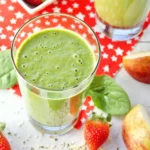
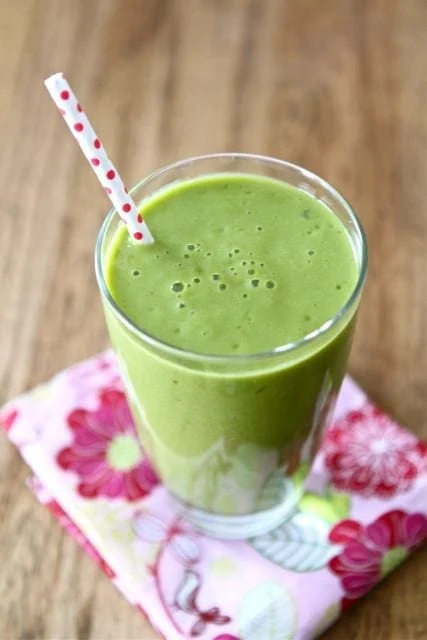
This is the smoothie that converts skeptics. Spinach disappears completely under the sweetness of ripe mango and juicy pineapple, while banana adds body and a creamy finish. Blend 1 cup spinach, 1 cup frozen pineapple, ½ cup mango chunks, 1 banana, and 1 cup water or orange juice. It tastes like a tropical dessert, not a health chore, and the bright yellow-green color still looks like a treat in the glass.
2. Carrot, Orange, and Ginger Smoothie
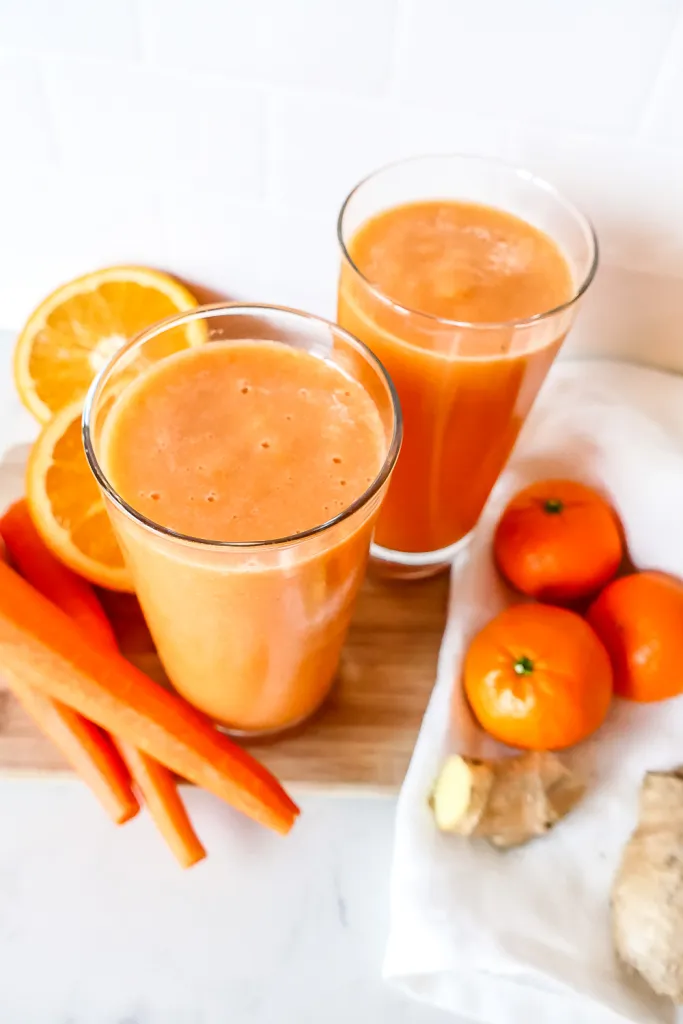
Carrots turn silky and sweet once blended with citrus. Combine 1 cup chopped carrot (steamed and cooled, or raw if your blender is powerful), 1 cup orange juice, ½ frozen banana, and a thumb-sized piece of fresh ginger. The ginger adds a warm bite that cuts through the sweetness nicely. This one tastes like a carrot cake in liquid form, minus the frosting.
3. Beet, Mixed Berry, and Banana Smoothie
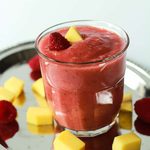
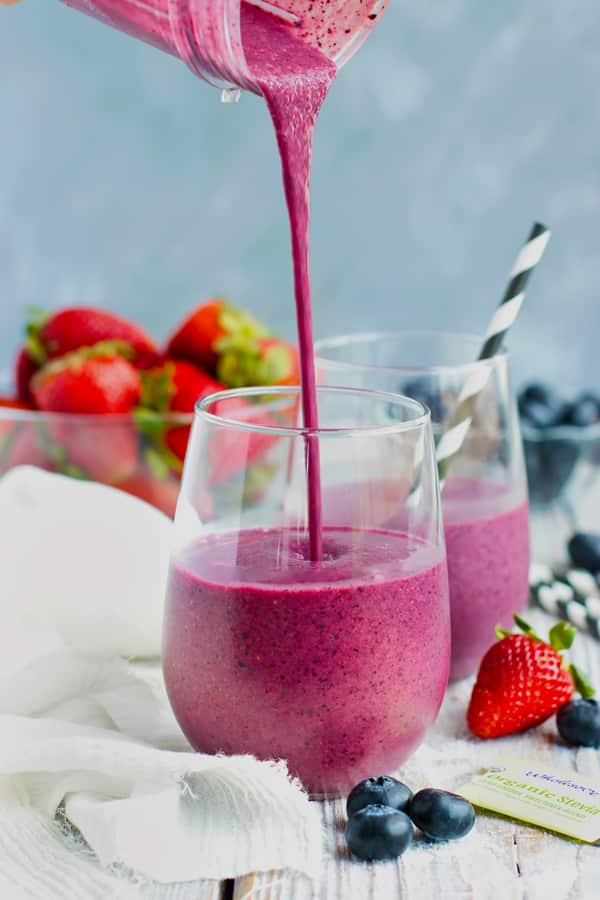
Beets give this smoothie a deep ruby color and an earthy depth that berries soften beautifully. Blend ½ cup cooked beet, 1 cup mixed frozen berries, 1 banana, and 1 cup almond milk. The berries dominate the flavor while the beet adds a subtle sweetness and a gorgeous magenta hue. It tastes rich, almost like a berry milkshake with a mineral edge.
4. Kale, Pineapple, and Banana Smoothie
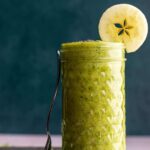
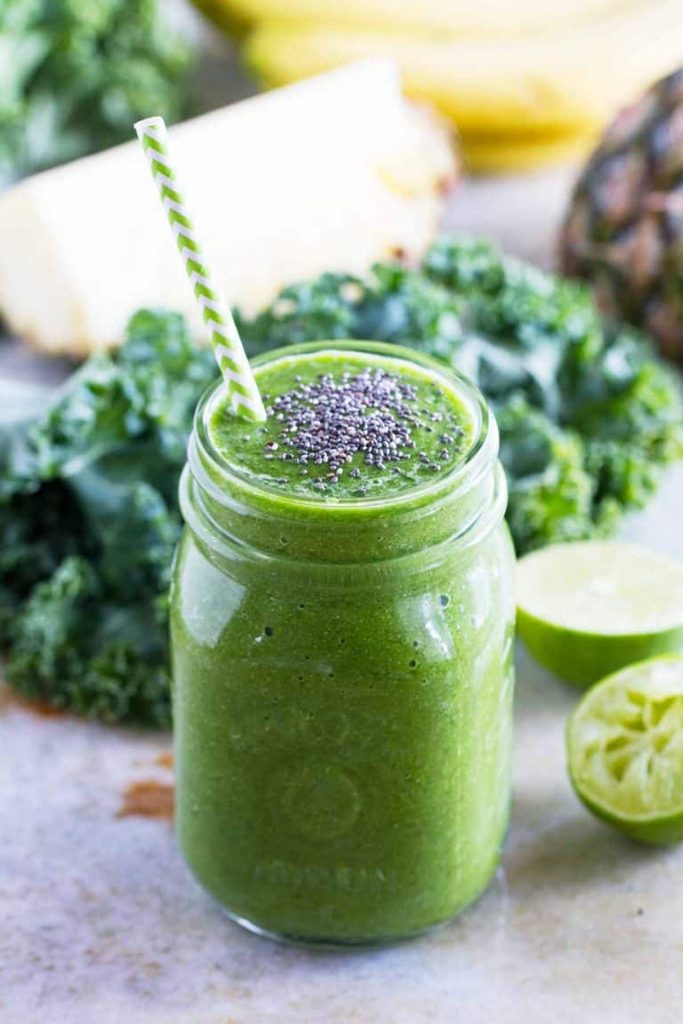
Kale is tougher than spinach, so pineapple’s acidity does the heavy lifting here. Blend 1 cup chopped kale, 1 cup frozen pineapple, 1 banana, and 1 cup coconut water. The pineapple’s tang balances kale’s slight bitterness, and the coconut water keeps things light and refreshing. Blend a little longer than usual so the kale fully breaks down into a smooth, drinkable texture.
5. Cucumber, Pineapple, and Mint Smoothie
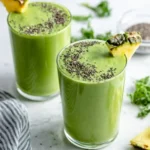
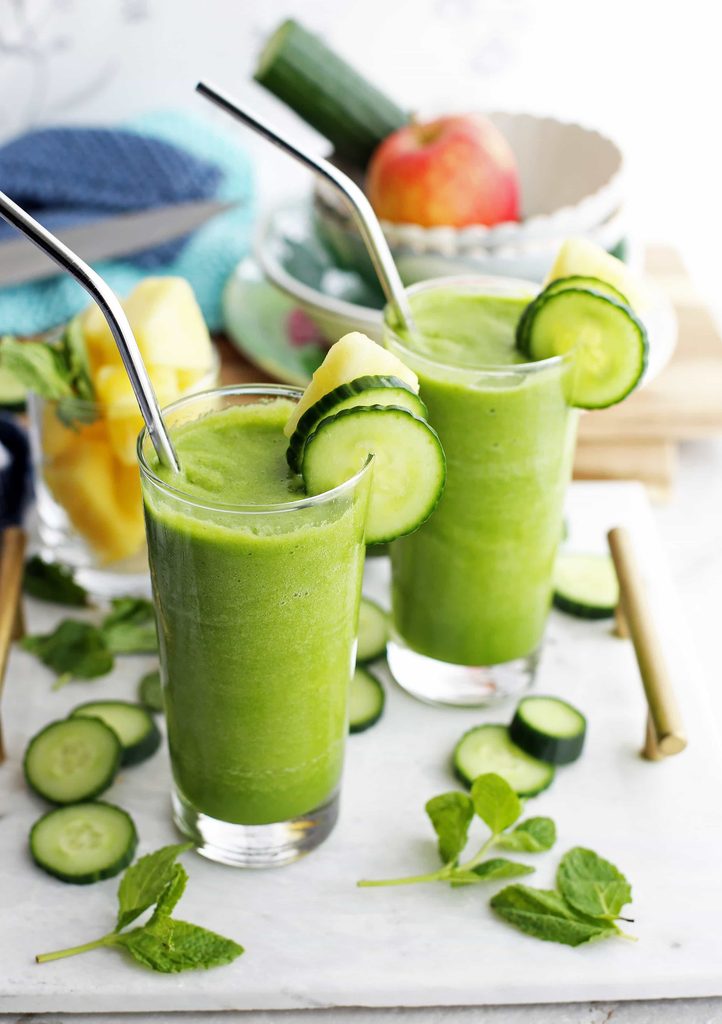
Cucumber keeps this smoothie light and hydrating, almost like a spa drink you can actually eat with a spoon. Blend 1 cup chopped cucumber, 1 cup frozen pineapple, a small handful of fresh mint leaves, and ½ cup water or coconut water. The mint adds a cool, herbal snap that makes this feel perfect on a hot afternoon. It’s crisp, clean, and never heavy.
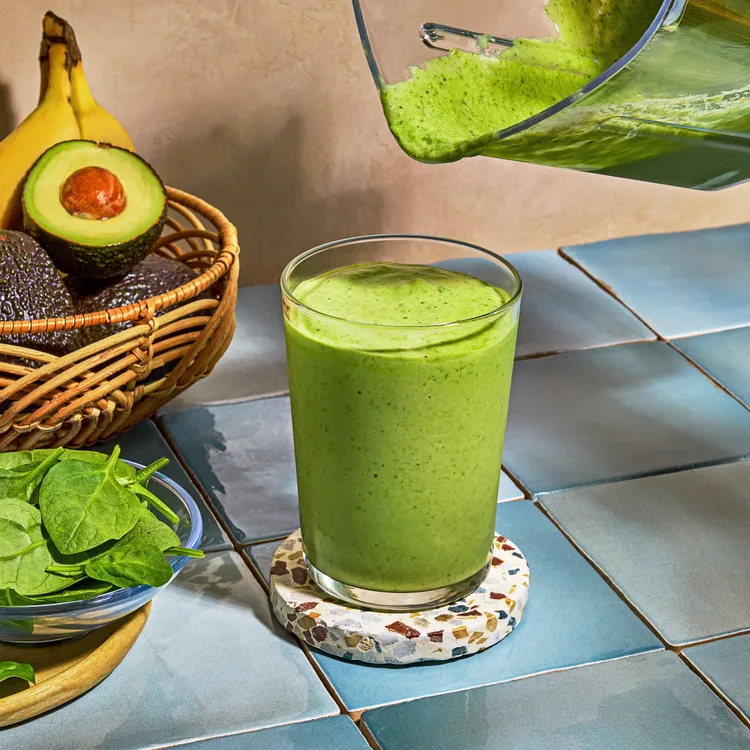
6. Avocado, Spinach, and Lime Smoothie
Avocado makes this smoothie unbelievably creamy, almost like a thick milkshake without any dairy. Blend ½ avocado, 1 cup spinach, juice of 1 lime, 1 frozen banana, and 1 cup milk or plant milk. The lime brightens the richness of the avocado, keeping it from tasting heavy. This one feels indulgent but still green through and through.
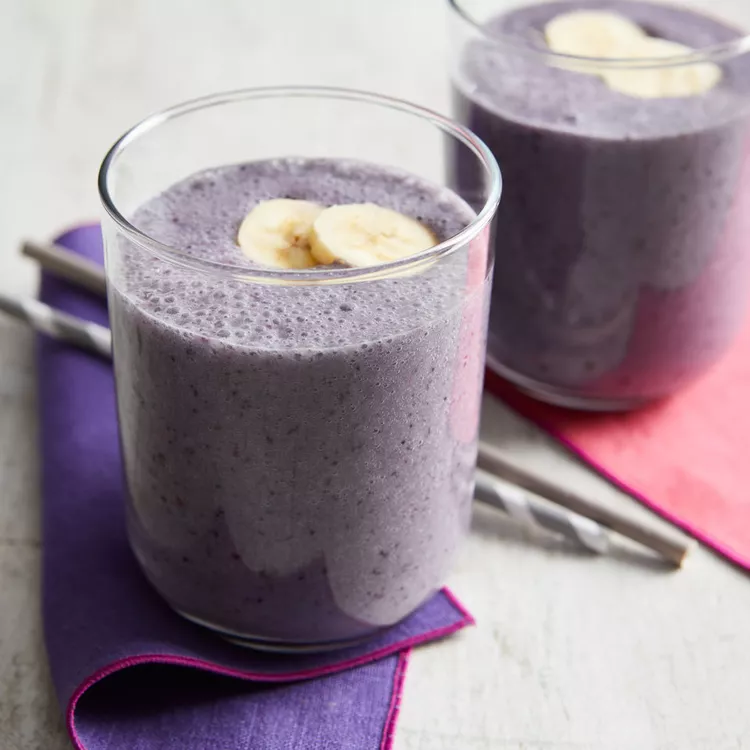
7. Cauliflower, Strawberry, and Banana Smoothie
Frozen cauliflower rice is the quiet hero of smoothie bowls everywhere. Blend 1 cup frozen cauliflower rice, 1 cup frozen strawberries, 1 banana, and 1 cup milk. It adds body and creaminess without any cauliflower flavor coming through. Strawberries and banana keep it tasting like a classic berry shake, with a texture that’s thicker than you’d expect.
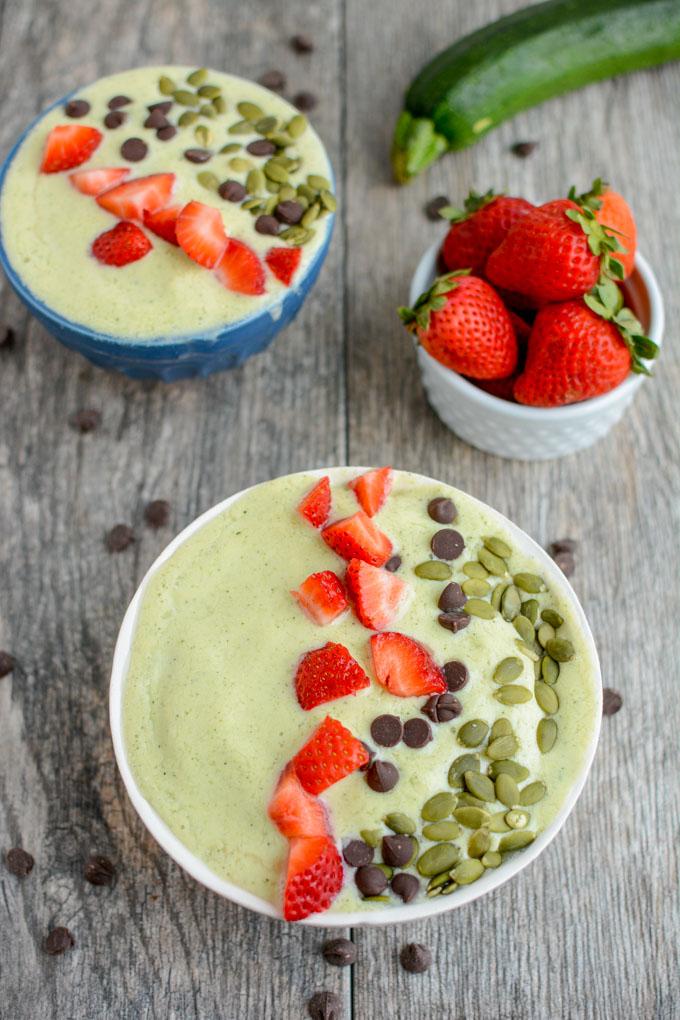
8. Zucchini, Peach, and Vanilla Smoothie
Zucchini blends into a silky base that peach and vanilla turn into something close to a peach pie milkshake. Combine 1 cup chopped zucchini, 1 cup frozen peach slices, ½ teaspoon vanilla extract, and 1 cup milk. The zucchini has almost no flavor of its own, so it mostly adds thickness. Peach does the flavor work here, sweet and a little floral.
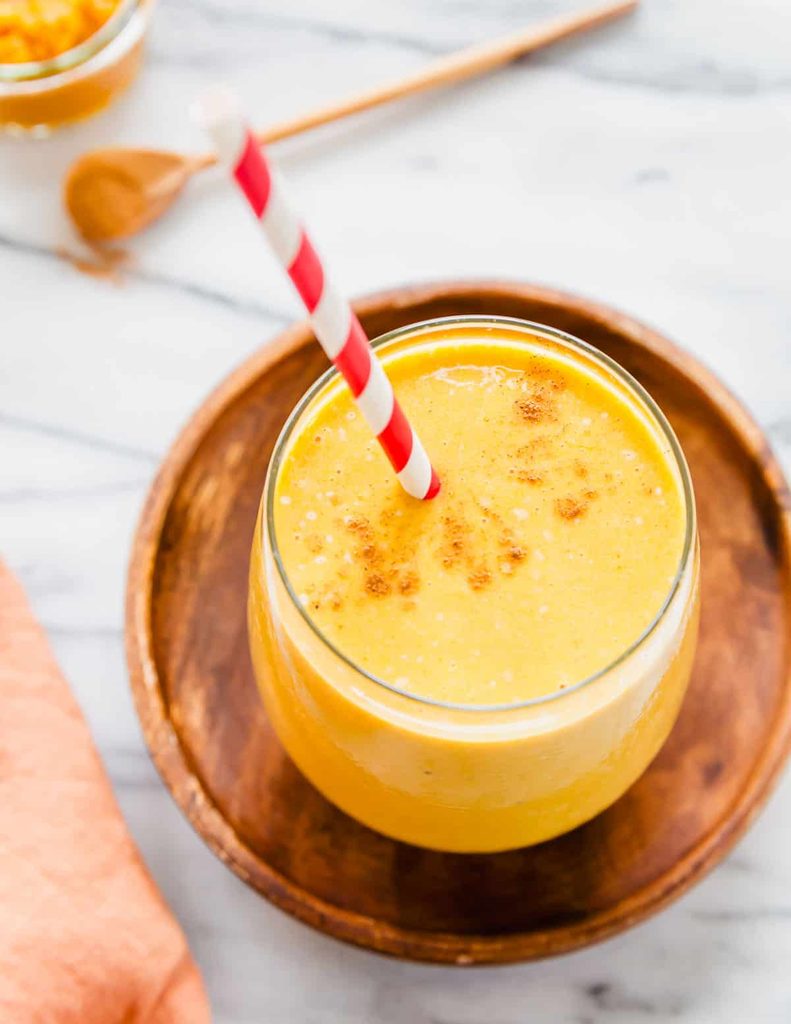
9. Pumpkin, Banana, and Cinnamon Smoothie
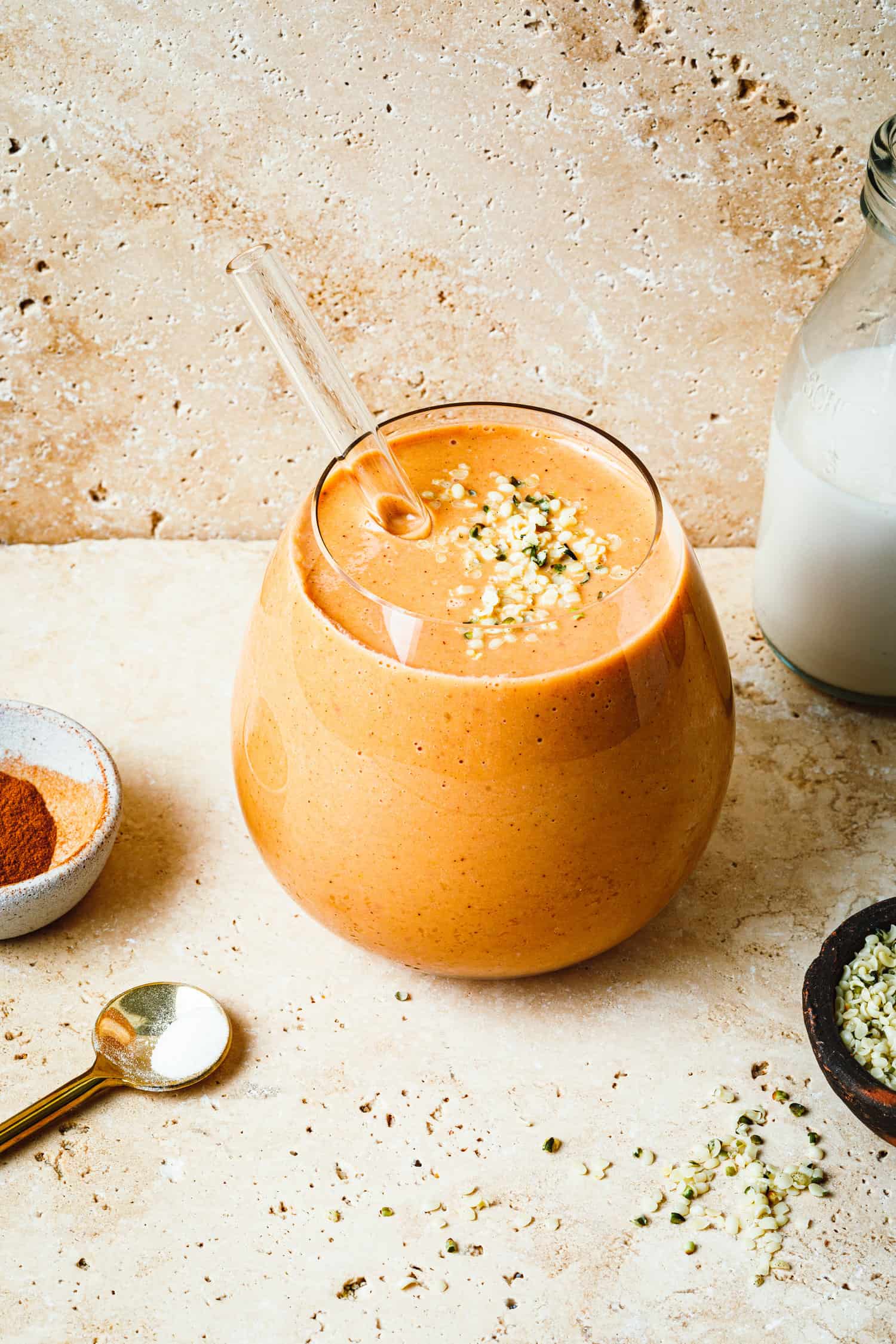
Canned pumpkin turns this into a fall-flavored treat year-round. Blend ½ cup pumpkin puree, 1 frozen banana, ½ teaspoon cinnamon, a pinch of nutmeg, and 1 cup milk. It tastes like pumpkin pie filling, thick and warmly spiced. This is the smoothie to reach for when you want something cozy instead of icy and bright.
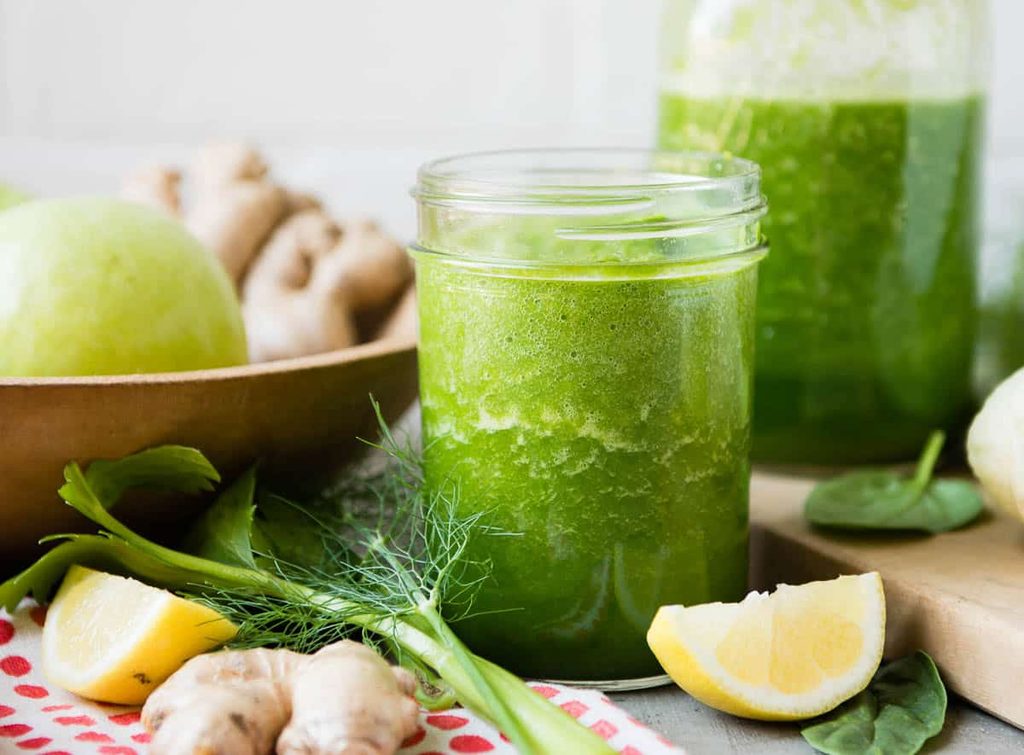
10. Celery, Green Apple, and Lemon Smoothie
Celery adds a savory, herbal crunch that green apple and lemon turn refreshing instead of bitter. Blend 2 stalks celery, 1 chopped green apple, juice of half a lemon, and 1 cup water. The apple brings natural sweetness while lemon keeps things zippy. It tastes crisp and clean, closer to a juice than a creamy shake.
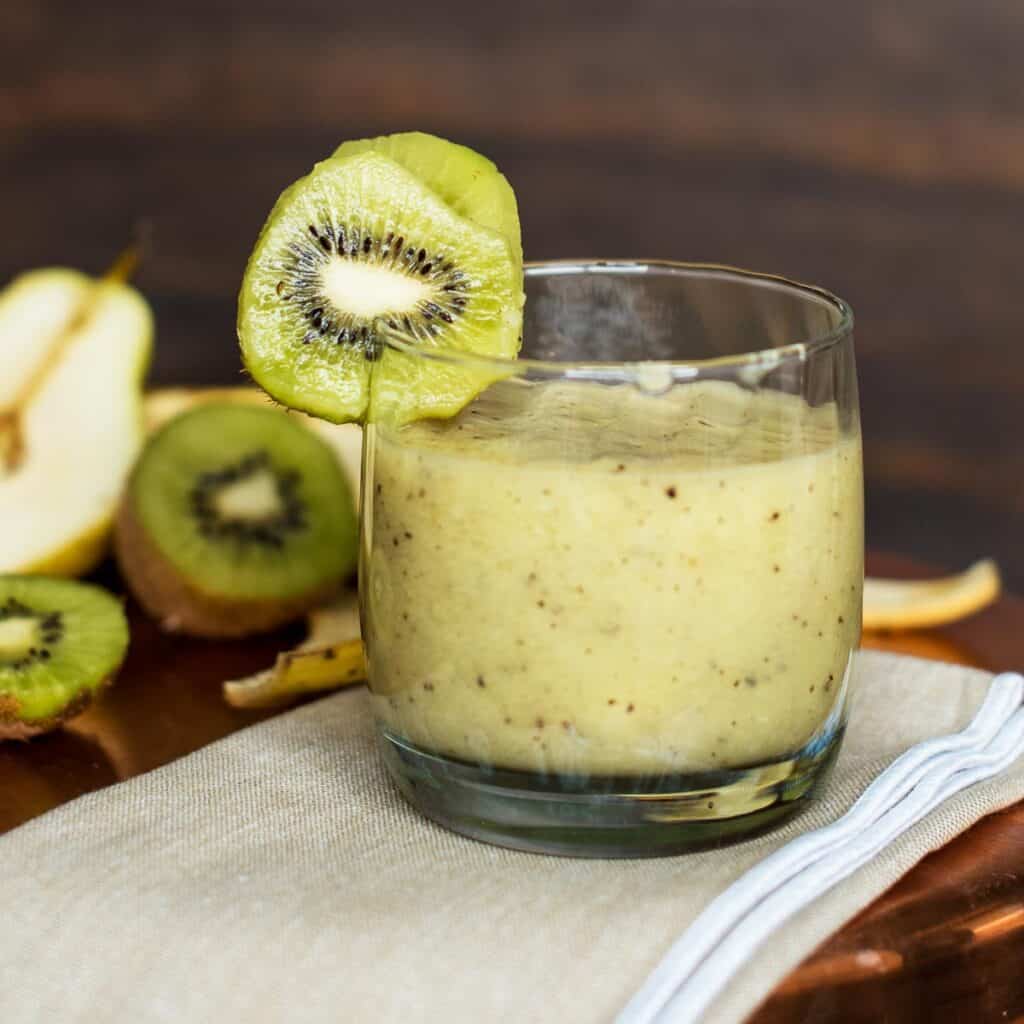
11. Romaine, Pear, and Kiwi Smoothie
Romaine is milder than kale or spinach, making it an easy entry point for green smoothie beginners. Blend 1 cup chopped romaine, 1 ripe pear, 2 peeled kiwis, and 1 cup water. The pear adds soft sweetness while kiwi brings a tangy, slightly tropical note. Together they mask the lettuce almost entirely, leaving a light and fruity sip.
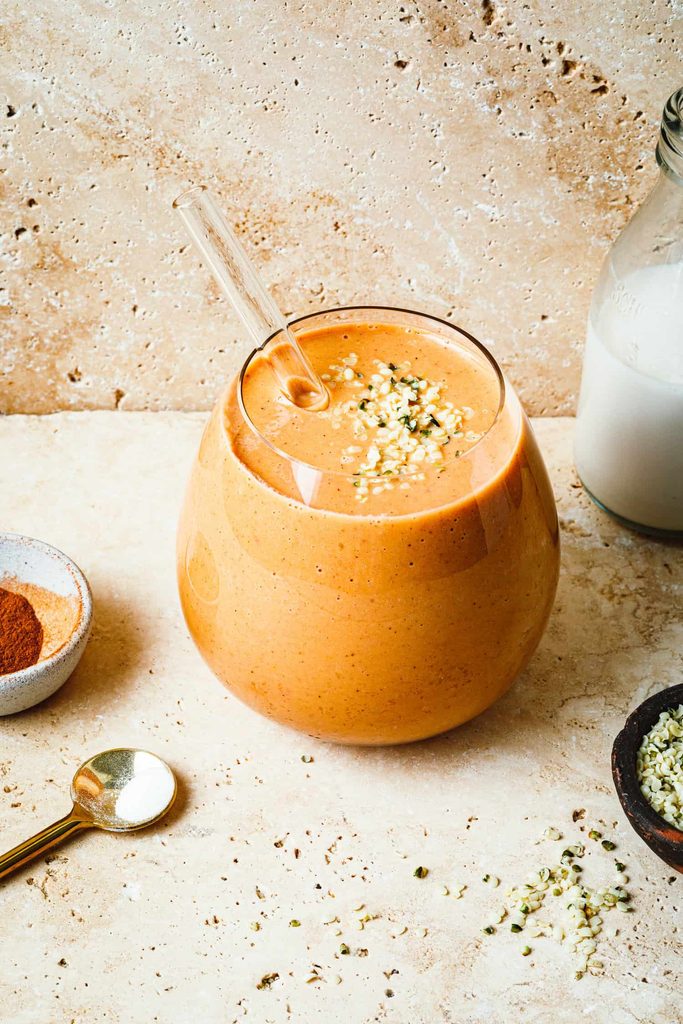
12. Sweet Potato, Apple, and Cinnamon Smoothie
Cooked sweet potato gives this smoothie a thick, velvety texture similar to a milkshake. Blend ½ cup cooked and cooled sweet potato, 1 chopped apple, ½ teaspoon cinnamon, and 1 cup milk. It tastes like a spiced dessert, sweet and a little nutty from the potato. Chill the sweet potato well before blending so the drink stays cold and thick.
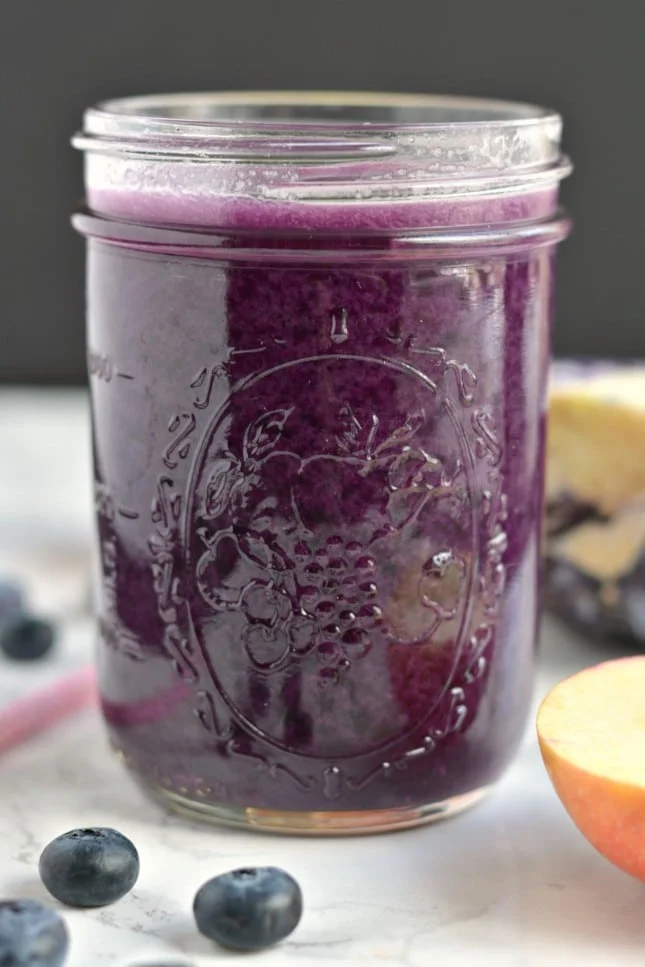
13. Red Cabbage and Blueberry Smoothie
Red cabbage sounds unusual in a smoothie, but blueberries completely take over the flavor. Blend 1 cup chopped red cabbage, 1 cup frozen blueberries, 1 banana, and 1 cup milk or water. The cabbage adds fiber and a deep purple tint without any cabbage taste coming through. It drinks like a simple blueberry smoothie with extra nutrition hiding inside.
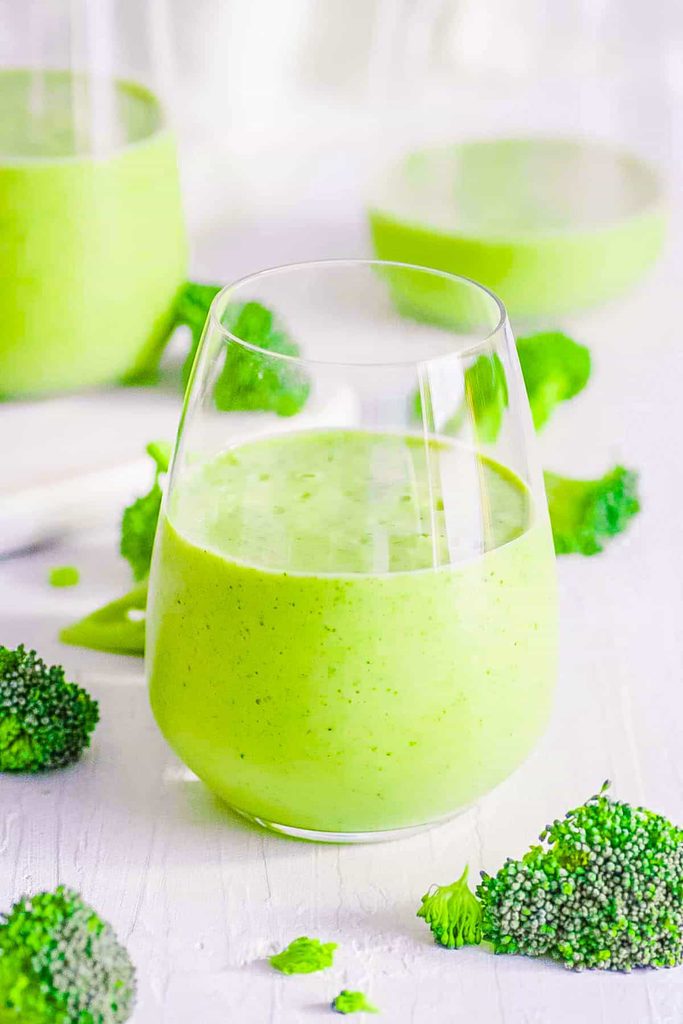
14. Broccoli, Mango, and Pineapple Smoothie
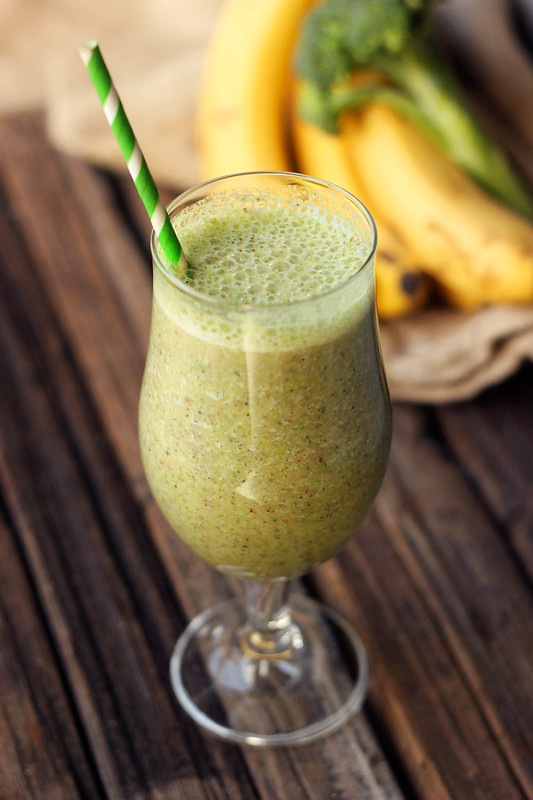
Broccoli has a stronger flavor than most smoothie vegetables, so this one leans hard on tropical fruit. Blend ½ cup steamed and cooled broccoli florets, 1 cup frozen mango, ½ cup frozen pineapple, and 1 cup orange juice. The fruit’s sweetness and acidity cover broccoli’s earthiness well. Use a small amount of broccoli at first until you’re used to the flavor balance.
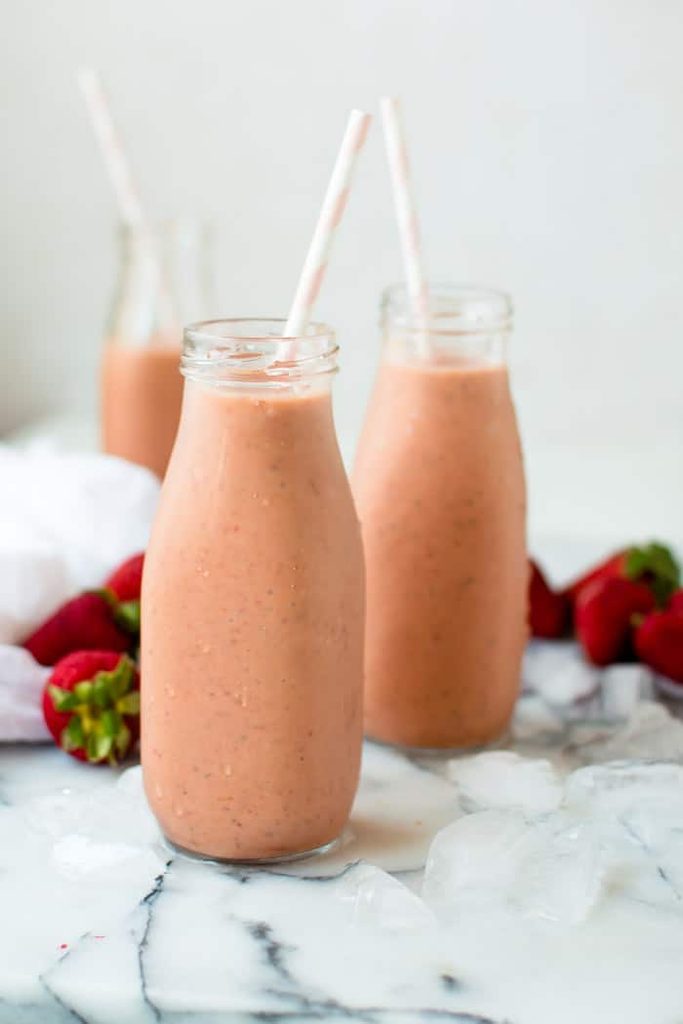
15. Bell Pepper, Strawberry, and Orange Smoothie
Red bell pepper adds natural sweetness and a fruity edge that pairs surprisingly well with strawberries. Blend ½ chopped red bell pepper, 1 cup frozen strawberries, ½ cup orange juice, and ½ cup water. The orange juice ties the flavors together with citrusy brightness. It tastes fruity and light, with a faint pepper sweetness in the background.
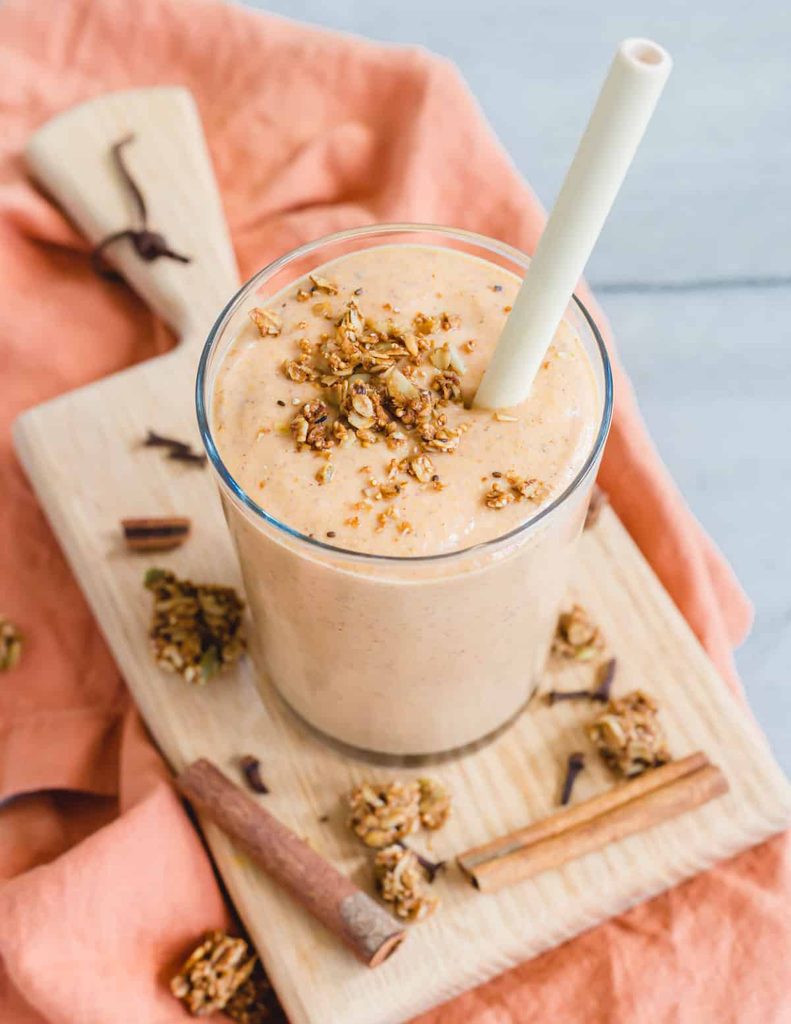
16. Butternut Squash, Mango, and Ginger Smoothie
Roasted or steamed butternut squash blends into a smooth, creamy base with a mild sweetness. Combine ½ cup cooked squash, 1 cup frozen mango, a small piece of fresh ginger, and 1 cup milk. The mango keeps things tropical while ginger adds a spicy kick. This one tastes rich and a little exotic, like a drinkable squash soup gone sweet.
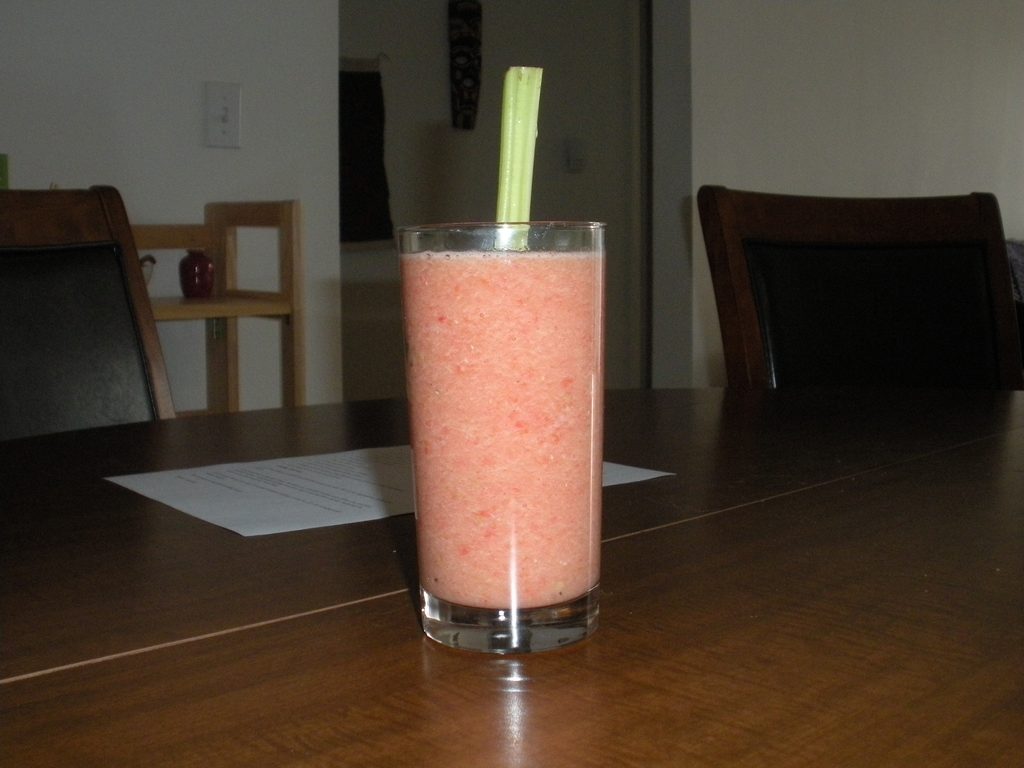
17. Tomato, Cucumber, and Basil Smoothie
This is the savory outlier on the list, built more like a gazpacho than a dessert drink. Blend 1 large tomato, ½ cucumber, a few fresh basil leaves, a pinch of salt, and ½ cup cold water. It tastes bright, herbal, and a little briny from the salt. Serve it well chilled for a savory sip that works as a light snack.
18. Fennel, Orange, and Apple Smoothie
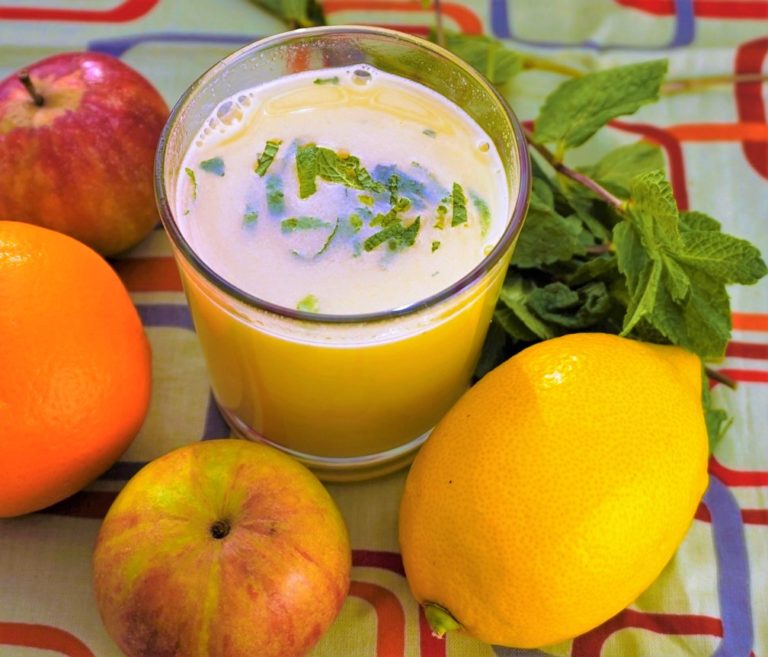
Fennel brings a mild licorice note that orange and apple soften into something bright and refreshing. Blend ½ cup chopped fennel bulb, 1 orange (peeled), 1 chopped apple, and ½ cup water. The citrus keeps fennel’s anise flavor from taking over. It’s an unusual combination, but the result tastes clean and slightly sweet with a unique herbal finish.
19. Arugula, Pear, and Lemon Smoothie
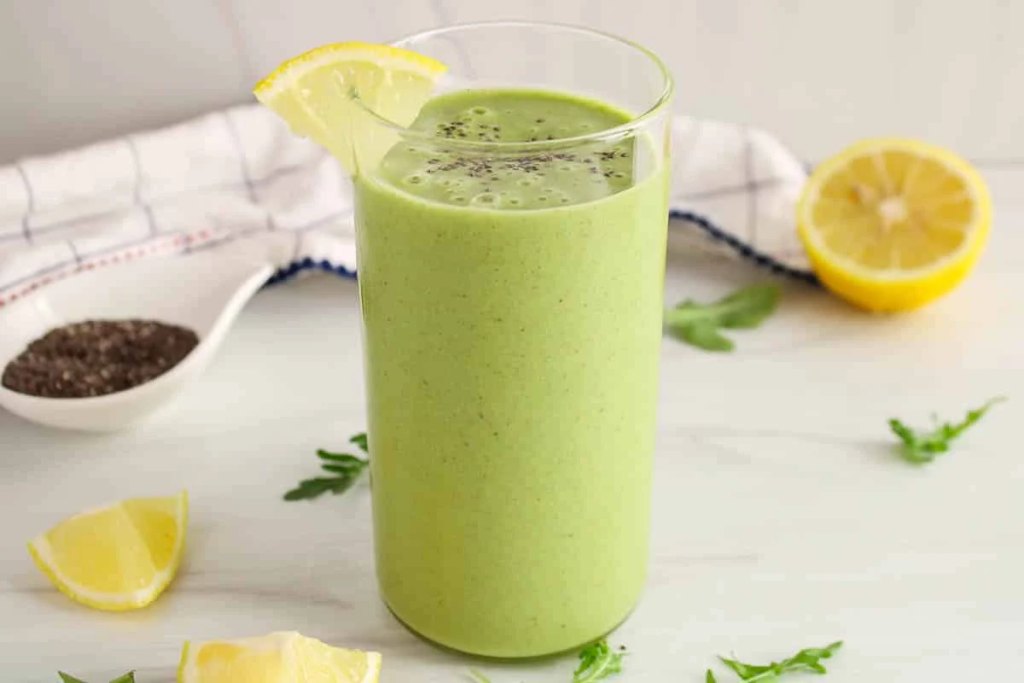
Arugula’s peppery bite gets tamed by ripe pear and a squeeze of lemon. Blend 1 cup arugula, 1 ripe pear, juice of half a lemon, and 1 cup water. The pear’s sweetness balances arugula’s sharpness, while lemon adds a fresh, tangy lift. It tastes grassy and bright at once, a good pick for anyone who likes a little edge in their green smoothie.
How to Balance Vegetable Flavor and Texture
The best vegetable smoothies follow a simple ratio: one mild or earthy vegetable paired with at least one juicy, sweet fruit. Pineapple, mango, and banana are the heavy lifters because their sweetness and acidity cover bitterness fast.
Stronger vegetables like kale, broccoli, or arugula need extra fruit or citrus to stay balanced. Milder ones, like cucumber, zucchini, or cauliflower, barely need any help since they carry almost no flavor of their own.
Texture matters just as much as taste. Starchy vegetables like sweet potato, pumpkin, and butternut squash add thickness similar to a milkshake. Watery vegetables like cucumber and celery make a thinner, more drinkable smoothie closer to a juice.
A frozen banana or a handful of ice also changes the feel of the drink. It thickens things up and gives that cold, milkshake-like texture many people expect from a smoothie. For smoothies without banana, frozen fruit chunks do the same job.
If you’re new to vegetable smoothies, start with the gentler combinations from our best vegetable smoothies before working up to stronger greens or savory blends. Once your taste adjusts, you can push the vegetable ratio higher without needing as much fruit to balance it out.
Fresh, Frozen, and Cooked Vegetable Prep
Frozen vegetables blend smoother and colder than fresh ones, which makes them the easiest choice for daily smoothies. Frozen cauliflower rice, spinach, and butternut squash chunks are widely sold specifically for this purpose and skip the need for ice.
Fresh vegetables work well for anything with high water content, like cucumber, celery, or bell pepper. These don’t need cooking and blend easily straight from the crisper drawer.
Starchy vegetables need cooking first. Sweet potato, pumpkin, butternut squash, and carrots turn silky only after steaming, roasting, or boiling until soft. Cool them fully before blending so they don’t melt the ice or warm up the drink.
A few prep habits make blending easier:
- Chop fresh vegetables into small, even pieces so the blender breaks them down fully
- Steam and freeze extra portions of carrots, beets, or squash in ice cube trays for quick future blends
- Pack washed greens like spinach, kale, or arugula into freezer bags so they’re ready to grab
For more root vegetable inspiration beyond the blender, our best vegetable recipes has plenty of ideas for using up extra carrots, squash, or sweet potato. And if you want to build out a full smoothie rotation, 40 smoothie recipes offers more combinations to try once these become weekly staples.