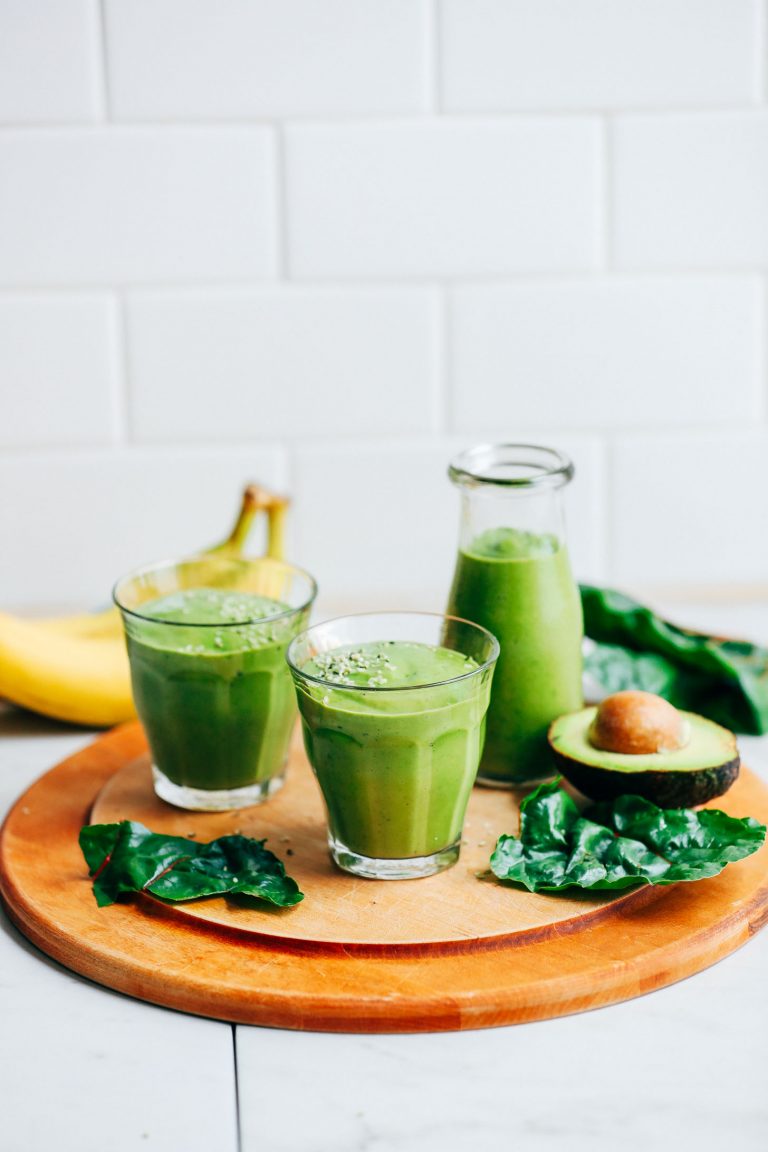
Vegetable smoothies get a bad reputation for tasting like a lawn clipping, but the right mix of produce and fruit can turn out genuinely crave-worthy. A handful of spinach disappears completely behind ripe mango. Shredded beets turn silky and sweet next to strawberries and banana. Even tomato and basil can work in a glass if you treat it like gazpacho instead of dessert.
A good vegetable smoothie balances one or two vegetables with a naturally sweet fruit, a liquid base, and something creamy like banana, avocado, or yogurt to smooth out the texture. That ratio is what separates a smoothie you actually look forward to from one you choke down for the nutrients.
This list covers 19 combinations that range from bright and fruity to savory and herb-forward, so there’s something here whether you want breakfast in a cup or a lighter, vegetable-heavy sipper.
Quick picks:
- Best for beginners: Spinach, Pineapple, and Mango Smoothie
- Best for a post-workout boost: Avocado, Spinach, and Banana Smoothie
- Best for dessert lovers: Sweet Potato and Cocoa Smoothie
- Best for the adventurous: Savory Tomato and Basil Smoothie
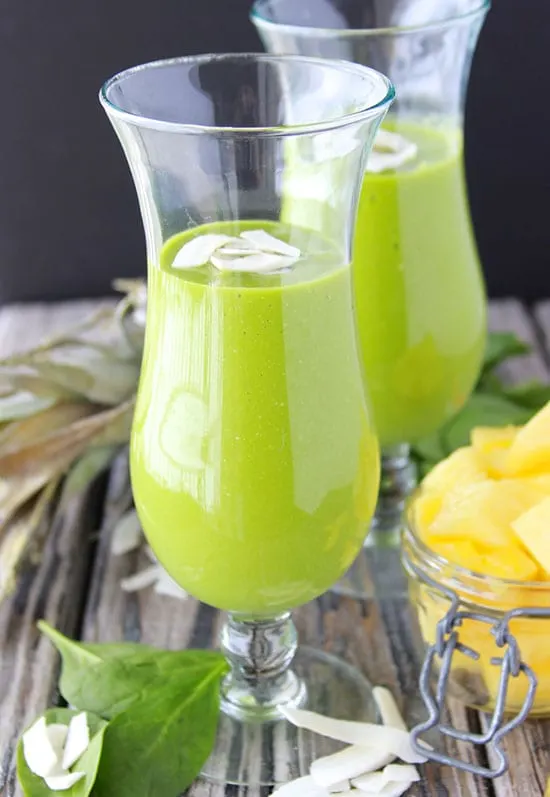
1. Spinach, Pineapple, and Mango Smoothie
This is the smoothie to start with if vegetable smoothies make you nervous. Spinach brings almost no flavor of its own once it’s blended with juicy pineapple and mango, just a faint grassy note that disappears under all that tropical sweetness. The color turns a cheerful green, which tends to win over kids who’d otherwise side-eye anything leafy. Use fresh or frozen spinach, frozen mango chunks for thickness, and a splash of orange juice or coconut water to loosen things up. It’s an easy daily habit for sneaking greens into breakfast.
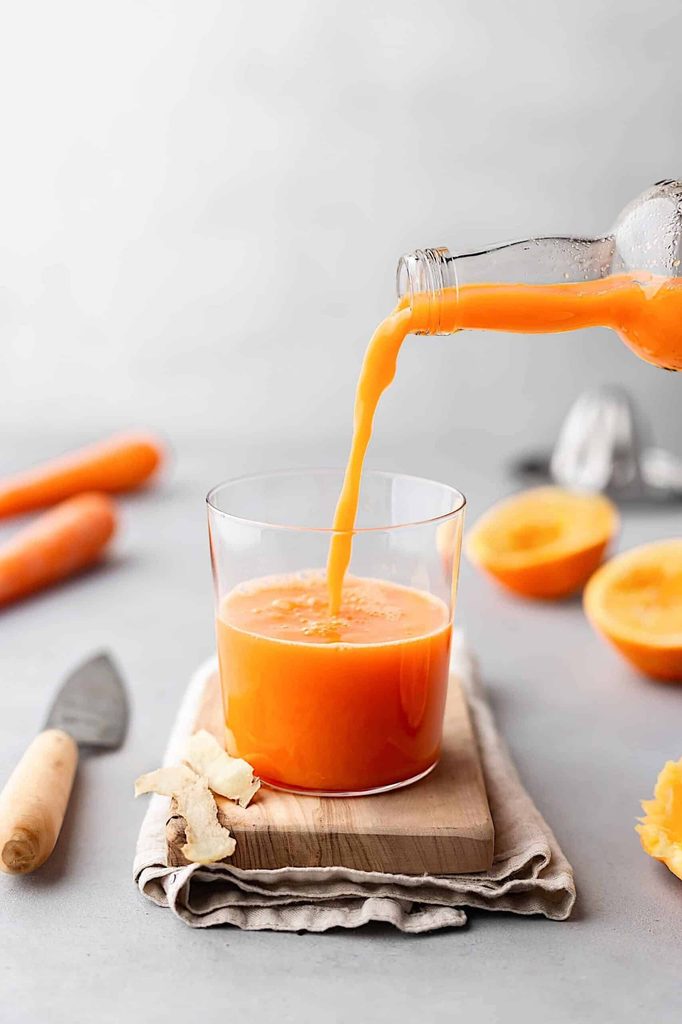
2. Carrot, Orange, and Ginger Smoothie
Carrots turn surprisingly creamy once blended, and this combination tastes like a fresh-pressed juice bar drink. Orange juice and segments add citrusy sweetness, while a small knob of fresh ginger gives it a warm, peppery kick. Steam or boil the carrots first for the smoothest texture; raw carrot can leave a slightly fibrous mouthfeel. A spoonful of plain yogurt rounds out the sharpness from the ginger. This one feels bright and a little spicy, perfect for mornings when you want something that wakes you up.
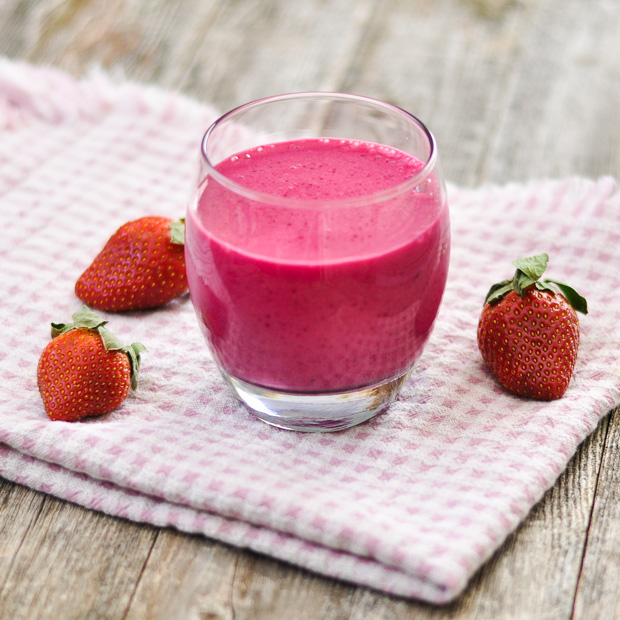
3. Beet, Strawberry, and Banana Smoothie
Beets and strawberries share an earthy sweetness that makes this pairing feel intentional, not forced. Roasted or steamed beets blend into a velvety base, while strawberries and banana soften any lingering earthiness. The color alone, a deep magenta, makes this one feel special. Pre-cooked, vacuum-packed beets save a step if you’re short on time. Add a splash of almond milk and a few ice cubes for a frosty, milkshake-like texture that tastes far more indulgent than its ingredient list suggests.
4. Kale, Apple, and Lemon Smoothie
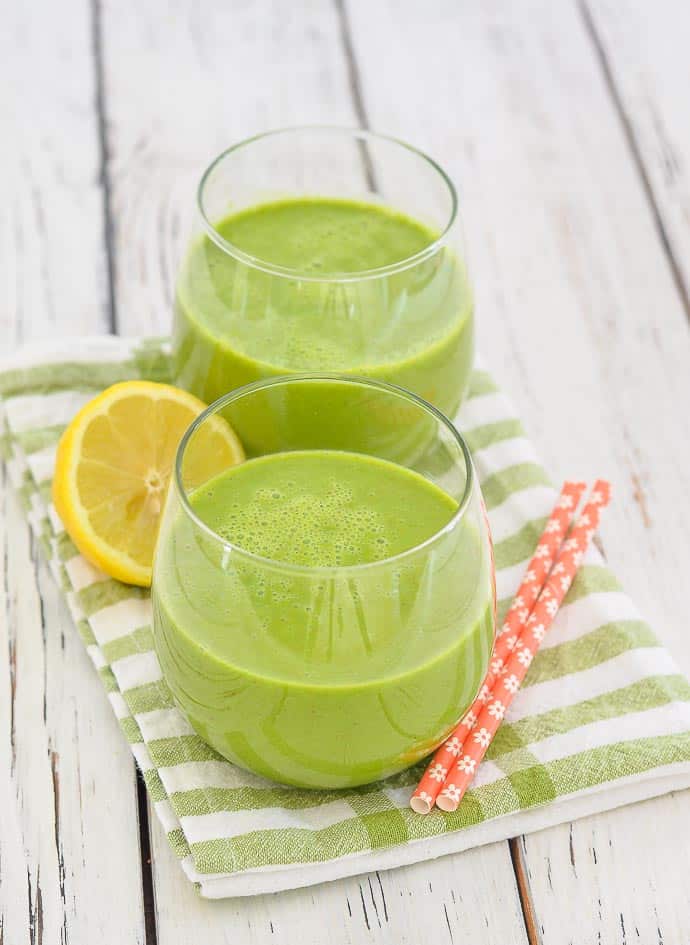
Kale has a bolder, more bitter bite than spinach, so this smoothie leans on apple and lemon to tame it. Green apple adds crisp sweetness, while fresh lemon juice brightens everything and cuts through any lingering vegetal taste. Strip the kale leaves from their tough stems before blending, or the texture turns stringy. A small piece of fresh ginger is a welcome addition if you like a little zip. This one tastes clean and tart, more like a juice cleanse drink than a dessert-style smoothie.
5. Cucumber, Mint, and Lime Smoothie
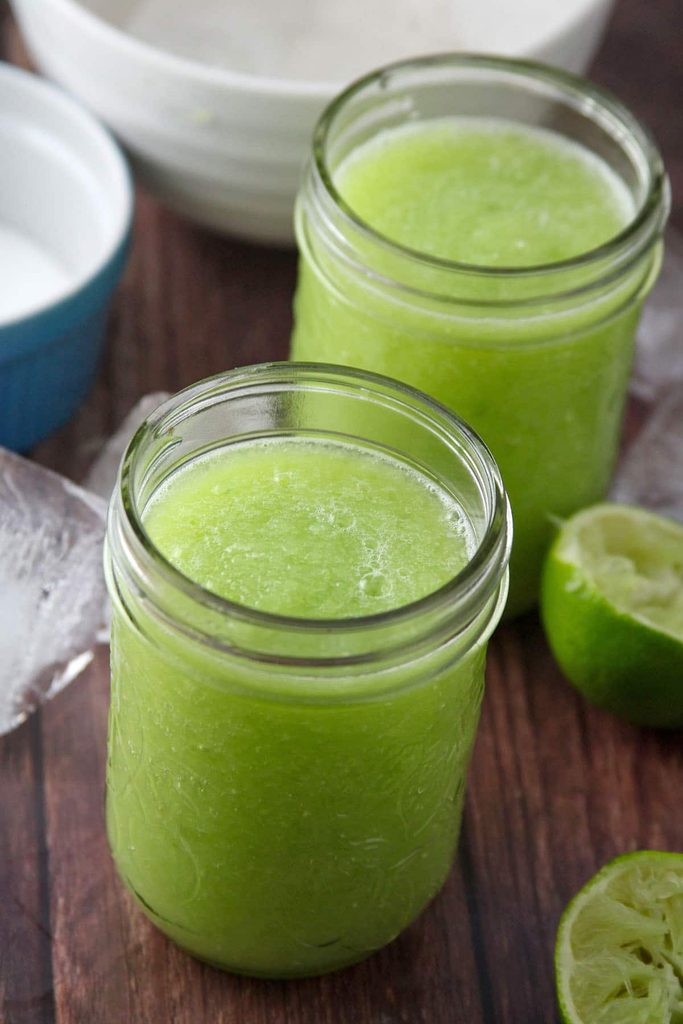
Cucumber keeps this smoothie light, watery, and intensely refreshing, almost like a spa drink you’d sip poolside. Fresh mint leaves add a cooling herbal note, and lime juice gives it a tangy snap. Skip the banana here; this one is meant to taste crisp and clean rather than creamy. A touch of honey or agave balances the tartness if your lime is especially sour. Serve it over ice on a hot afternoon when a heavier, fruit-packed smoothie feels like too much.
6. Avocado, Spinach, and Banana Smoothie
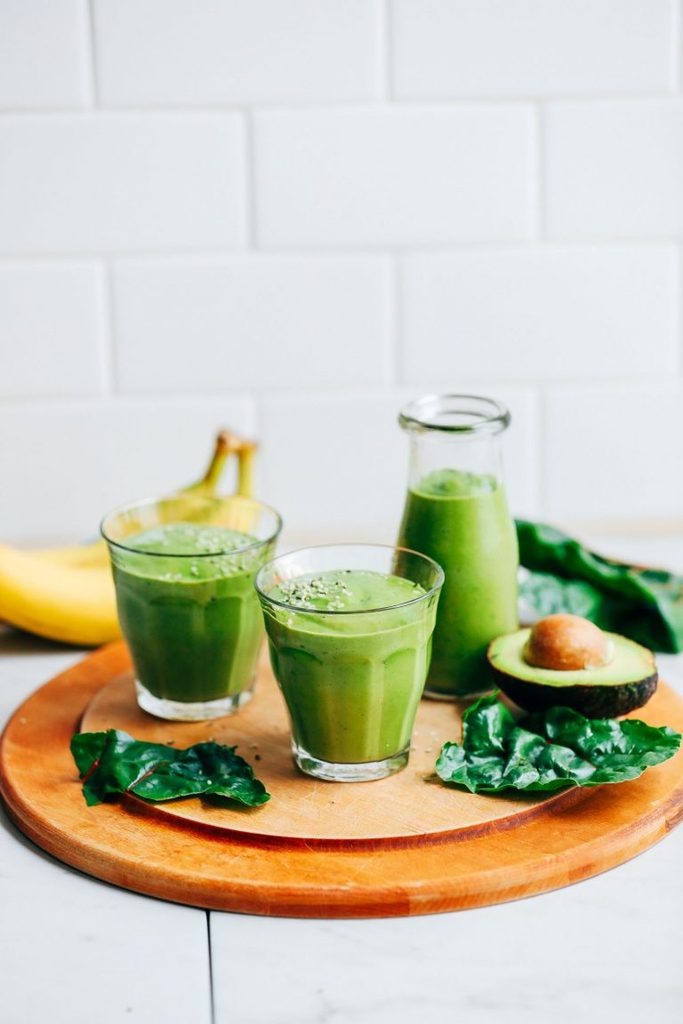
Avocado makes this smoothie rich and thick without a drop of dairy, giving it a texture close to soft-serve. Spinach disappears into the green color and barely registers on the tongue once banana sweetens things up. This combination holds you over longer than a juice-style smoothie thanks to avocado’s healthy fats. Blend with almond milk or regular milk depending on how rich you want it. A spoonful of nut butter turns this into an easy stand-in for breakfast on busy mornings.
7. Zucchini, Blueberry, and Vanilla Smoothie
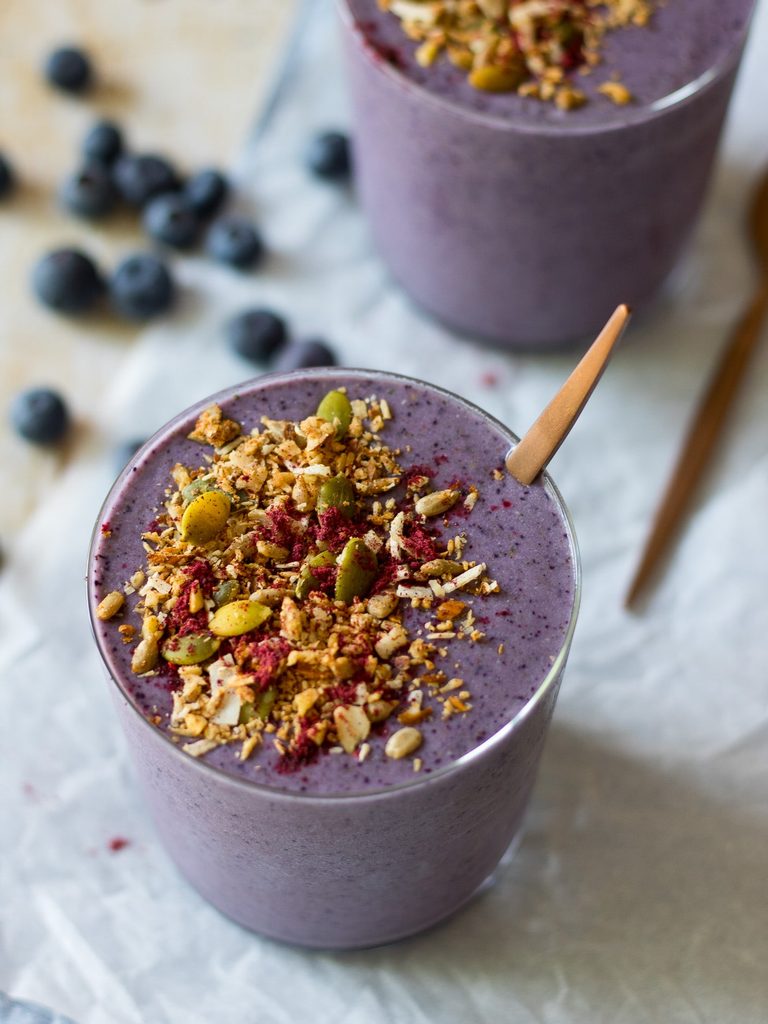
Zucchini is the sleeper ingredient here, adding body and a subtle sweetness without any real “vegetable” flavor coming through. Frozen blueberries turn the whole smoothie a deep purple-blue and bring natural tartness. A splash of vanilla extract rounds the flavor out so it tastes closer to a blueberry muffin than a salad. Peel the zucchini first if you want a perfectly smooth texture with no green flecks. This one is a clever way to use up extra zucchini from a summer garden.
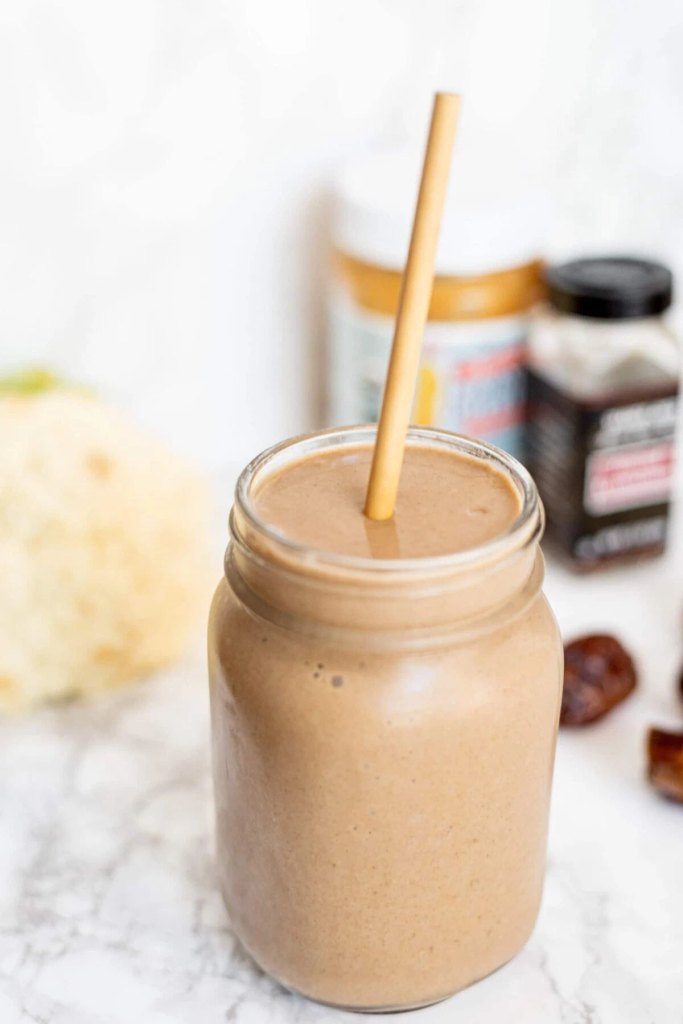
8. Cauliflower, Banana, and Cinnamon Smoothie
Frozen cauliflower rice is the trick that makes this smoothie work, blending into a thick, creamy base with almost no flavor of its own. Banana and a dash of cinnamon give it a cozy, dessert-like taste, somewhere between a milkshake and oatmeal. Cauliflower also adds bulk without the heaviness of oats or extra banana. Use riced cauliflower straight from the freezer for the best texture; fresh florets can leave a slightly chalky feel. This one tastes far richer than its ingredient list suggests.
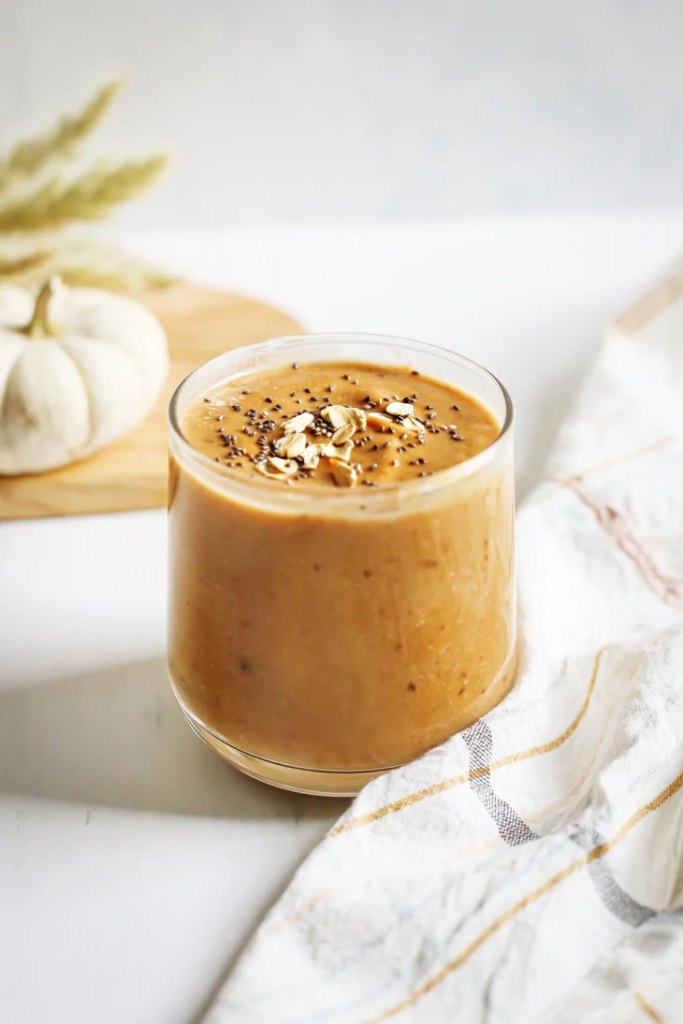
9. Pumpkin Spice and Oat Smoothie
Canned pumpkin puree gives this smoothie a thick, custardy texture and that familiar fall flavor without turning on the oven. Rolled oats blended right into the mix add staying power and a subtle nutty taste. Pumpkin pie spice, or a mix of cinnamon, nutmeg, and ginger, makes this taste like dessert in a glass. Sweeten with maple syrup instead of sugar for a flavor that matches the pumpkin. This is a cozy, seasonal pick worth keeping in rotation past autumn.
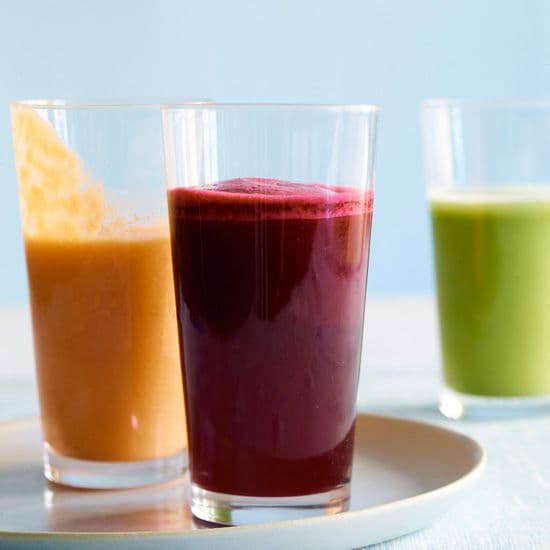
10. Celery, Green Apple, and Parsley Smoothie
Celery brings a crisp, slightly salty edge that this smoothie leans into rather than hides. Green apple balances the celery’s bite with tart sweetness, and a handful of fresh parsley adds an herby freshness that keeps it from tasting one-note. This one skims closer to a green juice than a creamy smoothie, light and almost savory. A squeeze of lemon sharpens the whole thing. It’s a good match if you enjoy the taste of a juice bar’s celery juice but want a little more body.
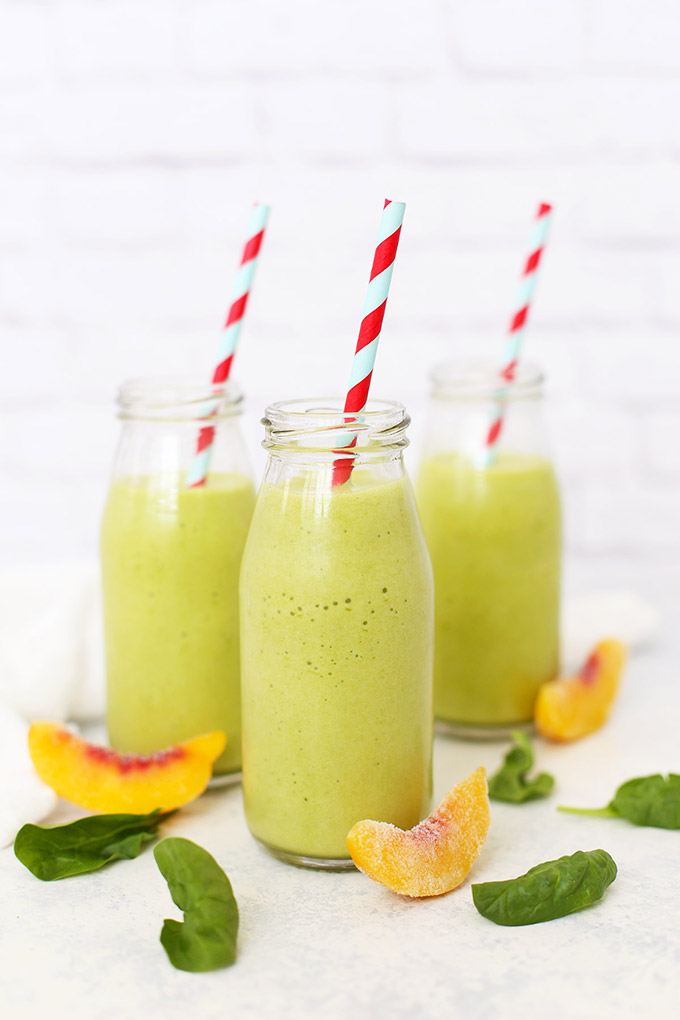
11. Romaine and Peach Smoothie
Romaine lettuce is mild enough to vanish into almost any fruit, and ripe peaches make this one taste like a summer dessert. The lettuce adds a watery crunch to the texture before blending smooth, with barely any detectable flavor once peaches take over. Frozen peach slices work well year-round and keep the smoothie cold and thick without diluting it with ice. A little vanilla yogurt adds creaminess. This is an easy entry point for anyone who’s never tried blending lettuce into a drink.
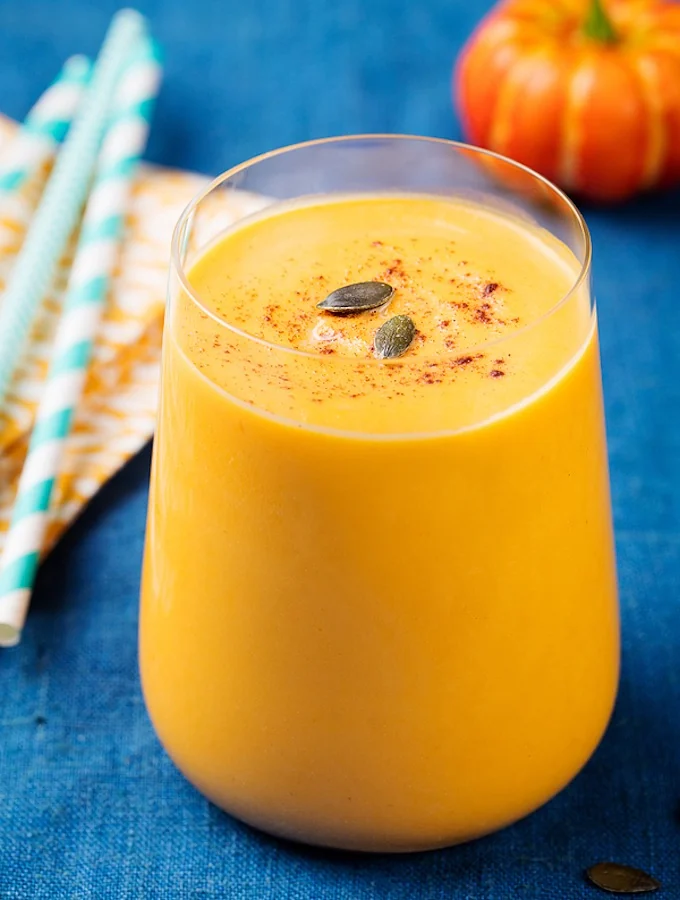
12. Butternut Squash and Mango Smoothie
Roasted butternut squash turns silky and sweet once blended, pairing naturally with mango’s tropical flavor. Both ingredients share a similar golden-orange hue, so the finished smoothie looks as warm as it tastes. Use squash that’s been roasted and cooled, or thawed frozen squash puree, for the smoothest consistency. A little orange juice or coconut milk thins it out without losing richness. This one tastes like it should be more complicated to make than it is.
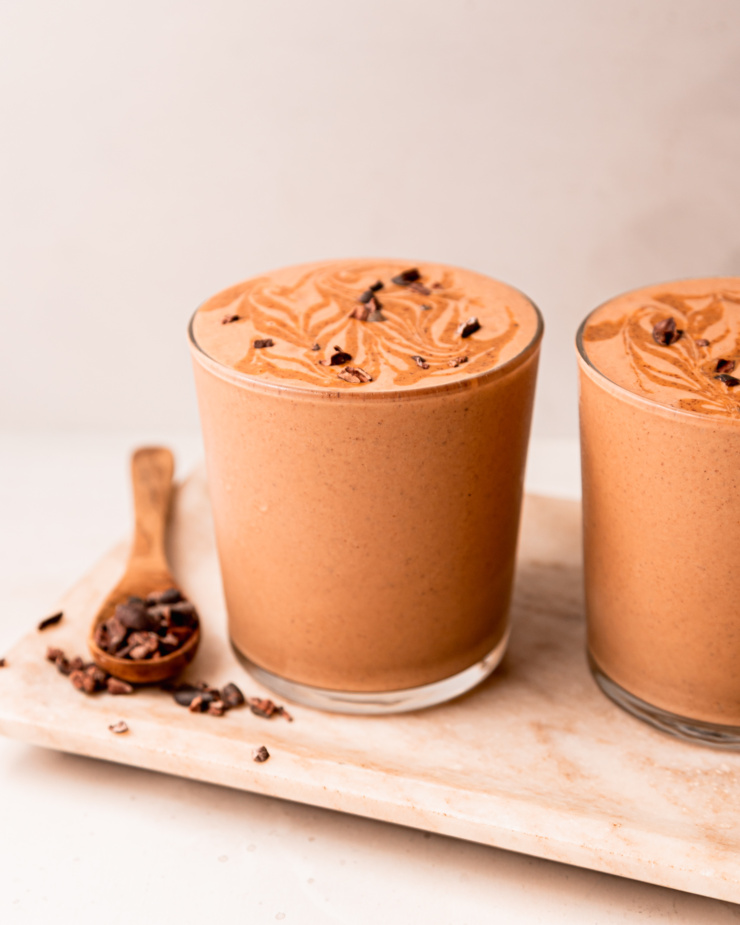
13. Sweet Potato and Cocoa Smoothie
Cooked sweet potato gives this smoothie a thick, pudding-like texture, and cocoa powder turns it into something that tastes closer to a treat than a health drink. The natural sweetness of the sweet potato means you need less added sugar than you’d expect. Blend with milk, a frozen banana, and a spoonful of cocoa powder for a rich, chocolatey result. A pinch of cinnamon deepens the flavor further. Keep roasted sweet potato cubes in the freezer so this one comes together fast.
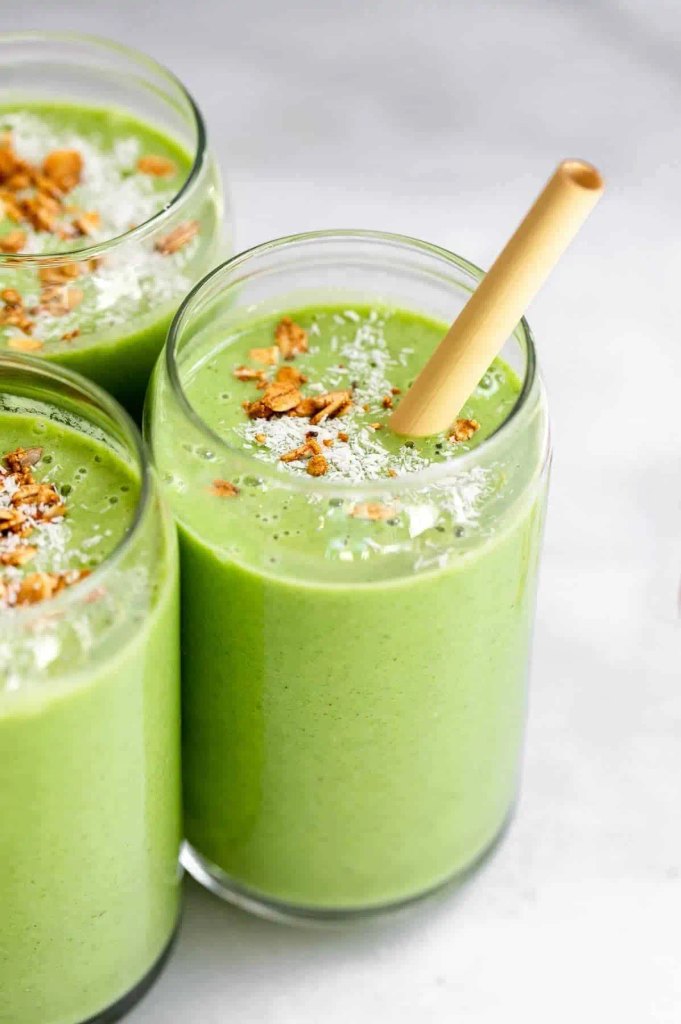
14. Broccoli and Pineapple Smoothie
Broccoli is the boldest vegetable on this list, and pineapple’s acidity and sweetness are strong enough to stand up to it. Use small florets, lightly steamed and cooled, rather than raw broccoli, which can leave a bitter aftertaste. Pineapple juice or chunks mask most of the cruciferous flavor, leaving a tropical, slightly tangy drink. A squeeze of lime brightens things further. This combination works better than it sounds on paper, especially if your pineapple is very ripe and sweet.
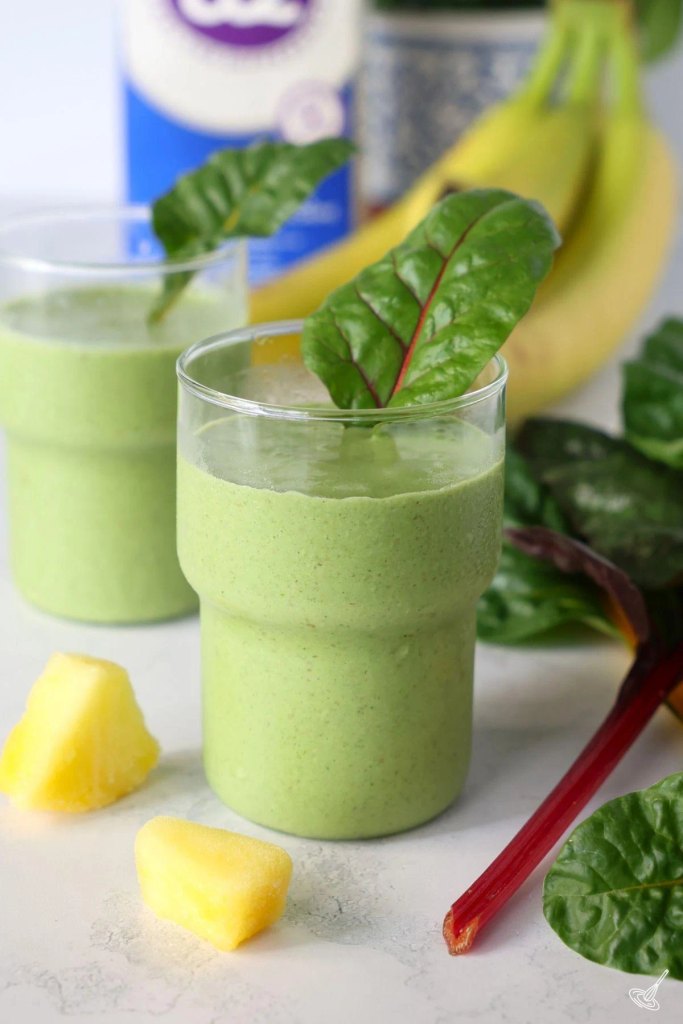
15. Swiss Chard and Pear Smoothie
Swiss chard has an earthy, slightly mineral taste that pear’s soft sweetness smooths over nicely. Strip the leaves from the stems for a gentler flavor, since the stems carry most of the bitterness. Ripe pear blends into a smooth, almost syrupy texture that balances chard’s heartier taste. A splash of apple juice adds extra sweetness if your pear isn’t fully ripe. This smoothie tastes more like a autumn orchard drink than a green juice, with a softer bite than kale versions.
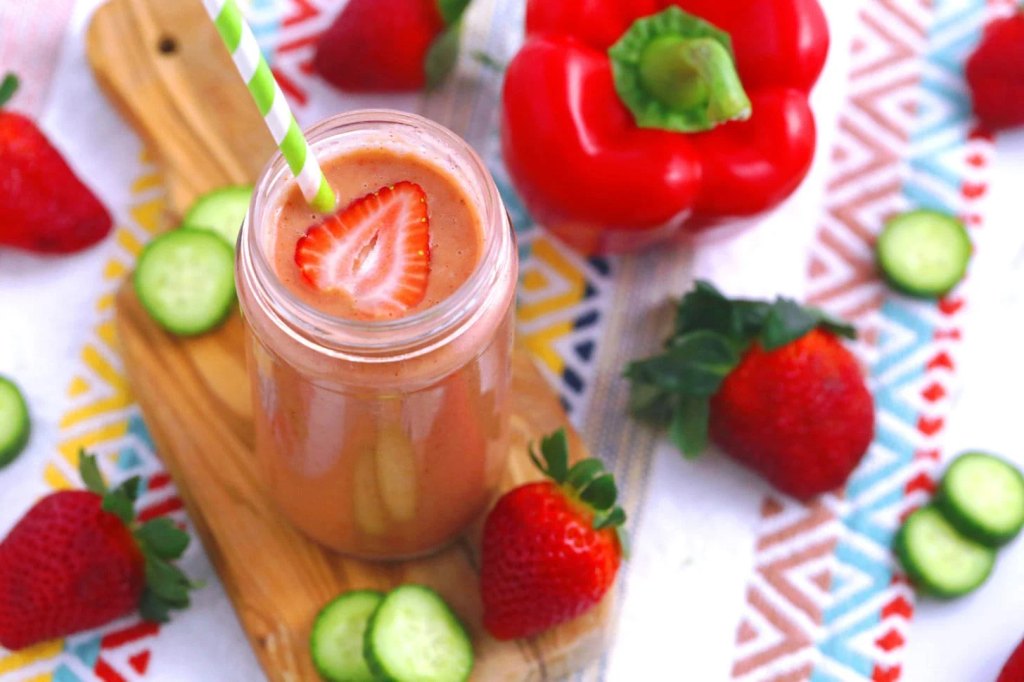
16. Red Bell Pepper and Strawberry Smoothie
Red bell pepper has a natural sweetness that pairs surprisingly well with strawberries, almost like a fruity, vegetal twist on a classic berry smoothie. Roast the pepper first to soften its sharper, grassy edge, then cool before blending. Strawberries add tartness and that familiar berry smoothie color, while the pepper adds a subtle vegetable note underneath. A little honey smooths out any bitterness from the pepper skin. This is a fun one to try if you want something a little different from the usual berry blend.
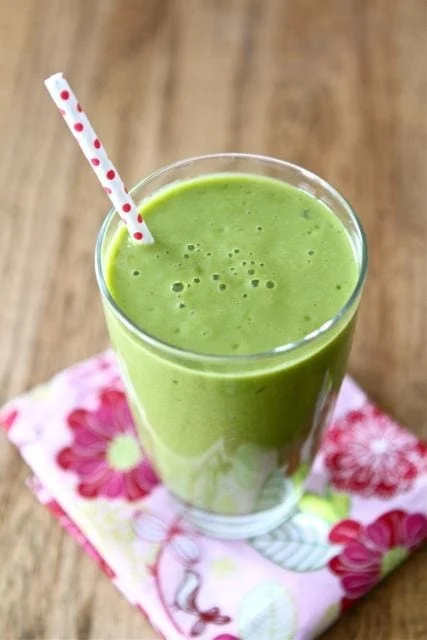
17. Green Pea, Mango, and Mint Smoothie
Frozen peas blend into a surprisingly creamy, mild base that mango’s sweetness covers almost entirely. Fresh mint adds a cooling brightness that keeps the whole thing tasting fresh rather than starchy. Thaw the peas slightly before blending so they break down smoothly instead of leaving a gritty texture. Coconut water or coconut milk makes a good liquid base here, echoing the tropical mango flavor. This smoothie tastes far lighter and fruitier than pea-based drinks usually get credit for.
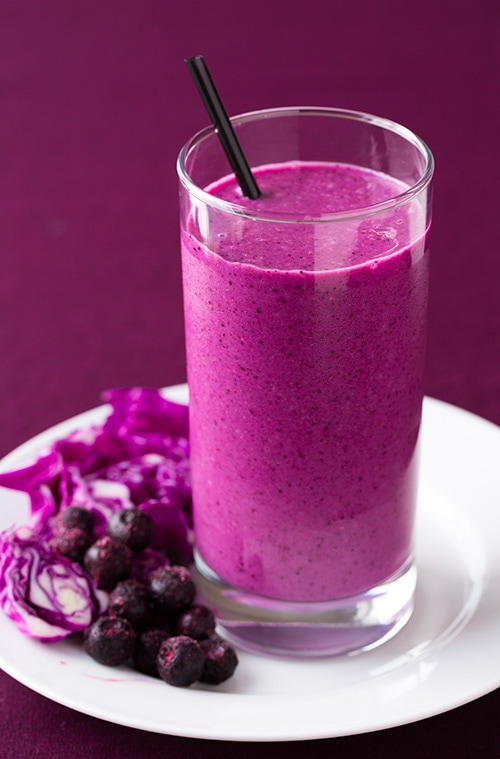
18. Red Cabbage and Blackberry Smoothie
Red cabbage brings a peppery, slightly tangy edge, and blackberries’ deep, jammy sweetness covers most of it. The color turns a striking deep purple, almost black, which makes this one a conversation starter. Shred the cabbage finely before blending for the smoothest texture, since it’s tougher than most smoothie vegetables. A little lime juice brightens the blackberries and balances cabbage’s natural bitterness. This is a bold, unusual combination worth trying once you’ve mastered the milder vegetable smoothies on this list.
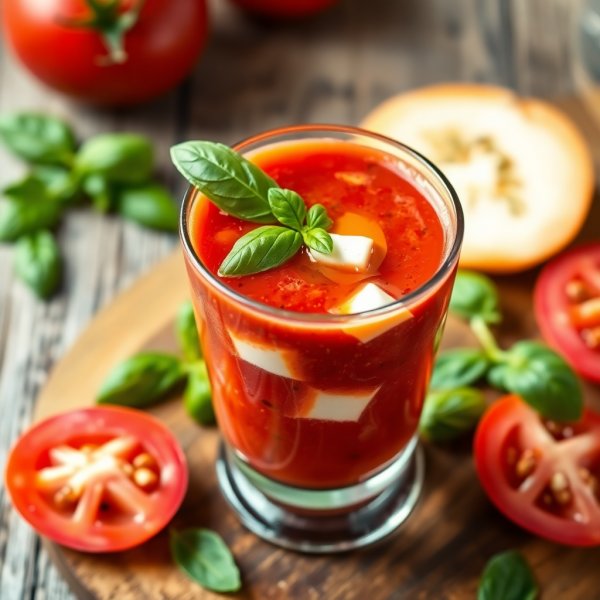
19. Savory Tomato and Basil Smoothie
This one skips the fruit entirely and leans into gazpacho territory, built from ripe tomatoes, fresh basil, a splash of olive oil, and a pinch of salt. Blend in a small cucumber for extra body and a touch of garlic for depth. It’s tangy, herby, and cold, best served straight from the fridge on a hot day. A dash of hot sauce or black pepper gives it a little kick. This is the pick for anyone who wants a vegetable smoothie that tastes like a dish, not a dessert.
How to Make Vegetable Smoothies Taste Better
Balance is the biggest factor in a good-tasting vegetable smoothie. Pair strong, bitter vegetables like kale or broccoli with sweeter fruits such as mango, pineapple, or ripe banana to cover the sharper edges.
Frozen fruit does double duty, chilling the smoothie and adding thickness without watering down the flavor with ice cubes. Keep a stash of frozen banana, mango, and berries on hand for exactly this reason.
A little acid, like lemon or lime juice, brightens flavors and cuts through any heavy, vegetal taste. Fresh herbs such as mint, basil, or parsley add a layer of brightness that plain greens can’t offer on their own.
Creamy additions like yogurt, avocado, or a spoonful of nut butter smooth out rougher textures from fibrous vegetables like celery or raw kale. They also help the smoothie feel more like a meal and less like a shot of greens.
Taste as you go. Add sweetener gradually, whether that’s honey, maple syrup, or extra fruit, and adjust before serving rather than guessing at the start.
Choosing Vegetables for Your Blender
Softer vegetables blend smoother and work better raw. Spinach, cucumber, and avocado break down easily without pre-cooking, which makes them the easiest starting point for new vegetable smoothie makers.
Tougher vegetables need a head start. Carrots, beets, broccoli, cauliflower, and sweet potato turn out far smoother when they’re steamed, roasted, or boiled and cooled before they hit the blender. Skipping this step often leaves a gritty or fibrous texture behind.
Frozen vegetables are worth keeping stocked. Riced cauliflower, frozen peas, and pre-cooked butternut squash cubes save time and blend just as well as fresh, sometimes better, since they add thickness without needing extra ice.
Think about color and flavor pairing before you blend. Earthy vegetables like beets and red cabbage pair naturally with berries, while milder ones like zucchini and romaine take on the flavor of whatever fruit joins them. If you want more inspiration beyond vegetables, a fruit-forward blend from a dedicated fruit smoothie recipes collection is worth a look, and anyone building out a full smoothie rotation might browse a wider set of smoothie recipes for ideas that mix and match both categories.