There’s something special about the sizzle of a hot griddle, a splash of soy sauce, and that garlicky steam rising off a pile of fried rice. Hibachi night at a Japanese steakhouse is part dinner, part show, but the flavors behind the theatrics are simple enough to pull off in your own kitchen with a regular skillet or griddle.
The best way to get steakhouse-style hibachi at home is to cook your protein and vegetables separately in a hot cast iron or flat-top pan, then tie everything together with soy sauce, garlic butter, and a drizzle of yum yum sauce. That one-two-three combo is exactly what makes hibachi taste like hibachi, whether you’re working with chicken, shrimp, steak, or tofu.
This collection covers 19 recipes that cover the whole hibachi spread, from proteins and rice to sauces and vegetable sides. You’ll also find notes on gear, technique, and ingredient swaps so your home version holds its own against any teppanyaki counter.
Quick picks:
- Best for beginners: Hibachi Chicken, forgiving and quick to master
- Best for a date night splurge: Hibachi Lobster Tails
- Best for meatless nights: Hibachi Tofu
- Best sauce to make first: Yum Yum Sauce, it ties every plate together
1. Hibachi Chicken
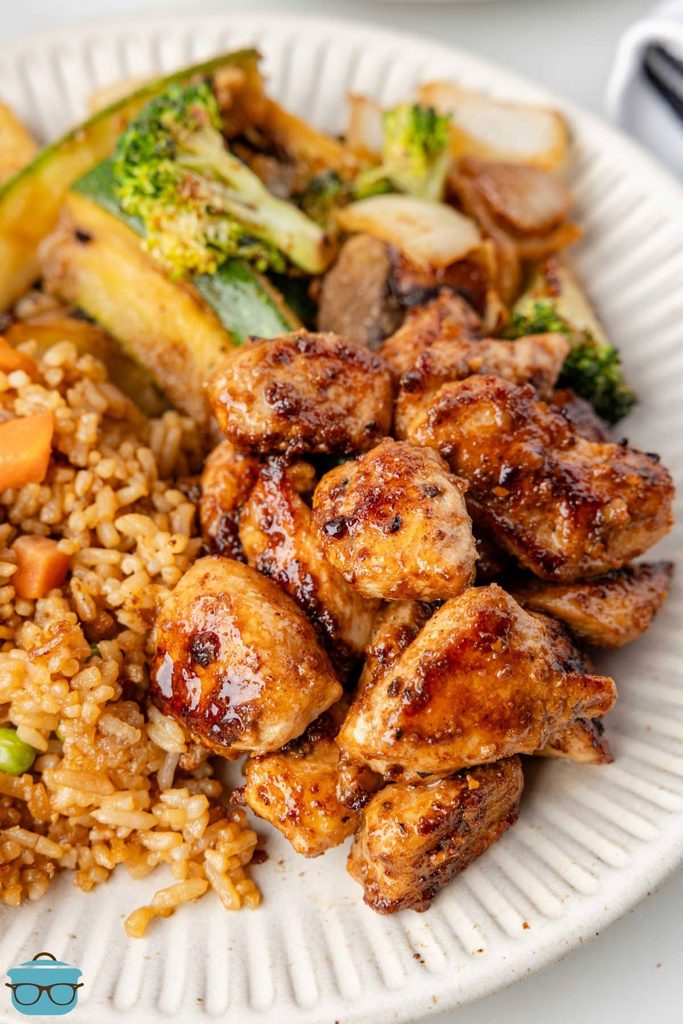
Hibachi chicken is the gateway recipe most home cooks start with, and for good reason. Cube 1.5 pounds of boneless chicken thighs, sear in 2 tablespoons of oil over high heat, then toss with 2 tablespoons soy sauce, 1 tablespoon butter, and a squeeze of lemon. Cook in batches so the chicken browns instead of steaming. Serve over Hibachi Fried Rice with a side of Yum Yum Sauce for the full steakhouse plate. It pairs well with recipes from our best chicken recipes collection too.
2. Hibachi Steak
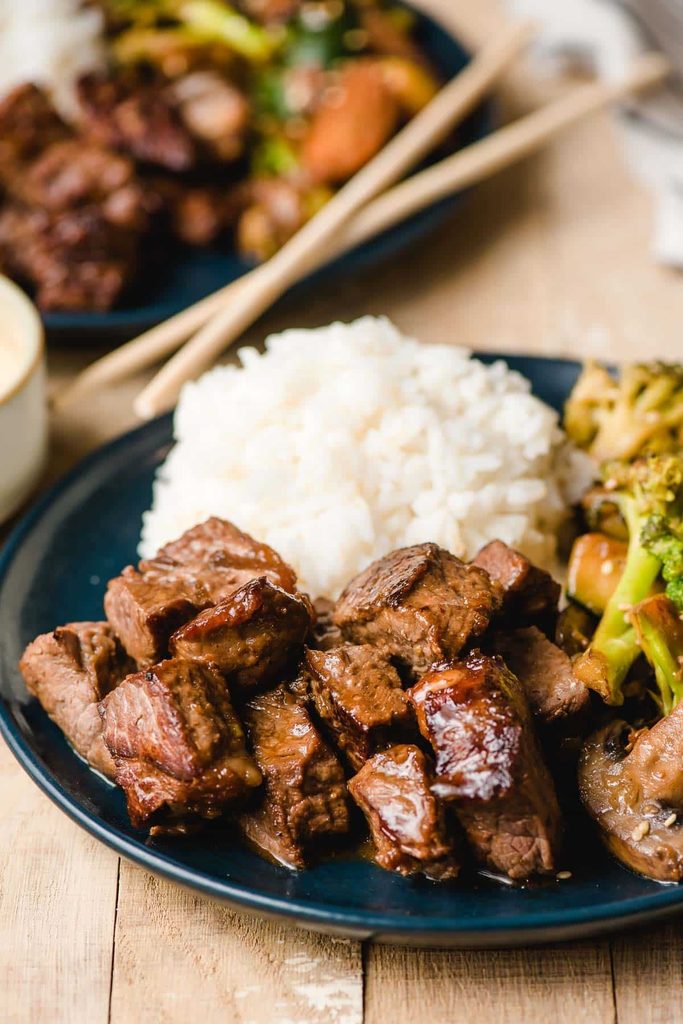
Hibachi steak gets its signature char from a screaming-hot pan and minimal fuss. Use 1.5 pounds of sirloin or ribeye cut into bite-size cubes, pat dry, and sear 2 to 3 minutes per side in butter and a splash of soy sauce. Resist crowding the pan or the meat will steam instead of crust. Finish with a pat of garlic butter. For more cuts and techniques, our best steak recipes has plenty of inspiration beyond the griddle.
3. Hibachi Shrimp
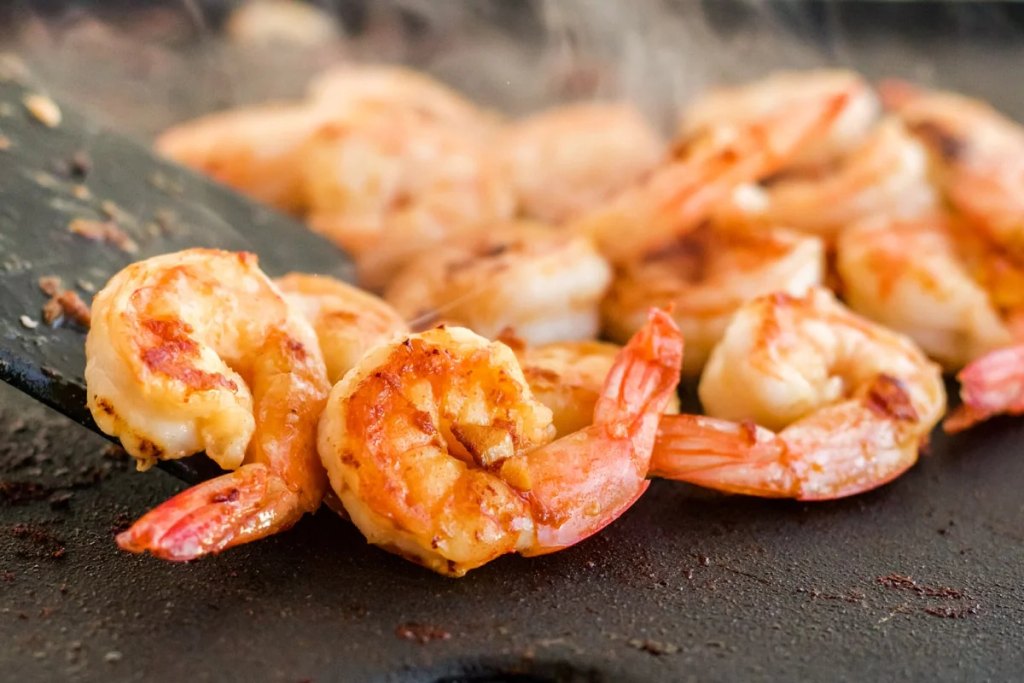
Hibachi shrimp cooks in minutes, so have everything prepped before the pan heats up. Toss 1 pound of peeled, deveined shrimp with a pinch of salt, sear 2 minutes per side in butter and garlic, then splash with soy sauce and a squeeze of lemon at the end. Overcooked shrimp turns rubbery fast, so pull them the moment they turn pink and opaque. Browse our best shrimp recipes for more ways to use the rest of the bag.
4. Hibachi Fried Rice
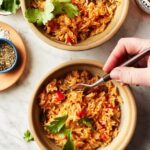
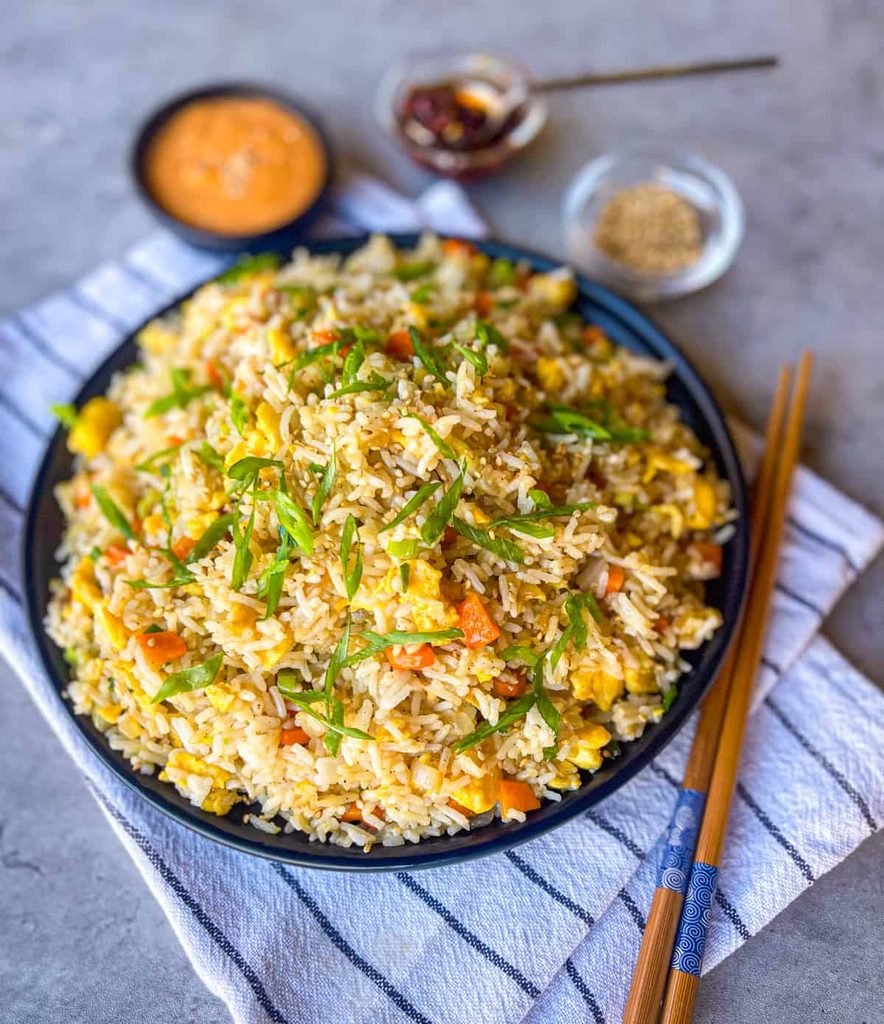
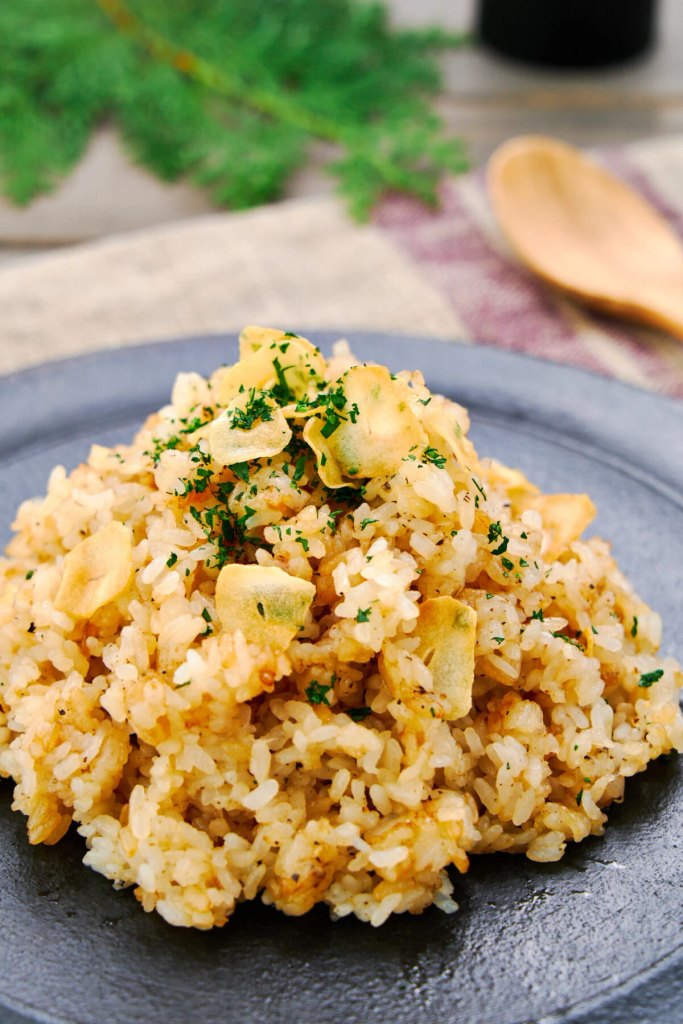
Hibachi fried rice is best made with rice that’s a day old and slightly dried out. Heat 3 cups cold cooked rice in a hot pan with 2 tablespoons butter, push to one side, scramble 2 eggs, then mix everything with 2 tablespoons soy sauce, diced carrots, and peas. The dry rice keeps the grains separate instead of clumping into mush. Leftover rotisserie chicken works great stirred in, similar to the method in savory leftover rotisserie chicken fried rice.
5. Hibachi Noodles
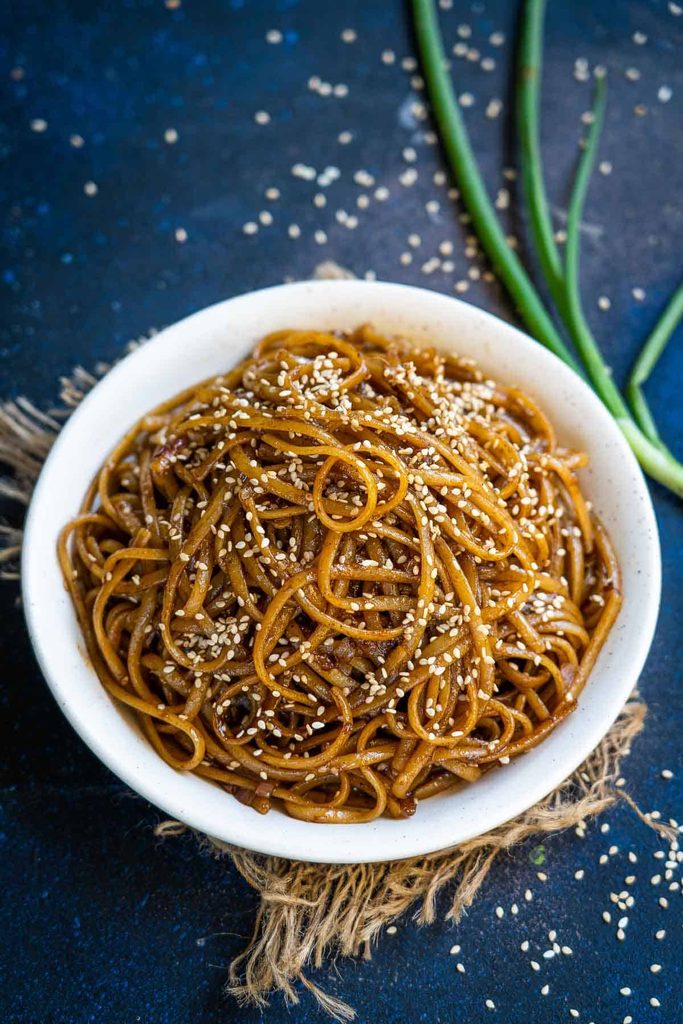
Hibachi noodles bring a chewy, garlicky side to the plate that soaks up every sauce on the griddle. Boil 8 ounces of yakisoba or spaghetti noodles, then toss in a hot pan with 2 tablespoons butter, 2 tablespoons soy sauce, and a drizzle of sesame oil. Stir constantly so the noodles don’t stick or scorch. For noodle variety, check our best rice noodle recipes or our best ramen noodles recipes.
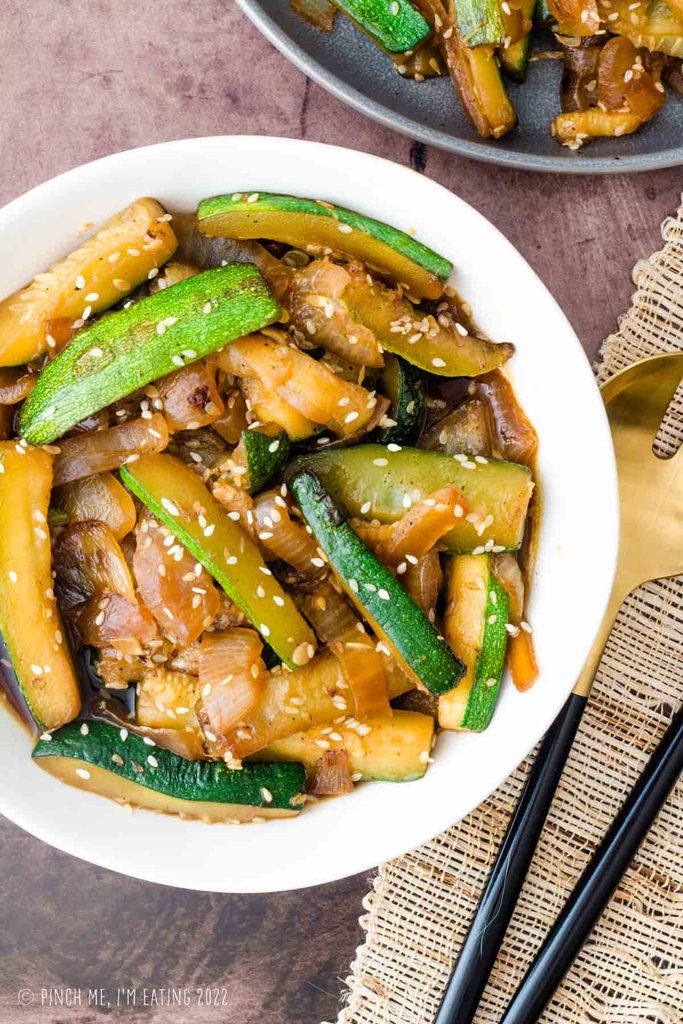
6. Hibachi Zucchini and Onions
Hibachi zucchini and onions are the classic vegetable side you see sizzling at every teppanyaki table. Slice 2 zucchini and 1 onion into half-moons, sauté in 2 tablespoons butter over high heat until browned at the edges, about 5 minutes. Season with soy sauce and black pepper right before serving. The trick is letting the vegetables sit undisturbed for a minute at a time so they actually caramelize instead of just softening.
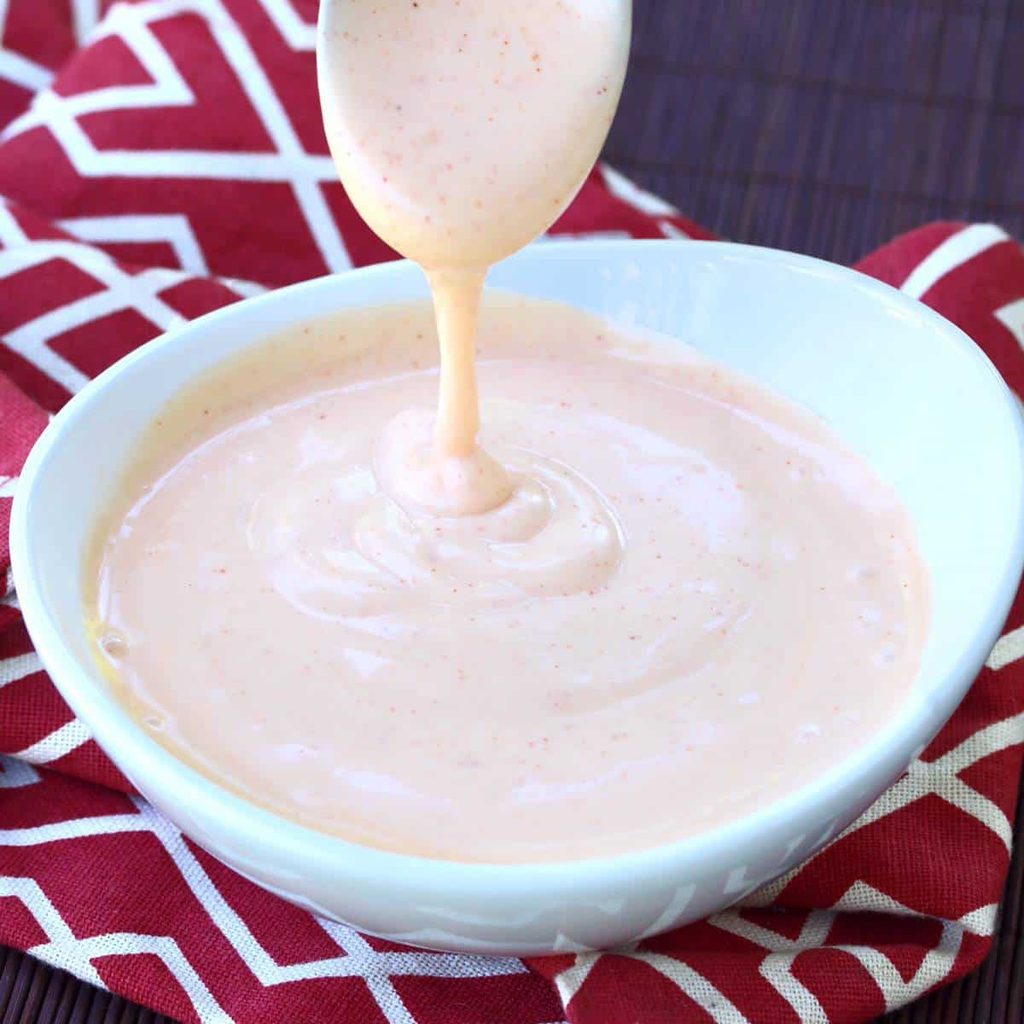
7. Yum Yum Sauce
Yum Yum sauce is the pink, creamy drizzle that makes hibachi plates instantly recognizable. Whisk together 1 cup mayonnaise, 2 tablespoons ketchup, 1 tablespoon melted butter, 1 teaspoon garlic powder, 1 teaspoon paprika, and 2 teaspoons rice vinegar until smooth. Chill at least 30 minutes so the flavors settle. It works as a dip for fried rice, grilled shrimp, or vegetables, and keeps in the fridge for about a week. Pair it with other favorites in our best sauces for chicken.
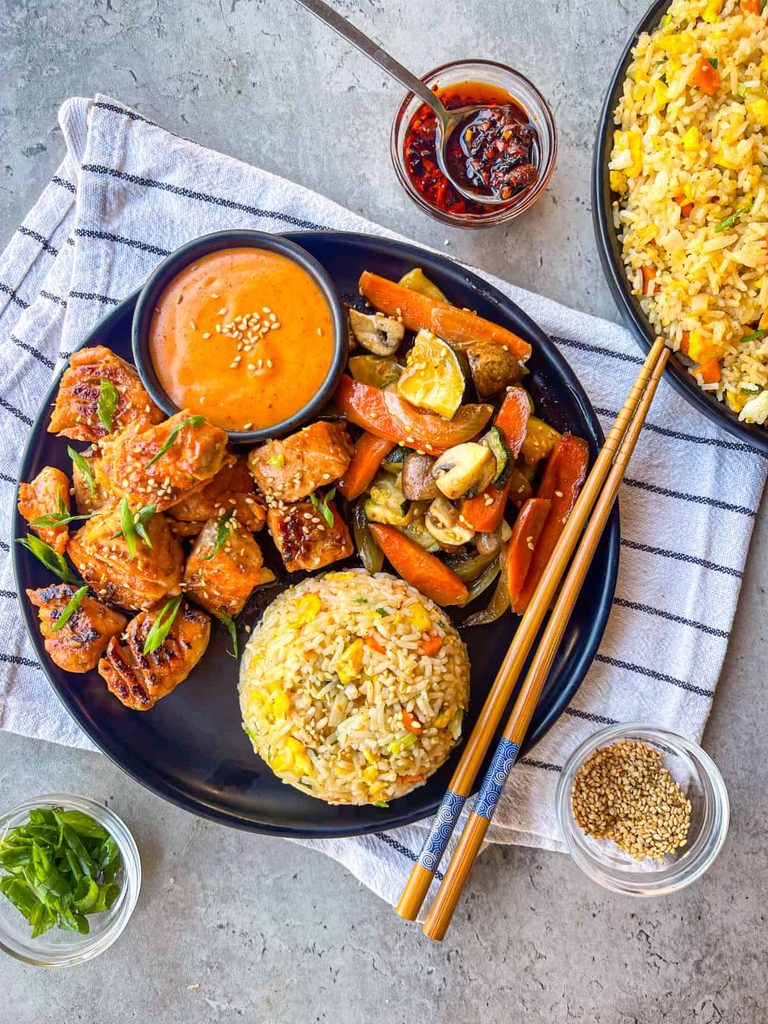
8. Hibachi Salmon
Hibachi salmon gets a glossy, slightly sweet crust from soy sauce and butter cooked right in the pan. Season 4 salmon fillets with salt and pepper, sear skin-side down 4 minutes, flip, and add 2 tablespoons butter and 2 tablespoons soy sauce to baste the top. Cook until the center flakes easily, about 3 more minutes. The butter bastes the fish while it finishes, giving it that steakhouse shine without any extra steps.
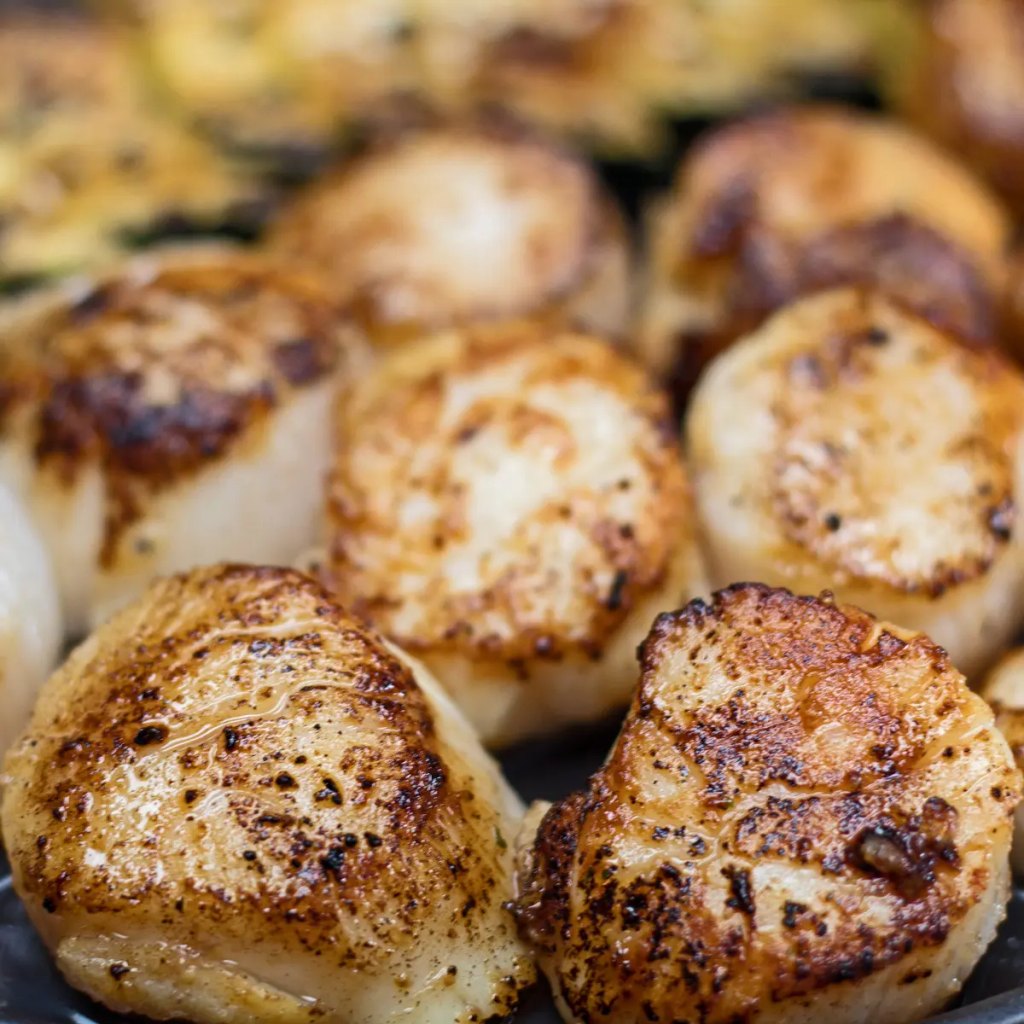
9. Hibachi Scallops
Hibachi scallops need a dry sear to get that golden crust restaurants are known for. Pat 1 pound of large scallops completely dry, season with salt, and sear in 2 tablespoons butter over high heat for 2 minutes per side without moving them. Finish with a splash of soy sauce and a squeeze of lemon. Wet scallops steam instead of browning, so a paper towel is your best tool here.
10. Hibachi Tofu
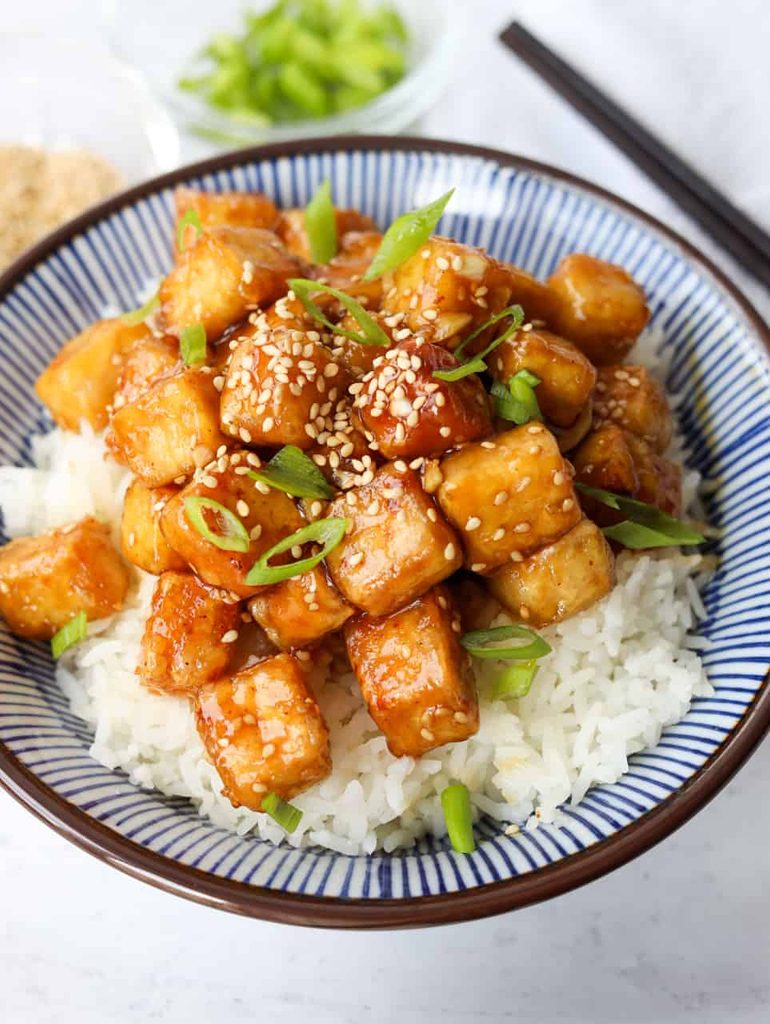
Hibachi tofu holds its own against any protein on the list once it’s pressed and seared properly. Press 14 ounces of extra-firm tofu for 20 minutes, cube it, then pan-fry in 2 tablespoons oil until golden on several sides, about 8 minutes total. Toss with soy sauce, a pat of butter, and black pepper. The crisp edges give it a texture close to fried chicken bites, which makes it satisfying even for non-vegetarians at the table.
11. Hibachi Lobster Tails
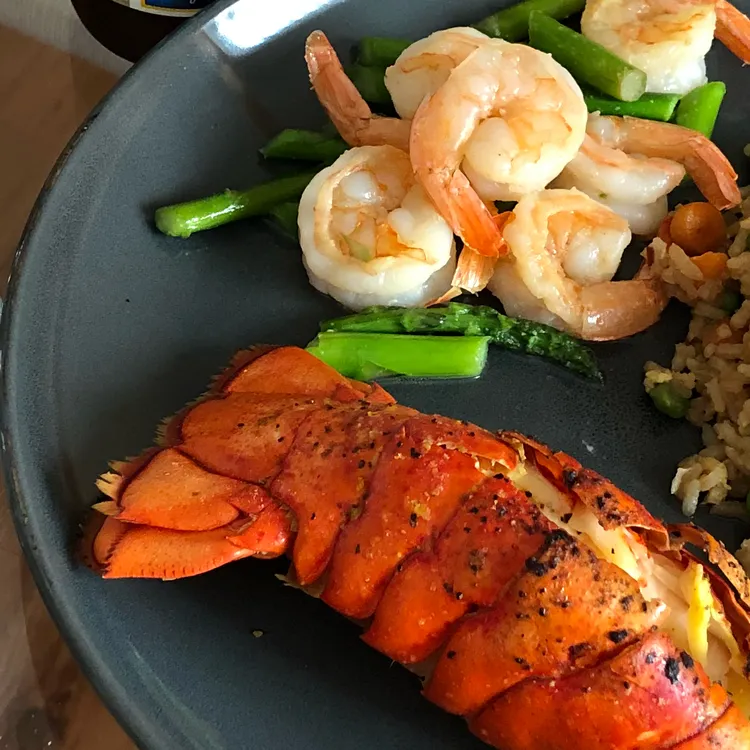
Hibachi lobster tails turn an ordinary dinner into something special without much extra work. Butterfly 2 lobster tails, season with salt, and sear meat-side down in 3 tablespoons butter for 3 minutes, then flip and baste another 3 minutes until opaque. A squeeze of lemon at the end brightens the richness. This one’s worth saving for a birthday or anniversary dinner; see 21 best birthday dinner ideas for more special-occasion inspiration.
12. Hibachi Garlic Mushrooms
Hibachi garlic mushrooms soak up butter and soy sauce like little sponges. Quarter 1 pound of button or cremini mushrooms, sauté in 2 tablespoons butter with 3 minced garlic cloves over high heat until browned, about 6 minutes. Add 1 tablespoon soy sauce in the last minute so it caramelizes rather than just coating the mushrooms. They make a strong side for steak or chicken plates alike.
13. Hibachi Garlic Butter
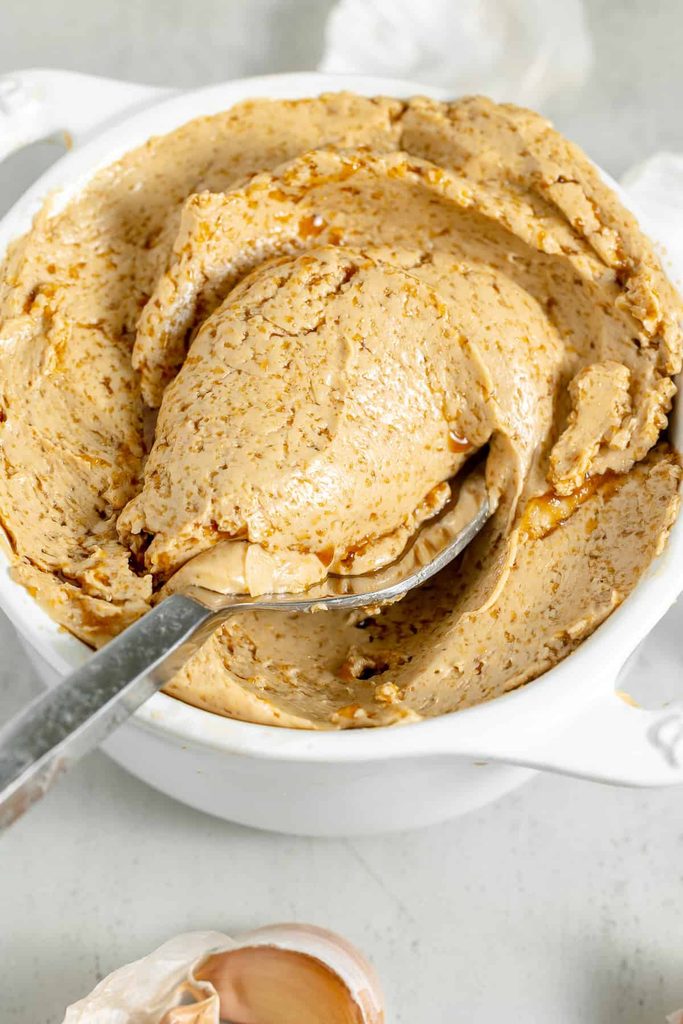
Hibachi garlic butter is the compound butter that ties the whole meal together. Melt 1 stick of butter with 4 minced garlic cloves, 1 tablespoon soy sauce, and a pinch of black pepper over low heat for 3 minutes. Spoon it over any protein or vegetable right off the griddle. Keep extra in the fridge for up to a week, then melt it again when you want that fresh-off-the-hibachi taste.
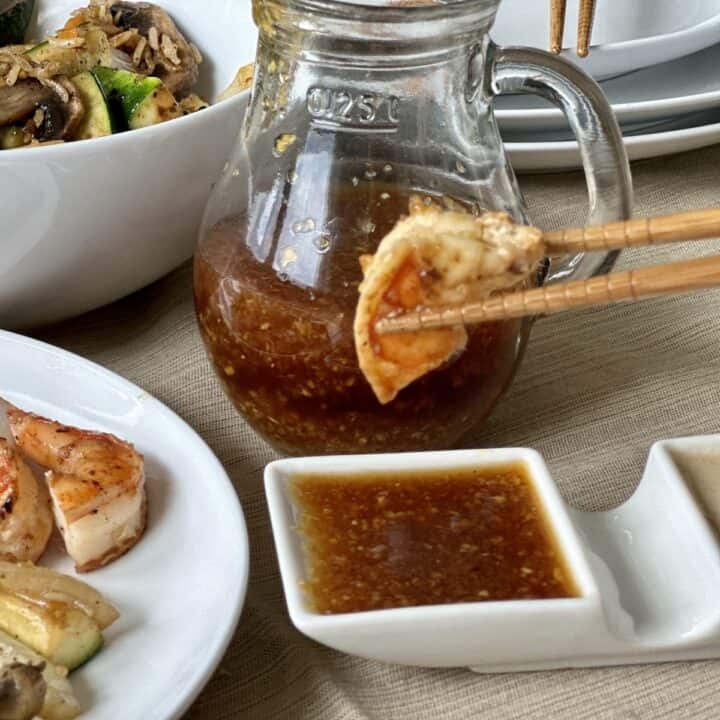
14. Hibachi Ginger Sauce
Hibachi ginger sauce is the tangy, savory dip served before the meal at most steakhouses. Blend 1/4 cup grated fresh ginger, 1 small onion, 2 tablespoons soy sauce, 1 tablespoon rice vinegar, and 1 teaspoon sugar until smooth. Let it sit 15 minutes before serving so the flavors meld. It’s sharp and refreshing, a nice contrast to the richer Yum Yum Sauce and garlic butter on the table.
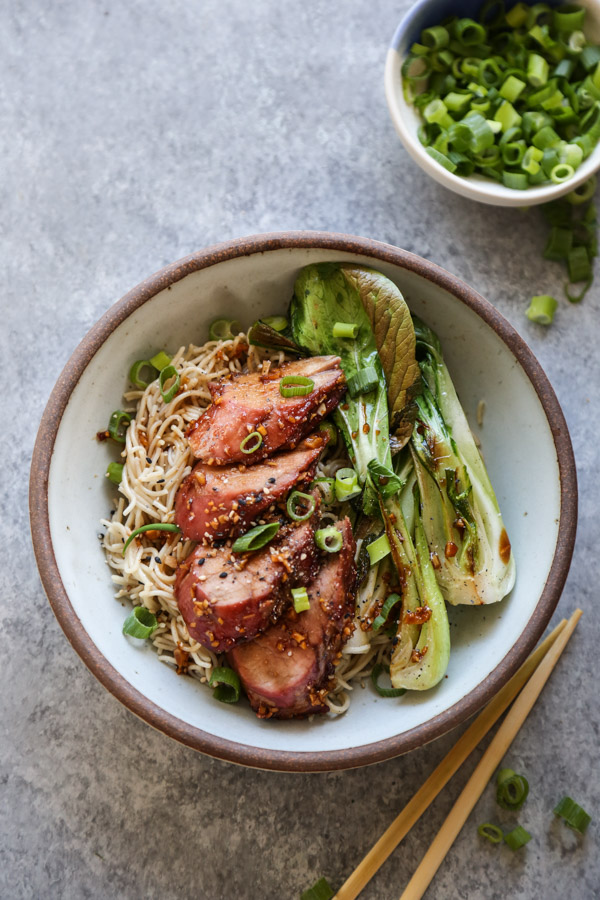
15. Hibachi Pork Tenderloin
Hibachi pork tenderloin brings a leaner option to the griddle without losing any flavor. Slice 1.5 pounds of pork tenderloin into thin medallions, sear 2 minutes per side in butter and oil, then toss with soy sauce and a touch of honey for glaze. Rest the pork 5 minutes before serving so the juices redistribute. Thin slicing is the key move here since it cooks fast and evenly.
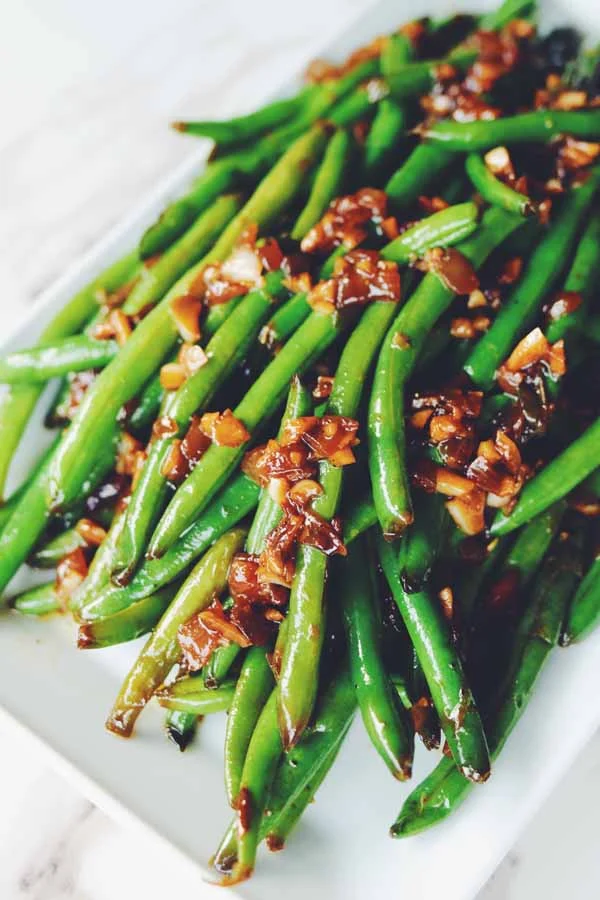
16. Hibachi Garlic Green Beans
Hibachi garlic green beans stay crisp-tender with a quick high-heat sauté. Trim 1 pound of green beans, cook in 2 tablespoons butter with 3 minced garlic cloves over high heat for 5 to 6 minutes, stirring often. A splash of soy sauce at the end adds color and salt. They hold their snap better than steamed green beans, which makes them a favorite alongside richer proteins.
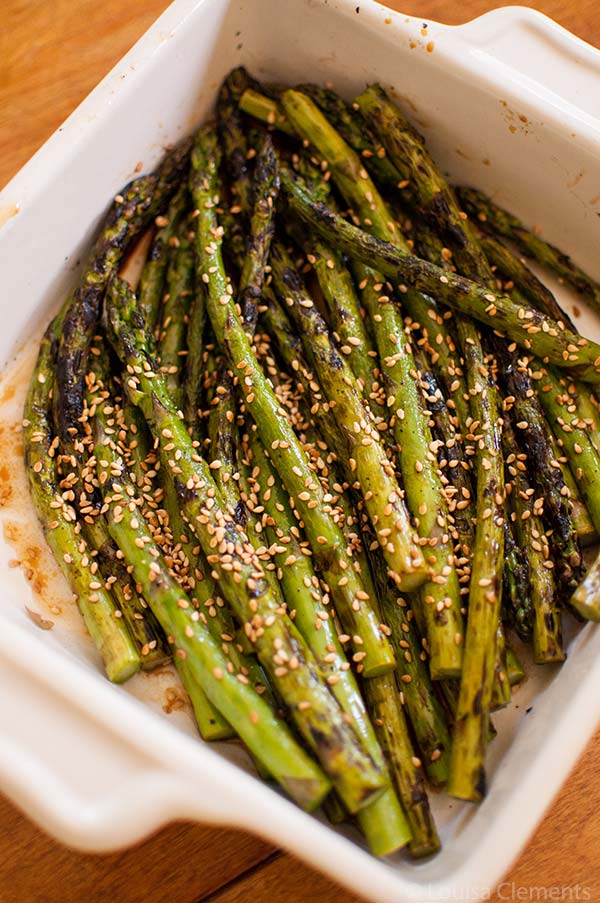
17. Hibachi Sesame Asparagus
Hibachi sesame asparagus gets a nutty finish that sets it apart from the other vegetable sides. Trim 1 bunch of asparagus, sauté in 1 tablespoon sesame oil and 1 tablespoon butter over high heat for 4 minutes until bright green with light char. Sprinkle with 1 tablespoon toasted sesame seeds and a dash of soy sauce before serving. The sesame oil makes this one taste distinct from the butter-forward sides on the rest of the plate.
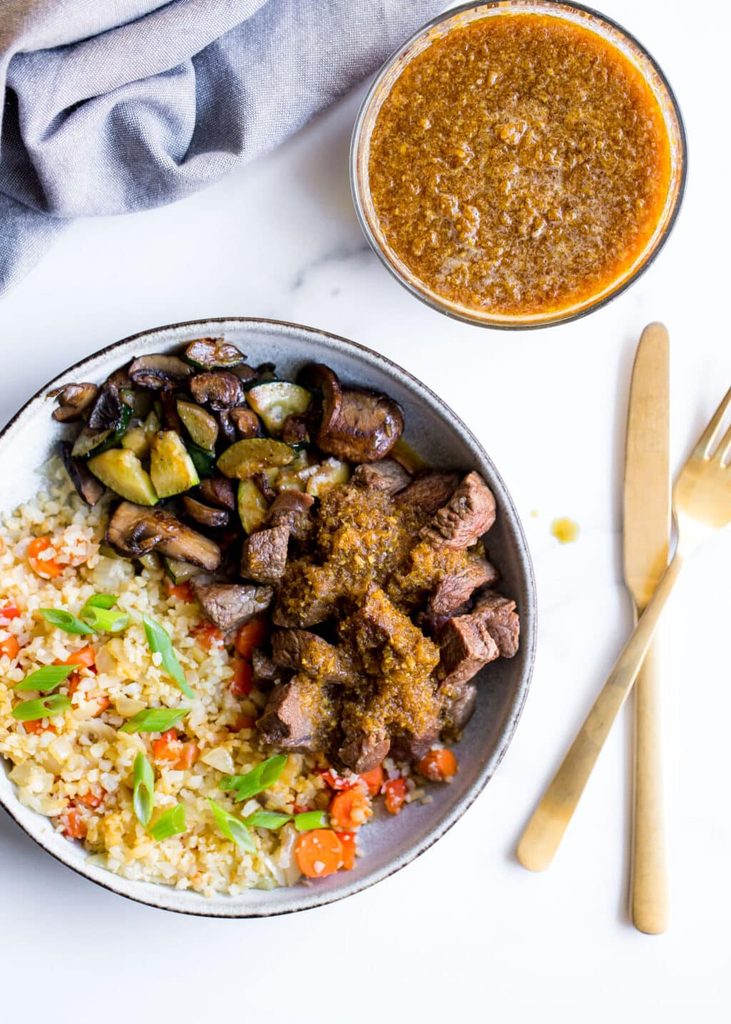
18. Hibachi Cauliflower Rice
Hibachi cauliflower rice is the low-carb stand-in for traditional fried rice without sacrificing the flavor. Rice 1 medium head of cauliflower or use 4 cups store-bought, sauté in 2 tablespoons butter for 5 minutes, push aside, scramble 2 eggs, then mix with soy sauce, carrots, and peas. Cook just until the cauliflower softens slightly, since it turns mushy fast if left too long. It’s a solid option for anyone watching carbs but still craving that hibachi flavor.
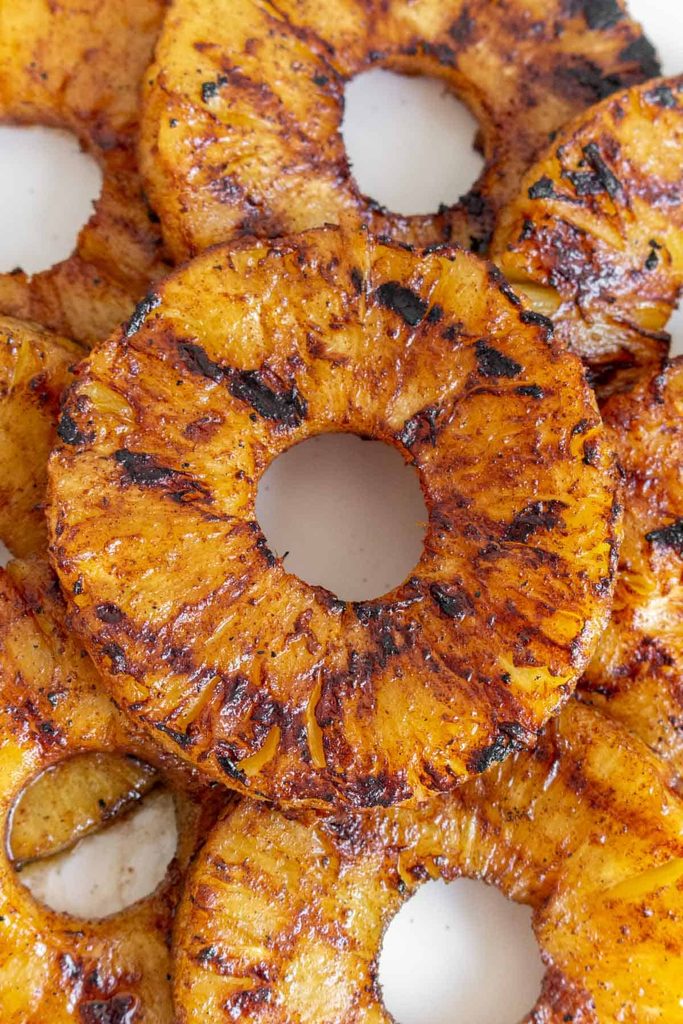
19. Hibachi Grilled Pineapple
Hibachi grilled pineapple adds a caramelized sweetness that balances all the savory dishes on the table. Slice 1 pineapple into rings or spears, sear in a dry hot pan for 2 to 3 minutes per side until grill marks form and the sugars start to caramelize. A light brush of butter deepens the flavor without masking the fruit. Serve it warm as a side or dessert to end the meal on a bright note.
How to Cook Hibachi-Style Food at Home
Hibachi cooking at home comes down to heat, timing, and a well-seasoned flat surface. A cast iron griddle or large skillet gets closest to the real teppanyaki experience, since it holds high heat evenly across a wide surface.
Cook ingredients in separate batches by type: proteins first, then firmer vegetables, then quick-cooking ones like bean sprouts or pineapple. Crowding the pan is the most common mistake, and it causes steaming instead of searing.
Keep these basics in mind for better results:
- Preheat the pan for at least 3 minutes before adding oil.
- Pat proteins dry so they sear instead of steam.
- Use butter and soy sauce together for that glossy hibachi finish.
- Don’t overcrowd the pan; cook in batches if needed.
- Serve immediately since hibachi food loses its sizzle fast.
For side dish pairing ideas beyond what’s listed above, 25 sides for grilled chicken and our best sides to serve with steak both offer options that fit a hibachi spread nicely.
Ingredient Swaps and Safe Cooking Tips
Soy sauce can be swapped for tamari or coconut aminos to make most of these recipes gluten-free. Rice vinegar stands in for mirin in a pinch, and butter substitutes well with a neutral oil for dairy-free versions.
Food safety matters most with shellfish and poultry. Cook chicken to an internal temperature of 165°F, and cook shrimp and scallops just until opaque, usually 2 to 3 minutes per side. Lobster tails are done at 140°F internal temperature.
Keep raw proteins on separate cutting boards from vegetables, and wash boards and knives between each protein type. Leftover hibachi rice and proteins keep in the fridge for up to 3 days in a sealed container, and reheat best in a hot pan rather than the microwave to bring back some of that crisp edge.
If you’re cooking for a crowd, double the sauces first since Yum Yum Sauce and garlic butter run out fast once the plates start going around the table.