Cabbage is a versatile vegetable that can be transformed into many delicious dishes. From crisp coleslaws to comforting soups, this humble ingredient adapts to various cooking methods and flavor profiles.
Whether you prefer it raw, roasted, or braised, there’s a cabbage recipe to satisfy your taste buds.
These 21 best cabbage recipes will help you turn this affordable vegetable into meals your family will love. You’ll find options ranging from classic stuffed cabbage rolls to healthy slaws and hearty soups.
With both vegan and non-vegan choices available, these recipes showcase how cabbage can be the star of your next meal while keeping your cooking simple and flavorful.

1. Sauteed Cabbage with Lemon and Garlic
Sauteed cabbage with lemon and garlic is one of the simplest yet most delicious ways to prepare this versatile vegetable. This quick dish takes only about 15 minutes to make and transforms humble cabbage into a flavorful side.
To make it, you’ll need thinly sliced cabbage, fresh garlic, and lemon juice.
Heat some oil in a large pan, add the cabbage and cook until it begins to soften.
Add minced garlic and continue cooking until the cabbage becomes tender but still has a slight crunch. Finish with a splash of fresh lemon juice and season with salt and pepper to taste.
This bright, zesty dish pairs well with chicken or can complement any meatless main course.
2. Southern Fried Cabbage with Bacon
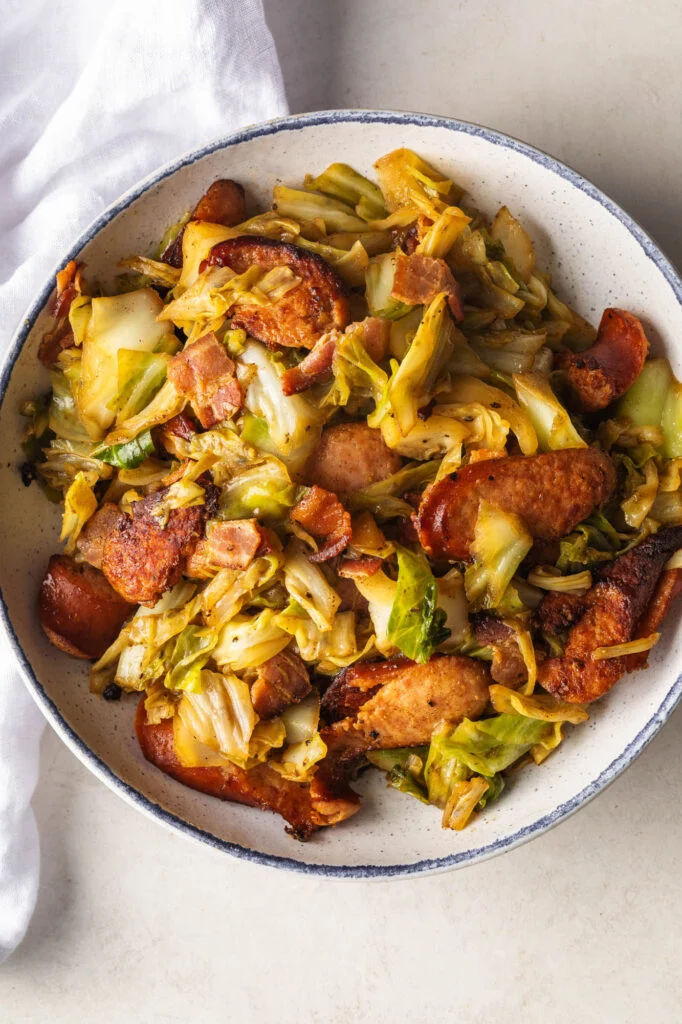
Southern Fried Cabbage with Bacon is a simple, delicious side dish that transforms ordinary cabbage into a flavor-packed meal. The magic happens when crispy bacon meets tender cabbage.
To make this dish, start by frying bacon until crisp. Then sauté diced onions and minced garlic in the bacon fat.
Add sliced cabbage to the pan and cook until it becomes tender. The cabbage soaks up all the smoky bacon flavor as it cooks down.
This five-ingredient wonder pairs well with almost any main dish. You can have this ready in under 30 minutes, making it perfect for busy weeknights.

3. Cabbage and Onion Stir Fry
This simple stir fry combines thinly sliced cabbage and onions for a quick, healthy side dish. You’ll need just a few ingredients to make this flavorful recipe.
Start by heating a tablespoon of oil in a large pan over medium-high heat. Add sliced onions and cook until they begin to soften, about 2 minutes.
Add shredded cabbage to the pan and stir continuously. The high heat helps the vegetables cook quickly while maintaining some crispness.
Season with soy sauce and garlic for a simple Asian-inspired flavor. You can also add a splash of Chinese rice wine for extra depth.
Cook until the cabbage is tender but still slightly crisp, about 5-10 minutes total.

4. Spicy Kimchi-Style Cabbage
Kimchi-style cabbage brings Korean flavors to your table with minimal effort. This fermented dish balances spicy, tangy, and savory notes that transform ordinary cabbage into something exciting.
You can make a simple version using green or napa cabbage. Mix chopped cabbage with Korean chili powder (gochugaru), fish sauce or soy sauce, garlic, and ginger.
For a quicker option, skip the traditional fermentation and create a fresh kimchi salad. Add lemon juice or rice vinegar for tanginess. The longer it sits, the more flavorful it becomes.
Serve it as a side dish or add it to rice bowls, noodles, or sandwiches for a spicy kick.
5. Stuffed Cabbage Rolls
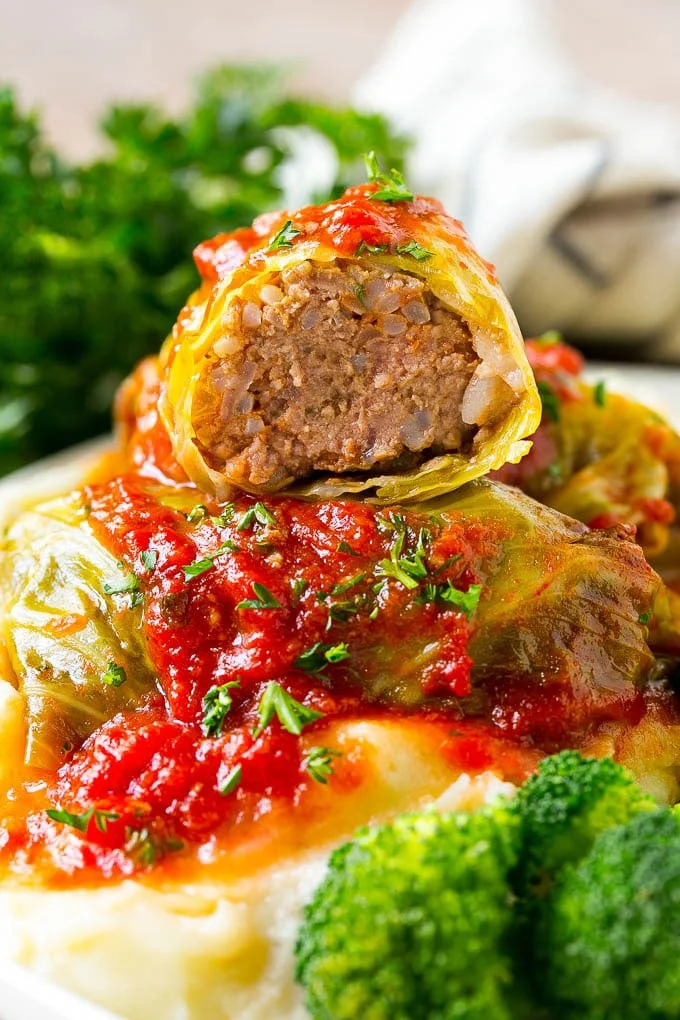
Stuffed cabbage rolls combine tender cabbage leaves with a savory filling of ground beef and rice. They’re cooked in a rich tomato sauce that adds wonderful flavor to the dish.
You can prepare these rolls easily at home despite their impressive appearance. The process involves softening the cabbage leaves and wrapping them around the meat and rice mixture.
For the sauce, many recipes use condensed tomato soup, though you can also make a homemade version with fresh tomatoes and garlic. The rolls then simmer until the filling is cooked through and flavors meld together.
This Polish dish (also known as golabki) makes a comforting meal that’s worth the effort.
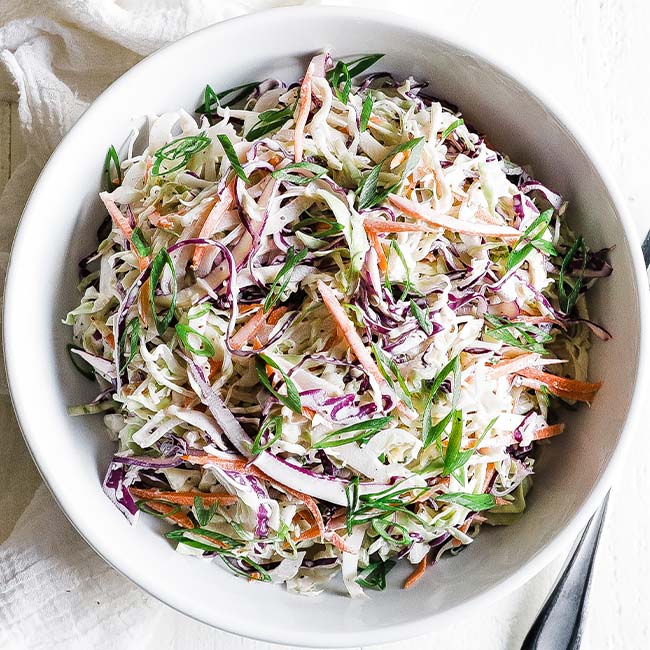
6. Creamy Coleslaw
Creamy coleslaw is a classic side dish perfect for any barbecue or picnic. It combines shredded cabbage with a tangy, creamy dressing that balances the fresh crunch of the vegetables.
To make a basic coleslaw, shred green and red cabbage along with carrots. This colorful mix provides both visual appeal and different textures.
For the dressing, combine mayonnaise, vinegar, mustard, and celery seeds. Add salt and pepper to taste. This creates a creamy yet tangy sauce that coats the vegetables perfectly.
You can prepare this dish up to two weeks ahead of serving. The flavors actually improve over time as the cabbage softens slightly in the dressing.
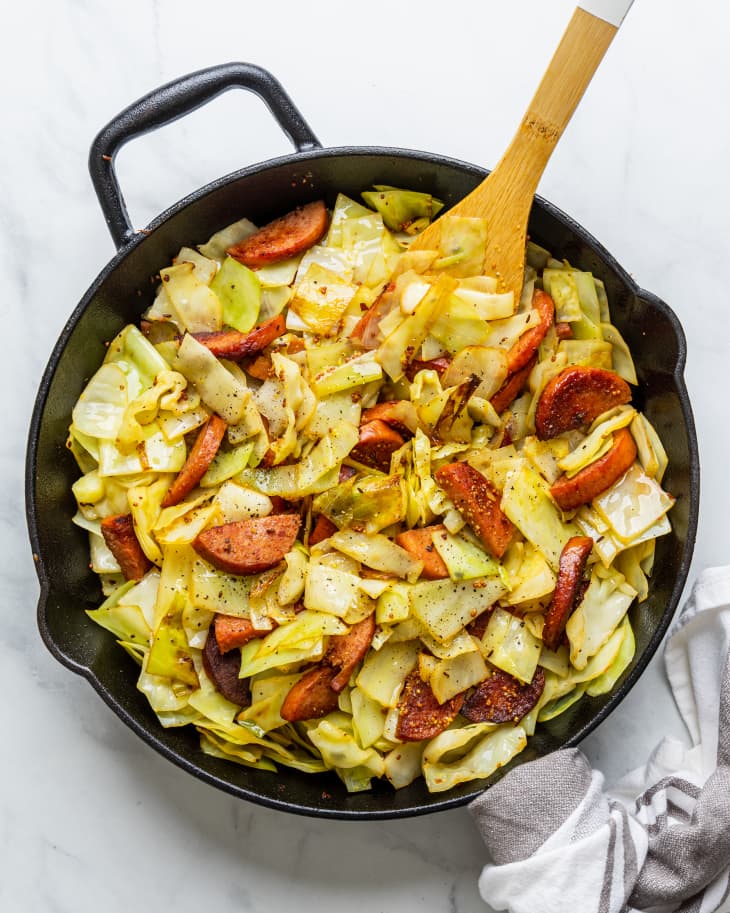
7. Cabbage and Sausage Skillet
This hearty one-pan meal combines tender sautéed cabbage with smoky kielbasa sausage. It’s ready in under 30 minutes, making it perfect for busy weeknights.
Start by browning kielbasa in a skillet with a bit of oil. The sausage adds a rich flavor that pairs perfectly with the cabbage.
You can customize this dish based on what you have on hand. Some recipes include butter and beer for extra flavor, while others keep it simple with just the cabbage and sausage.
This meal is both satisfying and practical. It’s great for meal prep and can even be adapted for a slow cooker if you prefer.

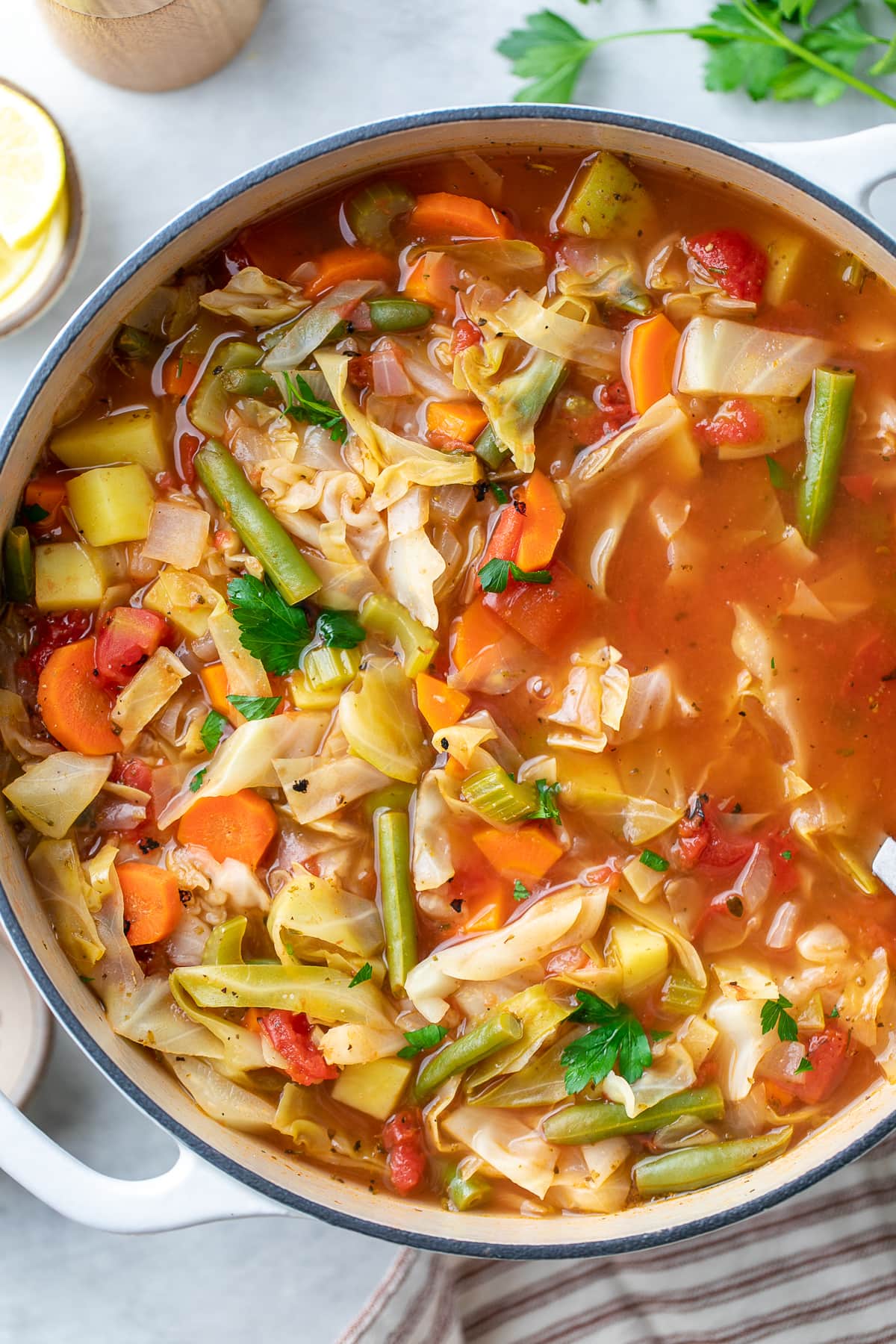
8. Cabbage Soup with Vegetables
Cabbage soup is a healthy, low-carb meal that’s perfect for cold days. You can make it with simple ingredients you probably already have.
Start with a base of olive oil, onion, and garlic. Add chicken or vegetable broth as your liquid base. Then toss in chopped cabbage, carrots, bell peppers, and tomatoes.
Season your soup with herbs and spices that complement the vegetables. Some recipes include coconut curry flavors for a unique twist.
This soup is versatile – you can add other vegetables or proteins based on what you have available. It’s filling, nutritious, and stores well for leftovers.

9. Baked Cabbage with Cheese
Baked cabbage with cheese transforms a humble vegetable into a comforting, crowd-pleasing dish. You’ll love how the cabbage becomes tender while the cheese creates a delicious golden crust on top.
To make this dish, cut your cabbage into wedges or shred it before cooking. Some recipes call for sautéing the cabbage first with butter and seasonings to develop flavor.
For a creamy version, mix the cabbage with cheddar cheese, onion, and condensed soup. Layer everything in a casserole dish, then top with more cheese and breadcrumbs for extra crunch.
You can also create a British-style casserole by adding potatoes and making layers with cheese sauce.

10. Cabbage and Carrot Slaw
This classic slaw combines crispy cabbage with sweet carrots for a refreshing side dish. You can whip it up in just minutes using simple ingredients.
The key to a great cabbage and carrot slaw is in the dressing. You can go traditional with a creamy mayo-based dressing or choose a tangy vinaigrette for a lighter option.
For extra flavor, add red onion and celery to your slaw. Some recipes include a touch of sugar to balance the tanginess.
This versatile slaw stays crunchy for days in the refrigerator. It’s perfect alongside sandwiches, burgers, or as a topping for tacos.

11. Cabbage Stir Fry with Soy Sauce
This quick and healthy cabbage stir fry makes a perfect side dish or light meal. You’ll need thinly sliced cabbage, garlic, soy sauce, and a touch of oil.
Heat your wok or large pan over high heat. Add oil and garlic, stirring quickly to release the flavor without burning.
Add the shredded cabbage and stir-fry until it’s tender yet still slightly crunchy. This usually takes about 3-5 minutes.
Finish with a splash of soy sauce and optional Chinese rice wine for extra flavor. You can also add protein like chicken or beef to make it a complete meal.

12. Cabbage and Potato Gratin
Cabbage and potato gratin is a comforting dish that combines two hearty vegetables in a cheesy, creamy sauce. The dish features shredded cabbage and potatoes mixed with grated onion for added flavor.
This gratin includes a blend of cheeses—typically cheddar and mozzarella—that create a rich, gooey texture. Some recipes also add Gruyère and Parmesan for more depth.
The mixture gets a savory boost from herbs like sage, making it more than just a side dish. With the bulk of the potatoes, this gratin can serve as a satisfying vegetarian main course.
When baked, the top forms a golden, buttery breadcrumb crust that adds a nice contrast to the creamy interior.

13. Cabbage Steaks with Garlic Butter
Cabbage steaks are a simple yet impressive side dish that transforms humble cabbage into something special. To make them, cut a head of cabbage into thick slices and roast until tender in the middle with crispy edges.
The magic happens when you baste them with garlic butter. This adds rich flavor that soaks into all the layers of the cabbage. Some recipes also include a sprinkle of fennel for extra flavor.
You can cook these versatile steaks in the oven, air fryer, or even on the grill. They make a perfect side dish for almost any meal, or you can serve them as a light vegetarian main course.
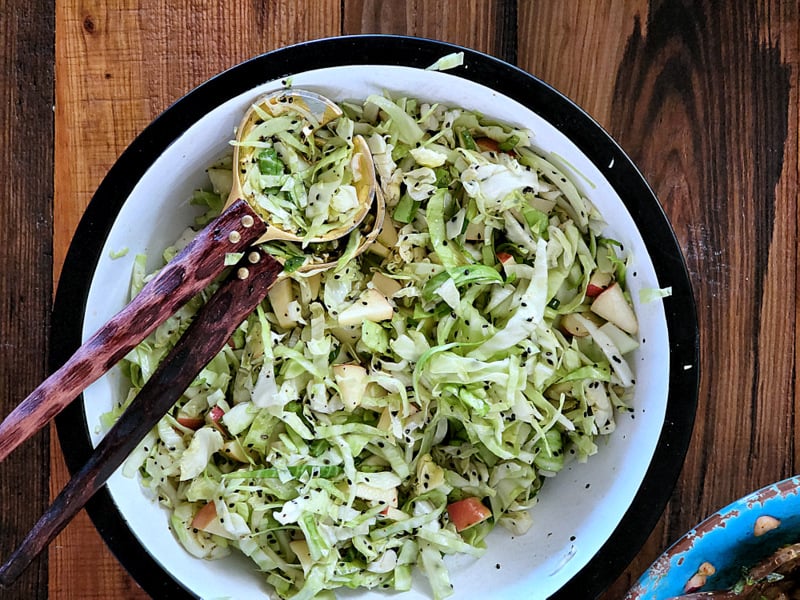
14. Crunchy Cabbage Salad
Crunchy Cabbage Salad combines both green and purple cabbage for a colorful, refreshing dish. The mix of textures makes it a delightful side for any meal.
To make this simple salad, shred about 3-4 cups each of green and purple cabbage. Add 1-2 cups of shredded carrots for sweetness and extra color.
The dressing options are versatile – try a Dijon-lime vinaigrette for tanginess or a peanut dressing for richness. Some versions include green onions and cilantro for added flavor.
This salad holds up well, making it perfect for meal prep. You can easily customize it with your favorite crunchy toppings like nuts or seeds.

15. Thai Peanut Cabbage Wraps
Thai Peanut Cabbage Wraps offer a light, flavorful meal option using cabbage leaves instead of tortillas. These wraps combine crispy baked tofu or chicken with fresh vegetables for a satisfying crunch.
The star of these wraps is the irresistible peanut sauce that adds a rich, savory flavor. You can adjust the spice level to suit your taste preferences.
For filling options, try crispy tofu, shredded chicken, or sautéed shrimp. Add mango salsa for a sweet contrast to the savory elements.
To serve, simply fill cabbage leaves halfway with your chosen protein, drizzle with extra peanut sauce, and top with sliced red peppers or other veggies.

16. Roasted Cabbage Wedges
Roasted cabbage wedges are a simple yet delicious side dish that brings out cabbage’s natural sweetness. When roasted, cabbage develops crispy, charred edges and a tender interior.
To make this dish, cut a cabbage into thick wedges, brush with olive oil, and season with salt, pepper, and garlic. You can enhance the flavor with caraway seeds, red pepper flakes, or lemon zest.
Roast the wedges in a hot oven until they’re caramelized and tender. The roasting process transforms cabbage into a nutty, sweet vegetable that pairs well with many main courses.
For extra flavor, finish your roasted cabbage with a squeeze of lemon juice or a sprinkle of fresh herbs before serving.
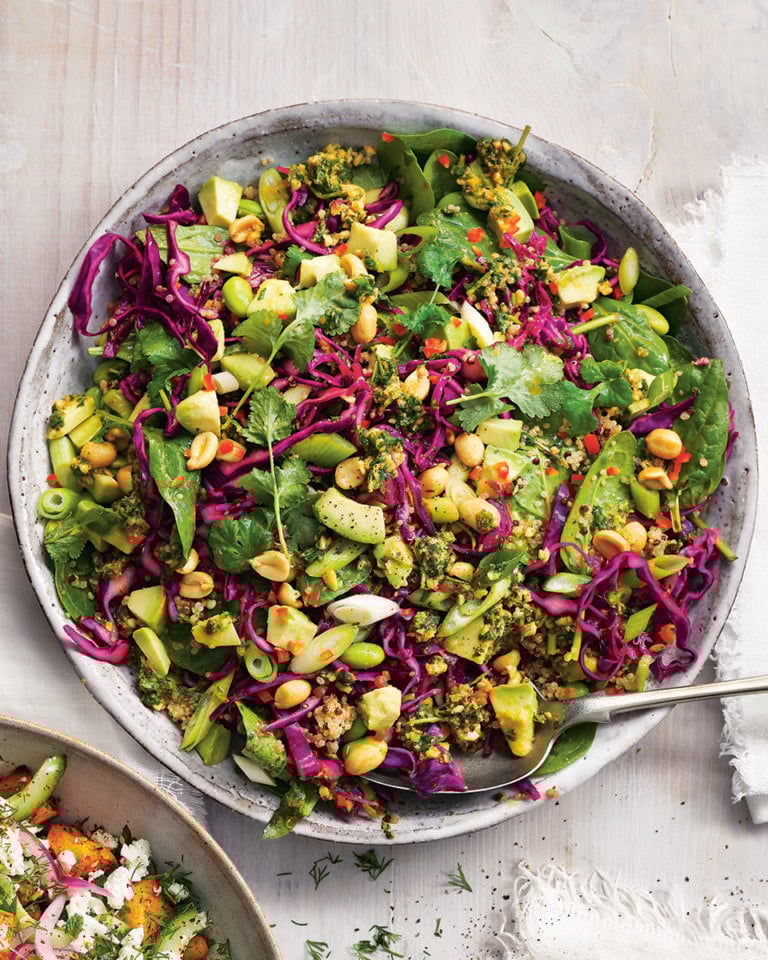
17. Cabbage and Quinoa Salad
Cabbage and quinoa make a perfect pair in this crunchy, nutritious salad. The combination gives you both texture and protein in one colorful dish.
This salad mixes red and green cabbage with cooked quinoa for a vibrant look. You can add extras like edamame, carrots, and green onions for more flavor and nutrition.
A simple dressing works best here. Try a honey vinegar dressing or peanut sauce to bring everything together.
This salad holds up well for meal prep and doesn’t get soggy quickly. It’s perfect for lunch boxes or as a side dish with dinner.

18. Caramelized Cabbage and Onions
Caramelized cabbage and onions create a rich, buttery side dish that’s surprisingly addictive. The simple cooking process transforms everyday cabbage into something special.
To make this dish, you’ll need cabbage, onions, butter, and basic seasonings. Some recipes include bacon for extra flavor, while others keep it vegetarian-friendly.
The magic happens when you cook the cabbage and onions slowly until they become golden brown and develop sweet, complex flavors. Garlic is often added for depth.
This versatile side pairs well with many main dishes. It works for everyday meals but is also perfect for special occasions like St. Patrick’s Day.
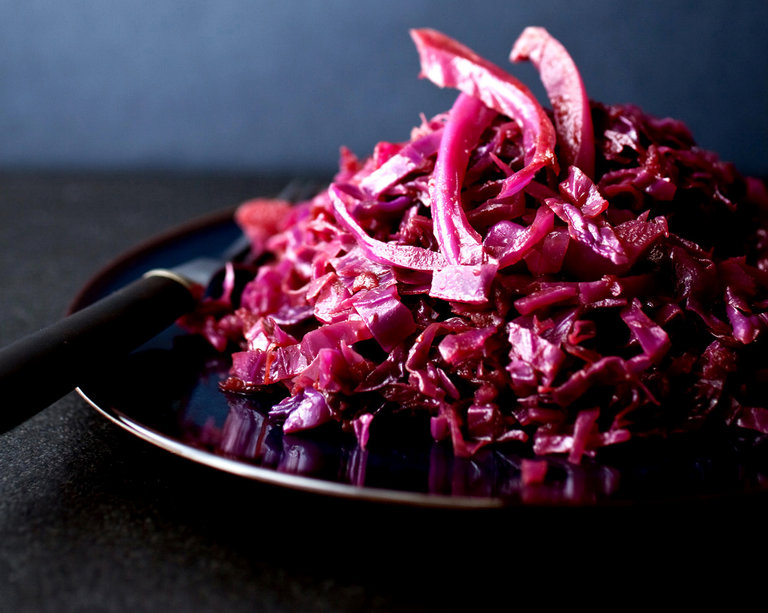
19. Braised Cabbage with Apples
Braised cabbage with apples makes a perfect side dish that combines sweet and savory flavors. This dish features tender cabbage cooked slowly with tart apples for a wonderful contrast.
The cooking process is simple. Heat olive oil in a large skillet, then add sliced cabbage and onions. Cook for about 5 minutes until they begin to soften.
For extra flavor, some recipes include bacon, beer, or caraway seeds. Others add a touch of maple syrup and thyme for sweetness and aroma.
This versatile dish works well with fall and winter meals. Try adding cinnamon and orange for a festive holiday version that everyone will enjoy.

20. Cabbage and Lentil Curry
Cabbage and lentil curry combines hearty lentils with tender cabbage in a flavorful sauce. This dish delivers a perfect balance of protein from lentils and nutrients from cabbage.
You can make this curry with coconut milk for a creamy texture. Many recipes incorporate Indian curry powder or spices like turmeric, cumin, and coriander.
This one-pot meal is filling and satisfying, even without meat. It’s an excellent option for quick weeknight dinners.
Serve your cabbage and lentil curry with rice or flatbread to complete the meal. Leftovers taste even better the next day as the flavors continue to develop.

21. Cabbage Roll Casserole
Cabbage Roll Casserole delivers all the flavors of traditional cabbage rolls without the fuss of stuffing and rolling. This comfort food combines ground beef, rice, chopped cabbage, and tomato sauce in a layered dish.
You can easily prepare this by browning ground beef with onions, then mixing in cooked rice. Layer this mixture with shredded cabbage in a casserole dish and pour tomato sauce over everything.
Some recipes use tomato soup for a slightly sweeter flavor. The dish bakes until the cabbage is tender and the flavors meld together.
This time-saving alternative to stuffed cabbage rolls is perfect for busy weeknights when you want homemade comfort food.
Nutritional Benefits of Cabbage
Cabbage offers impressive nutritional value while being low in calories. This versatile vegetable packs a powerful punch of essential nutrients that support overall health and wellbeing.
Vitamins and Minerals
Cabbage is exceptionally rich in vitamin K, providing about 56% of your daily needs in just one serving. This vitamin plays a crucial role in bone health and blood clotting.
Vitamin C is another standout nutrient in cabbage, offering 36% of your daily requirement. This immunity-boosting vitamin helps your body fight infections and supports collagen production for healthy skin.
Cabbage also contains folate (10% of daily value), which is essential for cell function and tissue growth. This makes it particularly valuable during pregnancy.
Other minerals found in cabbage include potassium, manganese, and magnesium. These nutrients support heart health, nerve function, and muscle recovery.
Fiber Content
With approximately 2 grams of fiber per serving, cabbage helps support your digestive system. This fiber content promotes regular bowel movements and helps prevent constipation.
The fiber in cabbage also contributes to blood glucose management, making it a smart choice if you’re watching your blood sugar levels. It slows digestion, preventing rapid spikes in blood glucose after meals.
Adding cabbage to your diet can help you feel fuller longer, which may support weight management goals. The fiber expands in your stomach, creating a feeling of satiety without adding many calories.
Regular cabbage consumption supports gut health by feeding beneficial bacteria in your digestive tract. These bacteria help with nutrient absorption and immune function.
Antioxidant Properties
Cabbage contains powerful antioxidants that help fight inflammation and oxidative stress in your body. These compounds include sulforaphane, kaempferol, and quercetin.
Red cabbage specifically offers anthocyanins, which give it its purple color and provide additional antioxidant benefits. These compounds may help protect against certain chronic diseases.
The antioxidants in cabbage have been linked to potential cancer-fighting properties. Research suggests they may help inhibit cancer cell growth and protect cells from damage.
For maximum antioxidant benefits, consider eating cabbage raw or lightly cooked. Excessive heat can reduce some of the beneficial compounds, though light cooking may make other nutrients more available.
Cooking Techniques for Cabbage
Cabbage is a versatile vegetable that transforms in flavor and texture depending on how you prepare it. The right cooking method can turn this humble vegetable into a delicious dish that even picky eaters will enjoy.
Steaming
Steaming cabbage preserves its nutrients while softening its texture. To steam cabbage, cut it into quarters or wedges and place in a steamer basket over boiling water.
Steam for 10-15 minutes for wedges or 5-7 minutes for shredded cabbage until it becomes tender but still has some crispness. Avoid oversteaming, which can create a strong sulfur smell and mushy texture.
Season your steamed cabbage simply with butter, salt, and pepper for a classic side dish. You can also add a splash of lemon juice or vinegar to brighten the flavor.
Quick tip: For faster steaming, cut cabbage into smaller, uniform pieces.
Sautéing
Sautéing brings out cabbage’s natural sweetness through caramelization. Heat 1-2 tablespoons of oil or butter in a large skillet over medium-high heat.
Add thinly sliced or shredded cabbage and cook for 5-8 minutes, stirring occasionally. The edges should become golden brown and slightly crispy. Add garlic or onions at the beginning for extra flavor.
Try these quick flavor boosters:
- Splash of soy sauce and sesame oil
- Bacon bits and black pepper
- Caraway seeds and apple cider vinegar
For best results, don’t overcrowd the pan and don’t stir too frequently. Let the cabbage develop those delicious browned edges.
Fermentation
Fermentation transforms cabbage into probiotic-rich foods like sauerkraut and kimchi. This ancient preservation method enhances both flavor and nutritional value.
Basic Sauerkraut Recipe:
- Shred 1 medium cabbage
- Mix with 1-2 tablespoons salt
- Massage until liquid releases
- Pack tightly into clean jar
- Ensure cabbage is submerged in its liquid
- Cover loosely and ferment 3-10 days at room temperature
The fermentation process creates tangy, complex flavors through beneficial bacteria. Temperature affects fermentation speed—warmer environments work faster than cooler ones.
Store your finished fermented cabbage in the refrigerator where it will keep for months. Start with small batches as you perfect your technique.
Cabbage Varieties and Their Uses
Cabbage comes in several distinct varieties, each with unique flavors, textures, and best uses in the kitchen. Different types of cabbage shine in specific recipes and cooking methods.
Green Cabbage
Green cabbage is the most common variety found in grocery stores. It has firm, tightly packed pale green leaves with a slightly sweet flavor that becomes milder when cooked.
You can use green cabbage raw in slaws and salads where it provides excellent crunch. When shredded thinly, it holds up well to creamy dressings without becoming soggy.
For cooking, green cabbage transforms beautifully. It caramelizes nicely when roasted or sautéed, developing a natural sweetness. You’ll find it works perfectly in cabbage rolls, stir-fries, and soups.
This sturdy variety also ferments exceptionally well, making it ideal for homemade sauerkraut and kimchi. Green cabbage stores longer than other varieties—up to two weeks in your refrigerator when kept whole.
Red Cabbage
Red cabbage (sometimes called purple cabbage) offers vibrant color and a slightly peppery flavor compared to green varieties. Its firm texture holds up well in both raw and cooked applications.
You’ll find red cabbage particularly striking in slaws and salads, adding beautiful color contrast. It pairs wonderfully with vinaigrettes and fruit-based dressings.
When cooking red cabbage, be aware it contains natural pigments that can change color based on pH levels. Add a splash of vinegar or lemon juice to maintain its vibrant purple-red hue during cooking.
Try red cabbage braised with apples, roasted as “steaks,” or pickled for a tangy condiment. Its hearty leaves also make excellent wraps for vegetarian or meat fillings.
Savoy Cabbage
Savoy cabbage features distinctively crinkled, lacy leaves that are more tender than other varieties. Its mild, earthy flavor and softer texture make it especially versatile.
You can use savoy cabbage leaves as natural wrappers for cabbage rolls without having to pre-cook them first. The tender leaves also work beautifully in stir-fries, requiring less cooking time.
For salads, savoy adds delicate texture and doesn’t have the sharp bite of other varieties. It’s particularly good in warm applications like sautés with garlic and butter.
Try savoy cabbage in soups where its tender leaves wilt beautifully, or use it in place of lettuce for sandwich wraps. Store savoy in your refrigerator loosely wrapped, as its delicate structure makes it more perishable than other types.