Turkish sweets carry centuries of history in every bite, from the paper-thin pastry of baklava to the stretchy, cheese-filled surprise of künefe. Walk through a sweet shop in Istanbul and you’ll see trays of syrup-soaked pastries next to milk puddings dusted with cinnamon, candied fruits, and chewy lokum stacked in every color. For anyone wanting the single best introduction to Turkish desserts, baklava remains the standout choice, thanks to its crisp phyllo layers, buttery pistachio filling, and sweet syrup that balances rich and light in one bite.
These desserts aren’t just sugar bombs. Many lean on milk, rice, or fruit instead of heavy cream, and plenty of them have roots in Ottoman palace kitchens where cooks competed to impress sultans. Whether you’re planning a dinner party or just craving something new after a kebab dinner, this list covers the sweets worth seeking out.
Quick picks:
- Best overall: Baklava, for its crisp layers and nutty filling
- Best for cheese lovers: Künefe, warm and stretchy with a crunchy top
- Best make-ahead: Lokum (Turkish delight), no cooking day-of required
- Best light finish: Ayva Tatlısı, poached quince with a mellow sweetness
1. Baklava
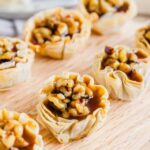
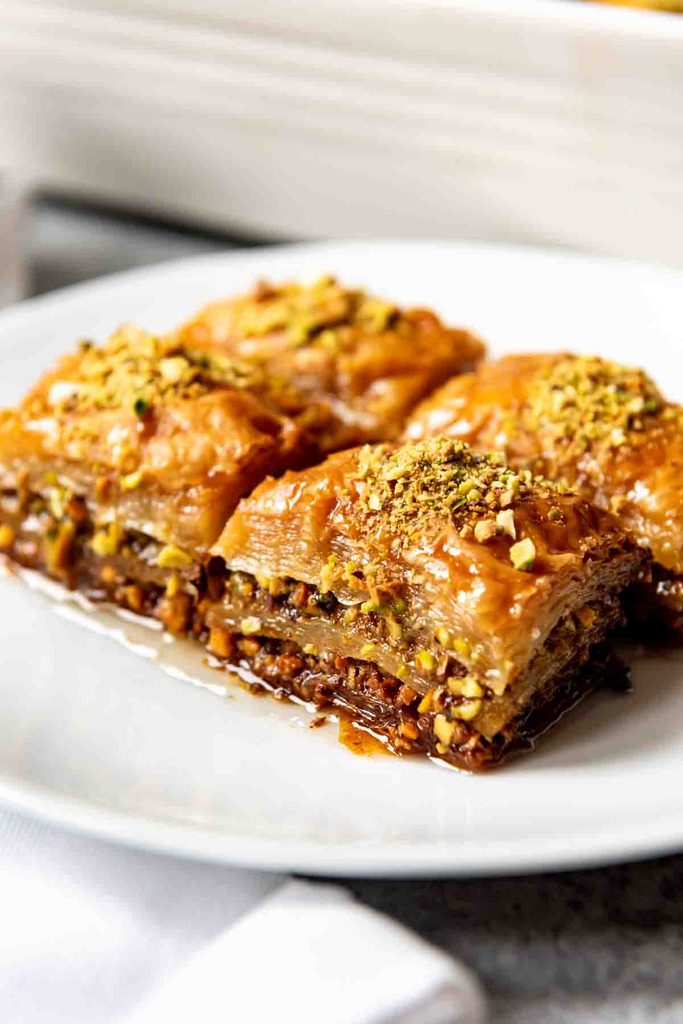
Baklava is the dessert most people picture when they think of Turkish sweets, and it earns that reputation. Layers of paper-thin phyllo get brushed with melted butter, filled with chopped walnuts or pistachios, then baked until golden and soaked in a sugar or honey syrup. Gaziantep, in southeastern Turkey, is famous for its pistachio version. A good piece should shatter slightly when you bite in, not turn mushy. Serve it slightly warm with Turkish coffee for the full effect.
2. Künefe
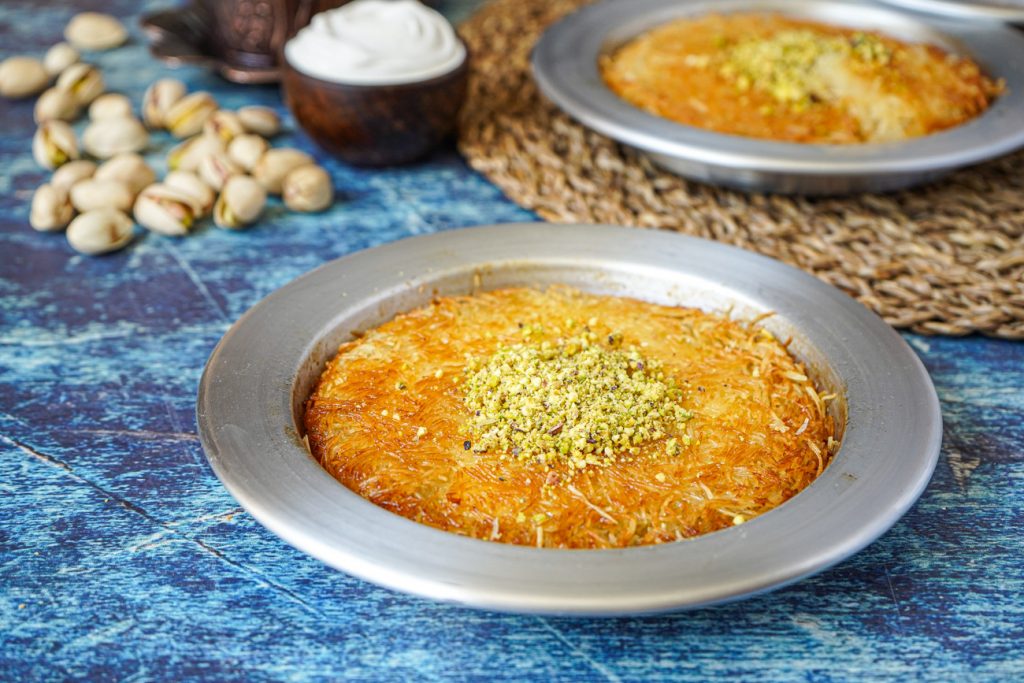
Künefe is a warm, cheese-stuffed pastry made with shredded kadayif dough, soaked in syrup, and often topped with crushed pistachios. The cheese inside, usually a mild string cheese, melts and stretches dramatically when you cut into it. It’s baked until the top turns golden and slightly crisp. Hatay, a city near the Syrian border, claims the most authentic version. Eat it hot, straight from the pan, for the best stretchy texture.
3. Lokum
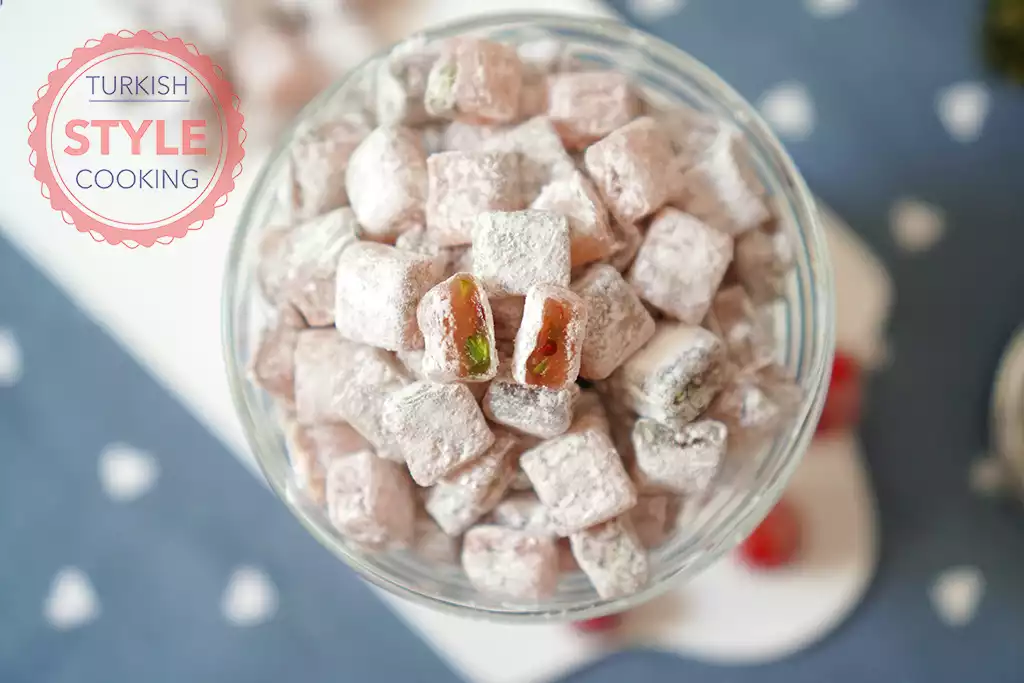
Lokum, known in English as Turkish delight, is a chewy, jelly-like candy dusted with powdered sugar or coconut. Traditional flavors include rosewater, pistachio, and pomegranate, though walnut and hazelnut versions are common too. The texture is soft and slightly sticky, never hard like a gumdrop. It keeps well for weeks, making it a popular gift or souvenir. Pair a piece with Turkish coffee to cut the sweetness.
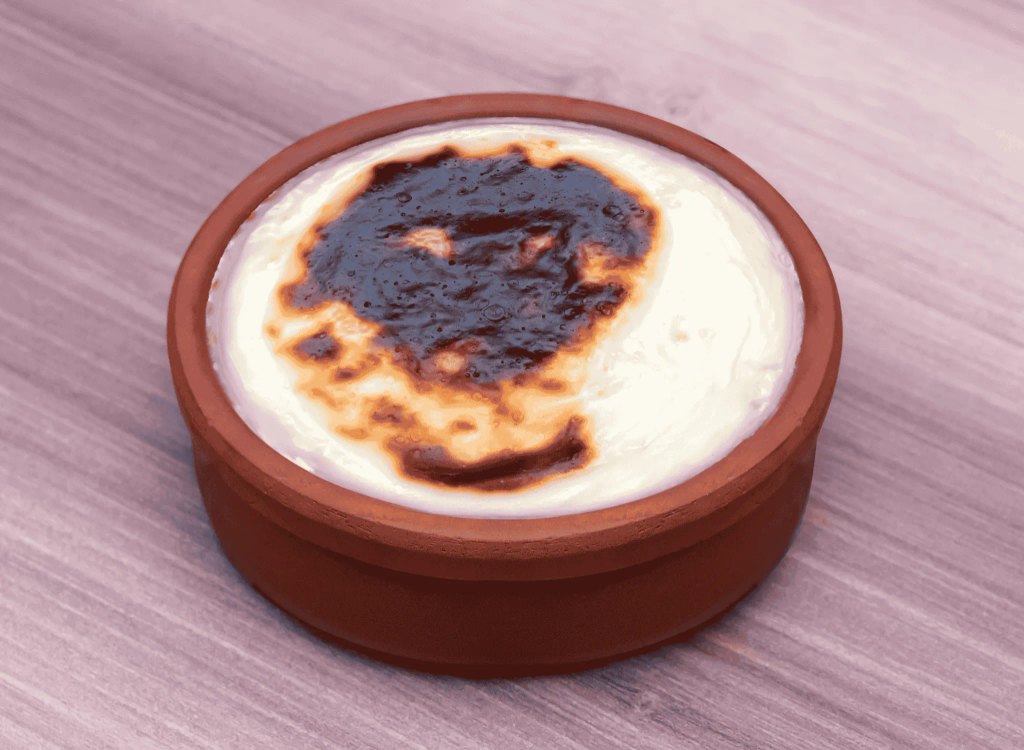
4. Sütlaç
Sütlaç is a baked rice pudding made with milk, sugar, and a bit of rice, often finished under a broiler for a caramelized top. The texture lands somewhere between creamy and custardy, with a faint vanilla or rosewater note. Some versions get a sprinkle of cinnamon before serving. It’s less sweet than Western rice puddings, which makes it a comfortable after-dinner choice. Serve it chilled or at room temperature.
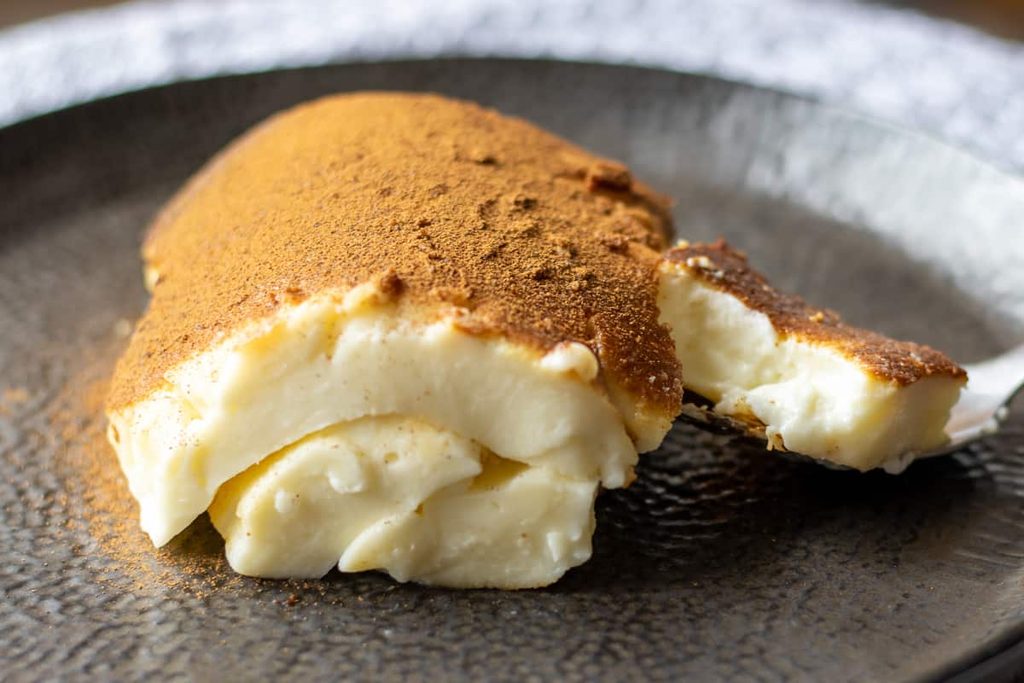
5. Kazandibi
Kazandibi means “bottom of the pot,” a nod to its signature caramelized base. This milk pudding gets cooked until the bottom layer turns deep brown and slightly burnt-tasting in the best way, then it’s flipped so that caramelized layer sits on top. The inside stays creamy and mild. It’s a dessert built on contrast between smoky caramel and soft pudding. Look for it at traditional muhallebici (milk pudding shops) across Turkey.
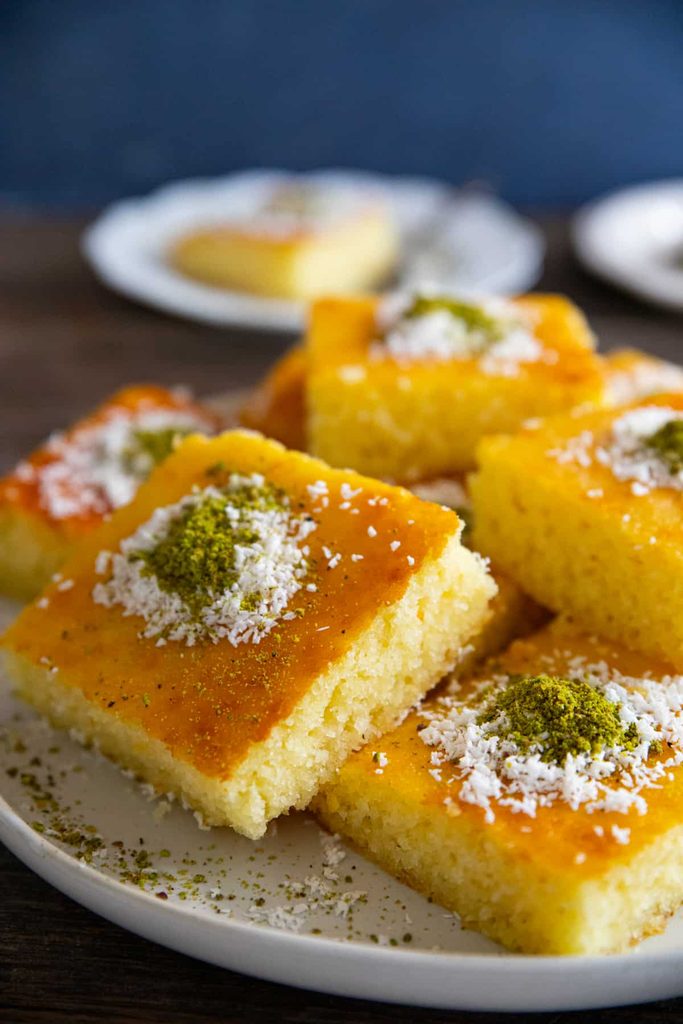
6. Revani
Revani is a semolina cake soaked in a light sugar syrup, giving it a moist, slightly dense crumb. Unlike heavier Western cakes, revani stays springy and almost spongy thanks to the semolina. A touch of yogurt or lemon in the batter keeps the flavor bright instead of cloying. Some bakers add shredded coconut on top. It’s a good choice for anyone who finds baklava too rich.
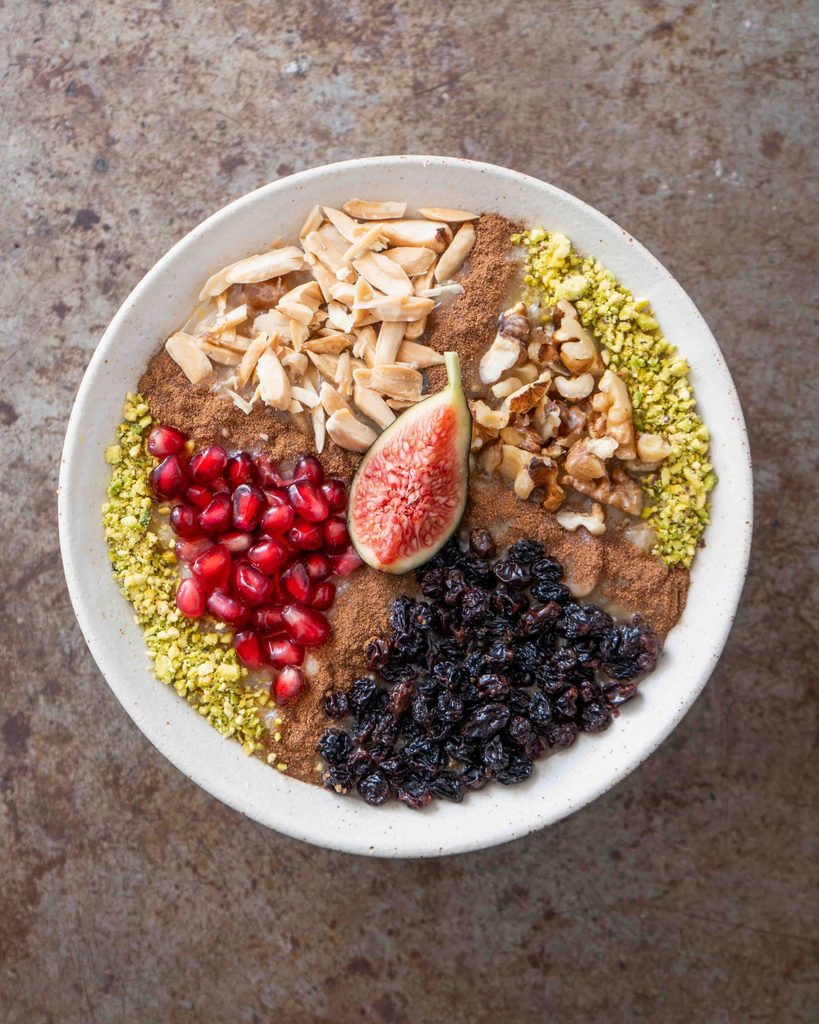
7. Aşure
Aşure, often called Noah’s Pudding, is a hearty mix of grains, beans, dried fruit, and nuts simmered into a thick pudding. Legend says it began when Noah combined whatever food remained on the ark. Ingredients vary by household but often include wheat berries, chickpeas, white beans, raisins, apricots, and walnuts. It’s traditionally made during the Islamic month of Muharram and shared with neighbors. The flavor is mild, sweet, and fragrant with rosewater.
8. Şekerpare
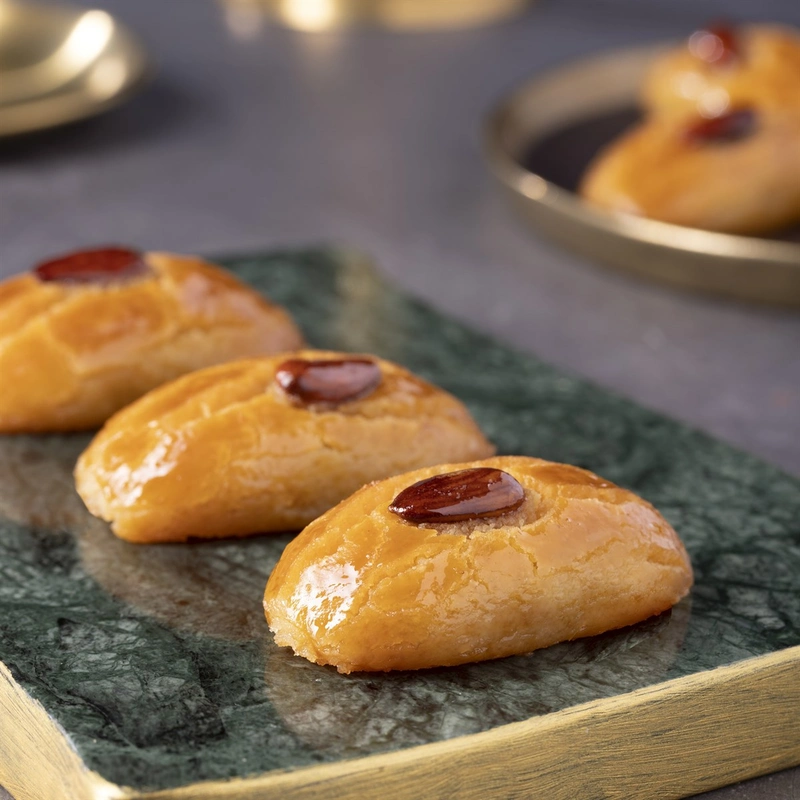
Şekerpare are small, round cookies soaked in sweet syrup, with a texture similar to a dense shortbread. The dough often includes a bit of semolina or yogurt, which keeps the cookies tender even after soaking. Each one gets topped with a single almond before baking. They’re smaller than baklava squares, making them easy party finger food. Serve them at room temperature alongside coffee or tea.
9. Tulumba
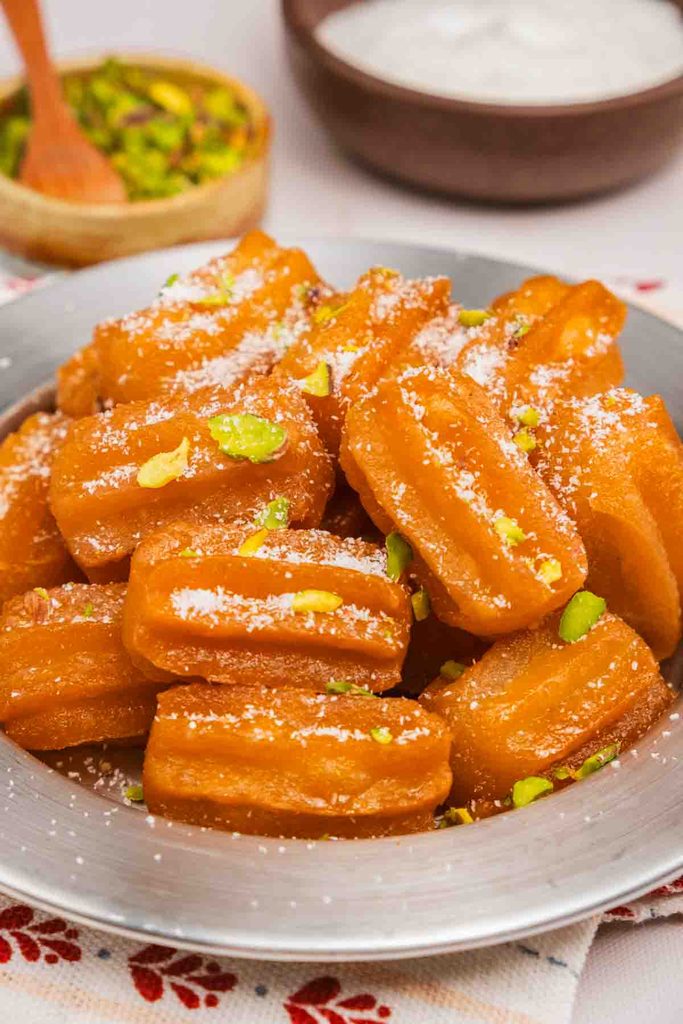
Tulumba are fried dough fritters soaked in syrup, similar in spirit to Spanish churros but softer and sweeter. The dough gets piped into short logs, deep-fried until golden, then dunked immediately in cold syrup so the outside stays slightly crisp while the inside soaks up sweetness. They’re best eaten the same day they’re fried. Street vendors in Turkey often sell them warm, which is the ideal way to try them.
10. Güllaç
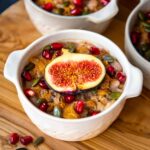
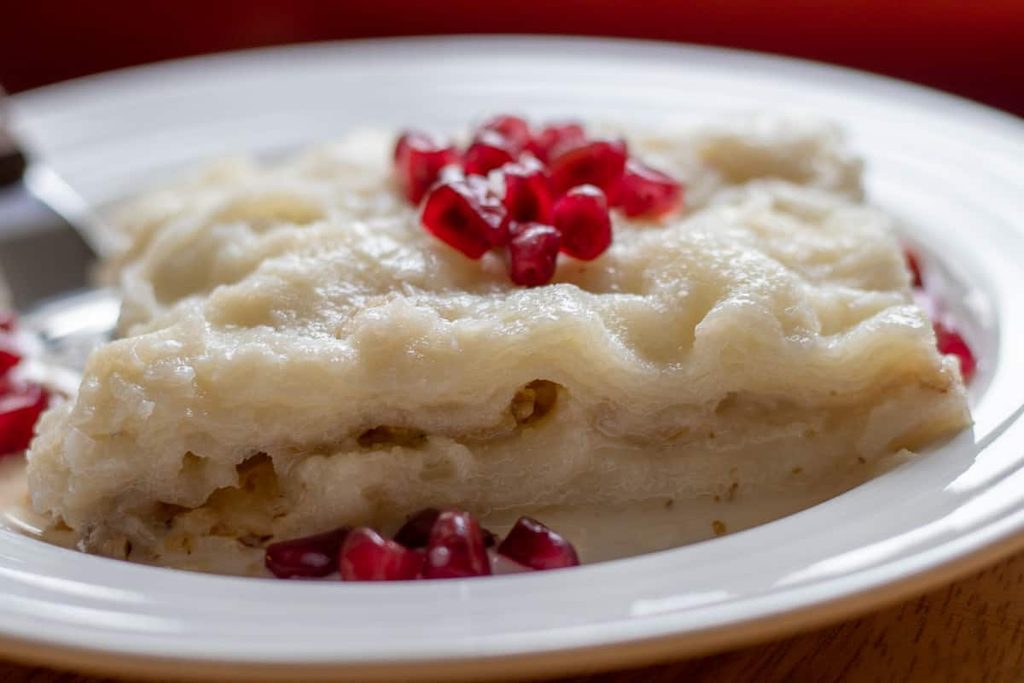
Güllaç is a delicate milk dessert made with thin sheets of starch-based pastry layered in sweetened, rosewater-scented milk. It’s traditionally served during Ramadan, since it’s light enough to enjoy after a long day of fasting. Pomegranate seeds and crushed walnuts often top each serving, adding a pop of tartness and crunch. The pastry sheets soften as they soak, turning almost gelatin-like. It’s a seasonal treat worth seeking out in spring.
11. Maraş Dondurması
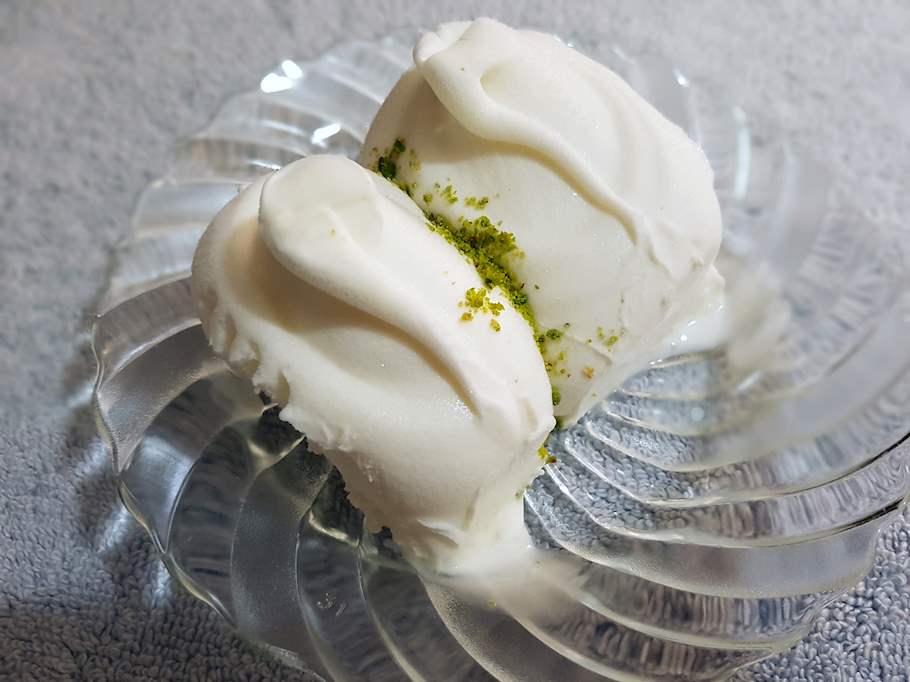
Maraş Dondurması is a stretchy, chewy ice cream from the city of Kahramanmaraş, made with goat’s milk and salep (a flour ground from orchid root). The salep gives it an elastic, almost taffy-like texture that holds up to being pulled and twisted, which street vendors turn into a bit of showmanship. It melts slower than typical ice cream too. Pistachio and chocolate dip are classic additions. Seek it out from vendors who make it fresh.
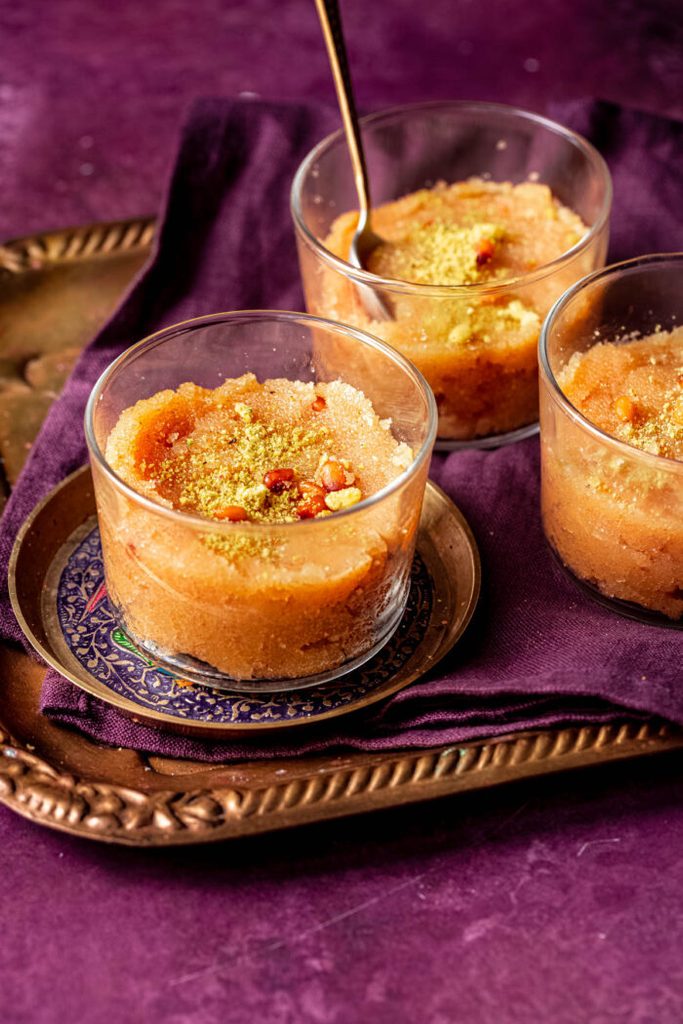
12. İrmik Helvası
İrmik Helvası is a simple semolina halva made by toasting semolina in butter, then simmering it with milk or water and sugar until it thickens. Pine nuts are often toasted along with the semolina for a nutty crunch. It’s traditionally served after funerals in Turkish culture, as a way for communities to share comfort food. The texture is grainy yet soft, almost like a warm pudding. A dusting of cinnamon on top finishes it nicely.
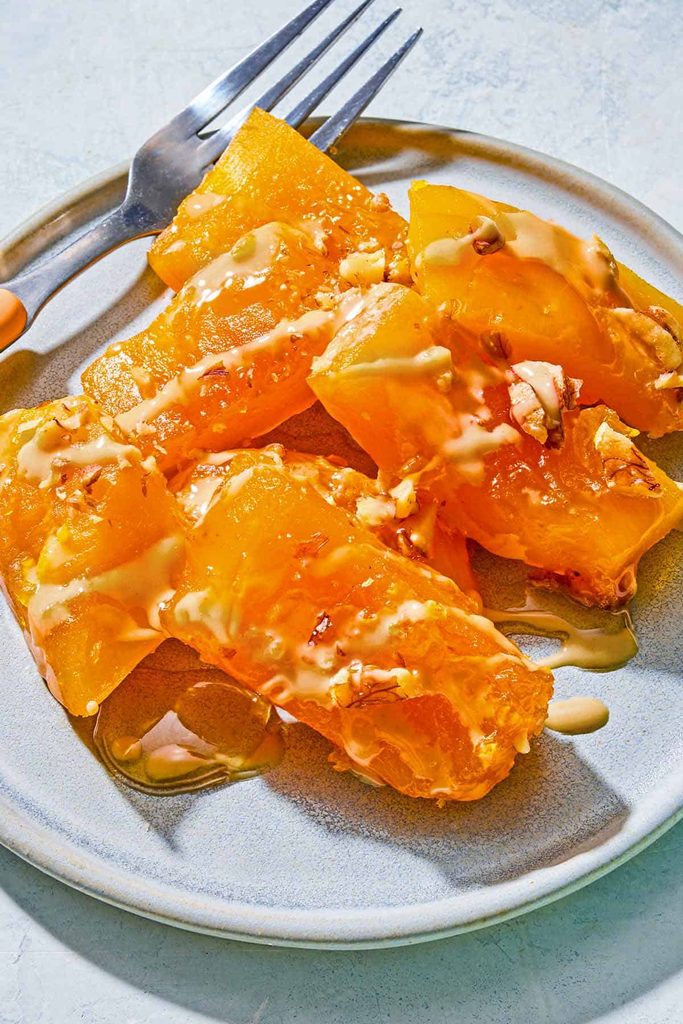
13. Kabak Tatlısı
Kabak Tatlısı is candied pumpkin, simmered slowly in sugar until the pumpkin turns deep orange and syrupy-sweet. It’s typically served chilled, topped with crushed walnuts and a dollop of tahini or kaymak (clotted cream). The pumpkin itself softens to a texture similar to a baked sweet potato. This dessert shows up often in fall and winter, when pumpkins are in season. It’s a lighter option for anyone avoiding super-rich pastries.
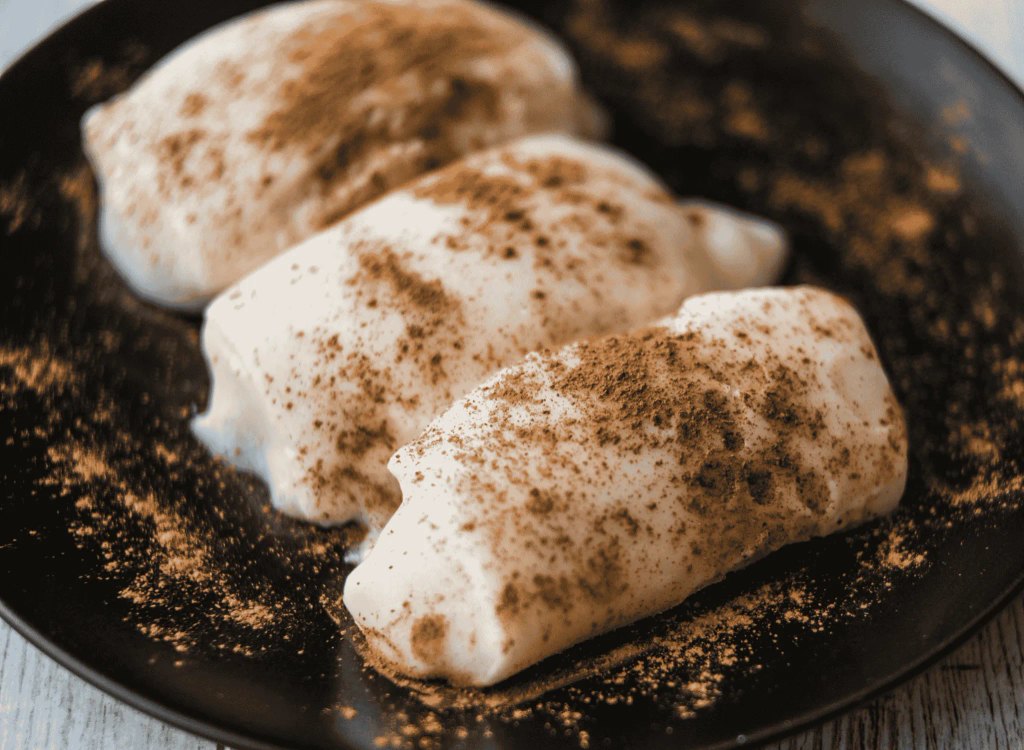
14. Tavuk Göğsü
Tavuk Göğsü, or chicken breast pudding, sounds unusual but tastes like a mild, creamy milk pudding with no poultry flavor at all. Finely shredded chicken breast gets boiled until tasteless, then blended into a sweet milk pudding, where it adds body and a subtly stringy texture rather than any chicken taste. This Ottoman palace dessert surprises most first-time tasters. It’s worth trying with an open mind. Cinnamon on top is traditional.
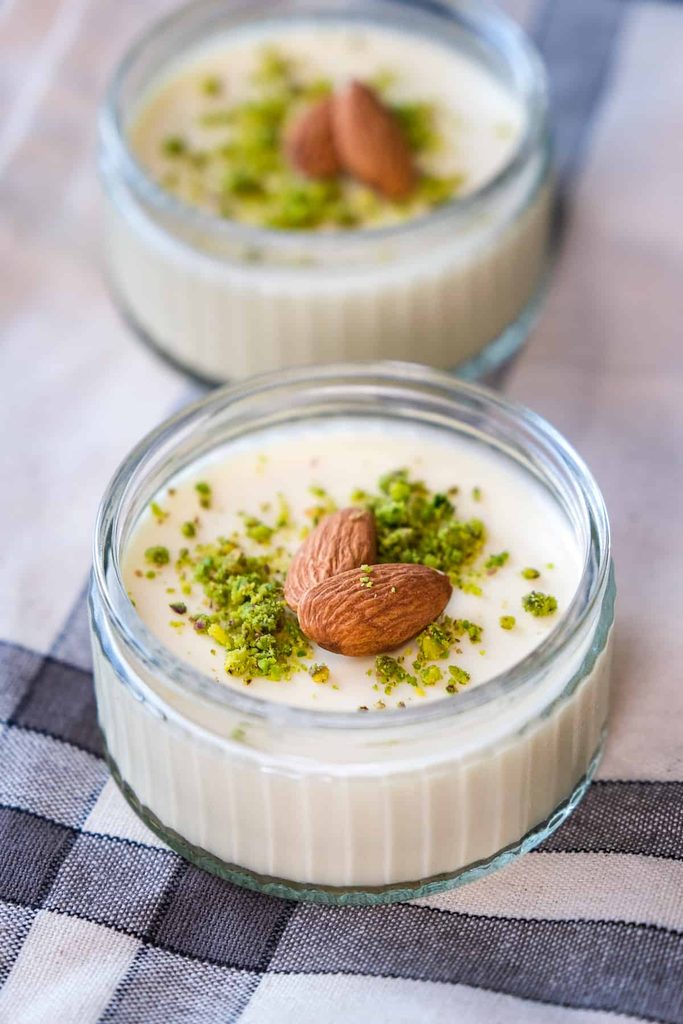
15. Keşkül
Keşkül is a creamy almond pudding, similar to panna cotta but lighter and milkier. Ground almonds get simmered with milk and sugar until thickened, then chilled in individual cups. Crushed pistachios or coconut flakes often decorate the top for color and crunch. The flavor is delicate and nutty, never overly sweet. It’s a refreshing choice after a heavy meal.
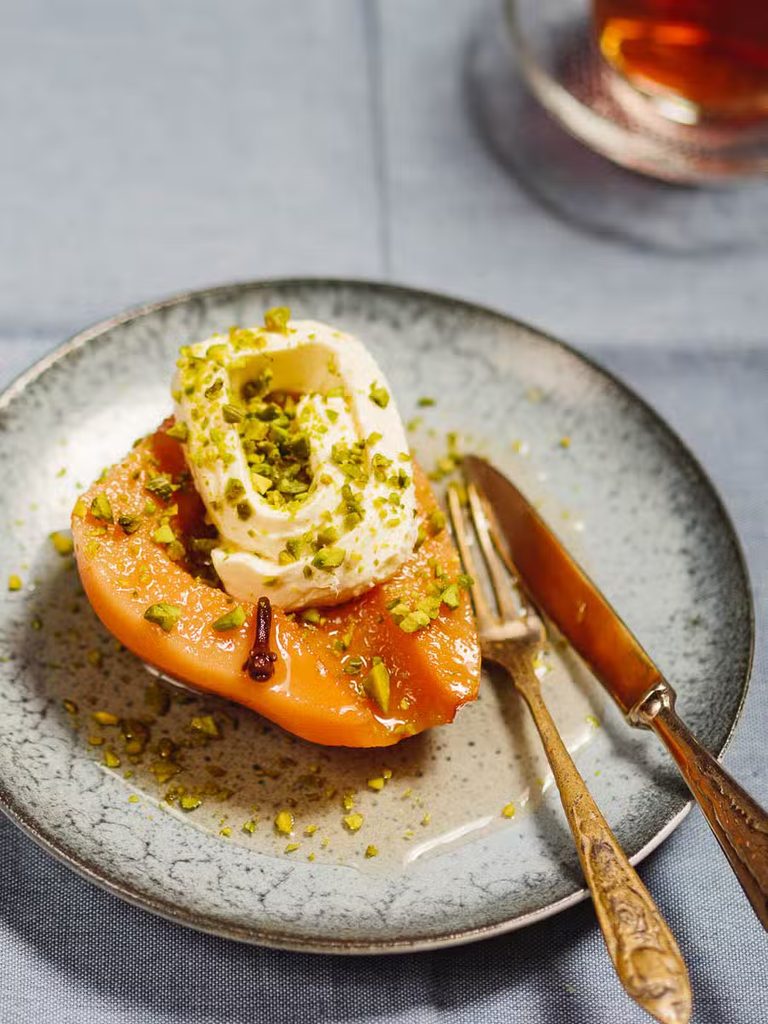
16. Ayva Tatlısı
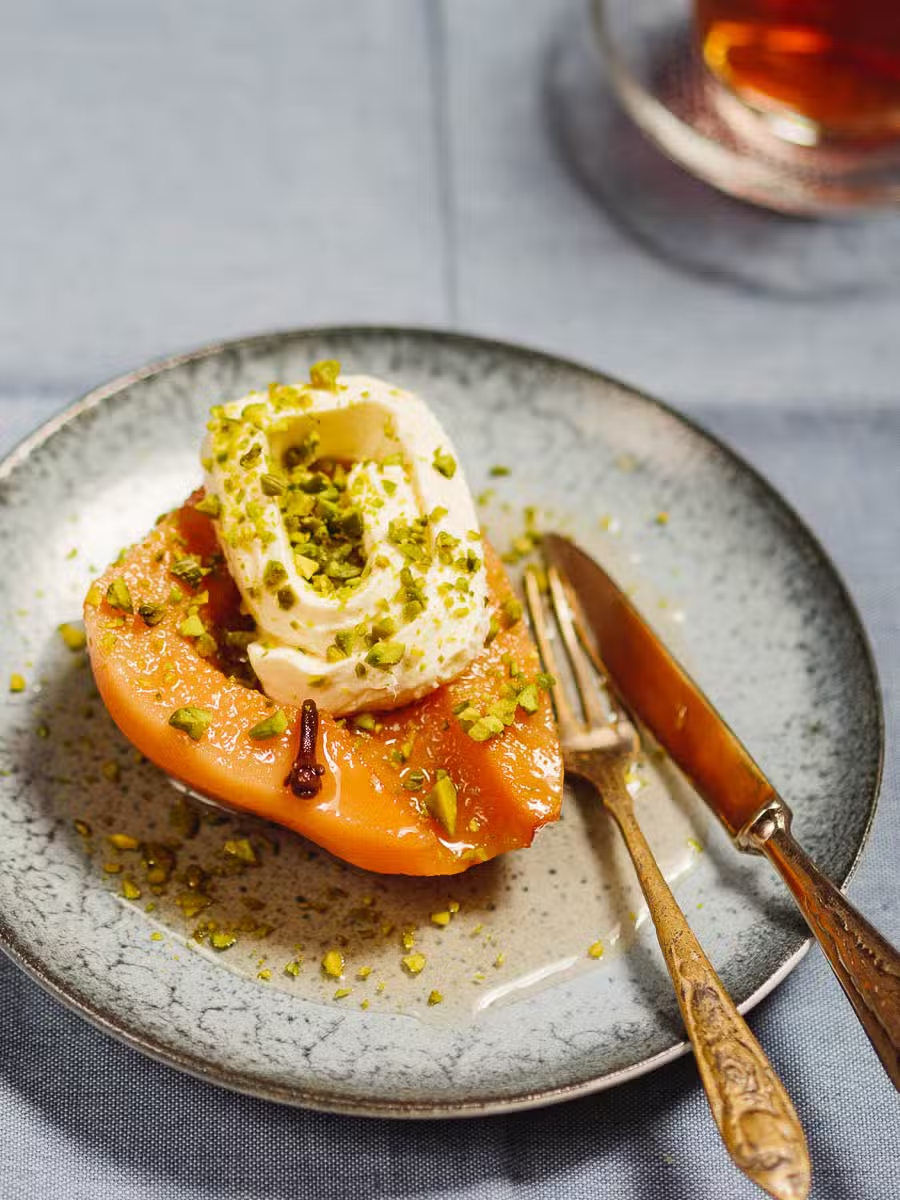
Ayva Tatlısı is poached quince, simmered in sugar syrup until the fruit turns a deep rose color and tender texture. The quince’s natural tartness balances the sweetness of the syrup, making this one of the lighter Turkish desserts. A spoonful of kaymak or clotted cream on top is traditional. It’s an ideal choice if you want something fruity instead of pastry-heavy. Serve it chilled in the fall, when quince is in season.
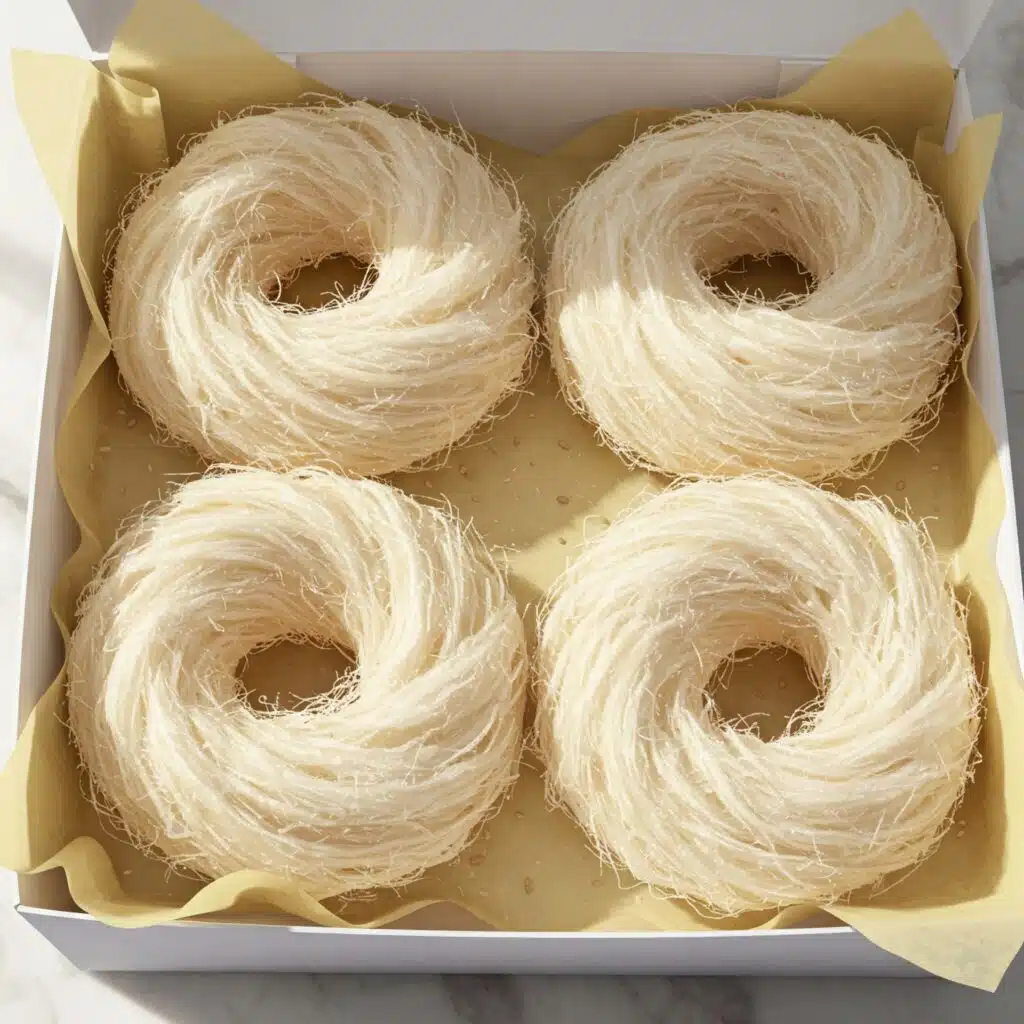
17. Pişmaniye
Pişmaniye is a cotton candy-like confection made from pulled sugar and roasted flour, giving it thin, floss-like strands that melt on your tongue. It originated in the city of İzmit and is often flavored lightly with vanilla. The texture is unlike anything else on this list: delicate, slightly crunchy, then dissolving instantly. It makes a fun gift since it travels well in tins. Keep it away from humidity, since it softens quickly.
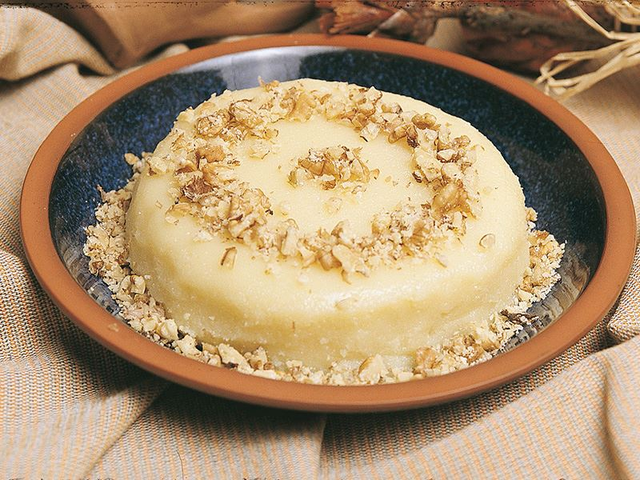
18. Höşmerim
Höşmerim is a soft cheese dessert made by cooking unsalted cheese with semolina and sugar until it turns golden and slightly chewy. Some versions get baked briefly for a light crust on top. The flavor is mild and milky, closer to a cheesecake than a syrup-soaked pastry. It’s a good option for anyone who wants something sweet but not sticky. Coconut flakes are a common garnish.
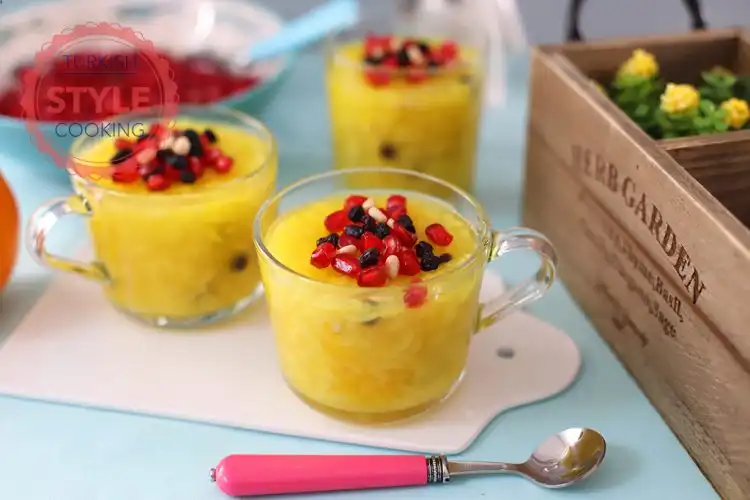
19. Zerde
Zerde is a saffron-tinted rice pudding, traditionally served at weddings and special celebrations across Turkey. The saffron gives it a golden-yellow color and a subtle floral aroma, while rice provides a soft, slightly chewy bite. Pomegranate seeds, raisins, and chopped almonds often top each serving. It’s sweeter and more fragrant than sütlaç, with a festive feel. Serve it in small bowls as part of a celebration spread.
How to Choose a Turkish Dessert
Think about texture first. If you love flaky, crunchy pastry, baklava and şekerpare deliver that bite. If creamy and smooth sounds better, sütlaç, keşkül, or kazandibi fit the mood.
Consider how sweet you want to go. Pudding-based desserts like zerde and tavuk göğsü stay mild, while syrup-soaked treats like tulumba and revani lean much sweeter.
Here’s a side-by-side look at how the desserts compare:
| Dessert | Texture | Sweetness | Served |
|---|---|---|---|
| Baklava | Crisp, flaky | High | Room temp |
| Künefe | Warm, stretchy | High | Hot |
| Lokum | Chewy | Medium | Room temp |
| Sütlaç | Creamy | Low-medium | Chilled |
| Kazandibi | Creamy, caramelized | Medium | Chilled |
| Revani | Moist, spongy | Medium | Room temp |
| Aşure | Thick, chunky | Low-medium | Room temp |
| Şekerpare | Dense, soaked | High | Room temp |
| Tulumba | Crisp outside, soft inside | High | Warm |
| Güllaç | Soft, layered | Low-medium | Chilled |
| Maraş Dondurması | Chewy, elastic | Medium | Frozen |
| İrmik Helvası | Grainy, soft | Medium | Warm |
| Kabak Tatlısı | Soft, syrupy | Medium | Chilled |
| Tavuk Göğsü | Creamy | Low | Chilled |
| Keşkül | Creamy | Low | Chilled |
| Ayva Tatlısı | Tender, juicy | Low-medium | Chilled |
| Pişmaniye | Flossy, dissolving | Medium | Room temp |
| Höşmerim | Soft, chewy | Low-medium | Warm or room temp |
| Zerde | Soft, chewy rice | Medium | Room temp |
If you’re new to Turkish sweets, start with something familiar like baklava or lokum before trying unusual picks like tavuk göğsü. For more inspiration, browse through a wider collection of Turkish recipes to round out a full menu, or check out other Mediterranean desserts if you want to compare flavors across the region.
Tips for Serving Turkish Desserts
Serve most syrup-soaked pastries at room temperature, not hot. Baklava, şekerpare, and revani taste best once the syrup has settled into every layer, which takes a few hours after baking.
Pair sweets with Turkish coffee or black tea. The slight bitterness of coffee cuts through the sugar in lokum and baklava, balancing each bite.
Keep portions small. Turkish desserts tend to be rich or syrupy, so a small square or a few bites goes a long way, especially if you’re serving several desserts at once.
Store milk puddings like sütlaç and keşkül in the fridge, covered, for up to three days. Keep pastries like baklava at room temperature in a sealed container so the phyllo doesn’t turn soggy.
For a dinner party, offer a mix of textures: one creamy pudding, one syrup-soaked pastry, and one fruit-based dessert like ayva tatlısı. That variety keeps the dessert course interesting without overwhelming your guests with sugar.