Vietnamese desserts rarely show up at the end of a meal the way cake or pie does back home. They pop up at street stalls in the afternoon heat, in little glass cups layered with jelly and beans, or warm in a bowl of sweet soup called chè. The best Vietnamese desserts balance sugar with coconut milk, rice, and tropical fruit instead of piling on heavy cream and frosting.
If you’re new to this category, start with bánh flan, the Vietnamese take on caramel custard, because it’s creamy, familiar to Western palates, and sold on nearly every corner in Ho Chi Minh City. From there, the variety opens up fast: chewy rice cakes, sticky rice puddings, coconut jellies, and sweet bean soups that Vietnamese families have made for generations.
This list covers more than 19 of these treats, from classic chè to baked cakes you can make in your own kitchen.
Quick picks:
- Best for first-timers: Bánh Flan, creamy and familiar
- Best cold treat: Chè Ba Màu, layered and refreshing
- Best warm comfort dessert: Chè Chuối, banana and coconut milk
- Best for baking at home: Bánh Chuối Nướng, banana cake with a caramelized top
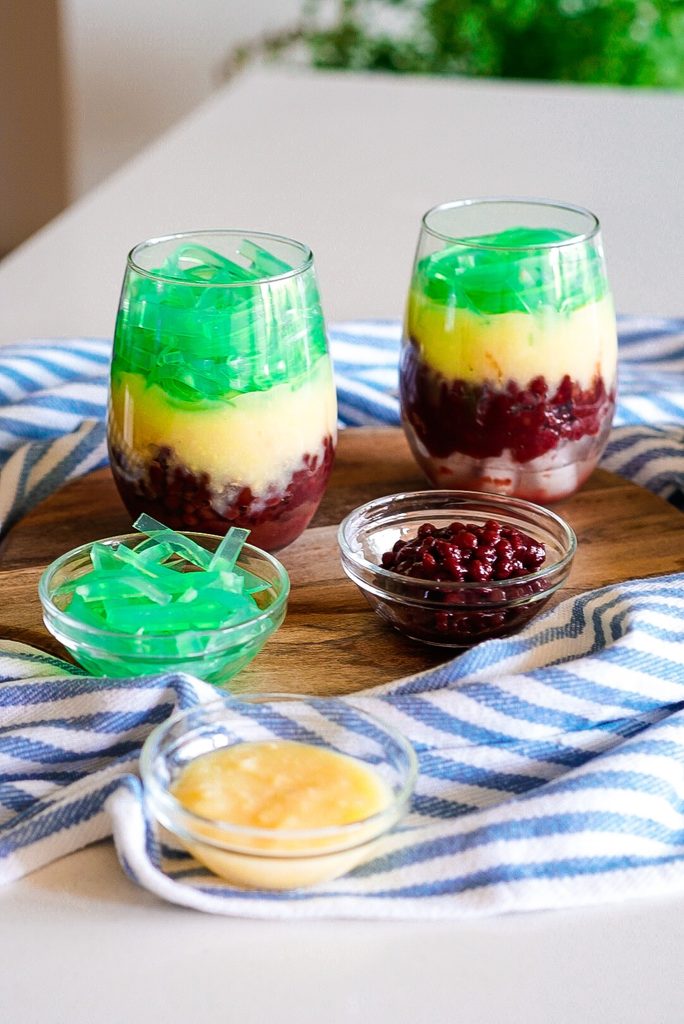
1. Chè Ba Màu
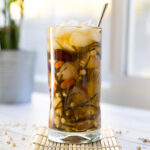
Chè Ba Màu means “three color dessert,” and it earns the name with layers of red beans, green pandan jelly, and yellow mung bean paste. Pour coconut milk over crushed ice and the whole thing turns into a cool, creamy mess worth eating with a long spoon. It’s a street food staple in Southern Vietnam, sold in clear cups so you can see every layer. The texture contrast, soft beans against chewy jelly against icy coconut milk, makes it more fun to eat than a typical pudding.
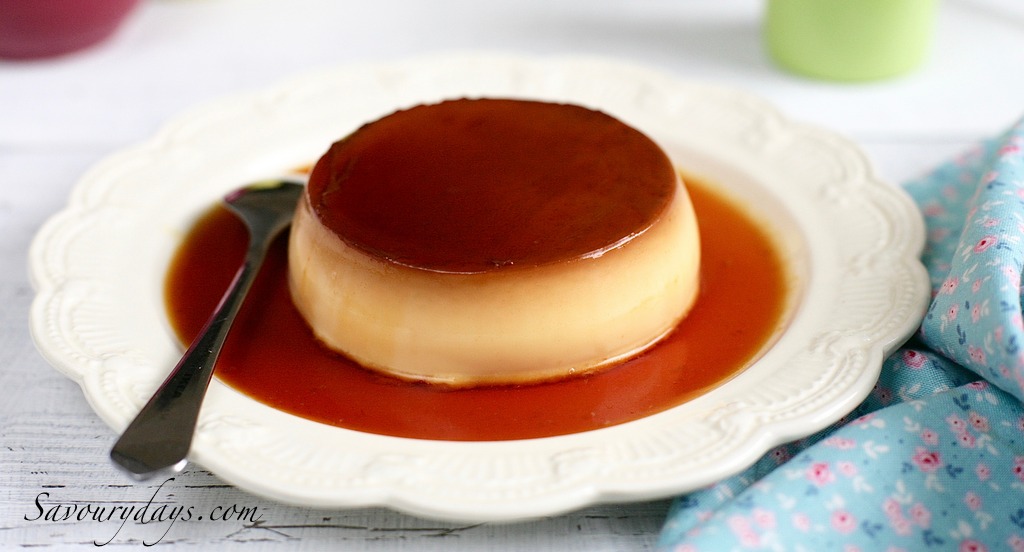
2. Bánh Flan
Bánh Flan is Vietnam’s answer to crème caramel, left behind by French colonists but made distinctly Vietnamese with condensed milk and a splash of strong coffee on top. The custard sets silky and dense, not jiggly like some French versions. Vendors often serve it with coconut cream drizzled over the caramel sauce, or dunked into a glass of iced coffee. It’s rich but not overly sweet, which makes it an easy entry point if you’ve never tried Vietnamese sweets before.
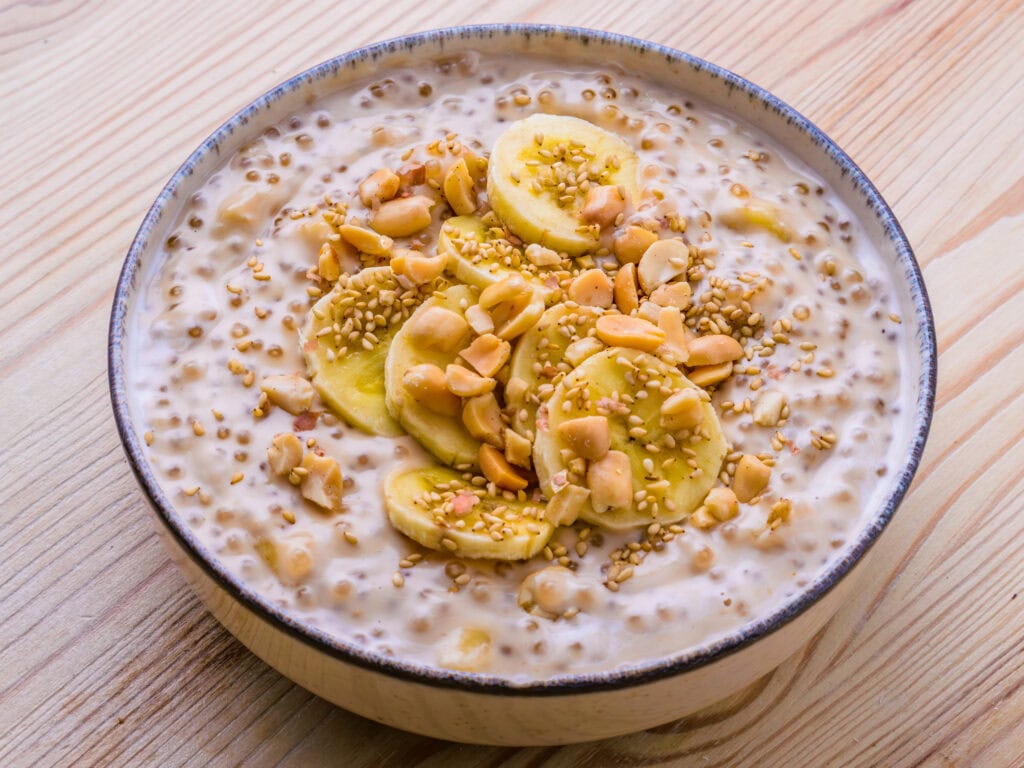
3. Chè Chuối
Chè Chuối is a warm banana pudding simmered in coconut milk with tapioca pearls for chew and a little salt to balance the sweetness. Bananas soften into the sauce as it cooks, turning almost jammy. Crushed roasted peanuts on top add crunch and a nutty bite. Families often make this one during colder months since it’s served warm instead of iced. The coconut milk base is thinner than Western puddings, more like a sweet soup you’d spoon over the fruit.
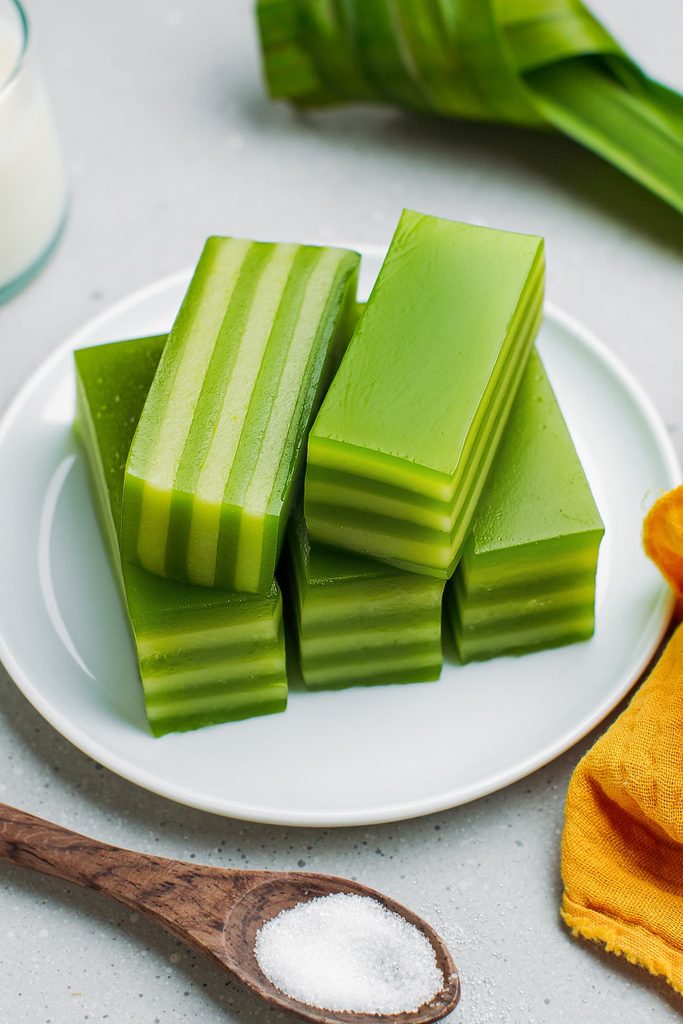
4. Bánh Da Lợn
Bánh Da Lợn is a steamed layered cake made from rice flour, mung bean, and pandan, named for its resemblance to pig skin because of its smooth, striped layers. Each layer is steamed separately before the next goes on, which takes patience but creates a distinct green-and-yellow striped look. The texture is bouncy and slightly chewy, similar to mochi. Coconut milk gets folded into the batter for richness. It’s a popular choice at Vietnamese bakeries and family gatherings.
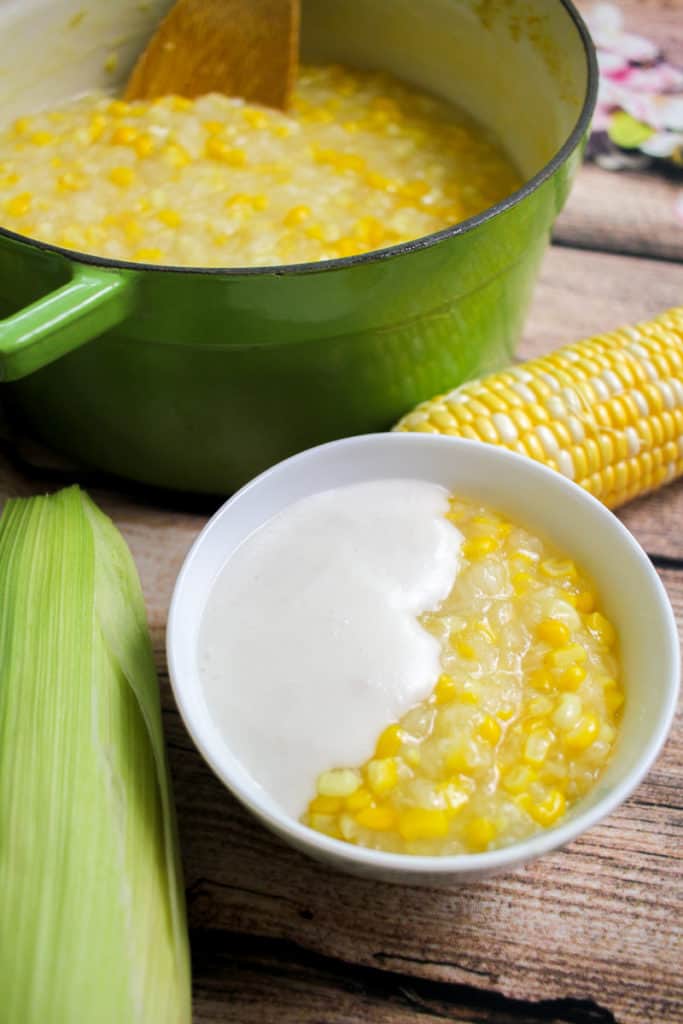
5. Chè Bắp
Chè Bắp is a sweet corn pudding made with fresh corn kernels, coconut milk, and tapioca starch for thickness. The corn’s natural sweetness means less added sugar is needed compared to other chè. Vendors in Hoi An are especially known for this version, often using young, tender corn that turns creamy as it cooks down. A sprinkle of toasted sesame or crushed peanuts finishes the bowl. Serve it warm or chilled; both ways bring out the corn’s flavor differently.
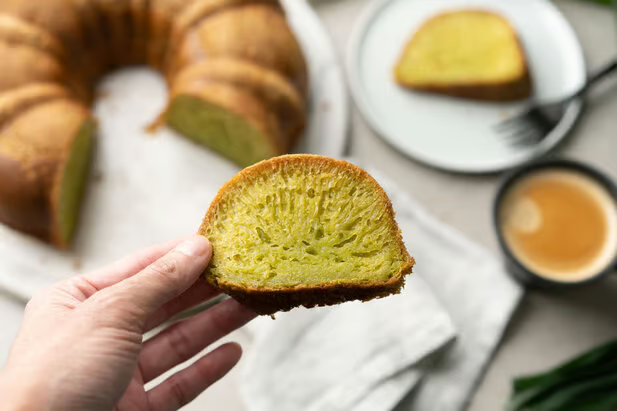
6. Bánh Bò Nướng
Bánh Bò Nướng is a baked honeycomb cake known for its airy, spongy texture full of tiny holes from fermentation. Rice flour, coconut milk, and yeast create that signature bubbly structure once it bakes. Pandan gives it a pale green color and a grassy, slightly sweet aroma. The texture bounces back when pressed, almost like a cross between cake and bread. Vietnamese bakeries often sell it in small rounds, perfect for an afternoon snack with tea.
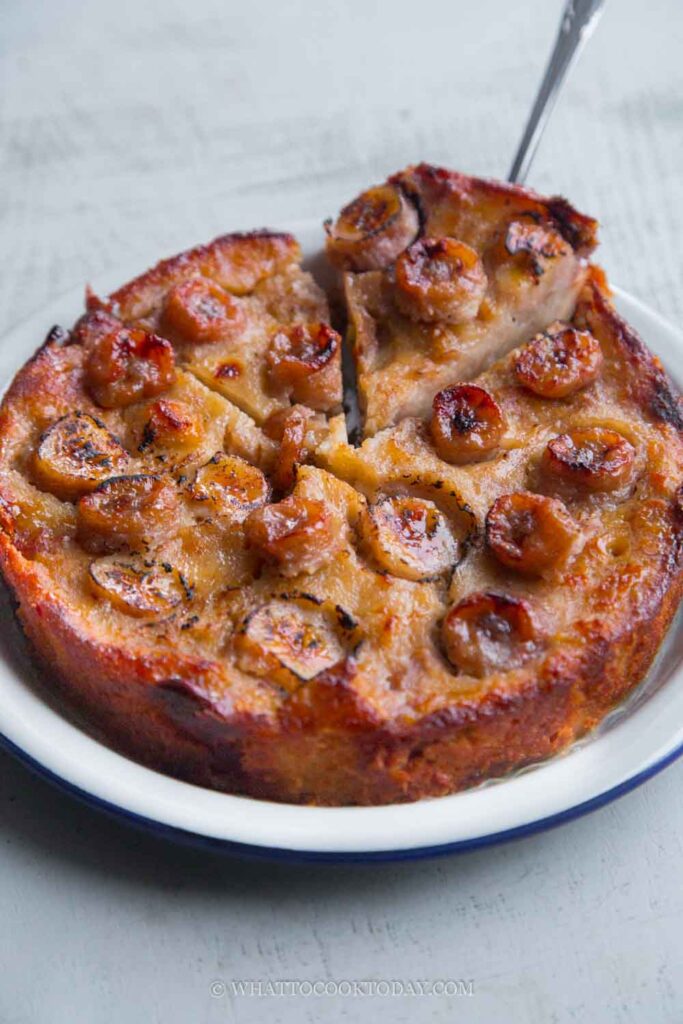
7. Bánh Chuối Nướng
Bánh Chuối Nướng is a baked banana cake made with ripe bananas, coconut milk, and tapioca flour for a dense, sticky crumb.
Yield: 8 servings
Prep time: 15 minutes
Cook time: 50 minutes
Ingredients:
- 6 ripe bananas, mashed
- 1 cup coconut milk
- 1/2 cup tapioca starch
- 1/3 cup sugar
- 1/4 teaspoon salt
- 1 tablespoon melted butter
Steps:
- Preheat oven to 350°F and grease a loaf pan.
- Mix mashed bananas, coconut milk, sugar, and salt in a bowl.
- Stir in tapioca starch until smooth.
- Pour batter into the pan and drizzle melted butter on top.
- Bake 45-50 minutes until the top turns deep golden brown.
- Cool 10 minutes before slicing.
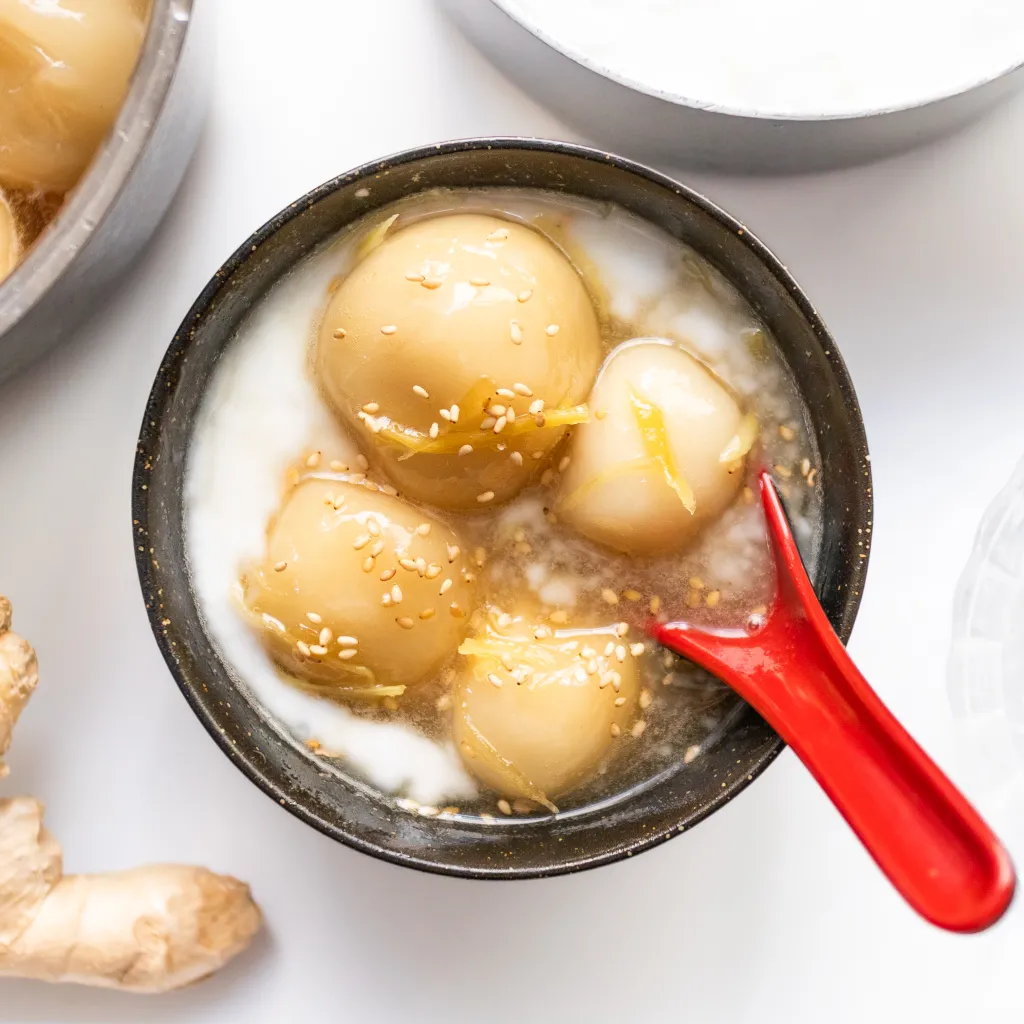
8. Chè Trôi Nước
Chè Trôi Nước features chewy glutinous rice balls stuffed with sweet mung bean paste, floating in warm ginger syrup. The ginger adds a spicy warmth that cuts through the sweetness nicely. Sesame seeds sprinkled on top give a little nutty crunch against the soft dough. This dessert traditionally appears during the Vietnamese Cold Food Festival in early spring, though you’ll find it year-round at dessert shops. Each bite combines soft, chewy, and slightly spicy in one spoonful.
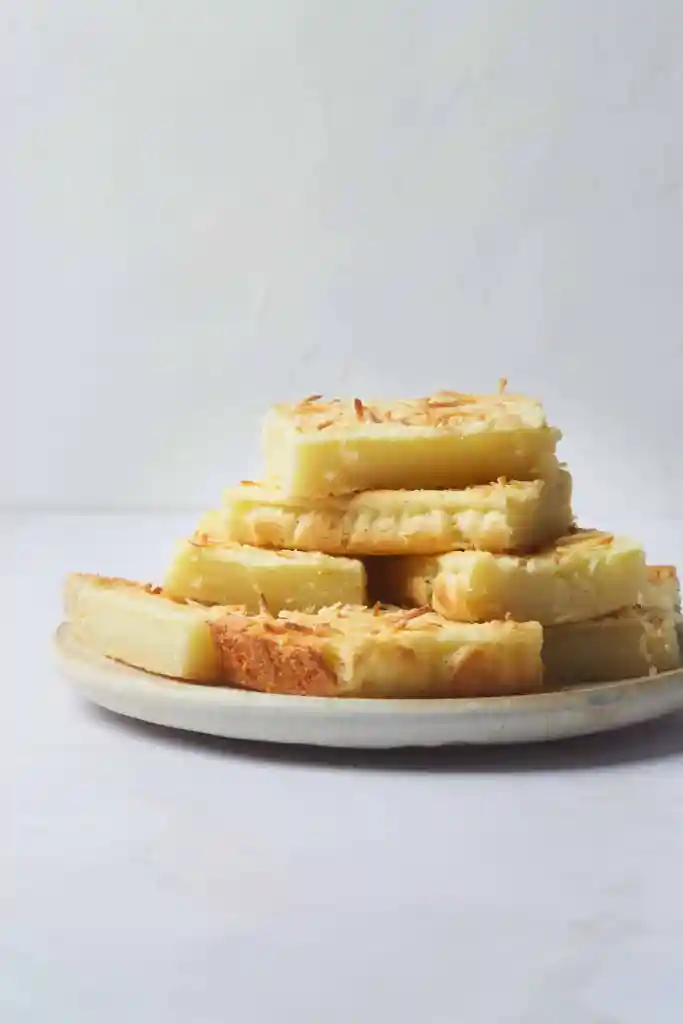
9. Bánh Khoai Mì Nướng
Bánh Khoai Mì Nướng is a baked cassava cake made from grated cassava root, coconut milk, and condensed milk for sweetness.
Yield: 10 servings
Prep time: 20 minutes
Cook time: 1 hour
Ingredients:
- 2 pounds grated cassava, squeezed dry
- 1 cup coconut milk
- 1/2 cup condensed milk
- 2 eggs
- 1/3 cup sugar
- 1/4 teaspoon salt
Steps:
- Preheat oven to 375°F and grease a baking dish.
- Whisk eggs, coconut milk, condensed milk, sugar, and salt together.
- Fold in the grated cassava until evenly coated.
- Pour into the dish and smooth the top.
- Bake 55-60 minutes until golden and firm.
- Cool completely before cutting into squares.
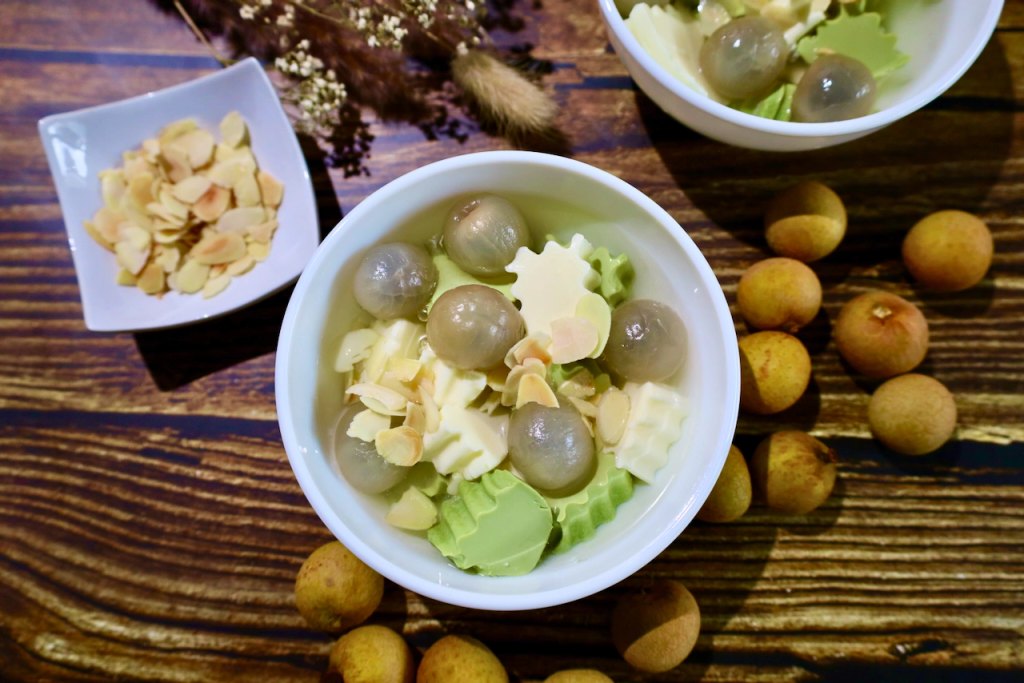
10. Chè Khúc Bạch
Chè Khúc Bạch is a modern Vietnamese dessert made with jiggly almond milk jelly cubes, lychee, and a light sugar syrup. The jelly has a soft, pudding-like bounce from gelatin and condensed milk mixed with almond extract. Chopped almonds on top add crunch against the smooth jelly. This one is newer than most on this list, gaining popularity in Hanoi cafes over the past couple decades. It’s served cold, making it a popular pick during Vietnam’s hot summer months.
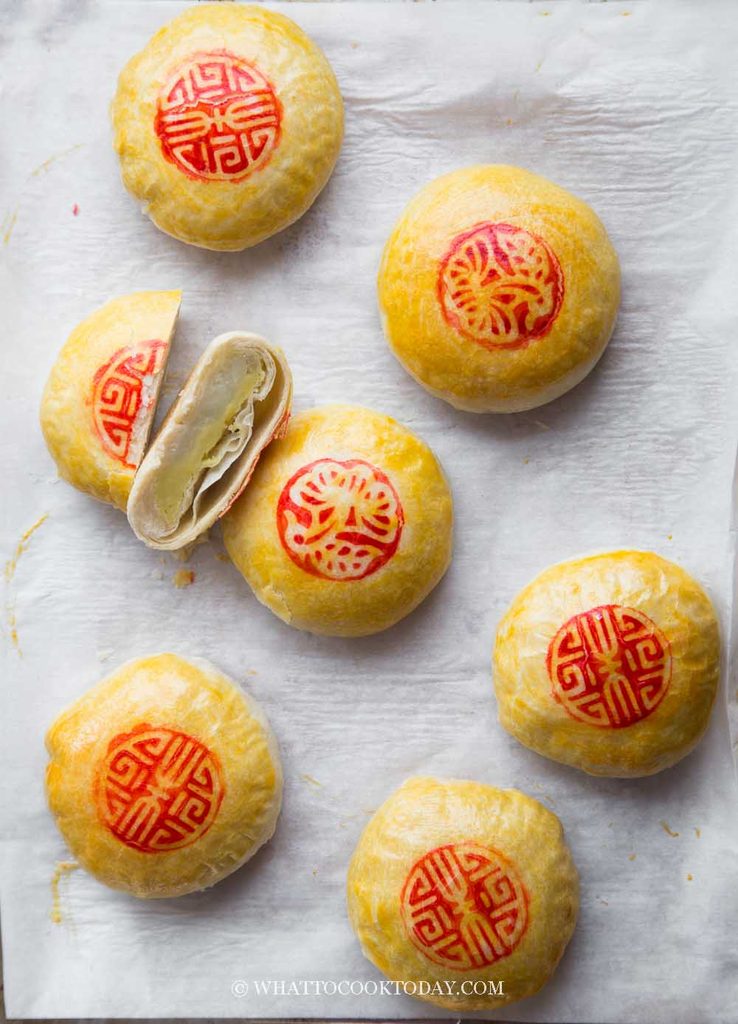
11. Bánh Pía
Bánh Pía is a flaky pastry from Soc Trang filled with durian and mung bean paste, wrapped in thin, buttery layers of dough. The pastry peels apart in sheets, similar to a mooncake but lighter and less dense. Durian gives it a strong, custardy flavor that some people love and others find intense. Salted egg yolk sometimes gets tucked into the center for a savory contrast. It’s a popular gift item during Vietnamese holidays and travels well since it’s not refrigerated.
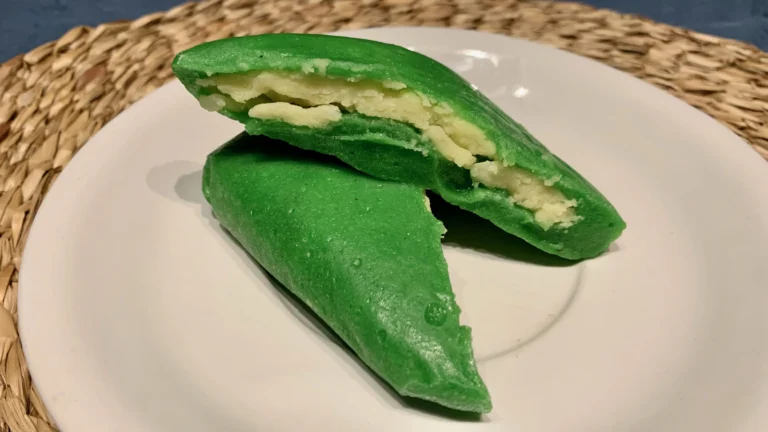
12. Bánh Cốm
Bánh Cốm is a chewy green rice cake made from young flattened rice called cốm, wrapped around a sweet mung bean filling. The rice gives the cake a distinct grassy flavor and a soft, slightly sticky bite. It’s closely tied to Hanoi, where cốm is harvested in early autumn and turned into this seasonal treat. The cake is often wrapped in banana leaf and tied with red string for weddings and gifts. Fresh cốm makes a real difference in flavor here.
13. Tàu Hũ Nước Đường
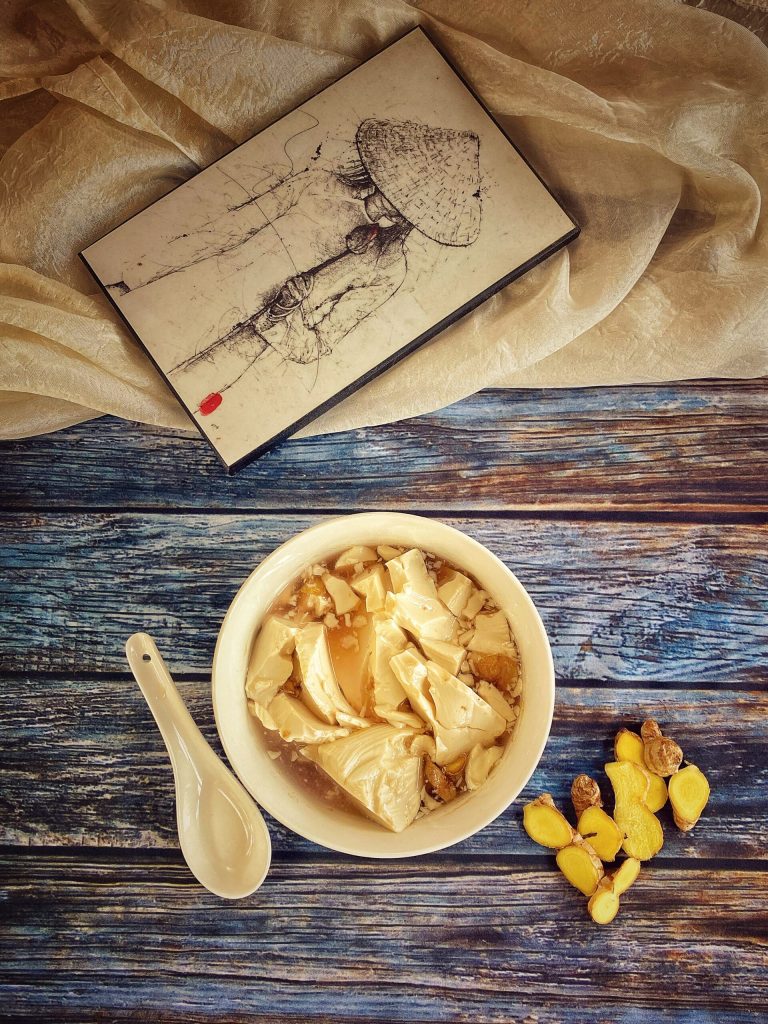
Tàu Hũ Nước Đường is warm silken tofu pudding served in a light ginger-infused sugar syrup. The tofu itself is soft and barely sweetened, letting the warm ginger syrup carry most of the flavor. Some vendors add coconut milk or pandan leaves to the syrup for extra depth. It’s a common street food in Saigon, sold from carts with the tofu made fresh that morning. The simplicity is the appeal: just three ingredients, done right, make a comforting bowl.
14. Rau Câu Dừa
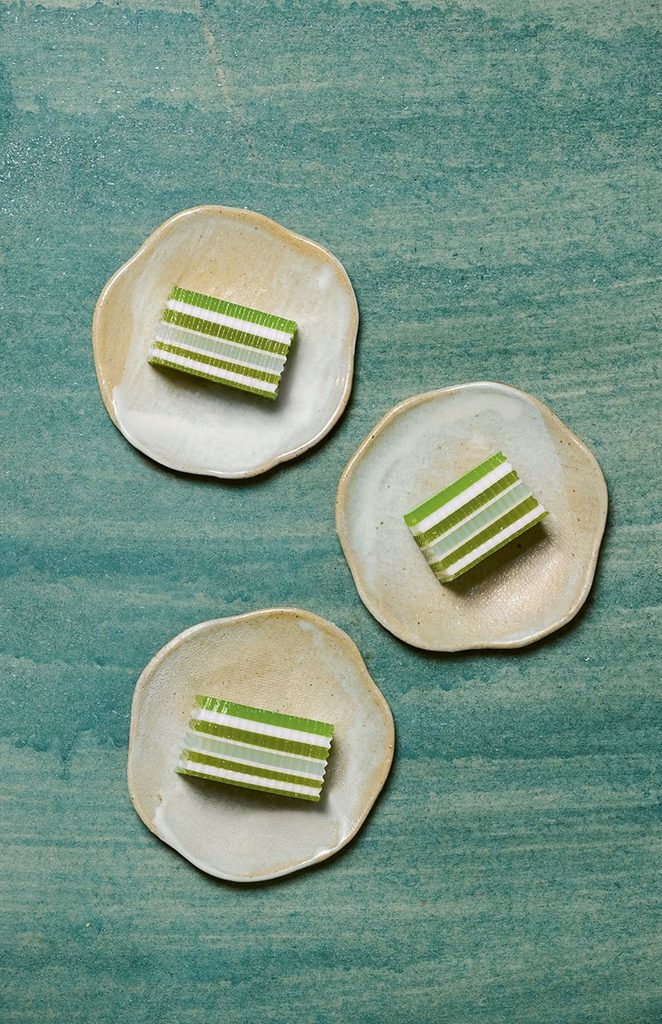
Rau Câu Dừa is a coconut jelly dessert often set inside a real coconut shell for presentation and serving ease. Agar agar gives the jelly a firm, clean-cutting texture, less jiggly than gelatin-based jellies. Layers of white coconut jelly and sometimes pandan-green jelly create a striped effect when sliced. It’s a favorite at Vietnamese parties and potlucks since it looks impressive but doesn’t require baking. The coconut flavor comes through clean and rich, not artificial.
15. Bánh Cam
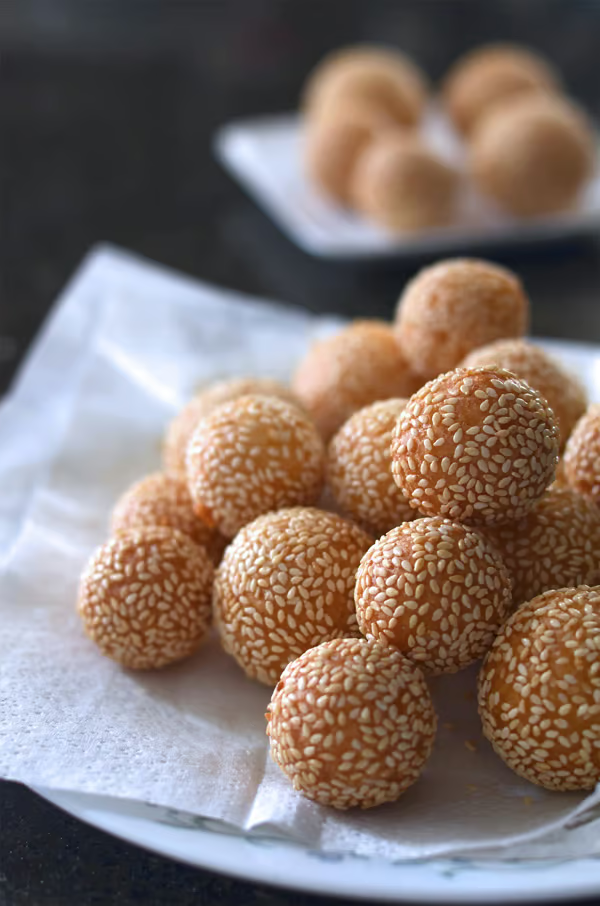
Bánh Cam is a fried sesame ball filled with sweet mung bean paste, similar to Chinese jian dui but distinctly Vietnamese in its glaze. Vendors coat the outside in sticky sugar syrup after frying, giving it a shiny, slightly chewy crust. Inside, the glutinous rice dough puffs up around the bean filling as it fries. Sesame seeds pressed into the dough toast up golden and nutty. It’s sold hot off the fryer at markets, best eaten within the hour.
16. Chè Hạt Sen
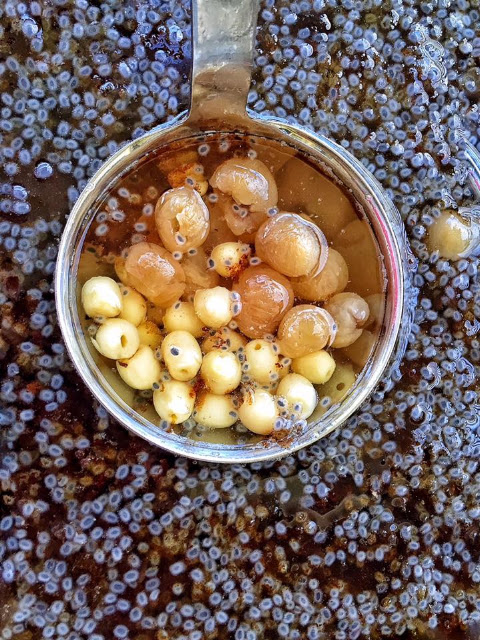
Chè Hạt Sen is a lotus seed sweet soup, prized for its mild, slightly nutty flavor and smooth texture once simmered soft. Rock sugar sweetens the broth gently, letting the lotus seeds stay the star. Some versions add dried longan for extra sweetness and chew. This dessert carries a cooling reputation in Vietnamese food traditions, often eaten during hot weather. Lotus seeds take time to cook down, so this chè has a patient, slow-food quality to it.
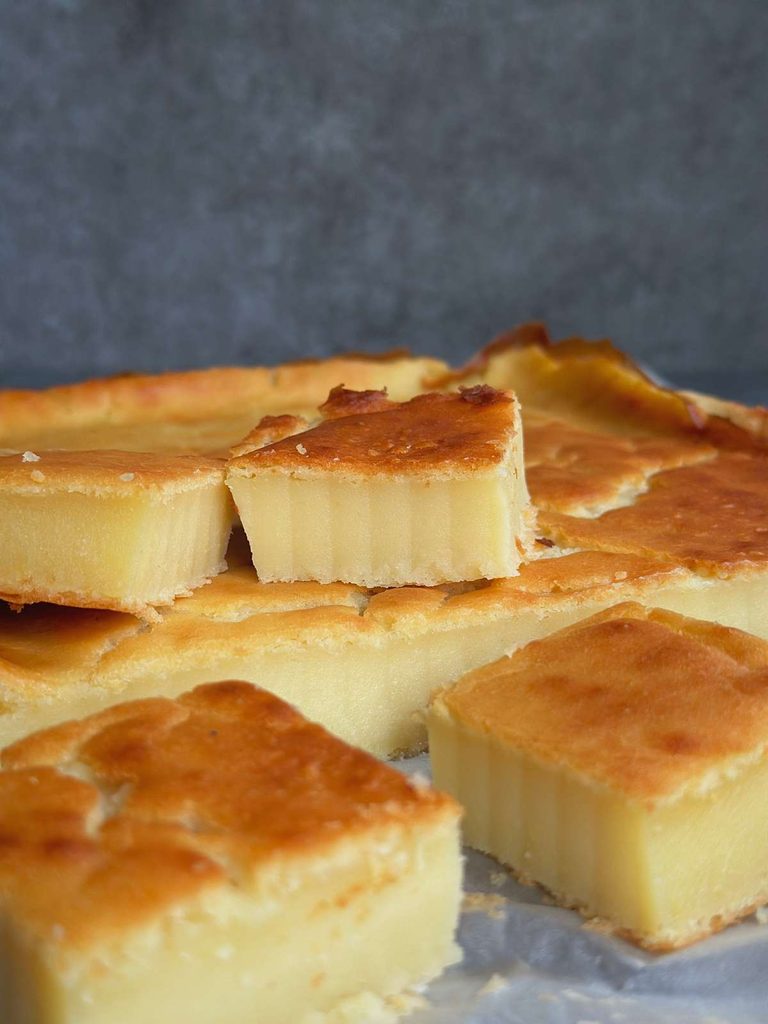
17. Bánh Đậu Xanh
Bánh Đậu Xanh is a dense mung bean cake from Hai Duong, pressed into small blocks that dissolve on the tongue rather than needing much chewing. Just mung beans, sugar, and a little fat go into the mix, ground fine and compacted. The texture is dry and crumbly at first bite, then melts almost instantly. It’s traditionally paired with hot green tea, which helps balance the cake’s dense sweetness. Small wrapped portions make it a common travel gift from northern Vietnam.
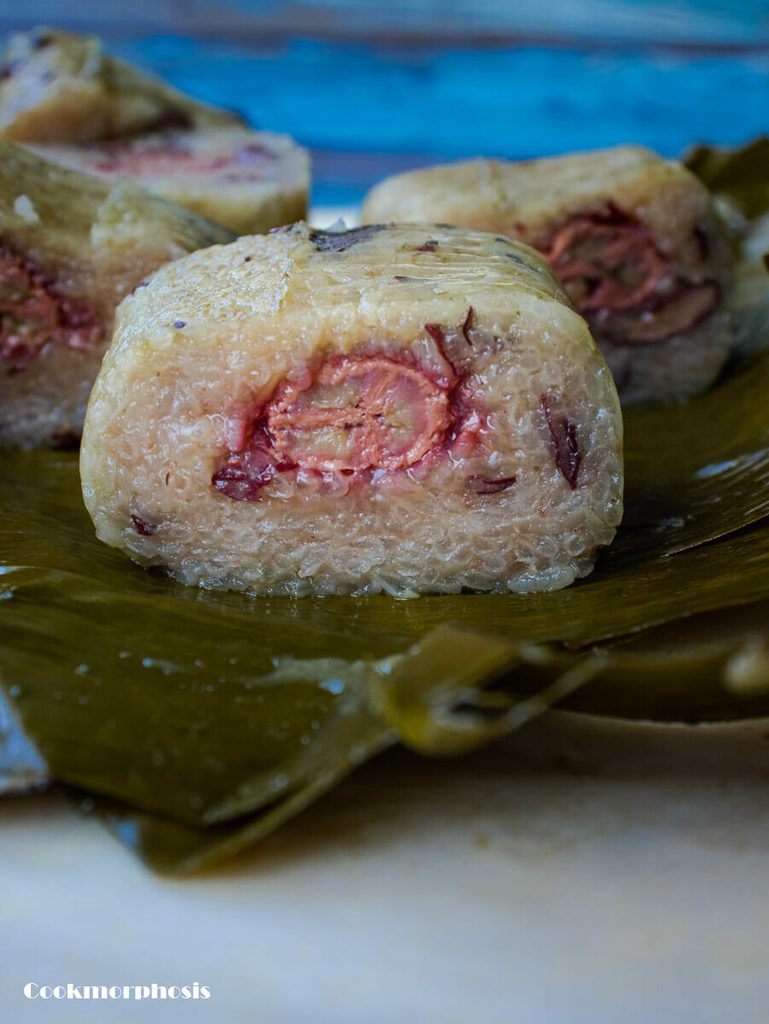
18. Bánh Tét Chuối
Bánh Tét Chuối is a sticky rice log filled with banana and wrapped in banana leaf, then steamed or boiled for hours. The banana turns soft and faintly caramelized inside the glutinous rice, which takes on a light purple tint from the leaf. Coconut milk gets mixed into the rice before wrapping for richness. It’s a Southern Vietnamese twist on the savory bánh tét made for Tet celebrations. Sliced into rounds, it shows off a pretty spiral of rice and banana.
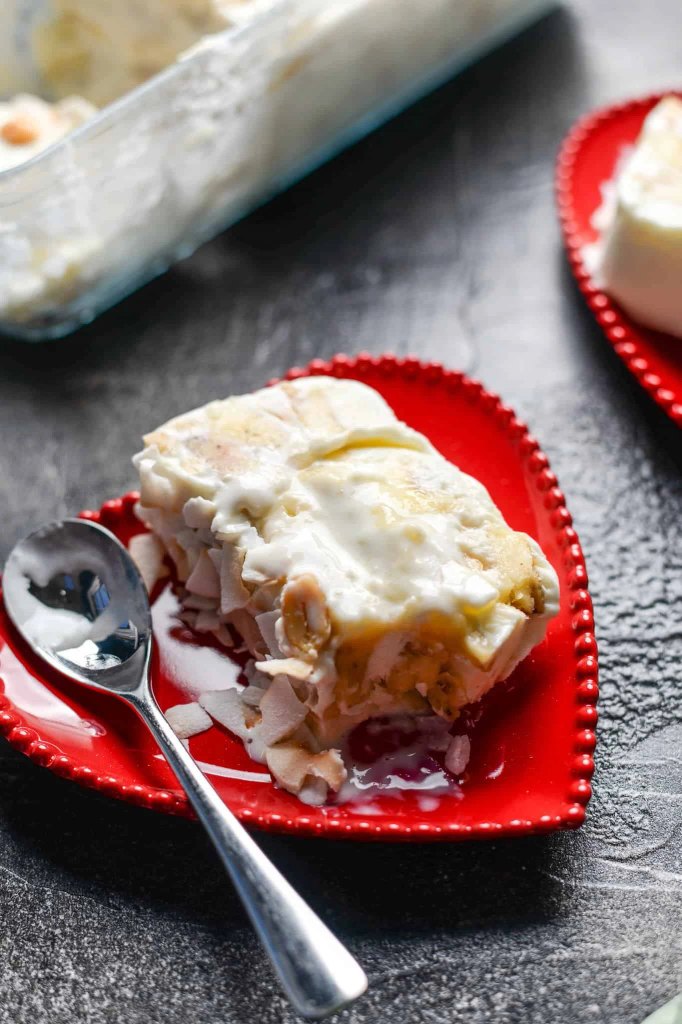
19. Kem Dừa
Kem Dừa is Vietnamese coconut ice cream, often churned right inside a halved coconut shell and topped with shredded coconut meat and crushed peanuts. The ice cream itself is dense and rich from full-fat coconut milk, less airy than typical soft serve. Vendors in Ho Chi Minh City are known for serving it with sticky rice on the side, a combination that sounds odd but works. Some versions add a drizzle of condensed milk for extra sweetness. It’s a refreshing finish after a plate of spicy food.
How to Choose a Vietnamese Dessert
Start with texture if you’re unsure what you’ll like. Some desserts, like bánh flan or kem dừa, are smooth and creamy, close to Western sweets. Others, like chè ba màu or rau câu dừa, lean chewy and jiggly with jelly and beans.
Temperature matters too. Chè chuối and tàu hũ nước đường are served warm and comforting, while chè khúc bạch and chè ba màu are iced and refreshing for hot days.
| Dessert | Texture | Served | Sweetness Level |
|---|---|---|---|
| Chè Ba Màu | Layered, chewy | Cold | Medium |
| Bánh Flan | Silky custard | Cold | Medium |
| Chè Chuối | Soft, saucy | Warm | Medium |
| Bánh Da Lợn | Chewy, bouncy | Room temp | Medium |
| Chè Bắp | Creamy | Warm or cold | Low-medium |
| Bánh Bò Nướng | Spongy | Room temp | Medium |
| Bánh Chuối Nướng | Dense, sticky | Warm | Medium-high |
| Chè Trôi Nước | Chewy balls, soup | Warm | Medium |
| Bánh Khoai Mì Nướng | Dense, firm | Room temp | Medium-high |
| Chè Khúc Bạch | Jiggly jelly | Cold | Medium |
| Bánh Pía | Flaky pastry | Room temp | High |
| Bánh Cốm | Chewy | Room temp | Medium |
| Tàu Hũ Nước Đường | Silky, soft | Warm | Low |
| Rau Câu Dừa | Firm jelly | Cold | Medium |
| Bánh Cam | Crispy, chewy | Warm | Medium-high |
| Chè Hạt Sen | Soft seeds, broth | Warm or cold | Low-medium |
| Bánh Đậu Xanh | Dry, crumbly | Room temp | Medium |
| Bánh Tét Chuối | Sticky, dense | Room temp | Medium |
| Kem Dừa | Creamy, frozen | Cold | Medium |
If you’re cooking at home, start with recipes that use ingredients you can find locally, like bananas, coconut milk, and tapioca starch. Cassava and mung beans take more searching but show up at most Asian grocery stores. For a broader look at Vietnamese cooking beyond dessert, check out our best Vietnamese recipes for savory dishes that pair well with these sweets. If you enjoy comparing dessert traditions across the region, our best Asian desserts rounds up favorites from several countries side by side.