Walk into any café in Lisbon before 9 a.m. and you’ll see it: a tiny cup of espresso, a warm pastry, maybe a buttered roll, all gone in ten minutes flat. Portuguese breakfast dishes favor small, satisfying bites over sprawling spreads, and that simplicity is part of the charm.
From the custard-filled crackle of a pastel de nata to the garlicky punch of farinheira scrambled with eggs, Portugal’s morning table draws on centuries of baking tradition, Moorish spice influence, and a genuine love of good bread. Some of these dishes you’ll only find in one town. Others show up on every street corner from Porto to the Algarve.
This list covers the sweet, the savory, and the ones worth building a whole trip around.

1. Pastel de Nata
No Portuguese breakfast dishes list starts anywhere else. This custard tart has a shatteringly crisp, laminated crust and a creamy filling scorched in dark caramel spots on top. Bakeries in Lisbon serve them warm, dusted with cinnamon and powdered sugar on request.
Yield: 12 tarts | Prep: 30 minutes | Cook: 15 minutes at 475°F
Ingredients:
- 1 sheet puff pastry, chilled
- 1 cup whole milk
- 1 cinnamon stick
- 1 strip lemon peel
- 5 egg yolks
- ¾ cup sugar
- 1 tablespoon flour
- ½ cup heavy cream
Method:
- Heat milk, cinnamon, and lemon peel; steep 10 minutes, then strain.
- Whisk yolks, sugar, and flour; stir in milk and cream.
- Cook over low heat until it thickens slightly, about 5 minutes.
- Line muffin cups with pastry, fill, bake 12-15 minutes until charred spots form.

2. Tosta Mista
A tosta mista is Portugal’s grilled ham and cheese, pressed hot and crisp in a café sandwich iron. Order it alongside a galão and you’ve got the classic quick breakfast or late-morning snack across every city.
Yield: 1 sandwich | Prep: 5 minutes | Cook: 5 minutes
Ingredients:
- 2 slices white sandwich bread
- 2 slices deli ham
- 2 slices mild cheese (queijo flamengo or similar)
- 1 tablespoon butter, softened
Method:
- Butter one side of each bread slice.
- Layer ham and cheese between the unbuttered sides.
- Grill in a hot pan or sandwich press until golden and the cheese melts, about 2-3 minutes per side.
3. Torrada com Manteiga
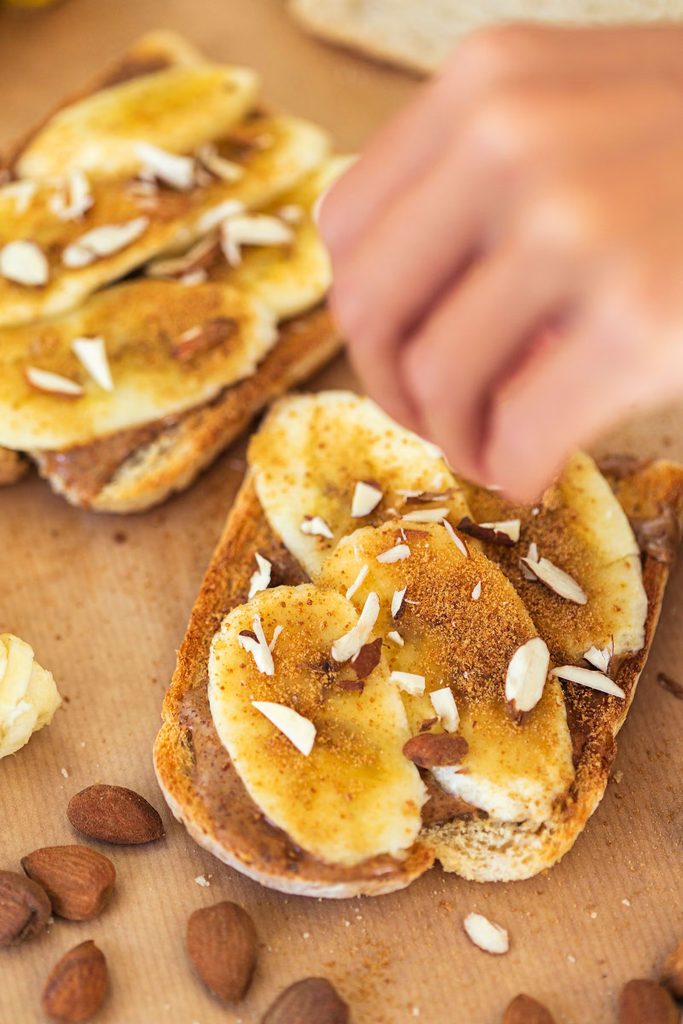
Torrada is simply thick-cut toast, but the Portuguese take it seriously. Bakery bread gets sliced thick, toasted hard on both sides, then slathered with a generous layer of butter while it’s still hot enough to melt.
Yield: 2 slices | Prep: 2 minutes | Cook: 4 minutes
Ingredients:
- 2 thick slices crusty white bread (pão de trigo)
- 2 tablespoons salted butter
Method:
- Toast bread until deeply golden and firm on both sides.
- Spread butter immediately so it soaks into the crumb.
- Serve right away with coffee.
4. Galão
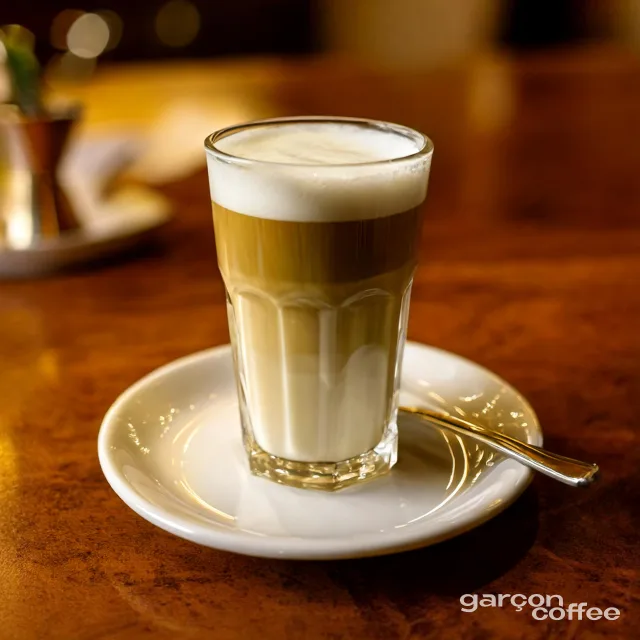
Galão is the coffee that fuels Portuguese mornings, a tall glass of espresso lengthened with steamed milk in roughly a one-to-three ratio. It’s milkier than a latte and served in a glass so you can watch the layers.
Yield: 1 drink | Prep: 2 minutes | Cook: 3 minutes
Ingredients:
- 1 shot espresso
- ¾ cup whole milk, steamed and frothed
Method:
- Pull one shot of espresso directly into a tall glass.
- Steam milk until silky, not overly foamy.
- Pour milk over espresso, filling the glass nearly to the top.
Order it at a Lisbon café and sip slowly standing at the counter, the way locals do.
5. Pão de Deus
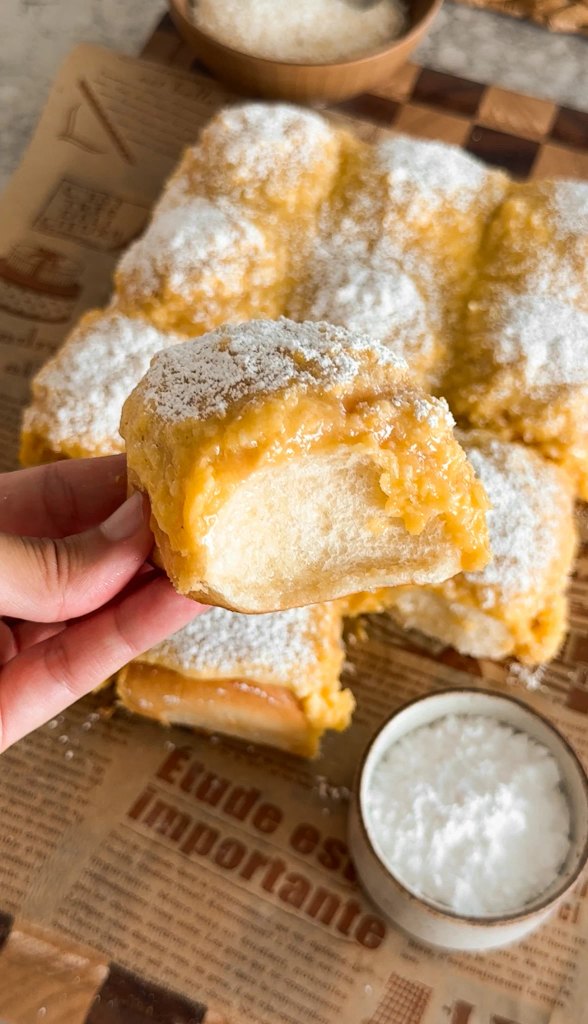
Pão de Deus translates to “bread of God,” and its coconut-crusted top makes it easy to see why bakeries sell out of these fast. The roll is soft and slightly sweet, baked under a thick layer of sugared coconut.
Yield: 8 rolls | Prep: 20 minutes, plus 1 hour rise | Cook: 18 minutes at 350°F
Ingredients:
- 3 cups bread flour
- ¼ cup sugar
- 2 eggs
- 2 ¼ teaspoons instant yeast
- ½ cup warm milk
- 3 tablespoons butter, melted
- 1 cup shredded coconut
- ½ cup sugar (for topping)
- 1 egg white
Method:
- Mix dough ingredients, knead 8 minutes, let rise 1 hour.
- Shape into rolls, let rest 20 minutes.
- Mix coconut, sugar, and egg white; spread over rolls.
- Bake 15-18 minutes until golden.
6. Pão de Leite
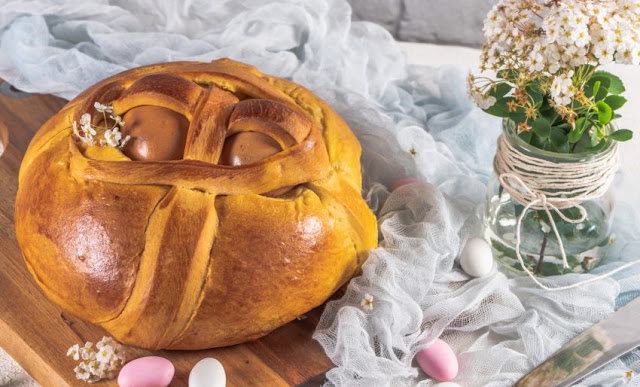
Pão de leite means “milk bread,” and it lives up to the name with a soft, pillowy crumb that practically dissolves. Portuguese kids grow up eating these rolls for breakfast, often split and spread with butter or jam.
Yield: 10 rolls | Prep: 20 minutes, plus 1.5 hours rise | Cook: 15 minutes at 350°F
Ingredients:
- 4 cups bread flour
- ¼ cup sugar
- 2 ¼ teaspoons instant yeast
- 1 cup warm milk
- 1 egg
- ¼ cup butter, softened
- 1 teaspoon salt
Method:
- Combine all ingredients, knead until smooth and elastic, about 10 minutes.
- Let rise 1 hour, shape into rolls.
- Rise 30 minutes more, bake 12-15 minutes until pale gold.
7. Croissant Brioche
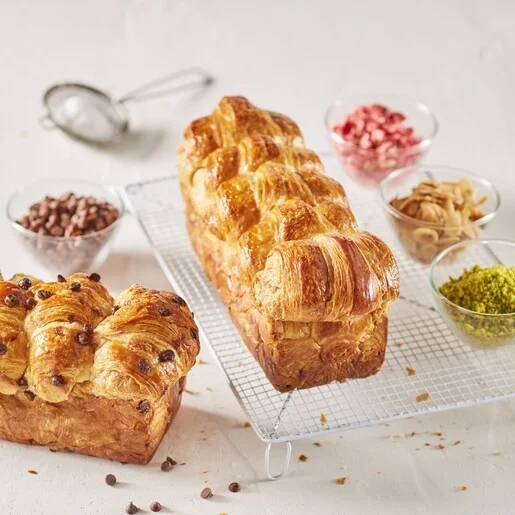
This hybrid pastry borrows the French name but has its own buttery, dense character found in Portuguese padarias. It’s richer and less flaky than a classic croissant, closer to a sweet brioche roll shaped in a crescent.
Yield: 8 croissants | Prep: 30 minutes, plus 2 hours rise | Cook: 18 minutes at 375°F
Ingredients:
- 3 ½ cups flour
- ¼ cup sugar
- 2 ¼ teaspoons instant yeast
- 1 cup warm milk
- 2 eggs
- 6 tablespoons butter, softened
- 1 teaspoon salt
- 1 egg yolk, for brushing
Method:
- Mix and knead dough until smooth, let rise 1.5 hours.
- Roll out, cut into triangles, roll into crescents.
- Proof 30 minutes, brush with egg yolk, bake 15-18 minutes.
8. Bolo de Arroz
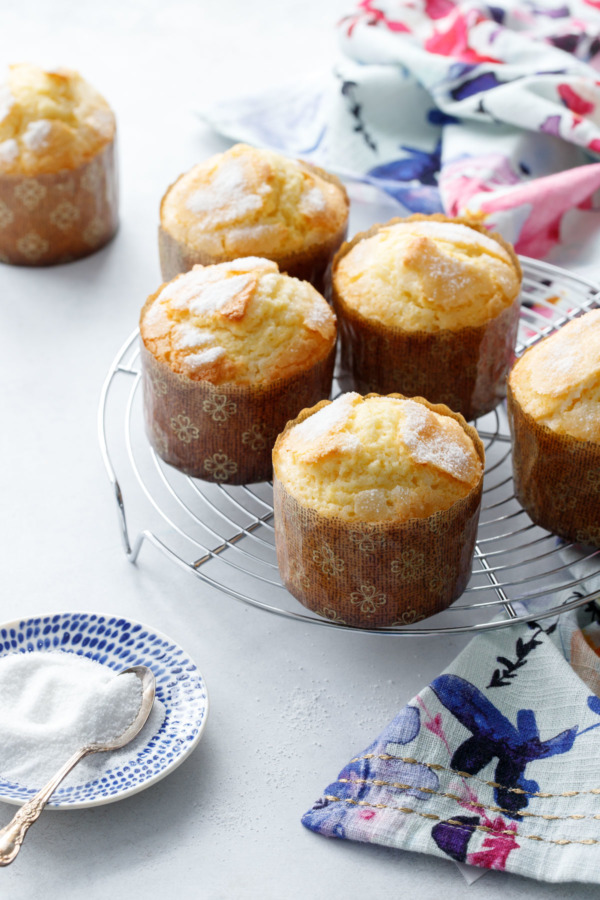
Bolo de arroz is a rice flour muffin with a dense, slightly gritty crumb and a papery wrapper you peel back like a cupcake. It’s one of the most common grab-and-go breakfast cakes sold in Portuguese bakeries.
Yield: 8 muffins | Prep: 15 minutes | Cook: 25 minutes at 350°F
Ingredients:
- 1 cup rice flour
- 1 cup all-purpose flour
- 1 cup sugar
- 2 eggs
- ½ cup vegetable oil
- ½ cup milk
- 2 teaspoons baking powder
- Zest of 1 lemon
Method:
- Whisk eggs, sugar, oil, and milk together.
- Fold in flours, baking powder, and lemon zest.
- Divide into muffin liners, bake 20-25 minutes until a toothpick comes out clean.
9. Queijadas de Sintra
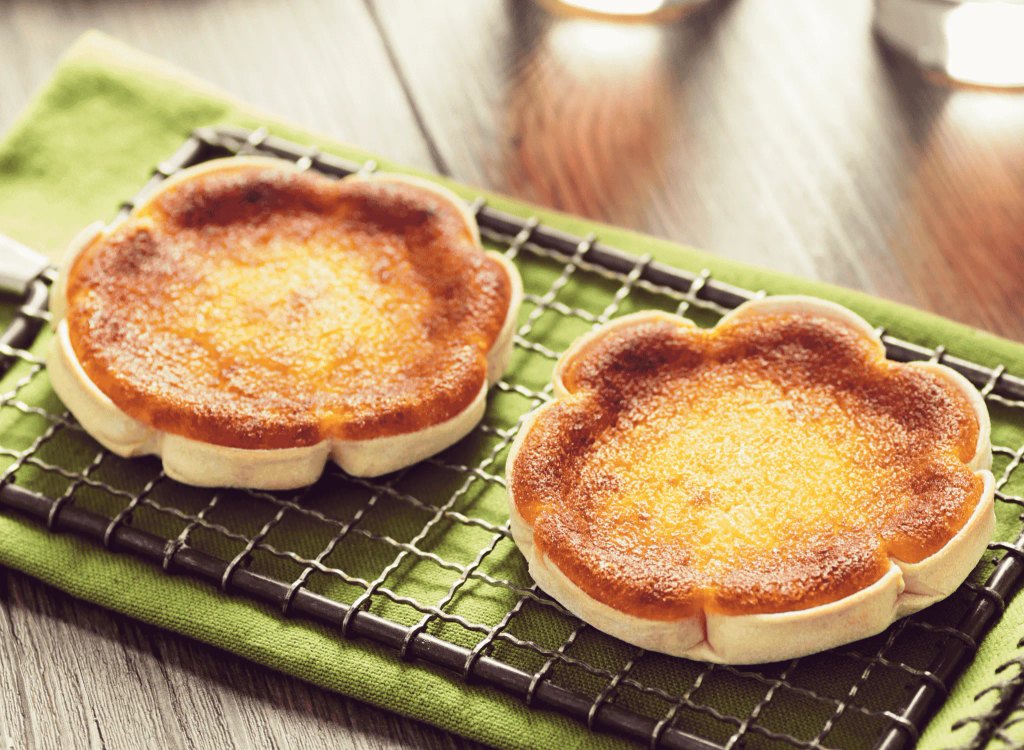
These small cheese tarts come from Sintra, where bakers have made them since the 1200s using a closely guarded recipe. The filling is slightly tangy from fresh cheese, wrapped in a thin pastry shell with crisped edges.
Yield: 12 tarts | Prep: 20 minutes | Cook: 25 minutes at 375°F
Ingredients:
- 1 cup fresh cheese (queijo fresco) or ricotta
- ½ cup sugar
- 2 eggs
- 2 tablespoons flour
- 1 teaspoon cinnamon
- 1 sheet pastry dough, cut into rounds
Method:
- Line small tart tins with pastry rounds.
- Mix cheese, sugar, eggs, flour, and cinnamon.
- Fill shells, bake 20-25 minutes until set and lightly browned.

10. Travesseiros de Sintra
Travesseiros get their name from their pillow shape, a puff pastry log stuffed with almond and egg cream filling. They’re sold warm at Sintra bakeries, and the sugar coating on the outside sticks to your fingers in the best way.
Yield: 8 pastries | Prep: 25 minutes | Cook: 20 minutes at 400°F
Ingredients:
- 1 sheet puff pastry
- 1 cup ground almonds
- ½ cup sugar
- 2 eggs
- 2 tablespoons butter, softened
- Sugar for coating
Method:
- Blend almonds, sugar, eggs, and butter into a paste.
- Spread on pastry, roll into logs, cut into portions.
- Bake 18-20 minutes, roll warm pastries in sugar.

11. Bolo Lêvedo
Bolo lêvedo is a griddle-cooked muffin from the Azores, dense and slightly sweet with a texture between bread and pancake. Split it, toast the cut sides in a pan, and butter it while warm for the best version.
Yield: 10 muffins | Prep: 20 minutes, plus 2 hours rise | Cook: 6 minutes per batch
Ingredients:
- 4 cups flour
- ¼ cup sugar
- 2 ¼ teaspoons instant yeast
- 1 cup warm milk
- 2 eggs
- 3 tablespoons butter, melted
- 1 teaspoon salt
Method:
- Mix and knead dough, let rise 1.5 hours.
- Shape into flat rounds, rise 30 minutes.
- Cook on a dry griddle 3 minutes per side until golden with brown spots.
12. Broa de Milho com Manteiga
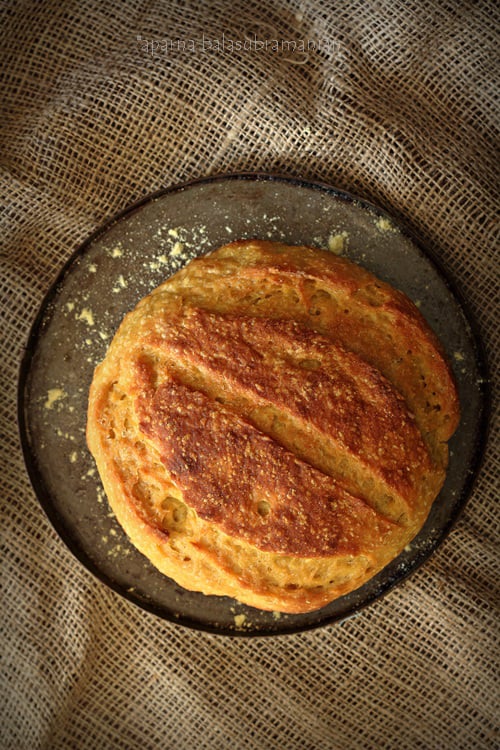
Broa is a rustic cornbread with a dense, slightly gritty crumb and a deep, earthy flavor from cornmeal and rye. Sliced thick and buttered, it’s a hearty northern Portuguese breakfast you’ll find alongside soups and cured meats too.
Yield: 1 loaf | Prep: 20 minutes, plus 1 hour rise | Cook: 45 minutes at 400°F
Ingredients:
- 2 cups cornmeal
- 1 cup rye flour
- 1 cup boiling water
- 2 ¼ teaspoons instant yeast
- 1 teaspoon salt
- Butter for serving
Method:
- Pour boiling water over cornmeal, let cool to warm.
- Mix in rye flour, yeast, and salt; knead briefly.
- Rise 1 hour, shape into a round loaf, bake 40-45 minutes.
- Slice thick, toast, and butter generously.
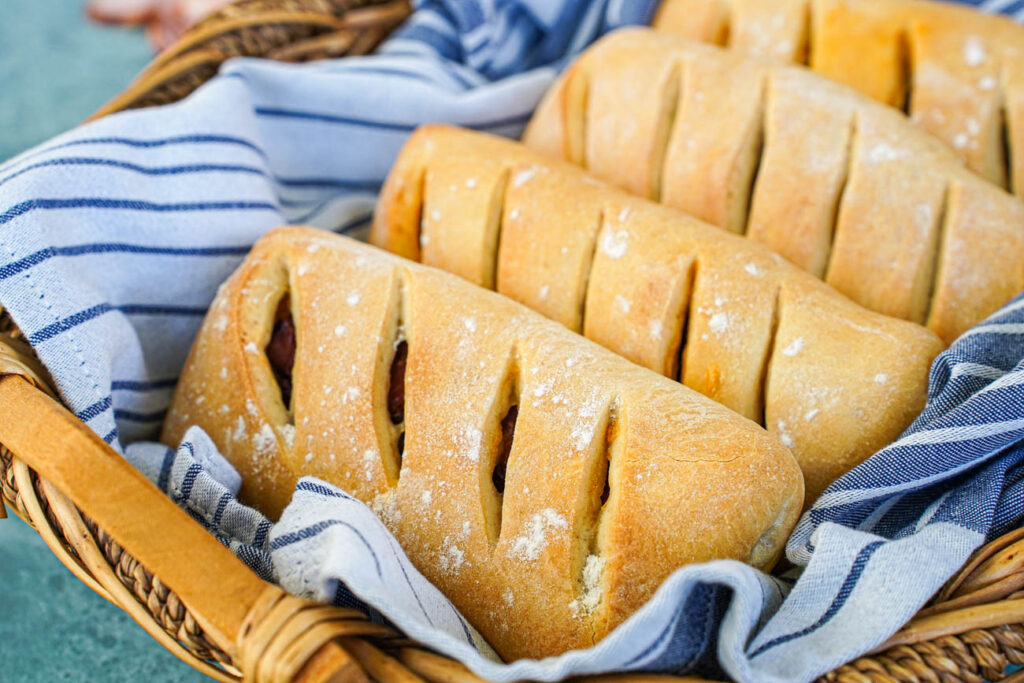
13. Pão com Chouriço
This is bread baked right around a line of smoky, paprika-spiced chouriço sausage. The pastry puffs around the meat as it bakes, so every bite gets a hit of savory fat next to soft, chewy bread.
Yield: 6 rolls | Prep: 20 minutes, plus 1 hour rise | Cook: 20 minutes at 400°F
Ingredients:
- 3 cups bread flour
- 2 ¼ teaspoons instant yeast
- 1 cup warm water
- 1 teaspoon salt
- 1 chouriço sausage, cut into 6 pieces
Method:
- Mix flour, yeast, water, and salt into a dough; knead 8 minutes.
- Rise 1 hour, divide into 6 pieces.
- Wrap each piece around a chouriço piece, sealing edges.
- Rise 20 minutes, bake 18-20 minutes until golden.
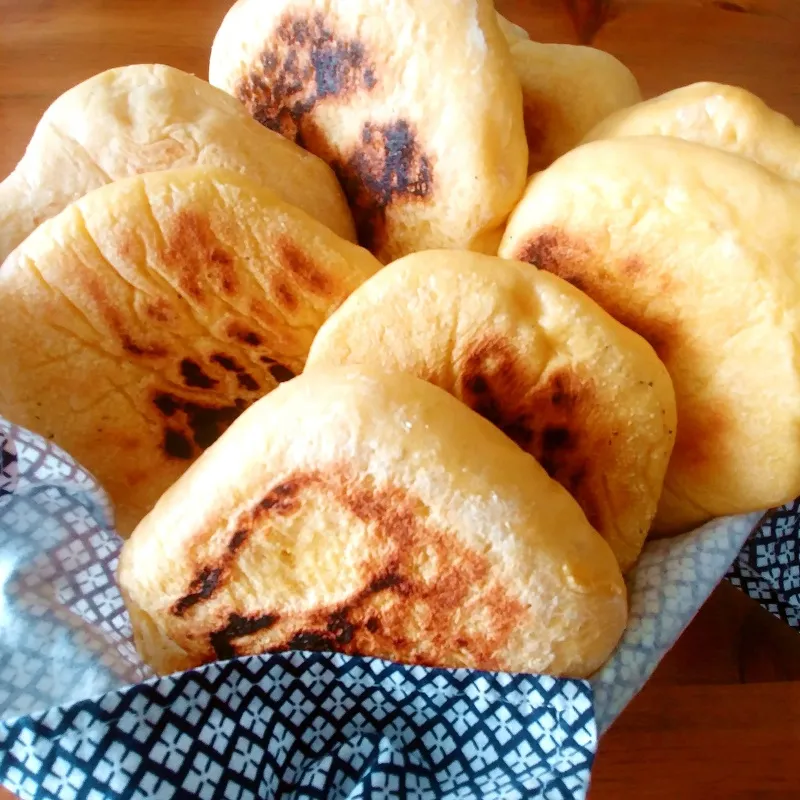
14. Bolo do Caco
Bolo do caco is a flat, griddle-baked bread from Madeira, soft inside with a lightly charred crust. Locals split it warm and rub it with garlic butter, a combination that turns simple bread into something you’ll crave again.
Yield: 4 flatbreads | Prep: 20 minutes, plus 1 hour rise | Cook: 6 minutes per side
Ingredients:
- 3 cups flour
- 2 ¼ teaspoons instant yeast
- 1 cup warm water
- 1 teaspoon salt
- 3 tablespoons butter, softened
- 2 cloves garlic, minced
Method:
- Mix flour, yeast, water, and salt; knead and rise 1 hour.
- Divide into 4 rounds, flatten to 1-inch thick discs.
- Cook on a dry hot griddle 5-6 minutes per side.
- Mix butter with garlic, split bread, and spread while hot.

15. Bola de Berlim
This is Portugal’s answer to the jelly doughnut, a fried dough ball split and filled with thick egg custard cream instead of jam. Beach kiosks along the coast sell them by the dozen in summer, but bakeries make them year-round.
Yield: 10 doughnuts | Prep: 25 minutes, plus 1 hour rise | Cook: 3 minutes per batch, frying at 350°F
Ingredients:
- 4 cups flour
- ¼ cup sugar
- 2 ¼ teaspoons instant yeast
- 1 cup warm milk
- 2 eggs
- Oil for frying
- Sugar for coating
- 2 cups egg custard cream (ovos moles or pastry cream)
Method:
- Make and rise dough 1 hour, shape into balls.
- Fry at 350°F until golden, about 3 minutes per side.
- Roll in sugar, split, and pipe in custard filling.
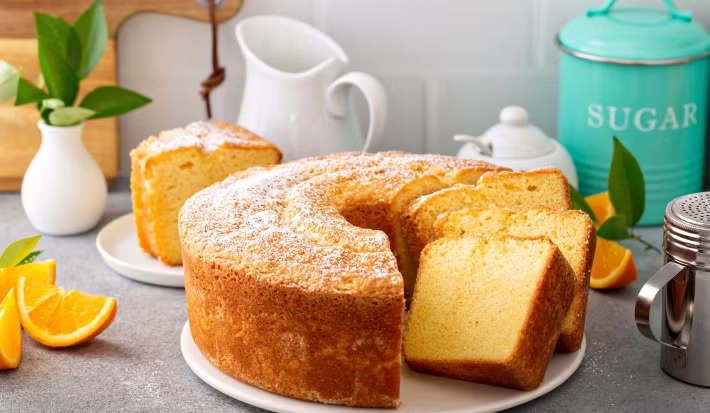
16. Bolo de Laranja
Bolo de laranja is a moist orange cake, made with fresh juice and zest that give it a bright citrus punch. Portuguese home cooks often bake a loaf on Sunday and slice it for breakfast through the week.
Yield: 1 loaf (8 slices) | Prep: 15 minutes | Cook: 45 minutes at 350°F
Ingredients:
- 2 cups flour
- 1 cup sugar
- 3 eggs
- ½ cup vegetable oil
- ¾ cup fresh orange juice
- Zest of 2 oranges
- 2 teaspoons baking powder
Method:
- Whisk eggs, sugar, oil, juice, and zest together.
- Fold in flour and baking powder.
- Pour into a greased loaf pan, bake 40-45 minutes until a toothpick comes out clean.
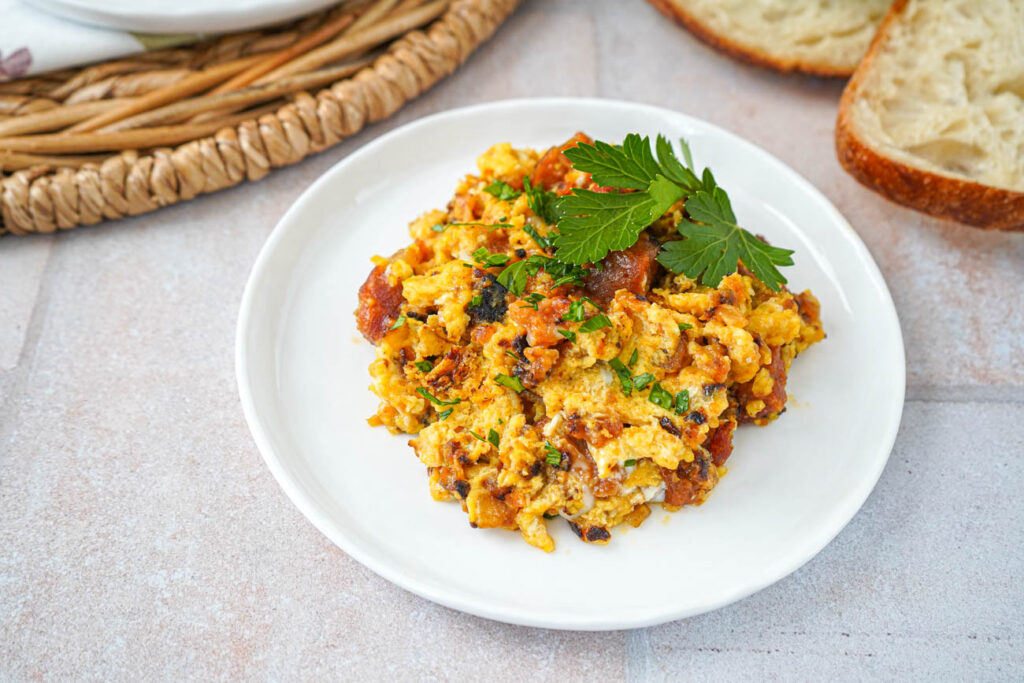
17. Ovos Mexidos com Farinheira
This savory scramble pairs soft eggs with farinheira, a smoked pork and paprika sausage with a deep, almost smoky punch. It’s a hearty weekend breakfast in Portugal, usually served with crusty bread to mop up the pan.
Yield: 2 servings | Prep: 5 minutes | Cook: 10 minutes
Ingredients:
- 4 eggs
- 1 farinheira sausage, casing removed
- 1 tablespoon olive oil
- Salt and pepper to taste
- Crusty bread, for serving
Method:
- Crumble farinheira into a hot pan with olive oil, cook 4 minutes.
- Whisk eggs, pour into the pan.
- Stir gently over low heat until softly set, about 3-4 minutes.
18. Folar da Páscoa
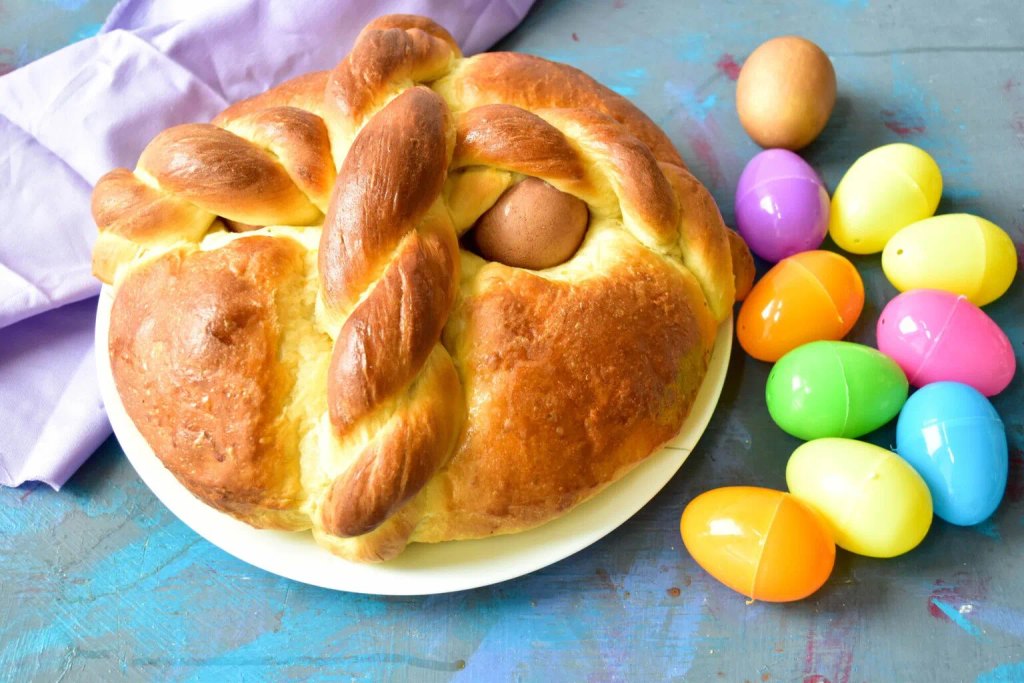
Folar da Páscoa is an Easter sweet bread, enriched with eggs and sometimes topped with a whole hard-boiled egg baked into the crust. It’s traditionally gifted by godparents at Easter, but bakeries sell it for weeks around the holiday.
Yield: 1 loaf | Prep: 20 minutes, plus 2 hours rise | Cook: 35 minutes at 350°F
Ingredients:
- 4 cups flour
- ½ cup sugar
- 2 ¼ teaspoons instant yeast
- 4 eggs, plus 1 for egg wash
- ½ cup warm milk
- ½ cup butter, softened
- 1 hard-boiled egg (optional, for decoration)
Method:
- Mix dough ingredients, knead 10 minutes, rise 1.5 hours.
- Shape into a round loaf, press in boiled egg if using.
- Rise 30 minutes, brush with egg wash, bake 30-35 minutes.
19. Rabanadas
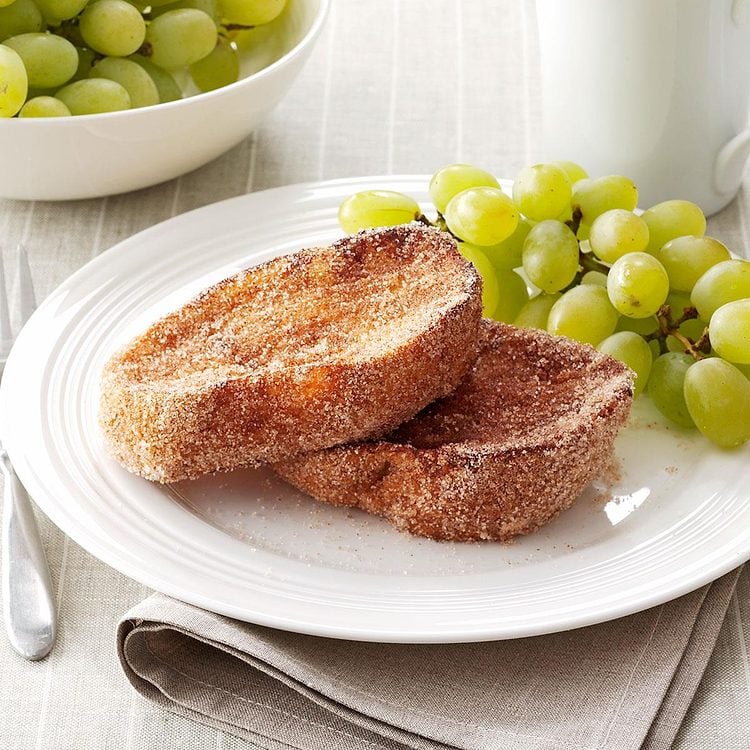
Rabanadas are Portugal’s version of French toast, thick bread slices soaked in milk and egg, fried until golden, then dunked in cinnamon sugar or drizzled with honey. They show up most around Christmas, but plenty of cafés serve them year-round.
Yield: 8 slices | Prep: 10 minutes, plus soaking | Cook: 6 minutes per batch
Ingredients:
- 8 slices day-old bread, thick-cut
- 1 ½ cups milk
- 2 eggs, beaten
- Oil for frying
- 1 cup sugar mixed with 1 tablespoon cinnamon
- Honey, optional
Method:
- Soak bread slices in milk 2-3 minutes per side.
- Dip in beaten egg, fry in hot oil until golden, 2-3 minutes per side.
- Roll warm slices in cinnamon sugar or drizzle with honey.
What Breakfast Is Typically Like in Portugal
Breakfast in Portugal is quick and simple most weekdays. A coffee and a pastry, eaten standing at a café counter, covers it for most people before work.
Cafés open early, and the pace is brisk. You’ll see regulars order a galão and a pastel de nata, finish both in under ten minutes, and head out the door.
Weekends shift the pace. Families sit down longer, add toast or a tosta mista, and linger over a second coffee. Regional dishes like bolo lêvedo in the Azores or bolo do caco in Madeira show how much breakfast changes by location.
Savory options show up more at home than in cafés. Ovos mexidos com farinheira is a dish you’re more likely to find on a Sunday morning at someone’s kitchen table than on a bakery counter. If you enjoy comparing how other countries handle the morning meal, it’s worth looking at French breakfast foods or Italian breakfast foods for contrast; both lean heavily on pastry and coffee too, but with their own distinct flavors.
How to Order Breakfast at a Portuguese Café
Walk up to the counter and order directly; table service for breakfast is rare in most Portuguese cafés. Say “um galão e um pastel de nata, por favor” and you’ve got the most common order in the country.
Coffee names matter here. A “bica” is a straight espresso, a “galão” is coffee with lots of milk in a glass, and a “meia de leite” is a milkier coffee served in a cup, closer to a latte.
Pastries sit in a glass case near the register. Point at what you want, and the staff will plate it or bag it, depending on whether you’re staying or heading out.
Payment usually happens after you eat, not before. Most cafés run a tab as you order more items and settle the bill when you’re ready to leave.
Tipping isn’t expected at breakfast counters. Rounding up to the nearest euro is common and appreciated, but it’s not required for a quick coffee and pastry.
If you want a full sit-down breakfast with eggs and toast, look for cafés advertising “pequeno-almoço completo,” which usually includes juice, coffee, bread, and sometimes eggs for a set price.