A good martini comes down to one thing: cold, clean, and made with ingredients you actually like drinking. The Classic Gin Martini remains the best starting point for most people, thanks to its simple formula of gin and dry vermouth stirred until icy and poured into a chilled glass. From there, the martini family branches out into dozens of directions, some bone-dry and boozy, others sweet, fruity, or dessert-like.
Whether you grew up on dirty martinis at happy hour or just discovered the espresso martini on a night out, there’s a version here that fits your taste. Some lean savory and briny, some lean bright and citrusy, and a few barely resemble the original gin-and-vermouth formula at all.
Quick picks:
- Best overall: Classic Gin Martini, for fans of a crisp, botanical sip
- Best for vodka drinkers: Vodka Martini, smoother and less herbal than gin
- Best for coffee lovers: Espresso Martini, rich and buzzy for after dinner
- Best for sweet tooths: Chocolate Martini, dessert in a glass
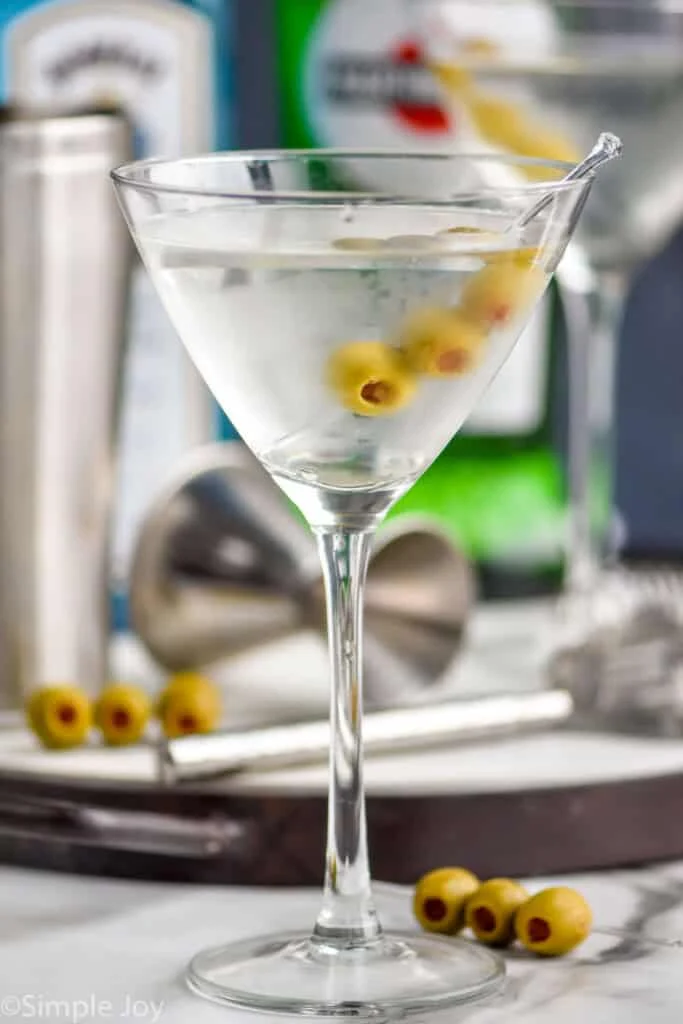
1. Classic Gin Martini
This is the martini that started it all: gin and dry vermouth, stirred with ice, strained into a chilled coupe or martini glass, and finished with a lemon twist or olive. The gin’s botanicals (juniper, citrus peel, sometimes coriander) give it a crisp, herbal backbone that vermouth softens just slightly. A 2:1 or 3:1 gin-to-vermouth ratio is a good starting point. If you want to explore more gin-based drinks beyond this one, our best gin cocktails collection has plenty of ideas worth trying.
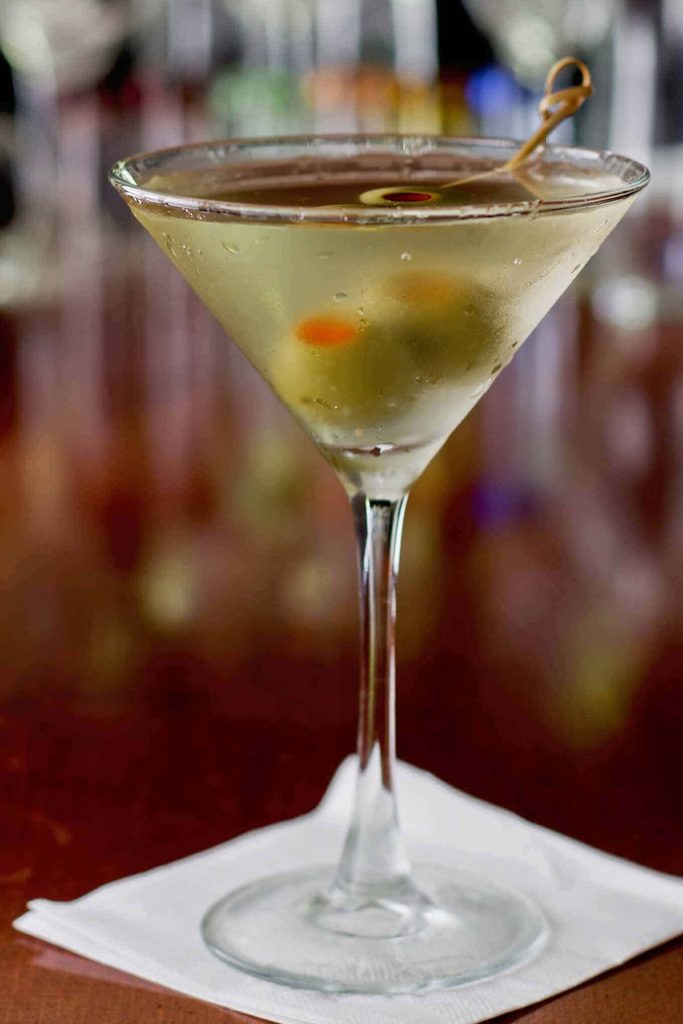
2. Dirty Martini
A splash of olive brine turns a regular martini into something briny and savory. Bartenders usually add a half ounce to one ounce of olive juice to a standard gin or vodka martini, which clouds the drink slightly and gives it a salty punch. Garnish with two or three olives on a pick for snacking as you sip. This version works well for people who find a straight-up martini too sharp or one-dimensional, since the brine adds body and a savory edge that plays nicely with cured meats or cheese boards.
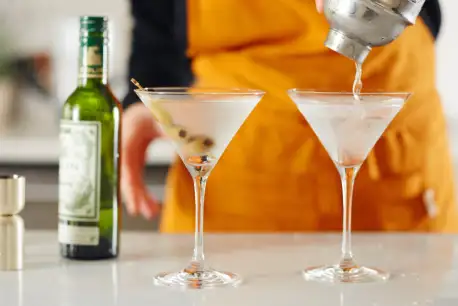
3. Vodka Martini
Swap gin for vodka and you get a smoother, cleaner-tasting martini with less herbal bite. Vodka’s neutral flavor lets the vermouth and garnish take center stage, which makes this a good pick for anyone who finds gin too piney or perfume-like. Stir it cold with a twist of lemon peel, or go shaken if you like a slightly frostier, almost slushy texture. For more vodka-forward drinks, our best vodka cocktails page rounds up other favorites worth mixing.
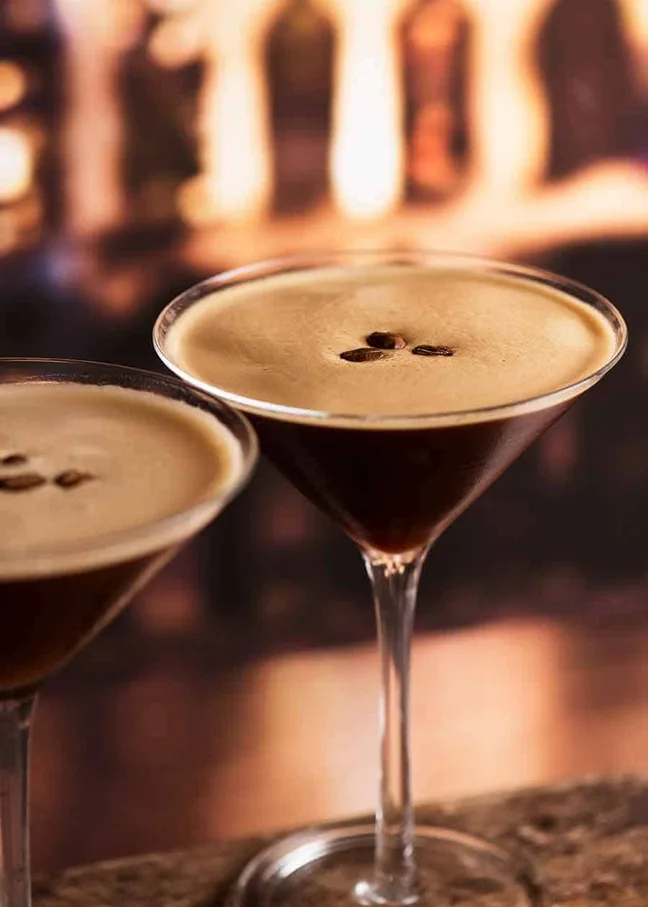
4. Espresso Martini
This one trades vermouth for coffee, and it’s become a modern bar staple for good reason. Vodka, fresh espresso, and coffee liqueur get shaken hard with ice until the top forms a thick, tan foam. It’s rich, a little bitter, and sweet enough to double as dessert. Serve it after dinner or whenever you need a caffeine boost with your cocktail hour, garnished with a few coffee beans floating on top.
5. Dry Martini
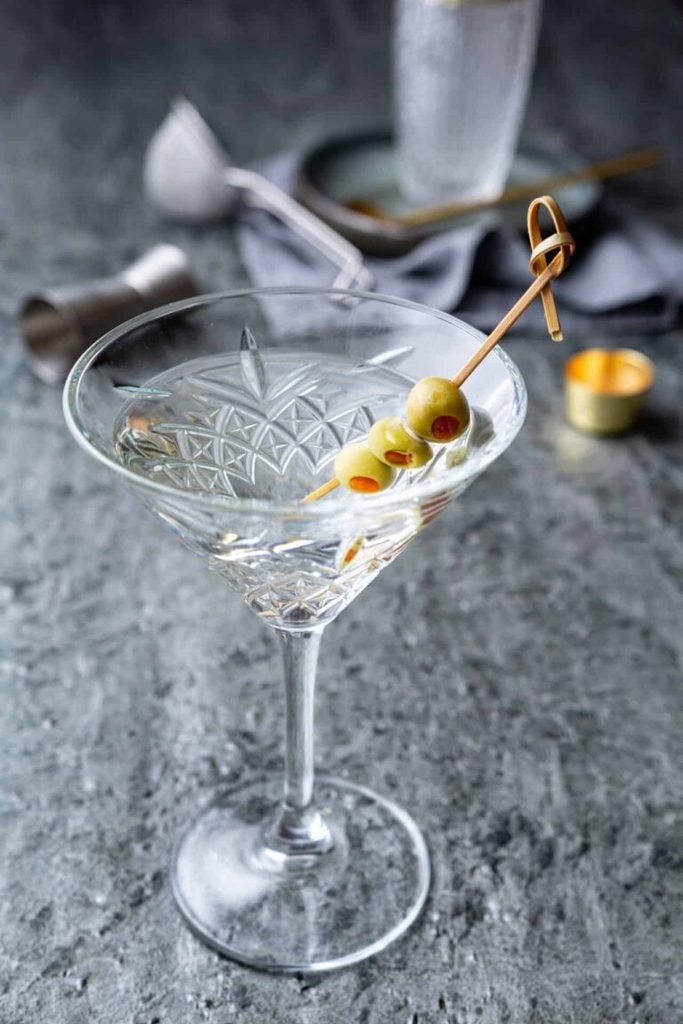
“Dry” refers to less vermouth, not less alcohol, so this version leans heavily on gin or vodka with just a whisper of vermouth swirled in and discarded or barely added. Some bartenders rinse the glass with vermouth and dump it out before adding the spirit. The result is sharp, cold, and strongly flavored by the base spirit itself. This suits drinkers who want to taste the gin’s botanicals or the vodka’s clean character without much dilution from vermouth.

6. Vesper Martini
Made famous by James Bond, the Vesper blends gin, vodka, and Lillet Blanc (a French aperitif wine) for a drink that’s bolder and slightly sweeter than a standard martini. The original recipe calls for three measures gin, one measure vodka, and half a measure of Lillet Blanc, shaken until ice-cold. It’s strong, so it’s best sipped slowly. The citrusy wine note makes it a little softer than a dry martini.
7. Gibson
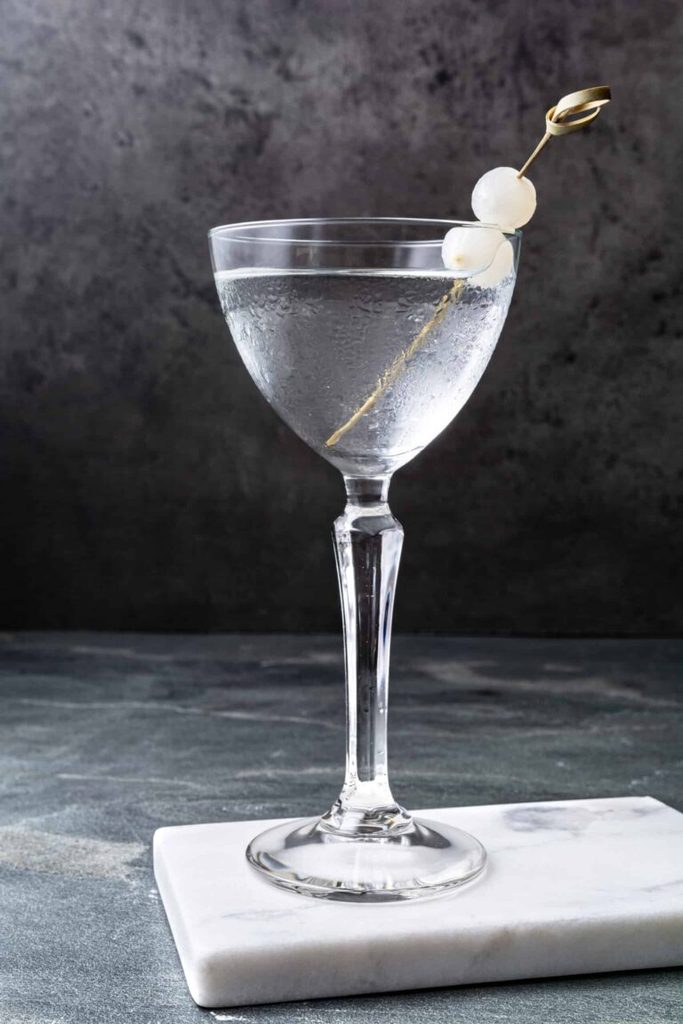
A Gibson is a dry martini with a pickled cocktail onion instead of an olive or lemon twist. The onion adds a subtle, tangy sharpness that changes the whole character of the drink. Some versions use two or three small onions on a skewer for extra bite. It’s a quiet swap that makes a big difference, and it’s popular with people who like a dirty martini’s savory edge but want something less briny and more tangy.
8. Perfect Martini
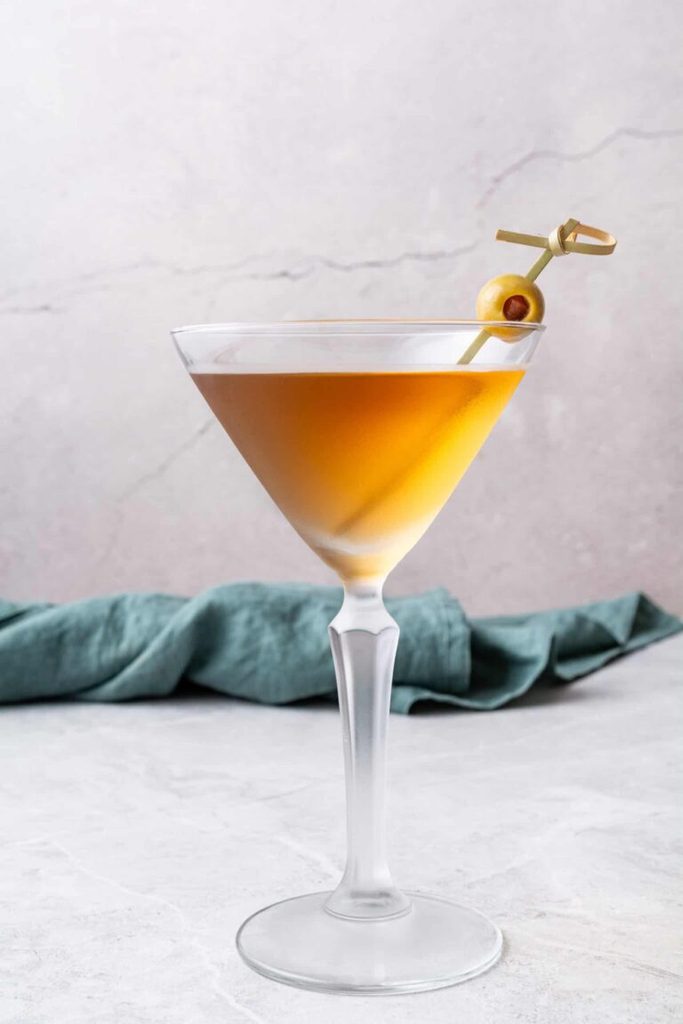
A Perfect Martini uses equal parts dry and sweet vermouth alongside gin or vodka, which balances the drink’s herbal dryness with a touch of richness. This split gives it more depth than a standard dry martini, with notes that are slightly fruitier and rounder. It’s a good choice for someone easing into martinis who finds the fully dry version too austere. Garnish with a lemon twist to brighten the sweeter vermouth notes.
9. 50/50 Martini
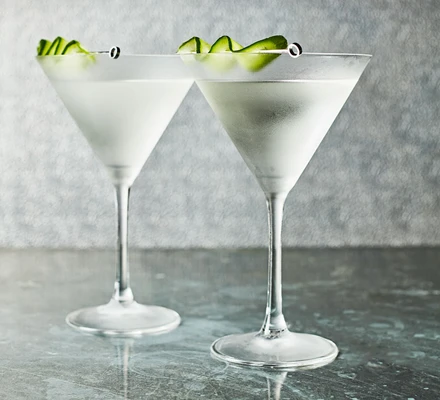
This version splits the drink evenly between gin and dry vermouth, making it far less boozy and more aromatic than a classic martini. The vermouth’s herbal, slightly bitter notes come through strongly here, so it drinks more like a sophisticated aperitif than a stiff cocktail. It’s a great pick before a meal, since the lower alcohol content and herbal character wake up your appetite instead of overwhelming it.
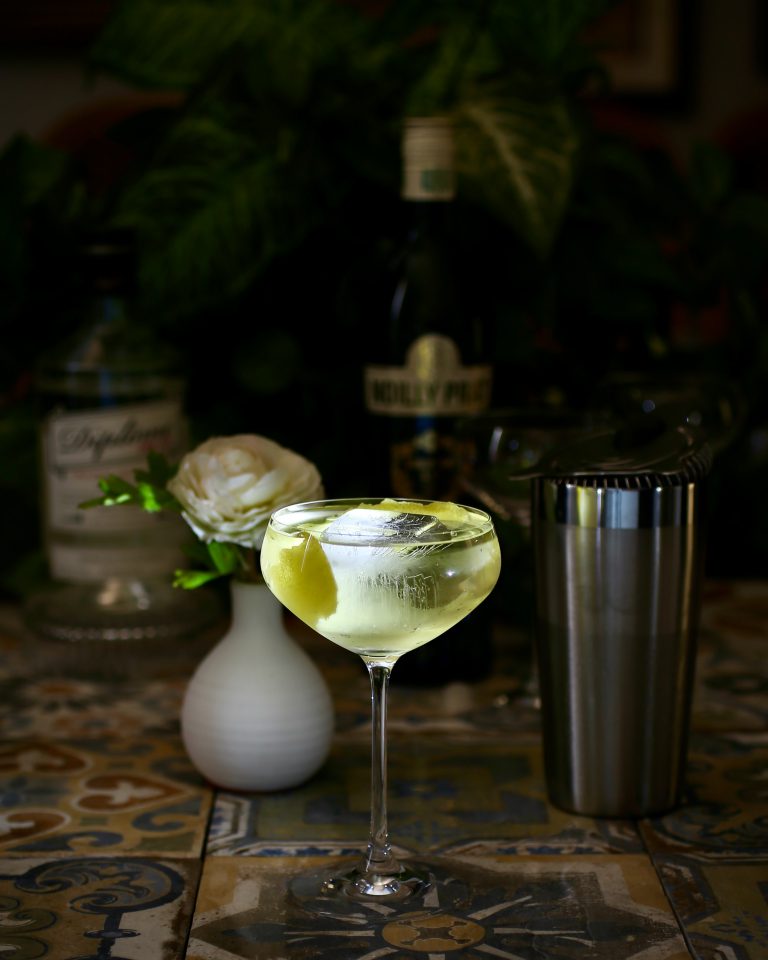
10. Reverse Martini
Flip the usual ratio and you get a Reverse Martini, built mostly from vermouth with just a splash of gin. It’s light, low in alcohol, and closer to a glass of fortified wine than a traditional cocktail. This makes it a smart option for daytime sipping or for anyone who wants the martini experience without the strong kick. Our best vermouth cocktails collection has more ideas if this style appeals to you.
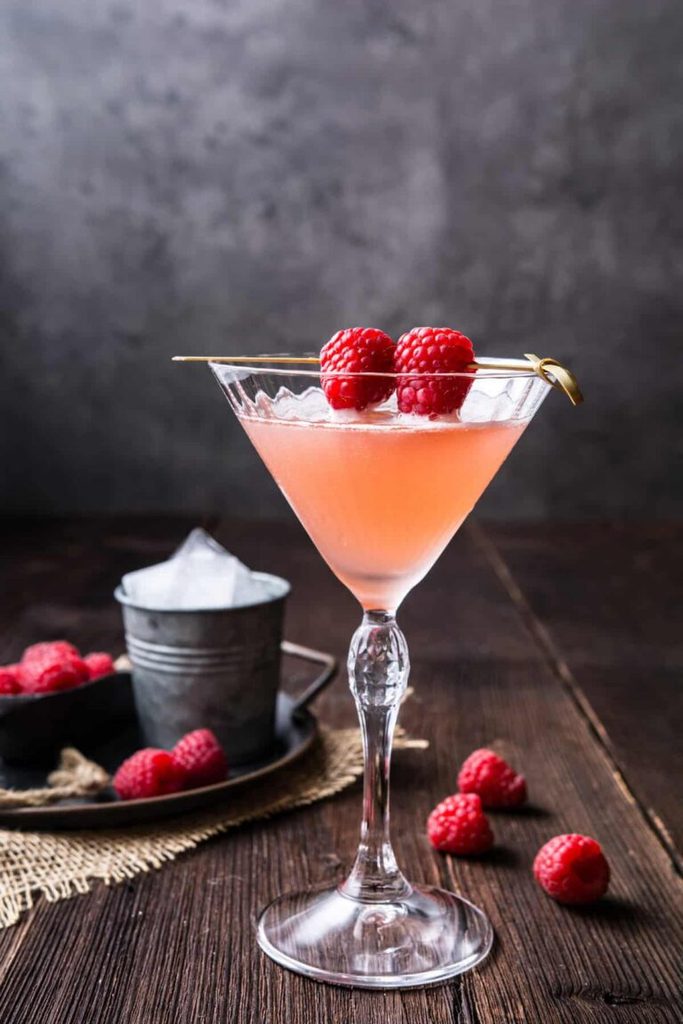
11. French Martini
Vodka, pineapple juice, and raspberry liqueur (usually Chambord) come together in this fruity, slightly frothy cocktail. Shaken hard, it develops a light foam on top and a pink-gold color that looks striking in a coupe glass. It’s sweeter and more tropical than a traditional martini, making it popular at bridal showers and celebrations. The raspberry liqueur gives it a tart edge that keeps it from tasting like plain fruit punch.
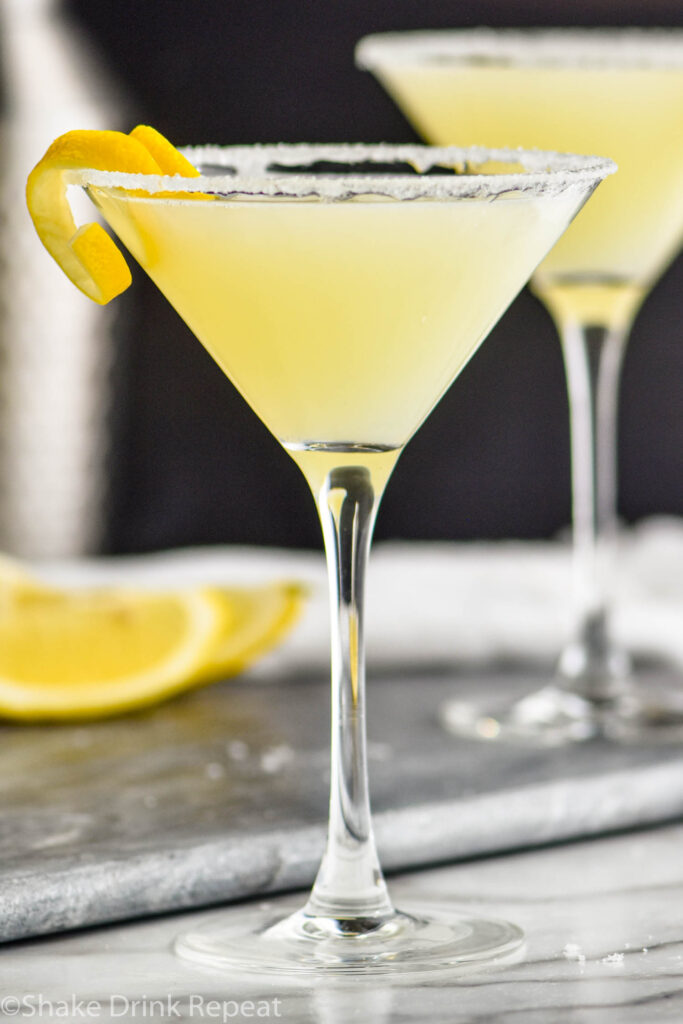
12. Lemon Drop Martini
This one tastes like a lemon candy in liquid form: vodka, triple sec, and fresh lemon juice shaken with ice, often served in a sugar-rimmed glass. The sugar rim is key here, since it balances the lemon’s tartness with a sweet crunch on every sip. It’s bright, citrusy, and a little nostalgic if you remember the actual candy. Serve it well-chilled in a coupe for the best balance of sweet and sour.
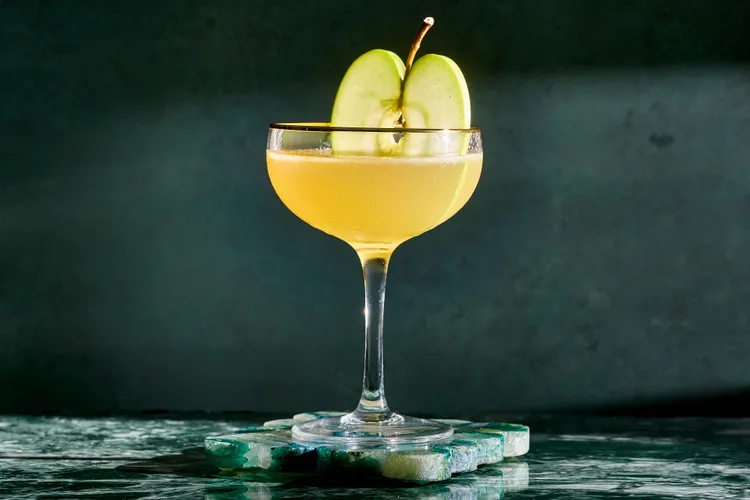
13. Appletini
Vodka and apple liqueur combine for a bright green or clear cocktail with a crisp, candy-apple flavor. Some recipes add a splash of fresh lemon juice to cut the sweetness and keep it from tasting syrupy. It became a 1990s and 2000s bar staple and still shows up on cocktail menus today. Garnish with a thin apple slice floated on top or a skewer of apple chunks for a fun, fruity presentation.
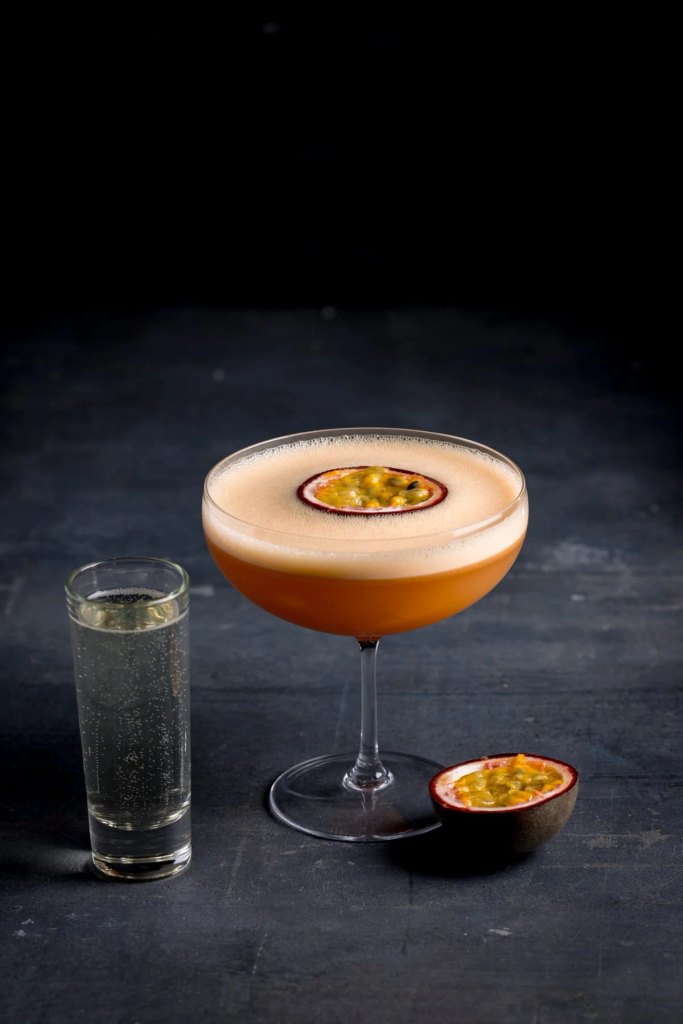
14. Pornstar Martini
Vanilla vodka, passion fruit puree or liqueur, and lime juice get shaken together and served with a shot of Champagne or Prosecco on the side. The tropical passion fruit flavor pairs with the vanilla for something sweet, fragrant, and a little indulgent. Sip the martini, then chase it with the bubbly shot, a combo that’s become a favorite at celebrations and girls’ night gatherings. It’s as fun to drink as it is to look at.
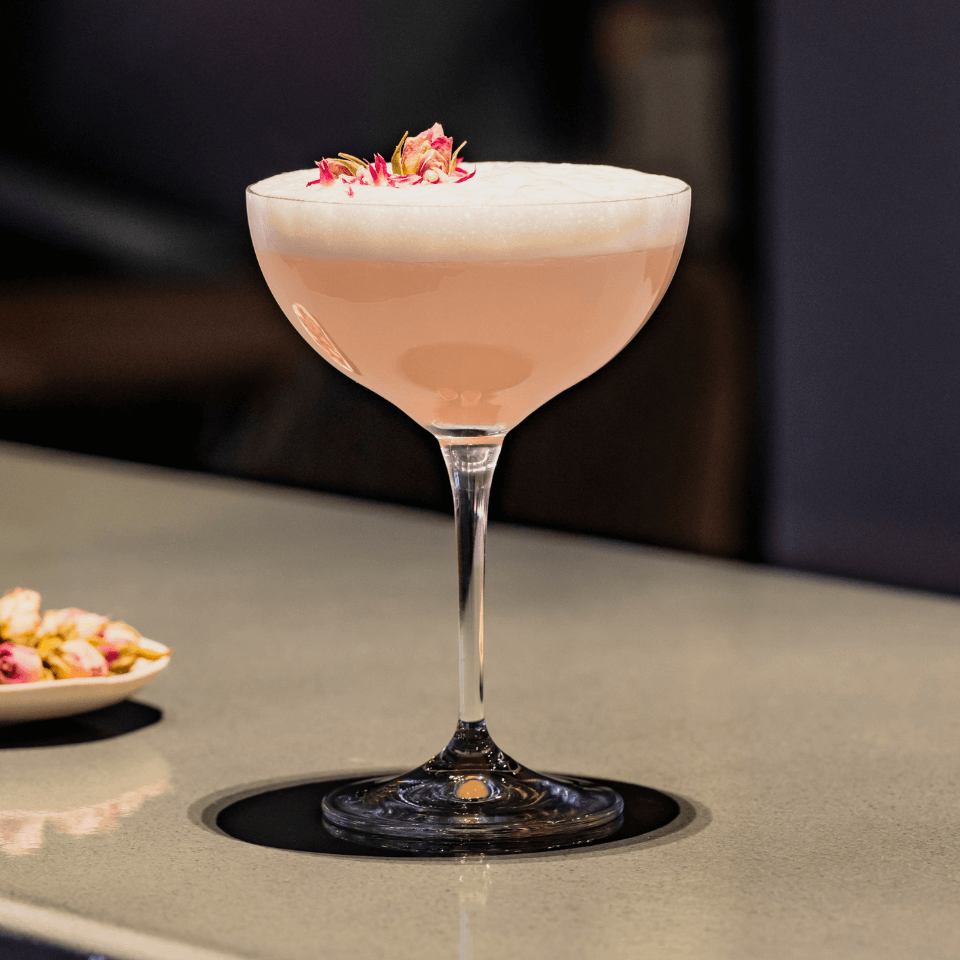
15. Lychee Martini
Lychee liqueur or lychee juice mixed with vodka creates a floral, slightly tropical martini with a delicate sweetness. Lychee fruit itself has a perfumed, grape-like flavor that translates well into cocktail form. A splash of lime juice keeps the sweetness in check and adds brightness. This one works well for anyone who enjoys Asian-inspired flavors or wants a change of pace from citrus-heavy martini recipes.
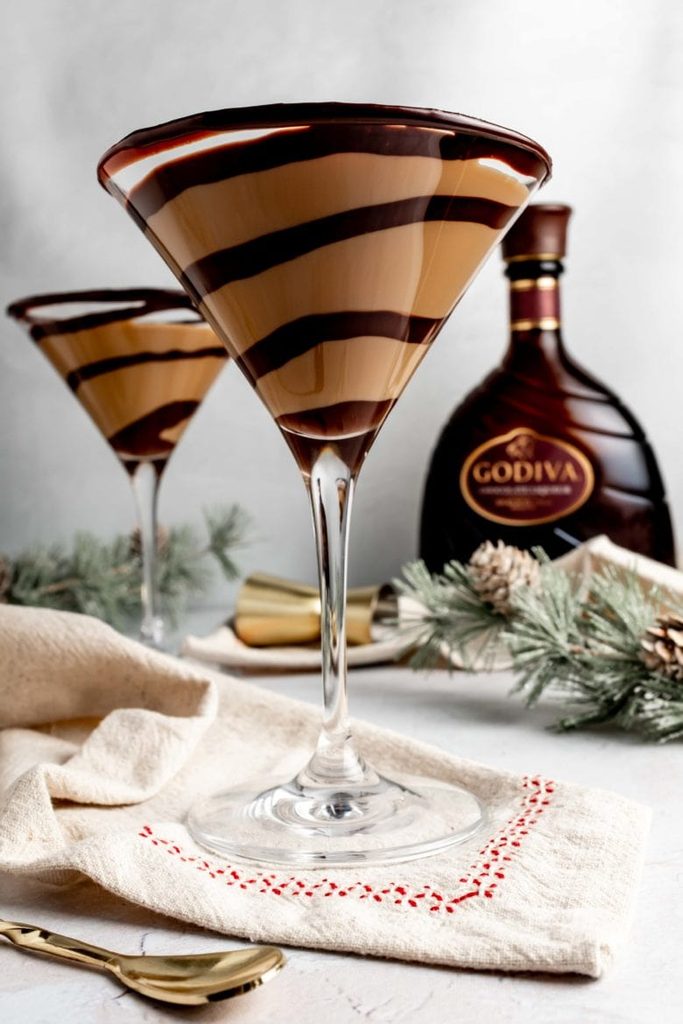
16. Chocolate Martini
Vodka or cream liqueur mixed with chocolate liqueur or crème de cacao makes this one taste like dessert in a glass. Some recipes add a splash of heavy cream for extra richness, then rim the glass with cocoa powder or chocolate syrup drizzled inside. It’s sweet, decadent, and best served after dinner rather than before. For another indulgent treat to pair with cocktail night, the decadent heart-shaped brownies with rich ganache make a fitting match.
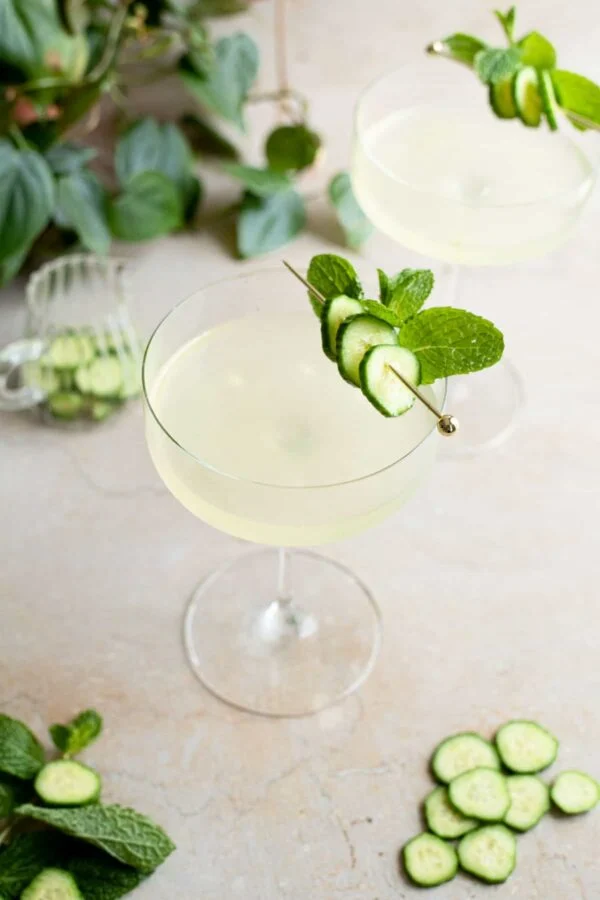
17. Cucumber Martini
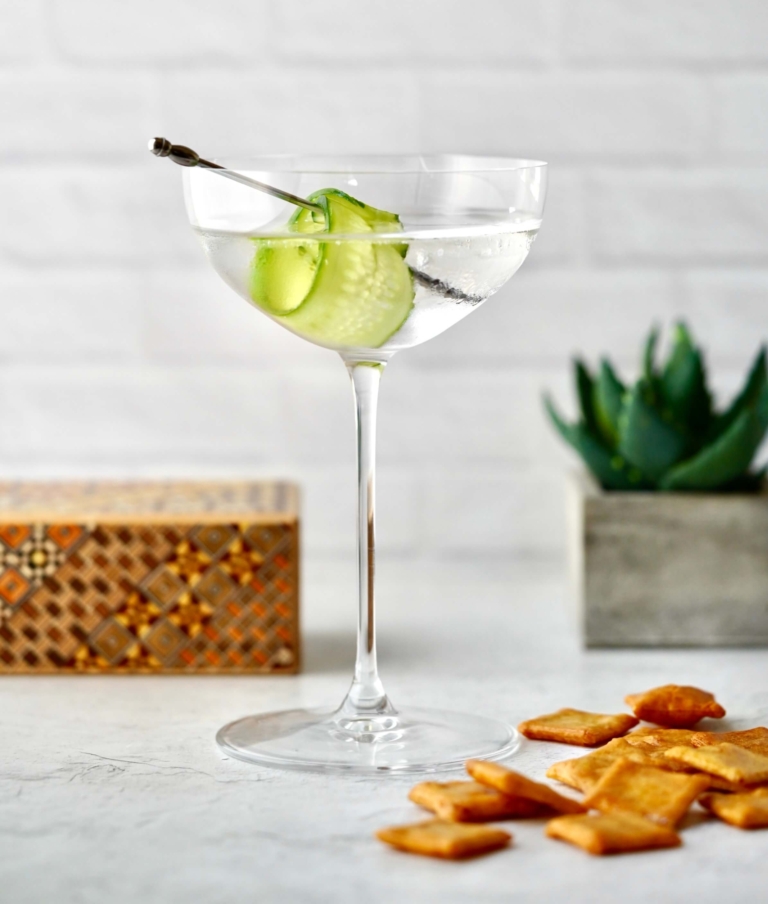
Fresh cucumber muddled or infused into gin or vodka gives this martini a cool, garden-fresh flavor that’s especially refreshing in warm weather. A splash of St-Germain or simple syrup rounds out the vegetal note with a touch of sweetness. Garnish with a thin cucumber ribbon for a crisp, spa-like presentation. It’s a lighter-tasting option that doesn’t lean on citrus or sugar the way many flavored martinis do.
18. Saketini
Sake replaces some or all of the vermouth in this East-meets-West martini, giving it a softer, slightly sweet, rice-forward flavor. Vodka or gin provides the backbone, while the sake adds a delicate, almost floral note that’s less sharp than traditional vermouth. Garnish with a cucumber slice or a few edamame on the side for a snack-friendly pairing. It’s a good conversation starter for guests who’ve never tried one.

19. Smoky Martini
A rinse of mezcal or a few drops of Scotch adds a smoky, campfire note to an otherwise classic gin or vodka martini. The smoke works like a seasoning here, just enough to perfume the drink without overpowering it. This version pairs well with a twist of orange peel instead of lemon, since the citrus oils complement the smokiness nicely. If smoky spirits interest you, our 18 amazing mezcal cocktails collection has more to explore.
What Makes a Drink a Martini?
A true martini starts with a spirit, usually gin or vodka, stirred or shaken with a small amount of vermouth and served in a chilled stemmed glass. That three-part structure (spirit, vermouth, cold temperature) is the foundation every version on this list builds from or bends.
Garnish matters too. An olive, a lemon twist, or a cocktail onion isn’t just decoration, it actually changes the flavor by adding salt, oil, or tang to each sip.
Modern “martinis” like the Espresso Martini or French Martini stretch the definition by swapping vermouth for other mixers like coffee liqueur or fruit juice. Purists might argue these aren’t technically martinis at all, but they’ve earned the name through decades of bar menus and popular use. What ties them together is the glass: that iconic V-shaped stem signals “martini” even when the contents inside look nothing like gin and vermouth.
How to Choose a Martini You’ll Enjoy
Start with your base spirit preference, since that decision shapes everything else. Gin brings herbal, piney notes while vodka stays clean and neutral, so pick based on whether you want flavor complexity or a smoother canvas for other ingredients.
Think about when you’re drinking it, too. A 50/50 Martini or Reverse Martini suits an early evening aperitif, while a Chocolate Martini or Espresso Martini fits better after dinner.
| Martini Type | Base Spirit | Flavor Profile | Best For |
|---|---|---|---|
| Classic Gin Martini | Gin | Crisp, botanical | Traditionalists |
| Dirty Martini | Gin or vodka | Briny, savory | Olive lovers |
| Vodka Martini | Vodka | Clean, smooth | Gin-averse drinkers |
| Espresso Martini | Vodka | Rich, bitter-sweet | After dinner |
| Dry Martini | Gin or vodka | Sharp, strong | Minimal vermouth fans |
| Vesper Martini | Gin + vodka | Bold, citrusy | Strong cocktail fans |
| Gibson | Gin or vodka | Tangy, savory | Onion over olive fans |
| Perfect Martini | Gin or vodka | Balanced, fruity | New martini drinkers |
| 50/50 Martini | Gin | Herbal, light | Pre-meal sipping |
| Reverse Martini | Vermouth-forward | Light, aromatic | Low-alcohol preference |
| French Martini | Vodka | Fruity, frothy | Celebrations |
| Lemon Drop Martini | Vodka | Sweet-tart | Citrus lovers |
| Appletini | Vodka | Sweet, candy-like | Fruity drink fans |
| Pornstar Martini | Vodka | Tropical, sweet | Party occasions |
| Lychee Martini | Vodka | Floral, tropical | Adventurous sippers |
| Chocolate Martini | Vodka | Rich, dessert-like | After-dinner treat |
| Cucumber Martini | Gin or vodka | Fresh, cool | Warm weather |
| Saketini | Vodka or gin | Soft, rice-forward | Sake fans |
| Smoky Martini | Gin or vodka | Smoky, bold | Mezcal or Scotch fans |
Garnish style can guide your pick as well. If you love briny, savory bites, a Dirty Martini or Gibson will satisfy that craving. If you prefer bright citrus, a lemon twist on a Dry Martini or a Lemon Drop Martini hits that note instead.
Don’t be afraid to experiment with ratios once you find a base you like. Adjusting the vermouth up or down, or trying a different garnish, can turn a familiar recipe into your own signature pour.