France gave the world Champagne, Cognac, and a handful of liqueurs that turned simple bar drinks into something worth savoring slowly. When you’re picking a French cocktail, the French 75 stands out as the best all-around choice, since it balances gin, lemon, and Champagne into something crisp enough for a toast and strong enough to notice. It’s the drink most bartenders reach for when someone asks for “something French,” and for good reason.
Beyond that one classic, French cocktails cover a lot of ground. Some lean on Cognac and bitters, others on Champagne, and a few on herbal aperitifs like Suze or Lillet that barely show up outside France. Knowing which bottle does what makes it easier to build a home bar that can handle all of them.
Quick picks:
- Best all-around: French 75, gin, lemon, and Champagne in one glass
- Best for brunch: Mimosa, just Champagne and orange juice
- Best low-alcohol sip: Suze and Tonic, bittersweet and refreshing
- Best Cognac classic: Sidecar, bright, boozy, and citrus-forward
1. French 75
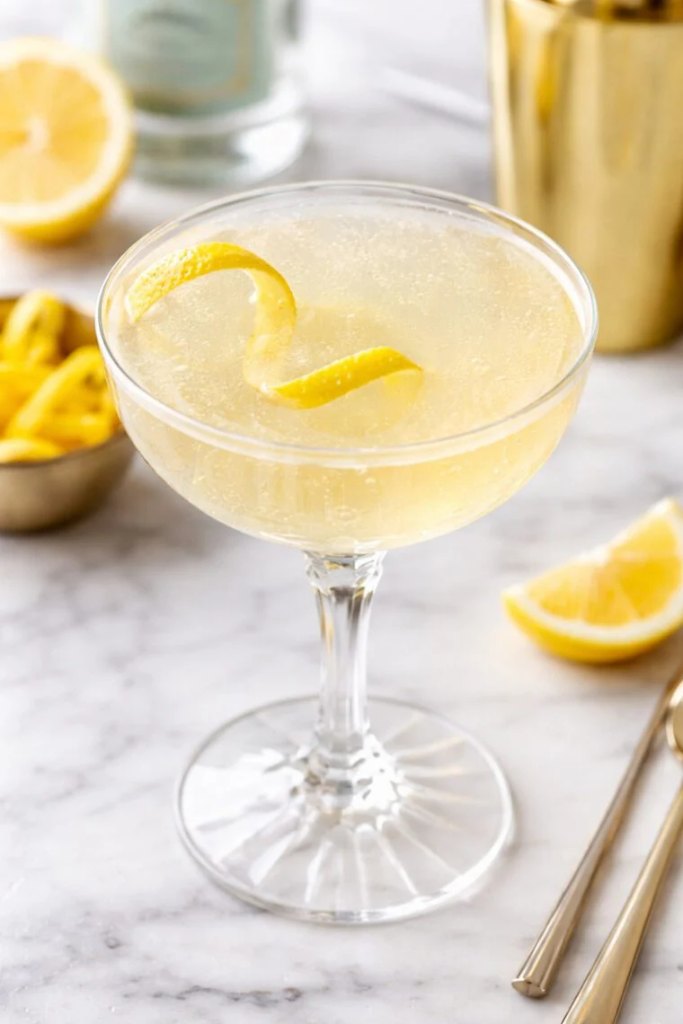
The French 75 pairs gin, fresh lemon juice, and simple syrup with a top of chilled Champagne, poured into a flute for a drink that’s bubbly, tart, and sneaky strong. It dates back to World War I, named for a fast-firing French field gun because of its kick.
Ingredients: 1 oz gin, 0.5 oz lemon juice, 0.5 oz simple syrup, 3 oz Champagne.
Method: Shake gin, lemon, and syrup with ice, strain into a flute, top with Champagne. Serves 1.
2. Sidecar
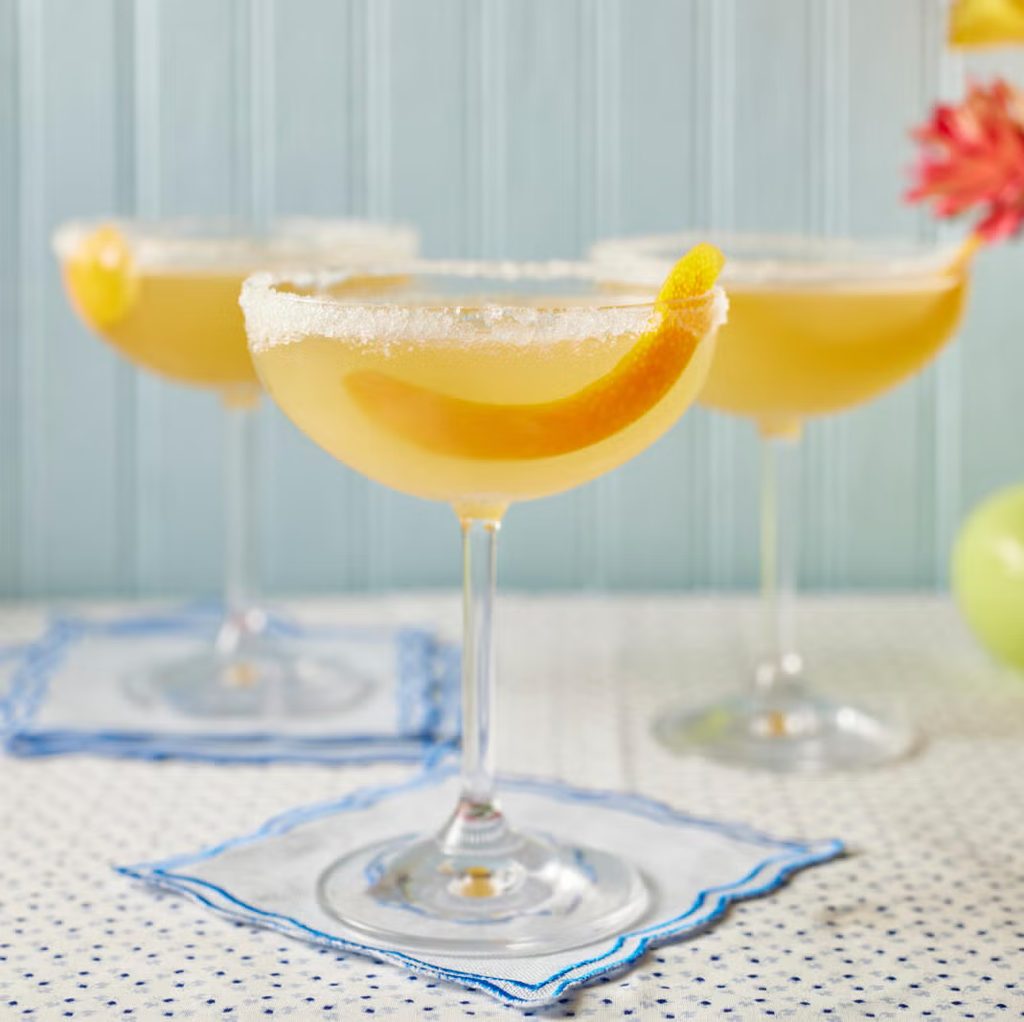
The Sidecar is a Cognac classic built on just three ingredients: Cognac, orange liqueur, and lemon juice, shaken until icy and strained into a sugar-rimmed coupe. It’s tart, warm, and a little nostalgic, the kind of drink that tastes like a Paris hotel bar in the 1920s.
Ingredients: 2 oz Cognac, 0.75 oz orange liqueur, 0.75 oz lemon juice.
Method: Shake with ice, strain into a sugar-rimmed glass. Serves 1. For more ways to use the bottle, check out these cognac cocktails.
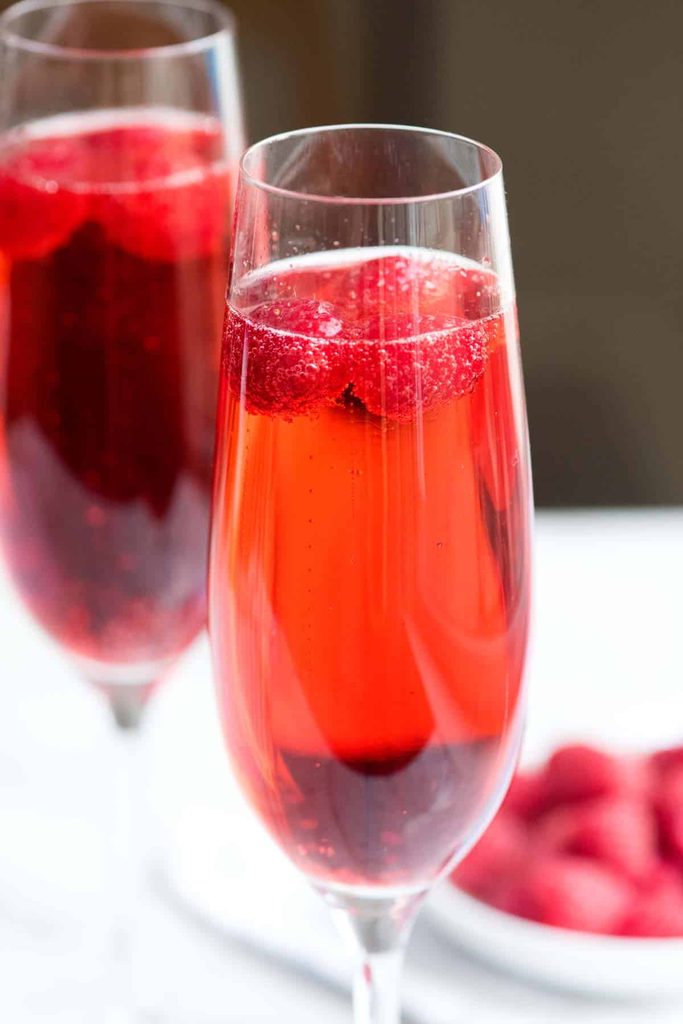
3. Kir Royale
The Kir Royale takes crème de cassis, a blackcurrant liqueur from Burgundy, and tops it with Champagne for a drink that’s pink, fruity, and festive. It’s the fancier cousin of the Kir, built for celebrations rather than everyday sipping.
Ingredients: 0.5 oz crème de cassis, 4.5 oz chilled Champagne.
Method: Pour cassis into a flute, top slowly with Champagne. Serves 1. Don’t stir hard, you’ll lose the bubbles.
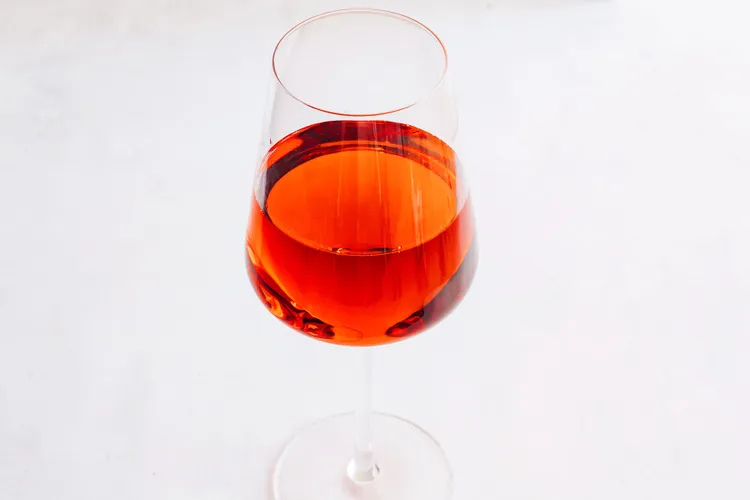
4. Kir
The Kir swaps Champagne for still white wine, usually a crisp Bourgogne Aligoté, making it a quieter, everyday version of the Kir Royale. Named after a French mayor who liked blending local wine with blackcurrant liqueur, it’s simple enough to mix without measuring tools.
Ingredients: 0.5 oz crème de cassis, 5 oz dry white wine.
Method: Pour cassis into a wine glass, top with chilled white wine, stir gently. Serves 1.
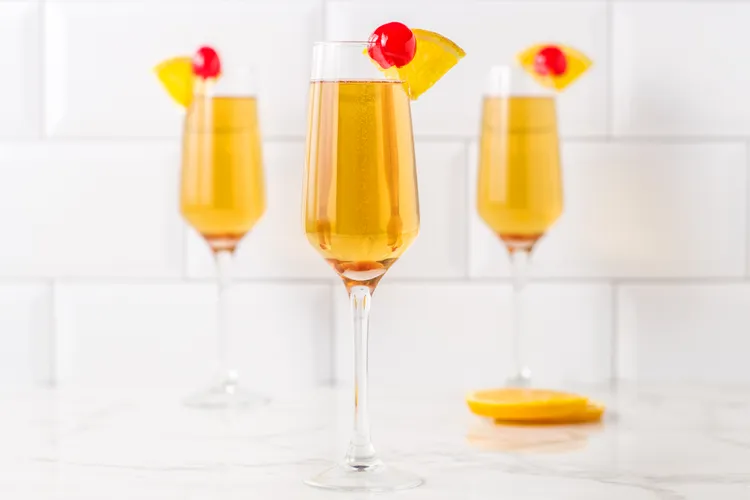
5. Champagne Cocktail
The Champagne Cocktail is built on a sugar cube soaked in Angostura bitters, dropped into a flute and topped with Champagne, letting the bubbles carry the spice up through the glass. It’s one of the oldest Champagne drinks still served, dating back to the 1800s.
Ingredients: 1 sugar cube, 3 dashes Angostura bitters, 5 oz Champagne, optional brandy splash.
Method: Soak sugar cube in bitters, drop in flute, top with Champagne. Serves 1.
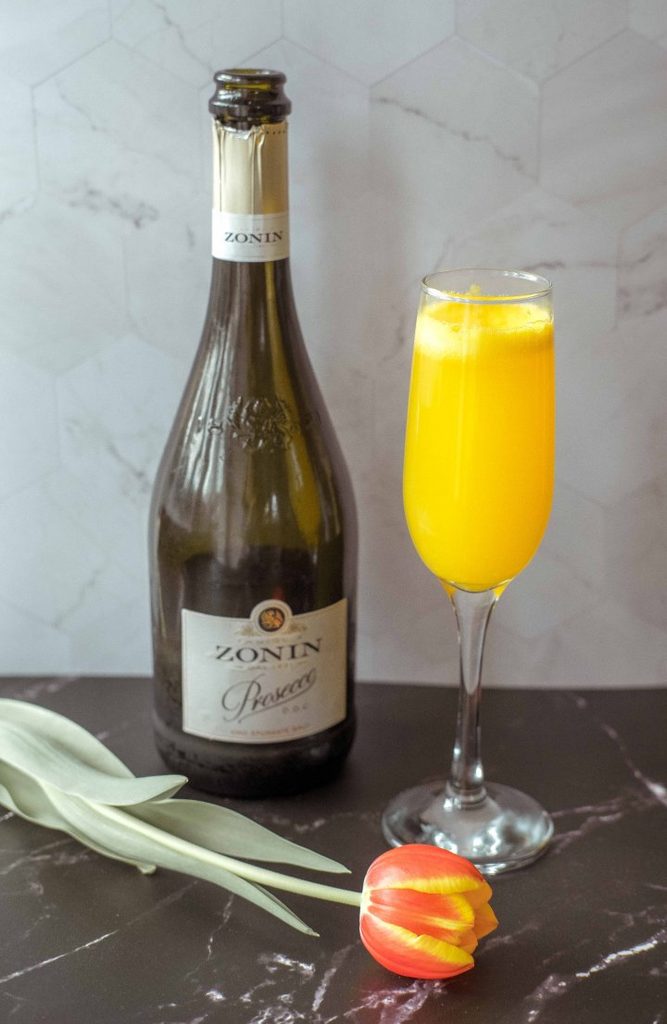
6. Mimosa
The Mimosa is the easiest French-style bubbly drink there is: half Champagne, half orange juice, poured over ice or straight into a flute. It’s a brunch staple because it forgives imprecise pouring and still tastes bright and refreshing.
Ingredients: 2.5 oz Champagne, 2.5 oz orange juice.
Method: Pour both into a chilled flute, stir once. Serves 1. For more morning-friendly pours, this list of brunch cocktails has plenty of options, and these orange juice cocktails work well for the same table.
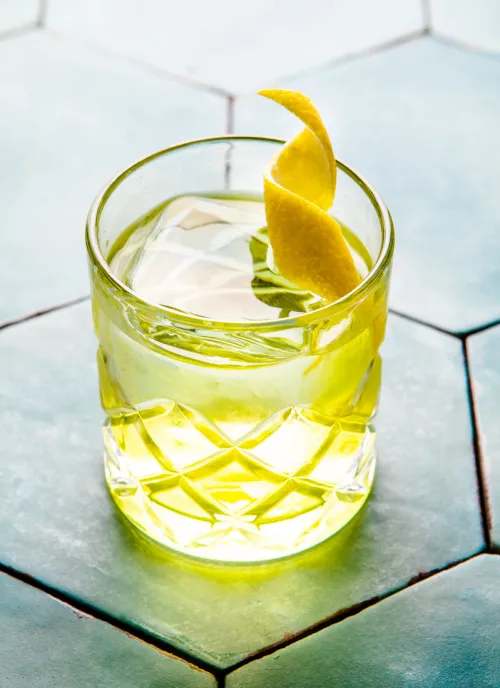
7. White Negroni
The White Negroni swaps Campari and sweet vermouth for Suze and Lillet Blanc, keeping gin as the base but turning the color pale and the flavor more floral and bittersweet. It was invented by a bartender in France in the early 2000s and has since become a modern classic.
Ingredients: 1 oz gin, 0.75 oz Suze, 0.75 oz Lillet Blanc.
Method: Stir with ice, strain over fresh ice. Serves 1.
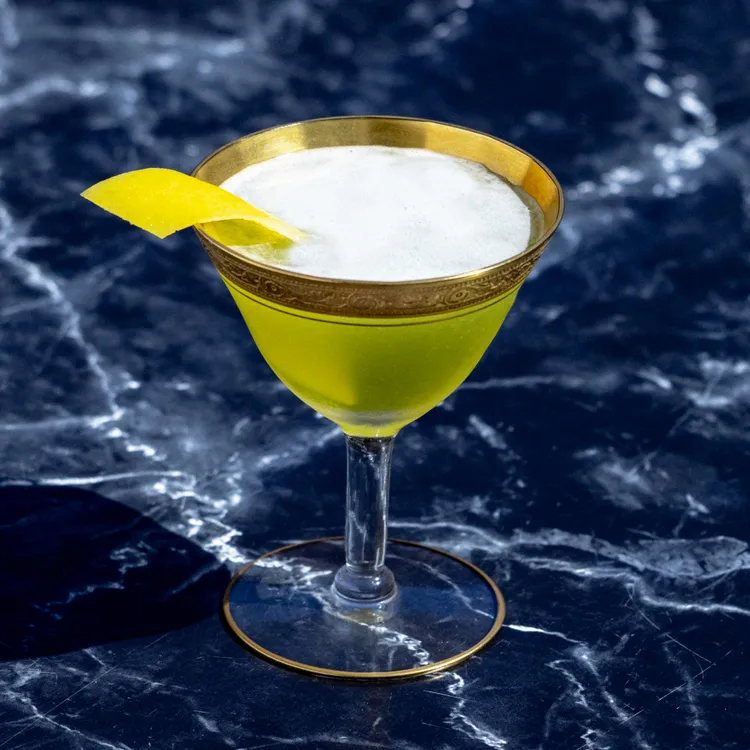
8. Champs-Élysées
The Champs-Élysées cocktail mixes Cognac, Chartreuse, lemon juice, and a dash of bitters into a drink that’s herbal, citrusy, and a bit mysterious thanks to the Chartreuse. It’s named after the famous Parisian avenue and makes a great introduction to Chartreuse for anyone new to the liqueur.
Ingredients: 2 oz Cognac, 0.5 oz green Chartreuse, 0.75 oz lemon juice, 2 dashes Angostura bitters.
Method: Shake with ice, strain into a coupe. Serves 1. Explore more ways to use the bottle in these chartreuse cocktails.
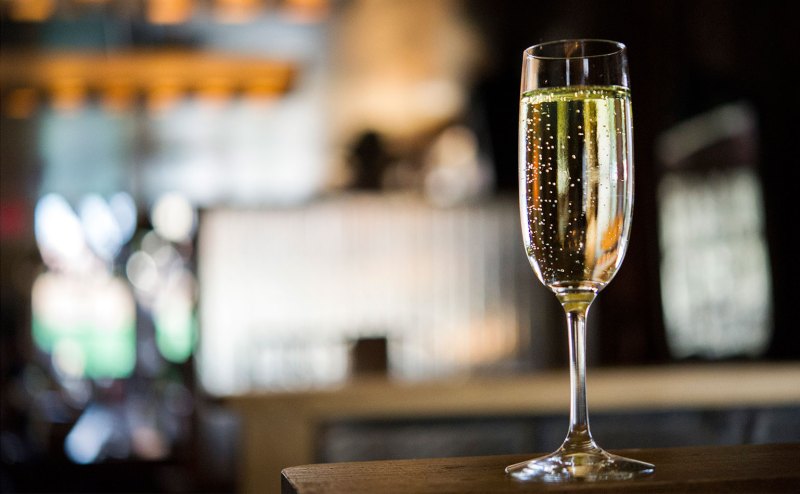
9. Death in the Afternoon
Death in the Afternoon combines absinthe and Champagne, a combo supposedly invented by Ernest Hemingway while living in Paris. The absinthe louches to a cloudy pale green when the Champagne hits it, giving the drink a dramatic look before the first sip.
Ingredients: 1 oz absinthe, 4 oz chilled Champagne.
Method: Pour absinthe into a flute, top slowly with Champagne. Serves 1. Drink slowly; it’s stronger than it looks.
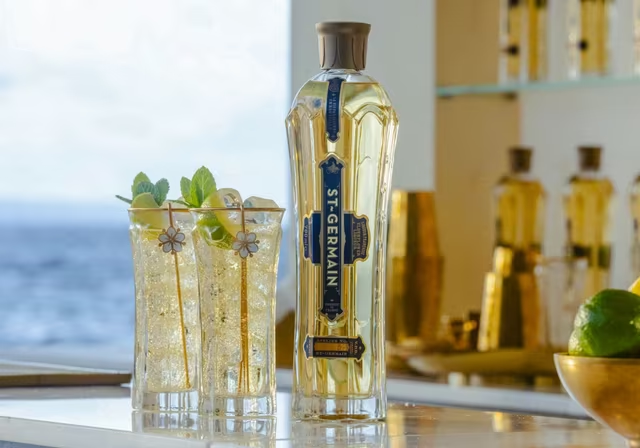
10. St-Germain Cocktail
The St-Germain Cocktail pairs elderflower liqueur with sparkling wine and a splash of soda, making a light, floral drink that’s easy to sip on a warm afternoon. St-Germain itself is made in France from hand-picked elderflowers, giving the liqueur its honeyed, delicate flavor.
Ingredients: 1.5 oz St-Germain, 3 oz sparkling wine, 1 oz soda water.
Method: Build over ice in a wine glass, stir gently. Serves 1. For more recipes built around the bottle, see these St-Germain cocktail recipes.
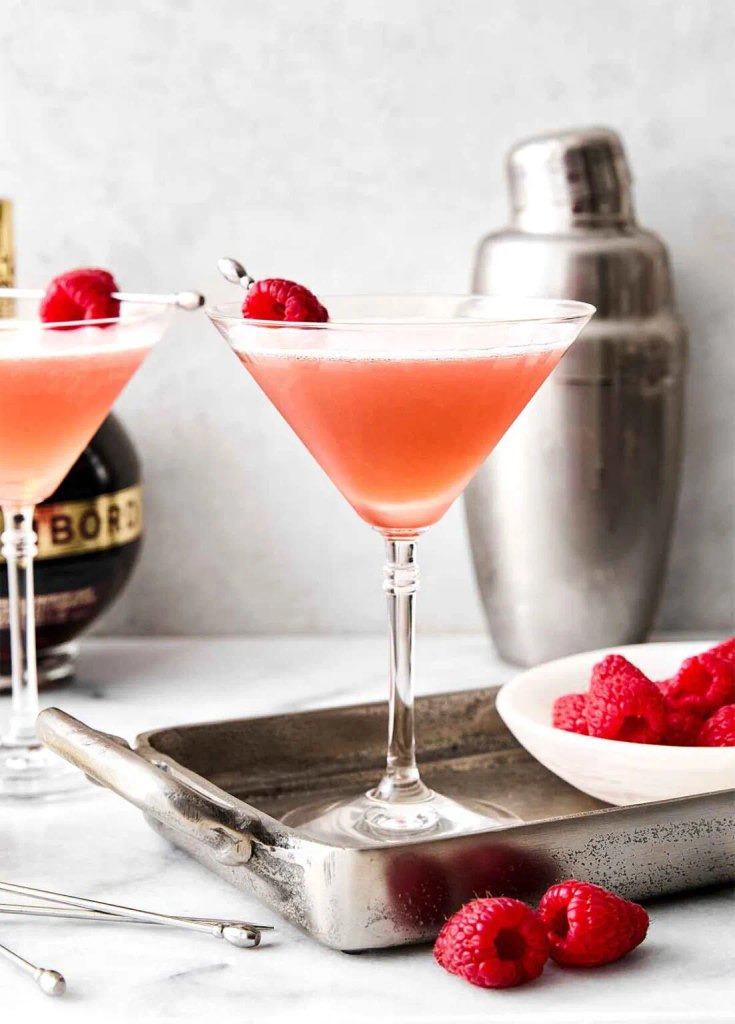
11. French Martini
The French Martini blends vodka, Chambord raspberry liqueur, and pineapple juice, shaken until frothy and strained into a coupe. It’s fruity and smooth, closer to dessert than a classic martini, and a favorite for anyone easing into cocktails.
Ingredients: 1.5 oz vodka, 0.5 oz Chambord, 1.5 oz pineapple juice.
Method: Shake hard with ice, strain into a chilled coupe. Serves 1. Find more raspberry-forward pours in these classy Chambord cocktails.
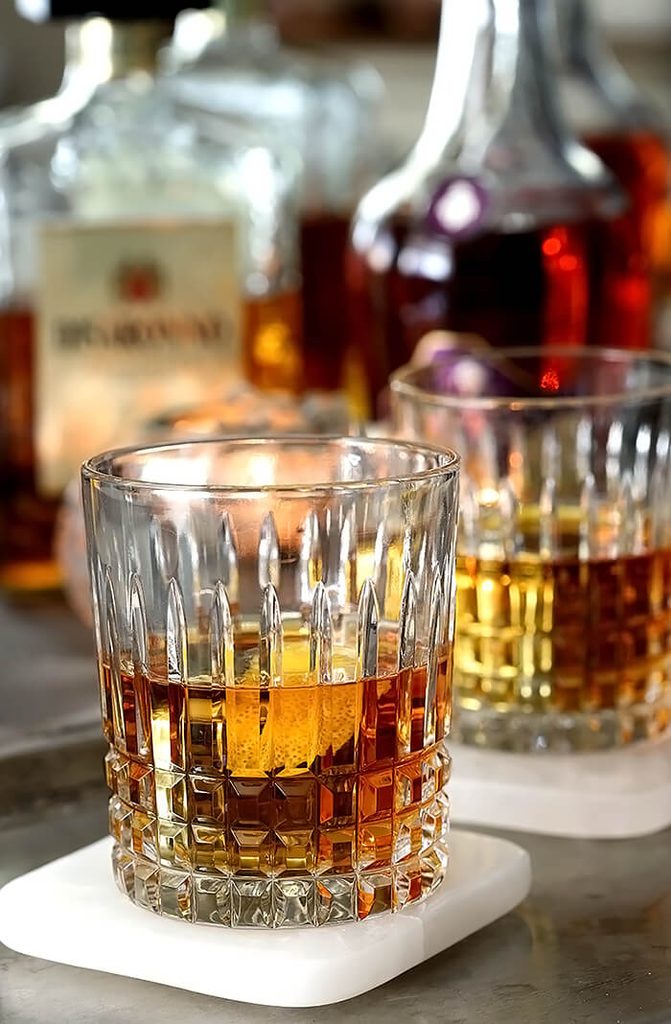
12. French Connection
The French Connection is just Cognac and amaretto, stirred over ice in an old-fashioned glass, no shaking or fancy tools required. It’s named after the 1971 crime film and makes a good slow-sipping drink for cooler evenings.
Ingredients: 1.5 oz Cognac, 1.5 oz amaretto.
Method: Pour both over ice, stir briefly. Serves 1. It’s one of the simplest entries on this list, and a solid starting point if you’re new to Cognac cocktails.
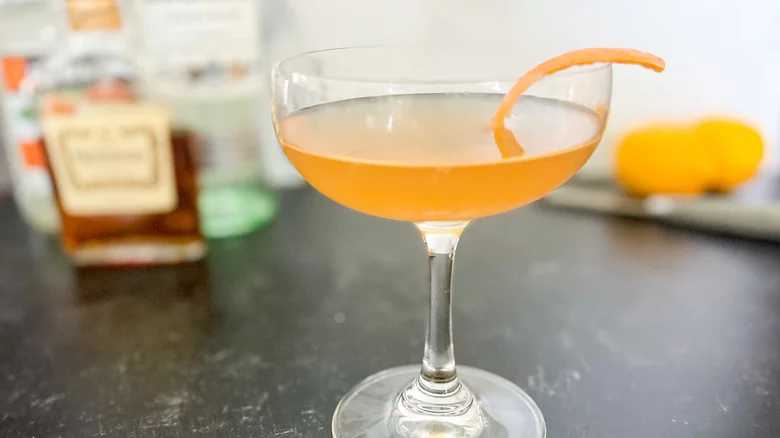
13. Between the Sheets
Between the Sheets mixes Cognac, white rum, orange liqueur, and lemon juice into a tart, boozy sibling of the Sidecar. It dates back to the 1930s and carries a reputation as a strong, no-nonsense nightcap.
Ingredients: 1 oz Cognac, 1 oz white rum, 1 oz orange liqueur, 0.75 oz lemon juice.
Method: Shake with ice, strain into a coupe. Serves 1. Pour carefully; this one sneaks up on you.
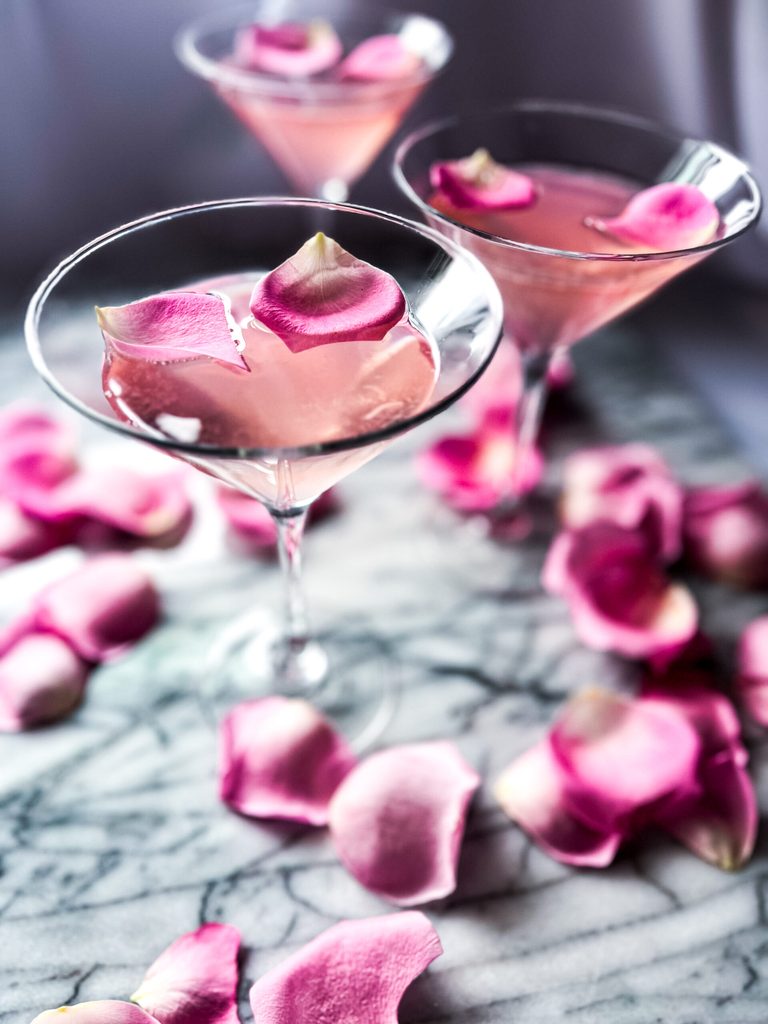
14. Rose Cocktail
The Rose Cocktail blends gin, dry vermouth, cherry liqueur or kirsch, and a touch of lemon, giving it a pale pink color and a soft, fruity finish. It’s an old French recipe that’s gentler than most of the Cognac-forward drinks on this list.
Ingredients: 1.5 oz gin, 0.75 oz dry vermouth, 0.5 oz kirsch, 0.25 oz lemon juice.
Method: Stir with ice, strain into a coupe. Serves 1. Pair it with vermouth cocktails if you want to explore the bottle further.
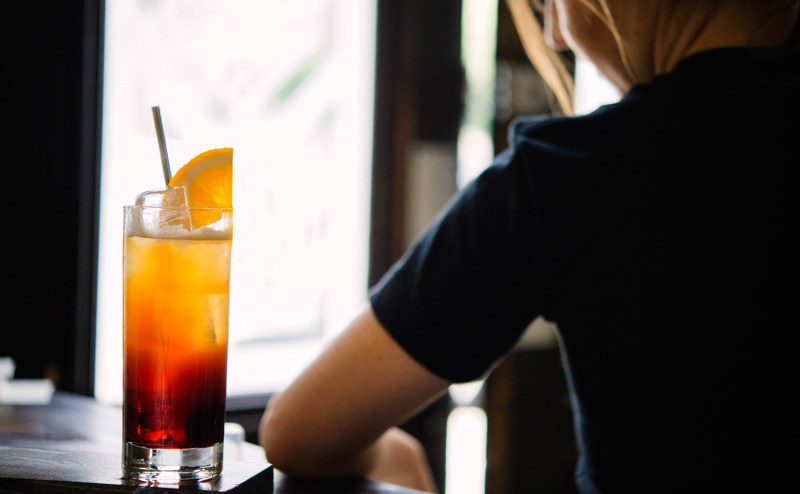
15. Picon Bière
Picon Bière mixes Amer Picon, a bittersweet orange liqueur, with cold lager for a drink that’s part cocktail, part beer garden staple. It’s common in cafés across eastern France and tastes like a grown-up shandy with a bitter orange edge.
Ingredients: 1 oz Amer Picon (or similar amaro), 10 oz cold lager.
Method: Pour Picon into a glass, top with beer. Serves 1. Keep the beer very cold for the best contrast.
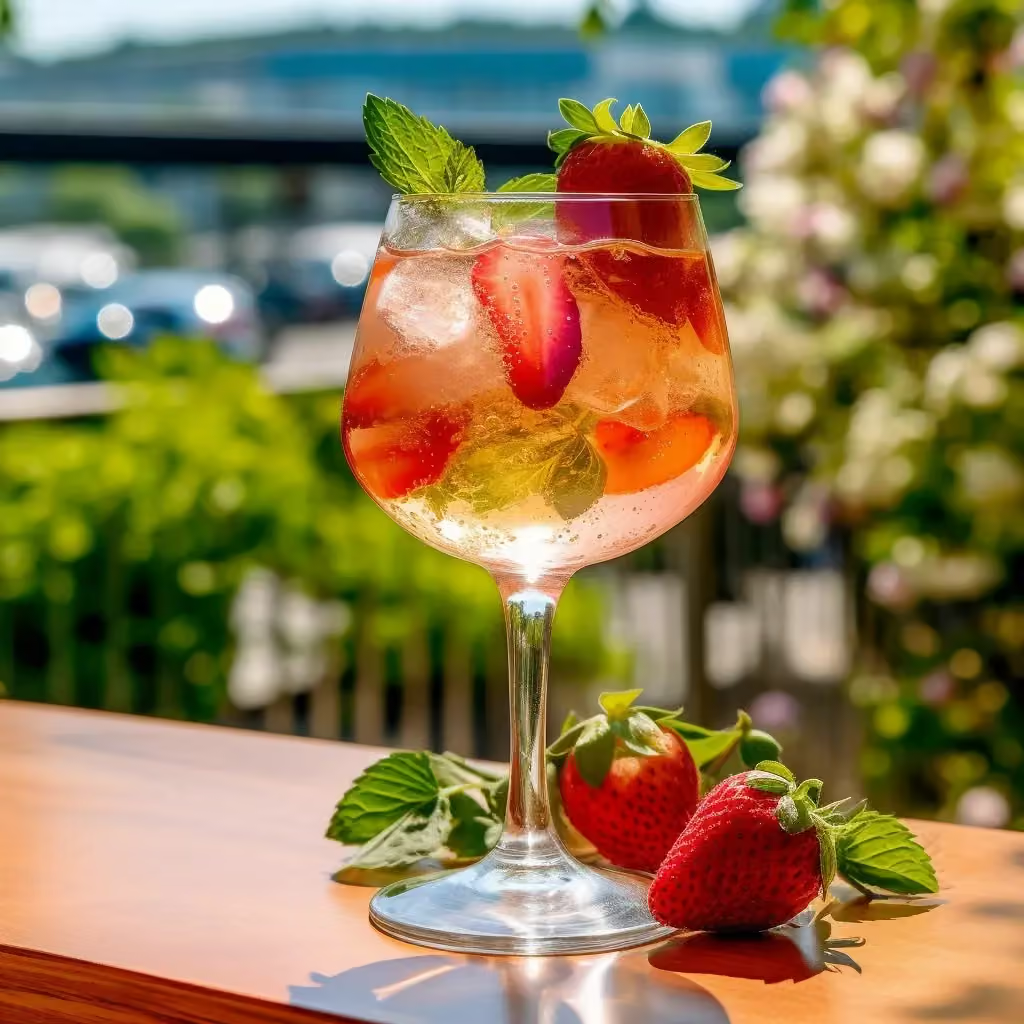
16. Lillet Vive
Lillet Vive combines Lillet Blanc, elderflower liqueur, and soda water for a light, floral sipper that’s closer to a spritz than a stiff cocktail. It’s an official Lillet recipe built to showcase the aperitif’s citrus and honey notes.
Ingredients: 3 oz Lillet Blanc, 0.5 oz elderflower liqueur, 2 oz soda water.
Method: Build over ice in a wine glass, stir gently, garnish with mint. Serves 1.
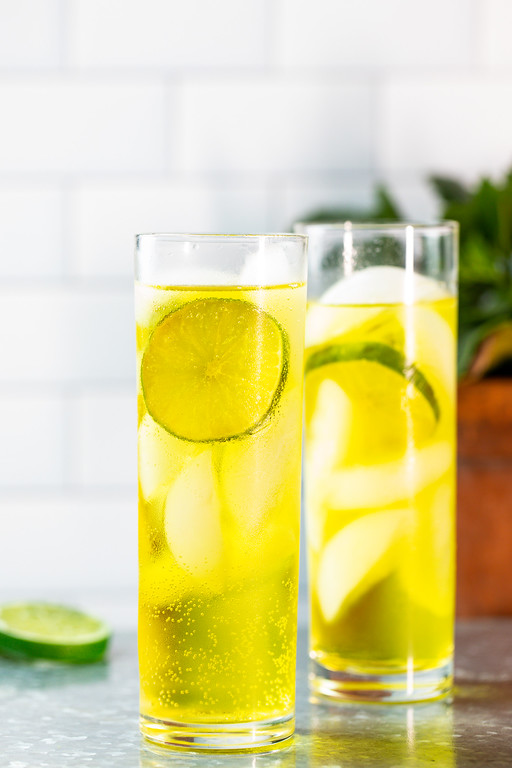
17. Suze and Tonic
Suze and Tonic pairs the bitter, gentian-based French aperitif with tonic water for a low-key drink that’s bracing rather than sweet. It’s a staple apéritif hour pour in France, served well before dinner to wake up the appetite.
Ingredients: 2 oz Suze, 4 oz tonic water.
Method: Build over ice in a tall glass, stir once, garnish with orange. Serves 1. Adjust the ratio if the bitterness feels sharp at first.
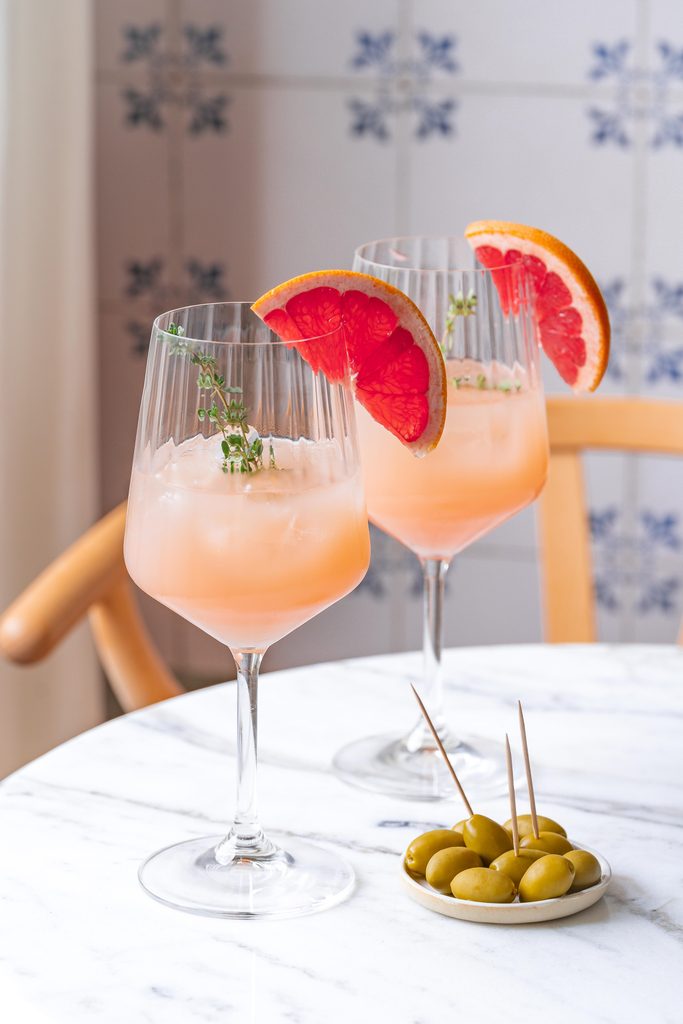
18. Mauresque
The Mauresque mixes pastis (an anise-flavored spirit) with orgeat, a sweet almond syrup, turning cloudy and pale yellow once water or ice joins in. It’s a café classic in southern France, especially around Marseille, and tastes like licorice mellowed by almond sweetness.
Ingredients: 1 oz pastis, 0.5 oz orgeat syrup, 4 oz cold water.
Method: Pour pastis and orgeat into a glass, add cold water, stir. Serves 1.
What Makes a Cocktail French?
A cocktail earns its French label through real ties to French spirits, regions, or history, not just a passing ingredient. Drinks like the Kir and French 75 were invented in France, while others like the Sidecar and French Connection lean on French staples such as Cognac.
The common thread runs through a handful of bottles: Champagne, Cognac, Chambord, Cointreau, Lillet, Pernod, and St-Germain. A cocktail built around one of these has a stronger claim to French roots than one that just happens to include a French liqueur as a minor mixer.
Region matters, too. Pastis and Picon show up more in southern and eastern France, while Champagne cocktails trace back to the Champagne region itself. Even Suze, a bitter gentian liqueur, carries its own regional following tied to French apéritif culture, the pre-dinner ritual of a light drink and small bites.
If you’re building out a home bar with this kind of focus, a few bottles cover most of the list: a dry gin, a decent Cognac, orange liqueur, and one Champagne you don’t mind popping on a weeknight. For a broader sense of how these drinks fit into French food culture, these traditional French recipes pair well with the same pantry.
How to Choose French Ingredients and Substitutions
Start with what’s already recognizable: Cognac, Champagne, and orange liqueur cover more than half the recipes above. A midrange VS Cognac works fine for Sidecars and French Connections; save the pricier VSOP for sipping neat.
| Cocktail | Base Spirit | Key French Ingredient | Sweetness | Best For |
|---|---|---|---|---|
| French 75 | Gin | Champagne | Medium | Celebrations |
| Sidecar | Cognac | Orange liqueur | Tart | Evening sipping |
| Kir Royale | Champagne | Crème de cassis | Sweet | Parties |
| Kir | White wine | Crème de cassis | Sweet | Everyday |
| Champagne Cocktail | Champagne | Bitters | Light | Toasts |
| Boulevardier | Bourbon | Sweet vermouth | Bitter | Cold nights |
| Mimosa | Champagne | Orange juice | Sweet | Brunch |
| White Negroni | Gin | Suze, Lillet | Bitter | Aperitif hour |
| Champs-Élysées | Cognac | Chartreuse | Herbal | Adventurous sippers |
| Death in the Afternoon | Champagne | Absinthe | Dry | Strong drinkers |
| St-Germain Cocktail | Sparkling wine | St-Germain | Floral | Warm afternoons |
| French Martini | Vodka | Chambord | Fruity | Easy sipping |
| French Connection | Cognac | Amaretto | Sweet | Slow nights |
| Between the Sheets | Cognac, rum | Orange liqueur | Tart | Nightcaps |
| Rose Cocktail | Gin | Kirsch | Fruity | Light sipping |
| Picon Bière | Lager | Amer Picon | Bitter | Casual hangouts |
| Lillet Vive | Lillet Blanc | Elderflower | Floral | Spritz lovers |
| Suze and Tonic | Suze | Gentian root | Bitter | Apéritif hour |
| Mauresque | Pastis | Orgeat | Sweet, anise | Southern France vibes |
If a bottle like Lillet or Suze isn’t in your cabinet yet, dry vermouth makes a reasonable stand-in for Lillet Blanc in a pinch, and a mild amaro can sub for Suze without losing the bitter backbone. St-Germain doesn’t have a close substitute since its honeyed elderflower flavor is distinct, but a dry sparkling wine alone still makes a decent base if you’re out.
For Chambord, raspberry liqueur in general works, though the original brings a deeper, almost wine-like sweetness worth seeking out. Stock Cointreau or another orange liqueur next, since it shows up across Sidecars, Between the Sheets, and plenty of Cointreau cocktails beyond this list. Round things out with a bottle of Grand Marnier if you want a richer, Cognac-based orange liqueur option; it swaps easily into most of the same recipes, and these Grand Marnier cocktails show just how far that bottle stretches.