Japanese sweets have a quiet confidence about them. A single piece of mochi or a small square of yokan carries centuries of technique, yet none of it feels fussy on the plate. These are desserts built on rice, beans, and fruit, with sugar used as a gentle hand rather than a heavy one.
What makes the best authentic Japanese desserts stand out is restraint. A good dorayaki pancake or a scoop of kakigori doesn’t need ten ingredients to taste finished. Texture does a lot of the talking: chewy mochi, silky custard, shaved ice that melts the second it hits your tongue.
Some of these treats date back to the Edo period, others are newer café creations, but all of them reward a slower bite. Whether you’re hunting down a bakery in your city or want to make these at home, there’s a version here for every craving, from fruity and light to rich and nutty.
Quick picks:
- Best for first-timers: Daifuku, soft mochi with sweet bean filling
- Best cold-weather treat: Zenzai, warm sweet red bean soup with mochi
- Best summer cooler: Kakigori, fluffy shaved ice with fruit syrup
- Best for tea ceremonies: Nerikiri, sculpted sweet bean art
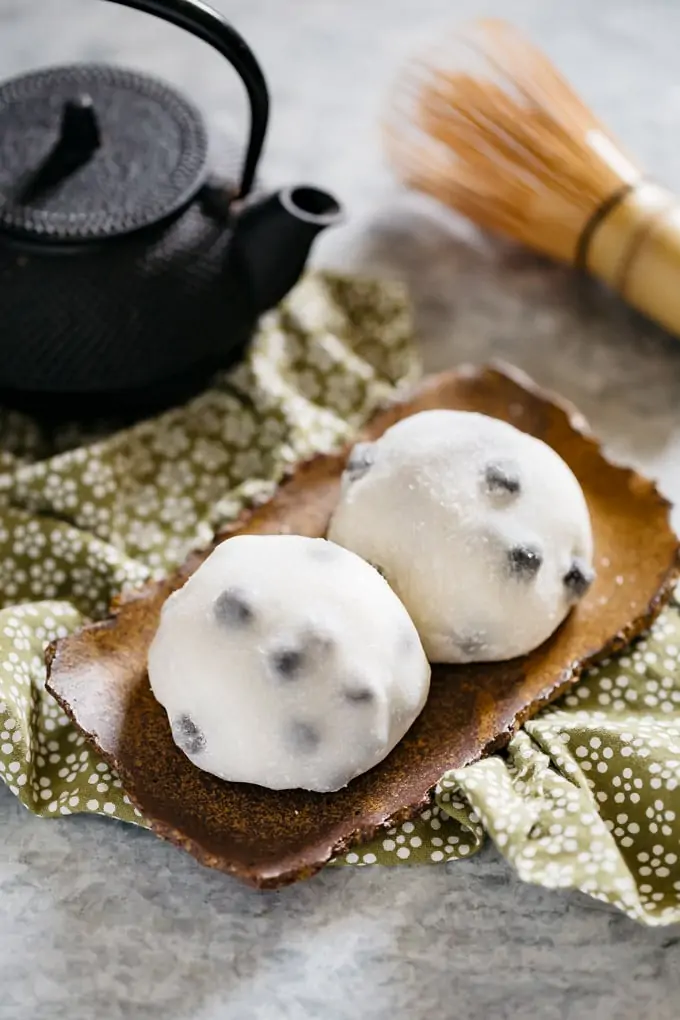
1. Daifuku
Daifuku is a small, round mochi ball stuffed with sweetened red bean paste, and it’s one of the easiest Japanese sweets to fall for on the first bite. The outside is soft and a little sticky, the inside cool and smooth. Strawberry daifuku, with a whole berry tucked into the bean paste, has become a favorite in recent years. Look for daifuku fresh, since the mochi firms up and loses its bounce after a day or two in the fridge.
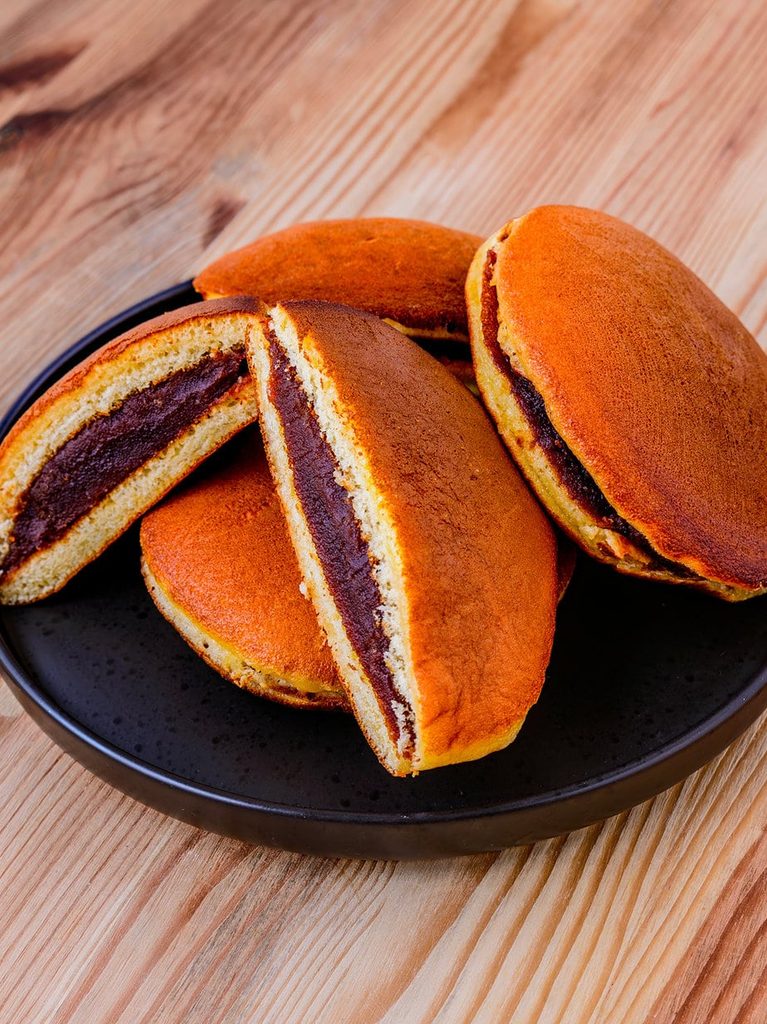
2. Dorayaki
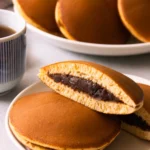
Dorayaki is two fluffy pancakes sandwiching a thick layer of sweet red bean paste. The pancakes taste faintly of honey, with a tender crumb similar to castella cake. Doraemon fans will recognize this one instantly since it’s the cartoon cat’s favorite snack. Some bakeries swap in custard or chestnut cream, but the classic red bean version remains the standard worth trying first.
3. Taiyaki
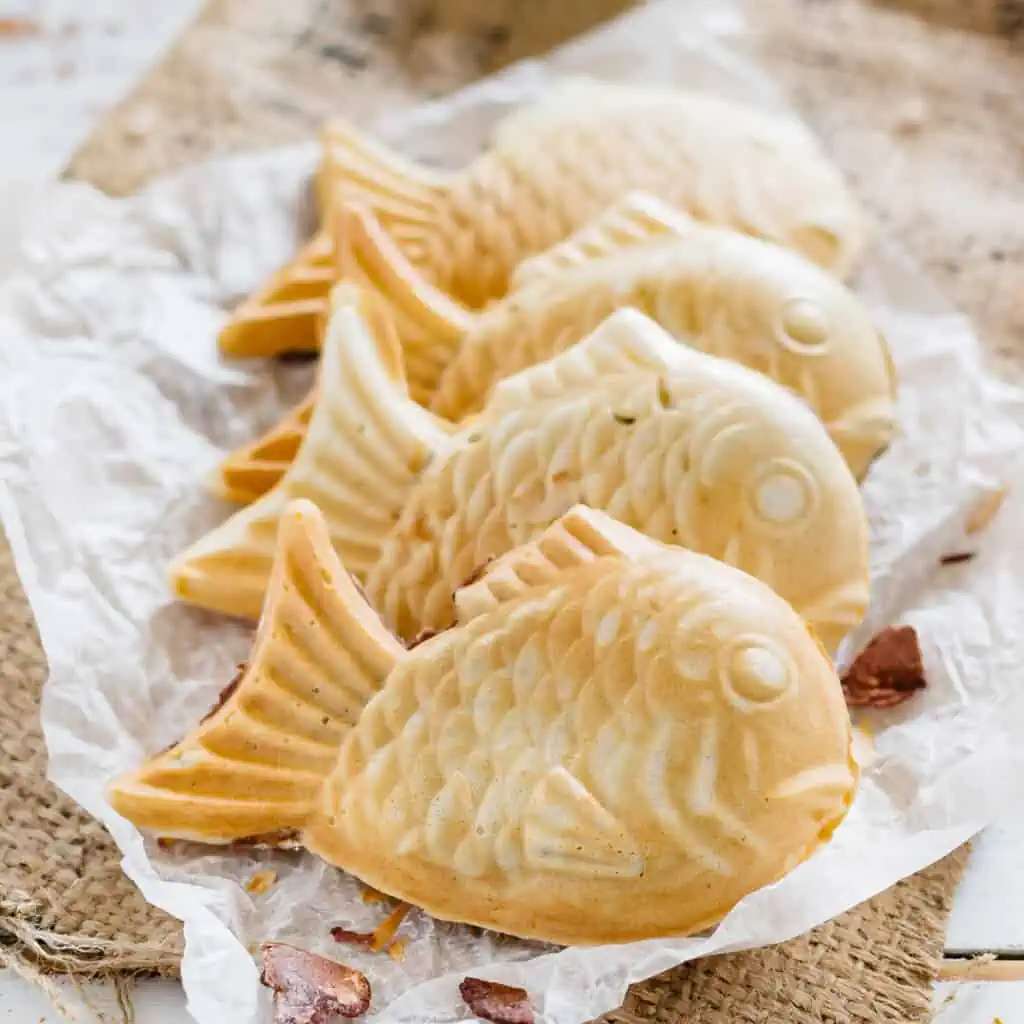
Taiyaki is a fish-shaped cake cooked in a special mold, crisp on the outside and warm and gooey inside. Traditional versions hold sweet red bean paste, though custard, chocolate, and sweet potato fillings show up often at street stalls. The shape comes from the tai, or sea bream, a fish linked to good fortune in Japan. Eating one fresh off the griddle, with the edges still crackling, is a small joy worth seeking out.
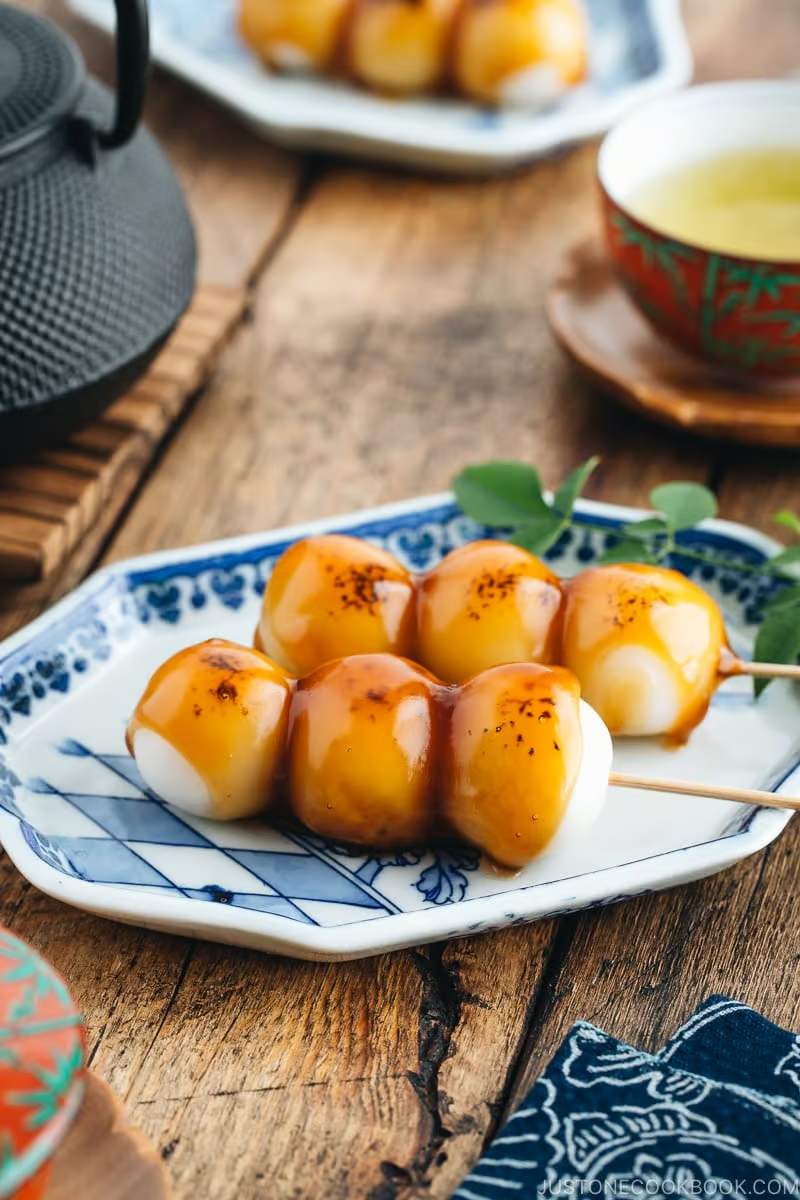
4. Mitarashi Dango
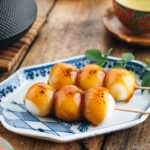
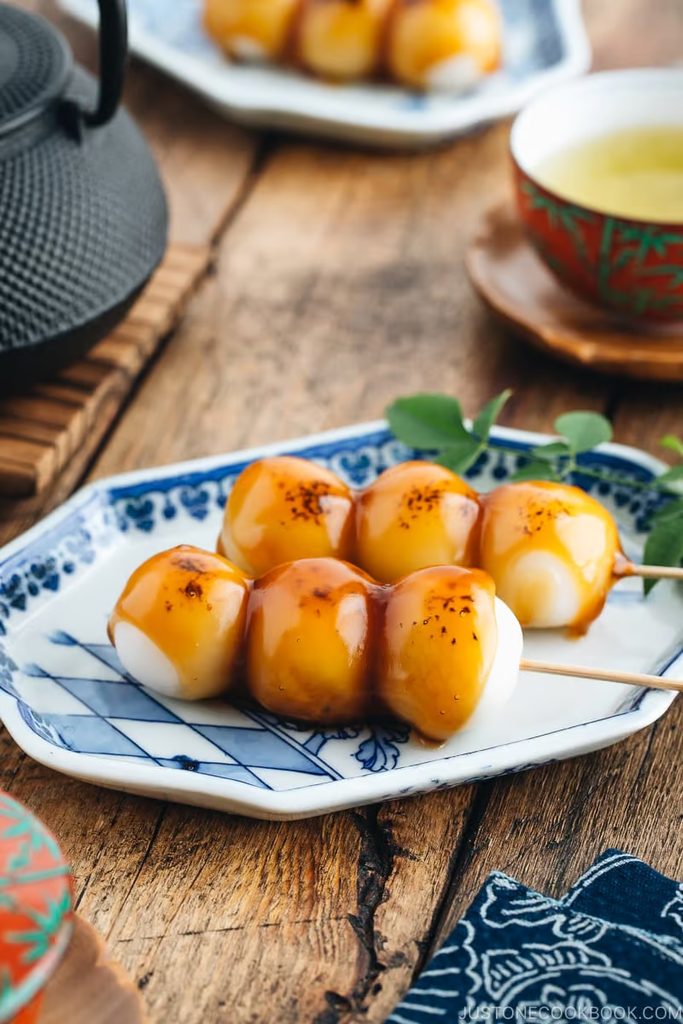
Mitarashi dango is a skewer of chewy rice dumplings glazed in a sweet soy sauce syrup. The glaze is sticky, salty-sweet, and a little smoky from the grill marks on each ball. Unlike many wagashi, this one leans savory-sweet rather than purely sugary. You’ll spot these skewers at festival stalls and convenience stores alike, often warmed before serving.
5. Kakigori
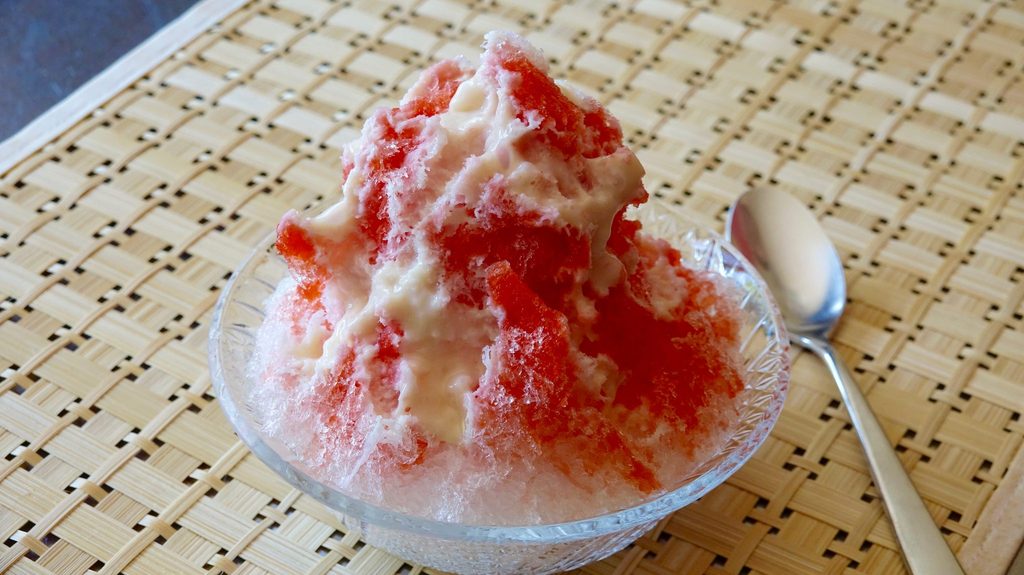
Kakigori is Japanese shaved ice, piled high and finished with fruit syrup, condensed milk, or sweet red bean. The ice gets shaved so fine it almost melts on contact, nothing like the crunchy snow cones found elsewhere. Summer in Japan means kakigori stands popping up everywhere, often topped with matcha syrup and mochi bits. Strawberry and melon are classic flavors, but specialty shops now serve mango, honey lemon, and even tiramisu versions.
6. Anmitsu
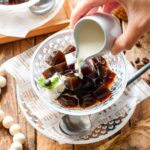
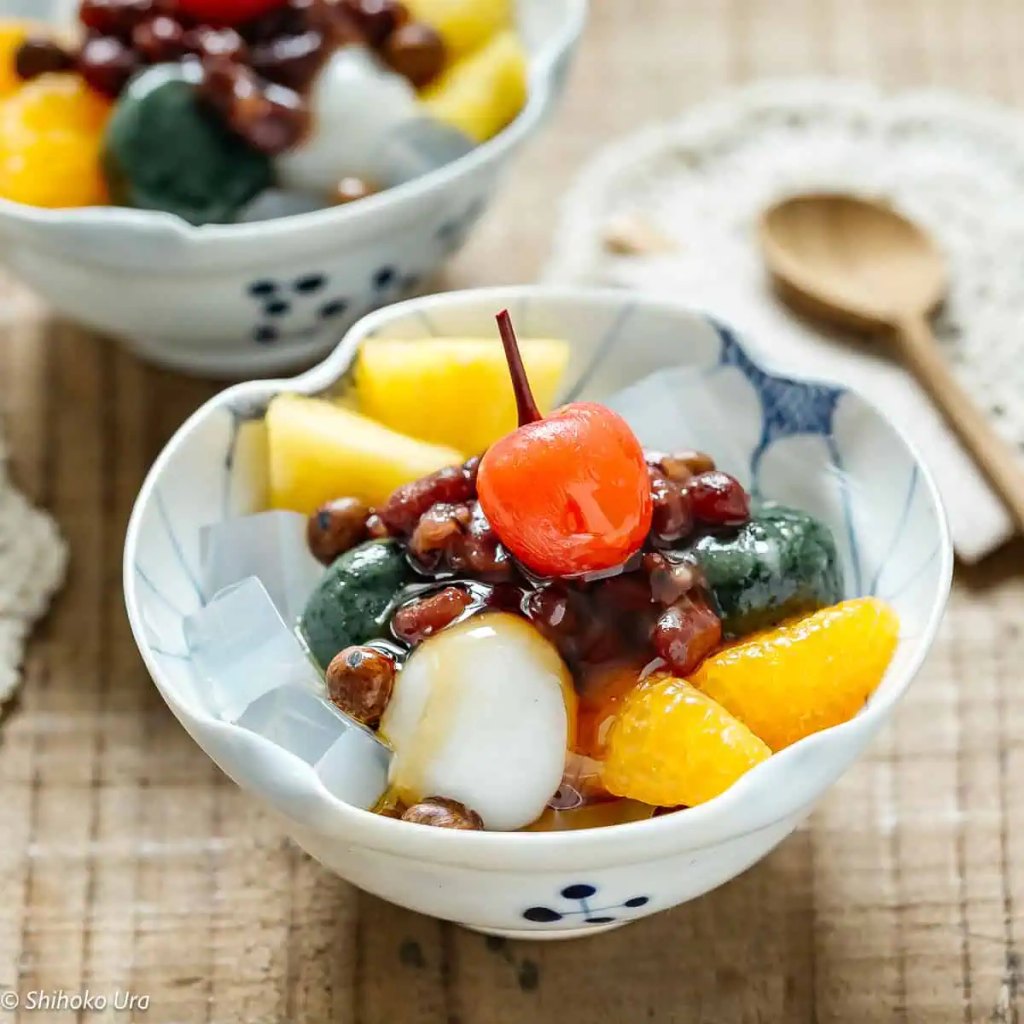
Anmitsu is a chilled dessert built from cubes of agar jelly, sweet red bean paste, and fresh fruit, all drizzled with a dark syrup called kuromitsu. The jelly cubes have a clean, bouncy bite, cooler and lighter than gelatin. A scoop of vanilla ice cream often joins the bowl for richness. This one feels refreshing rather than heavy, making it a smart pick after a big meal.
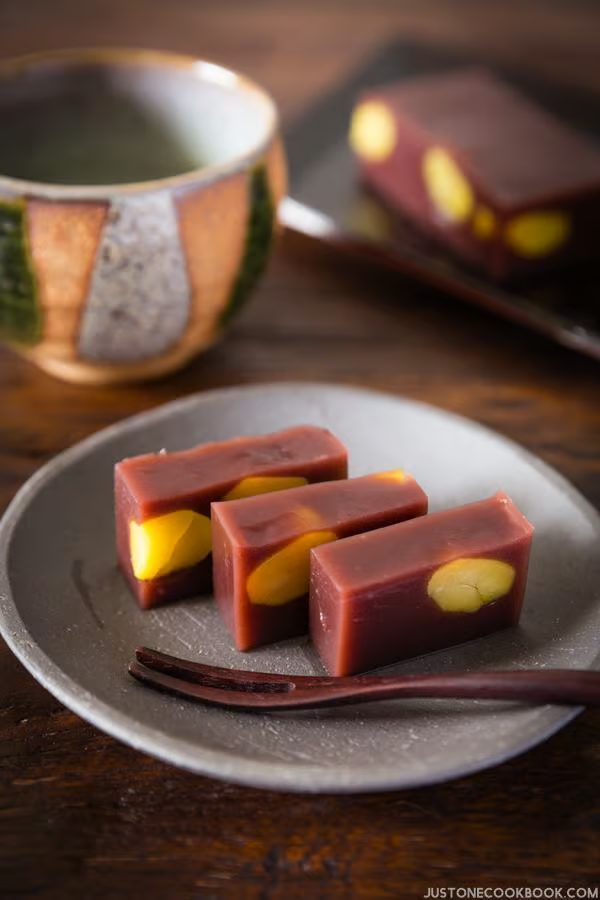
7. Yokan
Yokan is a firm, sliceable jelly made from red bean paste, sugar, and agar, with a dense texture closer to a thick fruit paste than a cake. It holds its shape well enough to travel, which made it a popular gift and tea ceremony sweet for generations. Chestnut yokan and matcha yokan are common variations beyond the classic red bean. A thin slice goes a long way since the flavor is concentrated and rich.
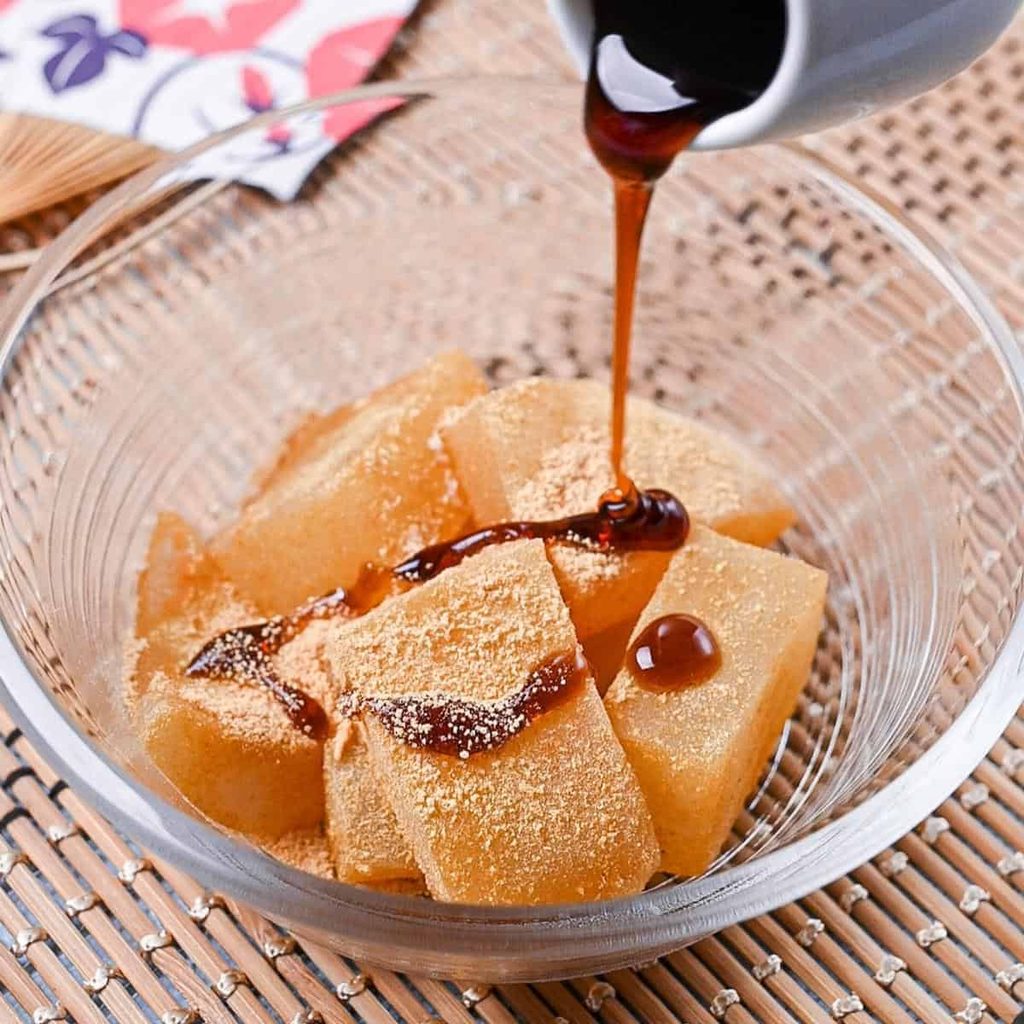
8. Warabi Mochi
Warabi mochi is a jiggly, translucent sweet made from bracken starch, dusted generously with toasted kinako soybean powder. The texture sits somewhere between jelly and pudding, cool and soft against the teeth. Kuromitsu syrup drizzled on top adds a molasses-like depth. It’s a popular summer treat in Kyoto, often served chilled in small wooden boxes.
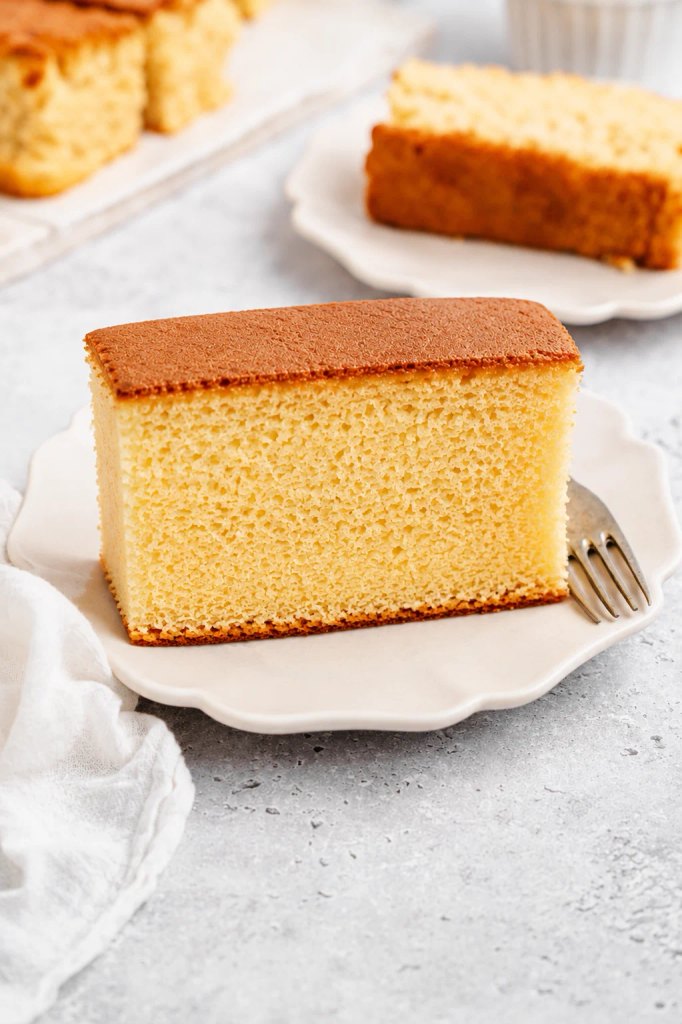
9. Japanese Castella
Japanese castella is a tall, spongy honey cake with a tight, moist crumb and a golden brown top. Portuguese traders introduced the base recipe centuries ago, and Nagasaki became the city most associated with perfecting it. The cake tastes faintly of honey and egg, with almost no need for frosting or filling. Sliced thick, it pairs well with green tea for an afternoon snack.
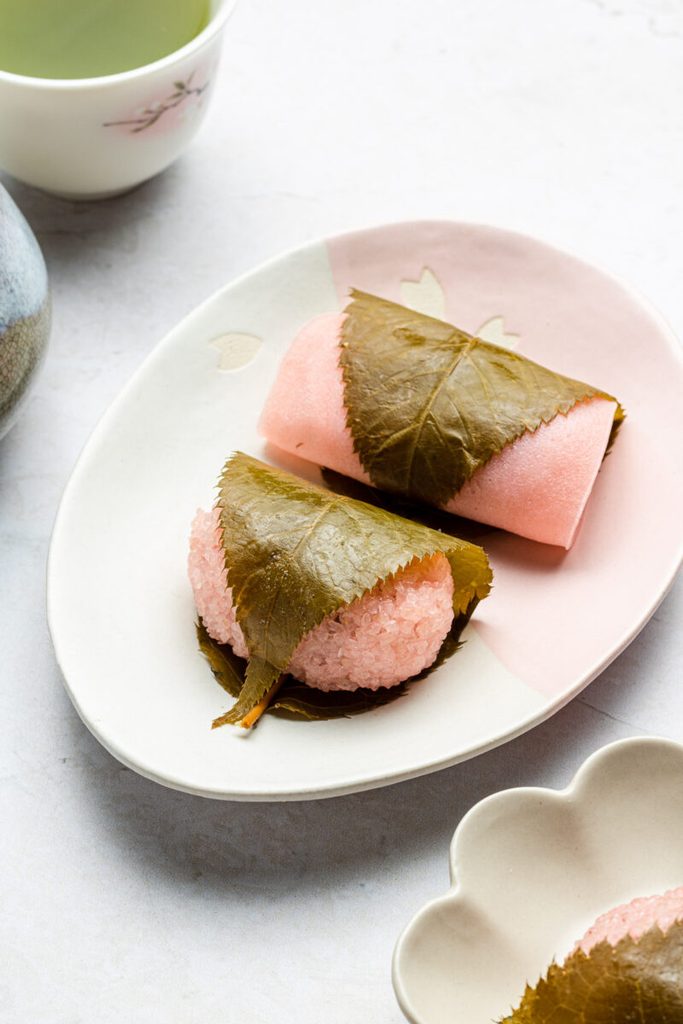
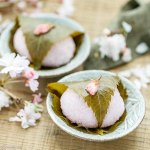
10. Sakura Mochi
Sakura mochi wraps a pink-tinted mochi and red bean filling in a preserved cherry blossom leaf. The leaf is edible and adds a salty, slightly floral note that balances the sweetness inside. Kanto and Kansai regions make this dessert differently, one using a smooth rice cake, the other a grainier, textured rice. Spring is the season to find this one, timed with cherry blossom viewing parties across Japan.
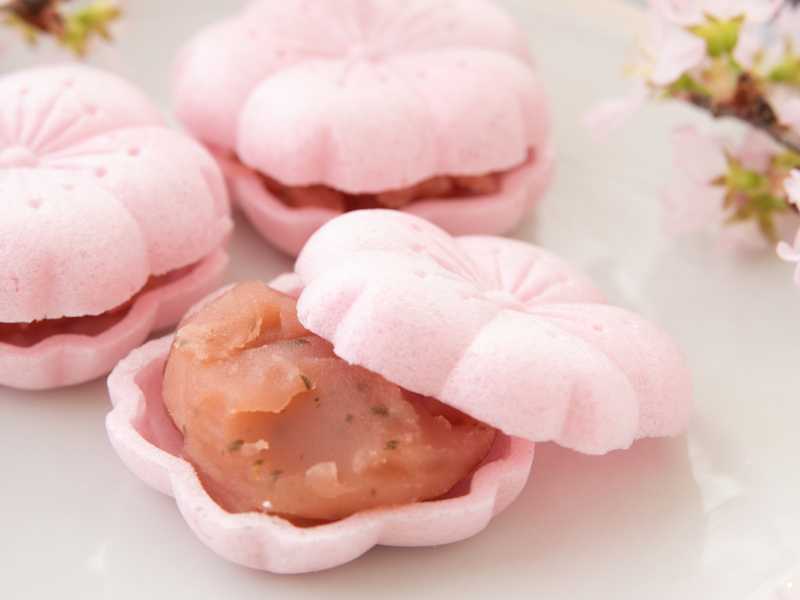
11. Monaka
Monaka is a crisp wafer shell, made from mochi dough baked until light and crunchy, sandwiched around sweet red bean paste. The contrast between the crackly shell and the smooth, dense filling is what makes this one memorable. Some versions add chestnut pieces or a scoop of ice cream in place of bean paste. Monaka doesn’t keep its crunch long once filled, so bakeries often sell the shells and filling separately until you’re ready to eat.
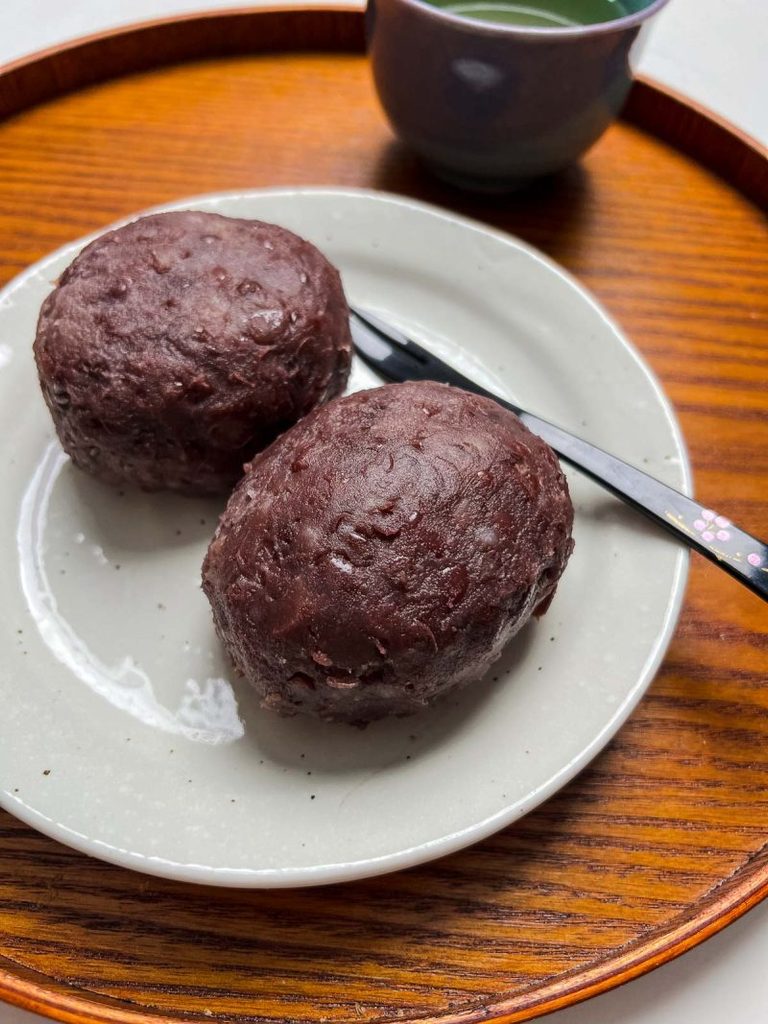
12. Ohagi
Ohagi is a ball of lightly mashed sticky rice coated in sweet red bean paste, similar to daifuku but with a chunkier, more rustic texture. Some versions coat the rice in kinako powder or black sesame instead of bean paste. This dessert is traditionally made during equinox holidays as an offering to ancestors. The rice stays visible and a little toothsome, giving ohagi a heartier bite than smoother mochi sweets.
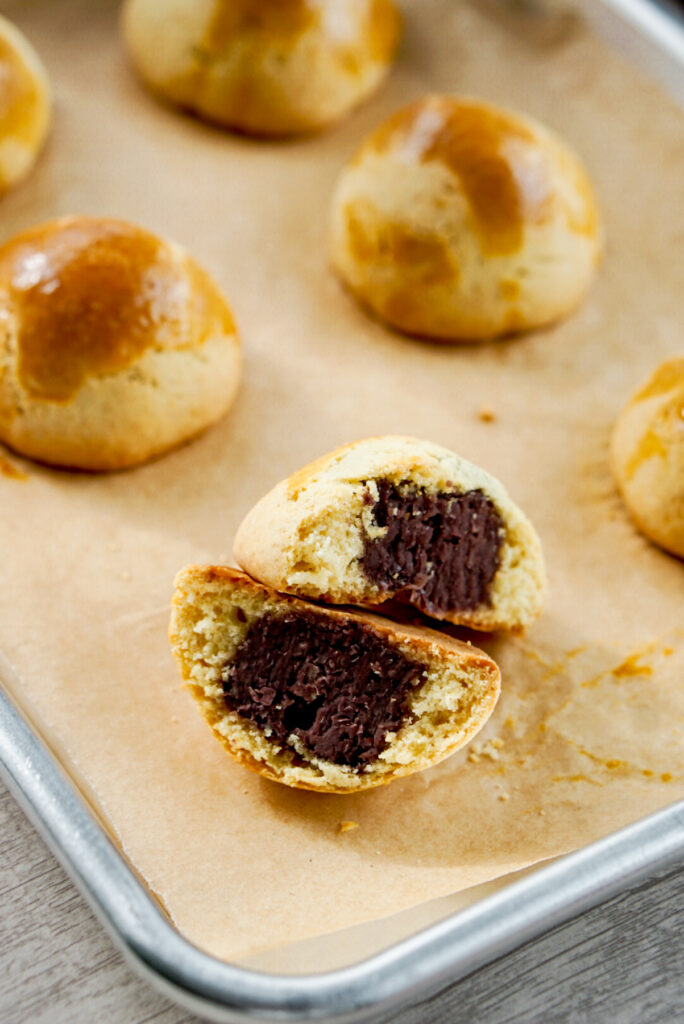
13. Manju
Manju is a steamed bun with a thin, cake-like wrapper around a filling of sweet red bean paste. The wrapper can be made from flour, yam, or even soba, giving each regional variety a different texture and color. Momiji manju, shaped like maple leaves, is a famous souvenir from Hiroshima. Manju tends to be less sticky than mochi-based sweets, making it an easy grab-and-go treat.
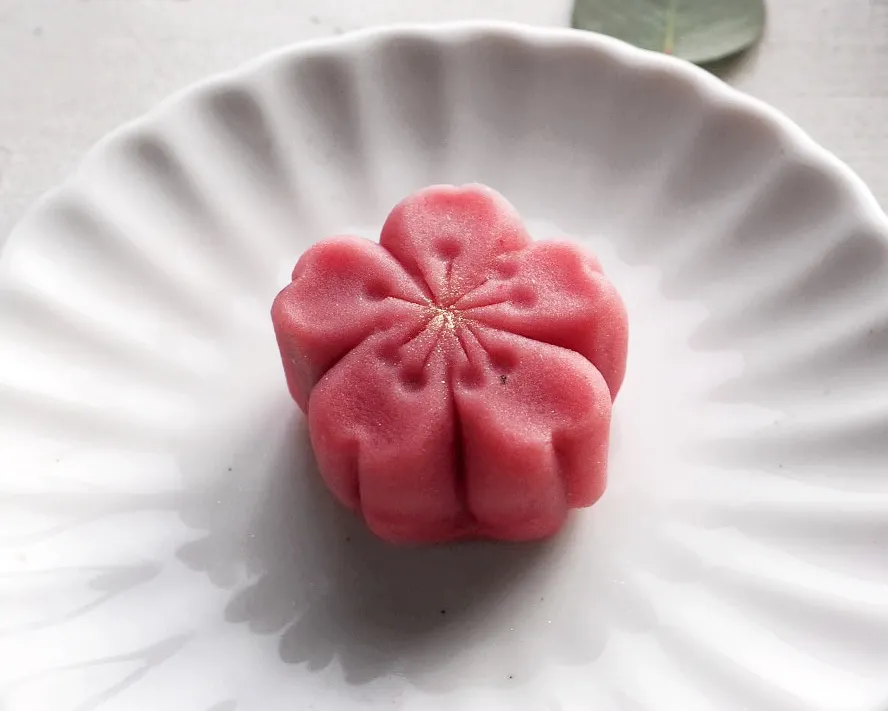
14. Nerikiri
Nerikiri is a sculpted sweet made from white bean paste and rice flour, shaped by hand into flowers, fruits, or seasonal scenes. This is the wagashi you’ll see served at formal tea ceremonies, prized as much for its artistry as its taste. The flavor is mild and sweet, letting the craftsmanship take center stage. Making nerikiri well takes real practice, since the paste needs to hold fine detail without cracking.
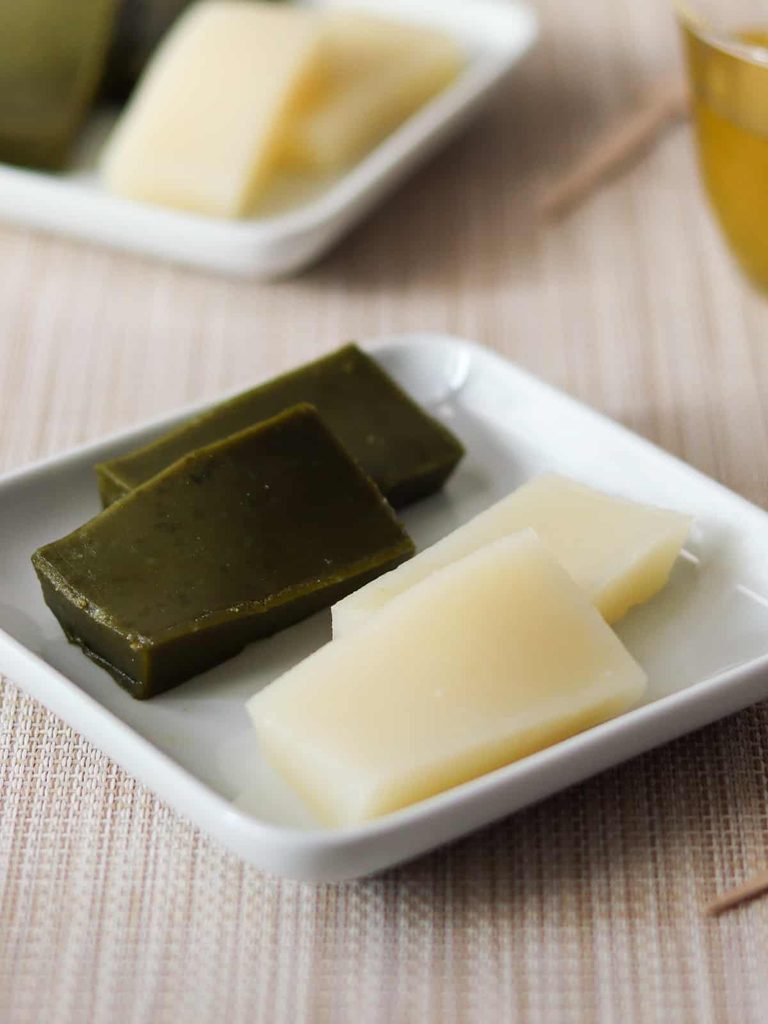
15. Uiro
Uiro is a steamed cake made from rice flour and sugar, with a dense, slightly bouncy texture similar to a firmer mochi. Nagoya is especially known for its uiro, sold in bars flavored with matcha, black sugar, or sakura. It’s less sweet than many wagashi, which makes it a good match for strong green tea. The texture holds up well at room temperature, so it travels better than softer mochi sweets.
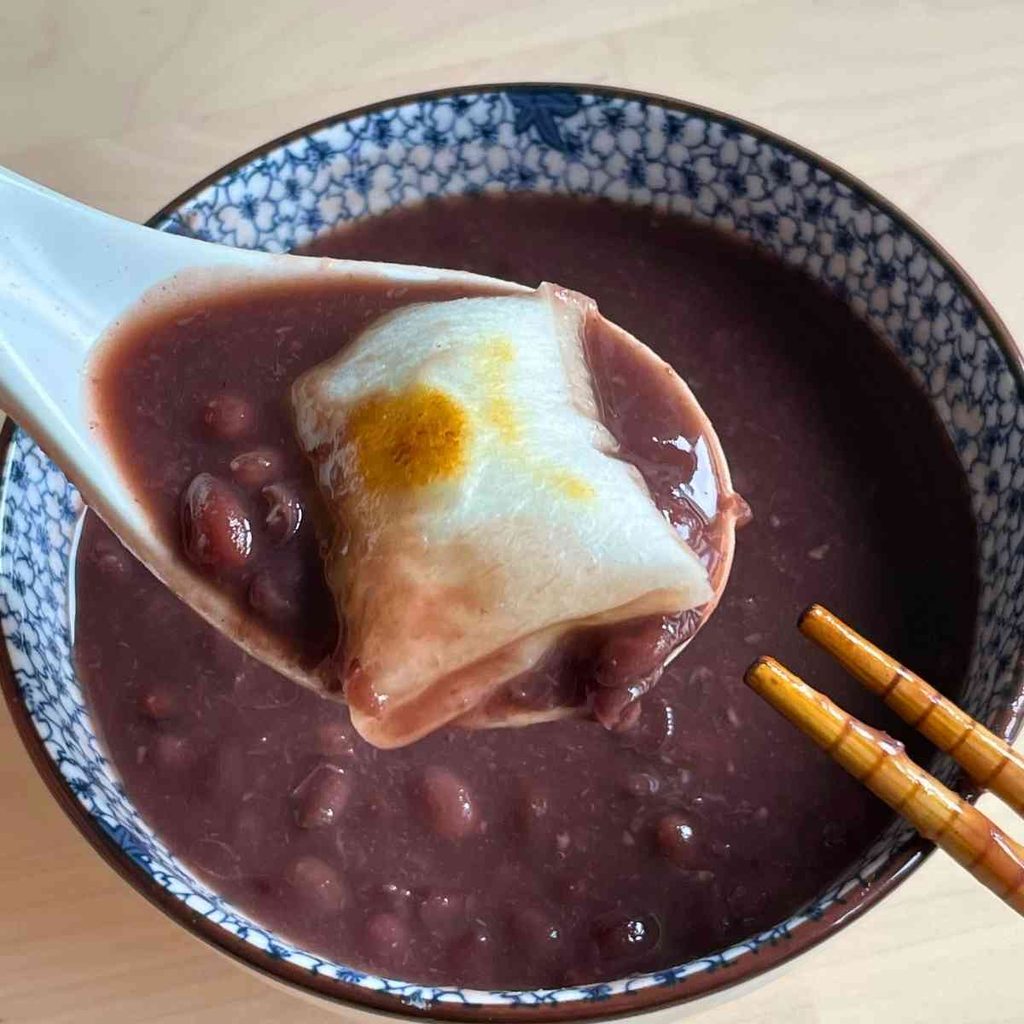
16. Zenzai
Zenzai is a warm, sweet red bean soup studded with soft mochi pieces, served hot in colder months. The beans cook down into a thick, porridge-like consistency, not overly sweet, with a slight earthiness. A piece of grilled mochi melts slightly into the soup as it sits. This one feels more like a comforting dessert soup than a typical sweet, perfect after a chilly walk.
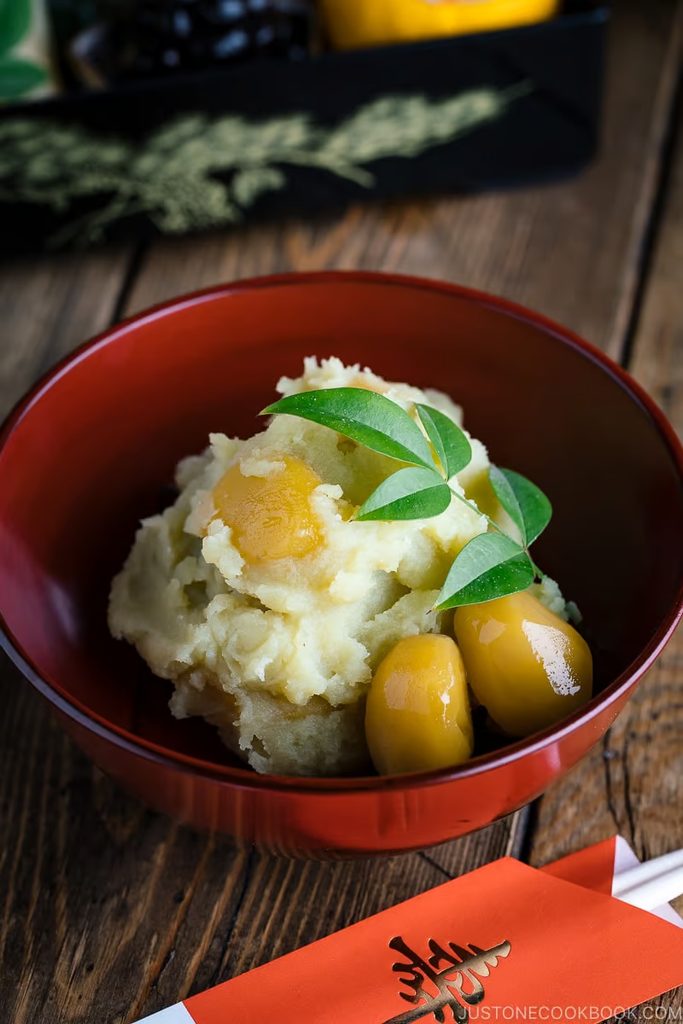
17. Kuri Kinton
Kuri kinton is a sweet made from mashed chestnuts and sweet potato, formed into a soft, golden mound. The texture is smooth and slightly grainy from the chestnut pieces folded through. This dessert shows up often around New Year celebrations in Japan, symbolizing good fortune and wealth. Its flavor is earthy and naturally sweet, with no need for added richness like cream or butter.
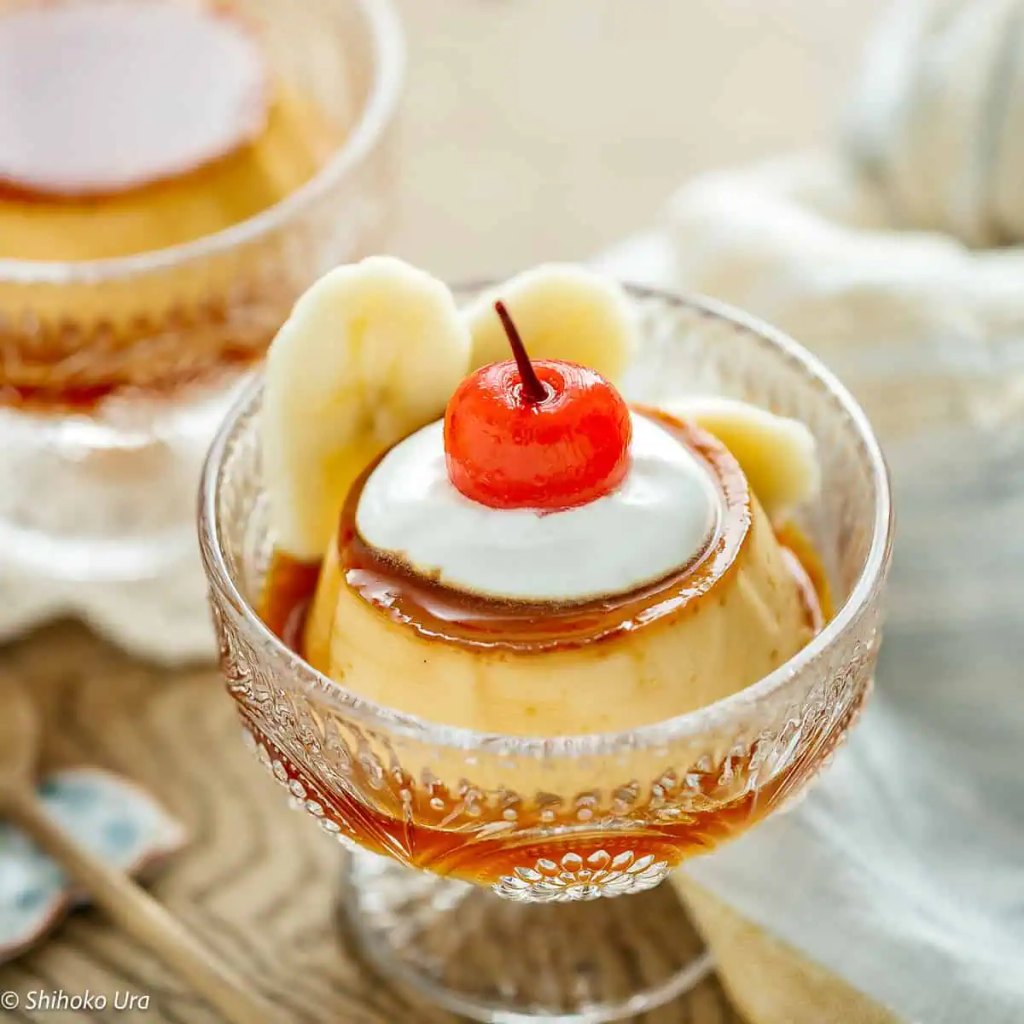
18. Japanese Purin
Japanese purin is a custard pudding with a soft, wobbly set and a layer of bitter caramel sauce on top. It’s creamier and less eggy than Western flan, with a texture closer to silk. Convenience stores across Japan sell purin in small cups, making it one of the most accessible desserts on this list. Matcha and hojicha versions have become popular additions to the classic vanilla base.
How to Choose Japanese Desserts by Texture and Sweetness
Texture tells you more about a Japanese dessert than its name does. Chewy mochi-based sweets like daifuku and ohagi suit anyone who loves a soft, sticky bite, while firmer options like yokan and uiro appeal to those who prefer a cleaner slice. Sweetness levels also vary more than people expect; zenzai and kuri kinton lean toward deep, earthy sweetness, while anmitsu and kakigori stay light and fruity.
| Dessert | Texture | Sweetness | Best Season |
|---|---|---|---|
| Daifuku | Chewy | Medium | Year-round |
| Dorayaki | Soft, spongy | Medium | Year-round |
| Taiyaki | Crisp outside, gooey inside | Medium | Year-round |
| Mitarashi Dango | Chewy | Salty-sweet | Year-round |
| Kakigori | Icy, fluffy | Light | Summer |
| Anmitsu | Jelly-like, cool | Light | Summer |
| Yokan | Firm, dense | Rich | Year-round |
| Warabi Mochi | Jiggly, soft | Light | Summer |
| Japanese Castella | Spongy | Medium | Year-round |
| Sakura Mochi | Chewy | Medium | Spring |
| Monaka | Crisp shell, dense filling | Rich | Year-round |
| Ohagi | Rustic, chunky | Medium | Spring, Fall |
| Manju | Cake-like wrapper | Medium | Year-round |
| Nerikiri | Smooth, soft | Mild | Year-round |
| Uiro | Dense, bouncy | Light | Year-round |
| Zenzai | Thick, soupy | Rich | Winter |
| Kuri Kinton | Smooth, grainy | Earthy-sweet | Winter |
| Japanese Purin | Silky, wobbly | Medium | Year-round |
If you’re new to wagashi, start with daifuku or dorayaki since both are widely available and easy to enjoy at room temperature. Readers craving something cold should reach for kakigori or warabi mochi instead of yokan or manju, which taste best at room temperature.
Where to Find Japanese Desserts
Japanese grocery stores and Asian markets are the most reliable spot to find packaged versions of these desserts, especially daifuku, manju, and purin. Many stock a small fridge section with fresh mochi sweets made in-house or shipped from local Japanese bakeries. Specialty wagashi shops, often found in cities with larger Japanese communities, carry the harder-to-find items like nerikiri and kuri kinton, especially around New Year and spring.
For something made at home, Japanese grocery chains sell starter kits for mochi, along with red bean paste and agar powder for yokan or anmitsu. Readers who enjoy working with chewy, rice-based dough might also like trying their hand at mochi donuts, which use a similar glutinous rice flour base. Japanese cafés and dessert bars in bigger cities often serve kakigori in summer and zenzai in winter, timed to the season the same way they are in Japan.
If your area doesn’t have a dedicated Japanese market, check the international aisle of a well-stocked grocery store for castella cake mixes or boxed purin. Online Japanese grocery retailers ship frozen taiyaki, mochi, and dango nationwide, which is worth knowing if you’re craving something specific and can’t find it nearby.