Japan’s dessert case holds more than mochi and matcha ice cream. Walk into any neighborhood wagashi shop and you’ll find pastel sweets shaped like cherry blossoms, jiggly custards, and chewy rice cakes that have been made the same way for centuries. These treats lean on rice flour, red bean paste, and seasonal fruit instead of heavy cream and refined sugar, so the flavors stay light and the textures do the heavy lifting.
The best starting point for anyone new to Japanese sweets is daifuku, a soft mochi stuffed with sweet bean paste that costs little to make and needs no oven. From there, the variety opens up fast: baked castella sponge cake, icy shaved kakigori, and silky purin custard all show a different side of Japanese baking and candy-making tradition.
Quick picks:
- Best beginner project: Daifuku, no special equipment needed
- Best hot-weather treat: Kakigori, shaved ice with fruit syrup
- Best make-ahead gift: Yokan, firm jellied bean paste that keeps well
- Best for cheesecake fans: Japanese Soufflé Cheesecake, light and jiggly
1. Daifuku
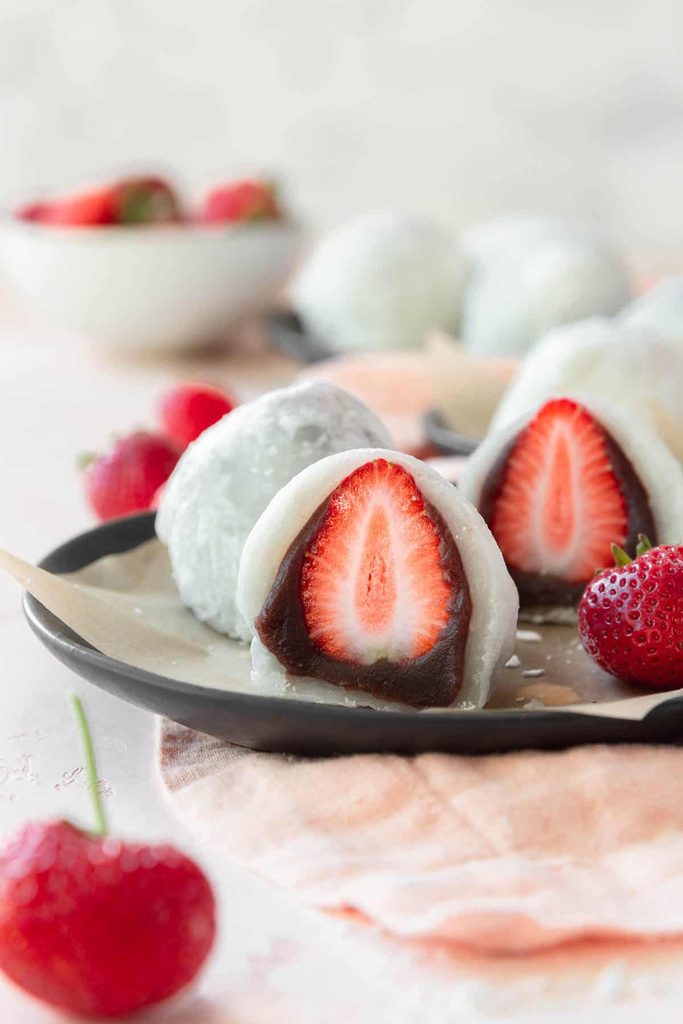
Daifuku is a small mochi ball wrapped around sweet red bean paste, and it’s one of the easiest wagashi to make at home. The dough comes together from glutinous rice flour, sugar, and water, steamed until stretchy and translucent. Fillings range from classic anko to strawberry or custard. Dust your hands with potato starch before shaping, since the mochi sticks to everything else. Serve it the same day for the best chew.
2. Dorayaki
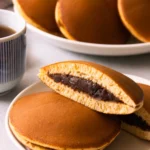
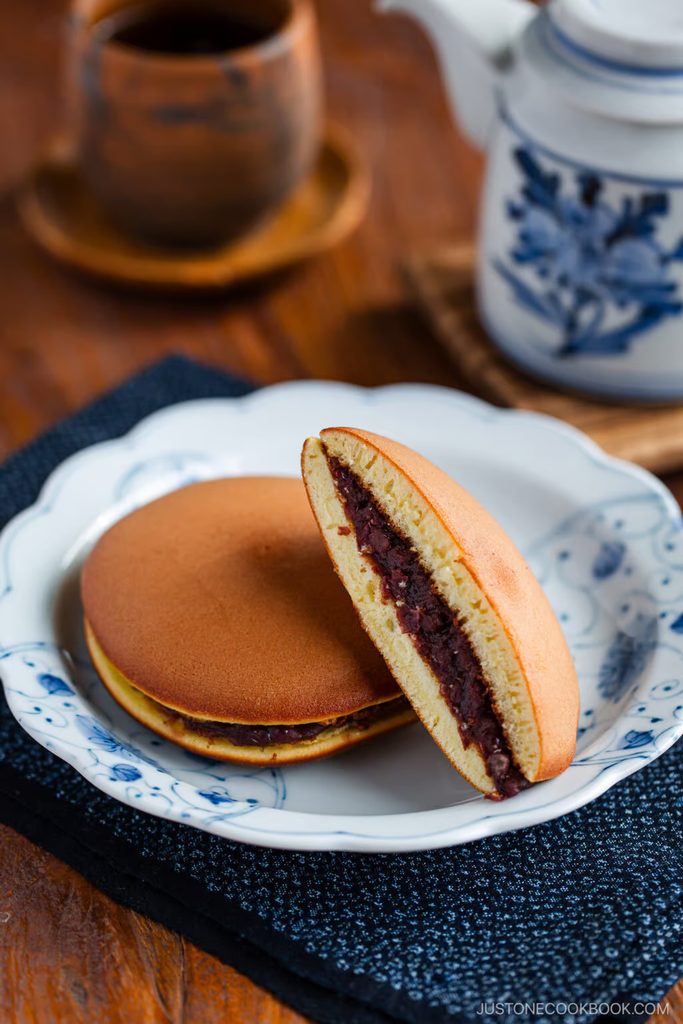
Dorayaki is a pair of fluffy pancakes sandwiching sweet red bean paste, closer to a snack cake than a cookie. The pancake batter uses honey for a golden color and a tender crumb. Doraemon fans will recognize it as the cartoon cat’s favorite food. Make a batch on a griddle over medium-low heat so the centers cook through before the outsides darken. Stack extras between parchment and freeze them for later.
3. Taiyaki
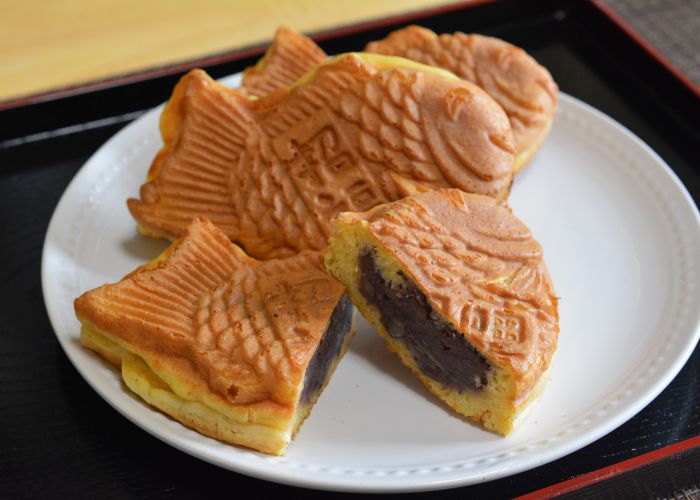
Taiyaki is a fish-shaped cake with a crisp waffle-like shell and a warm filling, usually red bean paste. Street vendors across Japan cook it in cast iron molds shaped like sea bream, a fish tied to good luck. Modern versions swap in custard, chocolate, or sweet potato. The shell should turn golden brown and slightly crackly at the edges. Eat it hot, straight from the mold, for the best contrast between crisp shell and soft center.
4. Mitarashi Dango
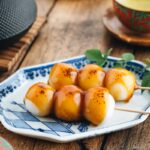
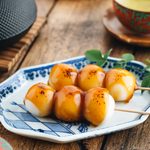
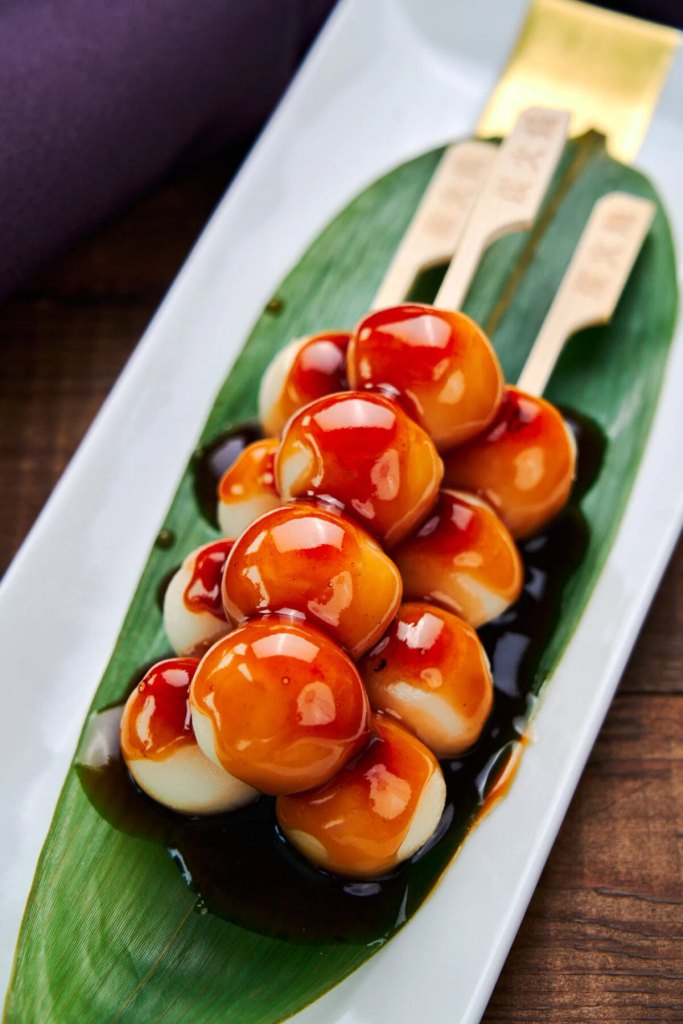
Mitarashi dango is skewered rice flour dumplings glazed in a sweet soy sauce sauce, salty and sweet at once. The dumplings themselves taste mild, almost like a plain mochi, so the glaze carries the dish. Grilling the skewers briefly before saucing adds a light char that balances the sticky glaze. Look for them at summer festivals, often sold alongside grilled corn and yakisoba. Reheat leftovers gently so the dango stay soft instead of turning hard.
5. Anmitsu
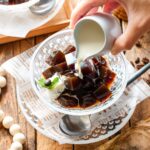
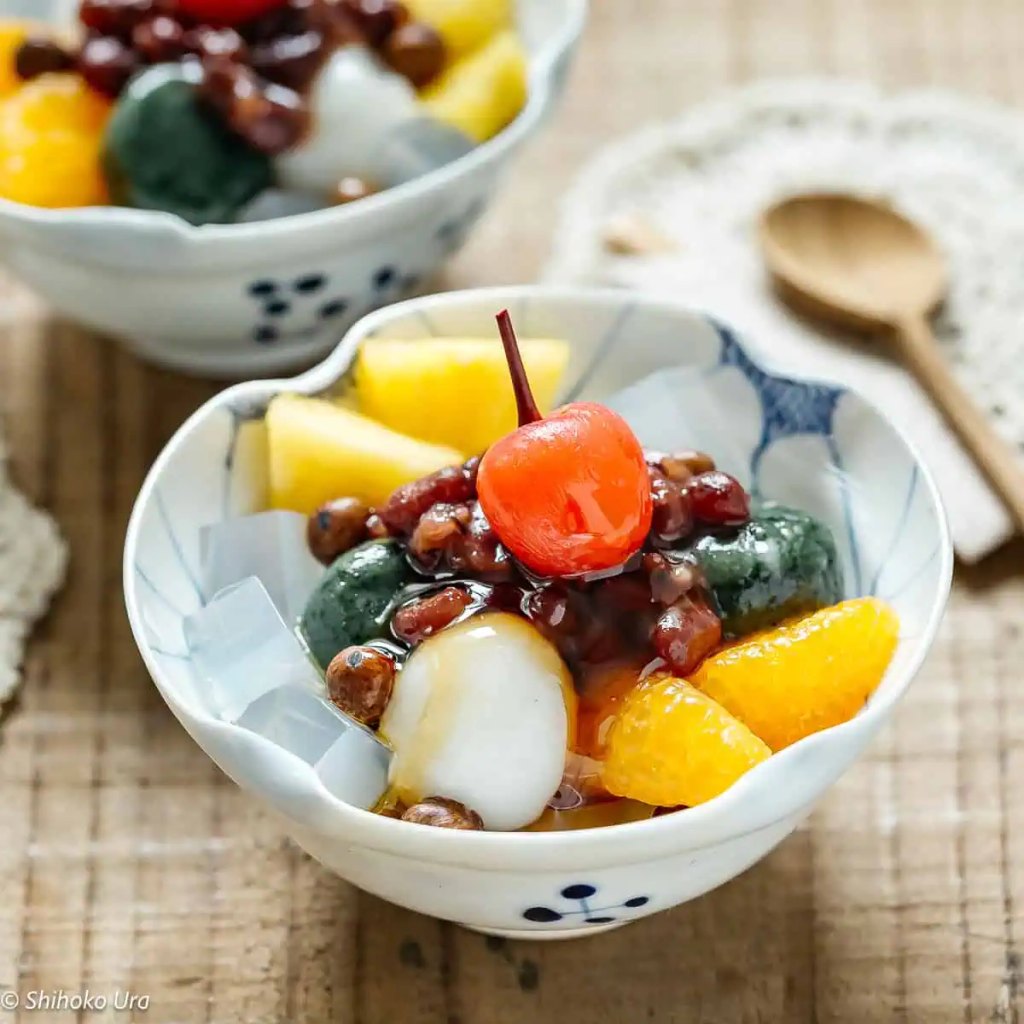
Anmitsu is a chilled dessert built on cubes of agar jelly, topped with sweet red bean paste, fruit, and a drizzle of brown sugar syrup. Unlike kakigori, it’s served cold but not frozen, so the textures stay firm and bouncy rather than icy. Common toppings include mandarin oranges, cherries, and a small scoop of vanilla ice cream. The agar jelly has almost no flavor on its own, which lets the syrup and fruit shine. Serve it in a glass bowl so the layers show.
6. Kakigori
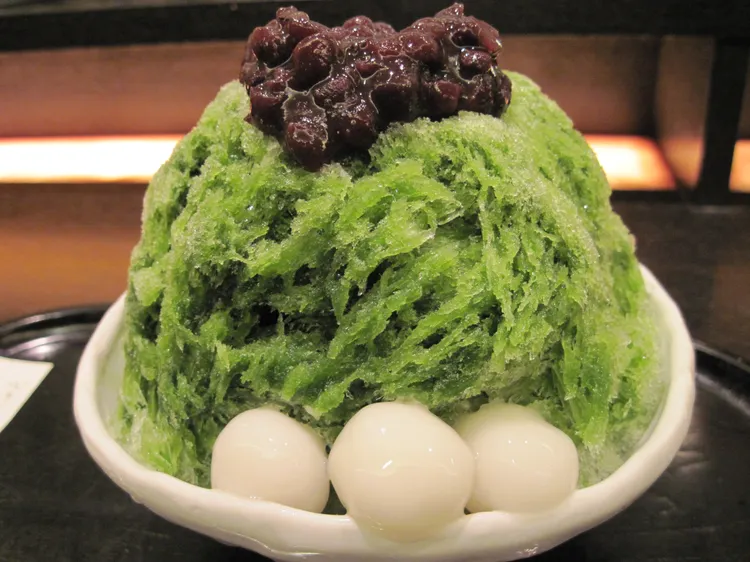
Kakigori is Japan’s shaved ice dessert, piled high and soaked with flavored syrup like strawberry, melon, or matcha. The ice gets shaved so fine it feels more like snow than crushed cubes, which is what separates good kakigori from a snow cone. Specialty shops now pour condensed milk or anko over the top for richness. Summer is peak season, with lines forming outside shops on hot afternoons. Eat it quickly before the ice melts into syrup soup.
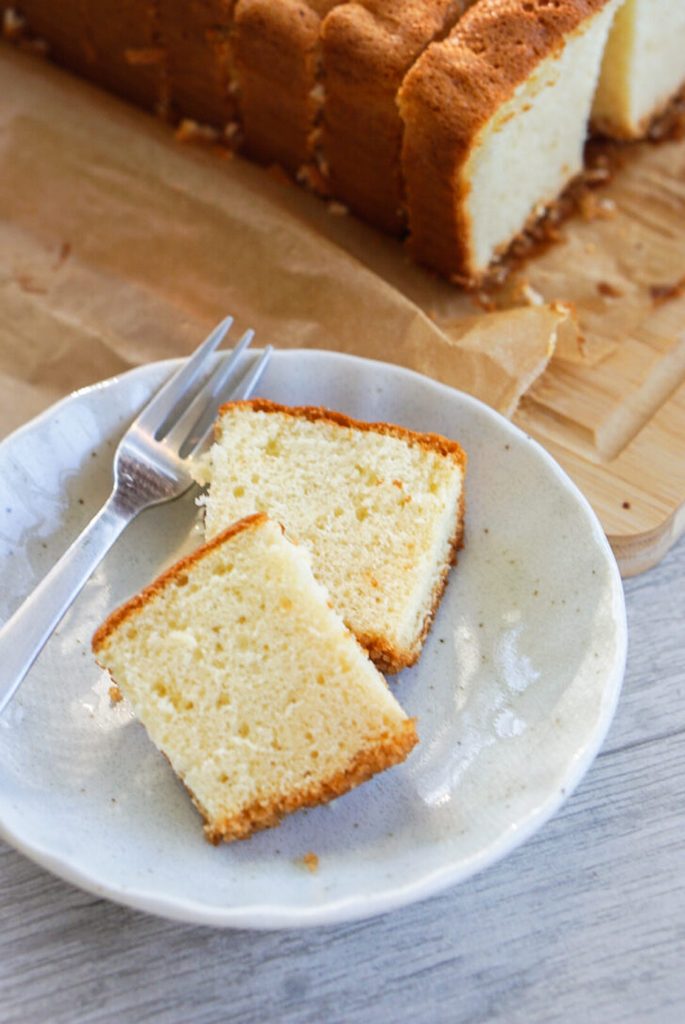
7. Castella
Castella is a tall, moist sponge cake with Portuguese roots, brought to Nagasaki by traders centuries ago and adapted into a Japanese staple. The batter uses bread flour, eggs, sugar, and honey, beaten until airy, then baked low and slow. A good castella has a fine, even crumb and a slightly sticky bottom layer from caramelized sugar. Bakers in Nagasaki still sell it in long wooden boxes as a gift item. Slice it thick and serve with tea.
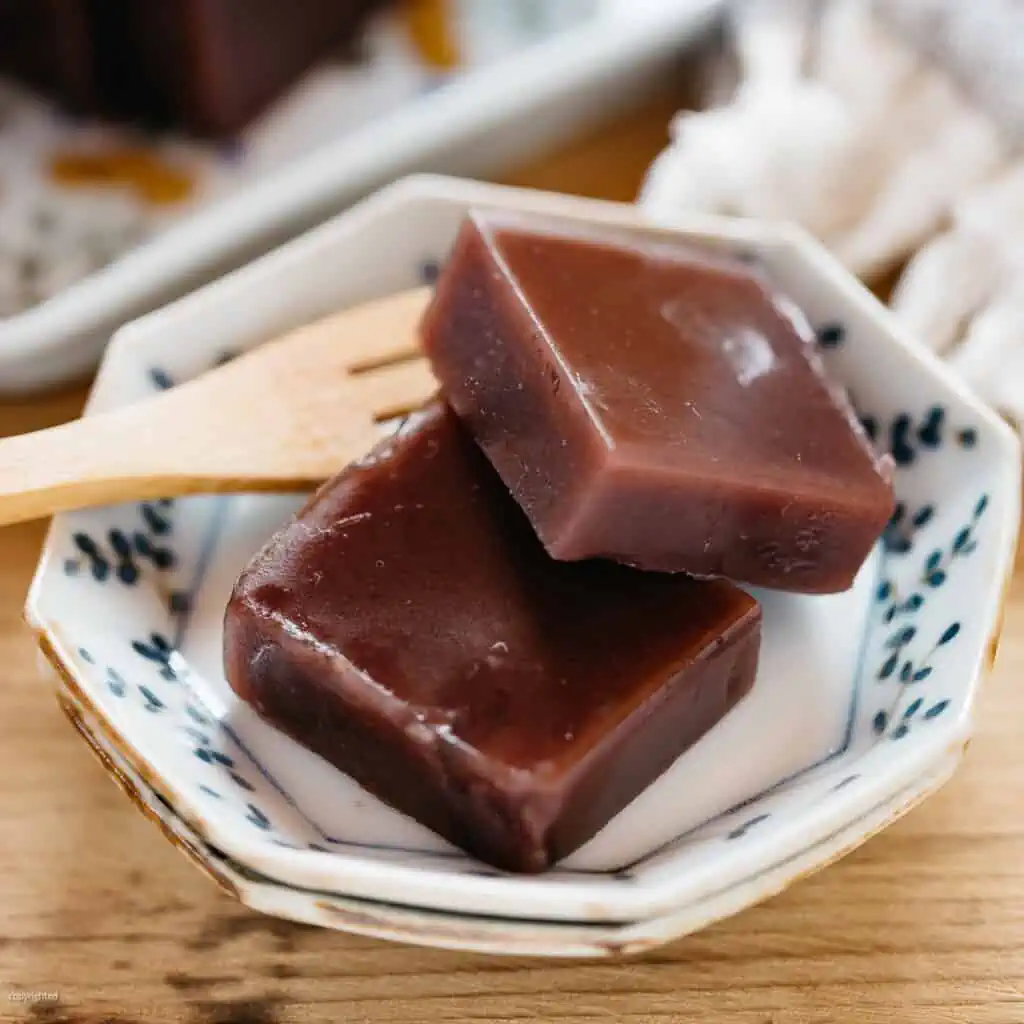
8. Yokan
Yokan is a firm, jellied sweet made from red bean paste, agar, and sugar, sliced into neat blocks. It holds its shape at room temperature, which makes it a popular gift and a good keeper in the pantry. Flavors beyond red bean include chestnut, matcha, and sweet potato. The texture sits between a firm gummy candy and a dense cake, dense but smooth on the tongue. A small slice goes a long way, since it’s rich and sweet.
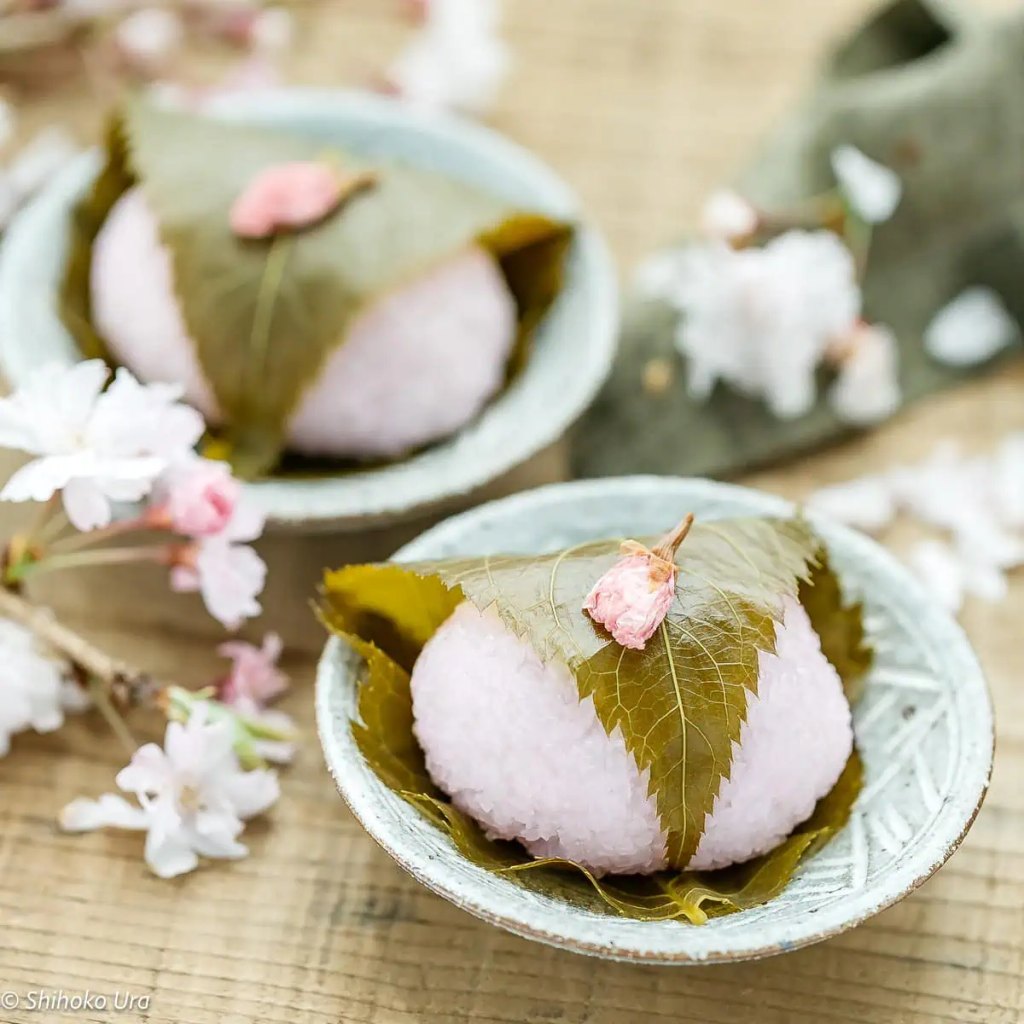
9. Sakuramochi
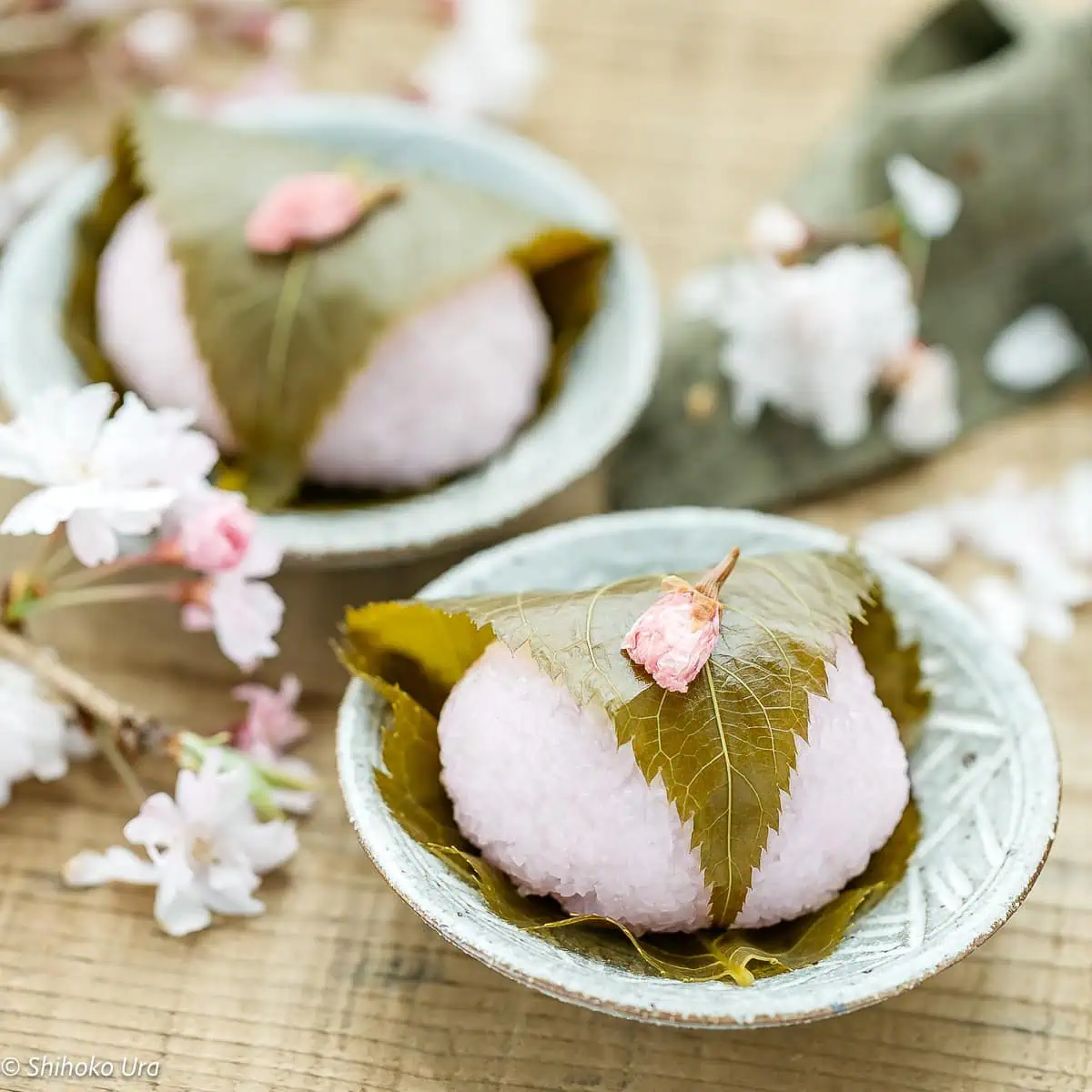
Sakuramochi is a pink mochi cake wrapped in a salted cherry blossom leaf, tied to spring and cherry blossom season. The leaf isn’t just decoration, it adds a salty, slightly floral note that cuts the sweetness of the bean paste filling. Two regional styles exist: a smooth dough version from Kanto and a coarser, rice-grain version from Kansai. Eat the leaf or not, both are traditional. Look for it in shops from March through April.
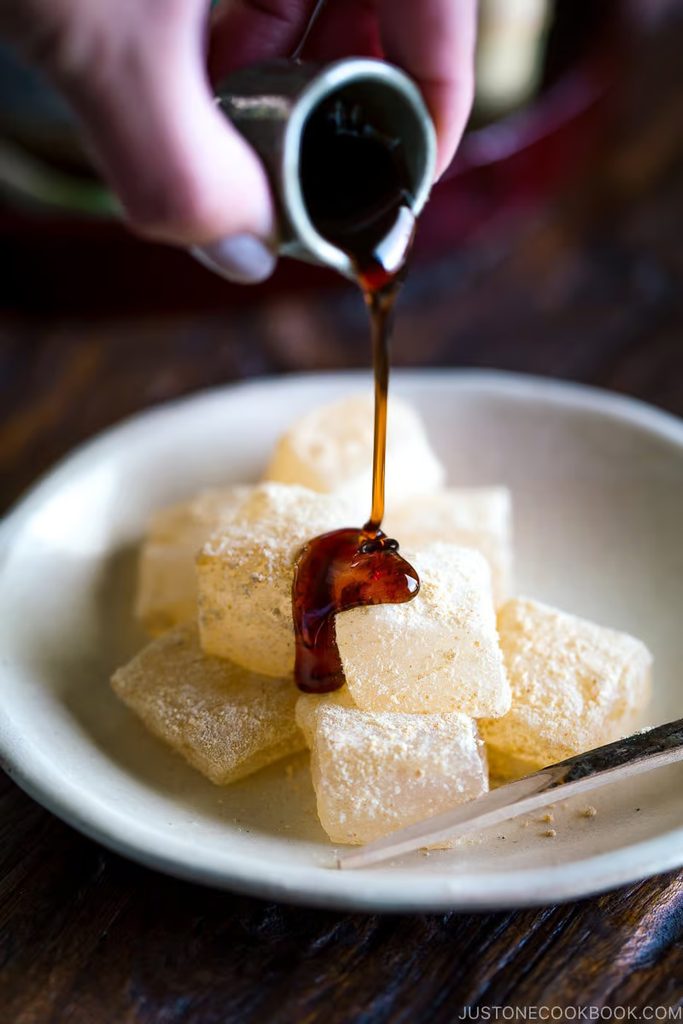
10. Warabi Mochi
Warabi mochi is a jiggly, translucent mochi made from bracken starch instead of rice flour, giving it a bouncier, softer bite than regular mochi. It’s dusted generously with roasted soybean flour called kinako and often drizzled with dark brown sugar syrup. Real warabi mochi barely holds its shape, trembling on the plate before it even gets a fork near it. Keep it chilled and eat it within a day, since the texture firms up quickly in the fridge.
11. Manju
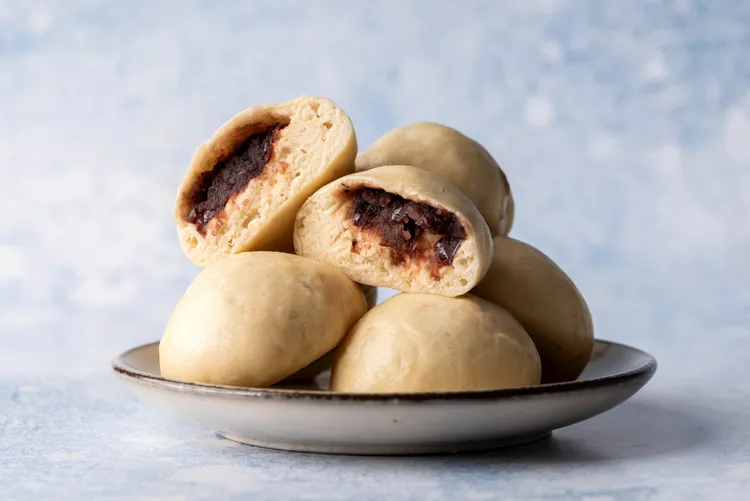
Manju is a steamed bun with a thin outer layer and a sweet filling, most often red bean paste. The outer dough can be made from flour, rice flour, or a mix with yam, giving different manju styles their own texture. Some versions are baked instead of steamed, with a slightly crisp exterior. Shops often shape manju to match a season or local landmark, like a chestnut or a temple. It travels well, making it a common souvenir.
12. Monaka
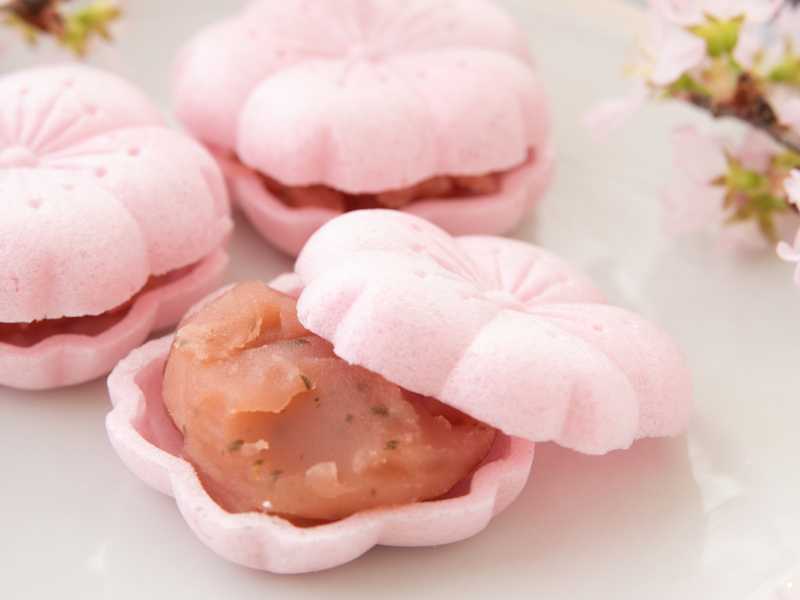
Monaka is a crisp wafer shell, made from mochi dough baked until light and crunchy, sandwiched around sweet bean paste. The contrast between the crackly shell and the smooth, dense filling is the whole point. Fillings range from classic red bean to chestnut or matcha paste. Buy the shells and filling separately if you want to assemble them fresh, since the wafer turns soft fast once filled. Eat it within a few hours of filling for the best crunch.
13. Ohagi
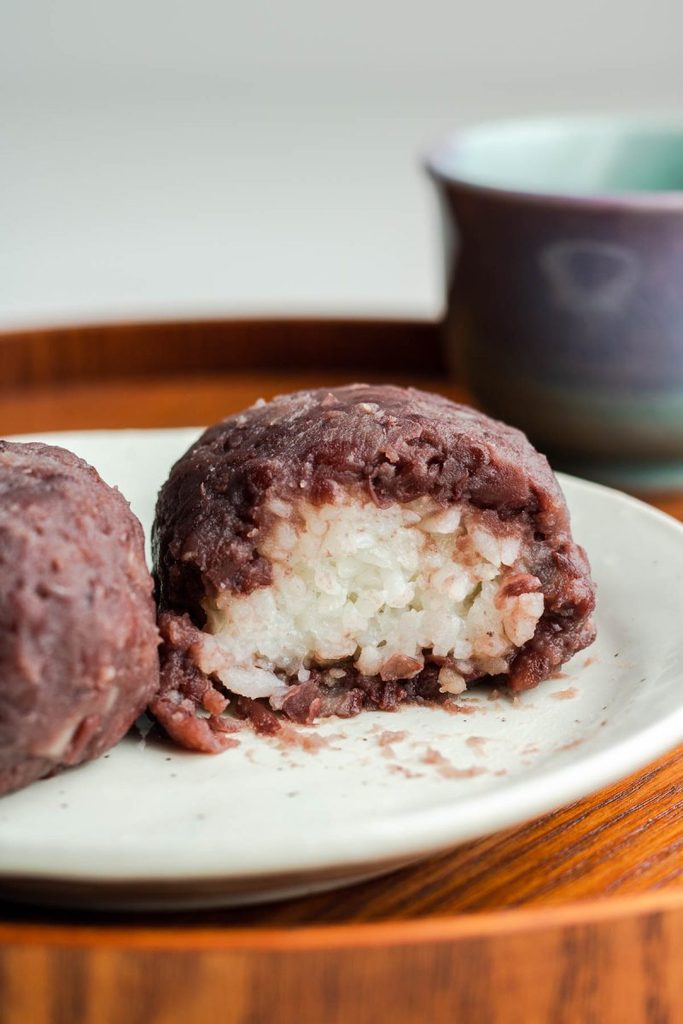
Ohagi is a rice cake coated in sweet red bean paste, made from a mix of glutinous and regular rice pounded into a chunky, textured ball. It’s closely related to botamochi, with the name changing by season rather than recipe. Some versions roll the rice in kinako or black sesame instead of bean paste. The rice stays coarser than mochi, with whole grains still visible. It’s traditionally served during the equinox holidays, Ohigan.
14. Nerikiri
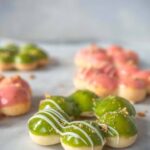
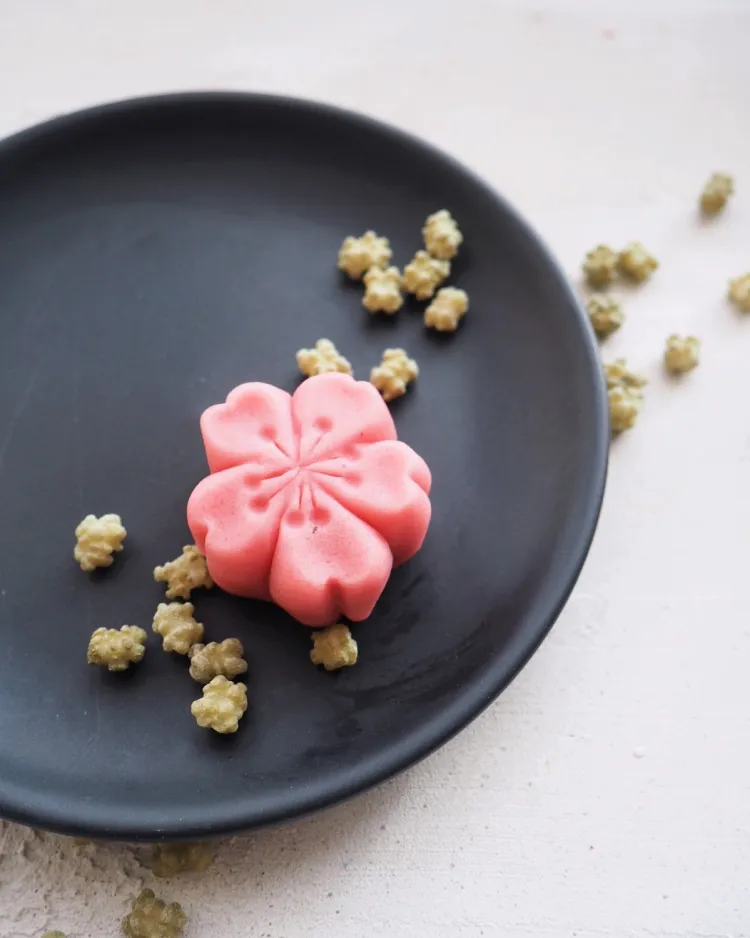
Nerikiri is a refined wagashi made from white bean paste and rice flour, shaped by hand into flowers, leaves, or seasonal motifs. Wagashi artisans use small tools to sculpt fine details, like petal edges or leaf veins, into the soft paste. Natural food coloring gives each piece its seasonal palette, soft pink for spring or deep orange for autumn. These are often served at tea ceremonies alongside matcha. Treat nerikiri as edible art first, snack second.
15. Zenzai
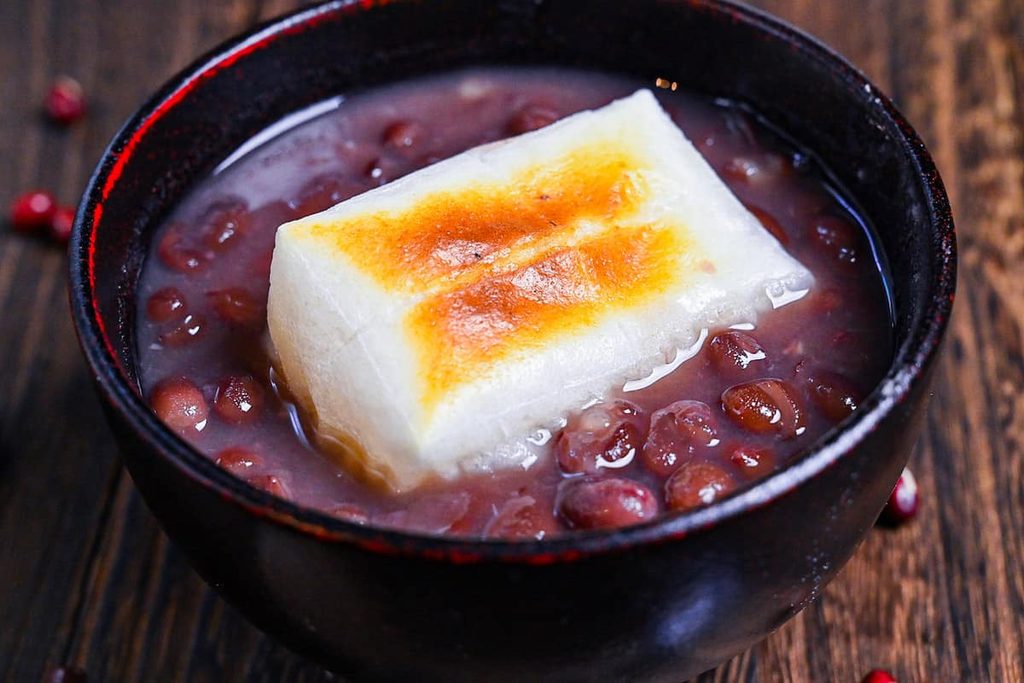
Zenzai is a warm, sweet red bean soup served with mochi, a cozy dessert for cold months. The beans cook down slowly until they break apart into a thick, slightly chunky broth, not fully smooth like a paste. A grilled mochi square gets dropped in just before serving, softening as it sits in the hot soup. Regional versions vary, with some areas calling a thicker version shiruko instead. Serve it hot, in a deep bowl, with a spoon.
16. Japanese Purin
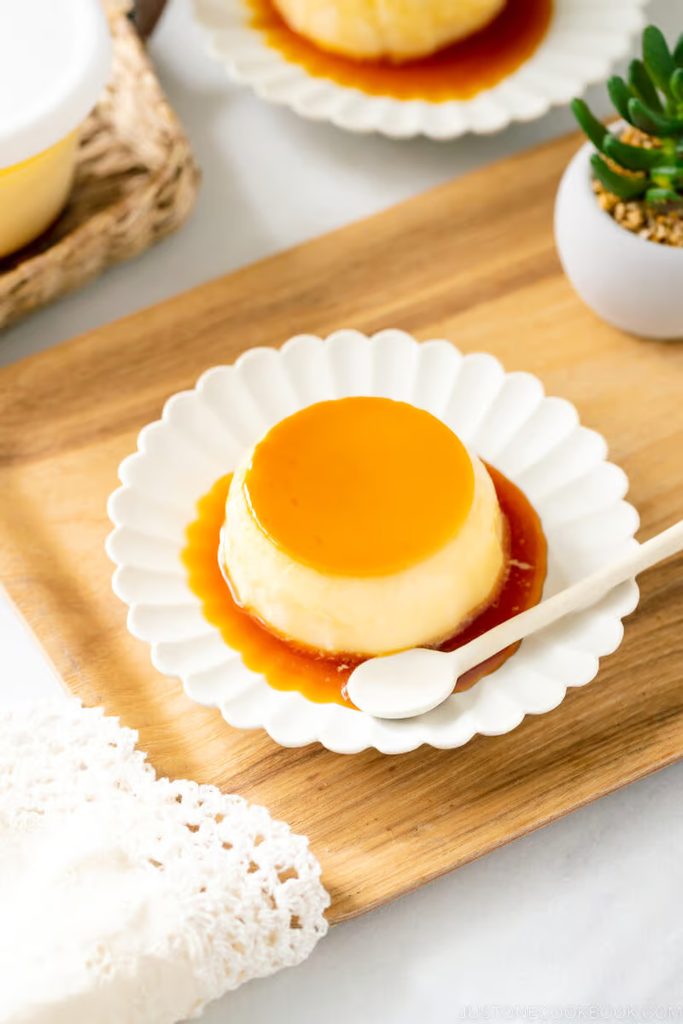
Japanese purin is a custard pudding similar to flan, with a firm-but-silky texture and a layer of caramel sauce on top. The custard bakes in a water bath, which keeps it smooth instead of curdled. Convenience stores across Japan sell purin in individual cups, and it’s become an everyday treat rather than a special occasion dessert. A good purin holds a clean edge when unmolded, with caramel pooling around the base. Chill it fully before serving for the best set.
17. Japanese Soufflé Cheesecake
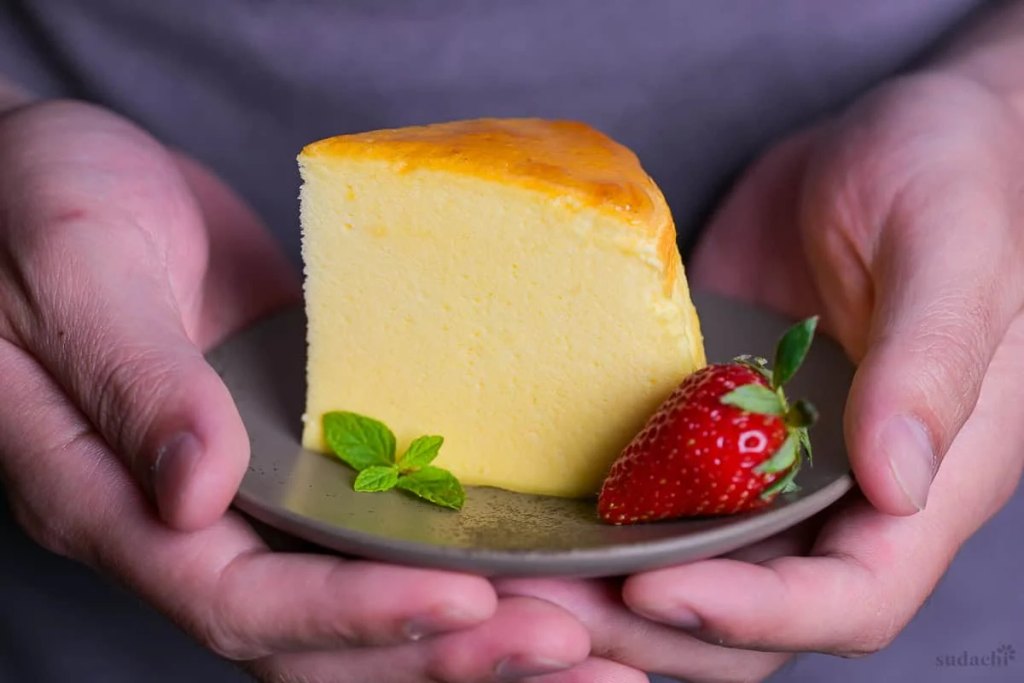
Japanese soufflé cheesecake is a jiggly, airy cheesecake made by folding whipped egg whites into a cream cheese batter, then baking in a water bath. The result wobbles like custard and tastes far lighter than a New York-style cheesecake. Bakeries that specialize in this cake often sell out by early afternoon. A properly baked one should jiggle when gently shaken but hold its shape when sliced. Serve it slightly chilled or at room temperature, never cold from the fridge.
18. Matcha Parfait
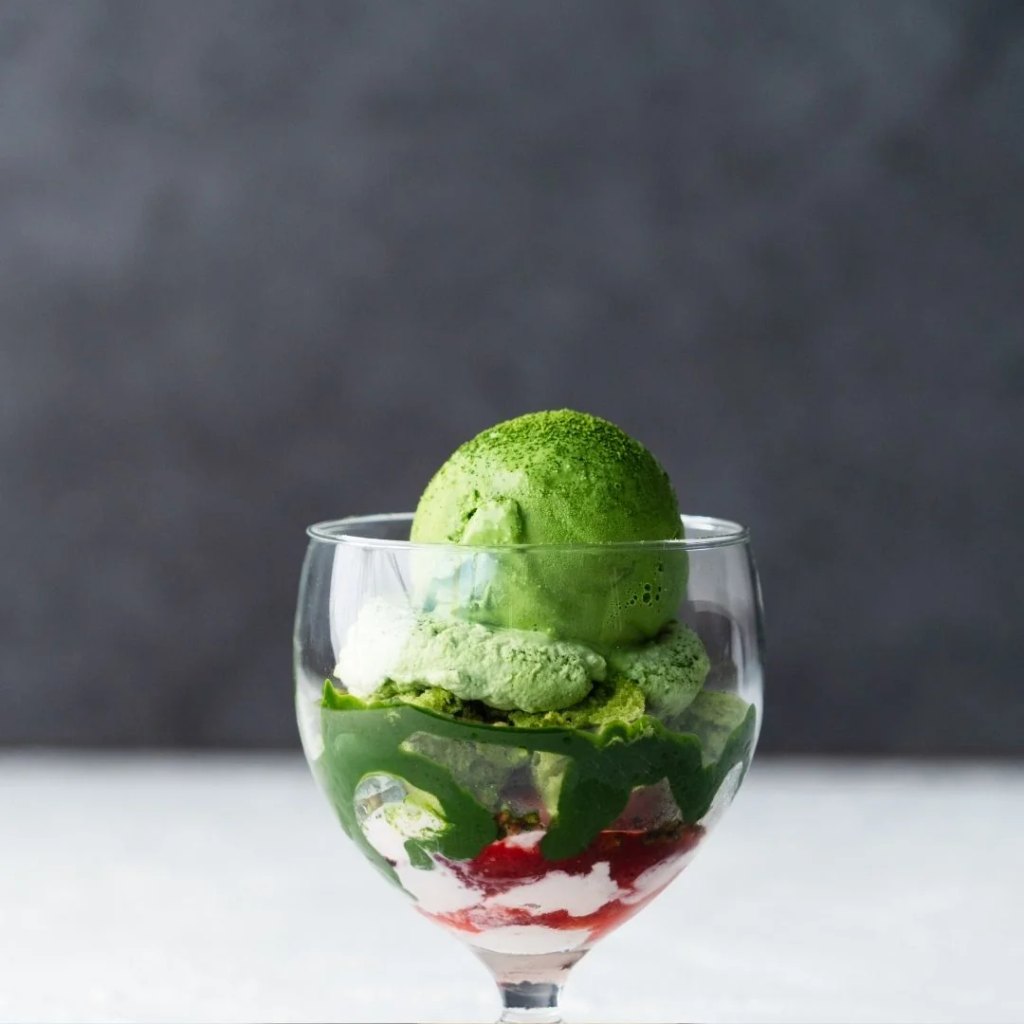
A matcha parfait layers bitter matcha ice cream, sponge cake, sweet red bean paste, and whipped cream in a tall glass. The bitterness of the matcha balances the sweetness of the other layers, which is why it works so well as a dessert rather than feeling one-note. Some versions add matcha jelly or crushed cookie crumbs for texture. Cafes in Kyoto, a city known for high-quality matcha, build elaborate versions with several layers. Eat it with a long spoon, working from the top down.
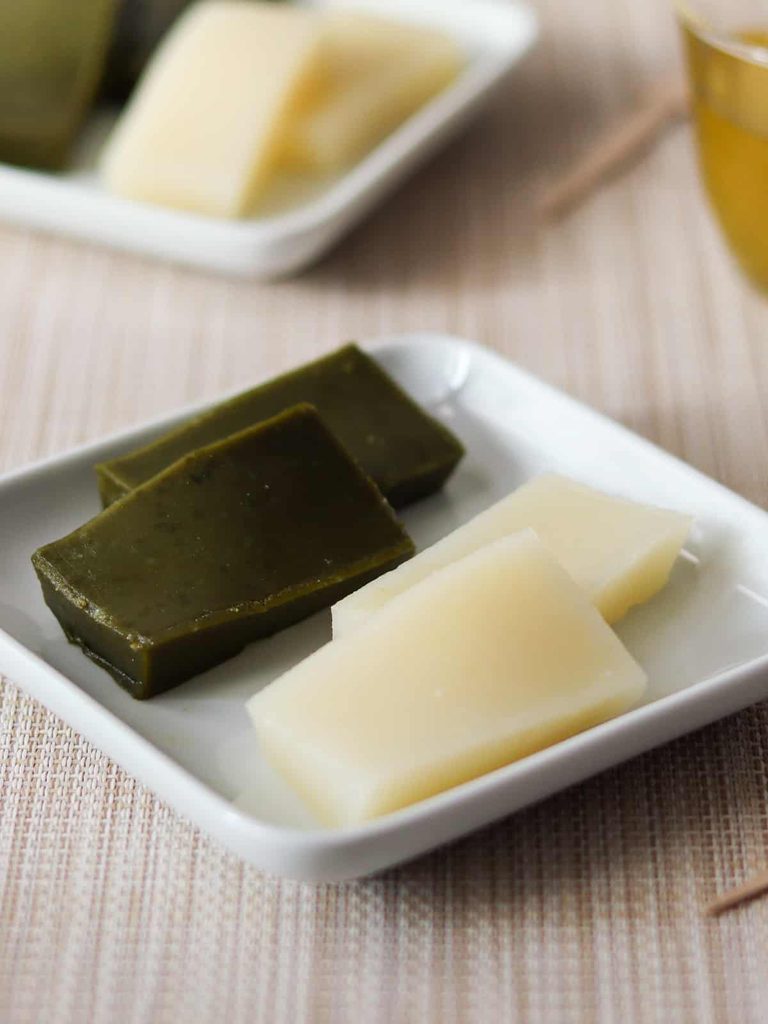
19. Uiro
Uiro is a steamed rice cake with a dense, slightly chewy texture, closer to a firm jelly than fluffy cake. It’s made from rice flour, sugar, and water, steamed in a mold until set, then sliced into blocks or wedges. Flavors include matcha, black sugar, and sakura. Nagoya is especially known for its uiro, often sold in long bars as a travel souvenir. Serve it at room temperature, cut into thin slices with a wet knife to keep clean edges.
Wagashi and Yogashi: What’s the Difference?
Wagashi refers to traditional Japanese sweets made with ingredients like rice flour, agar, and red bean paste, while yogashi covers Western-style desserts adapted into Japanese baking, like castella or soufflé cheesecake. The split matters because it explains why a dessert case in Tokyo can hold both a delicate nerikiri flower and a slice of strawberry shortcake side by side.
Wagashi tends to lean less sweet, with a focus on texture and seasonal appearance. A piece of nerikiri might represent a maple leaf in autumn or a plum blossom in winter. Yogashi, brought in through trade with Portugal and later the West, uses butter, cream, and eggs more heavily. Castella sits right at that crossover point, built from Portuguese techniques but now considered a classic Japanese treat in its own right.
Knowing the difference helps when ordering at a Japanese bakery. If you want something light and not too sweet, reach for wagashi like yokan or manju. If you’re after something richer and closer to Western cake, look for yogashi like cheesecake or castella.
How to Enjoy Japanese Desserts
Most Japanese desserts taste best fresh, within a day of being made, since mochi and rice-based sweets firm up quickly in the fridge. Buy small amounts often instead of stockpiling a week’s worth, especially with daifuku, warabi mochi, and dango.
Pair wagashi with unsweetened green tea. The bitterness of matcha or sencha cuts through the sweetness of red bean paste and balances a dessert that might otherwise feel one-note. This pairing shows up constantly at Japanese tea ceremonies for good reason.
Serving temperature matters more in Japanese desserts than in a lot of Western baking. Kakigori and matcha parfaits need to be eaten cold and fast before they melt. Zenzai and manju are better warm or at room temperature. Purin and soufflé cheesecake sit well chilled but shouldn’t come straight from the freezer.
If you’re building a dessert table, mix textures on purpose: something chewy like mochi, something crisp like monaka, and something cold like kakigori or a matcha parfait. The contrast keeps a spread interesting instead of every bite feeling the same.