A good food processor earns its counter space fast once you see what it can do beyond chopping onions. For everyday cooks who want fewer dishes and faster prep, a food processor is the right tool because one bowl and blade can turn whole vegetables, nuts, and dough into dinner in minutes.
Whether you’re making silky hummus, flaky pie crust, or a batch of chocolate truffles for a party, the same machine handles it all. These recipes lean on pulsing, shredding, and pureeing to cut down on knife work without cutting corners on flavor.
Grab your bowl and blade attachment. Here are the recipes worth putting your food processor to work on.
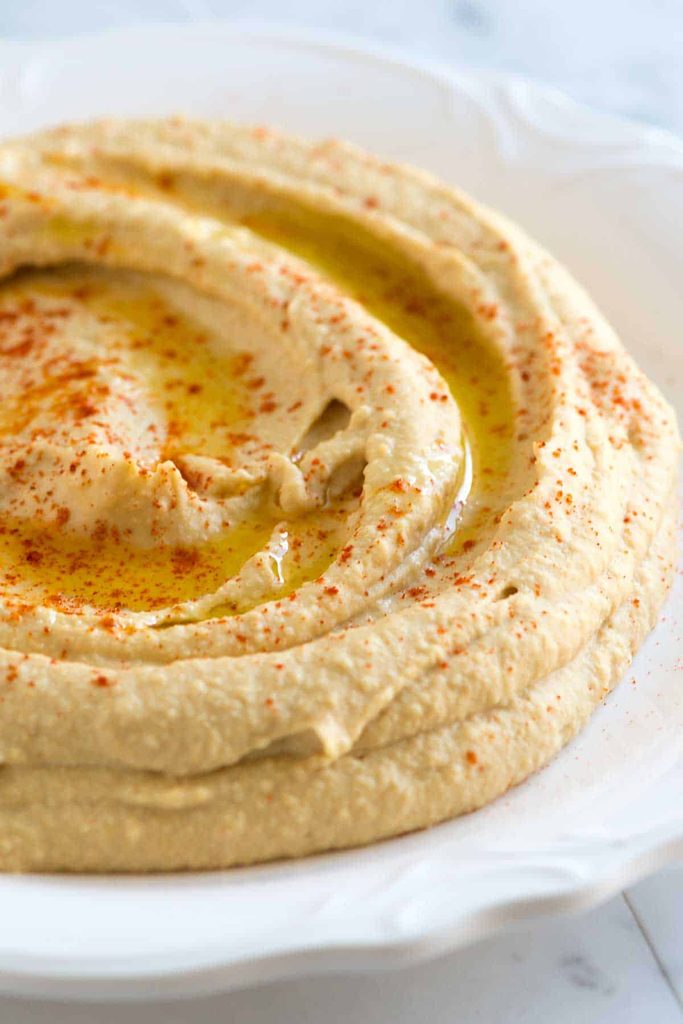
1. Classic Hummus
Creamy, garlicky hummus comes together in under 10 minutes flat. Blend chickpeas, tahini, lemon juice, garlic, and olive oil until smooth, scraping the bowl once or twice for an even texture.
Ingredients: 1 can (15 oz) chickpeas, drained; 1/4 cup tahini; 3 tbsp lemon juice; 1 small garlic clove; 3 tbsp olive oil; 1/2 tsp salt; 2-3 tbsp water.
Method: Combine everything except water in the bowl. Process 2 minutes, adding water until smooth. Serves 4. For pairing ideas, check out our best sides to eat with hummus.
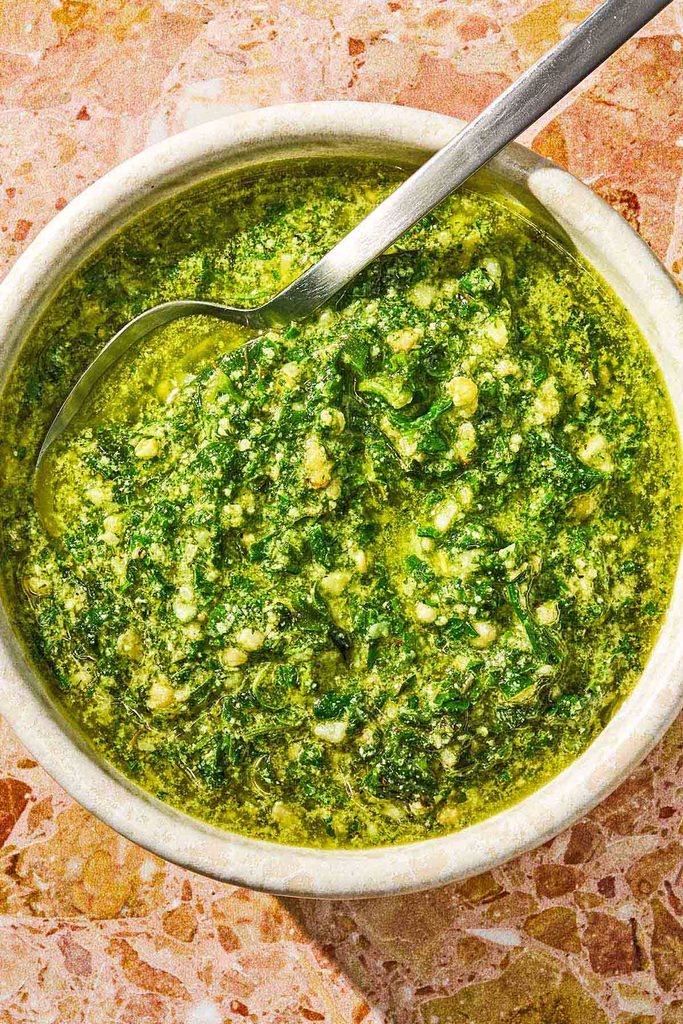
2. Fresh Basil Pesto
Bright, nutty pesto takes about 5 minutes and tastes far better than anything from a jar. Pulsing basil, garlic, pine nuts, and Parmesan keeps the color vivid and the texture a little rustic.
Ingredients: 2 cups fresh basil leaves; 1/3 cup olive oil; 1/4 cup pine nuts; 1/2 cup grated Parmesan; 2 garlic cloves; salt to taste.
Method: Pulse nuts and garlic first, then add basil and cheese, streaming in oil until combined. Makes about 1 cup. Try it tossed with fresh zucchini noodles or stirred into pesto chicken flatbreads.
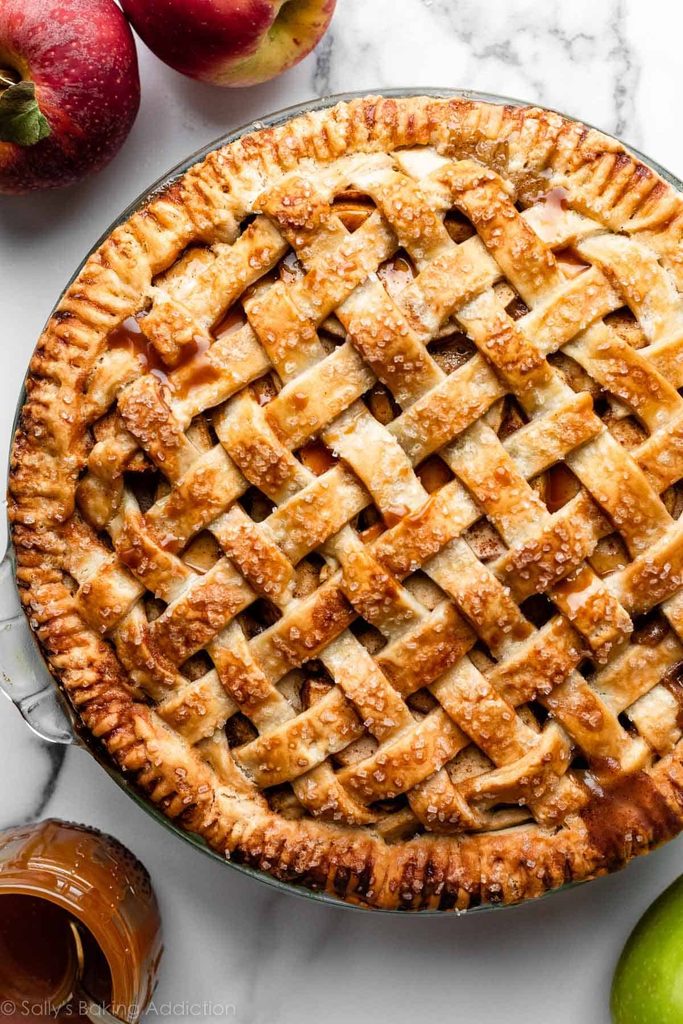
3. Flaky Pie Crust
Cold butter pulsed into flour gives you a crust that flakes apart in buttery layers every time. The food processor keeps your hands out of the dough, so the butter stays cold and the gluten stays relaxed.
Ingredients: 2 1/2 cups flour; 1 cup cold butter, cubed; 1 tsp salt; 1 tbsp sugar; 6-8 tbsp ice water.
Method: Pulse dry ingredients with butter until pea-sized. Add water until it clumps. Chill 1 hour before rolling. Makes two 9-inch crusts, perfect for your favorite pie recipes.
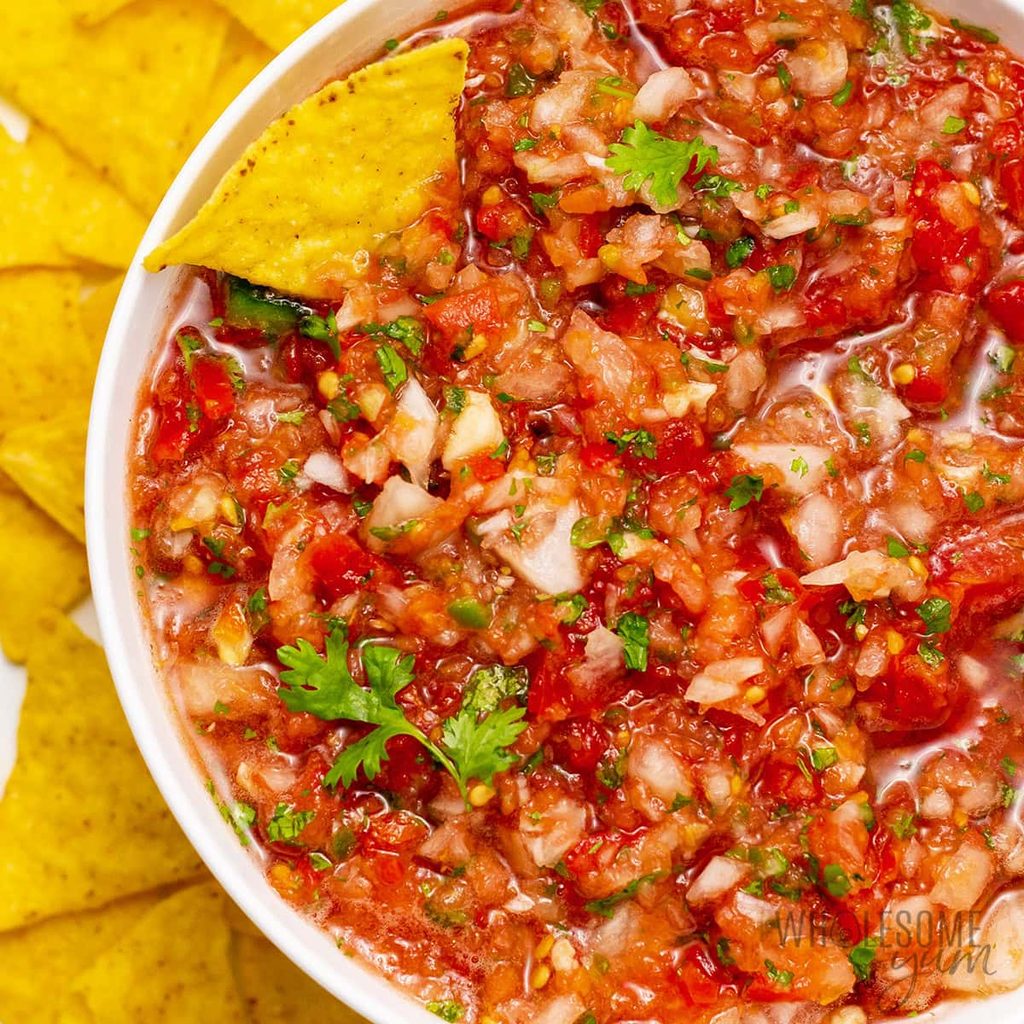
4. Fresh Tomato Salsa
Chunky, juicy salsa needs just a few pulses to go from whole vegetables to chip-ready dip. Pulsing instead of blending keeps the texture coarse instead of soupy.
Ingredients: 4 ripe tomatoes, quartered; 1/2 onion; 1 jalapeño; 1/4 cup cilantro; 1 lime, juiced; salt to taste.
Method: Pulse all ingredients in short bursts until chunky but not pureed. Makes 2 cups. Great alongside dishes from our best Latin food recipes, and spicier eaters can swap in extra peppers from our best jalapeño recipes.
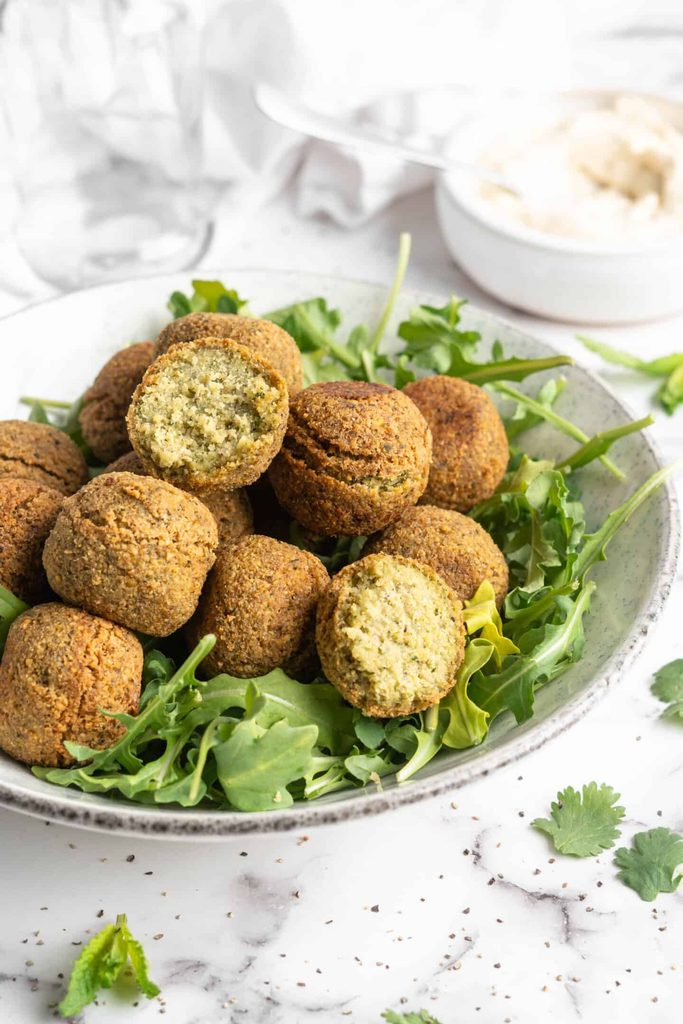
5. Crispy Falafel
Golden, herby falafel gets its structure from raw soaked chickpeas, not canned ones, which keeps the fritters from turning mushy inside. The food processor chops everything to a coarse, scoopable paste in one go.
Ingredients: 1 1/2 cups dried chickpeas, soaked overnight; 1 small onion; 3 garlic cloves; 1 cup parsley; 1 tsp cumin; 1 tsp coriander; 1 tsp salt; 1/4 tsp baking soda.
Method: Pulse all ingredients until coarse and sticky. Shape into patties, fry at 350°F for 3-4 minutes per side. Makes about 16 falafel, a nice addition to our best chickpea recipes.
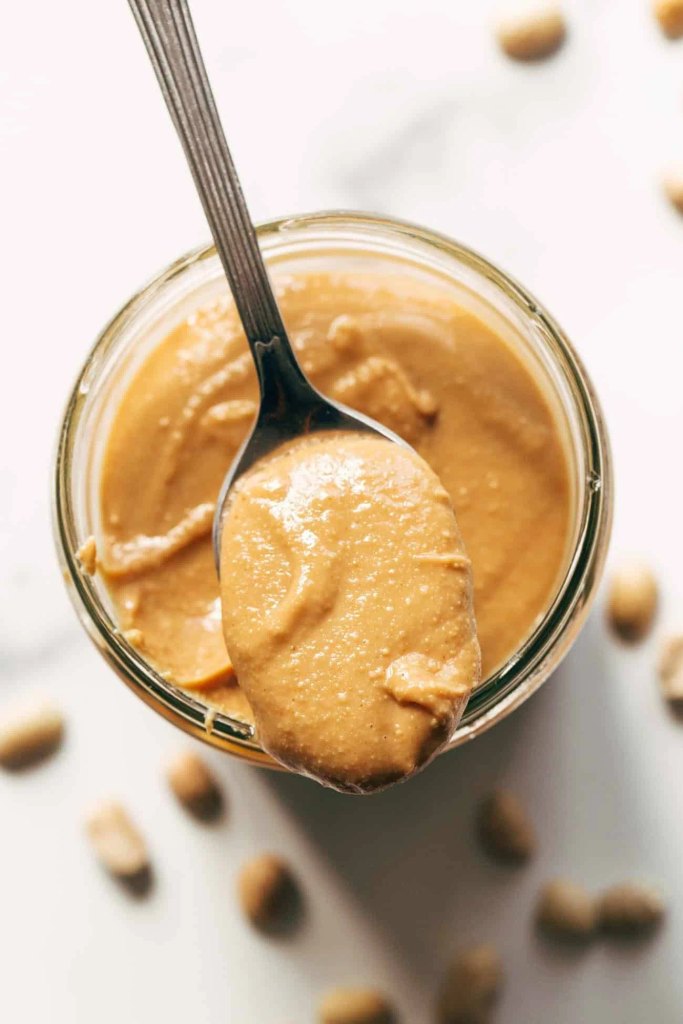
6. Homemade Peanut Butter
Roasted peanuts turn into smooth, glossy peanut butter with nothing but patience and a running motor. It takes about 8-10 minutes of processing, and the peanuts go through a crumbly stage before loosening into butter.
Ingredients: 3 cups roasted, unsalted peanuts; 1/2 tsp salt; 1 tbsp honey (optional).
Method: Process peanuts continuously, scraping occasionally, until smooth and pourable. Stir in salt and honey. Makes about 1 1/2 cups. It’s the base for 3-ingredient peanut butter cookies.
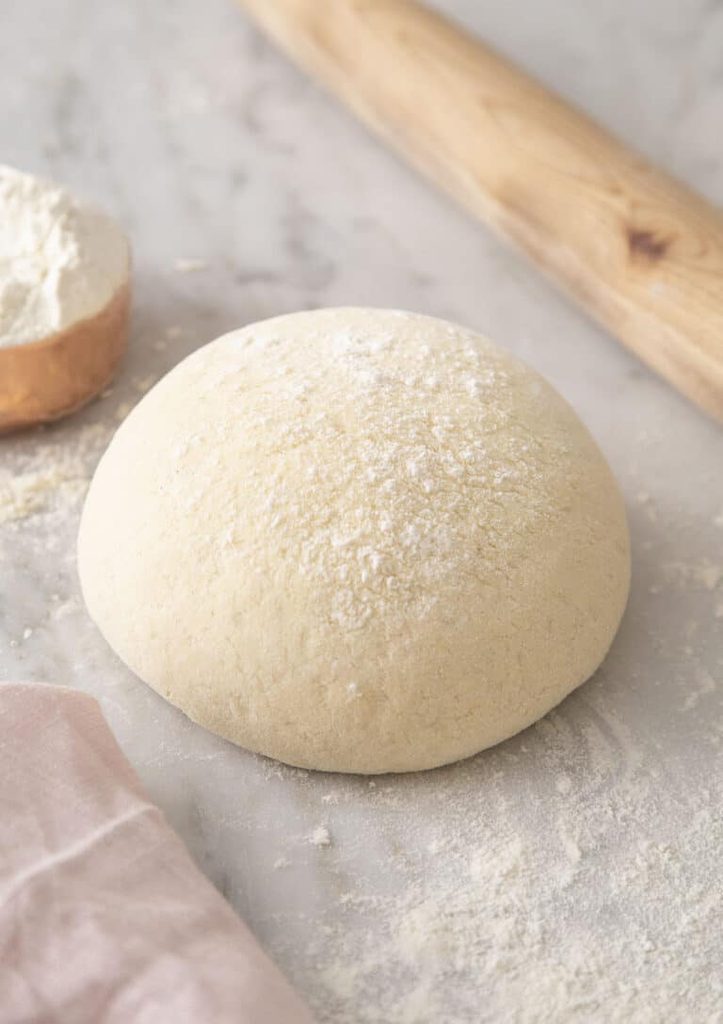
7. Pizza Dough
A food processor kneads pizza dough in under 60 seconds flat, which beats hand-kneading by a wide margin. The blade works the gluten fast enough that the dough stays cool and elastic.
Ingredients: 3 cups bread flour; 1 packet (2 1/4 tsp) instant yeast; 1 tsp salt; 1 tbsp olive oil; 1 cup warm water.
Method: Pulse dry ingredients, then stream in water and oil until a ball forms. Knead 30 seconds by processing. Rise 1 hour. Makes two 12-inch crusts; explore our best types of pizza for topping inspiration.
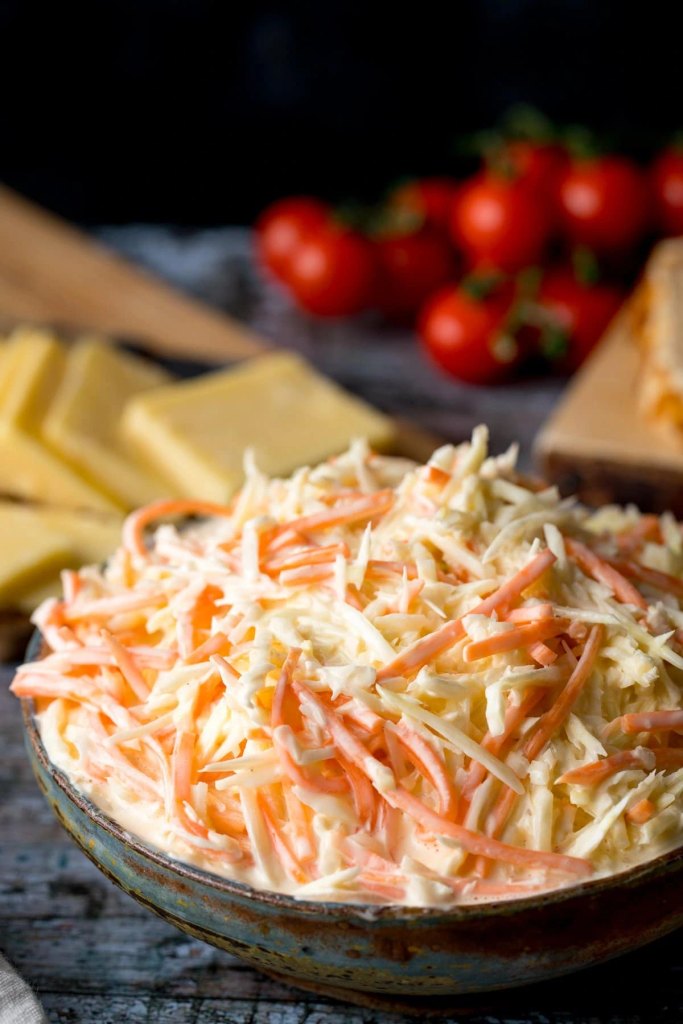
8. Creamy Coleslaw
Shredding slaw in a food processor turns a 15-minute knife chore into a 2-minute task. The slicing disc gives you even, crisp ribbons of cabbage and carrot every time.
Ingredients: 1/2 head green cabbage; 2 carrots; 1/2 cup mayonnaise; 1 tbsp apple cider vinegar; 1 tsp sugar; salt and pepper.
Method: Shred cabbage and carrots using the slicing disc. Whisk dressing separately, then toss together. Chill 30 minutes before serving. Serves 6, and pairs well as one of 21 side dishes for pizza.
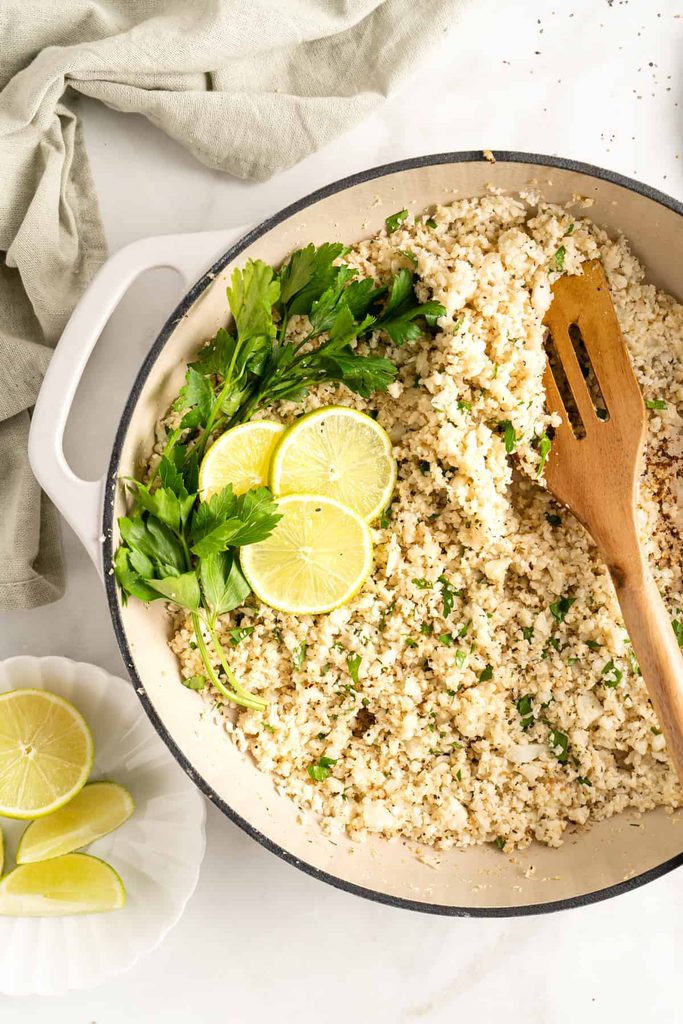
9. Cauliflower Rice
Raw cauliflower florets pulse into rice-sized grains in about 20 seconds, no grater required. Keep the pulses short so the pieces stay fluffy instead of turning to mush.
Ingredients: 1 medium head cauliflower, cut into florets; 1 tbsp olive oil; salt and pepper.
Method: Pulse florets in batches until rice-sized. Sauté in oil over medium heat for 5 minutes. Serves 4, a fitting addition to 25 vegetable recipes.
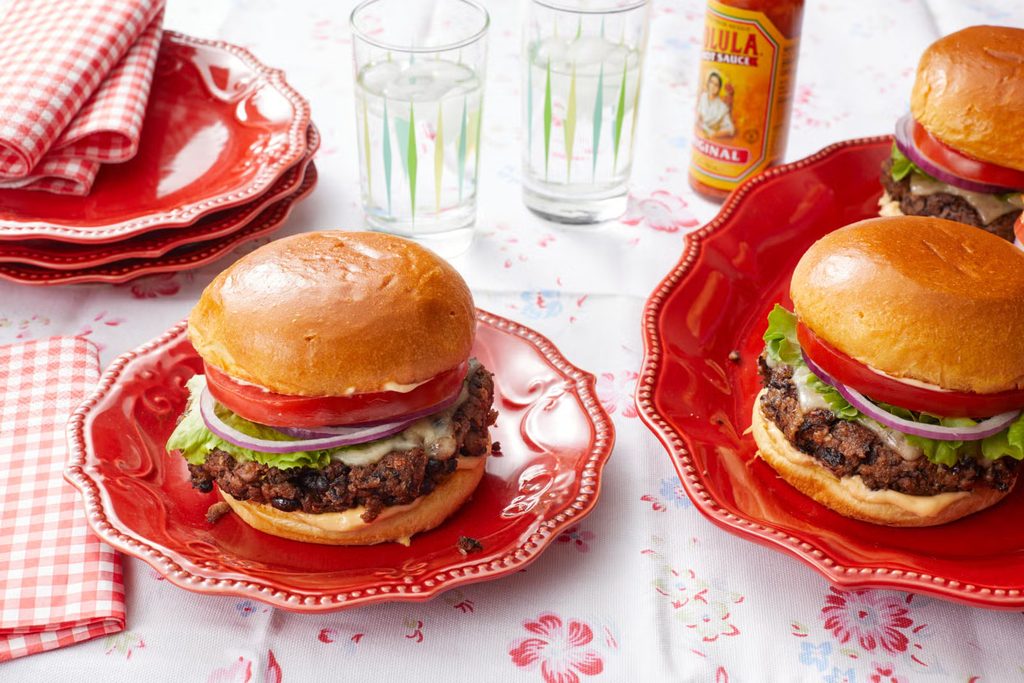
10. Black Bean Burgers
Pulsing beans with oats and spices gives you a patty that holds together on the grill instead of crumbling. Leave some texture in the beans so the burger doesn’t turn gummy.
Ingredients: 2 cans (15 oz each) black beans, drained; 1/2 cup rolled oats; 1 egg; 1/2 onion; 1 tsp cumin; 1 tsp chili powder; salt to taste.
Method: Pulse beans until chunky, mix in remaining ingredients by hand. Form 6 patties. Cook 4 minutes per side in a skillet over medium heat.

11. Chicken Meatballs
Grinding chicken breast in the food processor saves a trip to the butcher counter and gives you control over the texture. Pulse just until the meat looks finely chopped, not pasty.
Ingredients: 1 1/2 lbs boneless chicken breast, cubed; 1/2 cup breadcrumbs; 1 egg; 2 garlic cloves; 1/4 cup Parmesan; salt and pepper.
Method: Pulse chicken until ground. Mix in remaining ingredients. Roll into 20 meatballs, bake at 400°F for 18-20 minutes.

12. Chocolate Truffles
Rich, fudgy truffles come together by pulsing chocolate, cream, and butter into a glossy ganache. Chilling the mixture before rolling keeps the truffles from melting in your hands.
Ingredients: 8 oz dark chocolate, chopped; 1/2 cup heavy cream; 2 tbsp butter; cocoa powder for rolling.
Method: Heat cream until steaming, pour over chocolate and butter in the processor, pulse until smooth. Chill 2 hours, roll into balls, coat in cocoa. Makes 20 truffles, a sweet match for our best homemade candy recipes.
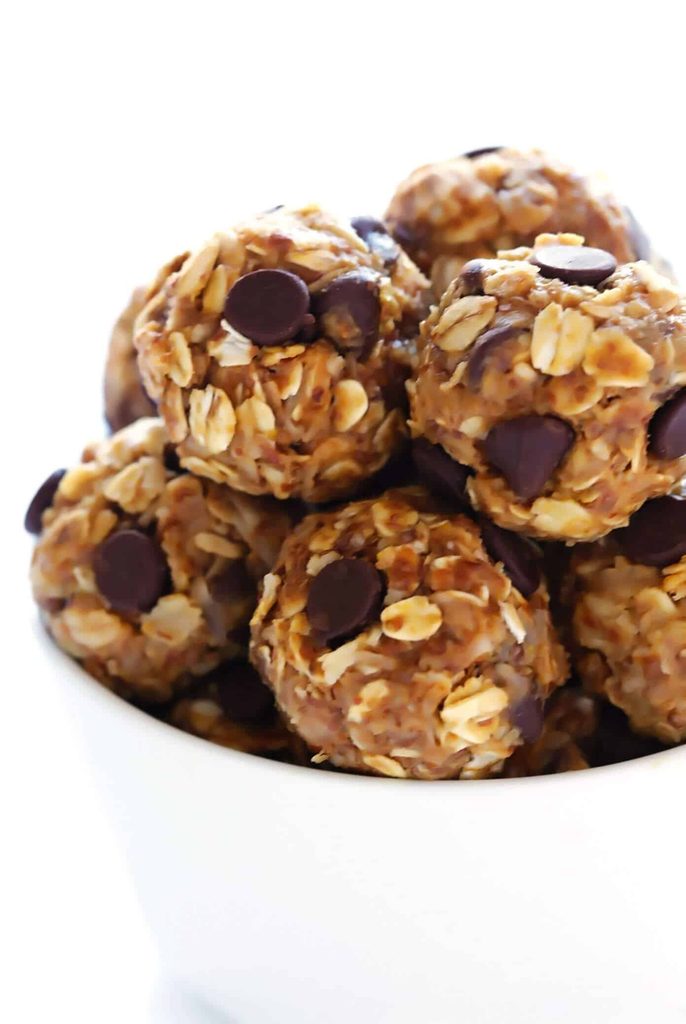
13. No-Bake Oat Energy Bites
Dates, oats, and nut butter pulse into a sticky dough that rolls into bites in about 10 minutes total. No oven needed, and the food processor breaks down the dates so they bind everything together.
Ingredients: 1 cup pitted dates; 1 cup rolled oats; 1/3 cup peanut butter; 2 tbsp honey; 1/4 cup mini chocolate chips.
Method: Pulse dates and oats until sticky crumbs form. Add remaining ingredients, pulse to combine. Roll into 16 bites.
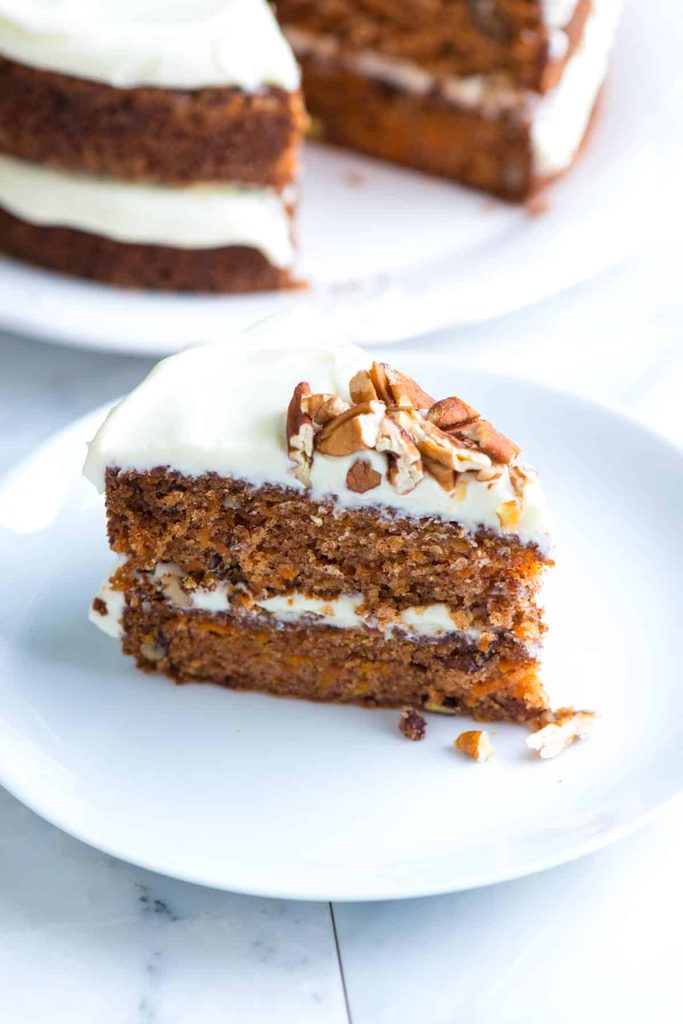
14. Carrot Cake
Shredding carrots in the food processor turns a tedious grating job into a 30-second task. The fine shred keeps the cake moist without leaving long, stringy carrot pieces in every bite.
Ingredients: 2 cups shredded carrots; 2 cups flour; 1 1/2 cups sugar; 1 cup vegetable oil; 4 eggs; 2 tsp cinnamon; 1 tsp baking soda; 1 tsp baking powder.
Method: Shred carrots, set aside. Mix remaining ingredients, fold in carrots. Bake at 350°F for 35 minutes in a 9×13 pan.
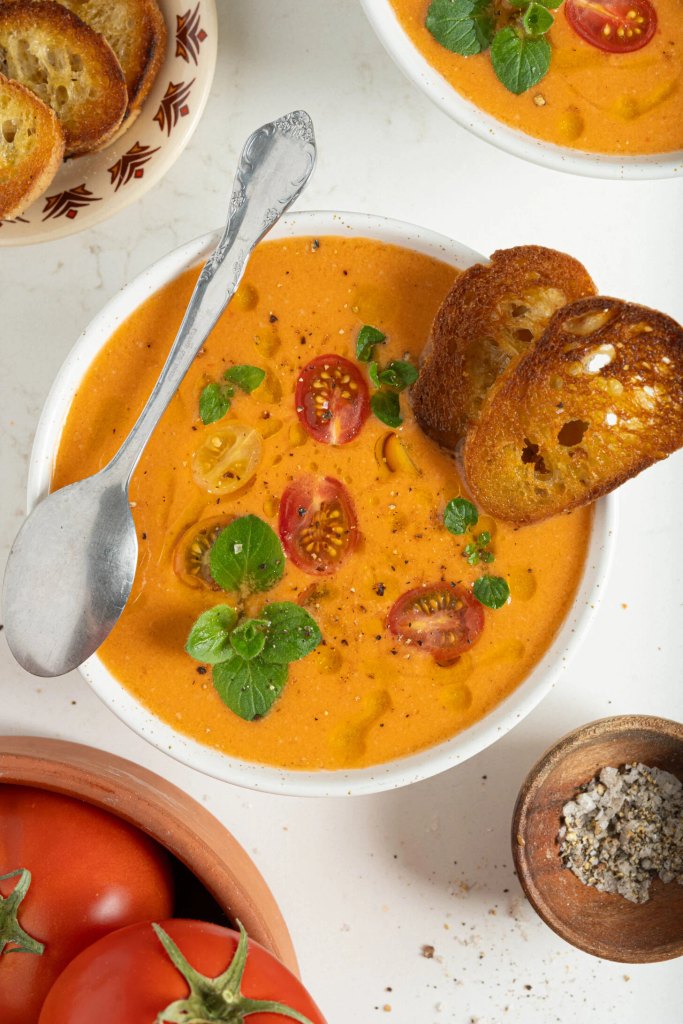
15. Gazpacho
Cold, silky gazpacho blends raw vegetables into a refreshing soup without ever touching a stove. Processing in batches keeps the texture smooth instead of watery.
Ingredients: 6 ripe tomatoes; 1 cucumber; 1 red bell pepper; 1/4 red onion; 2 tbsp olive oil; 2 tbsp sherry vinegar; salt to taste.
Method: Roughly chop vegetables, process until smooth. Chill at least 2 hours before serving. Serves 4, and tastes especially good with ripe tomatoes from our best cherry tomato recipes.
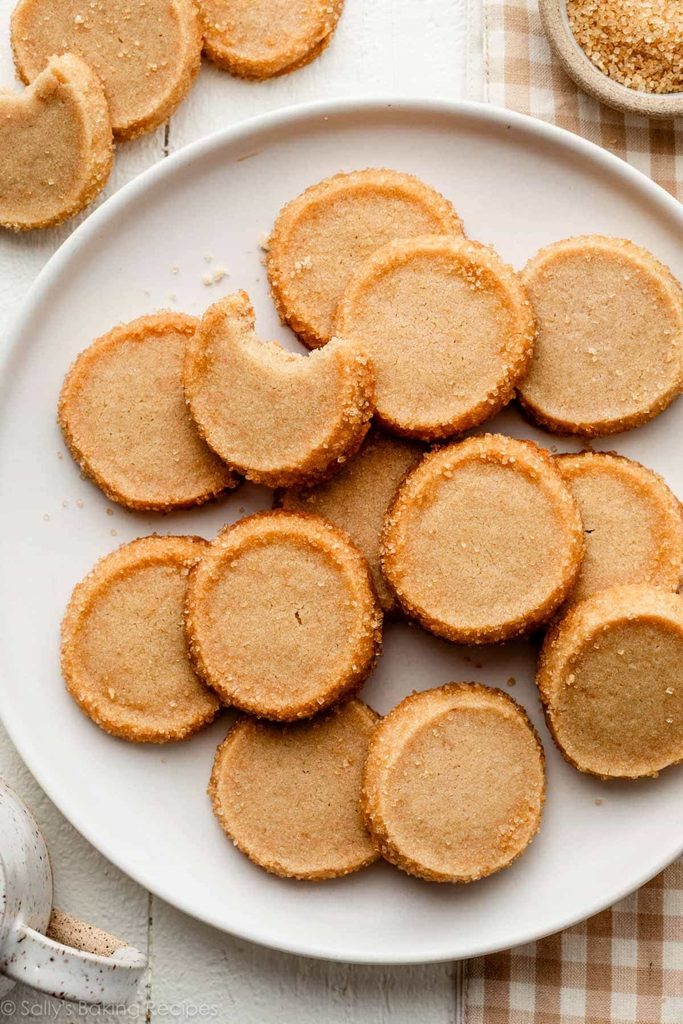
16. Shortbread Cookies
Butter, sugar, and flour pulse into a sandy dough that presses into crisp, buttery cookies. Processing keeps the butter evenly distributed so every cookie bakes up tender.
Ingredients: 2 cups flour; 1 cup cold butter, cubed; 1/2 cup powdered sugar; 1/4 tsp salt.
Method: Pulse all ingredients until a dough forms. Press into a pan, score into squares, bake at 325°F for 25 minutes. Makes 16 cookies.
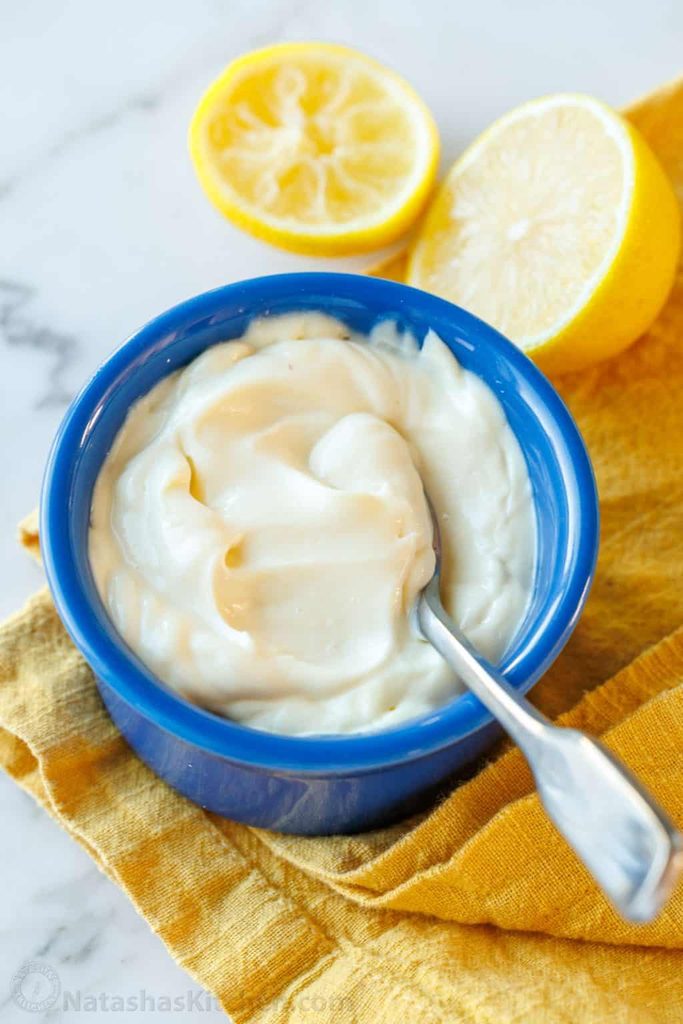
17. Homemade Mayonnaise
A food processor turns egg, oil, and lemon into thick, glossy mayonnaise in about 90 seconds flat. Streaming the oil in slowly through the feed tube is the key step that keeps it from breaking.
Ingredients: 1 whole egg; 1 tbsp lemon juice; 1 tsp Dijon mustard; 1 cup neutral oil; salt to taste.
Method: Process egg, lemon, and mustard, then slowly drizzle in oil until thick. Makes 1 cup.
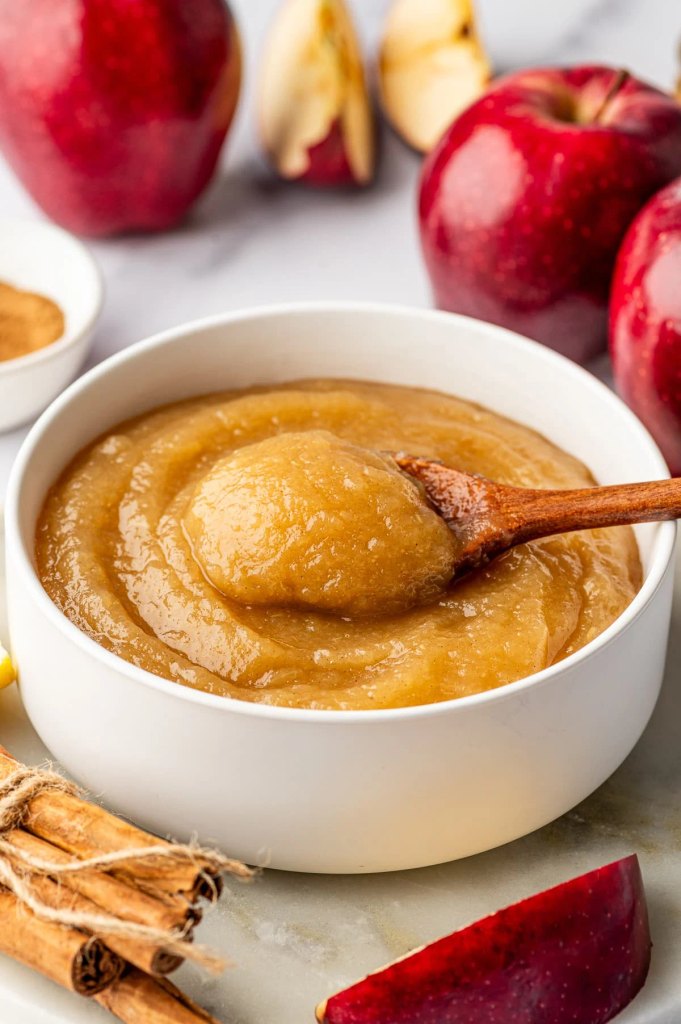
18. Homemade Applesauce
Cooked apples puree into smooth, naturally sweet applesauce in under a minute. Leaving the skins on before cooking (then processing) adds a touch of pink color and extra fiber.
Ingredients: 6 apples, peeled and chopped; 1/2 cup water; 1 tsp cinnamon; 2 tbsp sugar (optional).
Method: Simmer apples in water 15 minutes until soft. Process until smooth, stir in cinnamon and sugar. Makes about 3 cups.
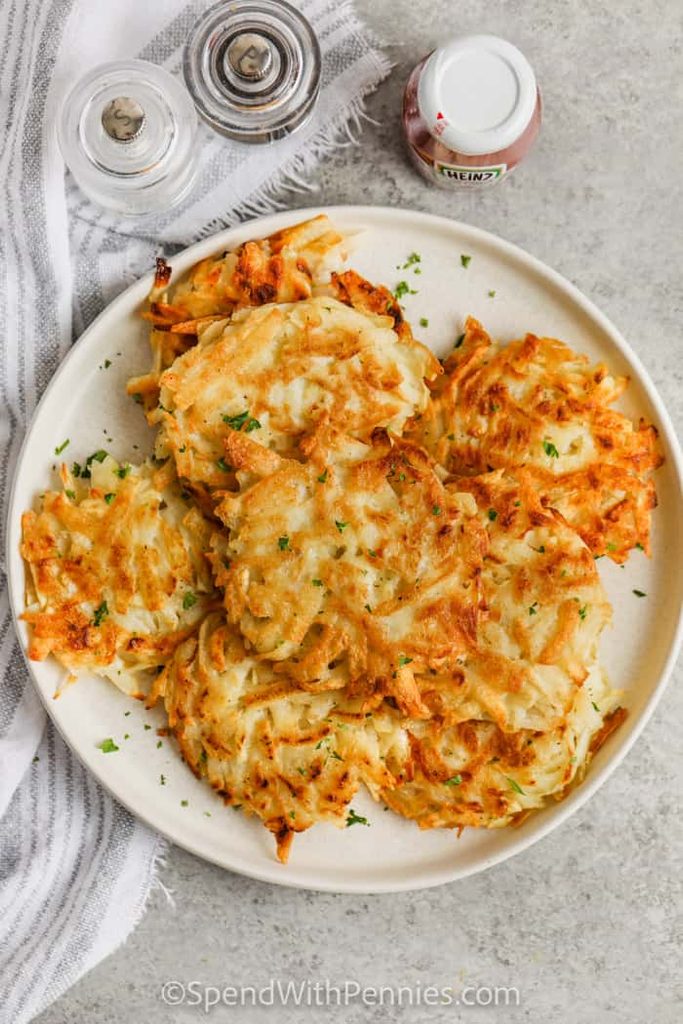
19. Shredded Potato Hash Browns
The shredding disc turns whole potatoes into crisp hash browns in seconds, no box grater knuckles involved. Squeezing out excess moisture before frying is what gets you a crispy crust instead of a soggy pile.
Ingredients: 4 russet potatoes, peeled; 2 tbsp butter; salt and pepper.
Method: Shred potatoes, squeeze dry in a towel. Fry in butter over medium-high heat 5 minutes per side. Serves 4.
Food Processor Techniques That Improve Texture
The pulse button gives you more control than the continuous run setting for nearly everything on this list. Short pulses break ingredients down gradually, so you can stop the second you hit the texture you want, whether that’s chunky salsa or fine breadcrumbs.
Processing in batches matters for anything dense, like beans or raw meat. Overfilling the bowl forces the blade to work unevenly, leaving some pieces pureed and others barely chopped.
Scraping down the sides halfway through a recipe keeps ingredients from hiding above the blade’s reach. This one habit fixes more lumpy hummus and streaky pesto than any other adjustment.
For shredding vegetables like carrots or potatoes, cut them to fit the feed tube snugly. Loose pieces tumble instead of feeding evenly into the disc, leaving uneven shreds.
Cold ingredients make a real difference in doughs and crusts. Keep butter and water chilled before processing pie crust or pizza dough so the fat stays solid until it hits the oven.
Cleaning and Blade Safety Tips
Rinse the bowl and blade right after use, since dried-on dough or ganache turns into a scraping project later. Warm, soapy water loosens most residue within a minute or two if you don’t let it sit.
Always grip the blade by its center hub, never the edges, when removing it from the bowl. The blades stay sharp enough to nick a finger even after months of regular use.
Check the rubber gasket around the base periodically for cracks or wear. A damaged seal lets liquid leak out during pureeing, which creates a mess and can affect the motor over time.
Most processor bowls, lids, and blades are dishwasher-safe on the top rack, though hand-washing extends the life of the blade’s edge. Dry every part fully before reassembling, since trapped moisture around the motor base can cause buildup.
Store the blade separately from the bowl, either in its sheath or a dedicated drawer slot. Tossing it loose into a drawer with other utensils is how most accidental cuts happen in home kitchens.