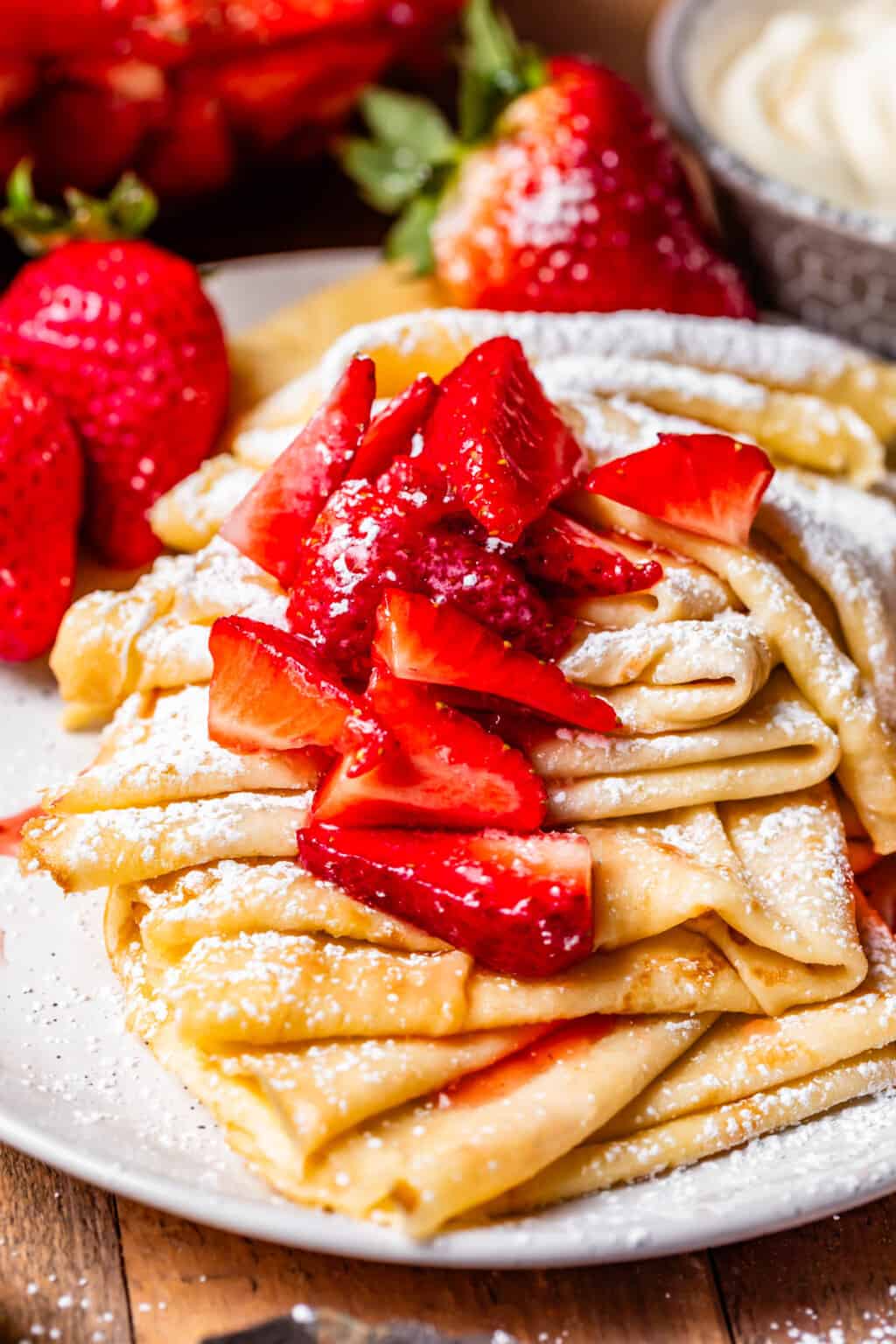
A French breakfast is small, simple, and built around good bread and strong coffee. There’s no pile of bacon and eggs, no stack of pancakes dripping in syrup. Instead, you get a warm croissant, a smear of butter and jam on a split baguette, and a bowl-sized cup of café au lait to dunk it in.
That simplicity is the whole point. French mornings favor a few well-made things over a crowded plate, and once you taste a proper buttery croissant or a tangy fromage blanc with honey, you understand why nobody feels like they’re missing out.
This list rounds up the pastries, breads, eggs, and drinks that show up on French tables morning after morning, from the familiar (pain au chocolat) to the lesser-known (chausson aux pommes). Some you’ll want to bake from scratch, others you can pick up at a bakery, and a few just need five minutes and a saucepan.
Quick picks:
- Best all-around starter: Tartine with Butter and Jam, simple and ready in minutes
- Best for a sweet tooth: Pain au Chocolat, flaky pastry with a rich chocolate center
- Best savory option: Quiche Lorraine, eggs, bacon, and cheese in a buttery crust
- Best light and fresh pick: Fromage Blanc, creamy and tangy with fruit or honey
1. Croissant
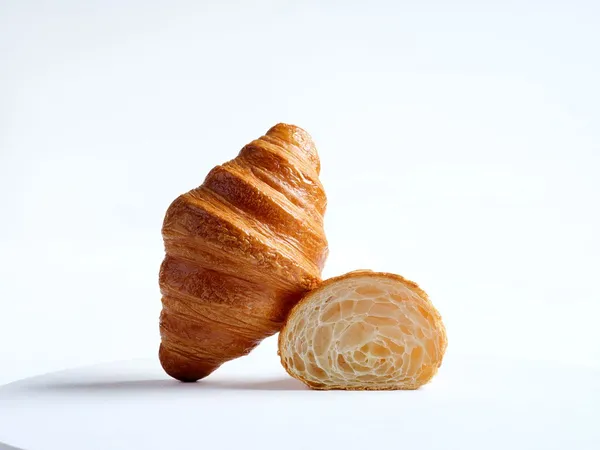
The croissant is the symbol of French breakfast, and a good one has a shattering, flaky crust with a soft, airy inside. The dough gets folded with butter dozens of times, which creates those thin golden layers.
Bakeries in France sell them warm in the early morning, and that first bite should be crisp on the outside and almost pillowy inside. At home, a fresh bakery croissant warmed for a few minutes in the oven comes close.
Pair it with coffee and nothing else; it doesn’t need a thing added.
2. Tartine with Butter and Jam
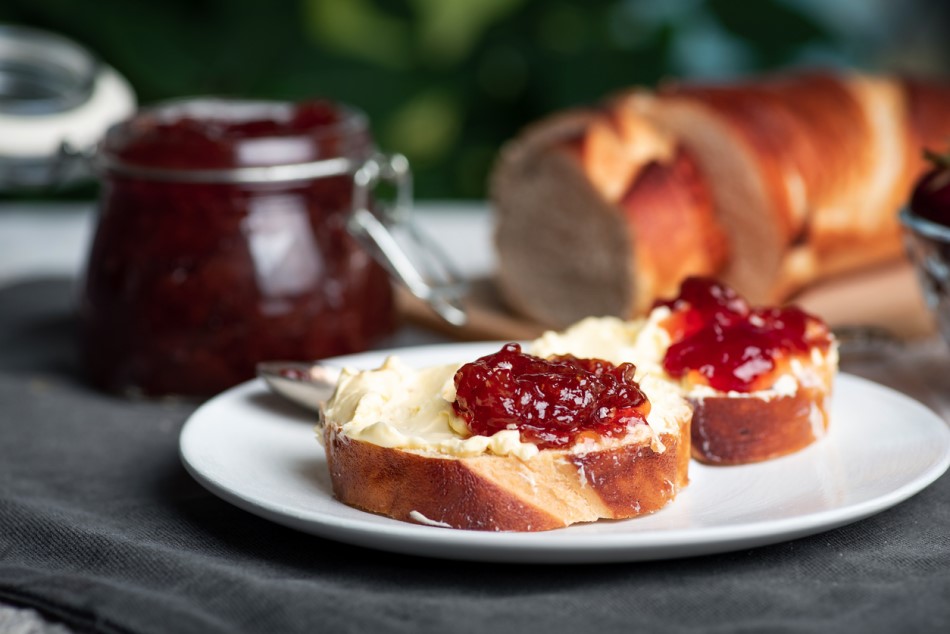
A tartine is just a sliced baguette with butter and jam, and it’s the breakfast most French families eat on a regular Tuesday. The bread should be crusty outside, soft inside, cut on the diagonal.
Spread softened butter first, then a layer of jam, apricot and strawberry are common choices. Some people dunk the whole slice into their coffee, which softens the crust and makes it almost custardy.
It takes two minutes to put together and tastes better than it sounds.
3. Pain au Chocolat
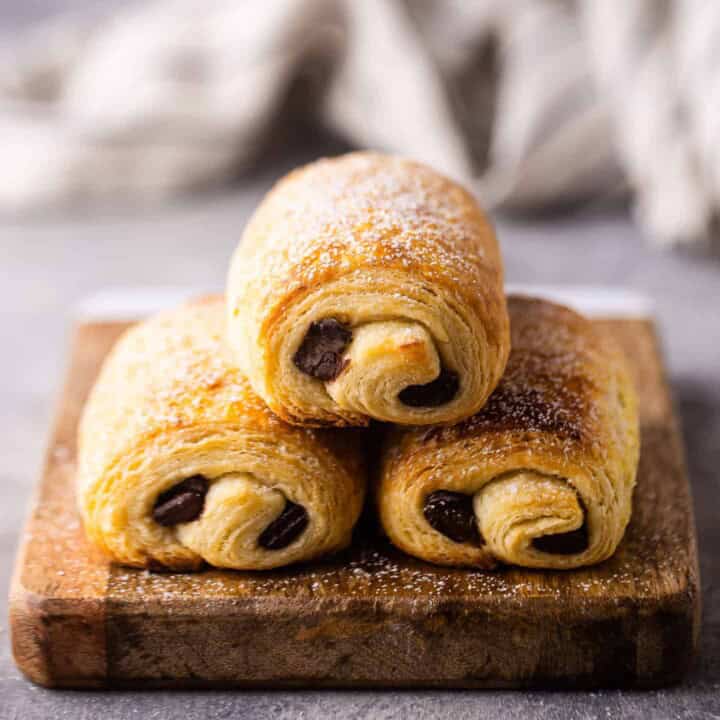
Pain au chocolat is a croissant-style pastry wrapped around two sticks of dark chocolate. The dough is the same laminated, buttery base as a croissant, just shaped into a rectangle instead of a crescent.
Biting into one warm means the chocolate is slightly melted and a little bittersweet against the flaky pastry. Kids and adults both reach for this one first at a French bakery counter.
It’s a favorite after-school snack in France too, not just a breakfast item.
4. Café au Lait
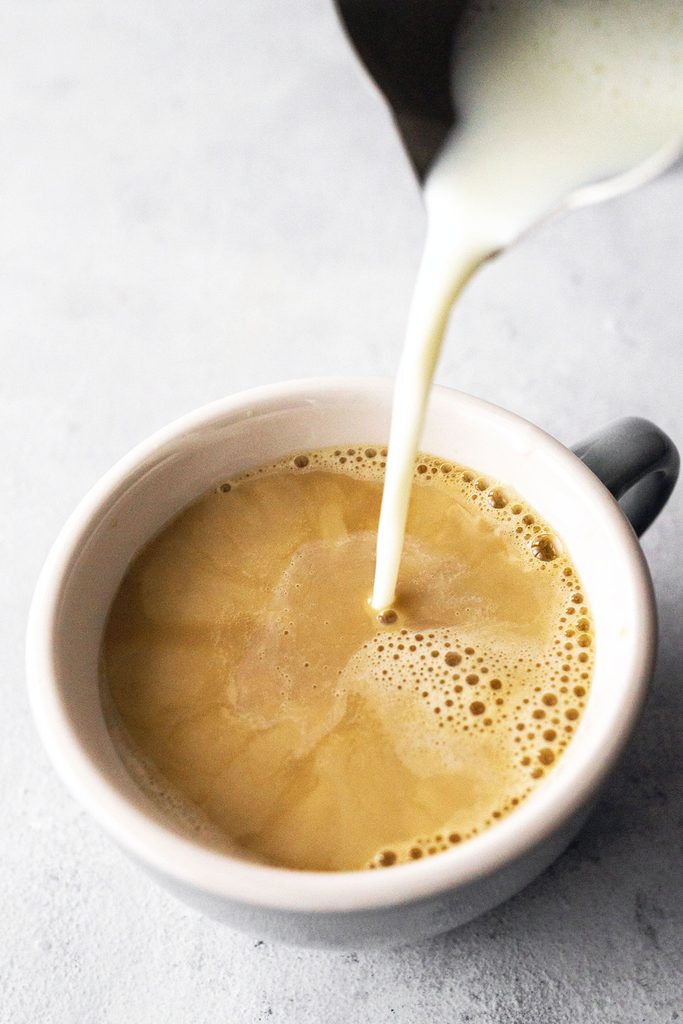
Café au lait is strong coffee mixed with steamed milk in roughly equal parts, served in a wide bowl instead of a small cup. The bowl shape matters: it lets you dunk bread and pastries without burning your fingers.
Traditionally it’s made with a moka pot or strong drip coffee, then combined with hot milk poured from a separate pitcher. The result is mellow and milky, closer to a latte than an American cup of black coffee.
It’s the drink that ties the whole French breakfast table together.
5. Brioche
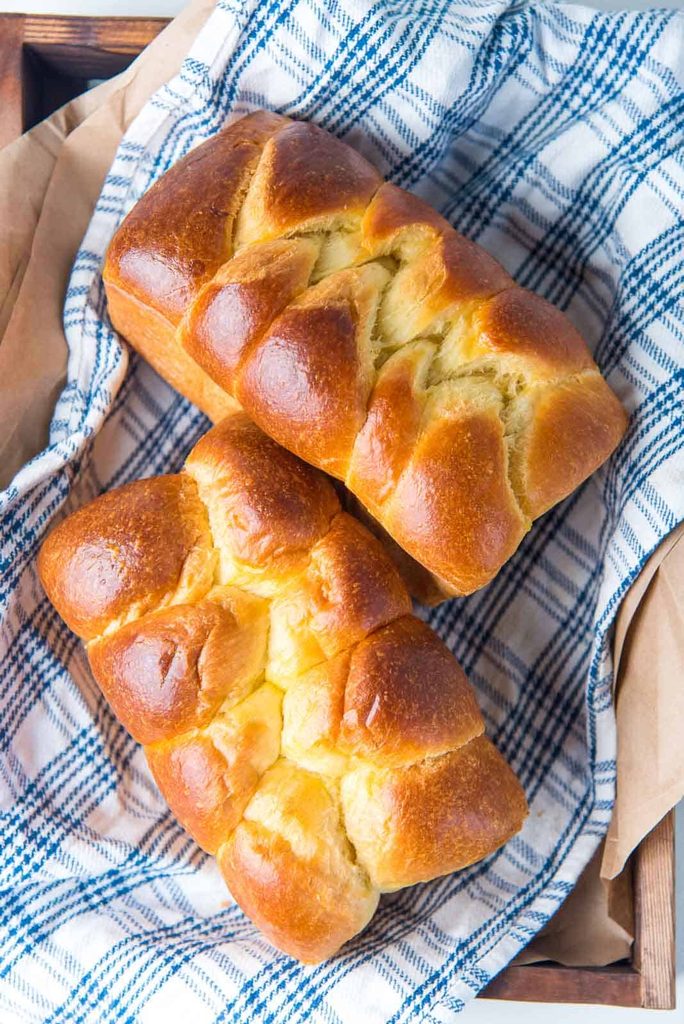
Brioche is a rich, slightly sweet bread made with eggs and butter, giving it a soft, golden crumb that pulls apart in strands. It’s denser than a croissant but lighter than cake.
Sliced and toasted, it takes butter and jam beautifully, and it also makes excellent French toast. Brioche loaves and brioche buns both show up on French breakfast tables, depending on the region.
Buy a loaf at the bakery or bake one at home; either way, serve it slightly warm.
6. Pain aux Raisins
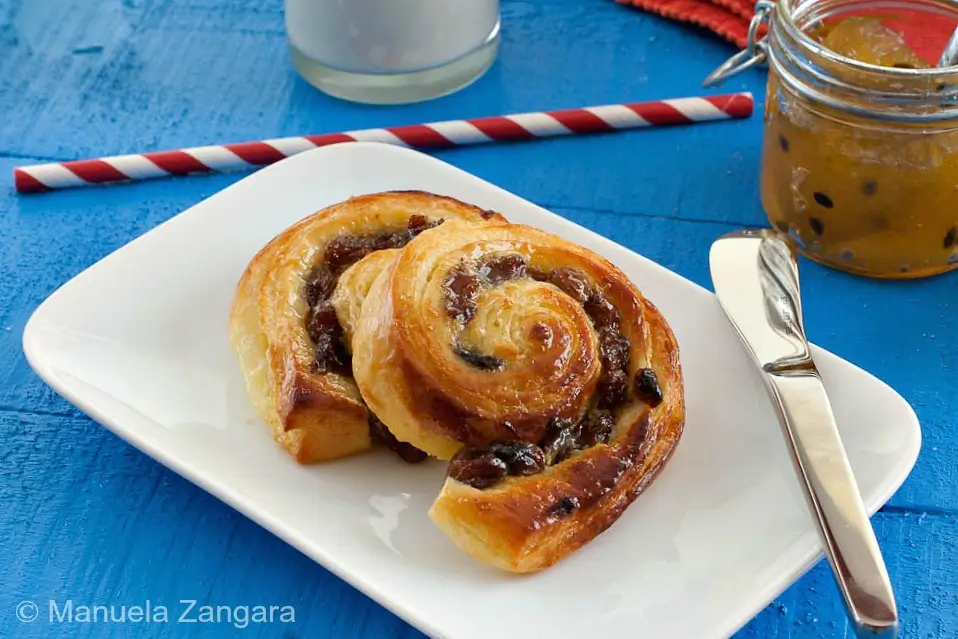
Pain aux raisins is a spiral pastry made from the same laminated dough as a croissant, studded with plump raisins and a swirl of pastry cream. The shape looks like a snail, which is why it’s sometimes called “escargot” in French bakeries.
The pastry cream keeps the center moist, and the edges crisp up nicely in the oven. Rum-soaked raisins add a deeper flavor in some versions.
It’s a step up from a plain croissant when you want something a little more filling.
7. Chausson aux Pommes
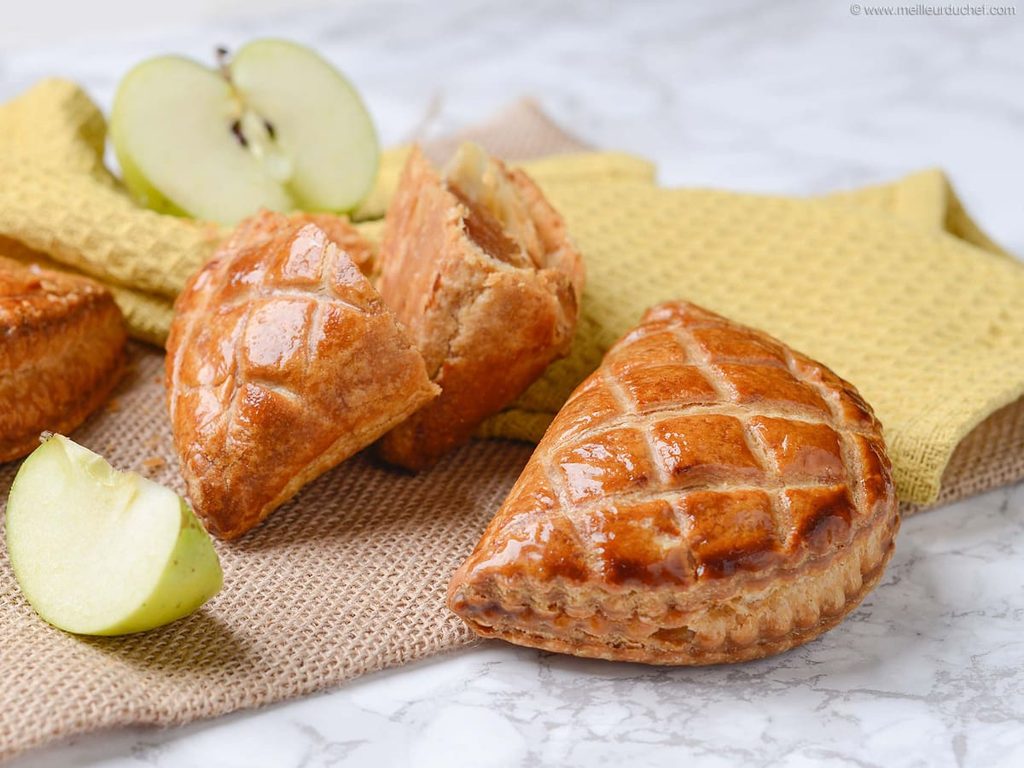
Chausson aux pommes is a folded apple turnover made from puff pastry, filled with cinnamon-spiced applesauce or chunks of cooked apple. The top is scored in a leaf pattern before baking, which helps steam escape and keeps the pastry crisp.
It’s less sweet than an American apple turnover, letting the apple flavor lead instead of sugar. Bakeries sell these alongside croissants and pains au chocolat every morning.
Warm it slightly before eating so the filling turns soft and jammy again.
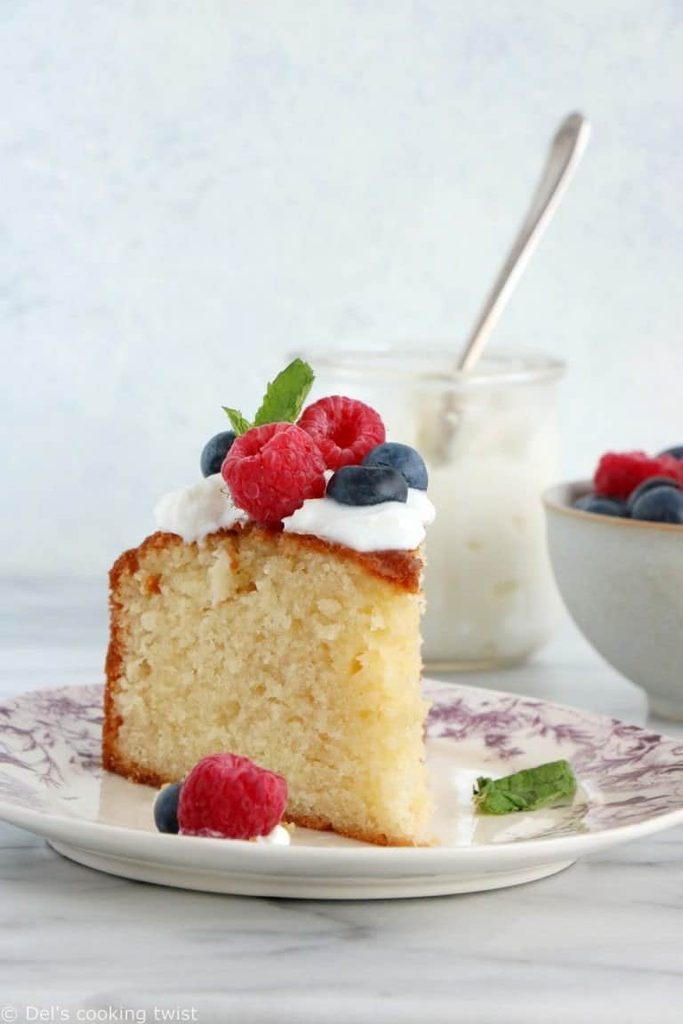
8. Yaourt Nature
Yaourt nature is plain, unsweetened yogurt, and it’s a staple in French refrigerators for breakfast and snacking alike. It’s thicker and tangier than many American yogurts, often made from whole milk.
French families spoon it straight from small glass jars, sometimes stirring in a bit of honey or sugar, sometimes eating it plain. Fruit compote on the side is common too.
It’s a light, protein-rich option on mornings when a pastry feels like too much.
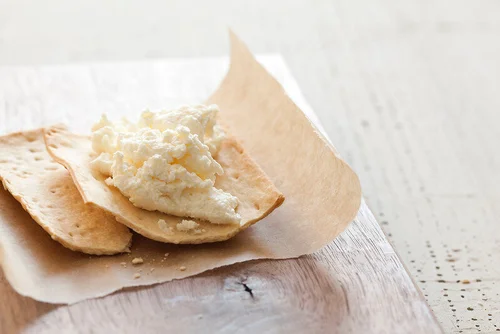
9. Fromage Blanc
Fromage blanc is a soft, spreadable fresh cheese with a tangy, slightly sour flavor close to a cross between yogurt and sour cream. It has a smooth, almost whipped texture.
At breakfast, it’s served in a bowl with a drizzle of honey, a spoonful of jam, or fresh berries on top. Some people add a little sugar and let it sit for a few minutes to soften the tang.
It’s cool and creamy, a nice contrast to a warm pastry on the same table.
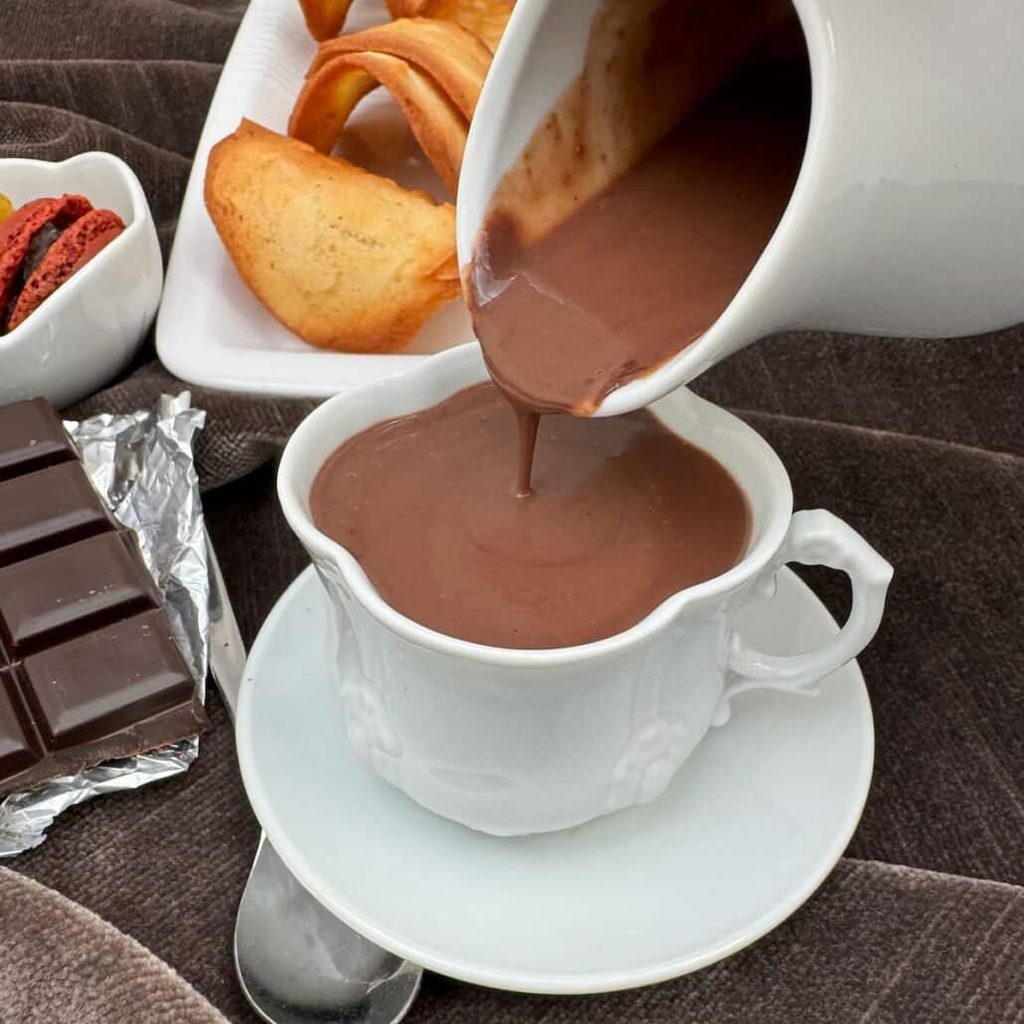
10. Chocolat Chaud
Chocolat chaud is French hot chocolate, made rich with melted dark chocolate rather than cocoa powder stirred into milk. It’s thicker and more intense than the powdered packet version most Americans grew up with.
Kids drink it from bowls just like adults drink café au lait, often dunking bread or a croissant straight into it. A pinch of salt in the chocolate deepens the flavor without making it taste salty.
It’s the go-to warm drink for anyone who skips coffee in the morning.
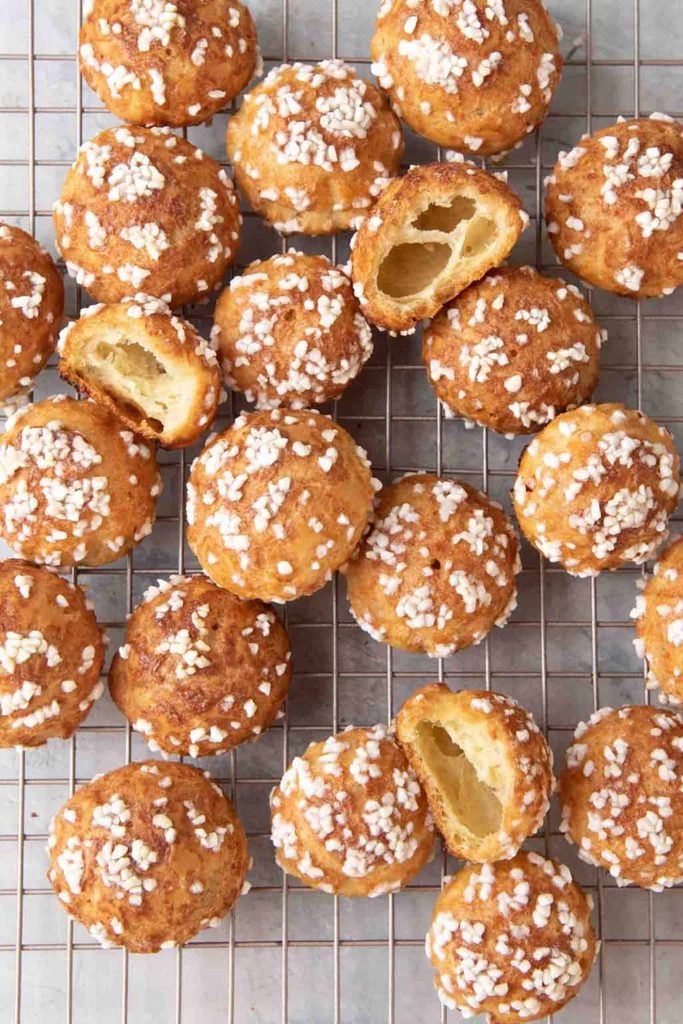
11. Chouquettes
Chouquettes are small, puffed choux pastry balls topped with pearl sugar, and they’re a popular grab-and-go bakery treat. The dough is the same base used for cream puffs, just baked without any filling.
The outside turns golden and slightly crisp, while the sugar pearls add little pockets of crunch and sweetness. They’re light enough to eat three or four in one sitting without feeling heavy.
Bakeries sell them by the bag, and they disappear fast once the bag is open.
12. Compote de Pommes
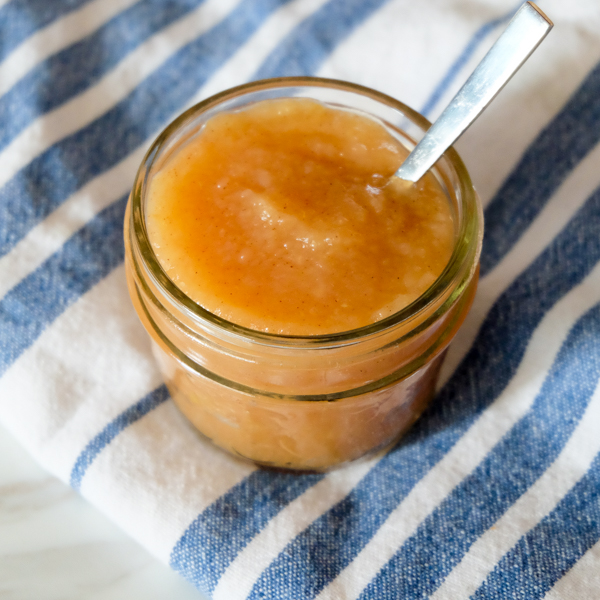
Compote de pommes is a simple stewed apple sauce, softer and chunkier than the smooth jarred applesauce found in most grocery stores. Apples get cooked down with a little sugar and sometimes a cinnamon stick or vanilla bean.
It’s spooned over yogurt, spread on bread, or eaten plain from a small bowl. Pears or other fruit sometimes get added to the pot alongside the apples.
For a homemade version, check out recipes using applesauce as a base and adjust the sweetness to taste.
13. Oeufs à la Coque
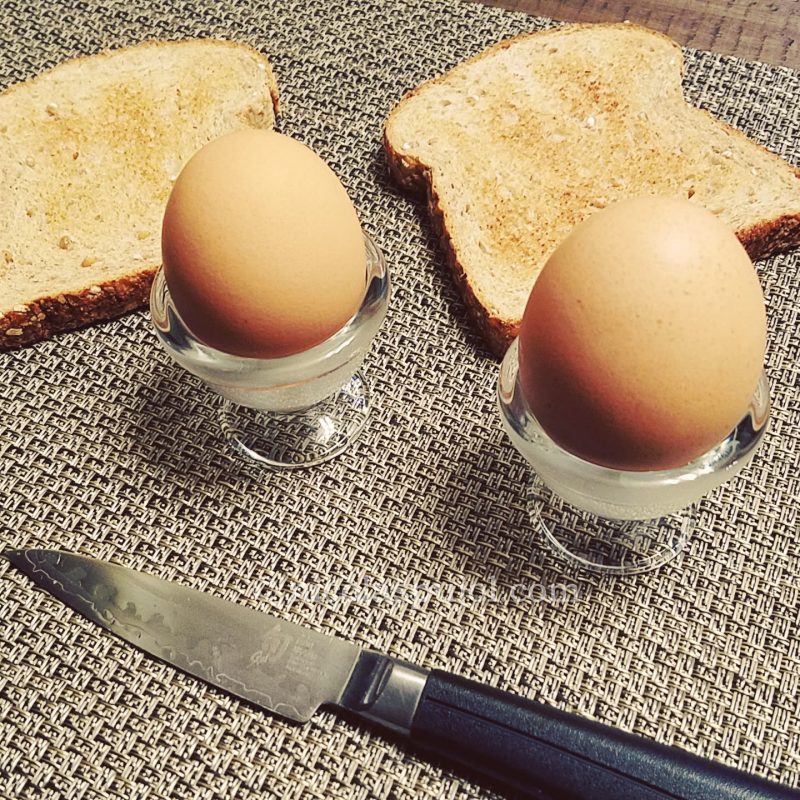
Oeufs à la coque are soft-boiled eggs served in an egg cup, with the top sliced off so you can dip toast strips (called mouillettes) straight into the runny yolk. It’s a simple, protein-forward option on busier mornings.
The eggs cook for about six minutes in simmering water, just long enough to set the white while keeping the yolk liquid. Butter-toasted baguette strips are the classic dipping partner.
It’s a quick, satisfying choice when a pastry alone won’t hold you over.
14. Crêpes
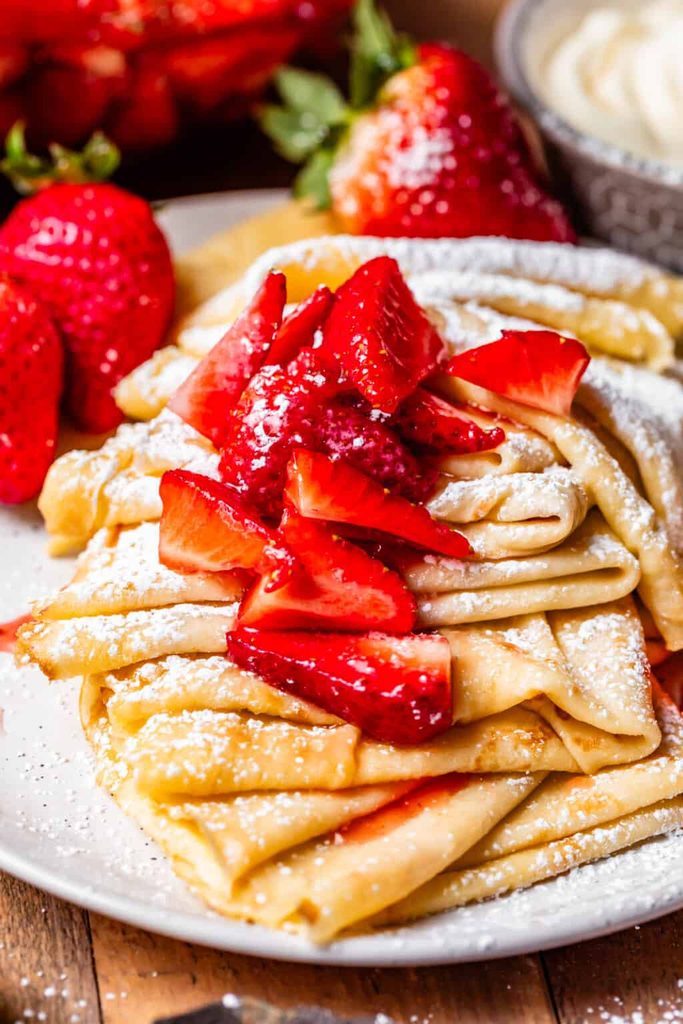
Crêpes are thin, delicate pancakes made from a batter of flour, eggs, milk, and a little melted butter, cooked in a hot pan until lightly golden. Breakfast crêpes usually come sweet, filled with sugar, jam, Nutella, or a squeeze of lemon.
Yield: 8 crêpes | Prep time: 10 minutes | Cook time: 15 minutes
Ingredients:
- 1 cup all-purpose flour
- 2 large eggs
- 1 1/4 cups whole milk
- 2 tablespoons melted butter, plus more for the pan
- 1 tablespoon sugar
- Pinch of salt
Method:
- Whisk flour, eggs, milk, melted butter, sugar, and salt until smooth.
- Let the batter rest 20 minutes.
- Heat a nonstick pan over medium heat and brush with butter.
- Pour in 1/4 cup batter, swirling to coat the pan thinly.
- Cook 1 minute per side until lightly golden.
- Fill and fold as desired.
15. Pain Perdu
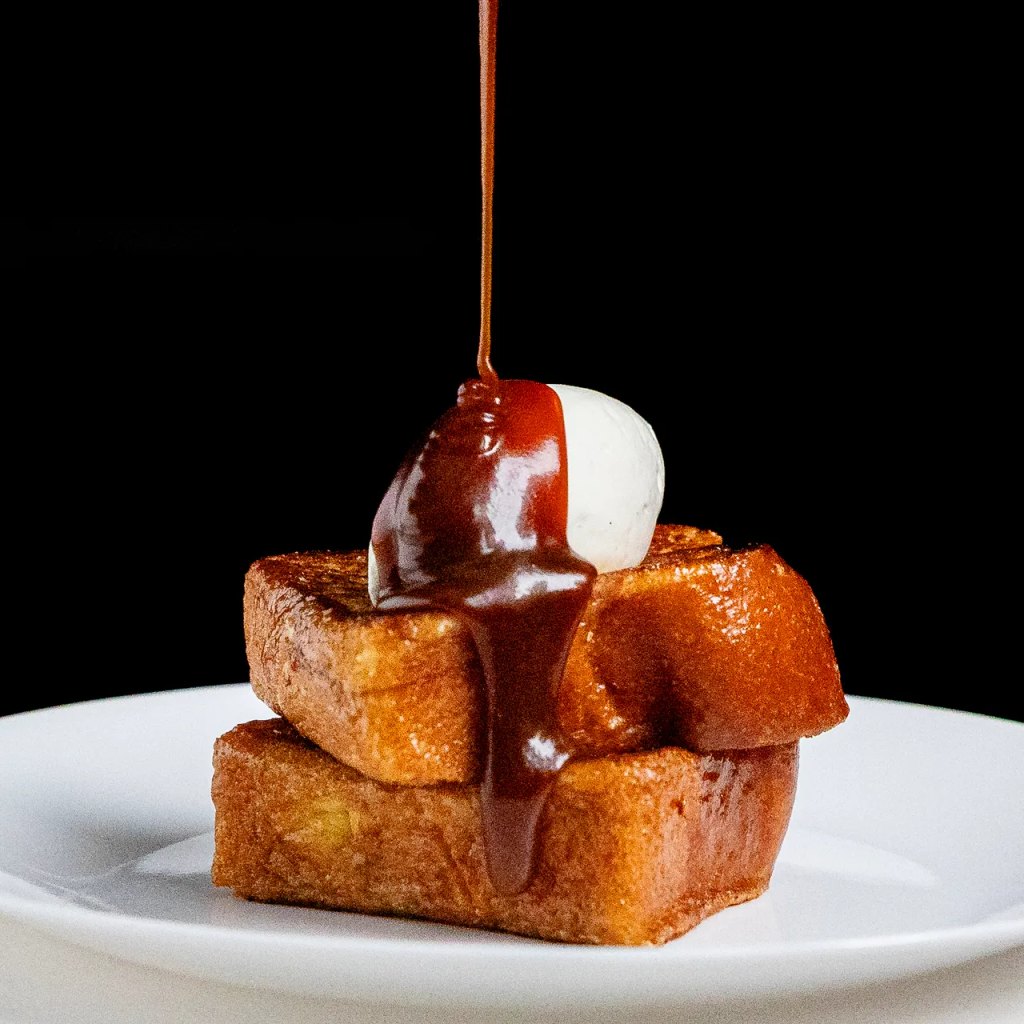
Pain perdu is French toast made from day-old bread soaked in a custard of eggs, milk, and sugar, then fried in butter until golden. The name means “lost bread,” since it was invented to use up stale baguette or brioche.
Yield: 4 servings | Prep time: 5 minutes | Cook time: 10 minutes
Ingredients:
- 4 thick slices stale brioche or baguette
- 2 large eggs
- 3/4 cup whole milk
- 2 tablespoons sugar
- 1 teaspoon vanilla extract
- 2 tablespoons butter
Method:
- Whisk eggs, milk, sugar, and vanilla in a shallow dish.
- Soak bread slices 1 minute per side.
- Melt butter in a skillet over medium heat.
- Fry slices 2-3 minutes per side until golden.
- Serve warm with powdered sugar or jam.
If you’ve got leftover bread on hand, this recipe is a great use for stale bread sitting on the counter.
16. Madeleines
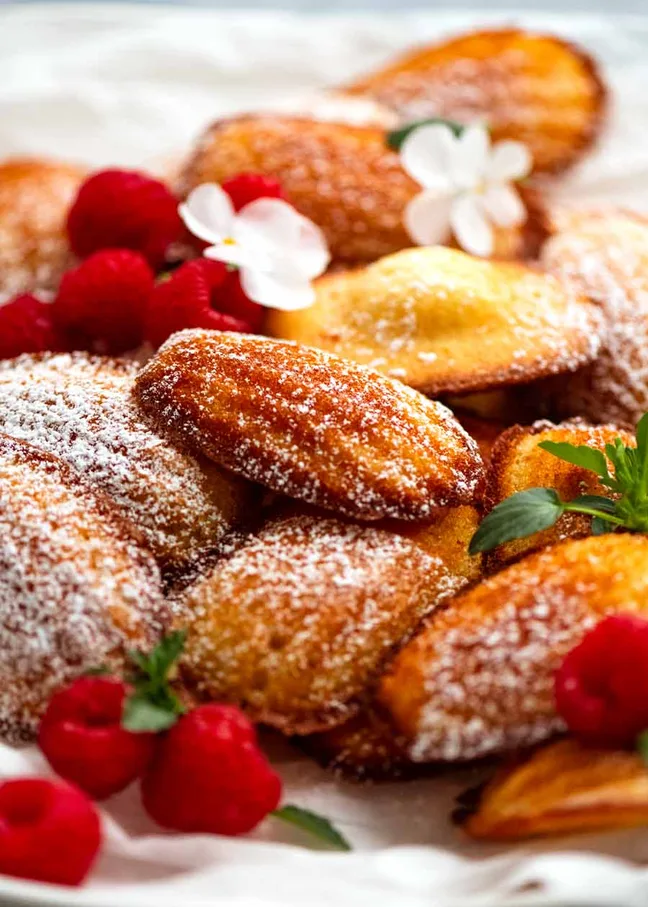
Madeleines are small, shell-shaped sponge cakes with a distinct hump on top and a buttery, slightly dense crumb. A hint of lemon or vanilla runs through the batter.
They’re baked in a special scalloped pan, which gives them their signature ridges. Fresh out of the oven, the edges turn slightly crisp while the center stays soft and cake-like.
Dunked in coffee or tea, madeleines turn soft and sweet, a favorite with both kids and grandparents.
17. Omelette aux Fines Herbes
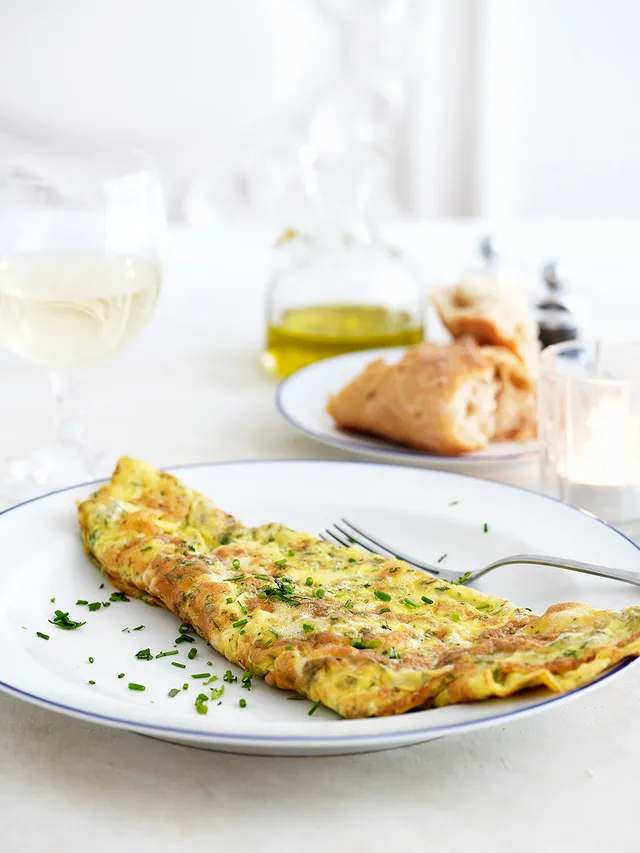
Omelette aux fines herbes is a simple folded omelet flecked with chopped parsley, chives, tarragon, and chervil. It’s cooked gently so the eggs stay soft and pale instead of browned.
Yield: 1 serving | Prep time: 5 minutes | Cook time: 3 minutes
Ingredients:
- 3 large eggs
- 1 tablespoon milk
- 1 tablespoon butter
- 1 tablespoon mixed fresh herbs, chopped
- Salt and pepper to taste
Method:
- Whisk eggs with milk, salt, and pepper.
- Melt butter in a nonstick pan over medium-low heat.
- Pour in eggs and stir gently with a fork for 30 seconds.
- Sprinkle herbs over the top.
- Fold in half once mostly set and slide onto a plate.
18. Galette Complète
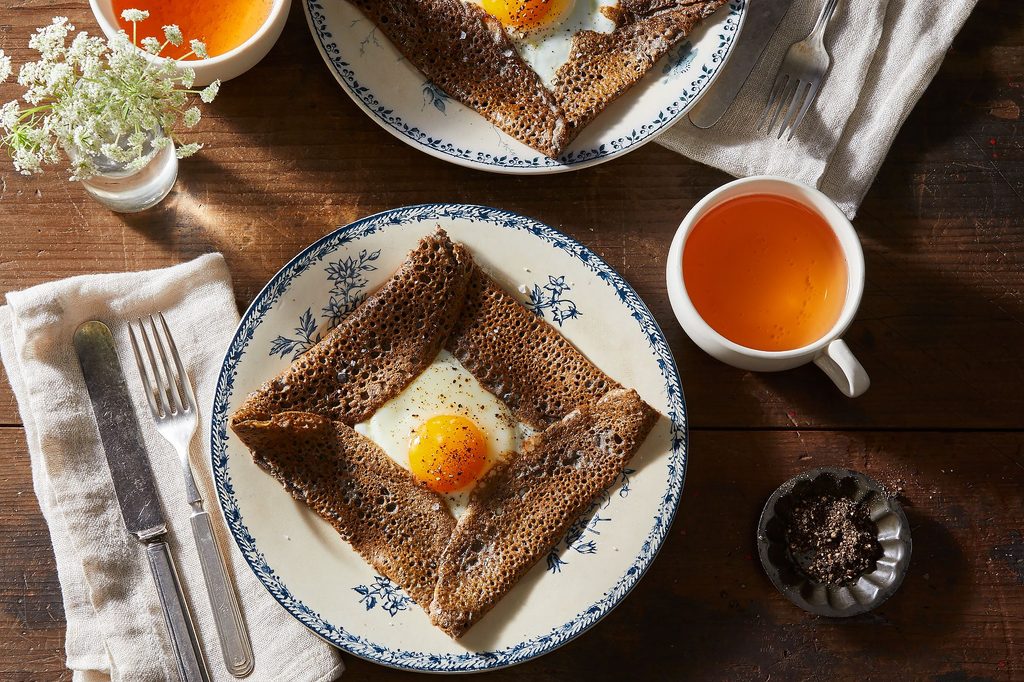
Galette complète is a savory buckwheat crêpe filled with ham, melted cheese, and a fried egg cracked right in the center. It comes from Brittany, where buckwheat crêpes are a regional specialty.
Yield: 4 galettes | Prep time: 10 minutes | Cook time: 20 minutes
Ingredients:
- 1 cup buckwheat flour
- 1 1/2 cups water
- 1 egg (for batter)
- Pinch of salt
- 4 slices ham
- 1 cup shredded Gruyère
- 4 eggs (for filling)
Method:
- Whisk buckwheat flour, water, 1 egg, and salt until smooth; rest 30 minutes.
- Pour batter into a hot, buttered pan and swirl thin.
- Add ham and cheese, crack an egg in the center.
- Cover until the egg white sets, about 3 minutes.
- Fold the edges in toward the center and serve.
19. Quiche Lorraine
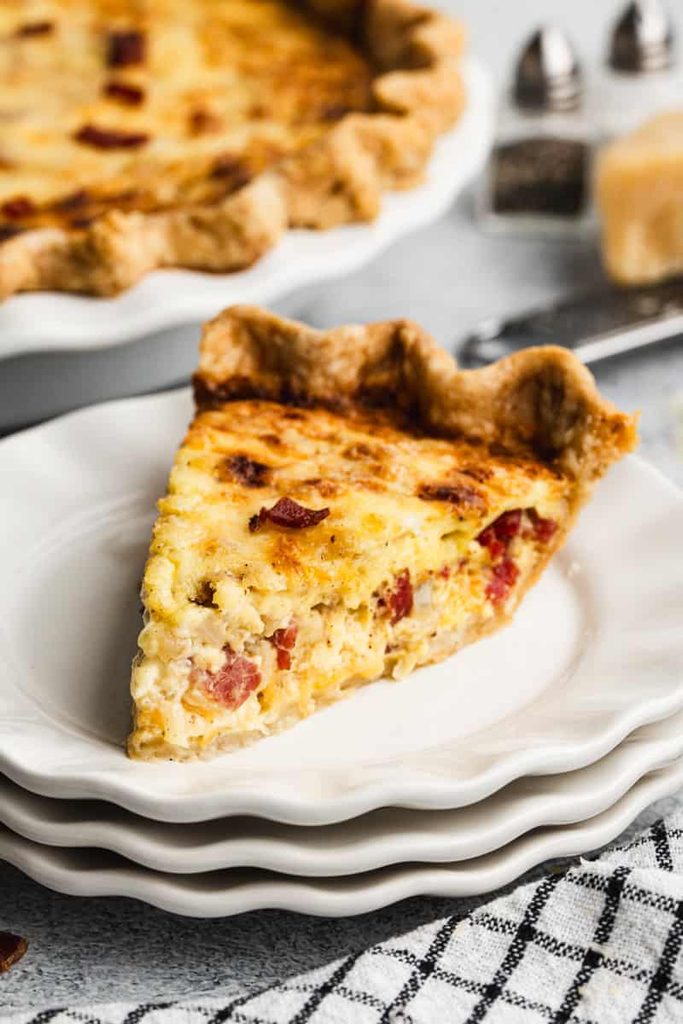
Quiche Lorraine is a savory tart filled with eggs, cream, crisp bacon, and Gruyère cheese, baked in a buttery pastry crust. It’s sturdy enough to eat with your hands, making it a popular picnic and breakfast item alike.
Yield: 8 slices | Prep time: 15 minutes | Cook time: 40 minutes
Ingredients:
- 1 pre-made pie crust (9-inch)
- 6 strips bacon, chopped
- 4 large eggs
- 1 cup heavy cream
- 1/2 cup milk
- 1 cup shredded Gruyère
- Salt, pepper, and nutmeg to taste
Method:
- Preheat oven to 375°F.
- Fit crust into a 9-inch pie pan and blind bake 10 minutes.
- Cook bacon until crisp; drain and scatter over crust.
- Whisk eggs, cream, milk, and seasonings.
- Pour over bacon, sprinkle with cheese.
- Bake 30-35 minutes until set and golden on top.
This classic sits right alongside other traditional French recipes that turn a few humble ingredients into something worth getting out of bed for.
What Makes a Typical French Breakfast?
A typical French breakfast is small, mostly carb-based, and built around coffee. Bread, pastries, and a hot drink make up most mornings, with cheese or yogurt added when someone wants more substance.
Portions stay modest. One croissant or a couple of tartines, plus a bowl of café au lait, is a normal amount, not a starter course before a bigger meal.
Savory dishes like quiche or omelets show up more on weekends or at brunch, when there’s time to cook. Weekday mornings lean on whatever the bakery has fresh that day.
Compare the basics side by side:
| Food | Type | Prep Time | Sweet or Savory |
|---|---|---|---|
| Croissant | Pastry | Bakery-bought | Sweet |
| Tartine | Bread | 2 minutes | Sweet |
| Pain au Chocolat | Pastry | Bakery-bought | Sweet |
| Café au Lait | Drink | 5 minutes | N/A |
| Brioche | Bread | Bakery-bought | Sweet |
| Pain aux Raisins | Pastry | Bakery-bought | Sweet |
| Chausson aux Pommes | Pastry | Bakery-bought | Sweet |
| Yaourt Nature | Dairy | Ready to eat | Neutral |
| Fromage Blanc | Dairy | Ready to eat | Neutral |
| Chocolat Chaud | Drink | 10 minutes | Sweet |
| Chouquettes | Pastry | Bakery-bought | Sweet |
| Compote de Pommes | Fruit | 20 minutes | Sweet |
| Oeufs à la Coque | Eggs | 6 minutes | Savory |
| Crêpes | Pancake | 25 minutes | Sweet |
| Pain Perdu | Bread | 15 minutes | Sweet |
| Madeleines | Cake | Baked ahead | Sweet |
| Omelette aux Fines Herbes | Eggs | 8 minutes | Savory |
| Galette Complète | Savory crêpe | 30 minutes | Savory |
| Quiche Lorraine | Tart | 55 minutes | Savory |
How to Put Together a French Breakfast at Home
Start with one good bread item and one hot drink; that combination alone covers most French mornings. A tartine with butter and jam next to a bowl of café au lait is the simplest, most authentic place to begin.
Add a dairy element a few times a week. Fromage blanc with honey or plain yogurt with fruit rounds out the meal without turning it into a production.
Save the savory dishes, quiche, galettes, or soft-boiled eggs, for weekends when there’s time to cook and a bigger appetite to fill. These work well for a slower brunch with family or friends.
Keep a few bakery staples on hand if there’s a good French bakery nearby. Croissants and pains au chocolat lose their flakiness within a day, so buy them the morning you plan to eat them.
For a full spread, borrow from other brunch-friendly dishes too. A spread inspired by French tradition pairs naturally with other brunch recipes if you’re hosting a bigger group, and a French-style coffee drink or two rounds out the table nicely.