A good Korean meal isn’t really about the main dish. It’s about the crowd of little plates surrounding it, each one bringing its own crunch, tang, or savory punch. That spread of small plates is called banchan, and it’s the backbone of Korean dining at home and in restaurants alike.
If you’ve ever sat down at a Korean restaurant and wondered how to recreate that table full of color and flavor, you’re in the right place. Crisp cucumbers, briny anchovies, silky tofu, sweet-salty beef: Korean side dishes cover every texture and taste you could want, and most of them keep well in the fridge for days.
The best Korean side dishes to start with are baechu kimchi, sigeumchi namul, and kongnamul muchim, since they cover the three pillars of banchan: fermented, cooked greens, and seasoned vegetables. From there, you can branch into braised, stir-fried, and pickled options to round out a full table.
Quick picks:
- Best for beginners: Oi Muchim, a spicy cucumber salad ready in 15 minutes
- Best make-ahead staple: Jangjorim, soy-braised beef that lasts over a week
- Best for kimchi lovers: Kkakdugi, cubed radish kimchi with a satisfying crunch
- Best protein-packed pick: Gyeran Jjim, a fluffy steamed egg dish everyone loves
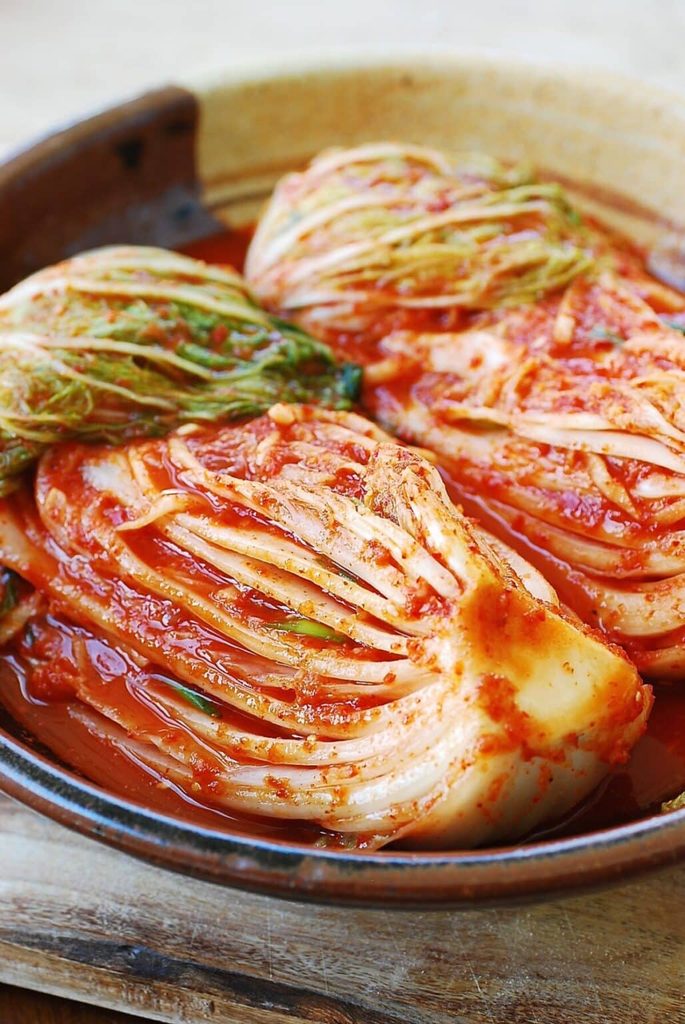
1. Baechu Kimchi (Napa Cabbage Kimchi)
Baechu kimchi is the side dish most people picture when they think of Korean food, and for good reason. It’s tangy, spicy, and deeply savory, made by salting napa cabbage then coating it in a paste of gochugaru, garlic, ginger, and fish sauce. Fresh kimchi tastes bright and crunchy; after a few days of fermenting on the counter, it turns sour and complex. Keep a jar going in your fridge and you’ll always have something to serve, whether it’s straight from the jar or stir-fried into fried rice.
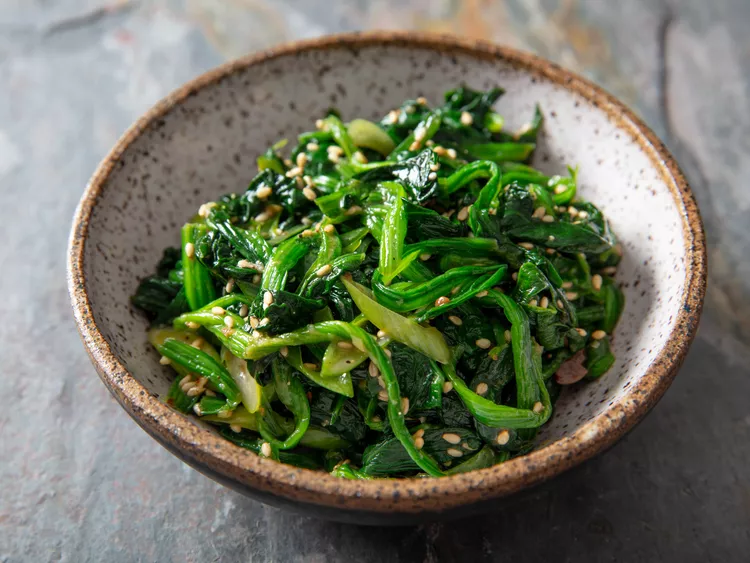
2. Sigeumchi Namul (Seasoned Spinach)
Sigeumchi namul is blanched spinach tossed with sesame oil, garlic, and a pinch of salt. It takes less than 10 minutes to make and tastes grassy, nutty, and faintly sweet. This dish shows up at nearly every Korean table because it’s simple and balances out richer, spicier dishes. Squeeze the spinach dry after blanching so the seasoning clings instead of pooling at the bottom of the bowl. For more ways to use this leafy green, check out these spinach recipes.
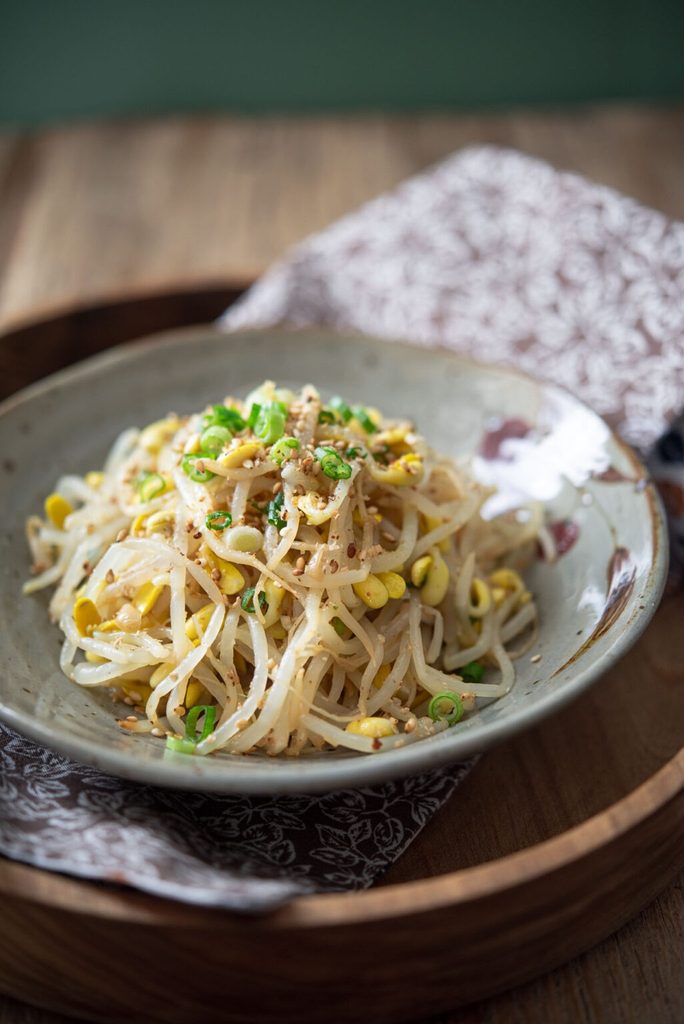
3. Kongnamul Muchim (Seasoned Soybean Sprouts)
Kongnamul muchim brings a snappy crunch that’s hard to resist. Soybean sprouts get boiled briefly, then mixed with sesame oil, garlic, and scallions for a clean, nutty flavor. The trick is not overcooking the sprouts; they should still have bite. This banchan is mild enough to pair with spicy mains like kimchi jjigae, and it’s a common addition to bibimbap bowls. It keeps well in the fridge for about five days without losing its crunch.
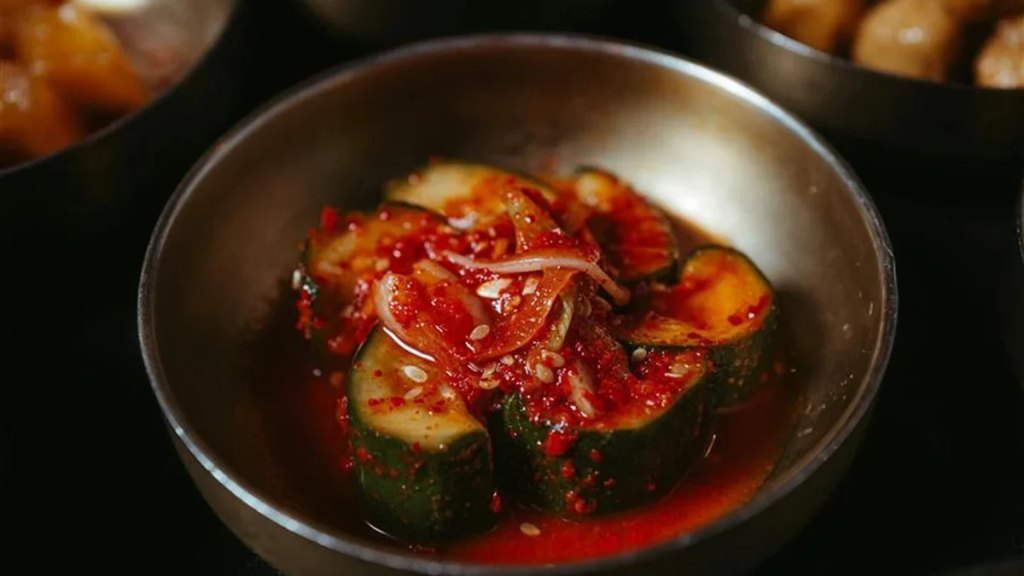
4. Oi Muchim (Spicy Cucumber Salad)
Oi Muchim is a quick-pickled cucumber salad with a spicy, tangy kick from gochugaru and vinegar. Sliced cucumbers get salted briefly to draw out extra water, keeping the salad crisp instead of soggy. Garlic, sugar, and sesame seeds round out the flavor. It’s ready in 15 minutes and tastes best eaten the same day, while the cucumbers are still crunchy. If cucumbers are your thing, browse more cucumber salad recipes for similar crisp, refreshing ideas.
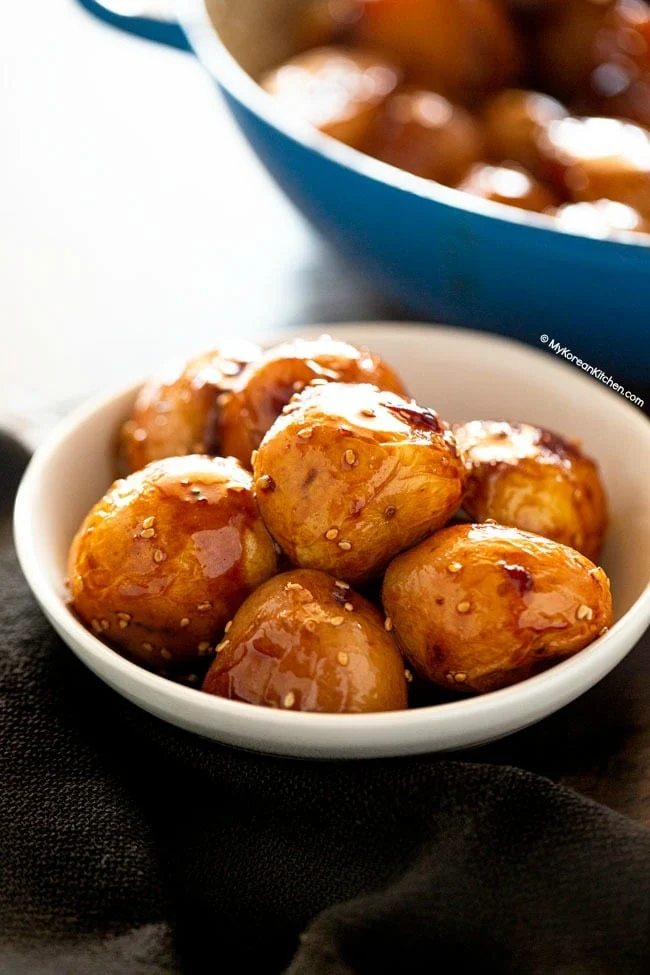
5. Gamja Jorim (Soy-Braised Potatoes)
Gamja jorim turns humble potatoes into something glossy and sweet-salty. Small chunks simmer in soy sauce, sugar, and a touch of corn syrup until the liquid reduces into a sticky glaze. The potatoes turn tender but hold their shape, with caramelized edges that taste almost candy-like. This one’s a favorite for kids and picky eaters since it’s mild compared to spicier banchan. Make a big batch; it reheats well and tastes even better the next day.
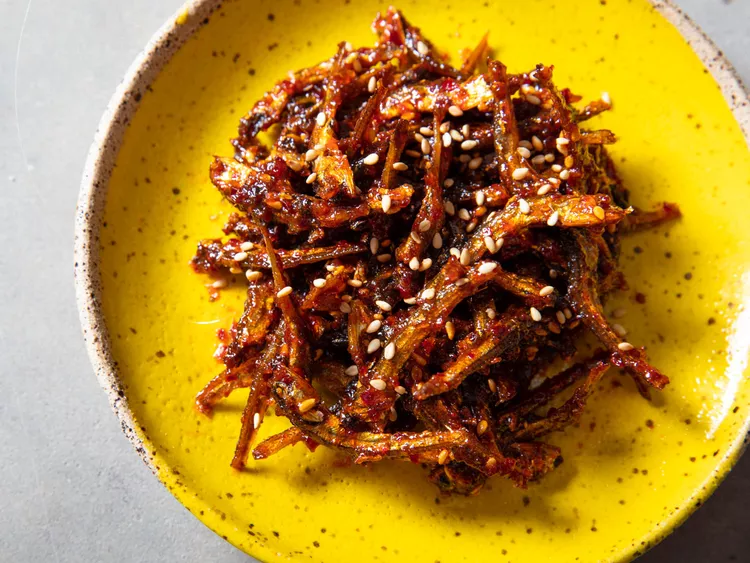
6. Myeolchi Bokkeum (Stir-Fried Anchovies)
Myeolchi bokkeum is a salty, slightly sweet stir-fry made with tiny dried anchovies. The anchovies get tossed in a hot pan with soy sauce, sugar, and a splash of rice syrup until glossy and just crisp. It sounds intense for newcomers, but the flavor is more savory than fishy, closer to a salty candy. This dish lasts for weeks in the fridge, making it one of the most practical banchan to always have on hand.

7. Gyeran Mari (Rolled Omelet)
Gyeran mari is a rolled omelet often studded with finely chopped carrots, scallions, or seaweed. Beaten eggs cook in thin layers, each one rolled onto the last until you get a tight, colorful log. Slice it into pinwheels for a pretty presentation that works for lunchboxes or dinner tables. It’s soft, savory, and a little sweet depending on the seasoning. For more variations on this technique, take a look at these omelet recipes.
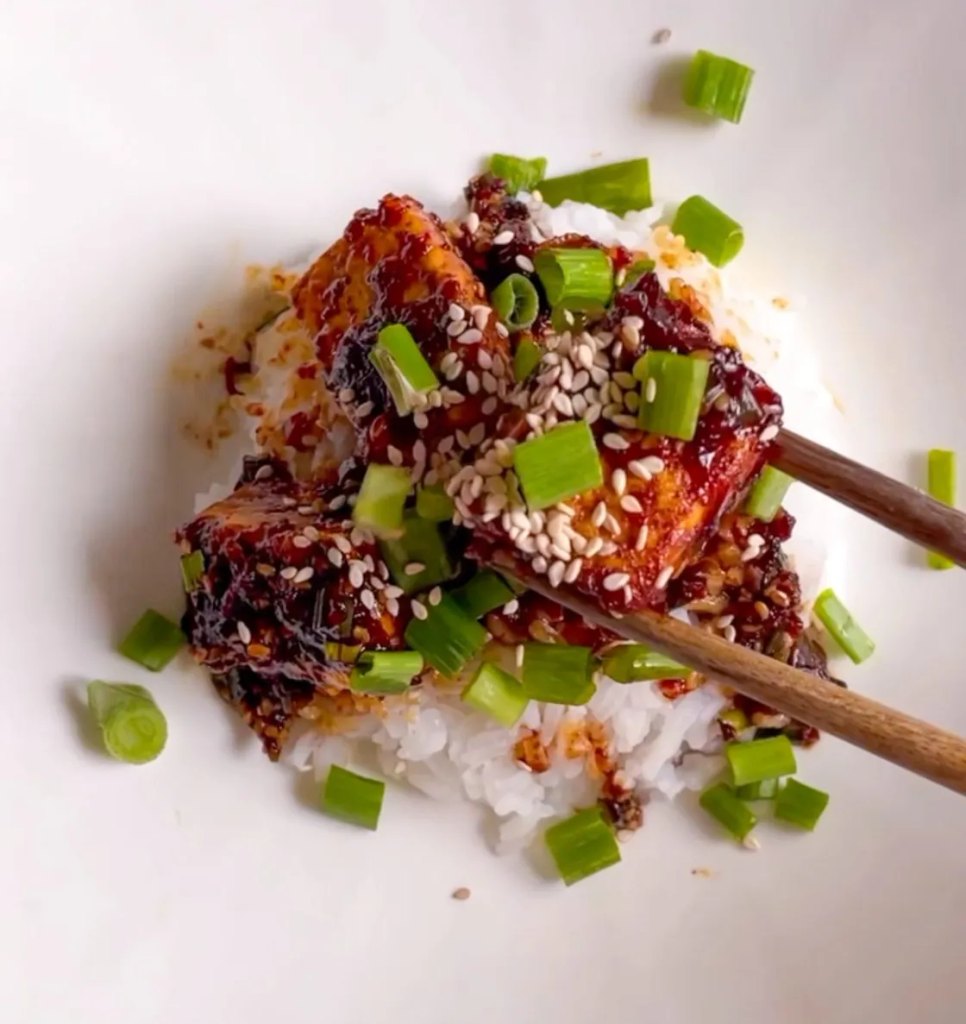
8. Dubu Jorim (Braised Tofu)
Dubu jorim features firm tofu pan-fried until golden, then simmered in a soy-based sauce with garlic, scallions, and a touch of chili flakes. The outside turns slightly chewy while the inside stays creamy. This banchan has a deep, savory flavor that pairs well with plain steamed rice. It’s a good protein-rich option for vegetarian meals, and the sauce soaks into the tofu better the longer it sits, so leftovers taste even richer the next day.
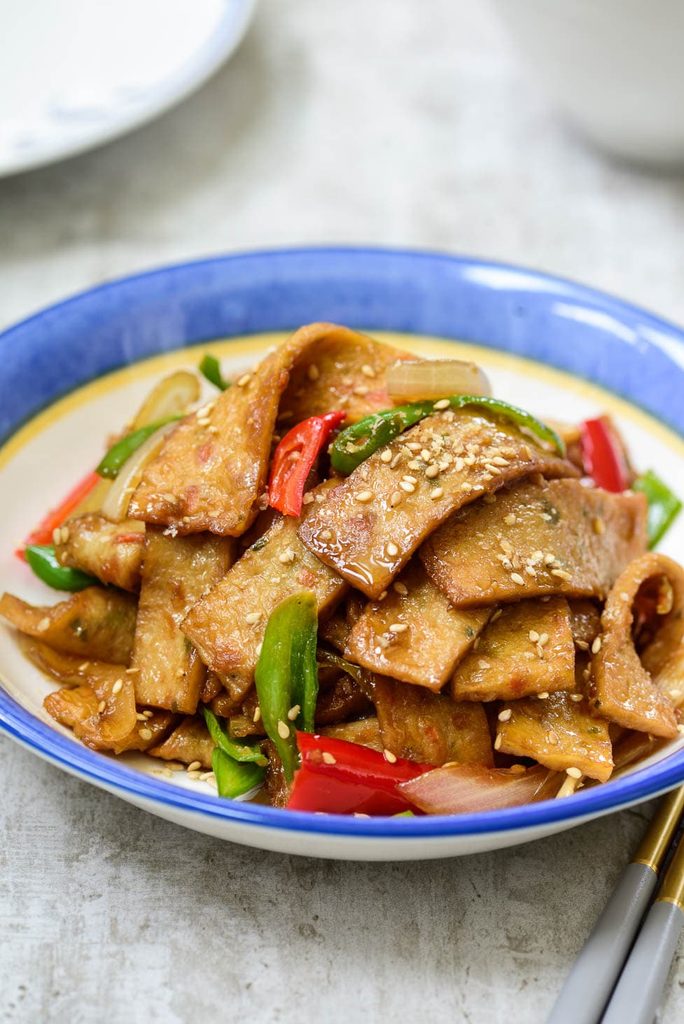
9. Eomuk Bokkeum (Stir-Fried Fish Cakes)
Eomuk bokkeum uses Korean fish cakes sliced into strips and stir-fried with soy sauce, garlic, and a little sugar for a glossy, savory glaze. The fish cakes turn slightly chewy and soak up the sauce fast. Onions and carrots add color and a bit of sweetness. This dish comes together in about 15 minutes, making it one of the quicker banchan to throw together on a busy weeknight when you still want a full table.
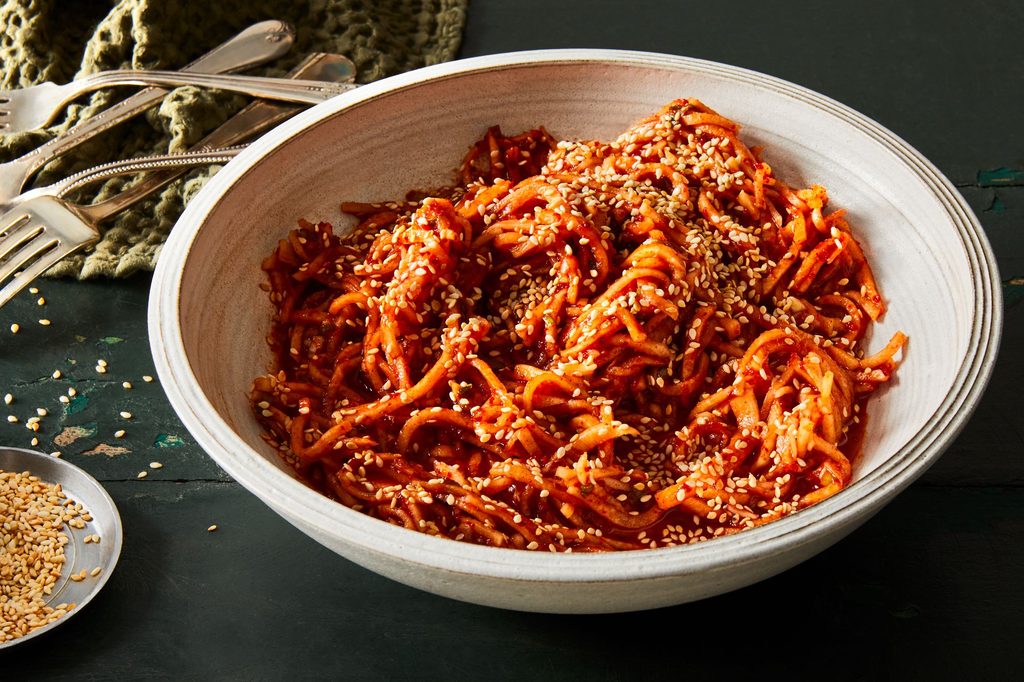
10. Musaengchae (Spicy Radish Salad)
Musaengchae is a crunchy, vinegary radish salad with a spicy gochugaru kick. Julienned Korean radish gets tossed with vinegar, sugar, garlic, and chili flakes, giving it a sharp, refreshing bite. It’s often served alongside fatty, grilled meats since the acidity cuts through richness so well. This one doesn’t need cooking at all, just slicing and mixing, then a short rest in the fridge so the flavors meld before serving.
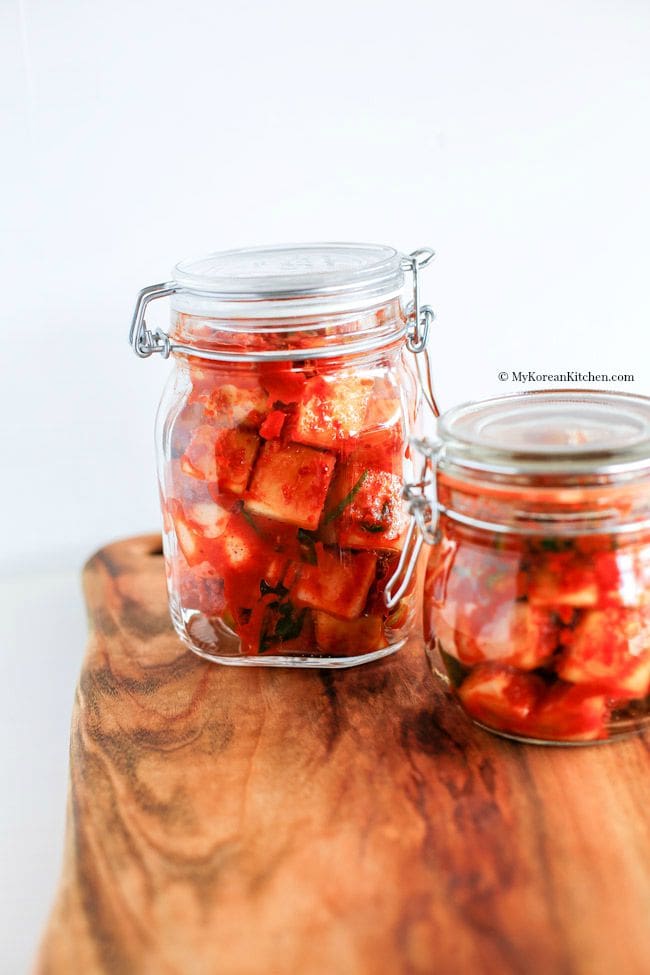
11. Kkakdugi (Cubed Radish Kimchi)
Kkakdugi is cubed radish kimchi, fermented with the same gochugaru-garlic paste used for napa cabbage kimchi. The radish stays satisfyingly crunchy even after fermenting, with a flavor that’s sweet, spicy, and tangy all at once. It’s a classic partner for gamjatang and other hearty soups. Let it ferment on the counter for a day or two before moving it to the fridge, where it keeps improving in flavor for weeks.
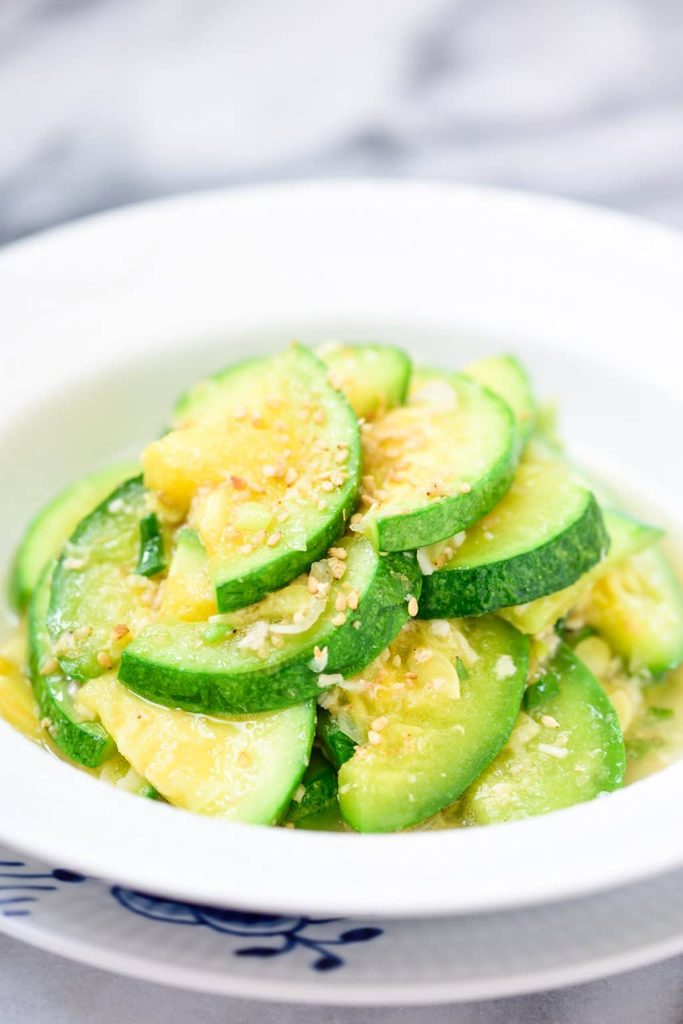
12. Hobak Bokkeum (Stir-Fried Korean Zucchini)
Hobak bokkeum is a simple stir-fry using Korean zucchini (hobak), which is sweeter and softer than the zucchini found in most grocery stores. Sliced into half-moons, it cooks quickly with garlic, a little salted shrimp or soy sauce, and sesame oil. The result is tender, lightly savory, and slightly sweet. This banchan cooks fast, so keep the heat high and don’t walk away from the pan for long.
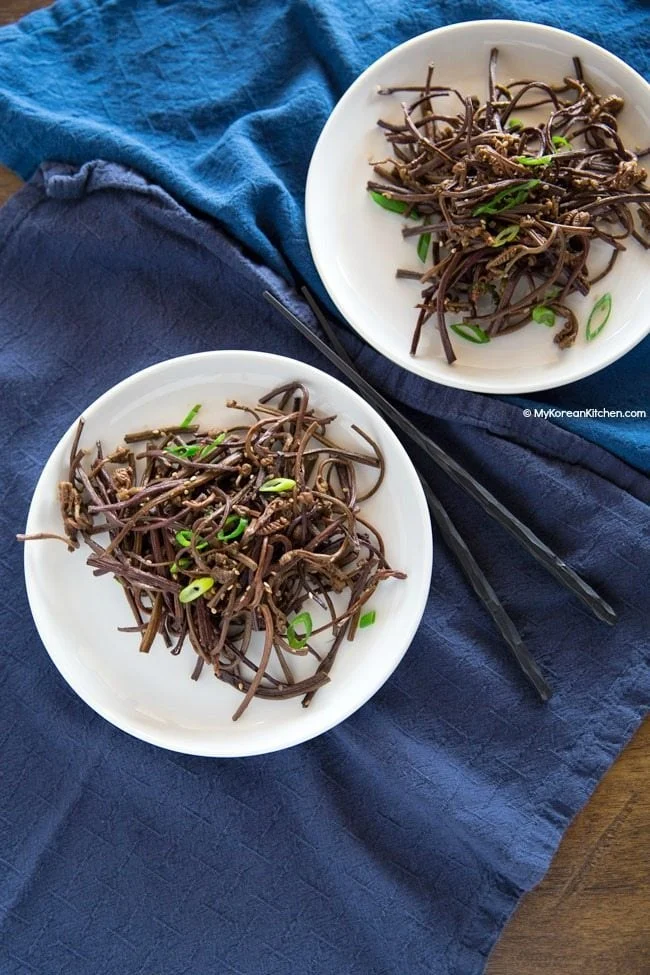
13. Gosari Namul (Seasoned Fernbrake)
Gosari namul uses dried fernbrake (bracken fern) that’s been soaked and boiled until tender, then stir-fried with soy sauce, garlic, and sesame oil. It has an earthy, slightly chewy texture unlike most other banchan on this list. This dish shows up often in bibimbap and at ancestral memorial tables. Dried fernbrake needs soaking overnight, so plan ahead if you want to make this one from scratch.
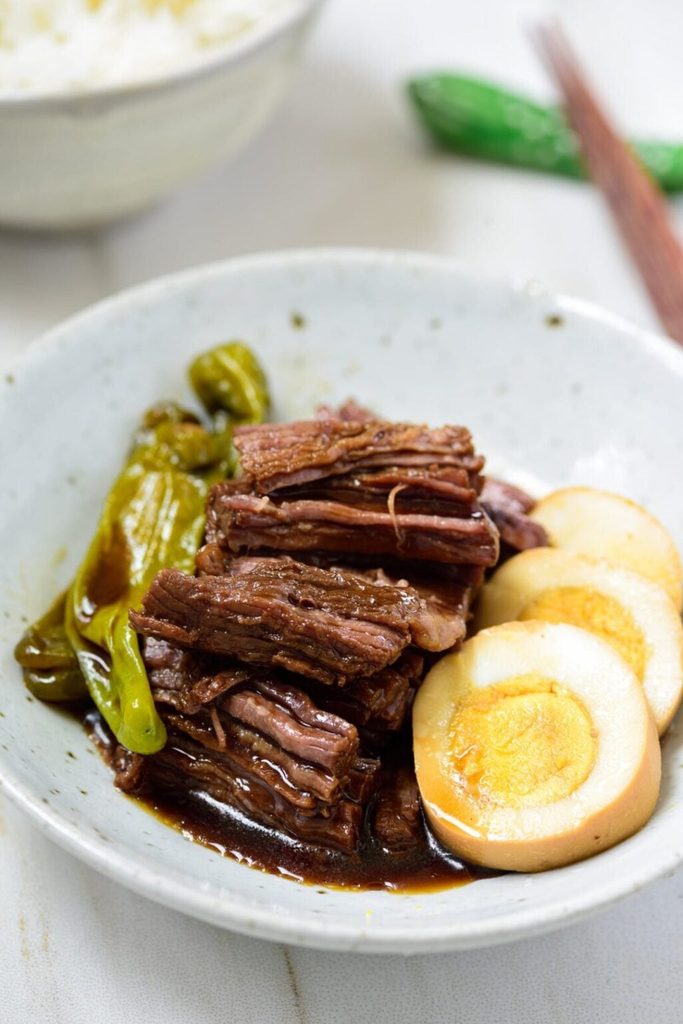
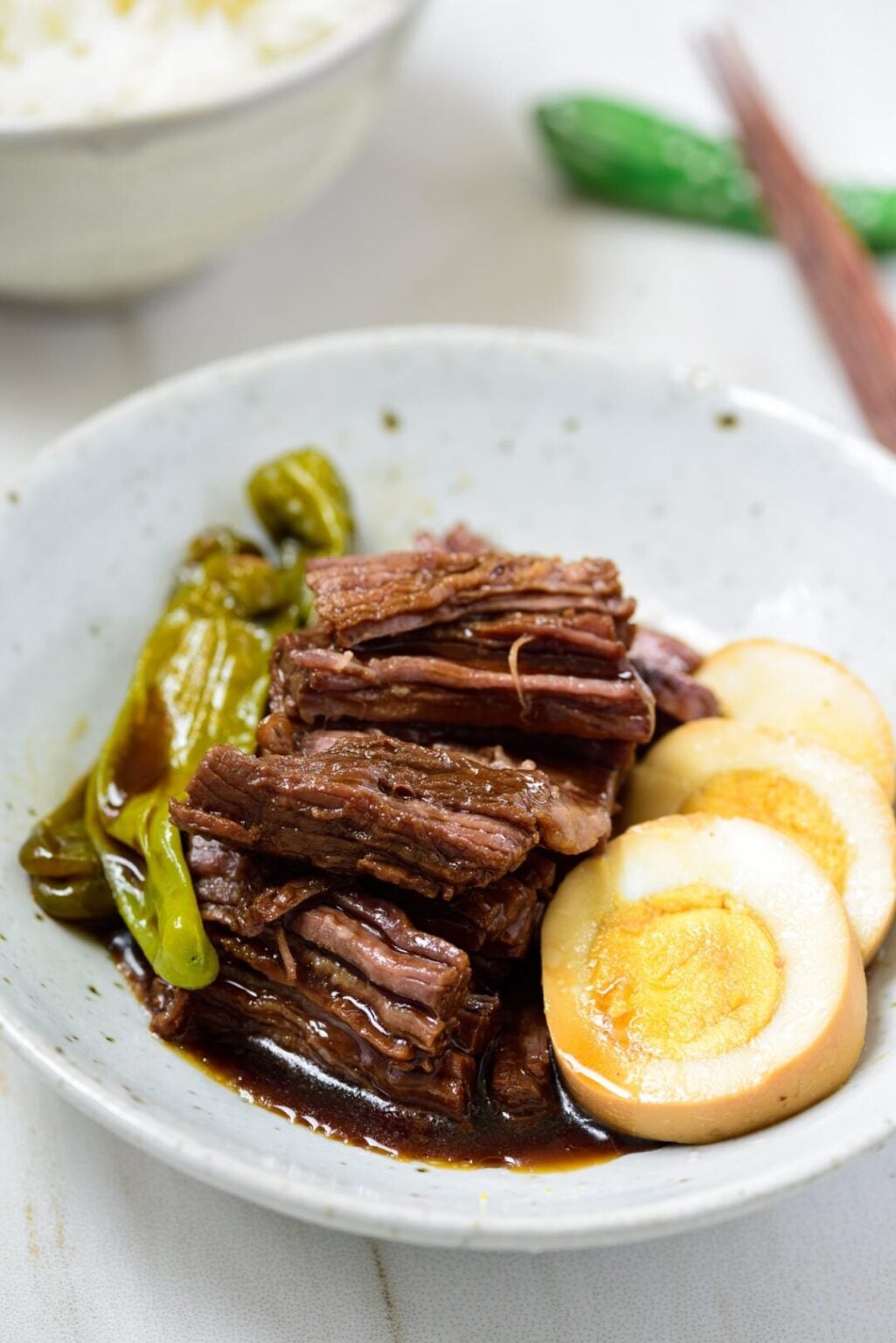
14. Jangjorim (Soy-Braised Beef)
Jangjorim is shredded beef simmered low and slow in soy sauce, garlic, and peppercorns until deeply savory and tender. Boiled eggs often join the pot, soaking up the same salty-sweet braising liquid. This dish keeps for over a week in the fridge, making it a reliable protein to have ready at all times. Shred it finely and serve it cold or at room temperature over warm rice for an easy, filling meal.
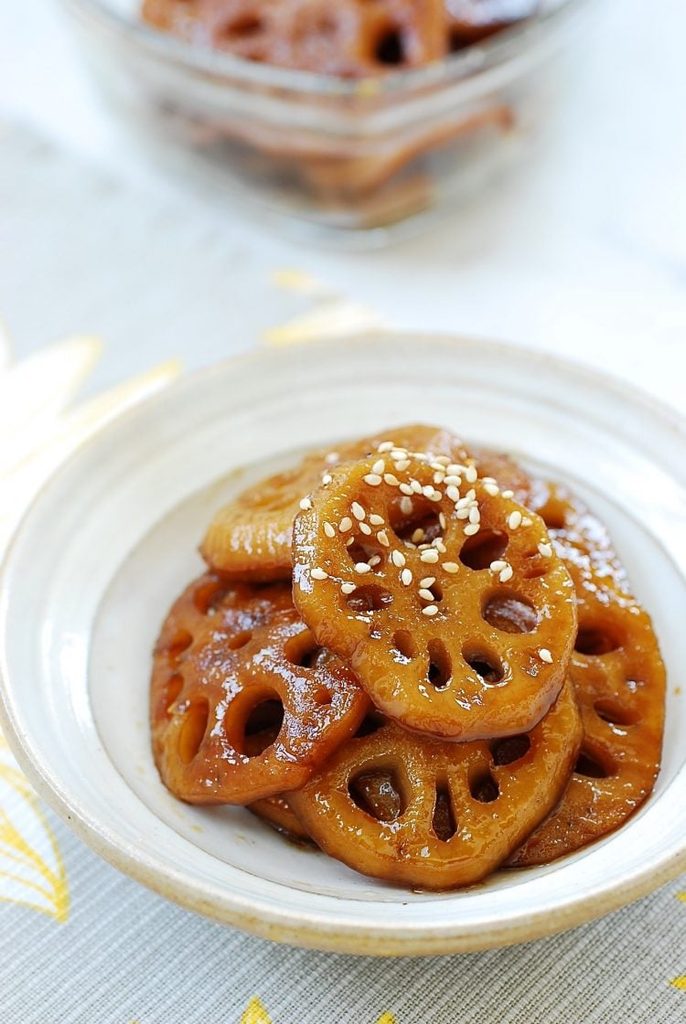
15. Yeongeun Jorim (Braised Lotus Root)
Yeongeun jorim transforms lotus root into a glossy, sweet-savory side dish. Thin slices simmer in soy sauce, sugar, and a bit of corn syrup until they turn a deep amber color and develop a slightly sticky glaze. The texture stays pleasantly crunchy, almost like a root vegetable chip that’s been candied. This banchan looks striking on the table thanks to the lotus root’s natural lacy holes, and it keeps well for about a week refrigerated.
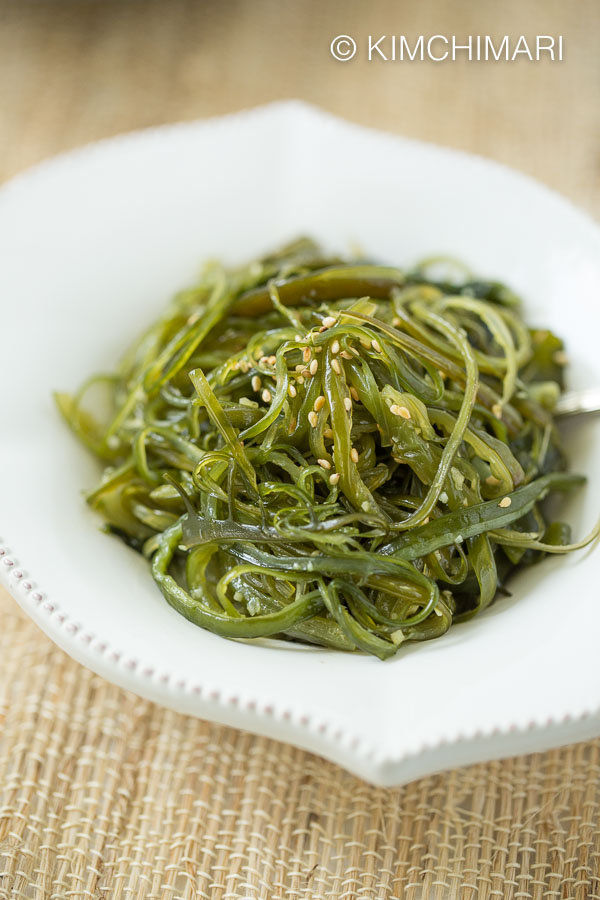
16. Miyeok Julgi Bokkeum (Stir-Fried Seaweed Stems)
Miyeok julgi bokkeum stir-fries the chewy stems of seaweed with garlic, soy sauce, and sesame oil for a briny, slightly crunchy side. It has a distinct ocean flavor that fans of seaweed soup will recognize instantly. The stems need a quick soak to soften before cooking. This dish is less common outside Korean households, but it’s worth seeking out at Korean grocery stores for something different from typical vegetable banchan.
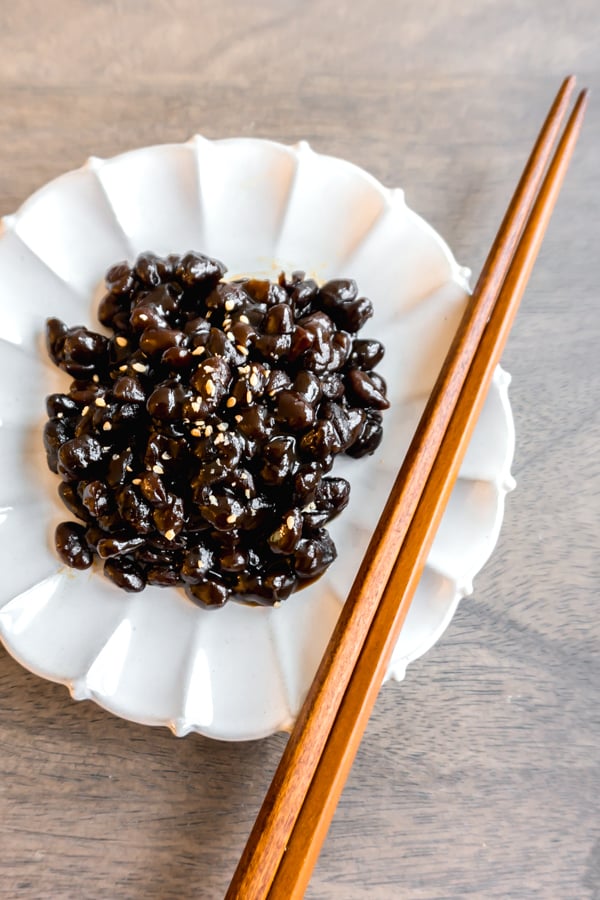
17. Kongjaban (Soy-Braised Black Beans)
Kongjaban is small black soybeans simmered in soy sauce, sugar, and a touch of corn syrup until glossy and chewy. It’s sweet, salty, and slightly sticky, almost like a savory candy. This banchan is a lunchbox classic in Korea because it holds up well without refrigeration for a few hours. Sprinkle toasted sesame seeds on top before serving for extra nuttiness and a bit of crunch against the soft beans.
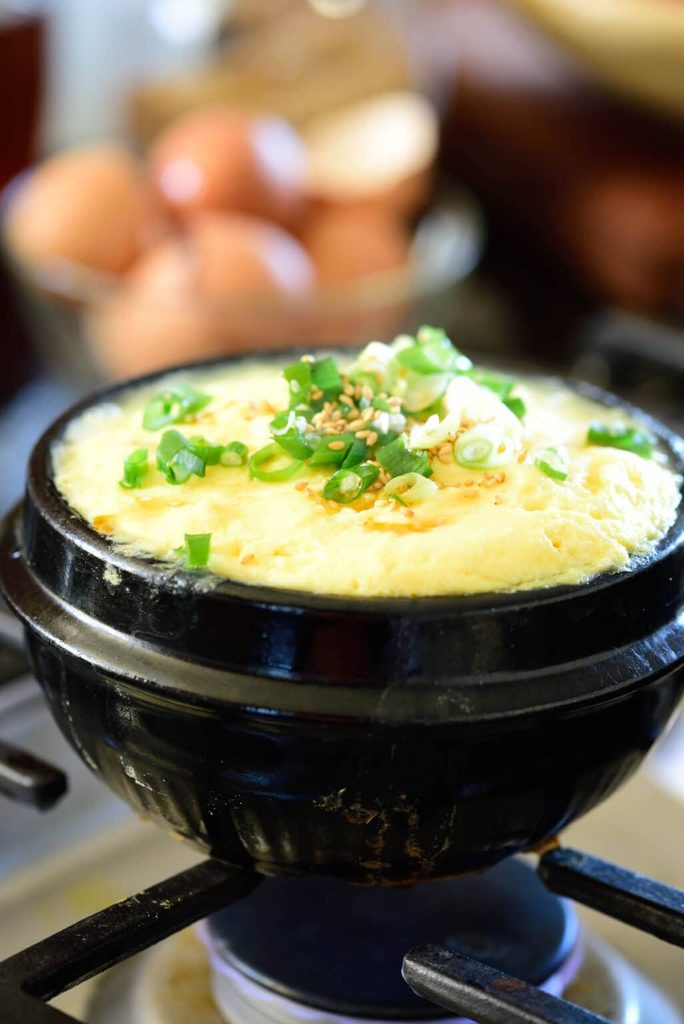
18. Gyeran Jjim (Steamed Eggs)
Gyeran Jjim is a fluffy, savory steamed egg custard, light and a little jiggly, almost like a savory pudding. Beaten eggs mix with water or broth, then steam or simmer gently until just set. Some versions add chopped scallions or shrimp for extra flavor. It’s gentle enough for kids and a comforting match for spicy mains. For more ways to cook with eggs, browse these egg recipes for inspiration.
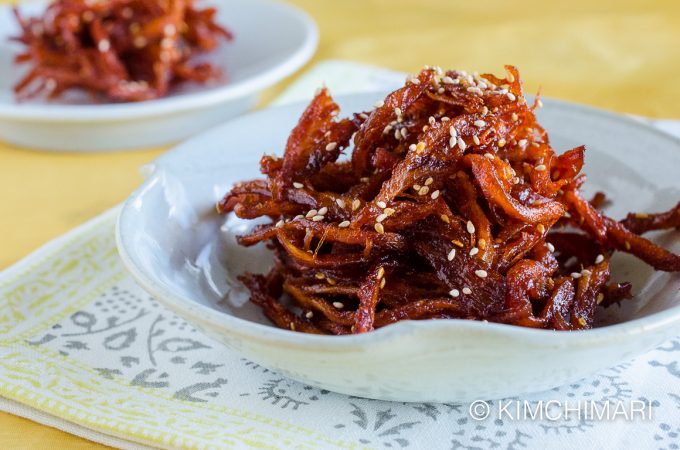
19. Ojingeochae Muchim (Seasoned Dried Squid)
Ojingeochae Muchim uses shredded dried squid tossed in a sweet, spicy gochujang-based sauce with garlic and sesame oil. The squid stays chewy, almost jerky-like, while the sauce adds a sticky sweetness and a slow-building heat. This banchan pairs especially well with beer, and it’s a common snack beyond the dinner table. Store it in an airtight container; it keeps for weeks since the squid is already dried.
How to Build a Balanced Banchan Spread
A good banchan spread mixes textures and temperatures so no two dishes feel repetitive. Aim for at least one fermented item like baechu kimchi or kkakdugi, one cooked green like sigeumchi namul, and one protein-based dish like jangjorim or dubu jorim.
Balance spice levels across the table too. If your main dish is already fiery, lean on milder sides like gamja jorim or gyeran jjim to give your palate a break between bites.
| Side Dish | Flavor Profile | Prep Time | Fridge Life |
|---|---|---|---|
| Baechu Kimchi | Tangy, spicy | 45 min + ferment | 2-3 weeks |
| Sigeumchi Namul | Nutty, mild | 10 min | 3-4 days |
| Kongnamul Muchim | Crunchy, clean | 15 min | 5 days |
| Oi Muchim | Spicy, tangy | 15 min | 1-2 days |
| Gamja Jorim | Sweet, savory | 30 min | 1 week |
| Myeolchi Bokkeum | Salty, sweet | 15 min | 3-4 weeks |
| Gyeran Mari | Soft, savory | 15 min | 2-3 days |
| Dubu Jorim | Savory, spicy | 25 min | 4-5 days |
| Eomuk Bokkeum | Savory, glossy | 15 min | 3-4 days |
| Musaengchae | Spicy, tangy | 10 min | 3-4 days |
| Kkakdugi | Sweet, spicy, tangy | 30 min + ferment | 3-4 weeks |
| Hobak Bokkeum | Sweet, mild | 10 min | 2-3 days |
| Gosari Namul | Earthy, chewy | 20 min + soak | 4-5 days |
| Jangjorim | Salty, savory | 1 hour | 1-2 weeks |
| Yeongeun Jorim | Sweet, crunchy | 30 min | 1 week |
| Miyeok Julgi Bokkeum | Briny, chewy | 20 min | 3-4 days |
| Kongjaban | Sweet, sticky | 25 min | 2 weeks |
| Gyeran Jjim | Soft, savory | 15 min | 1-2 days |
| Ojingeochae Muchim | Sweet, spicy, chewy | 15 min | 2-3 weeks |
Serve everything in small bowls rather than one large plate. It keeps flavors from mixing and lets everyone pick what they want, the way banchan is meant to be eaten. For more full-table ideas, this collection of Korean side dishes offers more inspiration for rounding things out.
Make-Ahead and Storage Tips
Most banchan actually taste better after a day or two in the fridge, since the flavors have time to settle into the ingredients. Braised and pickled dishes like jangjorim, kkakdugi, and gamja jorim hold up especially well for make-ahead meals.
Store each side dish in its own airtight container instead of combining them. Mixing wet and dry banchan in one container speeds up spoilage and muddies the flavors.
Fermented dishes like baechu kimchi need a container with some breathing room, since gases build up as fermentation continues. A glass jar with a loose-fitting lid works better than one sealed completely airtight.
Stir-fried dishes like myeolchi bokkeum and eomuk bokkeum keep the longest since sugar and soy sauce act as natural preservatives. Cold, fresh salads like oi muchim and musaengchae taste best within a day or two, before the vegetables lose their crunch.
Label containers with the date you made each dish. With several going at once in the fridge, it’s easy to lose track of what’s freshest and what needs eating first.