Chinese bakeries and street stalls hold some of the most satisfying sweets you’ll ever try, and the best one to start with is the egg tart. Its flaky crust and silky custard center win over almost everyone on the first bite, whether you grab one from a Hong Kong-style bakery or a dim sum cart. From there, a whole world opens up: sticky rice balls, chewy sesame dumplings, cooling jellies, and fragrant cakes that show up at festivals and family tables across China.
What makes Chinese desserts stand out is how little they rely on heavy sugar or butter. Many lean on rice, beans, nuts, and fruit instead, so the sweetness feels light and the textures do a lot of the work: silky, chewy, crisp, or springy depending on what you’re eating.
The egg tart stands out as the single best entry point into Chinese desserts, thanks to its universal appeal and easy availability at bakeries nationwide.
Quick picks:
- Best overall: Egg Tarts, flaky and custardy with broad appeal
- Best for festivals: Mooncakes, the centerpiece of Mid-Autumn celebrations
- Best cooling treat: Mango Pomelo Sago, fruity and refreshing in hot weather
- Best for first-timers at home: Red Bean Soup, simple and comforting to make
1. Egg Tarts
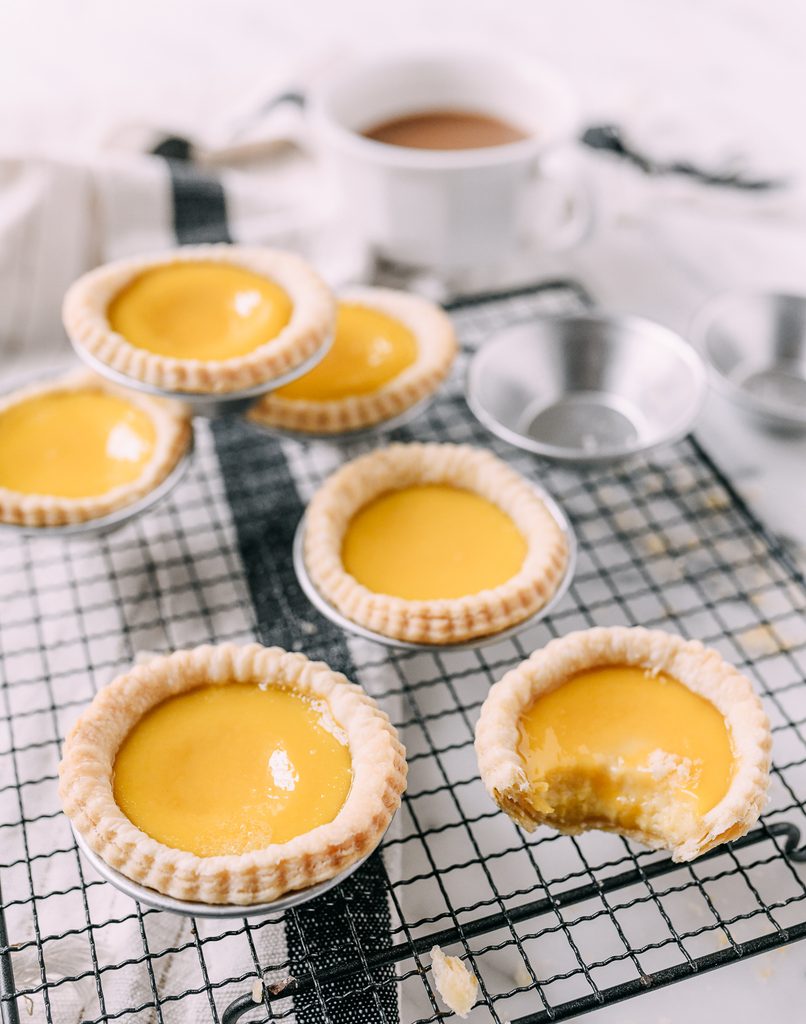
Egg tarts pair a flaky, buttery shell with a smooth egg custard center, and they’re best eaten warm. Portuguese settlers in Macau introduced the style, and it’s since become one of the most recognized Chinese bakery treats. You’ll find them in dim sum restaurants and tiny specialty shops where egg tarts are the only thing on the menu. The crust can be flaky and layered like puff pastry or crumbly like shortbread, depending on the bakery. Either version delivers that same warm, custardy bite that makes these tarts so popular.
2. Tangyuan
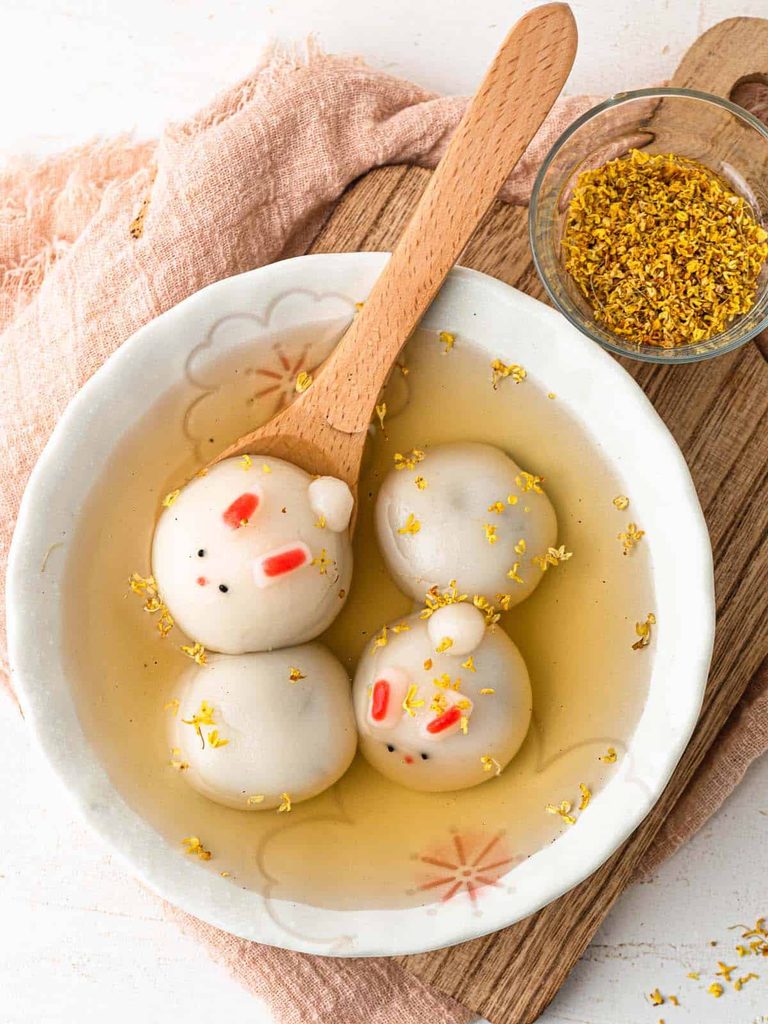
Tangyuan are chewy glutinous rice balls served in warm, slightly sweet broth, often filled with black sesame paste or red bean. They’re the star of the Lantern Festival, where families roll and eat them together as a symbol of togetherness. The outside has a soft, bouncy chew, and the filling oozes out warm and nutty with the first bite. Some versions skip the filling and float plain in ginger syrup. Either way, tangyuan feels like a cozy, homemade treat rather than a fancy dessert.
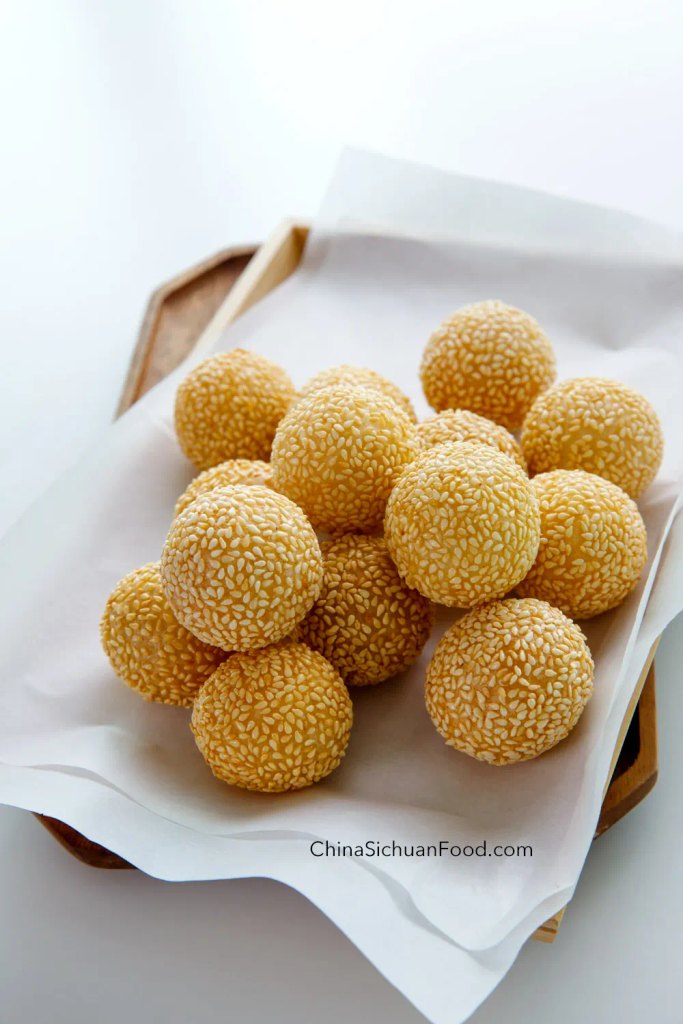
3. Sesame Balls (Jian Dui)
Sesame balls are deep-fried glutinous rice dough coated in sesame seeds, with a hollow center and a sweet filling like red bean or lotus paste. The outside turns golden and crackly-crisp, while the inside stays chewy and soft. Bite into one and you’ll hear a little crunch before you reach the sticky, sweet middle. These show up often at dim sum spots and Lunar New Year gatherings, since their round shape symbolizes wealth and good fortune. Street vendors in Chinatown bakeries sell them fresh and warm, which is the best way to eat them.
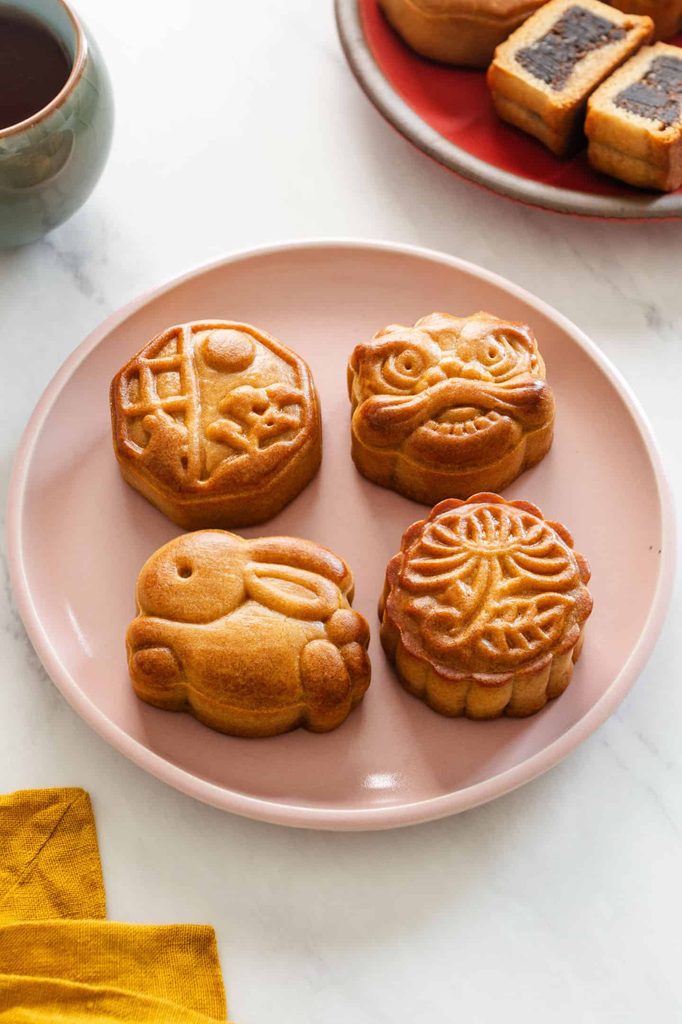
4. Mooncakes
Mooncakes are dense, round pastries filled with lotus seed paste or red bean, often with a salted egg yolk tucked in the center. They’re the signature food of the Mid-Autumn Festival, when families gather to admire the full moon and share a single cake cut into small wedges. The crust is thin and slightly glossy, stamped with decorative patterns on top. Traditional fillings taste rich and slightly floral, while modern bakeries now offer flavors like custard, matcha, or ice cream mooncakes for variety.
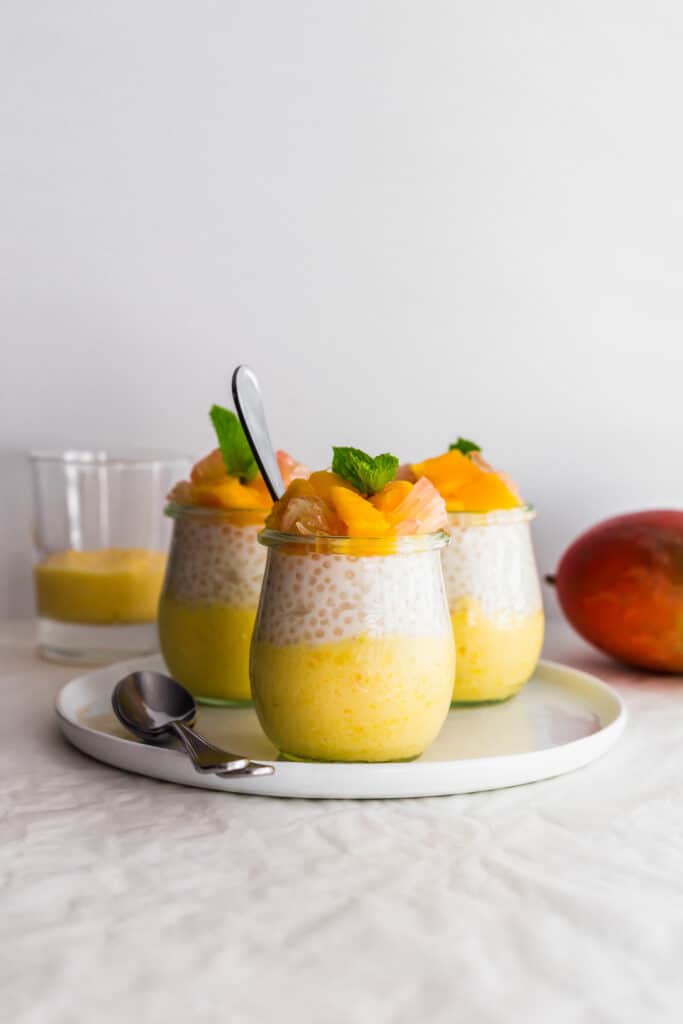
5. Mango Pomelo Sago
Mango pomelo sago is a cold, creamy soup made with pureed mango, coconut milk, tapioca pearls, and tangy pomelo segments. Hong Kong dessert shops popularized this one, and it’s become a favorite cooling treat across Chinese restaurants in the U.S. The texture mixes silky mango puree with chewy sago pearls and juicy bursts of pomelo. It tastes bright and fruity, never too sweet, which makes it a refreshing finish after a spicy meal. Serve it chilled in a bowl with a spoon for the best experience.
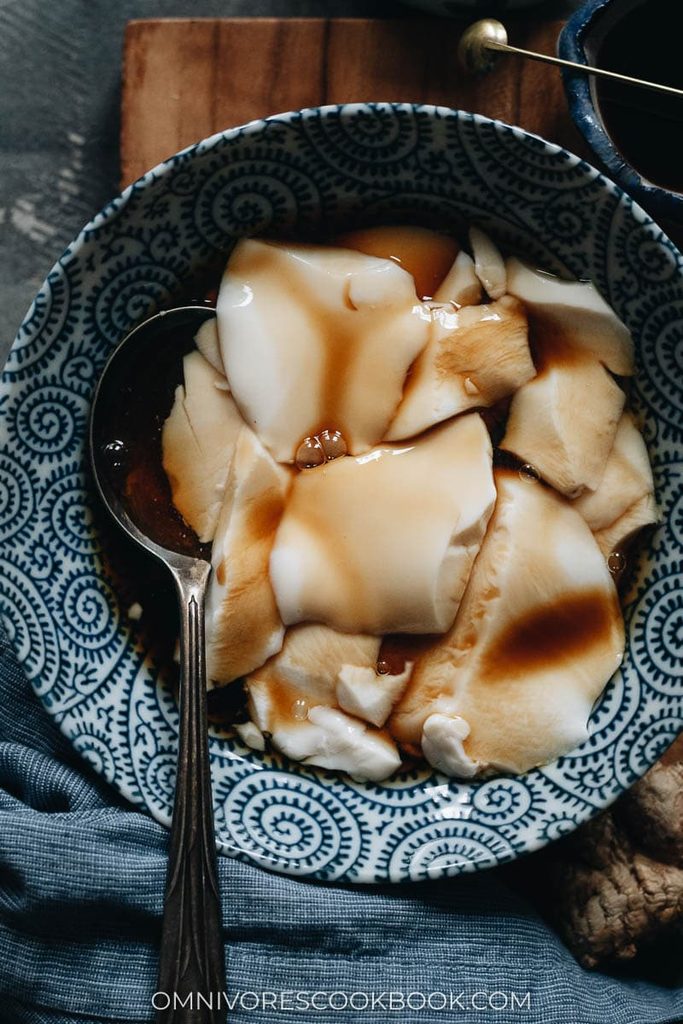
6. Tofu Pudding (Douhua)
Tofu pudding, or douhua, is silky soft tofu served warm or cold with a sweet syrup, often ginger or brown sugar based. The texture feels closer to custard than to firm tofu you’d stir-fry. Street vendors ladle it into bowls and top it with peanuts, red beans, or a drizzle of syrup. Northern and southern regions season it differently; some areas even make a savory version with soy sauce and scallions. If you enjoy smooth, jiggly textures, this one delivers in a big way, and it pairs naturally with other tofu recipes you might already love.
7. Pineapple Cakes
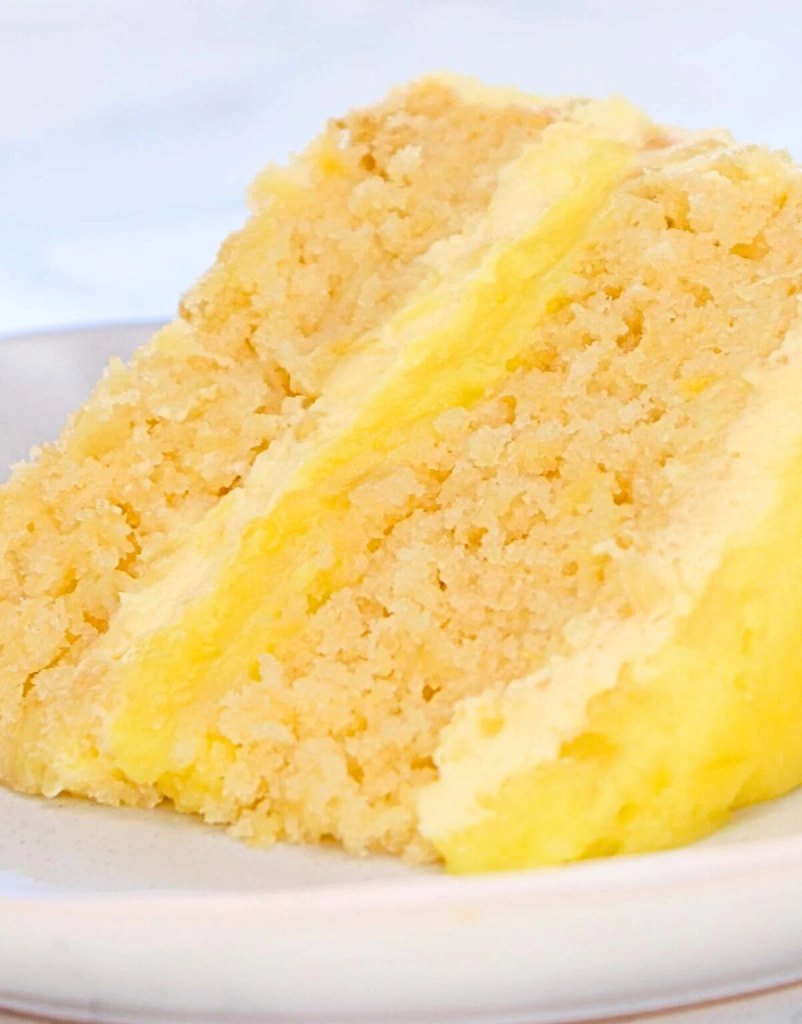
Pineapple cakes are small, buttery shortbread cookies filled with sweet-tart pineapple jam, a specialty closely tied to Taiwan. The outside crumbles slightly with a rich, cookie-like bite, while the filling stays chewy and tangy. Good versions use real pineapple fiber in the jam, which gives a slight tartness that cuts through the buttery crust. These travel well and keep for days, so they’re a popular gift during holidays. Bakeries often wrap each cake individually, making them easy to share at gatherings.
8. Almond Jelly
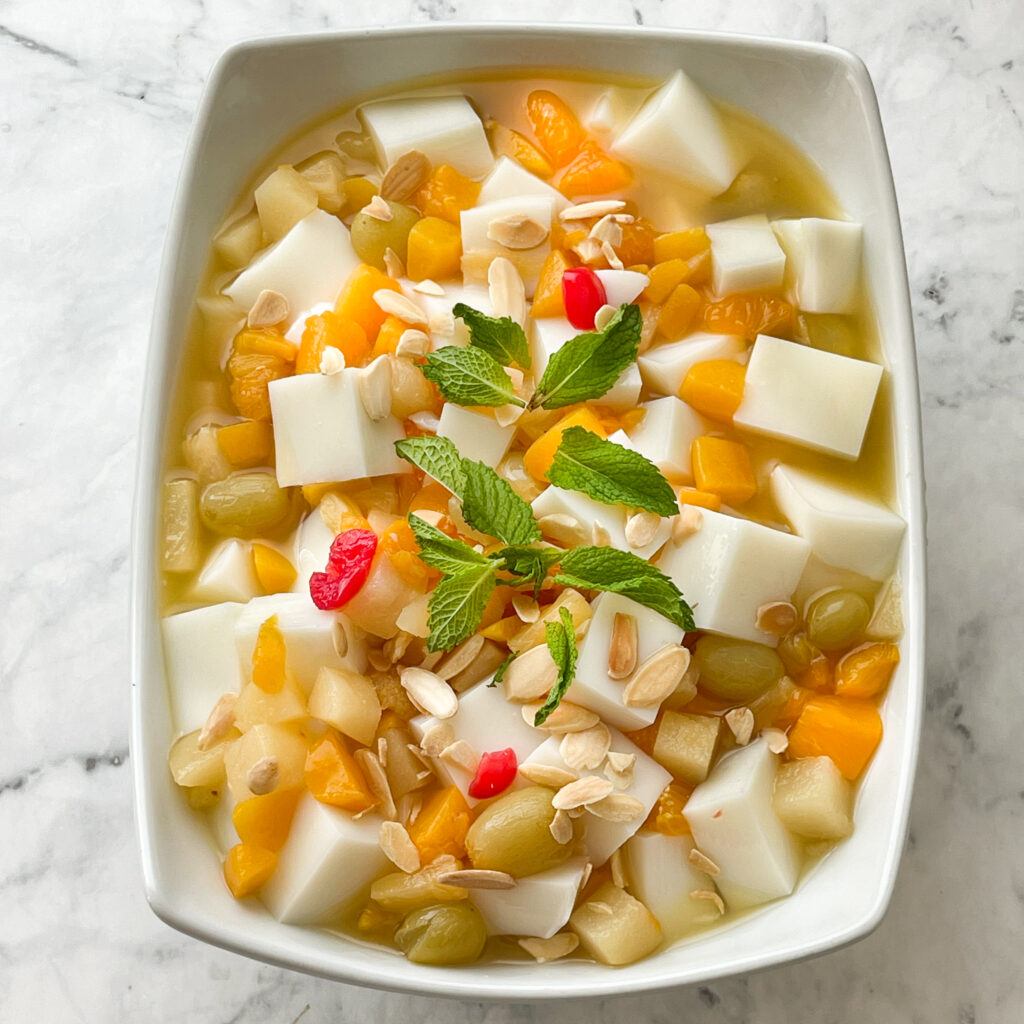
Almond jelly is a light, wobbly gelatin dessert flavored with almond extract, usually cut into cubes and served in sweet syrup with fruit. The texture sits between firm jello and soft panna cotta, cool and delicate on the tongue. Canned lychee, mandarin oranges, or fresh fruit often float alongside the jelly cubes in a light syrup. The almond flavor comes through clean and fragrant, not overpowering. It’s a common finish at Chinese banquet dinners, served cold after a heavy multi-course meal.
9. Red Bean Soup
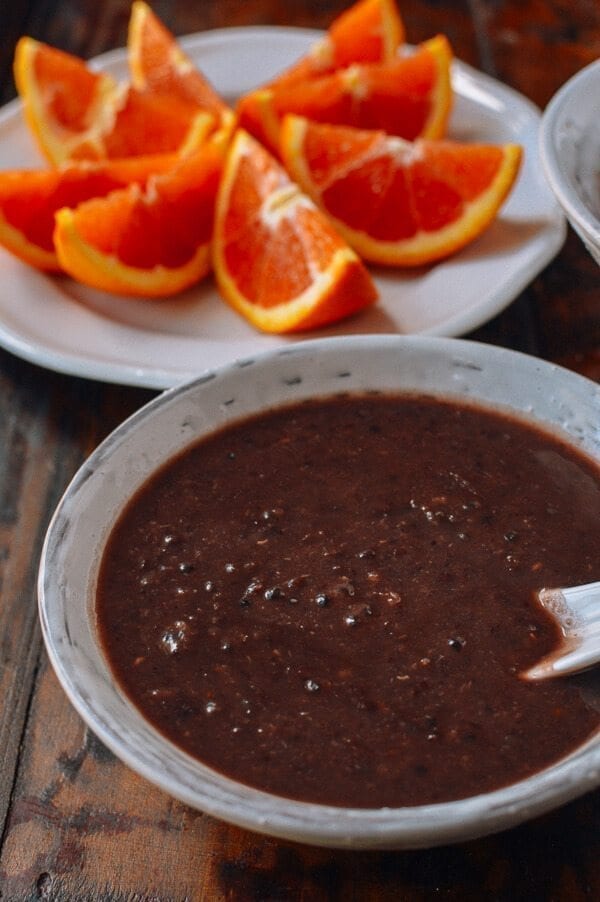
Red bean soup is a warm, slightly sweet dessert soup made by simmering adzuki beans until soft and creamy. Home cooks make big batches since it keeps well and tastes better the next day. The beans break down just enough to thicken the broth while still holding some texture. Orange peel or lotus seeds sometimes join the pot for extra fragrance. Serve it warm in winter or chilled in summer. This one’s a great starting point if you want to try making a Chinese dessert at home for the first time.
Red Bean Soup Recipe
Yield: 4 servings Prep time: 10 minutes Cook time: 1 hour 30 minutes
Ingredients:
- 1 cup dried adzuki (red) beans
- 6 cups water
- ½ cup granulated sugar, or to taste
- 2 strips dried tangerine or orange peel
- 2 tablespoons glutinous rice (optional)
- Pinch of salt
Instructions:
- Rinse the adzuki beans and soak in water for 4 hours or overnight.
- Drain the beans and add them to a pot with 6 cups of fresh water.
- Bring to a boil, then reduce heat to low and simmer for 1 hour, stirring occasionally.
- Add the dried orange peel and glutinous rice, if using.
- Simmer another 20 to 30 minutes, until the beans are soft and the soup thickens slightly.
- Stir in sugar and a pinch of salt, then simmer 5 more minutes.
- Serve warm in bowls, or chill in the fridge for a cold version.
10. Mango Pudding
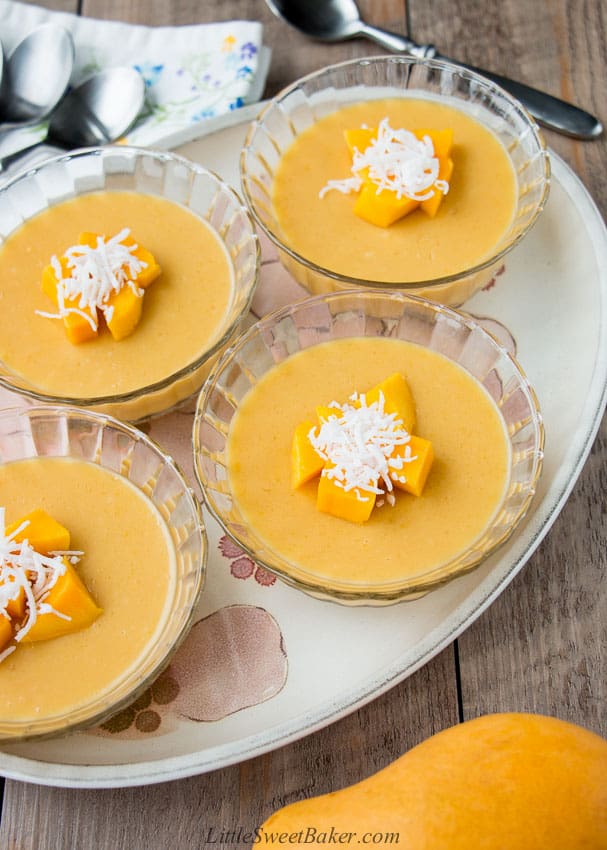
Mango pudding is a smooth, chilled custard made with pureed mango, milk, and gelatin, popular in Cantonese dim sum restaurants. It tastes rich and fruity without being overly sweet, and the texture jiggles softly like a classic pudding. A dollop of whipped cream or evaporated milk often finishes it off. Fresh, ripe mangoes make the biggest difference here, since the flavor depends entirely on the fruit’s natural sweetness. This dessert feels light enough to end a big dim sum spread without weighing you down.
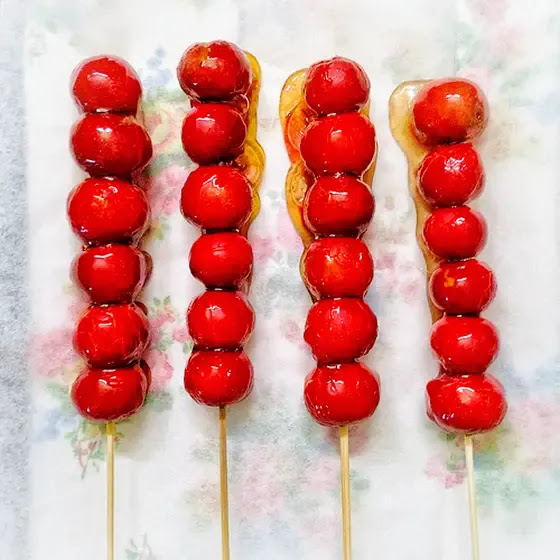
11. Candied Hawthorn Skewers (Tanghulu)
Tanghulu are skewered hawthorn berries coated in a hard, glassy sugar shell, sold by street vendors across northern China. The candy shell cracks with a satisfying snap, giving way to tart, slightly chewy fruit underneath. Hawthorn berries taste tangy, almost like a cross between a cranberry and a crabapple, which balances the sugary coating well. Vendors now make versions with strawberries, grapes, or mandarin segments too. These skewers are best eaten fresh, since the sugar shell softens and gets sticky after sitting out.
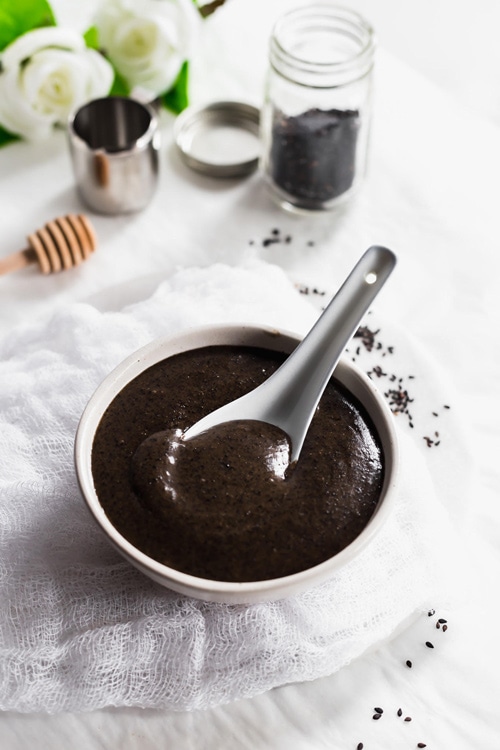
12. Black Sesame Soup
Black sesame soup is a thick, nutty dessert soup made from ground black sesame seeds, rice, and sugar. The color looks striking, deep black with a glossy sheen, and the flavor tastes toasty and rich. It’s smoother than red bean soup, closer to a drinkable pudding than a chunky soup. Many home cooks make it with a rice cooker or blender to get that silky consistency. Serve it warm in small bowls, since a little goes a long way with such a concentrated, nutty flavor.
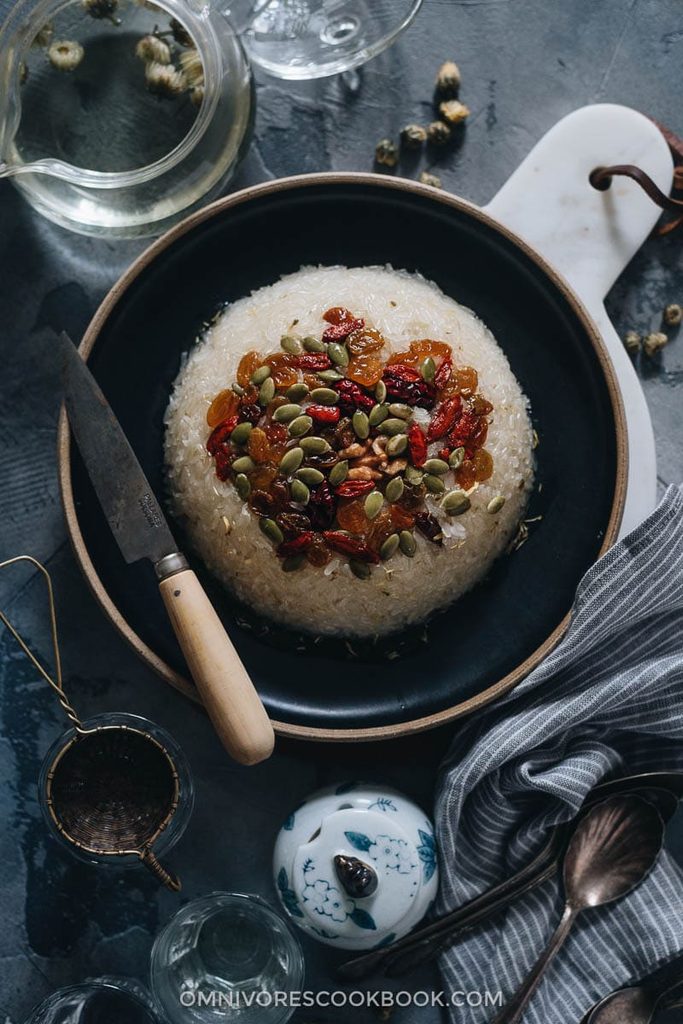
13. Eight Treasure Rice
Eight treasure rice is a steamed glutinous rice pudding studded with dried fruits, nuts, and sweet red bean paste, molded into a dome shape. It’s a festive centerpiece dish, often served at Lunar New Year or special banquets. The name refers to the eight different toppings arranged on top, which can include red dates, lotus seeds, raisins, and candied fruit. Underneath the decorative top, a layer of sweet red bean paste hides in the center. Slicing into it reveals a colorful cross-section that looks as good as it tastes.
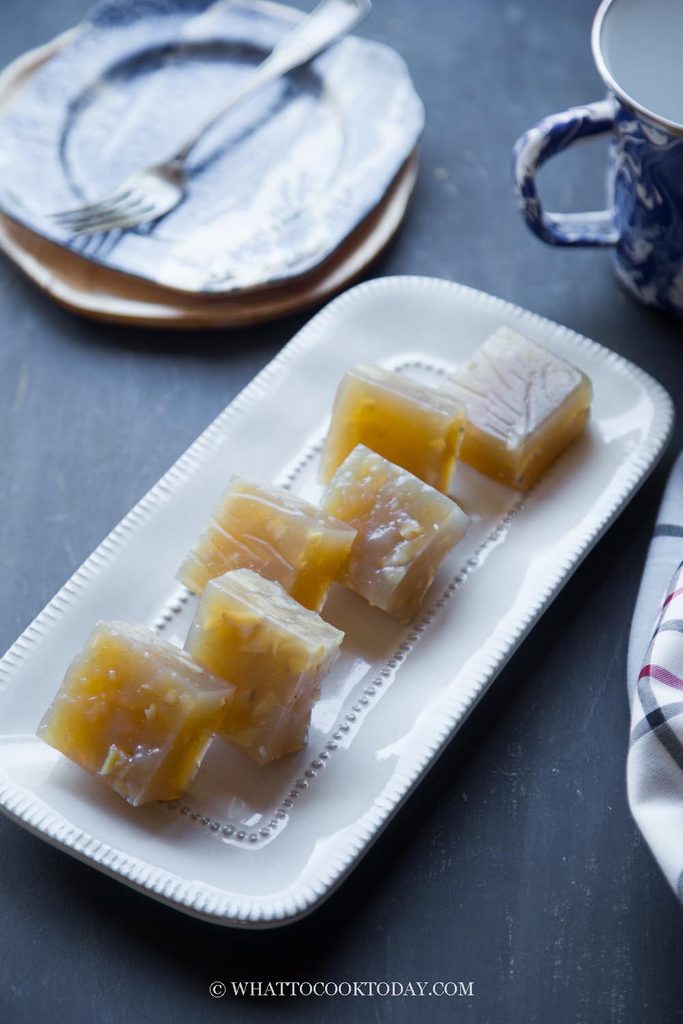
14. Water Chestnut Cake
Water chestnut cake is a translucent, jiggly steamed cake made from water chestnut flour and fresh water chestnuts. The texture feels bouncy and slightly crunchy from the chestnut bits mixed into the batter. It tastes mildly sweet with a subtle earthy flavor, nothing like the fruit flavors common in other Chinese sweets. Dim sum restaurants often serve it pan-fried in small squares, which adds a crisp edge to the soft interior. This one surprises first-timers with its unusual texture, somewhere between jelly and cake.
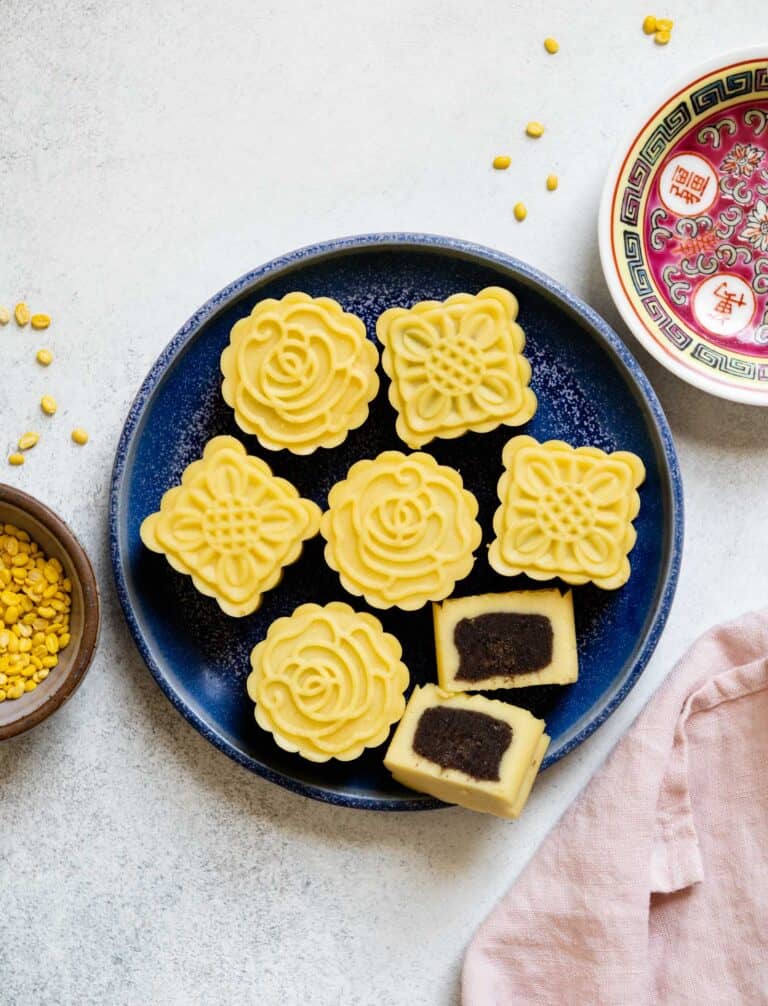
15. Mung Bean Cake
Mung bean cake is a dense, crumbly cake made from cooked and mashed mung beans, pressed into small molds. The texture feels powdery and melts on the tongue, similar to shortbread but lighter. Its pale yellow color and mild, slightly nutty flavor make it a popular summer treat in China, since mung beans are believed to have a cooling effect. Bakeries often stamp decorative patterns into the top before serving. These cakes pair well with tea, since their subtle sweetness doesn’t compete with a strong brew.

16. Osmanthus Cake
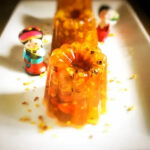
Osmanthus cake is a soft, jelly-like dessert infused with fragrant osmanthus flowers, giving it a floral, honey-like aroma. The cake itself looks pale amber and slightly translucent, studded with tiny golden flower petals throughout. It tastes delicate and sweet, never cloying, with a flavor that’s hard to compare to anything else. Osmanthus syrup or dried flowers flavor the base, which is often set with agar for a clean, jiggly bite. This cake shows up often in the Jiangnan region, where osmanthus trees bloom each autumn.
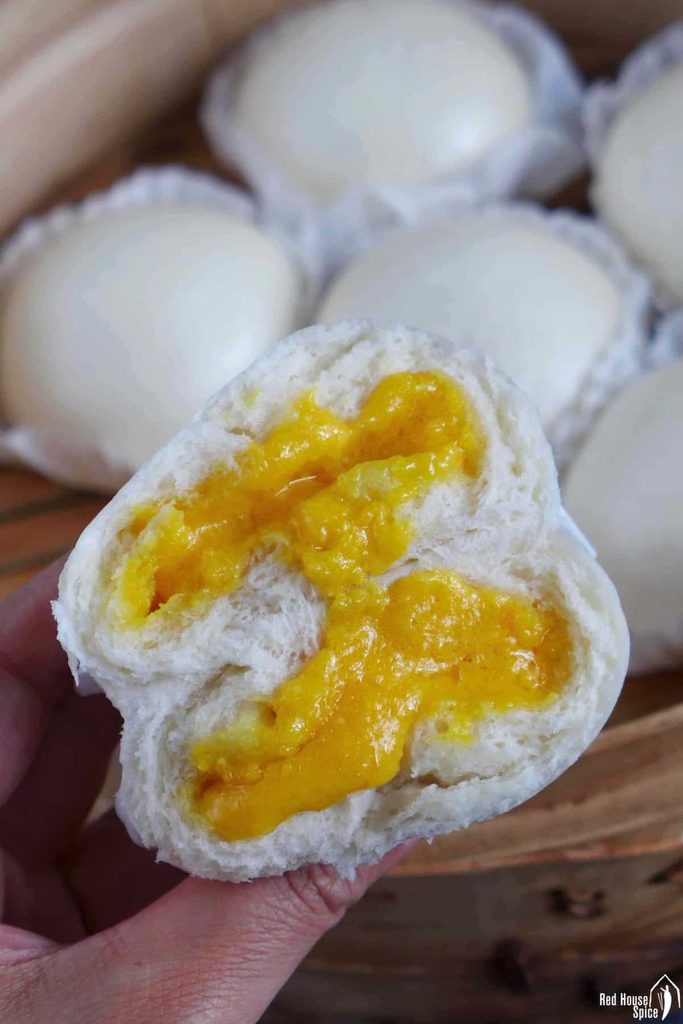
17. Steamed Custard Buns
Steamed custard buns are fluffy white buns filled with a warm, oozing egg custard or salted egg yolk cream. Pulling one apart reveals a glossy, golden filling that flows out slightly, almost like a lava cake. The bun itself stays soft and pillowy, with a faint sweetness that balances the rich filling. Dim sum restaurants serve these alongside pork buns, and they’re often one of the first things to disappear from the table. A good custard bun should still feel warm with filling that’s smooth, not grainy.
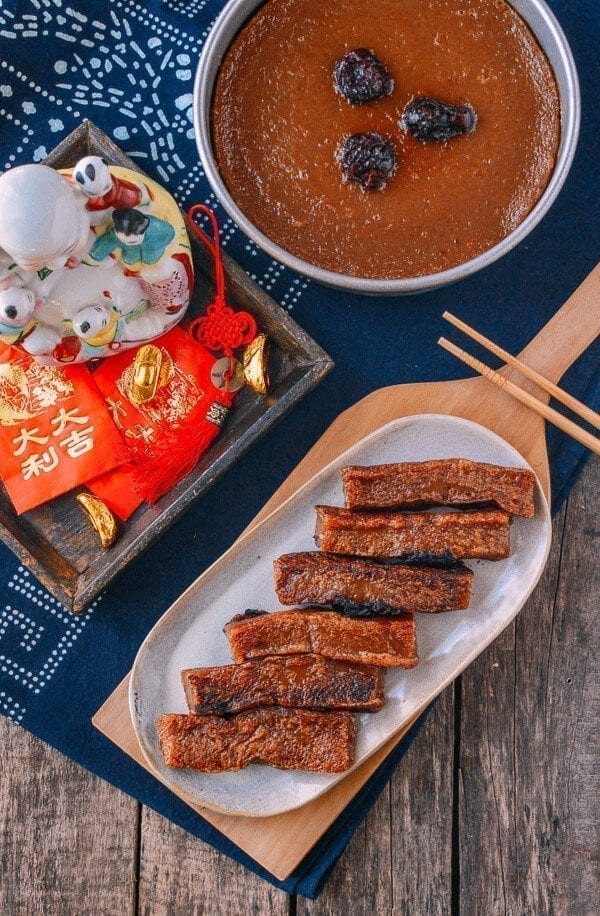
18. New Year Rice Cake (Nian Gao)
Nian gao is a chewy, dense rice cake made from glutinous rice flour and brown sugar, eaten during Lunar New Year celebrations. Its name sounds like the phrase for “getting higher year after year,” which is why it’s considered good luck. The texture is sticky and dense, almost taffy-like when warm, and it’s often sliced and pan-fried until the edges turn crisp and caramelized. Some versions include red dates or are dipped in beaten egg before frying. Fried nian gao develops a crackly crust that contrasts nicely with the gooey center.
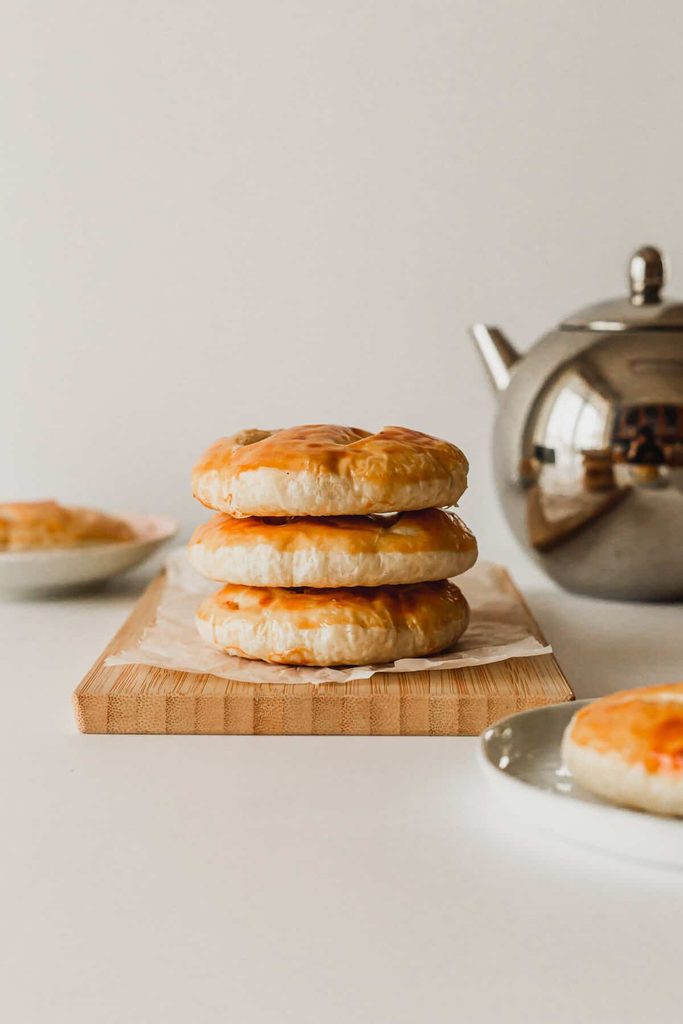
19. Wife Cakes
Wife cakes are flaky, layered pastries filled with sweet winter melon paste, a Cantonese specialty with a story behind the name. Legend says a husband sold these cakes to earn money for his wife’s medical treatment, and the name stuck. The crust shatters into thin, buttery layers, similar to a mille-feuille pastry. The filling tastes mellow and sweet, sometimes mixed with almond paste for extra richness. These cakes are a common gift during Chinese New Year and wedding celebrations, wrapped individually in decorative boxes.
How These Desserts Were Selected
This list focuses on desserts that show up again and again in Chinese bakeries, dim sum carts, and home kitchens across the country. Each one had to be widely recognized, not a rare regional dish only found in one city. Preference went to desserts with a clear history or cultural tie, like mooncakes at Mid-Autumn Festival or nian gao at Lunar New Year. Texture and flavor variety mattered too, so the list includes creamy puddings, chewy rice treats, flaky pastries, and crisp fried sweets.
| Dessert | Texture | Serving Temp | Common Occasion |
|---|---|---|---|
| Egg Tarts | Flaky, creamy | Warm | Everyday, dim sum |
| Tangyuan | Chewy | Hot | Lantern Festival |
| Sesame Balls | Crisp, chewy | Warm | Lunar New Year |
| Mooncakes | Dense | Room temp | Mid-Autumn Festival |
| Mango Pomelo Sago | Silky, chewy | Cold | Everyday, hot weather |
| Tofu Pudding | Silky | Warm or cold | Everyday |
| Pineapple Cakes | Crumbly, chewy | Room temp | Gifting, holidays |
| Almond Jelly | Wobbly | Cold | Banquets |
| Red Bean Soup | Creamy | Warm or cold | Everyday |
| Mango Pudding | Smooth | Cold | Dim sum |
| Tanghulu | Crisp shell, tart fruit | Room temp | Street snacking |
| Black Sesame Soup | Thick, silky | Warm | Everyday |
| Eight Treasure Rice | Sticky | Warm | Lunar New Year, banquets |
| Water Chestnut Cake | Jiggly, crunchy | Room temp or fried | Dim sum |
| Mung Bean Cake | Crumbly | Room temp | Summer, tea time |
| Osmanthus Cake | Jelly-like | Room temp or cold | Autumn |
| Steamed Custard Buns | Fluffy, oozing | Warm | Dim sum |
| Nian Gao | Chewy, sticky | Warm or fried | Lunar New Year |
| Wife Cakes | Flaky, layered | Room temp | Gifting, weddings |
For more sweet inspiration across the region, browse 22 Chinese desserts or compare notes with our best Asian desserts for treats from neighboring food cultures.
Tips for Trying Chinese Desserts
Start with something familiar if you’re new to this category, like egg tarts or mango pudding, before trying stronger flavors like black sesame or osmanthus. Texture matters as much as flavor here, so don’t judge a jiggly or chewy dessert by Western standards for cake or pie.
Visit a dim sum restaurant for the widest variety in one sitting, since many of these desserts show up on the same cart or menu. Bakeries specializing in Hong Kong-style or Taiwanese pastries are your best bet for fresh egg tarts and pineapple cakes.
A few practical pointers:
- Order desserts warm when possible; custard buns and tangyuan lose their charm once cold.
- Ask about sweetness level at bakeries, since recipes vary by region and shop.
- Buy pineapple cakes or mooncakes in small batches first, since flavors differ by brand.
- Pair rich desserts like eight treasure rice with tea to cut the sweetness.
If you’re cooking at home, start with red bean soup or tangyuan, since both use simple ingredients and forgiving techniques. For a wider spread of regional sweets, check out our best Chinese desserts or explore our best Chinese recipes at home for dishes to serve alongside dessert.