Sweet tooth calling? Asia’s dessert table is massive, stretching from coconut-soaked rice in Thailand to delicate egg tarts in Hong Kong and syrup-soaked dumplings in India. Some of these treats take ten minutes, others ask for a lazy Sunday afternoon, but every single one rewards the effort with flavors you won’t find in a standard American bakery case.
What makes this collection so fun is the range of textures. You get chewy mochi, silky puddings, crackly tarts, and fried dough balls that shatter on the first bite. Mango sticky rice stands out as the best starting point for beginners, since it needs just four ingredients and no baking skills at all. From there, you can branch into mooncakes, bingsu, or sesame balls as your confidence grows.
Quick picks:
- Best for beginners: Mango Sticky Rice, four ingredients and no oven needed
- Best make-ahead treat: Mochi, stores well and freezes beautifully
- Best for a crowd: Halo-Halo, a build-your-own sundae everyone can customize
- Best cozy comfort food: Kheer, a warm rice pudding that feels like a hug
1. Mango Sticky Rice
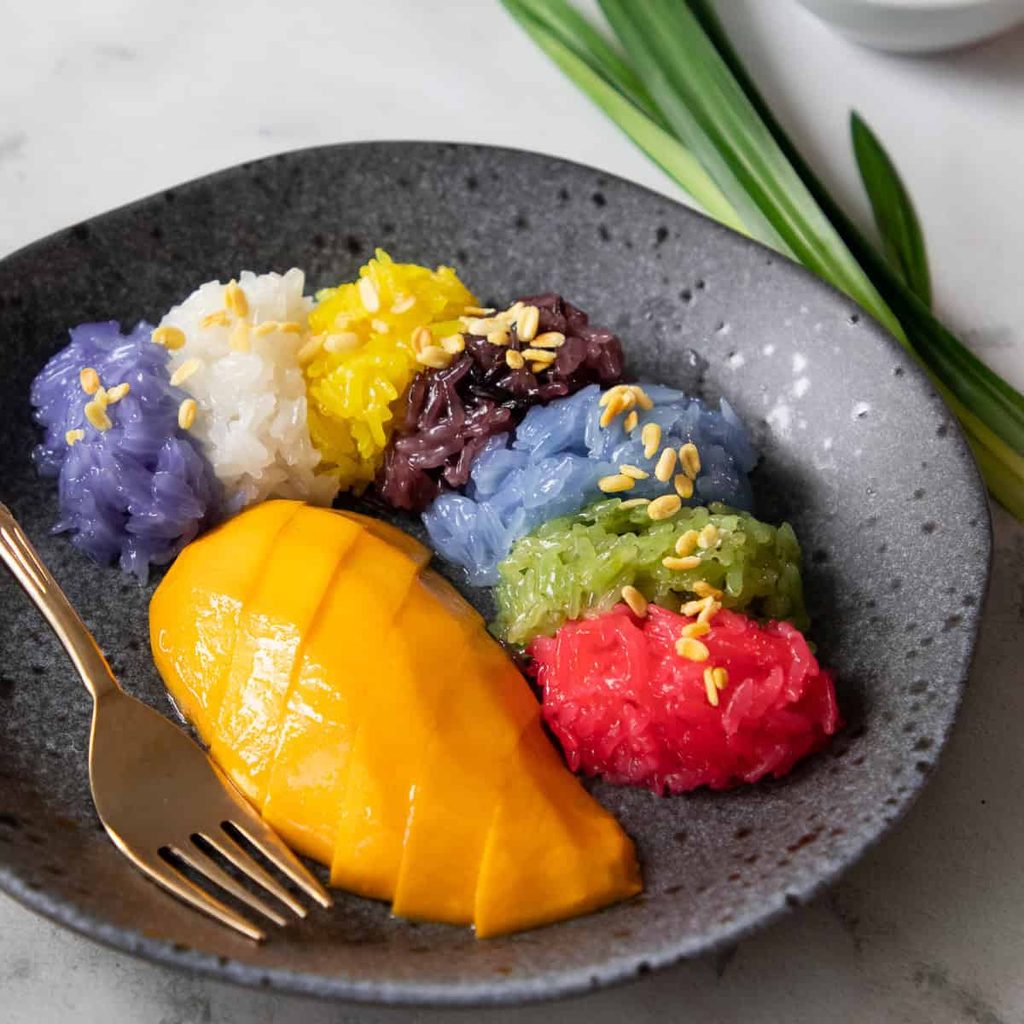
This Thai classic pairs sweet glutinous rice with ripe mango and coconut milk, and it tastes like sunshine in a bowl. The rice gets steamed, then soaked in a warm coconut-sugar mixture until every grain turns glossy and soft.
Yield: 4 servings | Prep: 20 minutes | Cook: 25 minutes
Ingredients:
- 1 cup glutinous (sticky) rice, soaked 4 hours
- 1 cup coconut milk
- 1/3 cup sugar
- 1/2 teaspoon salt
- 2 ripe mangoes, sliced
- 1 tablespoon toasted sesame seeds
Steps:
- Steam soaked rice for 25 minutes until tender.
- Warm coconut milk, sugar, and salt until dissolved.
- Pour two-thirds of the mixture over hot rice; let sit 10 minutes.
- Plate rice with mango slices, drizzle remaining sauce, and top with sesame seeds.
2. Mochi
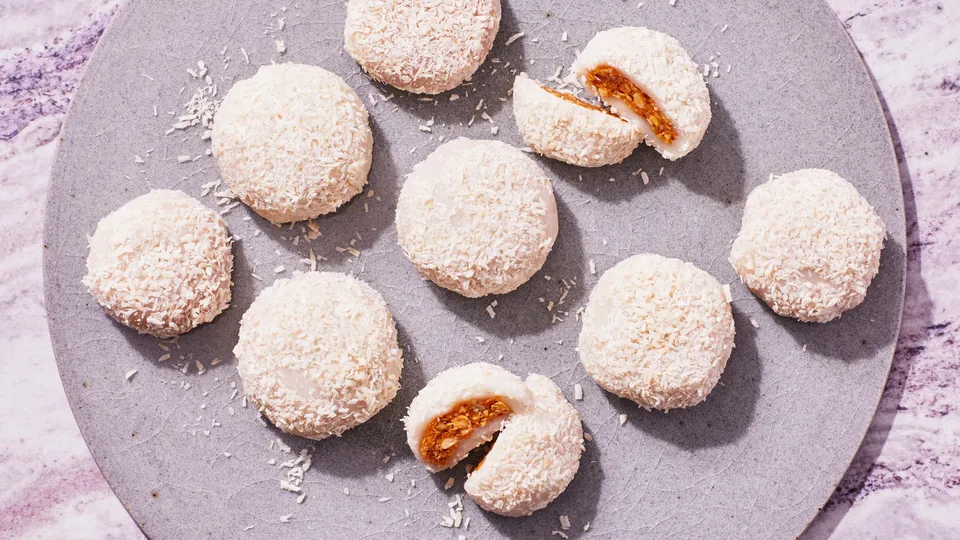
Mochi is pounded glutinous rice shaped into soft, chewy bites, often wrapped around sweet red bean or ice cream. The texture is unlike anything else in Western baking, stretchy and bouncy with a mild sweetness.
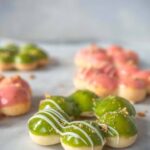
Making it from scratch means working with glutinous rice flour, water, and sugar, steamed and kneaded while hot. Store-bought mochiko flour makes the process beginner-friendly. If you love the format, a mochi donut recipe is a fun next step once you’ve got the basic dough technique down.
3. Halo-Halo
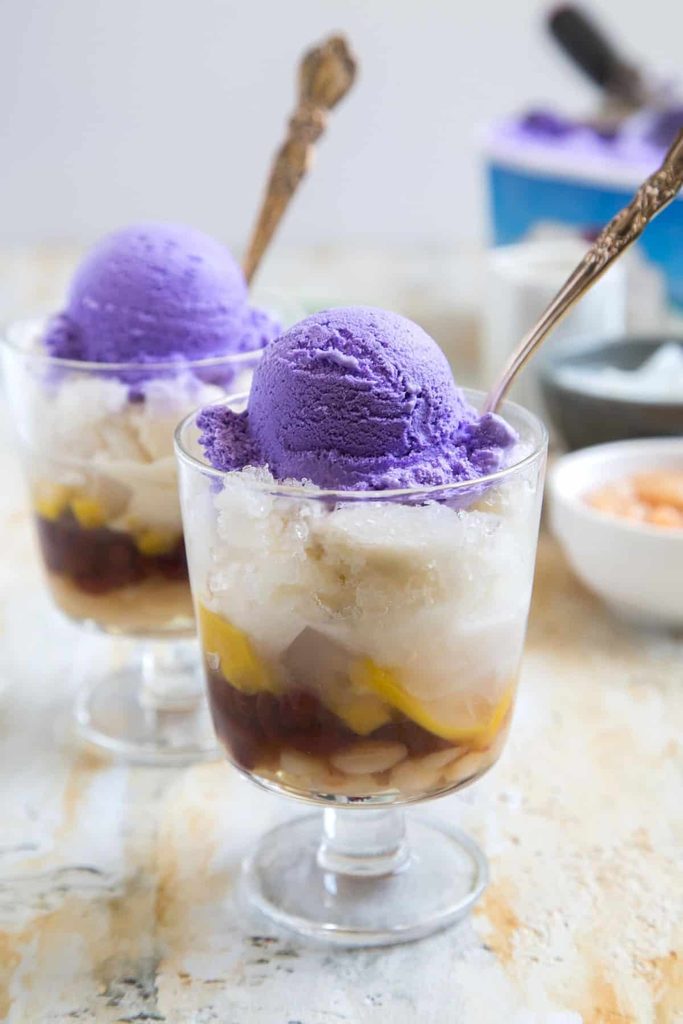
Halo-halo means “mix mix” in Tagalog, and that’s exactly the point of this colorful Filipino dessert. Layers of shaved ice, sweet beans, jackfruit, flan, and evaporated milk get stirred together right before eating.
Every spoonful lands differently depending on what you scoop up. It’s a dessert built for hot days and big appetites, and it looks stunning in a tall glass. For more ideas from this tradition, check out our best Filipino desserts for variations worth trying.
4. Gulab Jamun
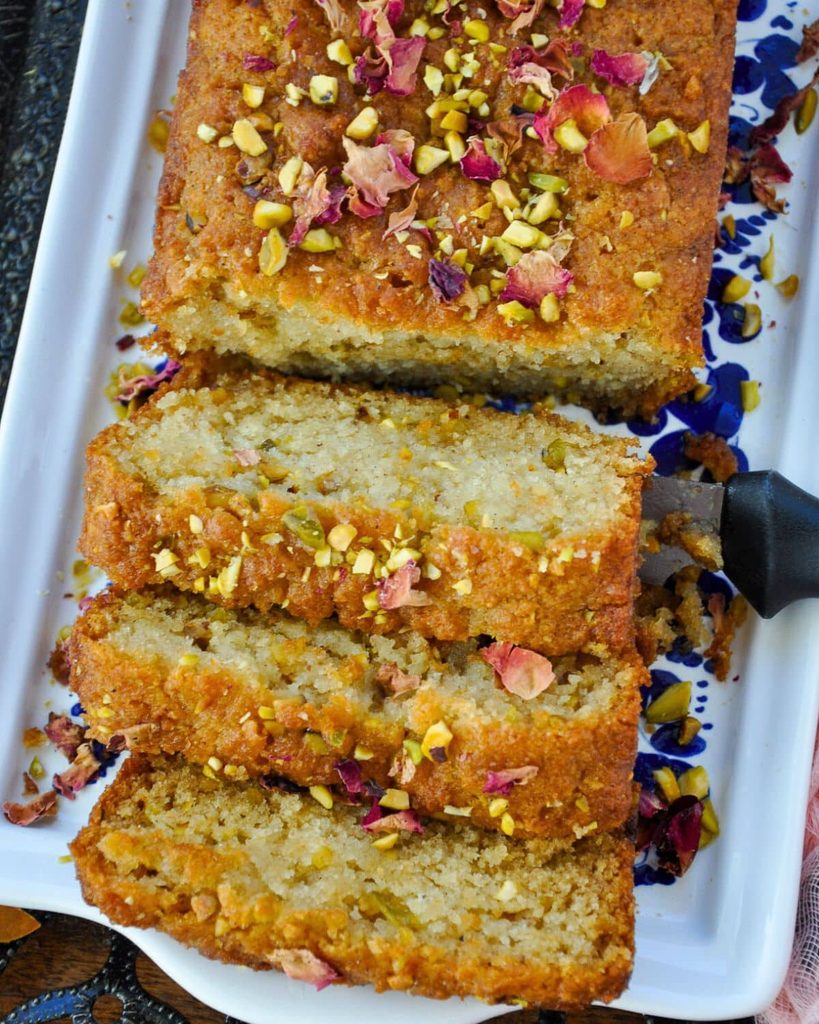
Gulab jamun are soft, deep-fried milk dumplings soaked in rose-scented sugar syrup, and they’re one of India’s most beloved sweets. The dough is simple, just milk solids, flour, and a touch of baking soda, but the frying takes patience.
Low, steady heat keeps the dumplings from browning too fast on the outside while staying raw inside. Once fried, they soak in warm syrup until plump and glossy. Browse our best Indian dessert recipes for more syrup-soaked classics like this one.
5. Bingsu
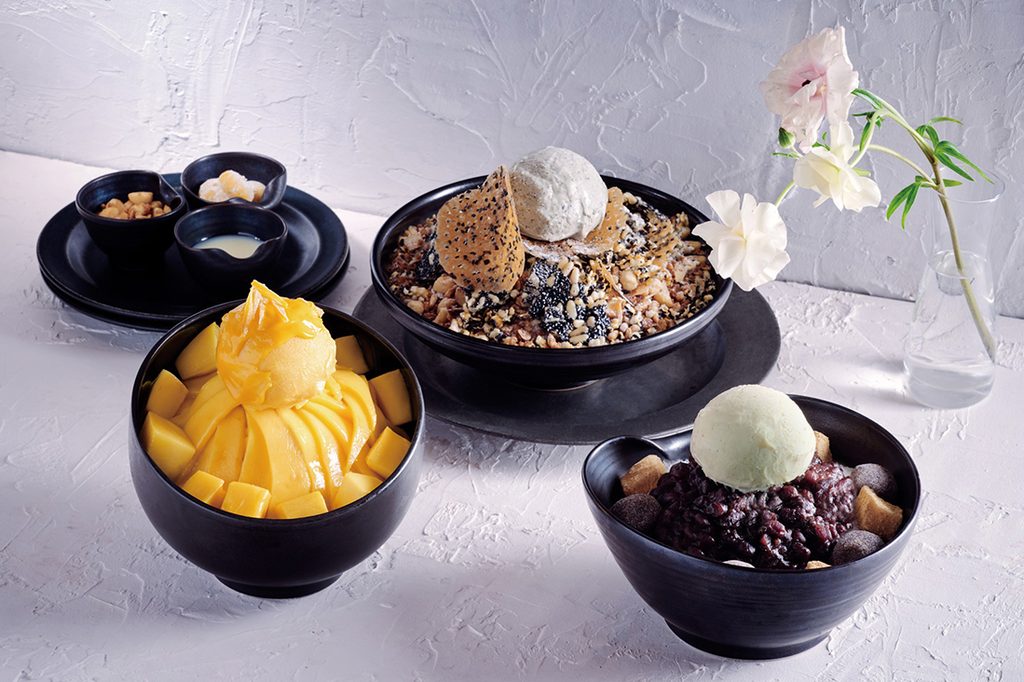
Bingsu is Korean shaved ice, but calling it “shaved ice” undersells how creamy and rich it actually tastes. Fine ice shavings get topped with condensed milk, fruit, red beans, or injeolmi (rice cake) powder.
The texture is snow-like rather than icy and crunchy, which makes a huge difference in each bite. Patbingsu, the red bean version, is the most traditional. For more cold and creamy Korean treats, our best Korean desserts has plenty worth bookmarking.
6. Tang Yuan
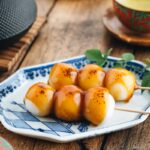
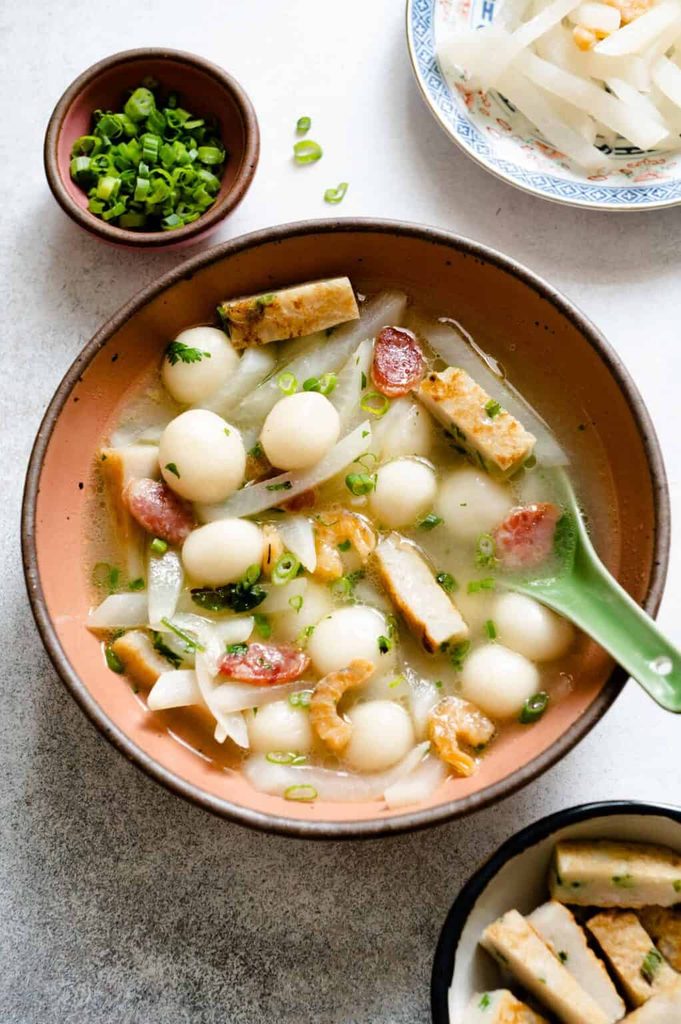
Tang yuan are chewy glutinous rice balls served in warm syrup or broth, often filled with black sesame or peanut paste. They’re a staple at Chinese New Year and the Winter Solstice Festival, symbolizing family togetherness.
Rolling the dough by hand is oddly relaxing, and kids love helping shape the little balls. Serve them in a ginger-sweetened broth for extra warmth on cold nights. Explore 22 Chinese desserts for more festival-worthy treats like this one.
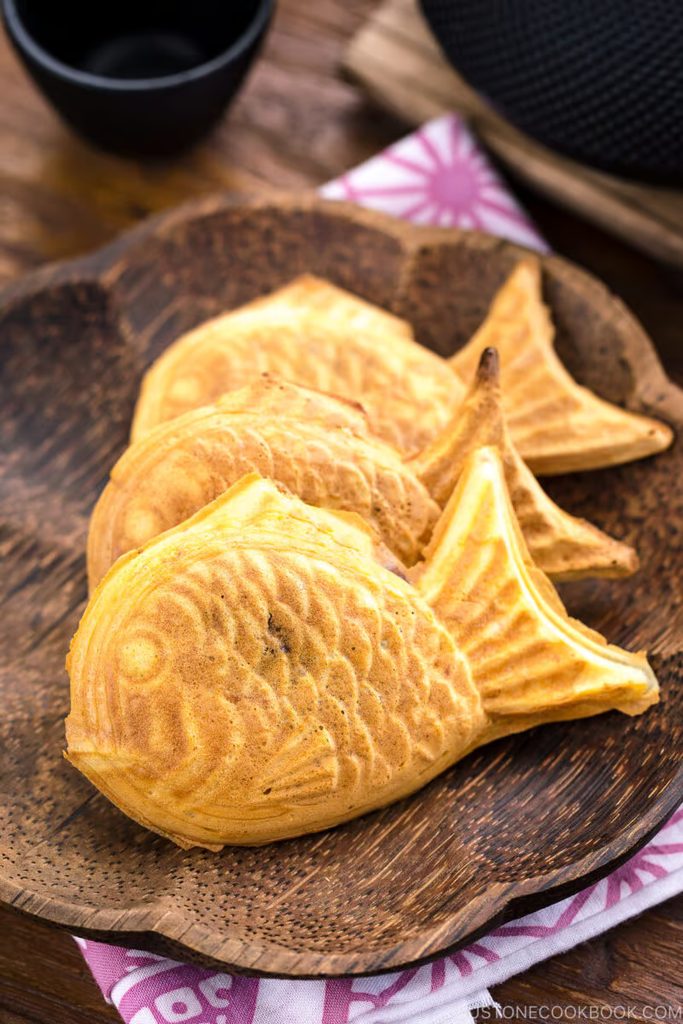
7. Taiyaki
Taiyaki is a fish-shaped Japanese cake, crisp on the outside and filled with sweet red bean paste or custard. A special molded pan gives it that iconic shape, though any waffle iron works in a pinch.
The batter is thin and pancake-like, so it crisps up fast against hot metal. Fill it while the shell is still warm for the gooiest center. Check 25 authentic Japanese desserts for more street-food favorites worth recreating.
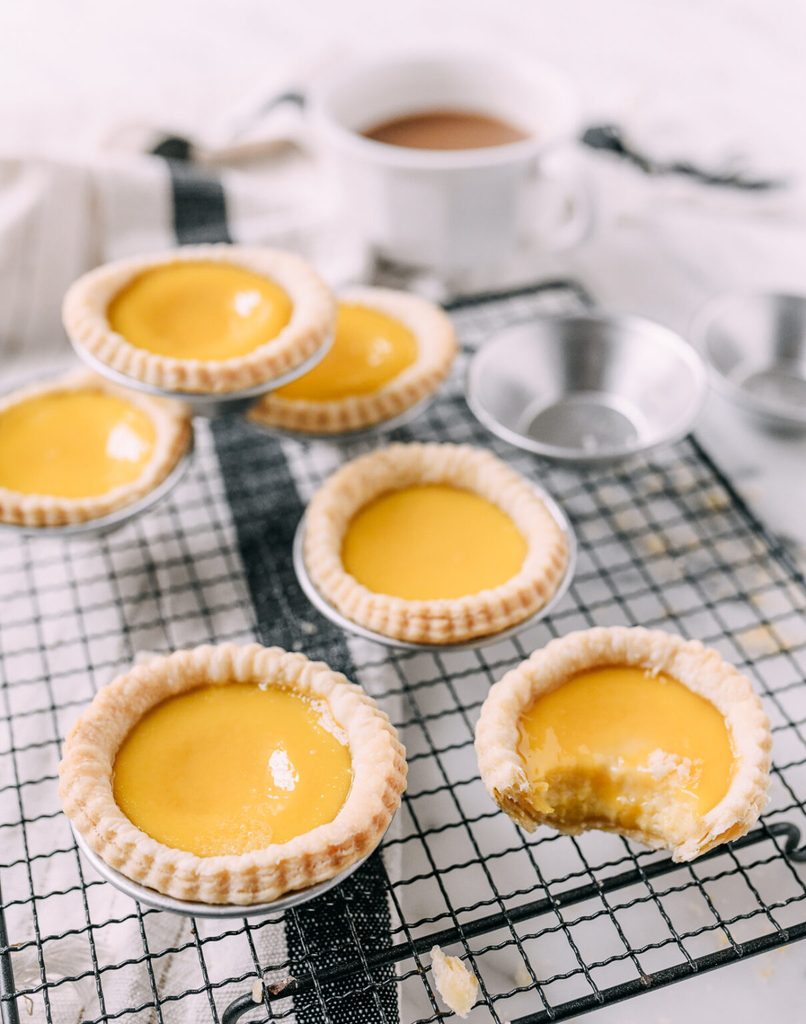
8. Hong Kong Egg Tarts
These flaky, golden tarts hold a smooth egg custard that’s barely sweet, letting the richness of the egg shine through. The pastry shell can be flaky and layered like puff pastry, or shortbread-style and crumbly.
Baking temperature matters here. A hot oven sets the custard fast, giving that classic slight dome on top. If you enjoy this style of baking, our best puff pastry desserts offers more flaky, buttery inspiration.
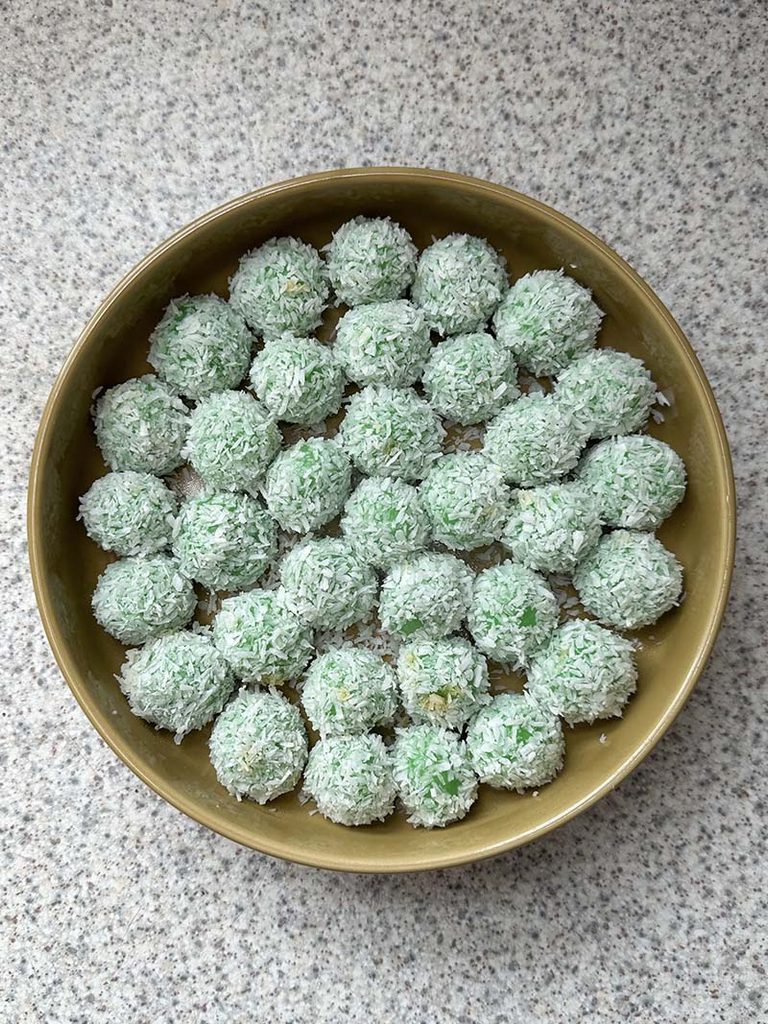
9. Klepon
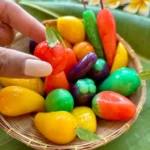
Klepon are small, chewy rice balls from Indonesia filled with molten palm sugar and rolled in grated coconut. Biting into one releases a warm, caramel-like syrup that catches first-timers by surprise every time.
The dough uses glutinous rice flour tinted green with pandan juice, giving it a floral, slightly grassy aroma. These are best eaten the same day they’re made, while the coconut coating stays fresh and the sugar center stays liquid.
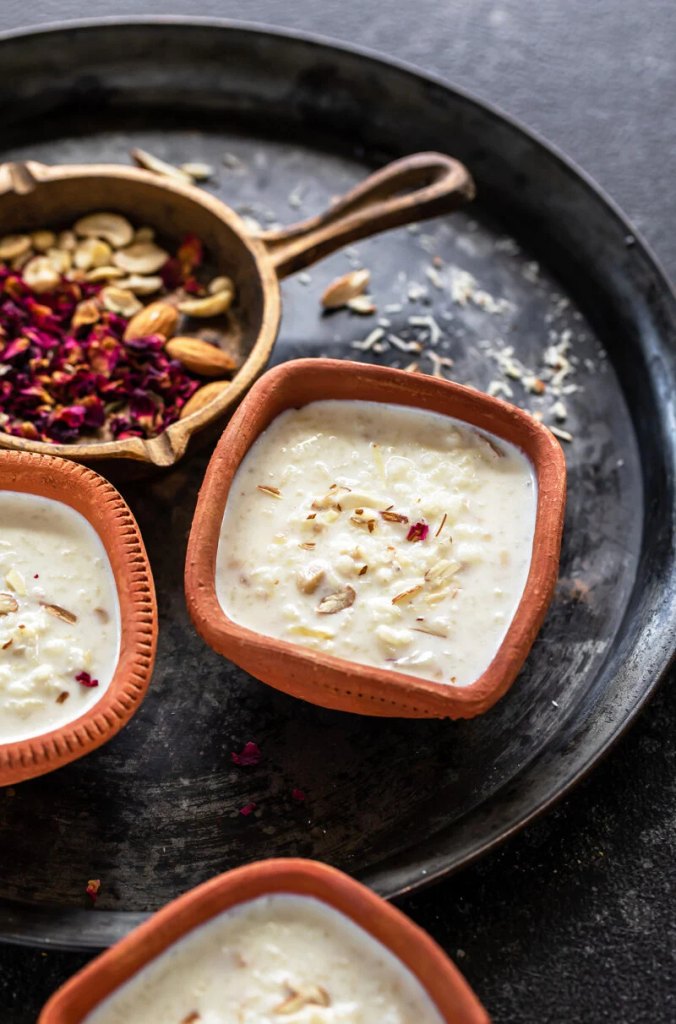
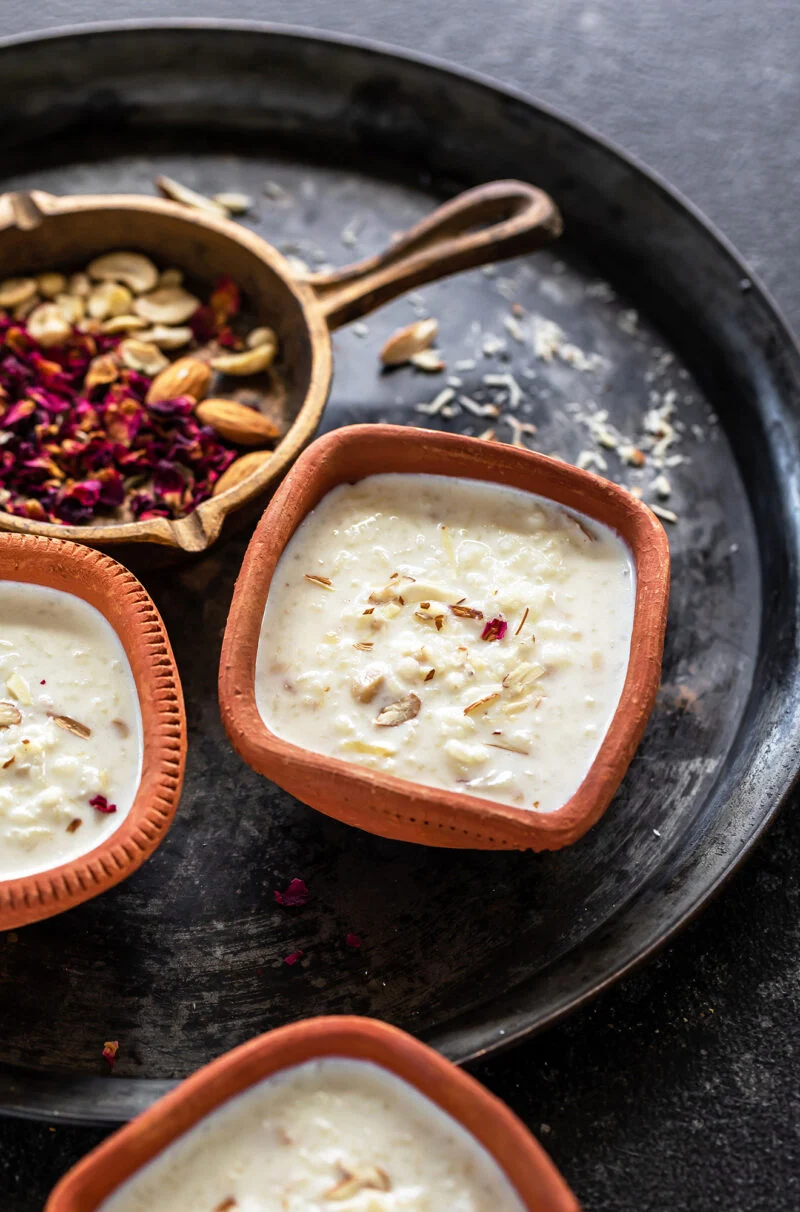
10. Kheer
Kheer is a creamy Indian rice pudding simmered slowly in milk until thick, sweetened with sugar and perfumed with cardamom. Slivered almonds and raisins add crunch and chew against the silky base.
Yield: 4 servings | Prep: 10 minutes | Cook: 45 minutes
Ingredients:
- 4 cups whole milk
- 1/4 cup basmati rice, rinsed
- 1/2 cup sugar
- 4 green cardamom pods, crushed
- 2 tablespoons slivered almonds
- 2 tablespoons raisins
Steps:
- Simmer milk and rice on low heat, stirring often, 35 minutes.
- Stir in sugar and cardamom; cook 10 more minutes until thick.
- Top with almonds and raisins before serving warm or chilled.
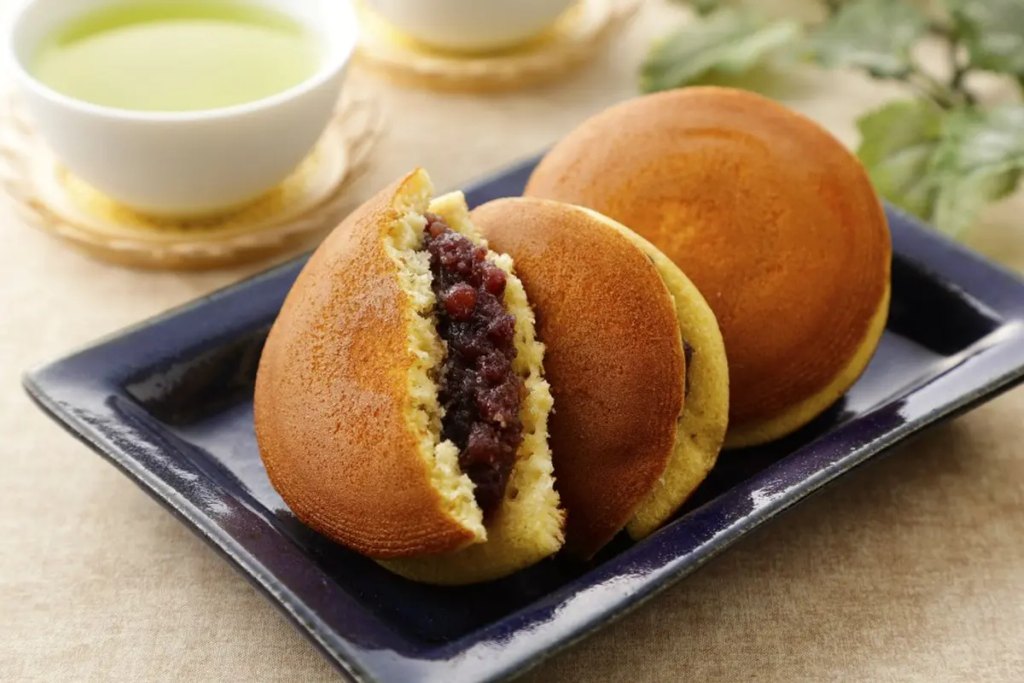
11. Dorayaki
Dorayaki is two fluffy, pancake-like discs sandwiched around sweet red bean paste, best known as Doraemon’s favorite snack in Japan. The batter uses honey for a tender crumb and a slightly caramelized edge.
Cooking these is a lot like making American pancakes, just smaller and a touch sweeter. Let the batter rest 20 minutes before cooking for the fluffiest texture. For more Japanese sweets built around red bean, our best authentic Japanese desserts rounds up several favorites.
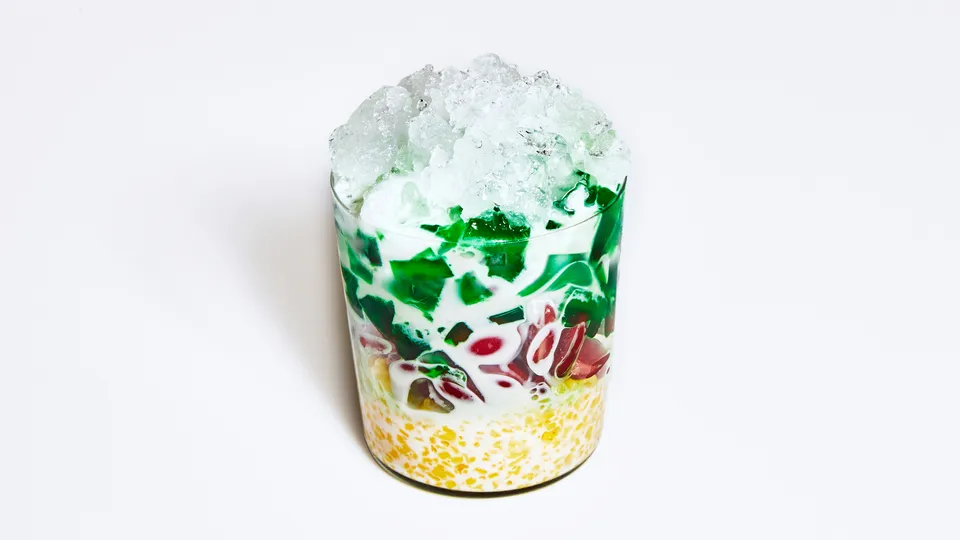
12. Chè Ba Màu
Chè ba màu, meaning “three color dessert,” is a layered Vietnamese drink-dessert hybrid with mung bean paste, red bean, pandan jelly, and coconut milk over crushed ice. The visual layers are half the appeal.
Each spoonful mixes a different combination of textures, from creamy to gelatinous to crunchy. It’s served in a tall glass with a long spoon, more drink than dish. Vietnamese dessert fans should also browse 23 Vietnamese desserts for more chè variations.
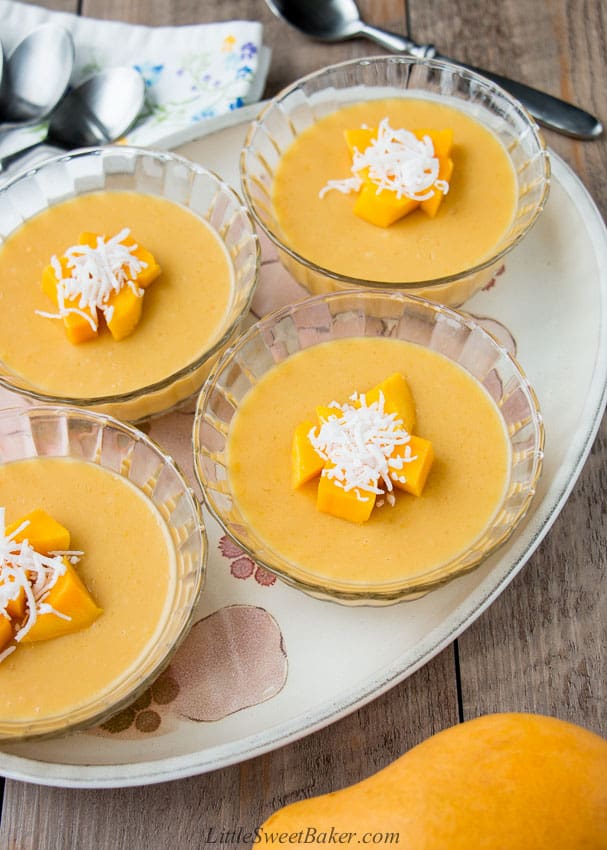
13. Mango Pudding
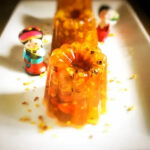
Mango pudding is a chilled Cantonese dessert made with fresh mango puree, cream, and gelatin, set until silky smooth. It’s a staple at dim sum restaurants and tastes like a lighter, fruitier panna cotta.
Yield: 6 servings | Prep: 15 minutes | Chill: 4 hours
Ingredients:
- 3 ripe mangoes, pureed (about 2 cups)
- 1/4 cup sugar
- 1 tablespoon gelatin powder
- 3 tablespoons hot water
- 1/2 cup heavy cream
- 1/4 cup evaporated milk
Steps:
- Bloom gelatin in hot water until dissolved.
- Mix mango puree, sugar, cream, and gelatin mixture.
- Pour into cups and chill 4 hours until set.
- Top with evaporated milk before serving.
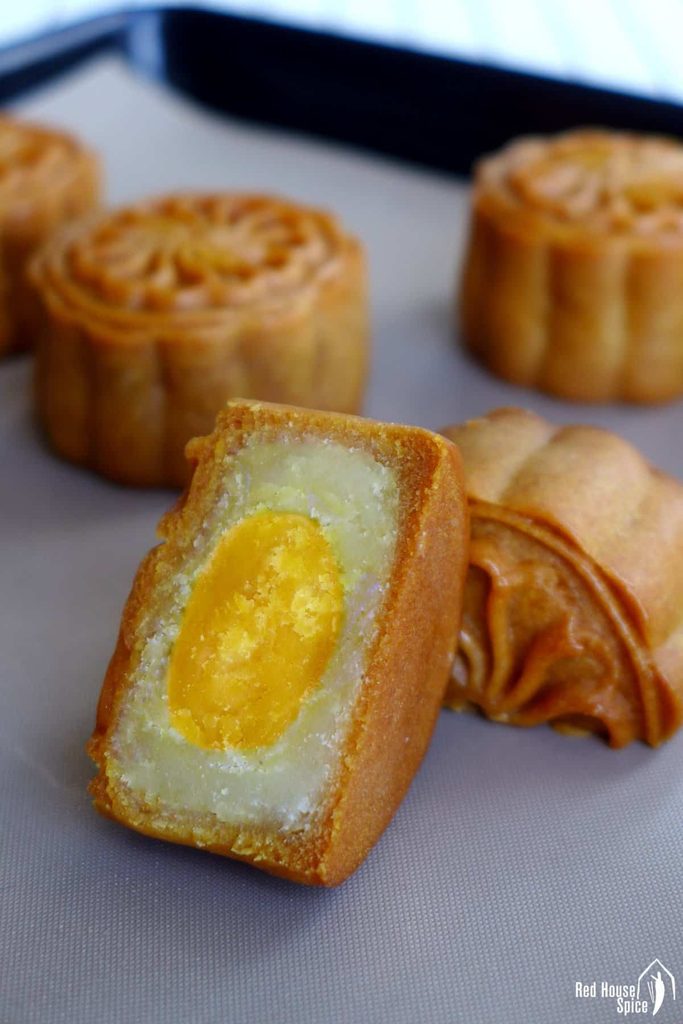
14. Mooncakes
Mooncakes are dense, round pastries filled with lotus seed paste or sweet bean paste, traditionally eaten during the Mid-Autumn Festival. A salted egg yolk in the center is a classic, slightly savory touch.
The dough uses golden syrup for its chewy, slightly sticky texture, pressed into decorative wooden molds before baking. They’re rich, so a small slice with tea goes a long way. Find more festival bakes in 22 Chinese desserts.
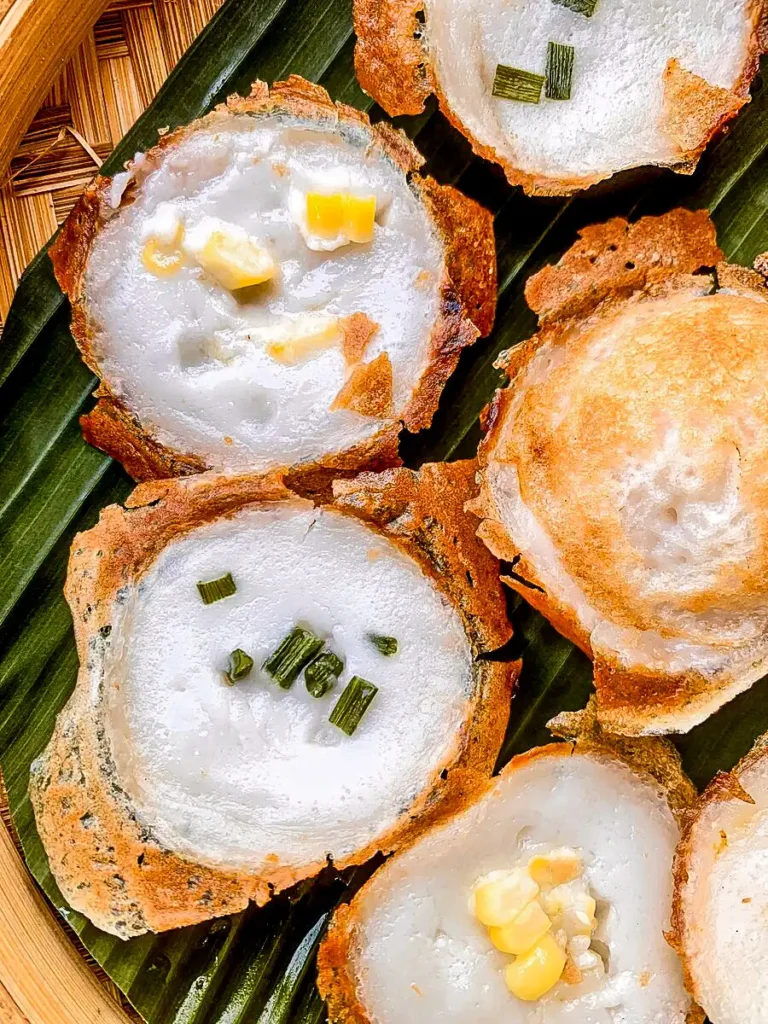
15. Khanom Krok
Khanom krok are Thai coconut rice pancakes cooked in a special cast-iron mold with small round wells. Each bite has a crisp, lacy edge and a soft, custardy coconut center, sweet with a hint of salt.
Street vendors flip these constantly to get both halves golden without burning the thin edges. A dedicated pan helps, though a mini muffin tin works as a home substitute. Pair this with other treats from 21 Thai desserts.
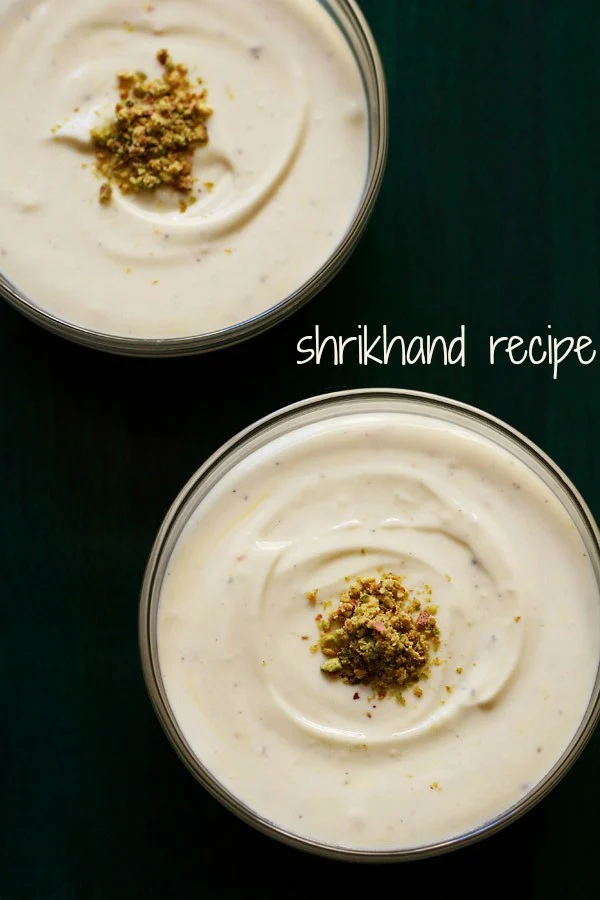
16. Shrikhand
Shrikhand is a thick, strained yogurt dessert from India, sweetened with sugar and flavored with saffron and cardamom. It’s cool, tangy, and refreshing, often served alongside puri bread for a sweet-savory combo.
Hanging yogurt in cheesecloth overnight removes excess whey, leaving a dense, creamy base. Pistachios and saffron threads on top add color and crunch. For more cooling, yogurt-based treats, our best Indian side dishes covers complementary flavors.
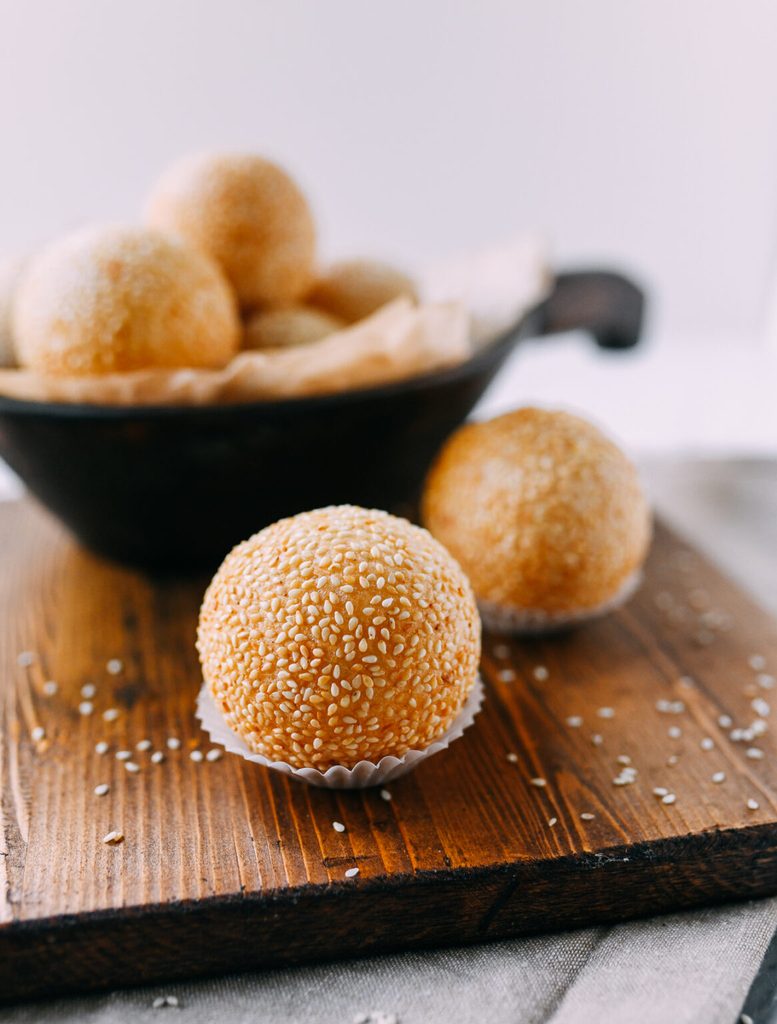
17. Sesame Balls (Jian Dui)
Sesame balls are fried glutinous rice dough balls coated in sesame seeds, with a hollow center and a sweet bean paste filling. The shell puffs up dramatically during frying, creating that signature crackly crust.
Getting the puff right takes a gentle touch and consistent oil temperature around 300°F. Rolling the dough in sesame seeds before frying gives even, toasty coverage. These show up often alongside other treats in our best Chinese desserts.
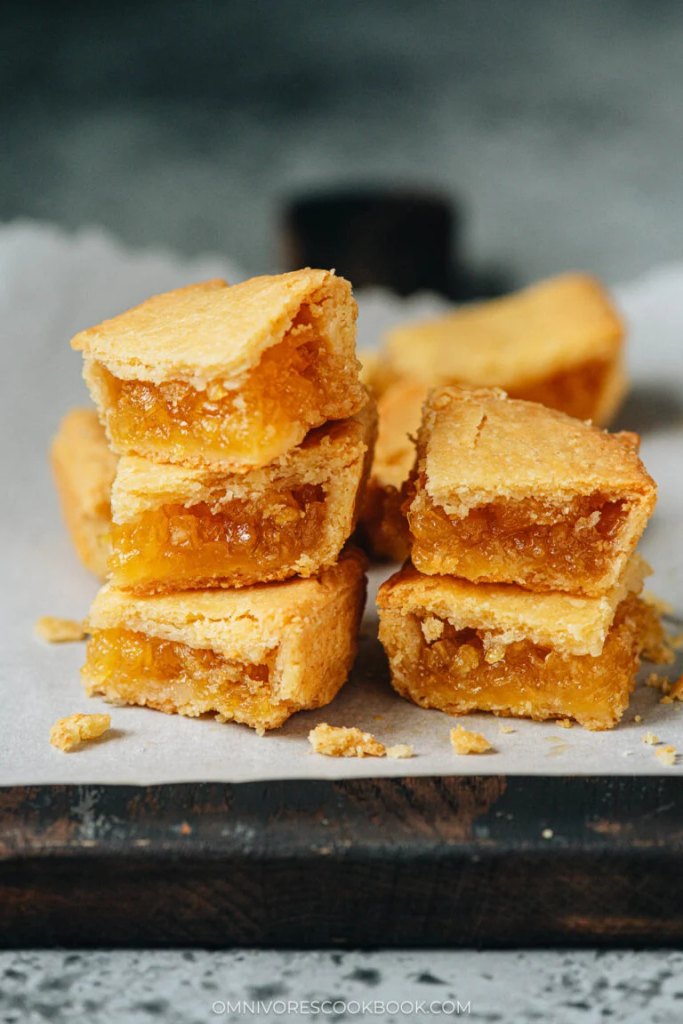
18. Taiwanese Pineapple Cakes
Taiwanese pineapple cakes are buttery shortbread pastries filled with a tangy, jammy pineapple filling, a popular gift and souvenir across Taiwan. The contrast between the crumbly crust and sticky-sweet center is what makes them addictive.
Making the filling from scratch means cooking down fresh pineapple with sugar for over an hour until jammy and thick. The dough itself uses a mix of butter and milk powder for richness. Small rectangular molds give the cakes their classic shape.
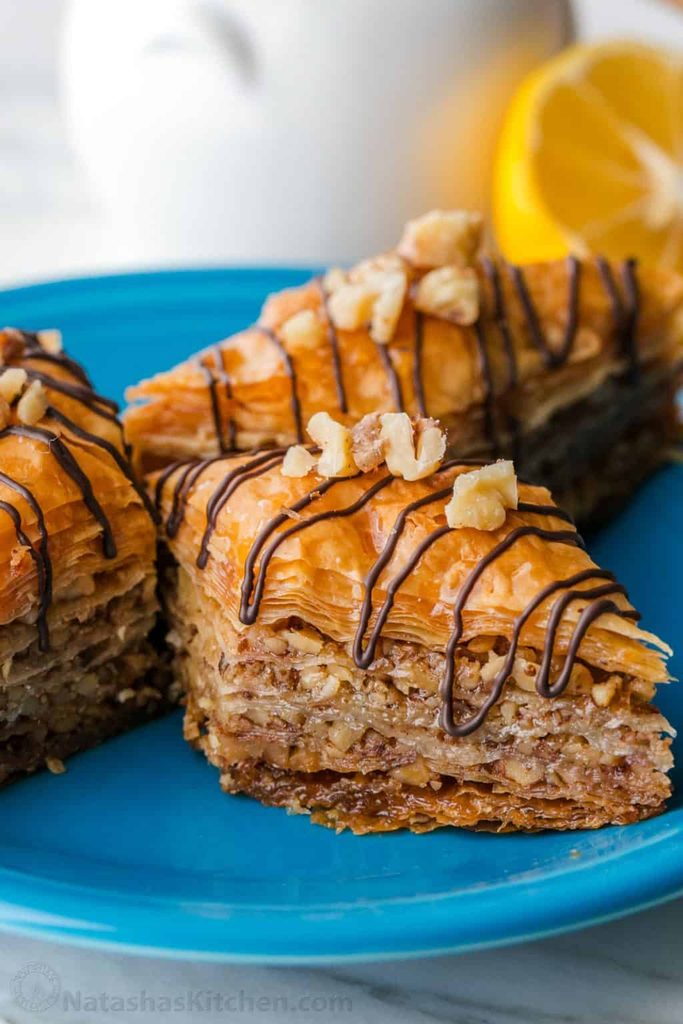
19. Baklava
Baklava layers paper-thin phyllo dough with chopped nuts and honey syrup, baked until golden and crisp. While strongly associated with Turkish and Greek kitchens, versions of this treat appear across the Middle East and parts of Asia too.
Brushing each phyllo layer with melted butter is what gives baklava its signature flaky crunch. Cutting it into diamonds before baking helps the syrup soak evenly. Fans of this style should also look at our best Turkish desserts for more phyllo-based bakes.
Tips for Making Asian Desserts at Home
Stock your pantry with the basics first. Glutinous rice flour, coconut milk, and palm sugar show up again and again across these recipes, so keeping them on hand saves a last-minute grocery run.
Temperature control makes or breaks fried desserts like sesame balls and gulab jamun. Too hot, and the outside burns before the inside cooks; too cool, and they turn greasy instead of crisp.
Fresh fruit matters more than most people expect. A ripe, fragrant mango transforms mango sticky rice and mango pudding in ways a underripe one simply can’t match.
Don’t rush chilled desserts like bingsu or mango pudding. Give them the full resting or freezing time listed, since cutting it short affects both texture and flavor.
Rice is the backbone ingredient across this whole list. If you’re cooking a lot of these desserts, 25 leftover rice recipes is worth a look for using up extra cooked rice between dessert projects.