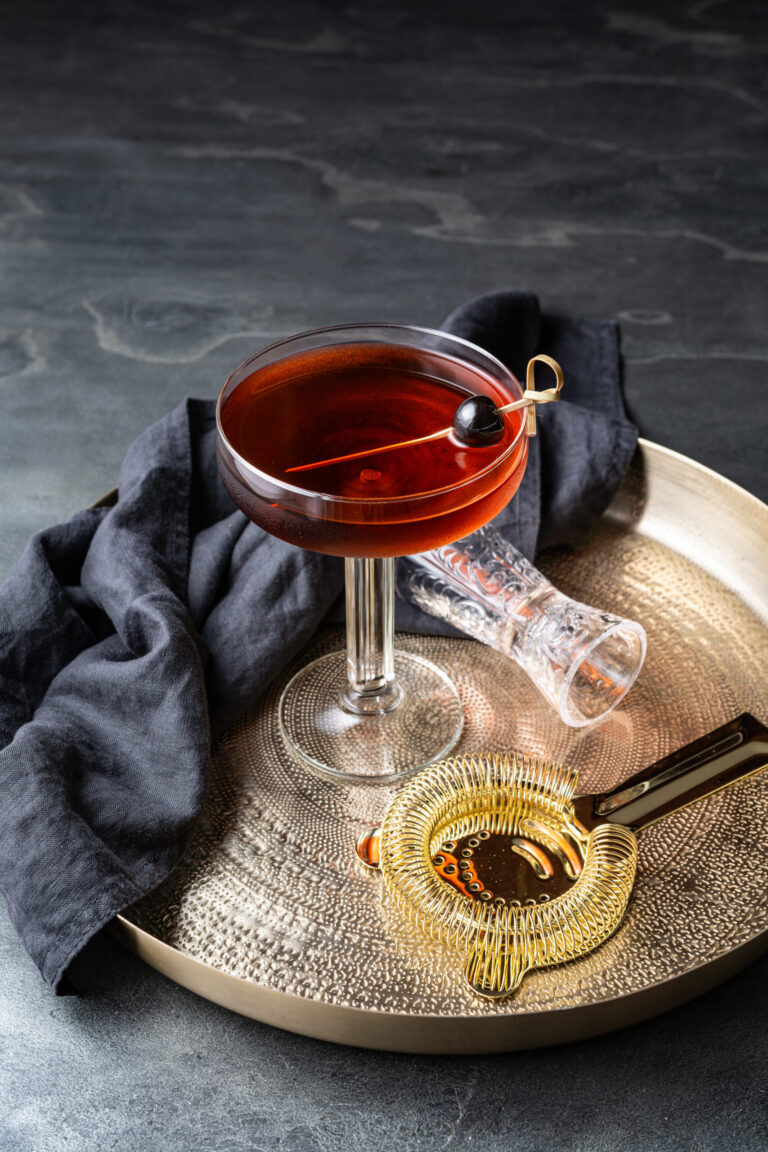
Vermouth deserves more credit than it gets. That bottle sitting in your fridge door isn’t just a splash for your Martini. It’s the backbone of some of the most iconic drinks ever poured, from smoky Boulevardiers to bittersweet Negronis.
The best vermouth cocktail for most people to start with is the Manhattan, made with sweet vermouth, rye whiskey, and a dash of bitters, because it balances bold and smooth in equal measure. If you lean toward something crisper and more herbal, a dry vermouth Martini is the classic answer. Both bottles, sweet and dry, open the door to dozens of drinks worth knowing.
This list covers 19 vermouth cocktails that range from century-old classics to modern bar favorites, with notes on what makes each one worth shaking or stirring.
Quick picks:
- Best overall: Manhattan, sweet and balanced with rye and bitters
- Best for gin lovers: Martini, crisp and bone-dry
- Best for bitter fans: Negroni, bold with Campari and gin
- Best low-alcohol sipper: Americano, light and bubbly
1. Martini
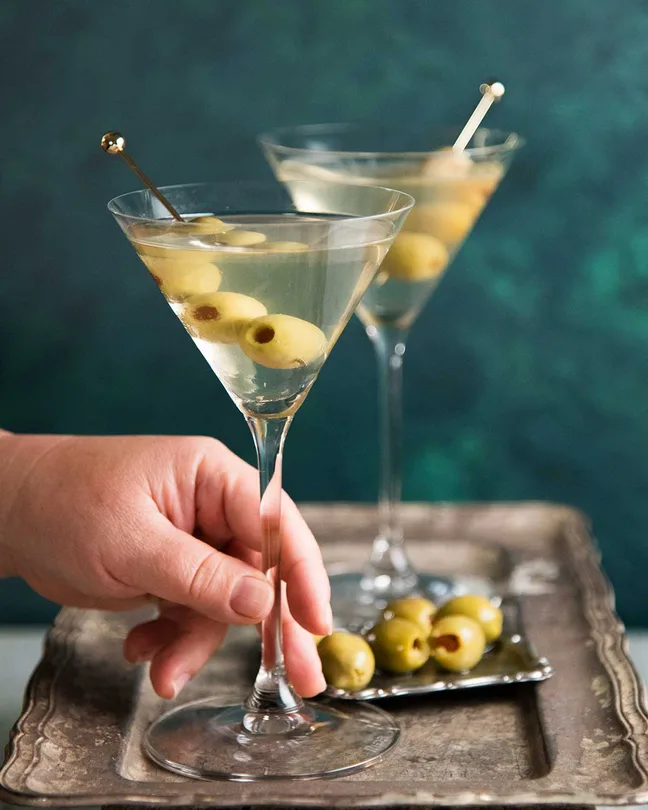
The Martini is the drink that put vermouth on the map. Gin and dry vermouth, stirred cold and strained into a chilled glass, make a crisp, slightly herbal sip that’s as classic as cocktails get.
Ratios vary by taste. Some like a wet Martini with more vermouth, others barely let the bottle near the glass. A twist of lemon or a briny olive finishes it off. For deeper variations on this classic, check out our best types of Martinis.
2. Manhattan
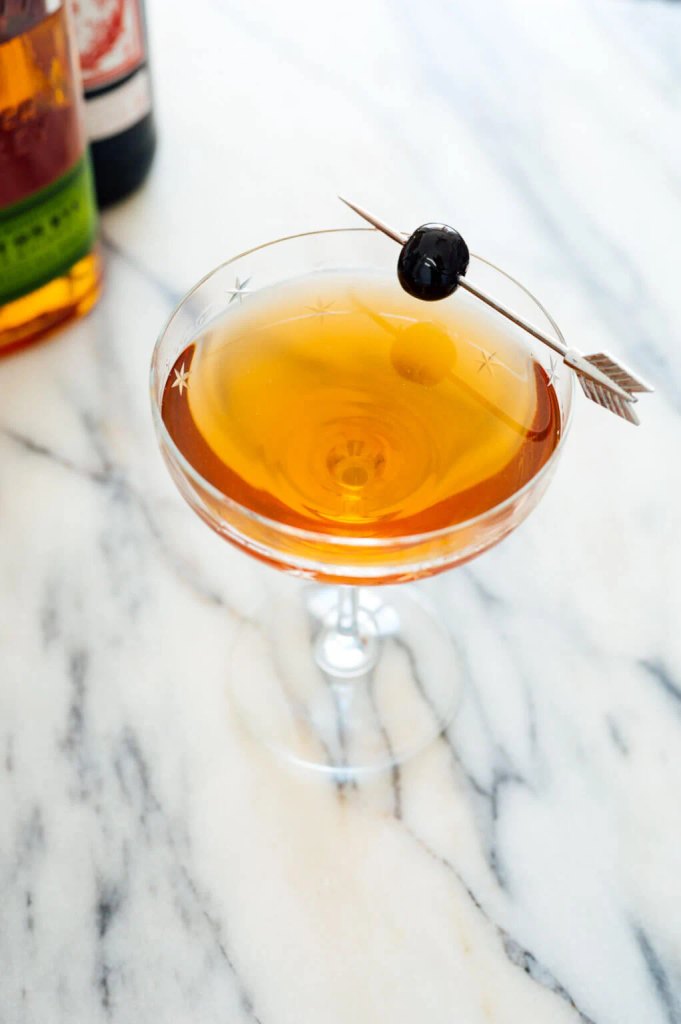
The Manhattan pairs rye whiskey with sweet vermouth and a couple dashes of Angostura bitters. Stirred over ice and strained into a coupe, it’s rich, warm, and a little spicy.
A brandied cherry at the bottom makes the perfect finishing touch. Swap rye for bourbon if you want a softer, sweeter pour. This one holds its own as a cold-weather sipper or a steakhouse staple.
3. Negroni
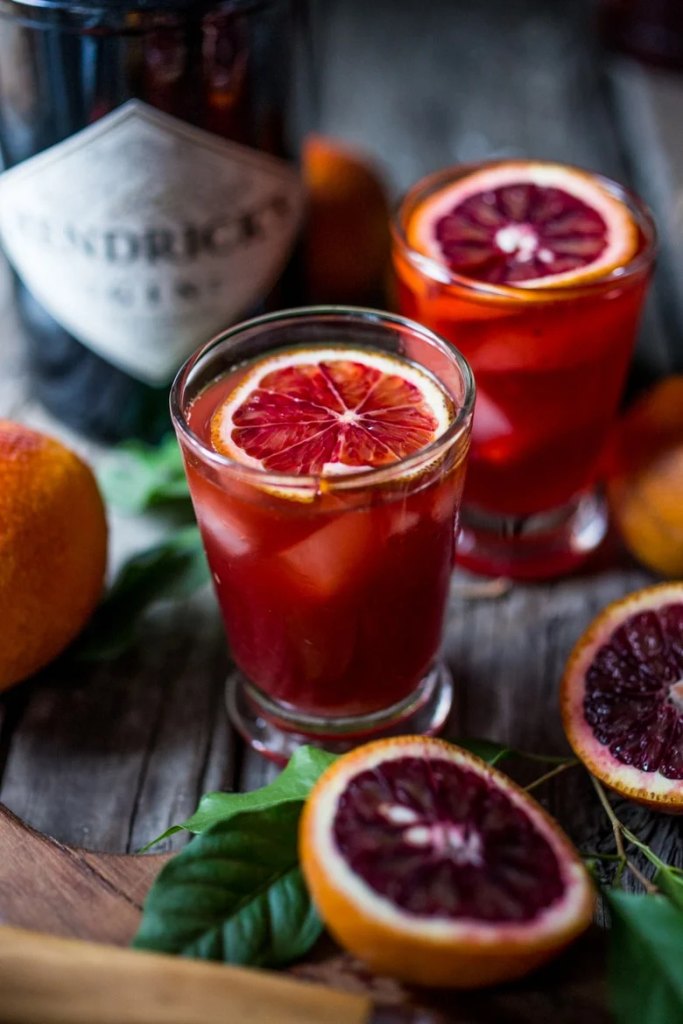
The Negroni mixes equal parts gin, Campari, and sweet vermouth for a bitter, bold classic. Built over ice and finished with an orange peel, it’s a drink that wakes up your taste buds fast.
Bartenders in Florence get credit for inventing it over a century ago. If Campari’s bitterness is new to you, start here. Pair your curiosity with our best Campari cocktails for more ideas built around that bright red bottle.
4. Boulevardier
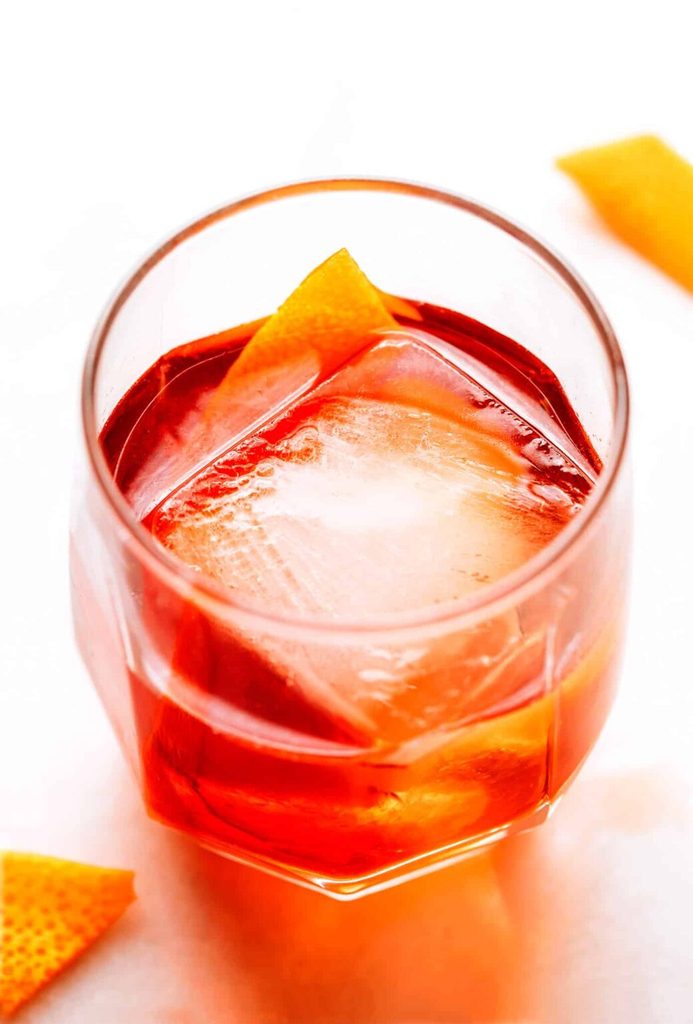
The Boulevardier swaps gin for bourbon in a Negroni-style build, giving you a richer, boozier cousin to that Italian classic. Equal parts bourbon, Campari, and sweet vermouth come together over ice.
The whiskey adds warmth and a touch of sweetness that mellows the bitterness. Serve it in a rocks glass with a big orange twist. Bourbon fans who find Negronis too sharp tend to fall hard for this one.
5. Americano
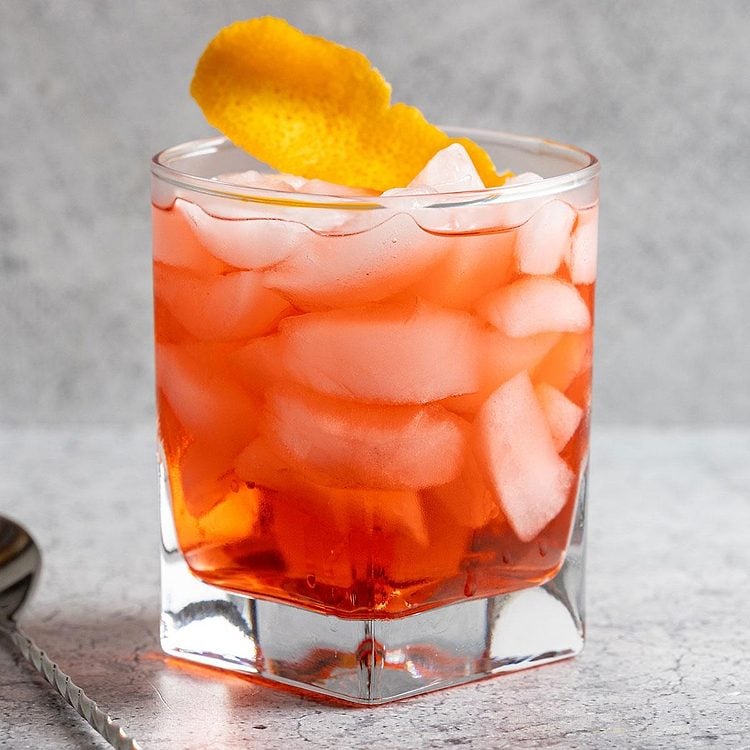
The Americano is a bubbly, low-proof refresher built from Campari, sweet vermouth, and soda water. Poured over ice with an orange slice, it’s light enough to sip all afternoon.
James Bond famously ordered one before switching to vodka Martinis. The fizz keeps things easygoing, and the bitterness stays mellow thanks to the soda. It’s a smart pick when you want cocktail flavor without a heavy pour.
6. Martinez
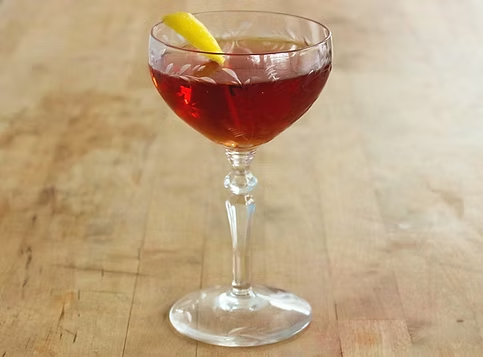
The Martinez is considered one of the ancestors of the modern Martini, built with gin, sweet vermouth, maraschino liqueur, and bitters. The result is rounder and fruitier than today’s Martinis.
Old Tom gin, a slightly sweeter style, works best here. Stir with ice and strain into a coupe glass. Cocktail historians still argue over its exact origin story, but the drink itself settles the debate with every sip.
7. Bamboo
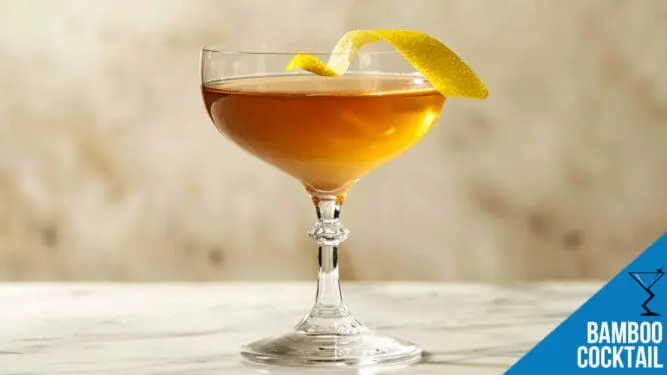
The Bamboo is a sherry and dry vermouth cocktail built for sipping slow. Equal parts fino sherry and dry vermouth, with a couple dashes of orange bitters, make a light, nutty, slightly briny drink.
It’s a 19th-century creation from the Grand Hotel in Yokohama. Stir and strain into a coupe glass. This one suits anyone who wants cocktail hour without a heavy dose of liquor.
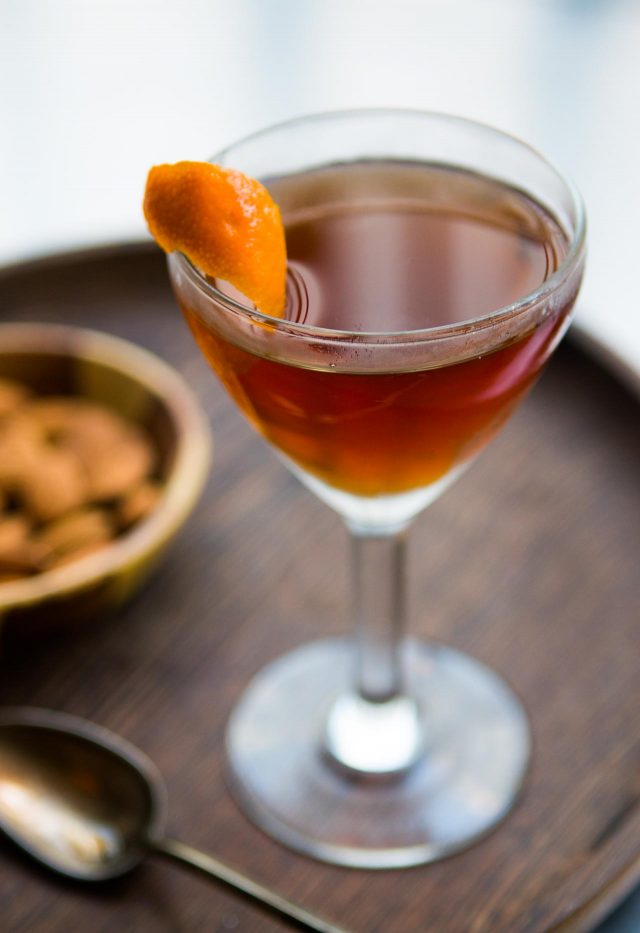
8. Hanky Panky
The Hanky Panky combines gin, sweet vermouth, and a few dashes of Fernet-Branca for a bittersweet, herbal kick. Bartender Ada Coleman created it at London’s Savoy Hotel in the early 1900s.
The Fernet gives it a minty, medicinal edge that grows on you fast. Stir with ice and garnish with an orange twist. It’s a drink for anyone curious about bitter liqueurs beyond Campari.
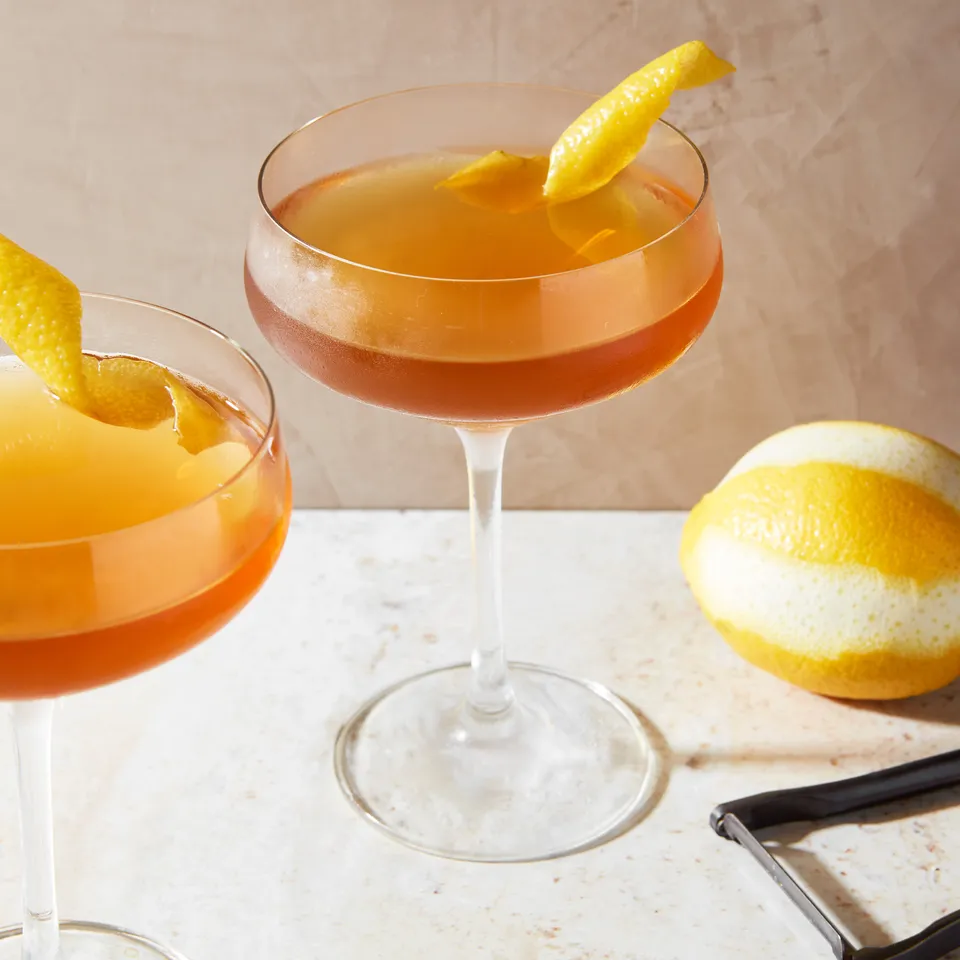
9. Brooklyn
The Brooklyn cocktail is a close cousin to the Manhattan, swapping sweet vermouth for dry and adding maraschino liqueur plus Amer Picon or a similar bittering agent. Rye whiskey still anchors the base.
The result is drier and more complex than a classic Manhattan. Stir over ice and strain into a coupe. Whiskey drinkers looking to branch out should give this under-the-radar classic a try.
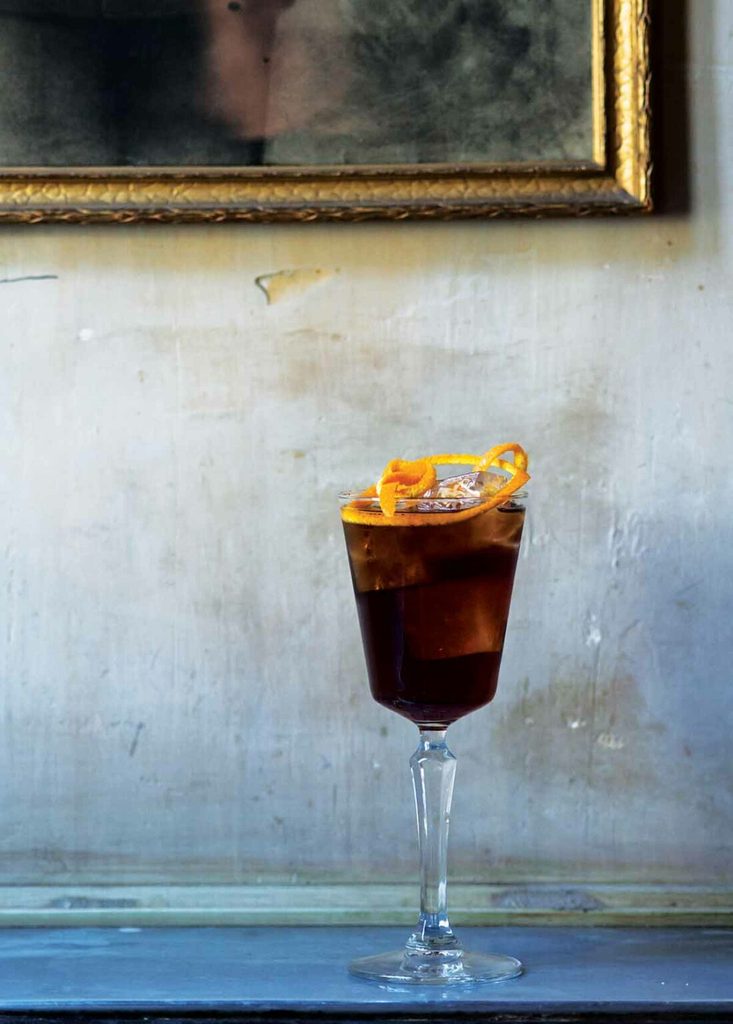
10. Adonis
The Adonis pairs sherry with sweet vermouth for a wine-forward cocktail that’s light on alcohol and big on flavor. Equal parts oloroso or amontillado sherry and sweet vermouth, plus orange bitters, make the mix.
Stir gently and strain into a coupe glass. It dates back to an 1884 Broadway musical of the same name. This one’s a smart choice for daytime entertaining or a pre-dinner sip.
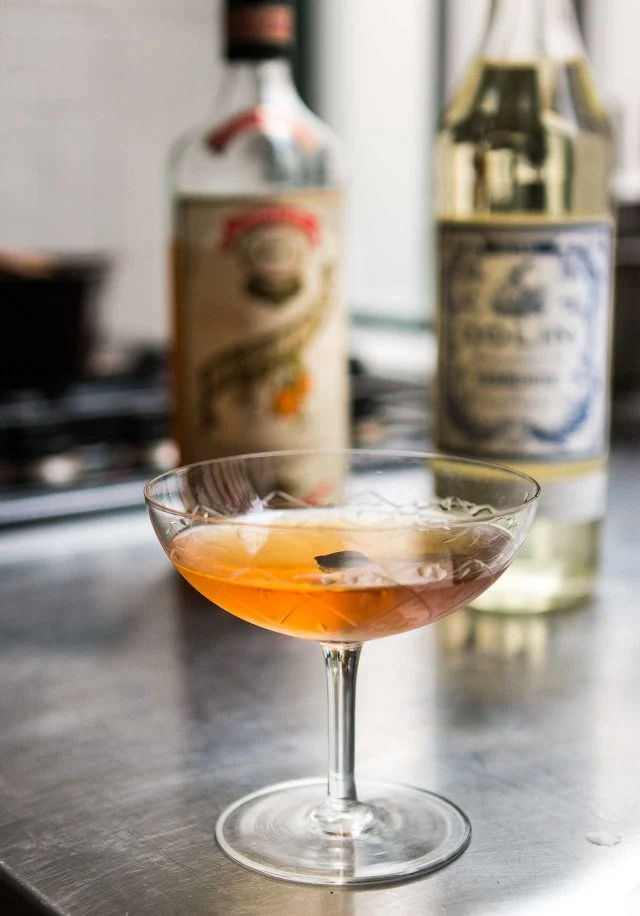
11. El Presidente
The El Presidente is a Cuban classic built on white rum, dry vermouth, curaçao, and a splash of grenadine. Light, citrusy, and a touch sweet, it’s a rum lover’s answer to the Martini.
Stir with ice and strain into a chilled coupe. An orange twist finishes it nicely. This drink pairs well with warm-weather gatherings and anything off the grill.
12. Bijou
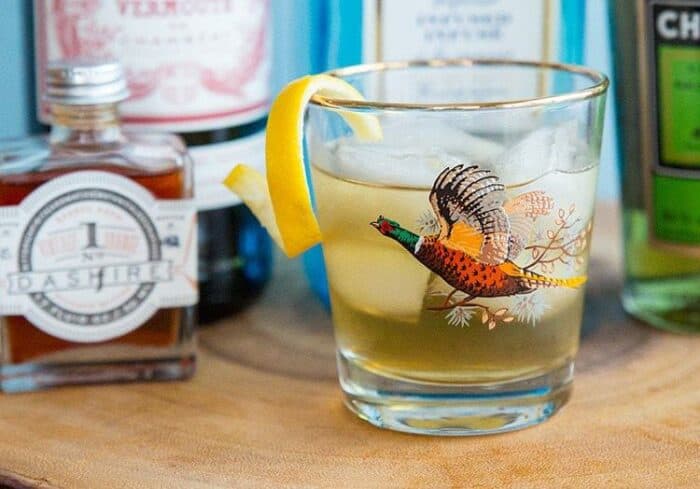
The Bijou brings together gin, sweet vermouth, and green Chartreuse in equal parts for a jewel-toned, herbal sipper. Its name means “jewel” in French, fitting for its deep green-gold hue.
A dash of orange bitters rounds out the flavor. Stir with ice and strain into a coupe glass. Chartreuse fans and herbal liqueur lovers will want this one in their rotation.
13. Tuxedo No. 2
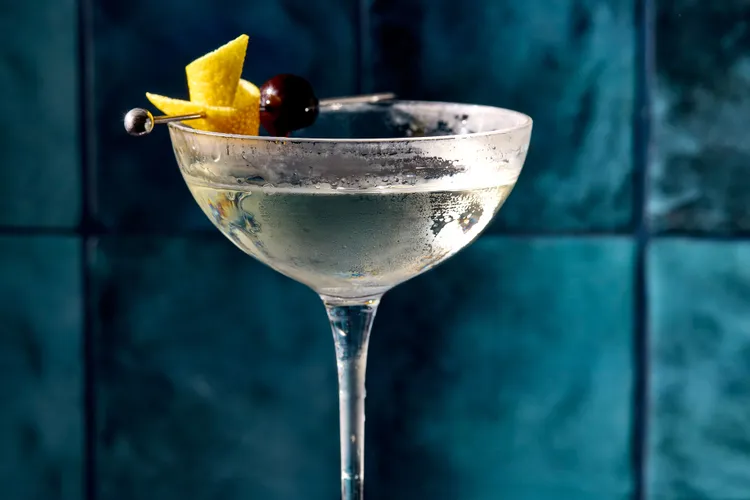
The Tuxedo No. 2 is a drier spin on the Martini, mixing gin, dry vermouth, maraschino liqueur, absinthe, and orange bitters. The absinthe rinse adds a subtle anise note that lingers.
Stir over ice and strain into a chilled glass. A lemon twist finishes the drink. It’s a good next step for anyone who’s mastered the basic Martini and wants more complexity.
14. Chrysanthemum
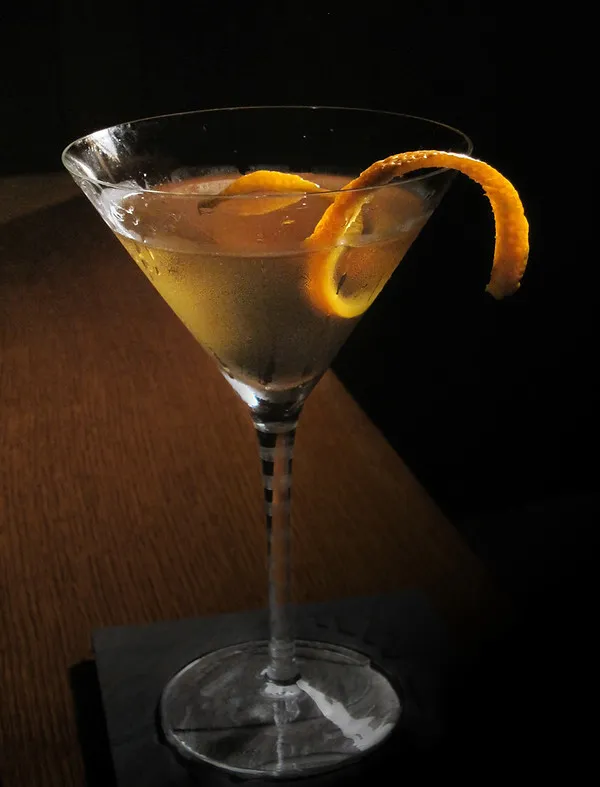
The Chrysanthemum is a dry vermouth cocktail built with Bénédictine and a few dashes of absinthe or pastis. No hard spirit base means it’s lighter and more approachable than most classics here.
Stir with ice and strain into a coupe. An orange twist adds brightness. This one works well as a lower-proof option for longer gatherings.
15. Scofflaw
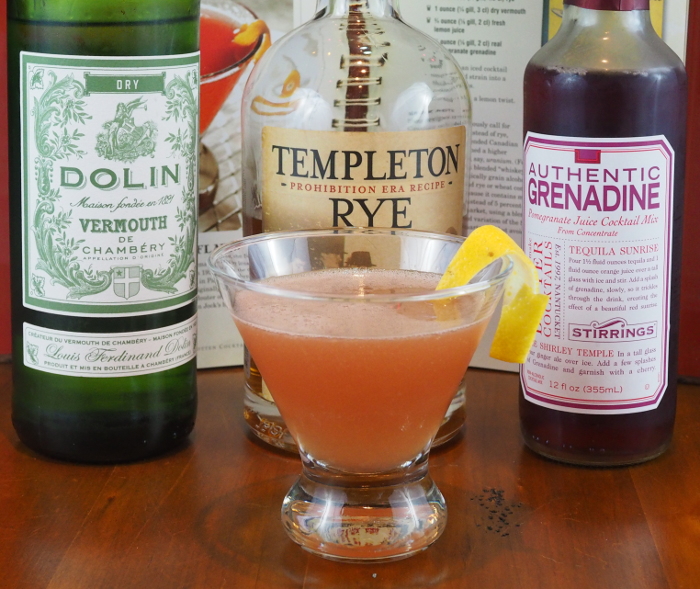
The Scofflaw mixes rye whiskey, dry vermouth, lemon juice, grenadine, and orange bitters for a Prohibition-era classic with a tart, fruity edge. Shaken, not stirred, it gets a frothy texture unlike most vermouth drinks on this list.
Strain into a coupe and garnish with a lemon twist. The name mocked Prohibition law-breakers back in the 1920s. It’s a refreshing pick for whiskey drinkers who want something brighter.
16. Blood and Sand
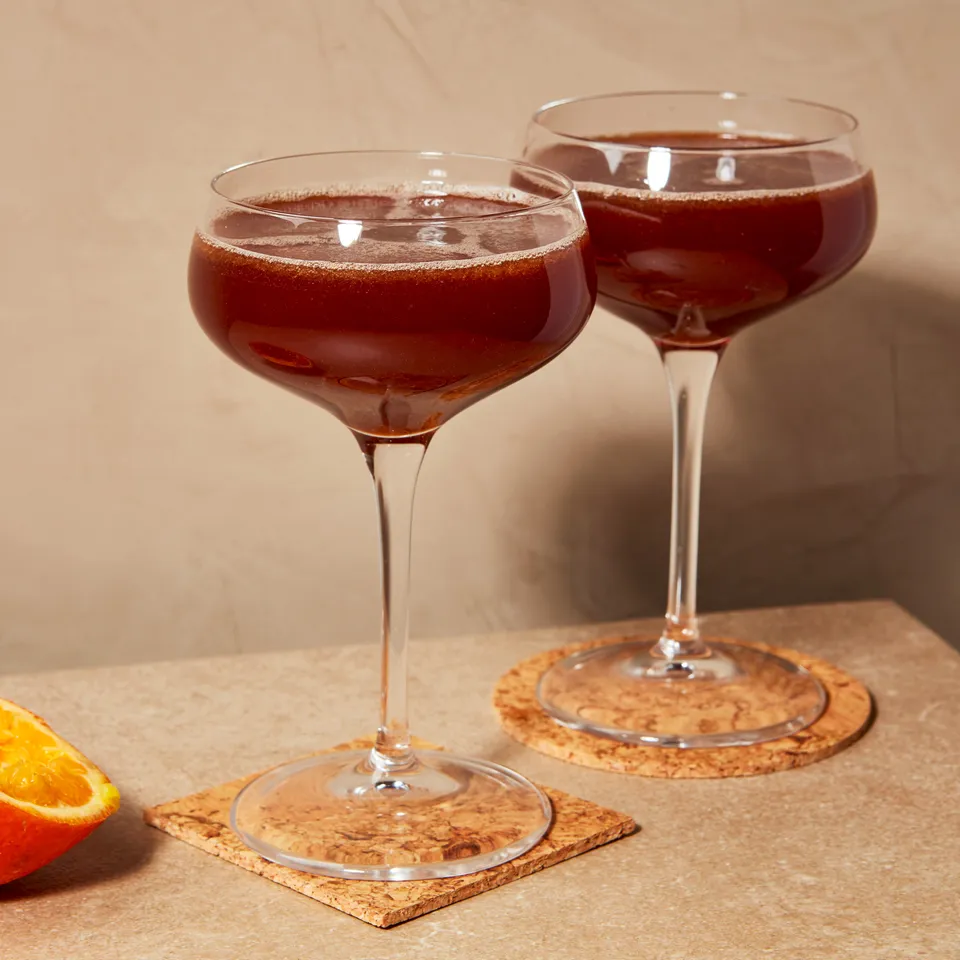
The Blood and Sand blends scotch, sweet vermouth, cherry liqueur, and orange juice into a surprisingly smooth, fruity cocktail. Named after a 1922 bullfighting film, it proves scotch can play well with citrus.
Shake with ice and strain into a coupe glass. The smoky scotch keeps the sweetness in check. Scotch skeptics often find this one an easy entry point.
17. La Louisiane
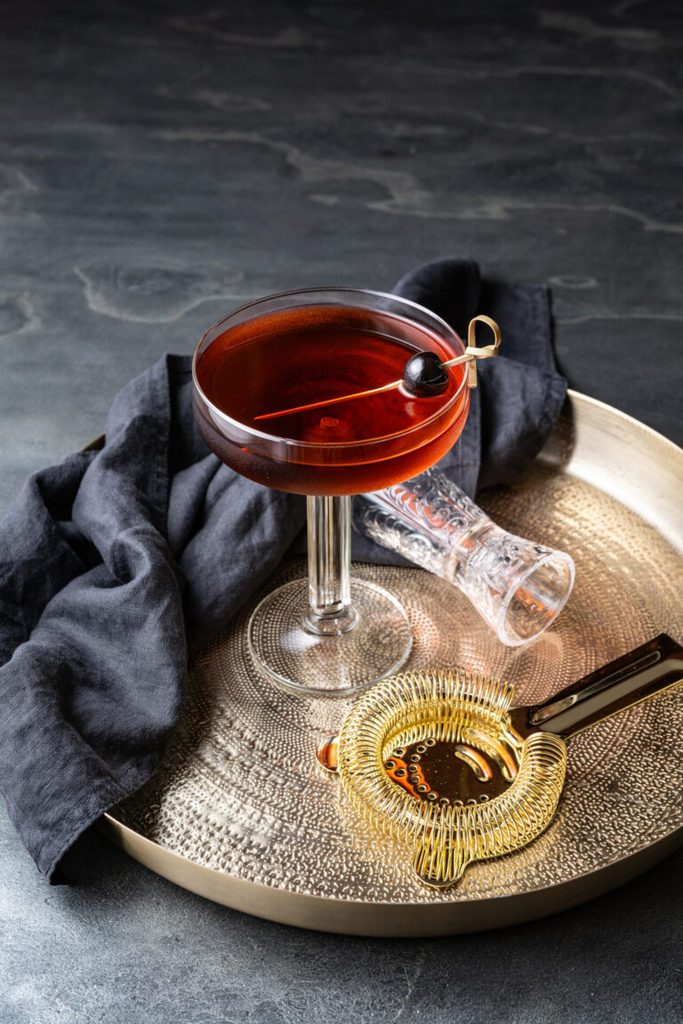
La Louisiane is a New Orleans classic made with rye whiskey, sweet vermouth, Bénédictine, and a touch of absinthe and bitters. Rich, herbal, and a little anise-forward, it’s a close cousin to the Sazerac.
Stir with ice and strain into a chilled glass. A cherry garnish adds the finishing touch. Fans of bold, spirit-driven drinks will find plenty to love here.
18. Queen Elizabeth
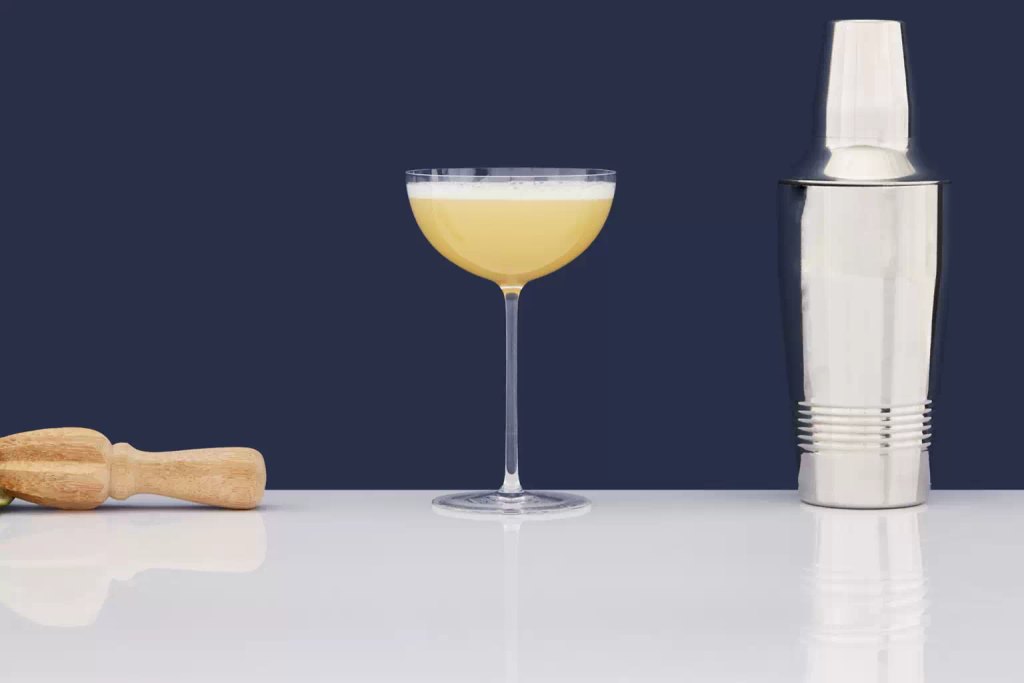
The Queen Elizabeth cocktail mixes gin, dry vermouth, Bénédictine, and lemon juice for a bright, herbal sip with a citrus lift. It’s one of the lesser-known classics worth digging up.
Shake with ice and strain into a coupe glass. The Bénédictine adds honeyed depth against the tart lemon. This drink suits anyone who wants a Martini with a little more personality.
19. Diplomat
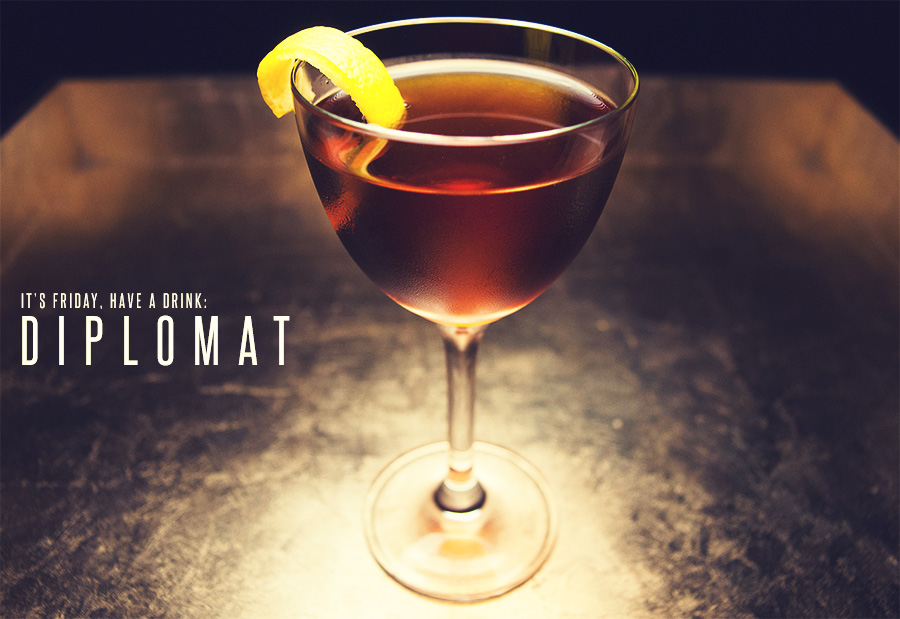
The Diplomat is a dry, wine-forward cocktail built from dry vermouth, sweet vermouth, and a dash of maraschino liqueur and bitters. Using two vermouths side by side makes for a balanced, low-proof sip.
Stir with ice and strain into a coupe glass. A cherry garnish finishes it off. It’s a great choice for easing into vermouth-forward drinking without reaching for hard spirits at all.
How to Choose Between Sweet and Dry Vermouth
Sweet vermouth brings deep, raisin-like sweetness and warm spice notes, making it the better match for whiskey and dark spirits. Dry vermouth is crisp, herbal, and slightly bitter, pairing naturally with gin and lighter bases.
Think about the drink’s main spirit first. Whiskey cocktails like the Manhattan or Boulevardier lean on sweet vermouth for balance. Gin cocktails like the Martini or Bijou call for the drier style to keep things crisp.
Here’s how the cocktails in this list stack up:
| Cocktail | Vermouth Style | Base Spirit | Flavor Profile |
|---|---|---|---|
| Martini | Dry | Gin | Crisp, herbal |
| Manhattan | Sweet | Rye whiskey | Rich, spiced |
| Negroni | Sweet | Gin | Bitter, bold |
| Boulevardier | Sweet | Bourbon | Warm, bitter |
| Americano | Sweet | None (soda) | Light, fizzy |
| Martinez | Sweet | Gin | Fruity, round |
| Bamboo | Dry | Sherry | Nutty, briny |
| Hanky Panky | Sweet | Gin | Herbal, bitter |
| Brooklyn | Dry | Rye whiskey | Dry, complex |
| Adonis | Sweet | Sherry | Wine-forward |
| El Presidente | Dry | White rum | Citrusy, light |
| Bijou | Sweet | Gin | Herbal, jewel-toned |
| Tuxedo No. 2 | Dry | Gin | Dry, anise-tinged |
| Chrysanthemum | Dry | None (liqueur) | Light, herbal |
| Scofflaw | Dry | Rye whiskey | Tart, fruity |
| Blood and Sand | Sweet | Scotch | Smoky, fruity |
| La Louisiane | Sweet | Rye whiskey | Herbal, anise |
| Queen Elizabeth | Dry | Gin | Bright, citrusy |
| Diplomat | Both | None | Balanced, dry |
If you’re building a home bar, keep both bottles on hand. For more inspiration beyond this list, our best vermouth cocktails collection and the 12 vermouth cocktails roundup offer even more ways to use them.
How to Store Vermouth After Opening
Vermouth needs refrigeration once opened, since it’s a fortified wine that spoils like any other wine over time. Keep it tightly sealed in the fridge, and plan to use it within one to three months for the best flavor.
Dry vermouth tends to fade faster than sweet, losing its crisp edge after a few weeks exposed to air. Sweet vermouth holds on a bit longer thanks to its higher sugar content, but both will eventually taste flat and dull.
A quick sniff test tells you a lot. If it smells sharp, like vinegar, or tastes muddy instead of bright, it’s time to replace the bottle. Buying smaller bottles is smarter than a giant one that sits half-used for months.
Keep your vermouth stocked alongside other go-to bar bottles. If you’re expanding your home bar rotation, browse 31 great cocktail recipes for more ways to put every bottle to good use.