That heel of bread going hard on the counter is not trash, it is the start of something good. Stale bread has lost moisture, not flavor, which means it soaks up custard, broth, and dressing without turning to mush. That one quality is why cooks from Tuscany to Texas have built whole dishes around day-old loaves instead of fresh ones.
This collection pulls together sweet and savory ways to use every kind of leftover bread, from a crusty baguette to a soft sandwich loaf. Some recipes come together in ten minutes, others simmer low on the stove for a cozy dinner.
Quick picks:
- Best breakfast fix: Classic French Toast, ready in under 20 minutes
- Best for a crowd: Classic Bread Stuffing or Breakfast Strata
- Best way to stretch groceries: Homemade Croutons or Breadcrumbs
- Best cozy dinner: Ribollita or French Onion Soup
1. Classic French Toast
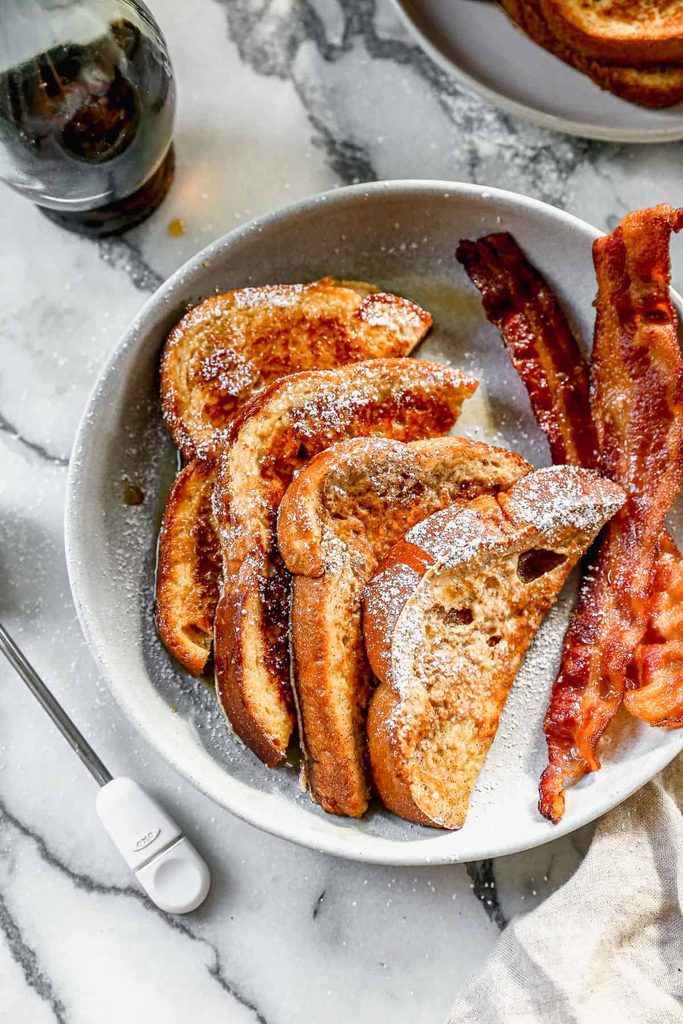
Stale bread makes the best French toast because it soaks up egg custard without falling apart. Whisk 4 eggs, 1 cup whole milk, 1 teaspoon vanilla, and 1 teaspoon cinnamon. Dip 8 slices of day-old bread, then fry in buttered skillet over medium heat, 3 minutes per side, until golden. Serves 4. For more morning ideas, check out our best sweet breakfast recipes. Top with maple syrup and berries.
2. Old-Fashioned Bread Pudding
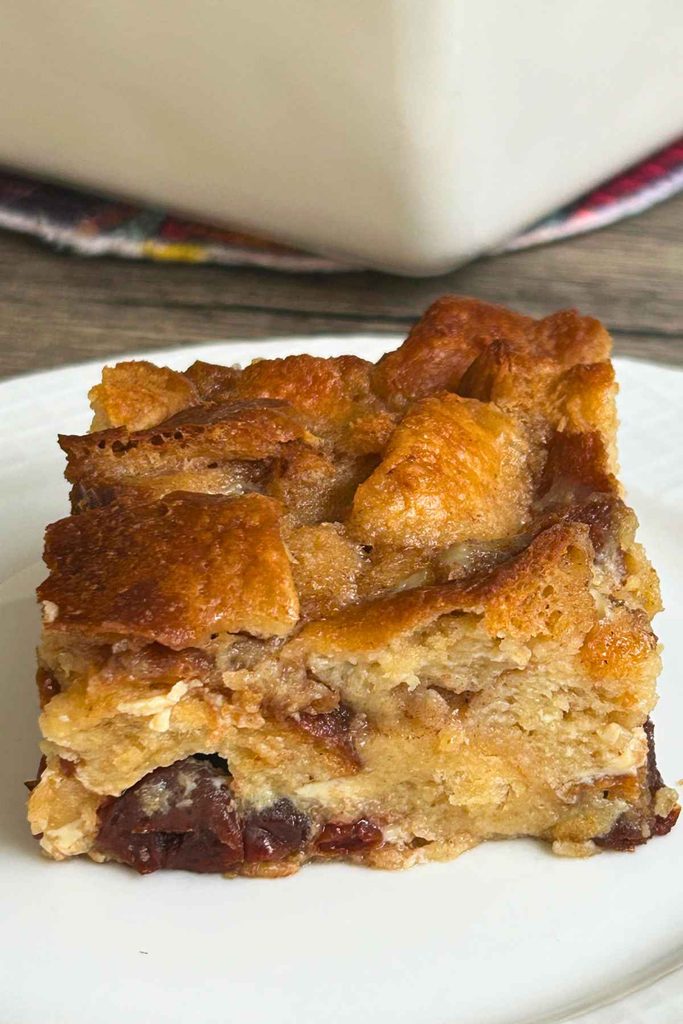
This dessert turns dry bread into a creamy, custardy treat. Cube 6 cups stale bread and place in a greased 9×13 dish. Whisk 4 eggs, 2 cups milk, 1/2 cup sugar, 1 teaspoon vanilla, and 1/2 cup raisins; pour over bread. Bake at 350°F for 40 minutes until set and golden. Serves 8. The edges turn crisp while the center stays soft and spoonable, the kind of dessert that disappears fast at a potluck.
3. Homemade Croutons
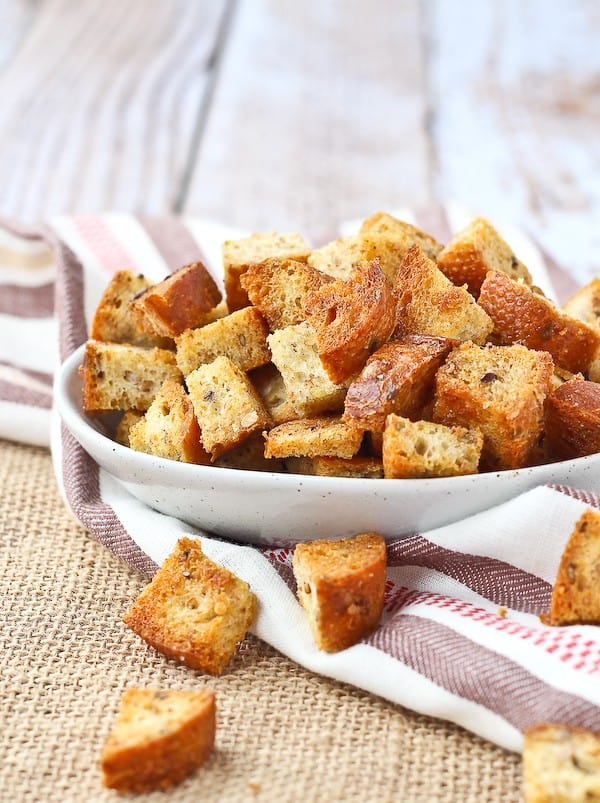
Crunchy, golden croutons take stale bread from waste to salad star. Cube 4 cups bread, toss with 3 tablespoons olive oil, 1 teaspoon garlic powder, and salt. Bake at 375°F for 12 minutes, stirring halfway. Makes about 4 cups. Store in an airtight jar for a week. They add crunch to soups too, not just salads, and taste far better than anything from a box.
4. Homemade Breadcrumbs
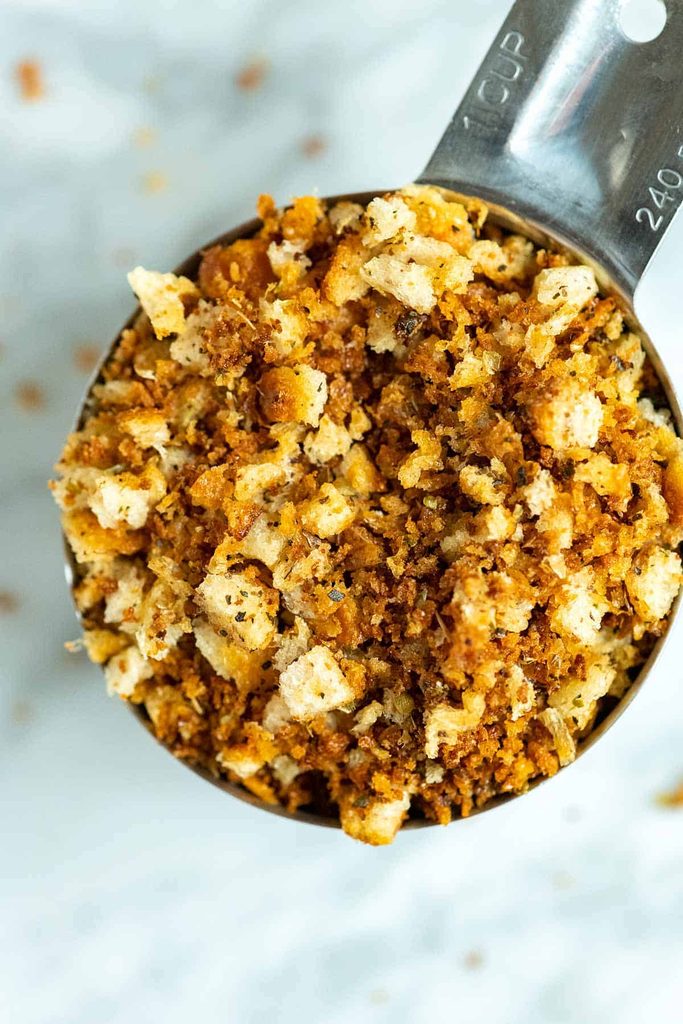
Dried-out bread is the secret to breadcrumbs with real flavor. Pulse 4 cups torn stale bread in a food processor until fine. Spread on a baking sheet and bake at 300°F for 15 minutes to dry fully. Makes about 2 cups. Store in the freezer for months. Use them to coat chicken cutlets or top a baked pasta dish for a crisp, golden crust.
5. Panzanella
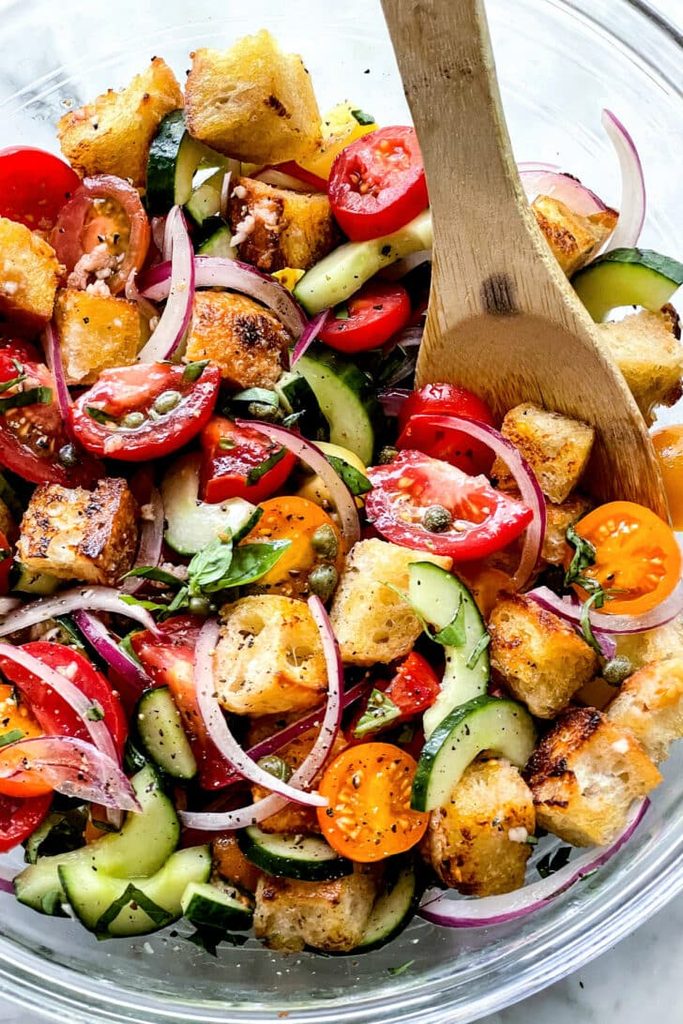
This Tuscan bread salad turns stale loaf into something juicy and bright. Toss 4 cups torn bread, 3 cups chopped tomatoes, 1/2 cup sliced red onion, and fresh basil with 1/4 cup olive oil and 2 tablespoons red wine vinegar. Let it sit 20 minutes so the bread soaks up the tomato juices. Serves 4. Pair it with a fresh caprese salad with balsamic glaze for a summer table.
6. Classic Bread Stuffing
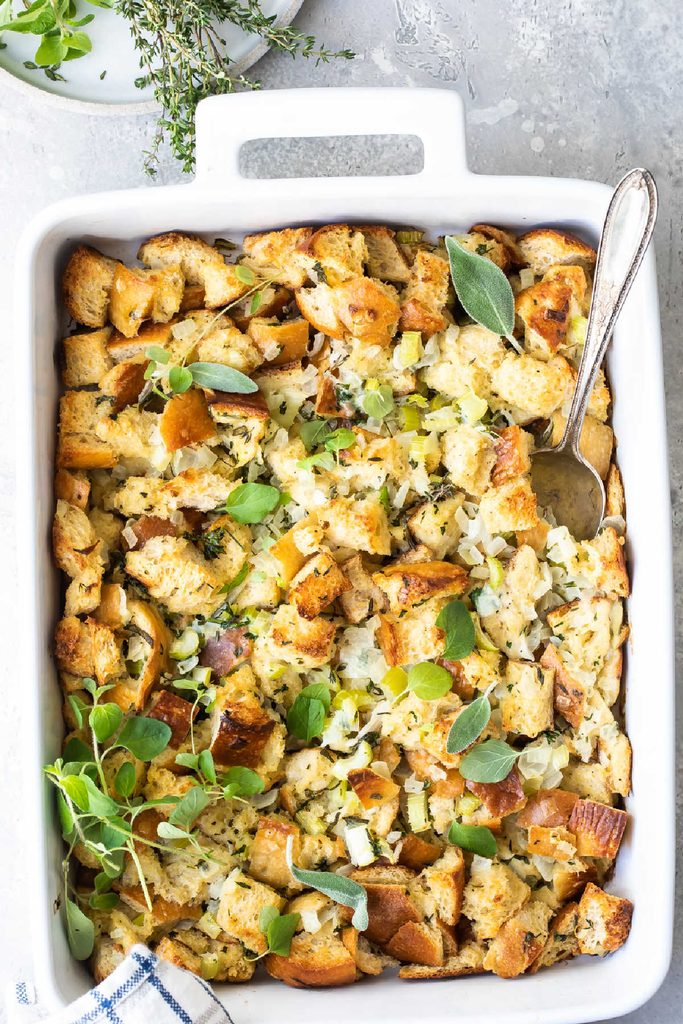
Day-old bread holds its shape in stuffing better than fresh, soft loaves. Cube 8 cups bread and dry overnight. Sauté 1 cup celery, 1 cup onion, and 2 tablespoons butter; mix with bread, 2 cups chicken broth, and 1 tablespoon sage. Bake at 350°F for 35 minutes in a greased dish. Serves 8. For more comforting side dishes, browse our best stove top stuffing recipes.
7. Breakfast Strata
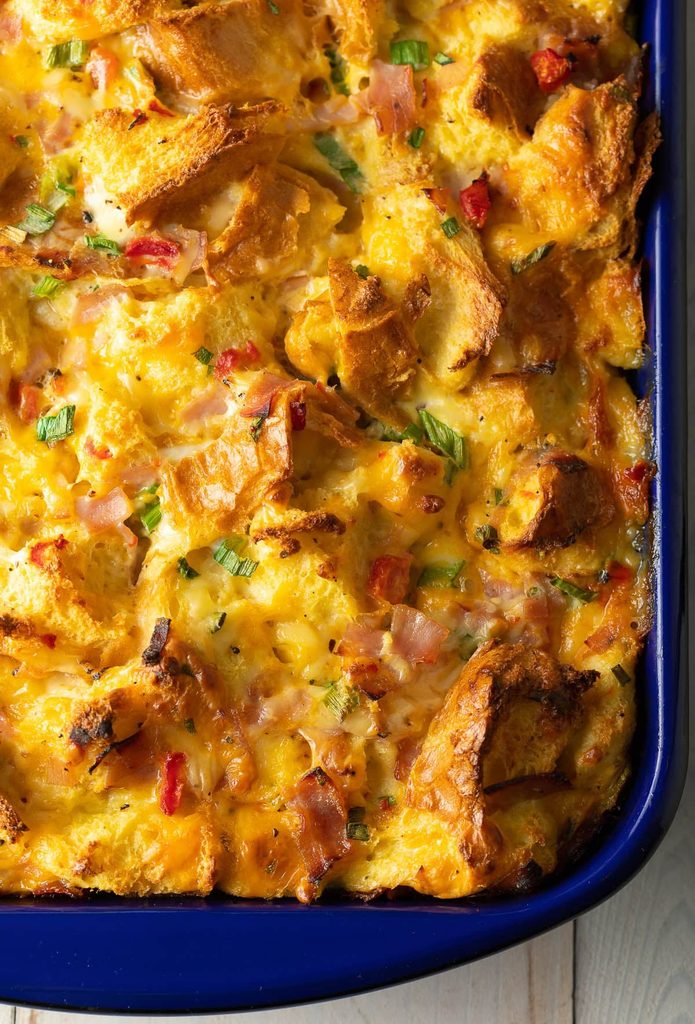
This savory egg bake is a brunch favorite built entirely on stale bread. Layer 6 cups cubed bread with 1 cup shredded cheddar and 1/2 cup cooked bacon in a greased 9×13 dish. Whisk 6 eggs and 2 cups milk, pour over, and chill overnight. Bake at 350°F for 45 minutes. Serves 6. It is a make-ahead favorite worth adding to our best brunch recipes rotation.
8. Garlic Bread
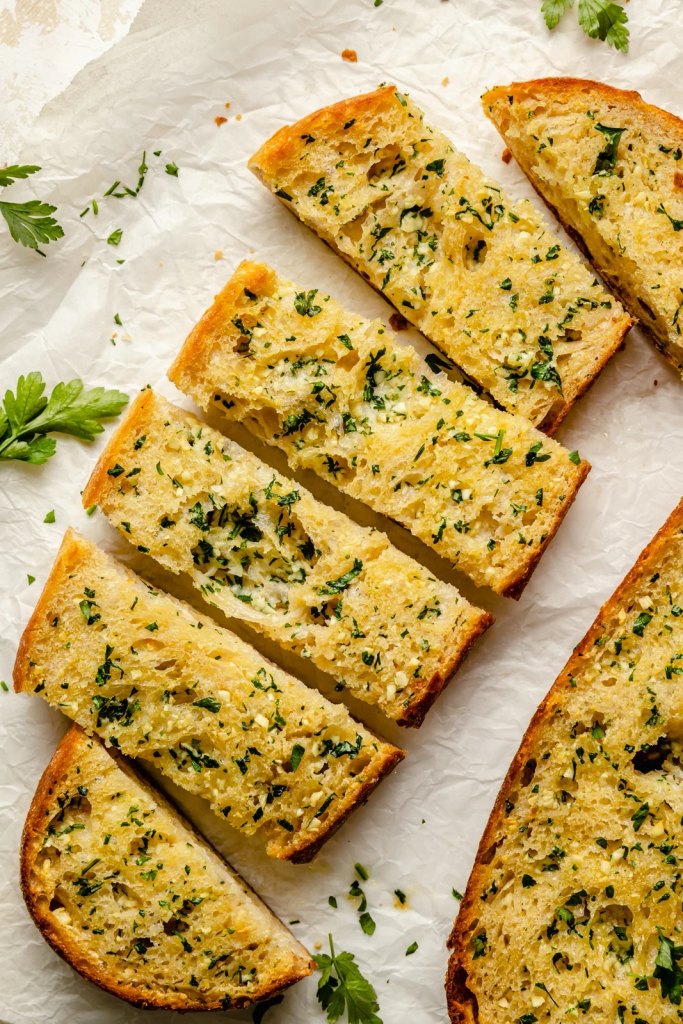
A firm, slightly dry baguette crisps up better than a soft fresh one. Slice a stale baguette lengthwise, spread with a mix of 1/2 cup softened butter, 3 minced garlic cloves, and chopped parsley. Broil 3 minutes until bubbly and golden. Serves 4. Serve alongside pasta or soup for an easy, crowd-pleasing side that takes minutes to pull together.
9. Ribollita
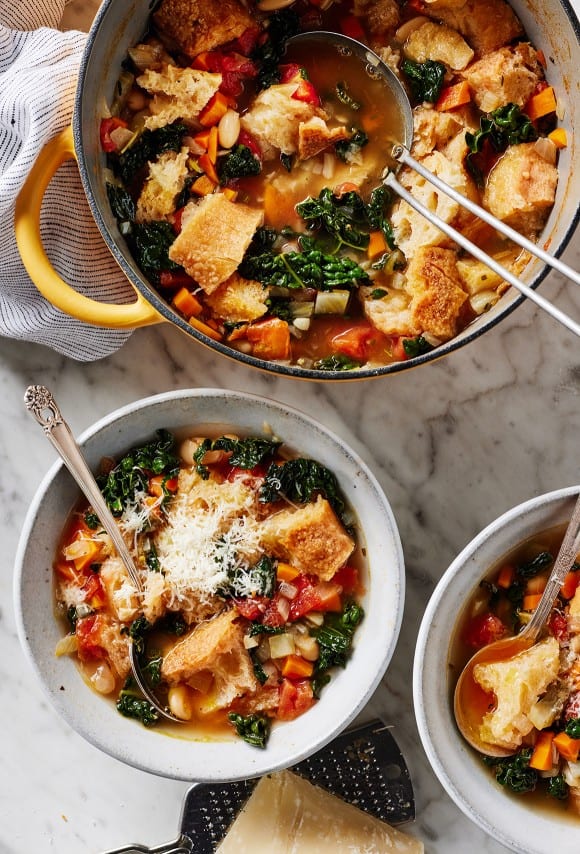
This hearty Italian soup is named for bread, since stale loaf thickens the whole pot. Simmer 2 cups cannellini beans, 3 cups kale, 1 can diced tomatoes, and 4 cups vegetable broth for 20 minutes. Stir in 3 cups torn stale bread and cook 10 more minutes until thick. Serves 6. Drizzle with olive oil before serving. Find more cold-weather bowls in our best homemade soup recipes.
10. Pappa al Pomodoro
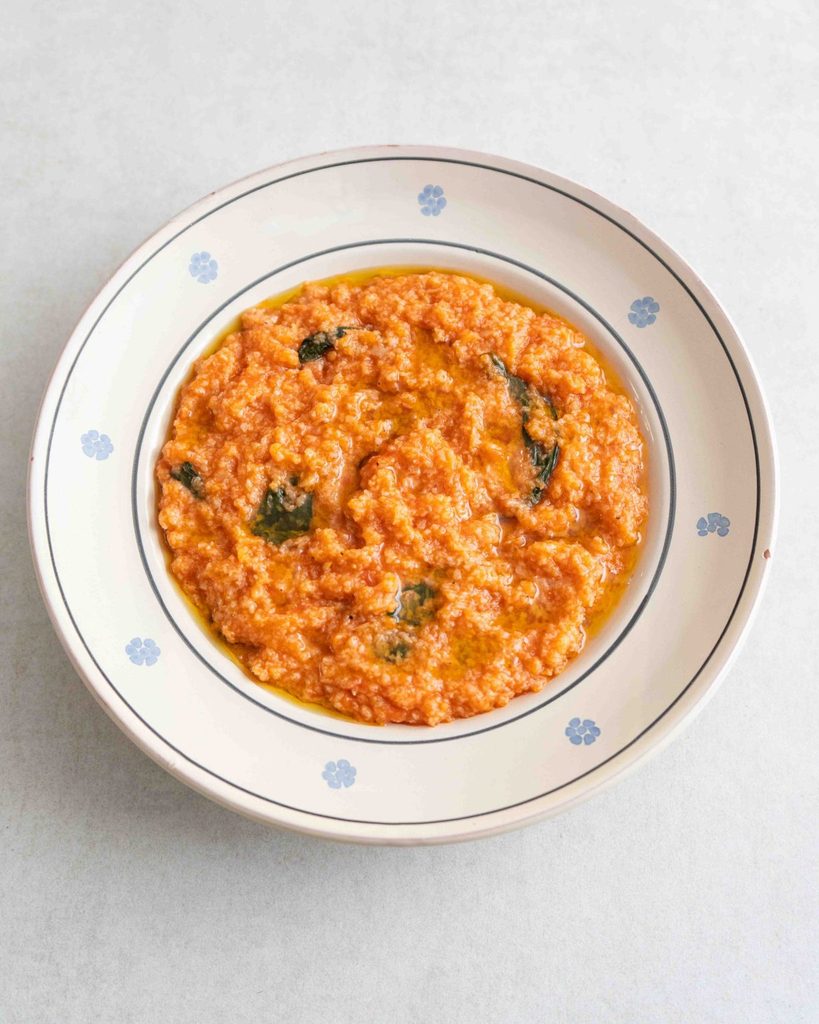
This Tuscan tomato soup gets its velvety body from bread, not cream. Simmer 4 cups crushed tomatoes, 2 cups vegetable broth, and 3 garlic cloves for 10 minutes. Add 4 cups torn stale bread and simmer another 15 minutes, stirring until it breaks down into a thick, porridge-like soup. Serves 4. Finish with a swirl of olive oil and torn basil leaves.
11. French Onion Soup
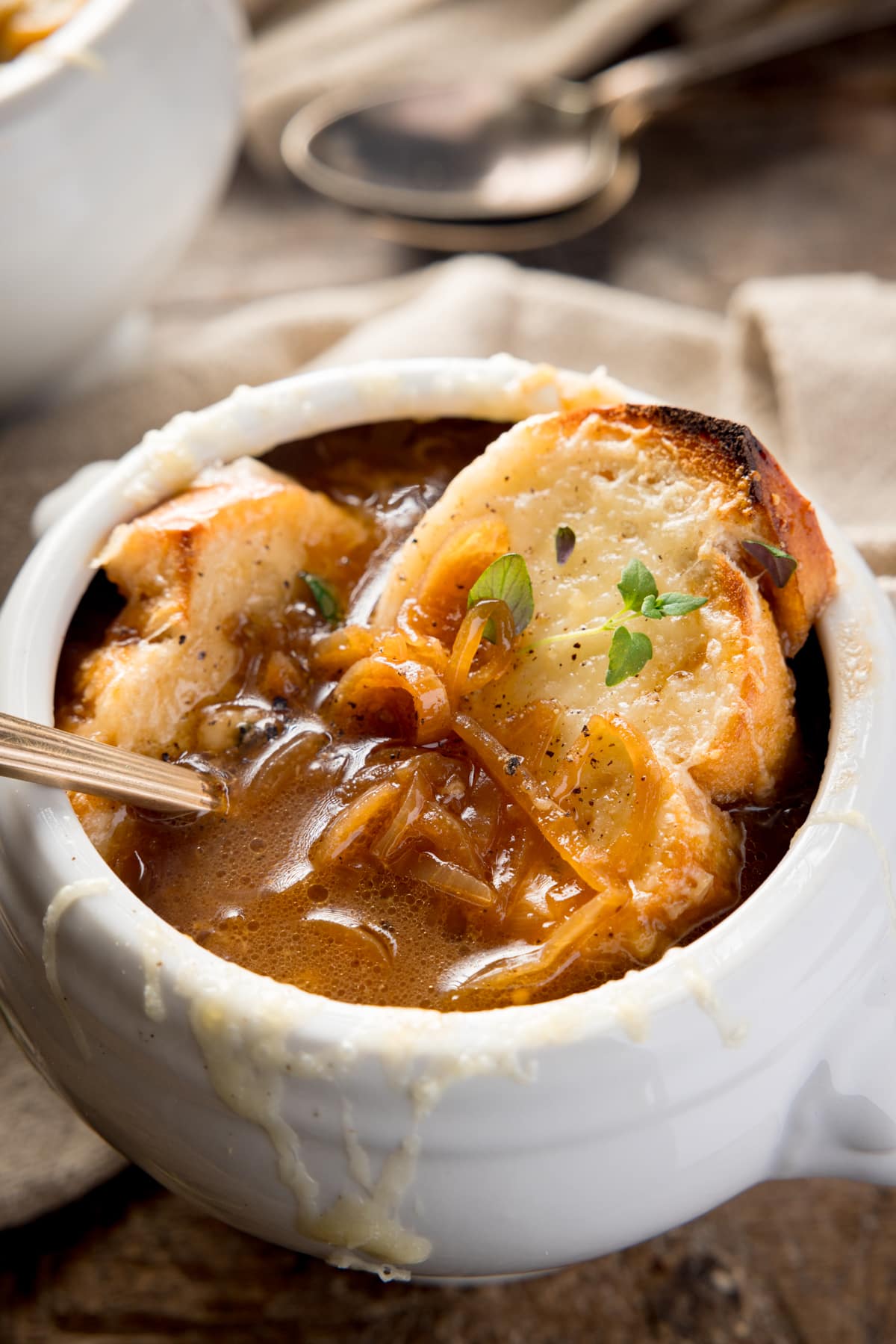
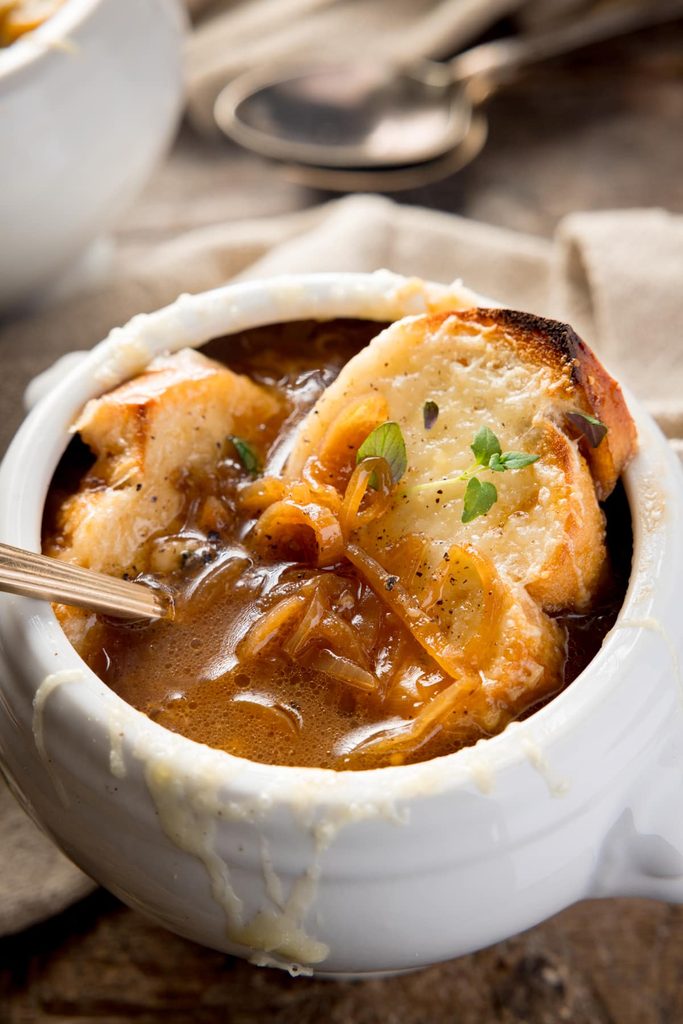
A toasted baguette slice makes the cheesy top layer that defines this soup. Caramelize 4 sliced onions in 2 tablespoons butter for 25 minutes, then add 6 cups beef broth and simmer 15 minutes. Ladle into bowls, top with stale baguette slices and 1 cup gruyère, then broil until bubbly. Serves 4. The bread holds its shape under melted cheese instead of turning soggy.
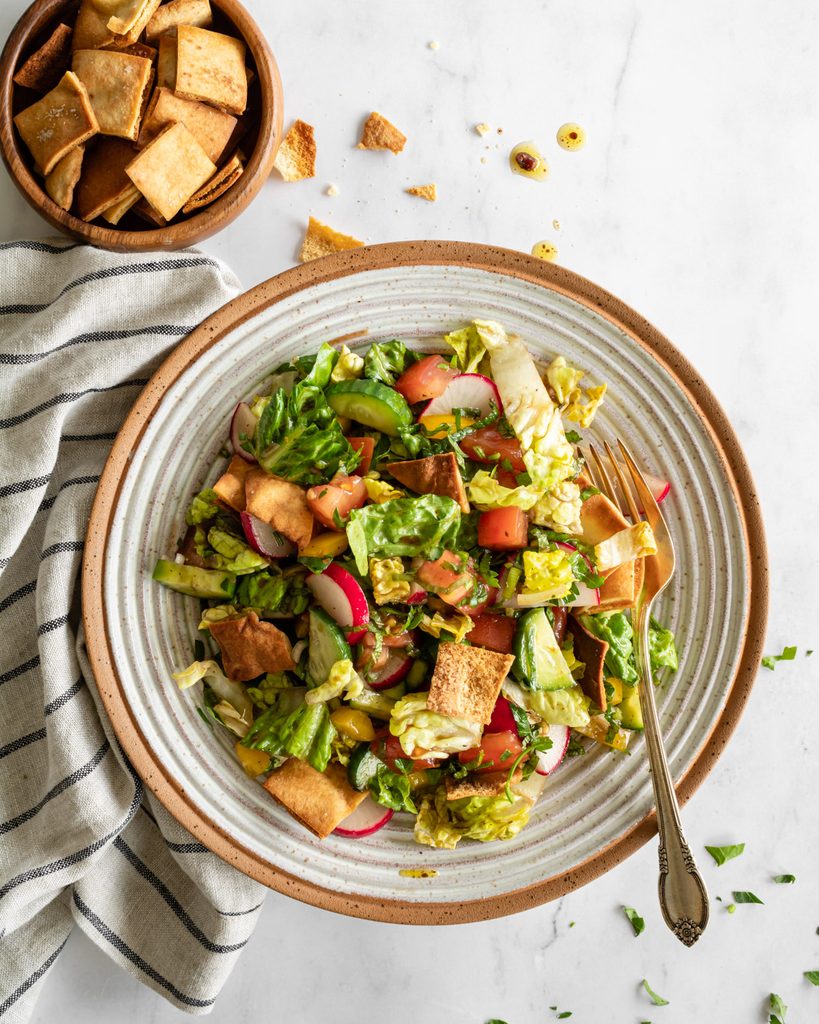
12. Fattoush
This Lebanese salad turns fried or toasted pita into crunchy, tangy bites. Toast 2 torn pita breads until crisp. Toss with 3 cups chopped romaine, 1 cup diced cucumber, 1 cup chopped tomato, and a dressing of 3 tablespoons olive oil, 2 tablespoons lemon juice, and 1 teaspoon sumac. Serves 4. The pita stays crisp longer than fresh bread would in a dressed salad.
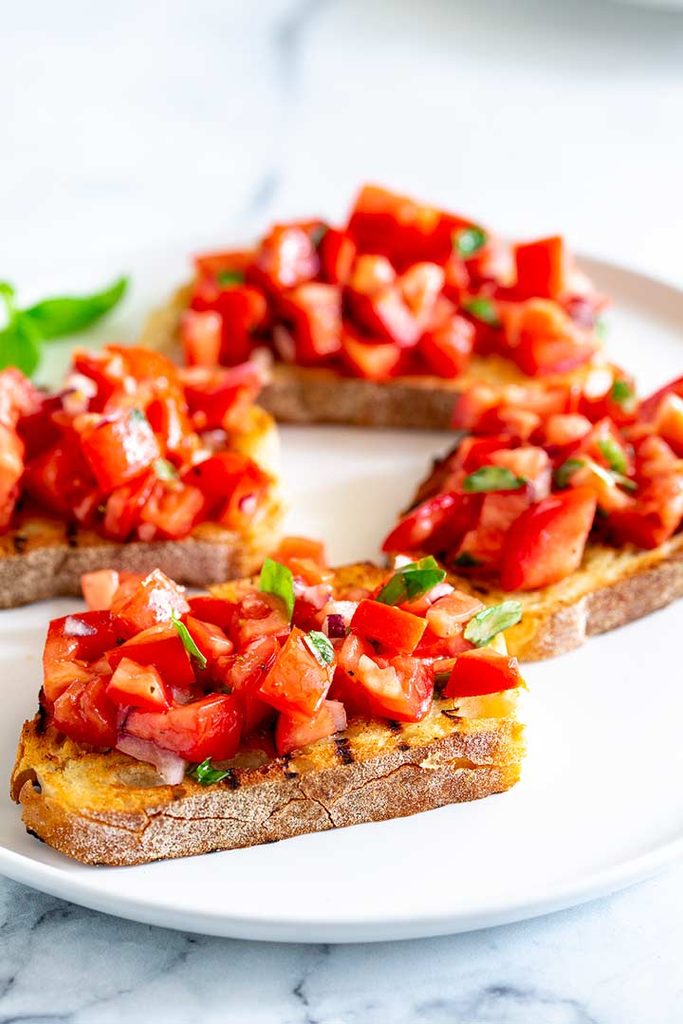
13. Bruschetta al Pomodoro
A firm, slightly dry baguette toasts up crisp without getting chewy in the middle. Slice and toast 8 pieces of stale baguette with olive oil at 400°F for 6 minutes. Top with a mix of 2 cups diced tomatoes, 1 clove minced garlic, basil, and a pinch of salt. Serves 4. It is a simple starter that shows off ripe summer tomatoes.
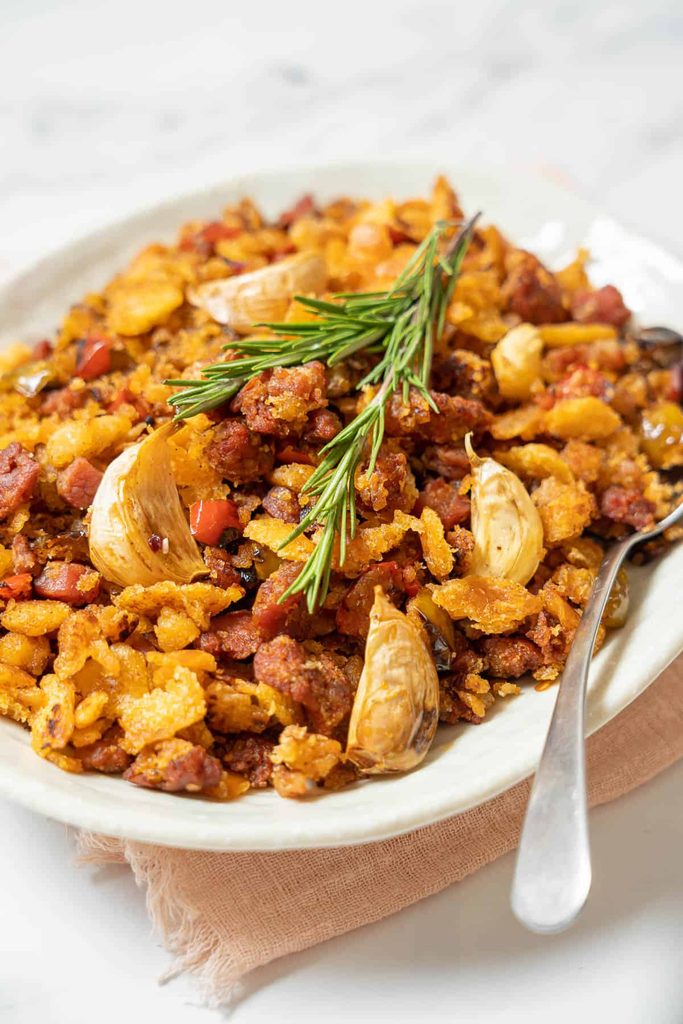
14. Spanish Migas
This rustic Spanish dish fries stale bread cubes until crisp and golden. Heat 3 tablespoons olive oil in a skillet, add 4 cups cubed stale bread, 2 minced garlic cloves, and a pinch of smoked paprika. Fry 8 minutes, stirring often, until crisp. Serves 4. Serve with fried eggs and chorizo for a hearty, savory breakfast with deep, smoky flavor.
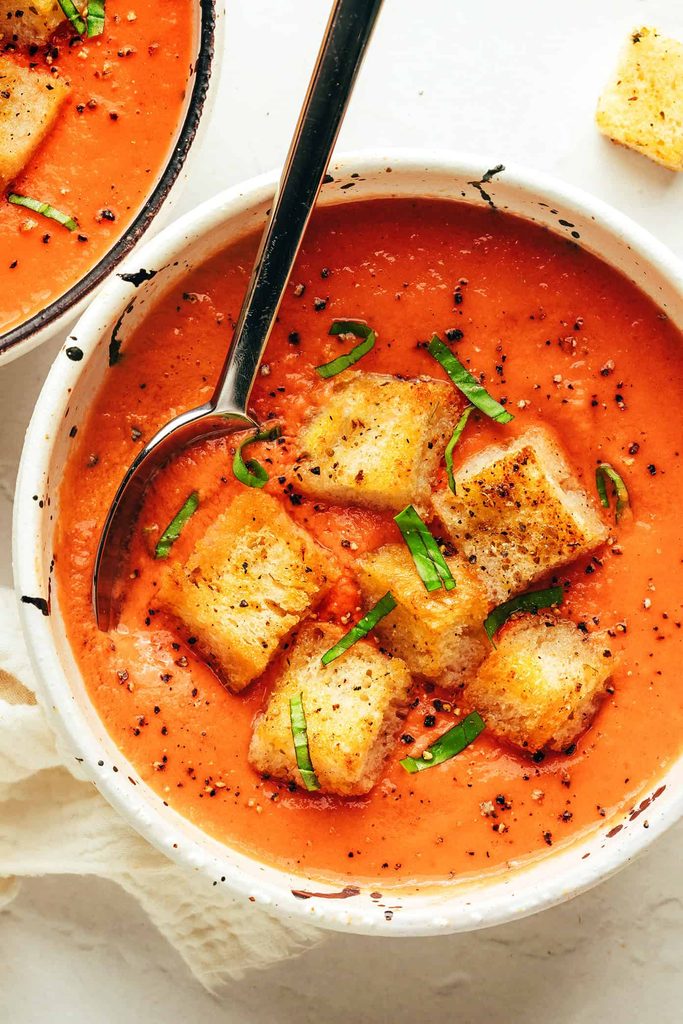
15. Bread-Thickened Gazpacho
Bread gives this cold Spanish soup its silky, thick texture. Blend 4 cups chopped tomatoes, 1 cucumber, 1/2 red bell pepper, 2 cups torn stale bread, 2 tablespoons olive oil, and 1 tablespoon sherry vinegar until smooth. Chill 1 hour before serving. Serves 4. The bread rounds out the acidity and gives the soup real body, not just thin tomato water.
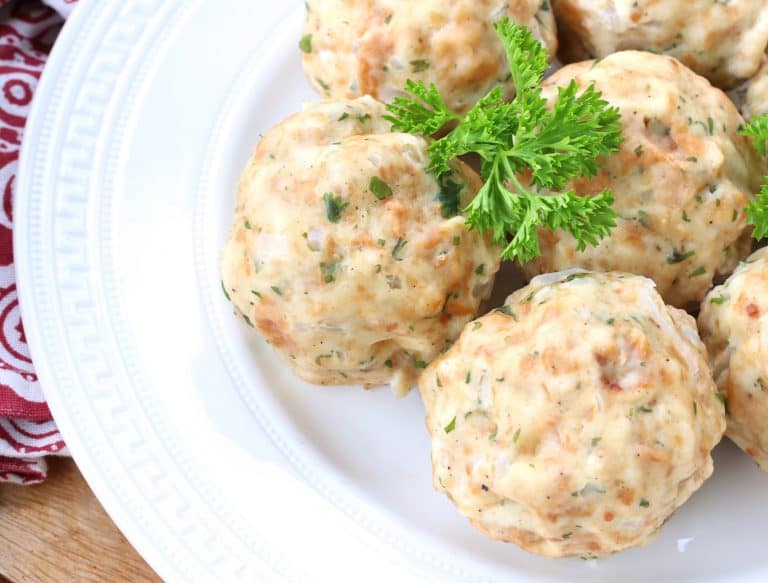
16. Semmelknödel Bread Dumplings
These German bread dumplings turn stale rolls into tender, pillowy sides. Soak 6 cups cubed stale rolls in 1 cup warm milk for 10 minutes. Mix in 2 eggs, 1/4 cup chopped parsley, and a pinch of nutmeg. Form into 6 balls and simmer in broth for 20 minutes. Serves 6. Serve alongside roasted pork or mushroom gravy for a comforting, old-world dinner.
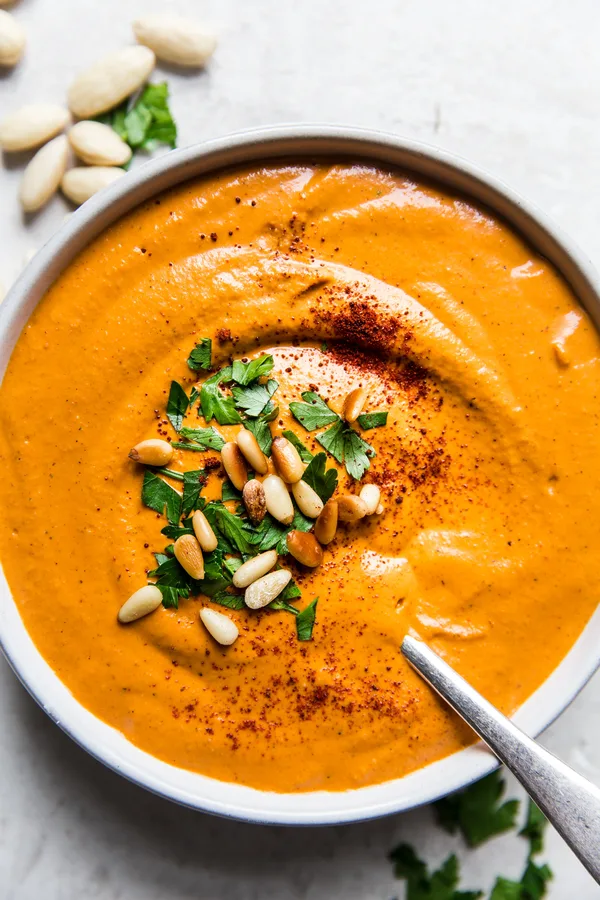
17. Romesco Sauce
This Spanish sauce gets its thickness from toasted stale bread, not flour or cream. Blend 1 slice toasted stale bread, 1 cup roasted red peppers, 1/4 cup toasted almonds, 2 garlic cloves, 2 tablespoons sherry vinegar, and 1/3 cup olive oil until smooth. Makes about 1 1/2 cups. Spoon over grilled vegetables or fish for a nutty, smoky finish that keeps well in the fridge for a week.
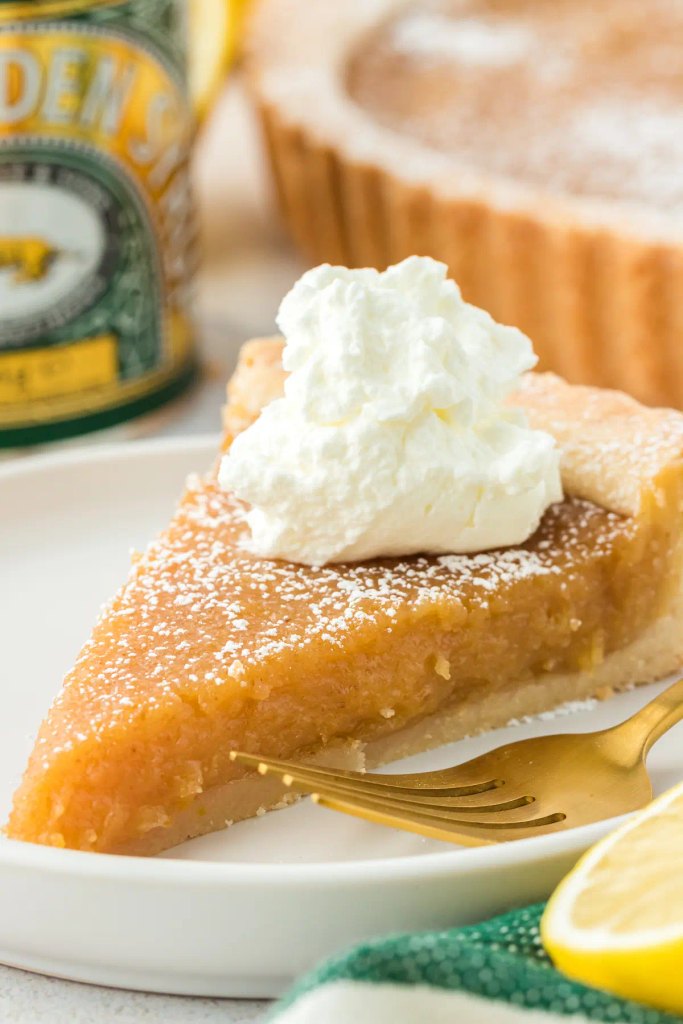
18. Treacle Tart
This British dessert uses breadcrumbs to bind a sticky, golden filling. Mix 2 cups fresh breadcrumbs (made from stale bread) with 1 1/4 cups golden syrup, 1 tablespoon lemon juice, and zest of one lemon. Pour into a 9-inch tart shell and bake at 375°F for 30 minutes. Serves 8. The crumbs soak up the syrup, giving the filling a chewy, dense texture.
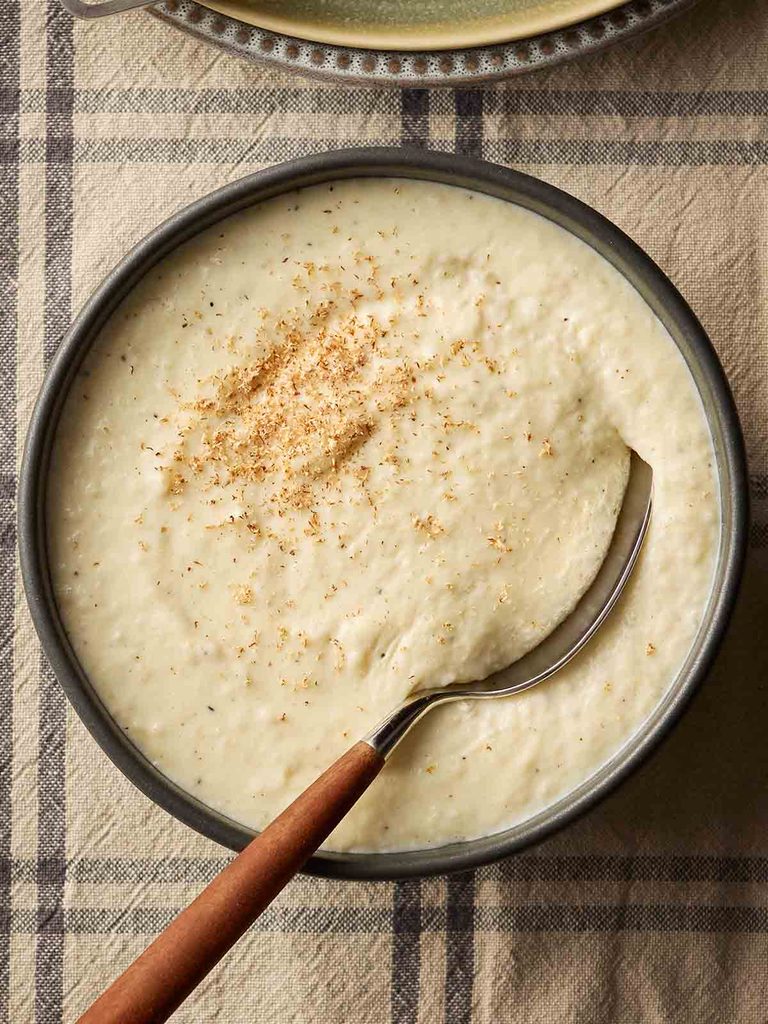
19. Traditional Bread Sauce
This classic English sauce turns stale bread into a creamy, spiced accompaniment for roast dinners. Simmer 1 cup milk with 1 small onion studded with 4 cloves and a bay leaf for 10 minutes, then strain. Stir in 1 cup fresh breadcrumbs and 1 tablespoon butter, simmer 5 minutes until thick. Serves 4. Serve warm alongside roast chicken or turkey.
How to Match a Recipe to Your Bread
Crusty loaves like baguettes and sourdough work best for croutons, bruschetta, and panzanella because they hold their shape under dressing or heat. Soft sandwich bread and rolls suit custardy dishes like bread pudding and strata, since they soak up liquid evenly without turning gummy.
Dense rye and German-style rolls are built for dumplings like semmelknödel, where structure matters more than crunch. If you bake your own loaves, our best sourdough recipes page is a good place to plan ahead for next week’s leftovers.
Here’s a quick way to think about it:
| Bread Type | Best Uses |
|---|---|
| Baguette or sourdough | Croutons, bruschetta, panzanella, garlic bread |
| Soft sandwich loaf | Bread pudding, strata, French toast |
| Dinner rolls | Semmelknödel dumplings, bread sauce |
| Rustic country loaf | Ribollita, pappa al pomodoro, gazpacho |
Bread that is a day or two old works better than bread that is weeks old and rock hard. If a loaf feels more like a brick than bread, toast it gently to soften the texture before soaking it in custard or broth.
When Stale Bread Is No Longer Safe to Use
Stale bread is safe to eat and cook with as long as it shows no mold, no sour smell, and no damp or slimy texture. Dry, hard, or stiff bread is simply dehydrated, and that dryness is exactly what these recipes depend on.
Mold is the clear line to toss it out. Green, white, or black fuzzy spots mean the whole loaf goes in the trash, since mold spreads roots you cannot see or cut away.
A sour, musty, or “off” smell is another warning sign, especially on bread stored in a damp bread box or plastic bag. Bread kept too long in humid conditions can develop bacteria that plain staleness never causes.
Check for stored bread with visible condensation or a tacky, wet surface. That dampness signals spoilage starting, not simple aging, and it means the bread should not go into soup, stuffing, or pudding.
When in doubt, trust your nose and eyes over the calendar date. Bread that looks and smells normal, even a week old, is almost always fine for toasting, frying, or soaking in one of the recipes above.